
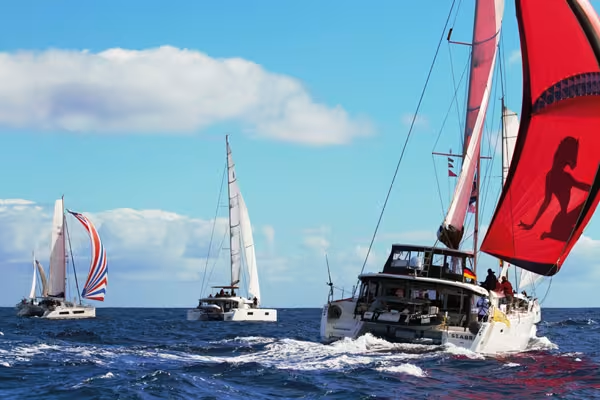
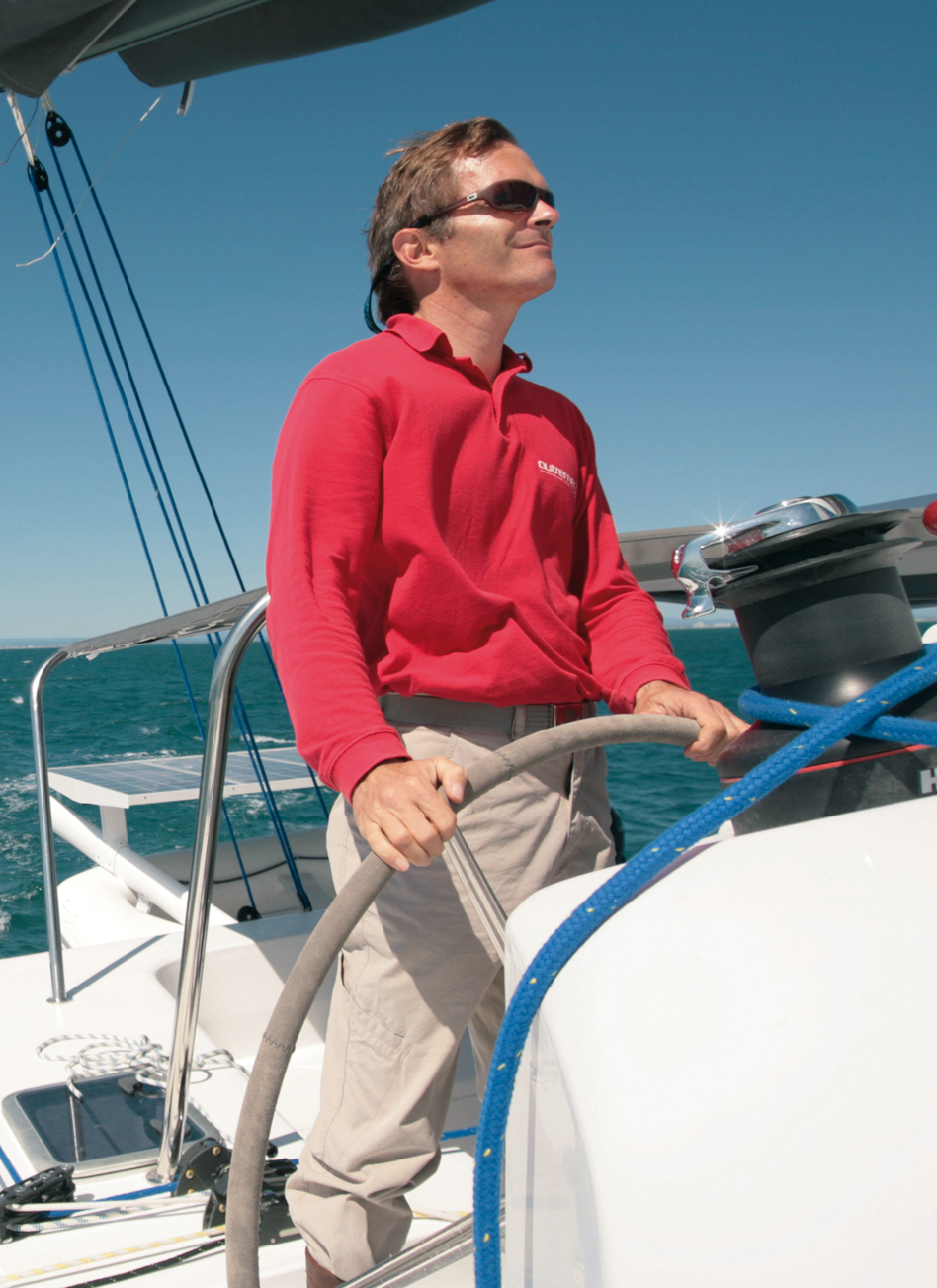
At the start of the Grand Large Yachting World Odyssey in Seville, and on the ARC routes out of Las Palmas, or through the extensive survey carried out by the French “Sail The World” association, we were able to put nearly 200 multihulls under the microscope. We went in search of the consensus, of the right balance between comfort, performance, energy, safety, without forgetting what is becoming compulsory – whether by legislation or by the rules of engagement in these ever more popular rallies. The organizers of the rallies naturally put the emphasis on safety. Complementing the inevitable life raft, a grab-bag is required, the contents of which are now well known. In addition to the usual emergency kit (flares, rations, survival blanket, and so on), it contains a portable waterproof VHF, an EPIRB beacon, and even a satellite phone for some.
Satellite is fantastic
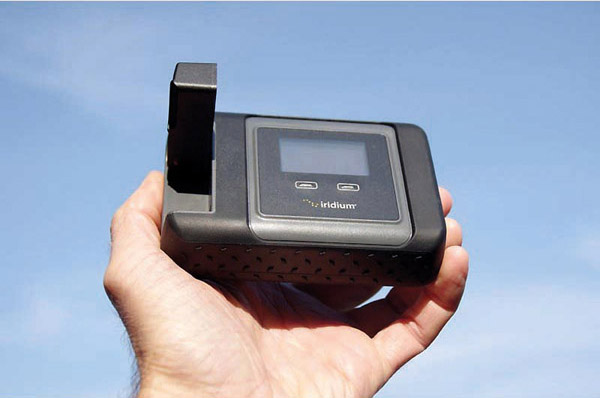
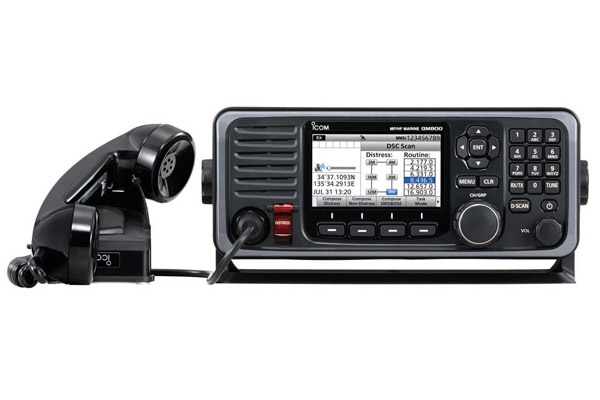
Low or medium speed satellite modems (broadband speed is still ludicrously expensive) have become an essential feature aboard all the multihulls we studied. While the desire to “disconnect” during long passages remains a motivation for many of the crews interviewed, the possibility to send and receive basic emails, to make a call or be called in the event of an emergency is still reassuring. Some people continue to work... but it is above all the enormous contribution in terms of safety that is unanimously appreciated. The ability to receive fresh - and therefore reliable - weather information has been something of a revolution in the management of day-to-day navigation. In the most extreme cases, being able to reach a doctor from the middle of the ocean, to call a ship in distress, or to speak in a safe and audible way to a person coming to your rescue represents a paradigm shift. Even though the standard Iridium Go is not an all-risks insurance policy, we can’t help but think that this type of equipment has largely contributed to the increase in the number of candidates setting off. However, the various operators don’t cover the entire globe: the venerable SSB, often coupled with a Pactor modem, remains an essential piece of equipment for circumnavigators. Multihulls heading beyond the Caribbean are instantly recognizable by their prominent whip antenna. Alongside AIS, an EPIRB and small individual MOB devices (406 MHz PLBs) slipped into the watch-keepers lifejacket - these are the four elements considered really essential by most... Those and a good quality sound system of course!
 |
 |
Satellite communications are now accessible to all (at least at low speed) - a revolution!
When satellite operator coverage is lacking, the good old SSB (which will always work) sits faithful at the chart table.
No compromise on safety
To round off the safety aspect, rally organizers use feedback from previous participants to go beyond mandatory equipment - or the legal requirements in force. For example, bilge pumps often have to be doubled in size compared to the standard, as they must be able to be operated not only from the outside, as is always the case, but also from the inside. A high-capacity portable pump is also required by the ARC organizers. In the list of recommended (but not compulsory) equipment, the more nostalgic among us will be pleased to see not only that the sextant is making a comeback, but also the storm jib and the staysail – provided you can get these hoisted in heavy weather. Seasoned multihulls crews will appreciate that the parachute anchor, which is not particularly suited to their speed, can be replaced by a drogue. This can effectively slow down and help the multihull maintain its course in the most severe gales and the steepest seas.
 |
 |
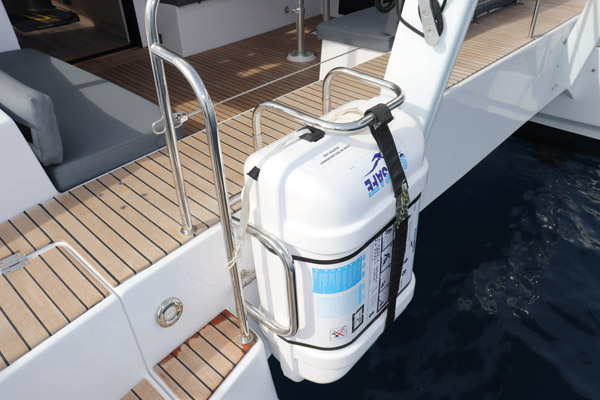
Life raft stowage is now well thought out to ensure quick evacuation if needed.
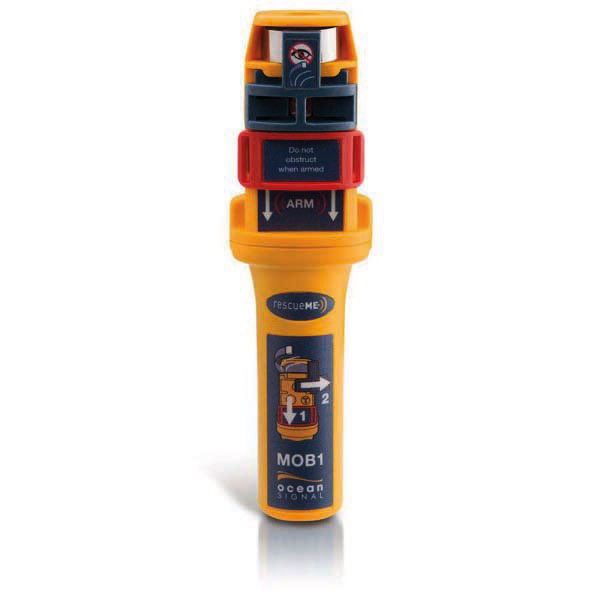
Small, individual PLB beacons that can be slipped into your watchkeeping jacket or life vest are an invaluable help in the event of an MOB at night.
The magic of microchips... but also the worries
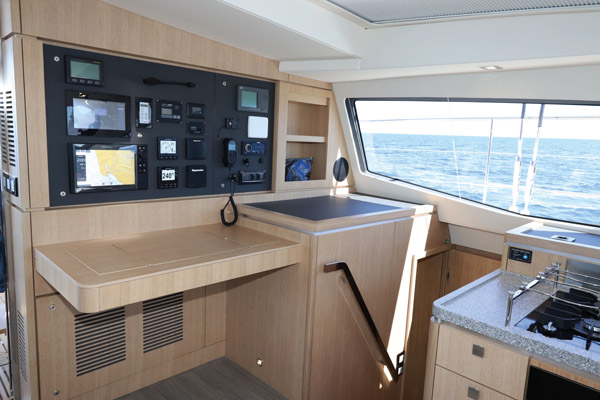
The equipment mentioned above, with its age-old reliability, contrasts vividly with the debauchery of electronics seen on multihulls coming out the yards today. Despite, as according to the Sail The World survey, 67% of sailors admitting to having encountered electronic or computer problems on passage, the amount of high-tech equipment is multiplying, inside and out. The autopilot is of course the most pampered piece of kit on board. Coupled with a gyrocompass, it is the sailor’s best friend. These days, no crew would imagine taking turns at the helm 24 hours a day - the investment is therefore considered essential. A failure of this indispensable “crew member” is so feared that almost every boat carries a back-up pilot on board. This second pilot is either on board as spare parts or sat idle, waiting, off-watch on a completely separate electrical circuit - the strategies may differ. In addition to the indispensable navigation electronics and the radar, whose performance has evolved considerably, the combined GPS chartplotter has undoubtedly become the star in the early part of the third millennium. Having one’s position permanently displayed, even in the worst of visibilities, is indisputably a comfort, peace of mind and an incomparable safety factor. The number of screens, sometimes used simultaneously, is clearly increasing: two at the helm stations, one at the chart table, plus one or two computers, as well as a tablet… isn’t that two or three too many? AIS is also very popular, but it is not a miracle answer either. Many boats (yachts, fishing boats, and others) are not equipped with it or have it switched off. So small screens will never replace a careful watch through the large portholes. However, these little gems of technology are very practical, and thus, navigation and routing software that can be associated with them (Maxsea, Adrena, PredictWind, to name but three) have taken over at the chart table.
 |
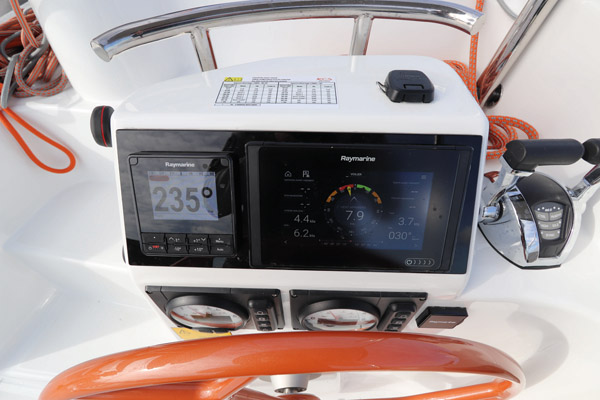 |
Screens are flourishing on helm consoles (here an Excess 11) and at the chart table on this Privilege Signature 510.
Green energy on the rise
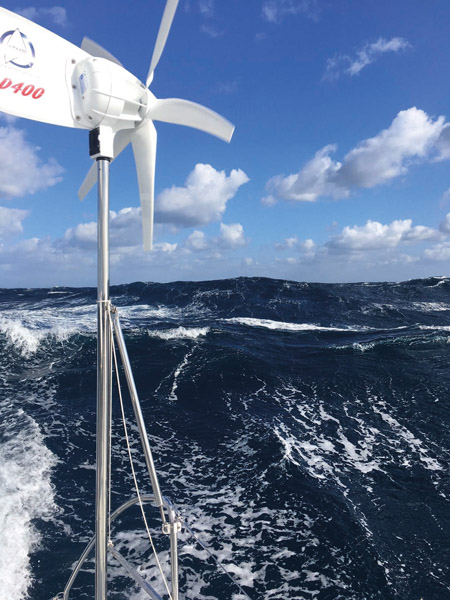
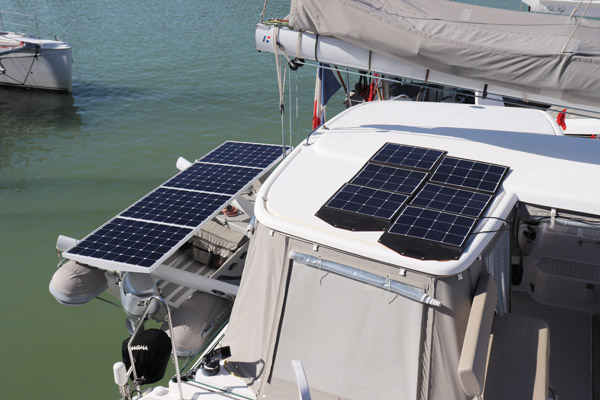
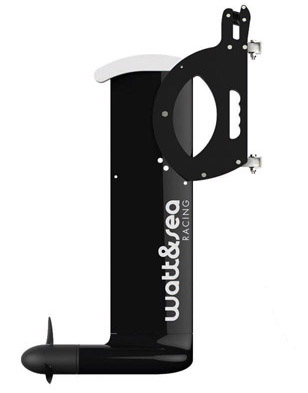
With so much technology, the issue of powering it all inevitably comes to the fore. As an enlightened manager, the 21st century skipper is focusing ever more on an energy mix that illustrates the attention he pays to his environment. The objective is clear: to use one’s diesel engines as little as possible, or ideally not at all, as a means of recharging. A modern multihull is the perfect platform to set up this virtuous circle. Its surface area allows the installation of a large number of solar panels, and having 1,000 W of useful charging power, which will work as well under way as at anchor, has become commonplace. The other advantage of sailing on two or three hulls lies in the acceleration capacity and average speeds offered. While wind generators seem to be losing ground, we’re see an increasing number of sugarscoops sporting a hydro-generator, notably the famous Watt&Sea launched by Yannick Bestaven, winner of the last Vendée Globe race. These products have their origins in ocean racing. The fastest multihulls are even equipped with the Racing version, which is certainly more expensive. But with double digits frequently appearing on the log, it is this model that is most suitable with its variable pitch propeller. Testimonies collected on the pontoons corroborate the theoretical data, with 20 Amps at 10 knots of boatspeed, and 9 to 10 Amps from 6 knots. All this in cathedral-like silence and with barely any impact on speed. What more could you ask for?
 |
 |
 |
Lithium, it’s a winner
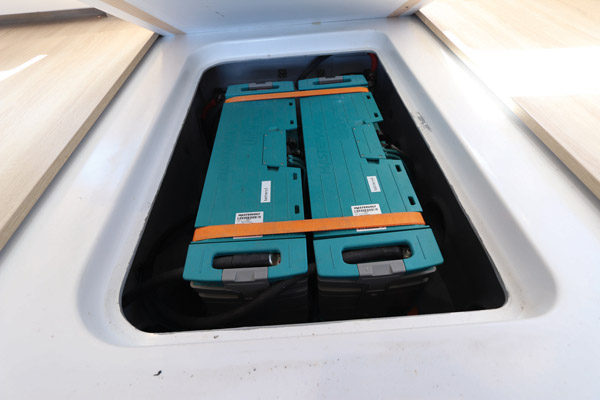
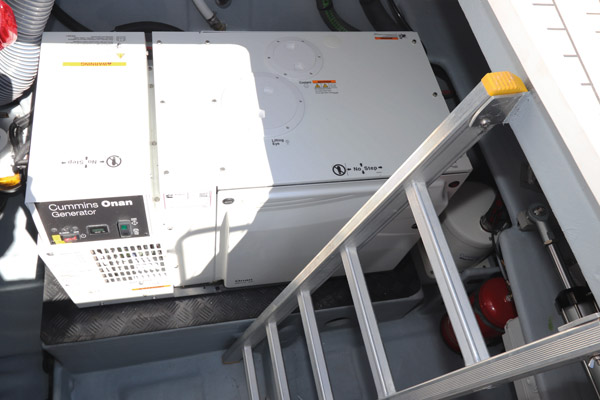
A wind generator perhaps? Clearly, this is no longer the majority choice of the crews interviewed. Noise pollution, risk of accident (reefing lines or worse, a clumsy hand) and low performance downwind or in sheltered anchorages all discourage this charging method. And this is all the more true since multihulls are able to offer other very efficient green energy sources. No, the new electrical revolution is about batteries. Combining less weight with a wide range of use, lithium-ion batteries have got everything to seduce multihull fans looking for self-sufficiency on lengthy voyages. In addition, their price has decreased significantly in recent years, making them almost reasonable, at least relative to the overall investment. The one thing that is losing ground, however, is the generator. With two engines already on catamarans and all the clean energy sources already mentioned, it’s not hard to see why you would question adding a third internal combustion engine, with all its issues - weight, the space it takes up, maintenance required and so on). It’s really only those addicted to air conditioning or having all 110 or 220-Volt equipment who are still in favor of installing a generator. That said, the development of electric as the drivetrain on tomorrows multihulls will likely make the generator an indispensable feature… Story to be continued.
 |
 |
Modern lithium-ion batteries are more efficient and much lighter than the classic lead-acid version. Now more accessible in terms of price, they are becoming a must on board our multihulls.
While somewhat out of fashion today, generators are likely to make a comeback thanks to the development of the electric drivetrain.
Comfort, a real philosophical debate
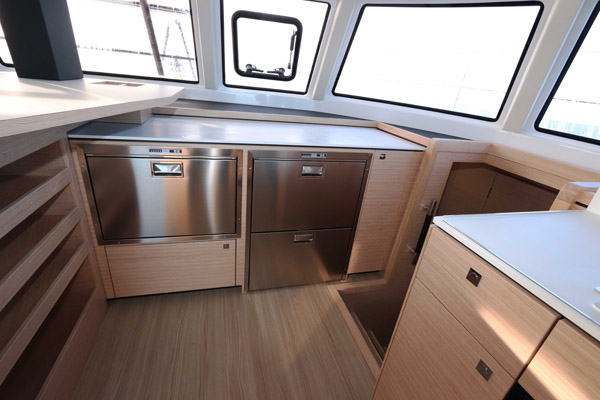
This brings us to the most divisive issue, that of so-called comfort equipment. The debate is raging between supporters of the “like at home” approach and those who favor a more minimalist approach. The former are often keen to ensure family inclusion - the crew accompanying the skipper is not necessarily quite as enthusiastic they are about living full-time on a boat. As for the second group, they adopt the STW sailors’ doctrine: “Comfort means having the essentials, and being able to manage them yourself”. The term “minimalist” aboard a blue water multihull in 2022 should be put into perspective. Refrigeration is the principal concern, and this is quite normal because it is more than an element of comfort, it is rightly considered as essential to life on board. Refrigerators with drawers have taken a good share of the market, and while freezers aren’t a feature on every boat, they are loved by those who have adopted one. There’s no better way to spread out the erratic nature of your catch or to enjoy a good steak and French fries in the middle of the ocean!
 |
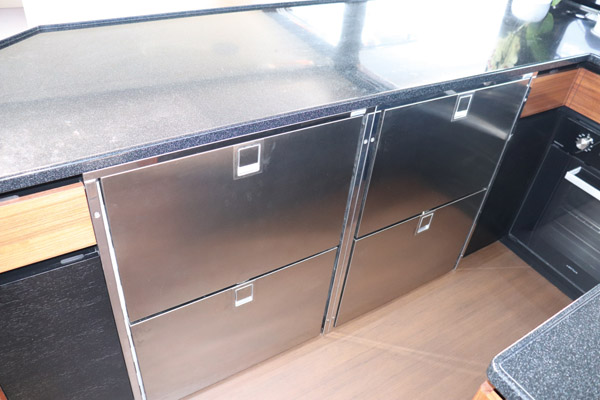 |
Today, all multihulls, including the most exclusive such as the Gunboat 68, offer a refrigeration capacity equivalent to that of a shore-dweller’s kitchen. The same goes for the brand new Nautitech 44 Open - it has two drawers and a freezer.
Our beloved dinghies
Statistically, the second factor considered critical for successful and comfortable cruising is the dinghy and its motor. It’s a given that you’ll spend way more time at anchor than under way. The commonly quoted 80/20 ratio is, according to many people, an underestimation. So, the dinghy becomes the main boat that’s used. It becomes a cab, a supply vessel, an expedition ship... RIBs have long since proven their relevance. The most fastidious prefer an aluminum bottom (lighter and more resistant than GRP) and Hypalon® tubes which are more UV resistant than PVC ones. The more affluent opt for a fully rigid carbon model. They are enthusiastic about its handling. The regular outboard motor continues to win the majority of votes. Power ratings adopted leave no doubt as to the intensive use that is made of it. 15 HP motors have taken the place of the 10 HPs, though not without some specific arrangements (outboard crane, suitable bracket, etc.) for handling and storing the motor. On some tenders you also see electric outboard motors appearing, sometimes doubling up with the gasoline version. Their power remains limited, and the recharging of the batteries adds to the already long list of energy requirements on board, but the lightness, the cleanliness and the silence of operation of these new propulsion systems have already tempted several of the sailors we met.
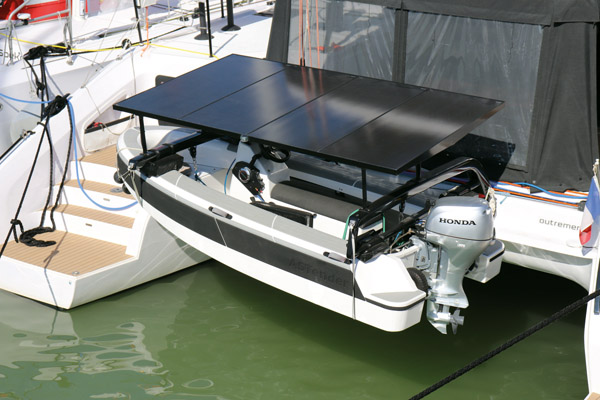
When it comes to dinghies, the RIB and a 15 hp outboard pairing is the most common... But a rigid, full-carbon model is the ultimate!
Fresh water on tap
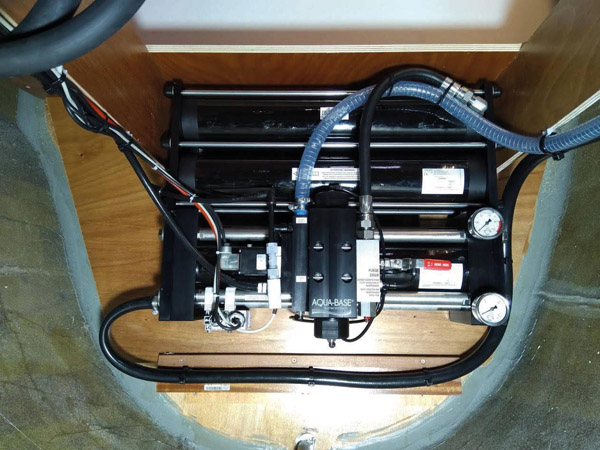
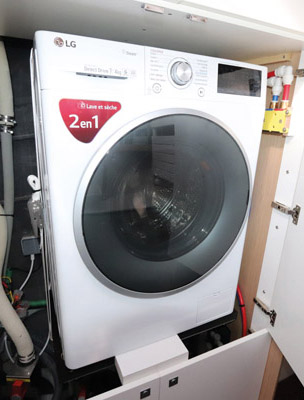
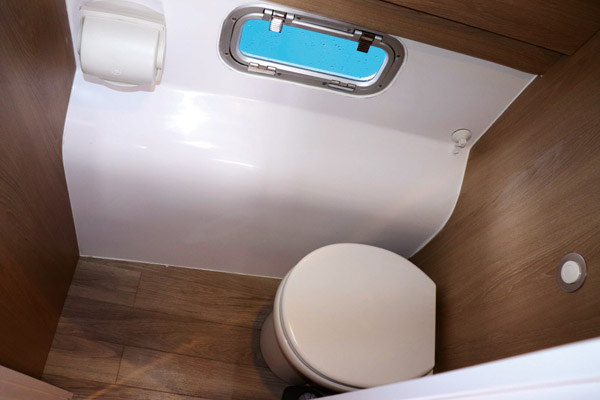
Now this might come as a surprise: water only came in third place among the topics discussed. Yet it’s far more crucial than anything else! However, 100% of the multihulls interviewed had a watermaker on board, and while some were satisfied with a 15-US gallon per hour unit (60 liters), the 25 US gal (100 l), still in 12 V, is more often chosen to respond efficiently to the consumption on board and meaning you can reduce the amount of water you have to carry in the tanks by a significant amount. Although not considered an essential by the majority of the people interviewed, a washing machine still features on many multihulls - which offer many spaces that are perfectly suited to such use. Listening to or reading the accounts of expeditions that are often adventurous in their search for a laundromat during stopovers, we can better understand this choice! Multihulls intended for circumnavigating via the trade wind route are logically not equipped with a heater. In Europe, air conditioning, considered complex and energy consuming, is not in vogue on boats under 50 feet. Natural ventilation is much more favored. On the other hand, multihulls found along the east coast of the United States are almost all equipped with it. Electric toilets, considered a luxury ten years ago, have become the norm. Reliable, well adapted to the obligation for a holding tank, these toilets consume little water. So much so that some have connected it to the fresh water circuit, preserving its mechanics from salt and delaying the arrival of bad odor problems.
 |
 |
 |
All blue water cruisers are equipped - as on this Lagoon - with a watermaker. Don’t forget to carry numerous filters and to ensure regular maintenance of this sometimes-fickle piece of equipment…
Even though a washing machine is not considered essential by the majority of the multihull skippers we consulted, it still finds its place on board a lightweight ORC42 as it does on an Explocat 52, the ultimate aluminum cruising cat…
Virtually all new multihulls now feature electric toilets, including price-conscious models like this Aventura 44.
The electric galley
To end this tour of equipment on a more appetizing note, let’s take a look in the galley. A central element of life at sea, the stove is undergoing a revolution: there are ever more induction cooktops! This option to use electricity is made possible thanks to the capacity of lithium batteries (600 amps on average that can be used at 80%) and this is backed up by more efficient green energy production (solar panels and hydro-generators - see above). “Heresy”, will shout the most traditional purists. But those who have experienced the difficulties of refilling butane or propane cylinders, with (almost) as many different standards and fittings as countries visited, will undoubtedly see only advantages. Driving gas away from the boat also has a safety aspect. This choice of electricity is often coupled with the installation of a microwave on board. This is ideal for heating up a mug of tea in a few seconds or a snack to keep you going. The problem is a little more difficult with the traditional oven, which takes much longer to use. Its electric version is therefore much less suitable - aboard a multihull, the electrical capacity is still limited despite all the progress made.
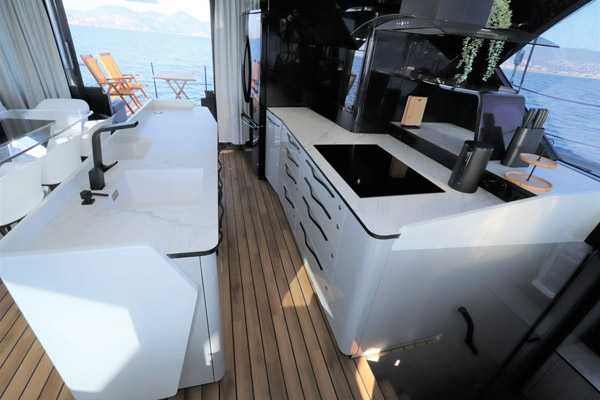
Induction cooktops are replacing traditional gas stoves, as here on the Wave 50 discovered at the Cannes boat show.
Conclusion
Having surveyed the marinas of Seville and Las Palmas ahead of the rally departures and exchanged views with Laurent Marion, the coordinator of Sail The World (stw.fr), we can safely say that the yachtsman of 2022 really does have all the equipment to make life easier when cruising. But isn’t there a risk of having too much? Wouldn’t we be at the point of losing the very essence of cruising, the spirit of adventure? Are we capable of accepting a “downgraded mode” so common to pilots in case of technical problems? “The important thing to bear in mind is to not forget that we’re talking about a self-sufficient project, and that all choices must be made to fit this fact”, Laurent reminds us wisely.
