
A multihull equipped with a rig will, in theory, spend many more hours under sail than under engine. The sail wardrobe is therefore an essential element; it is the wardrobe that will propel us without limit and offer us range for voyaging aboard our catamaran or trimaran. Sifting through the sails is, of course, a matter of looking at the fabrics that they’re comprised of. The properties and qualities of the materials selected will determine the profile of the sail that best suits your program, your way of sailing and your budget. Multihulls in series production are generally equipped with Dacron sails as original equipment from the shipyard. This corresponds to the majority of the demand – and that of charter companies in particular - but many of us take great care in the choice of fabric to make sails that are more performing, whether in longevity, pleasure of use or speed. This is all the more important as the workloads on multihulls, with their greater righting moment, are about 20% higher than those on a monohull. An ideal weight of 10¼ oz/yard (450 gr/m²) for a 50-foot monohull will be well suited for a catamaran of just 40 feet. Within the multihull family, there are also differences: a beamy trimaran, with a lot of sail area and a carbon mast, will have much higher sail loads than a cruising catamaran of the same length.
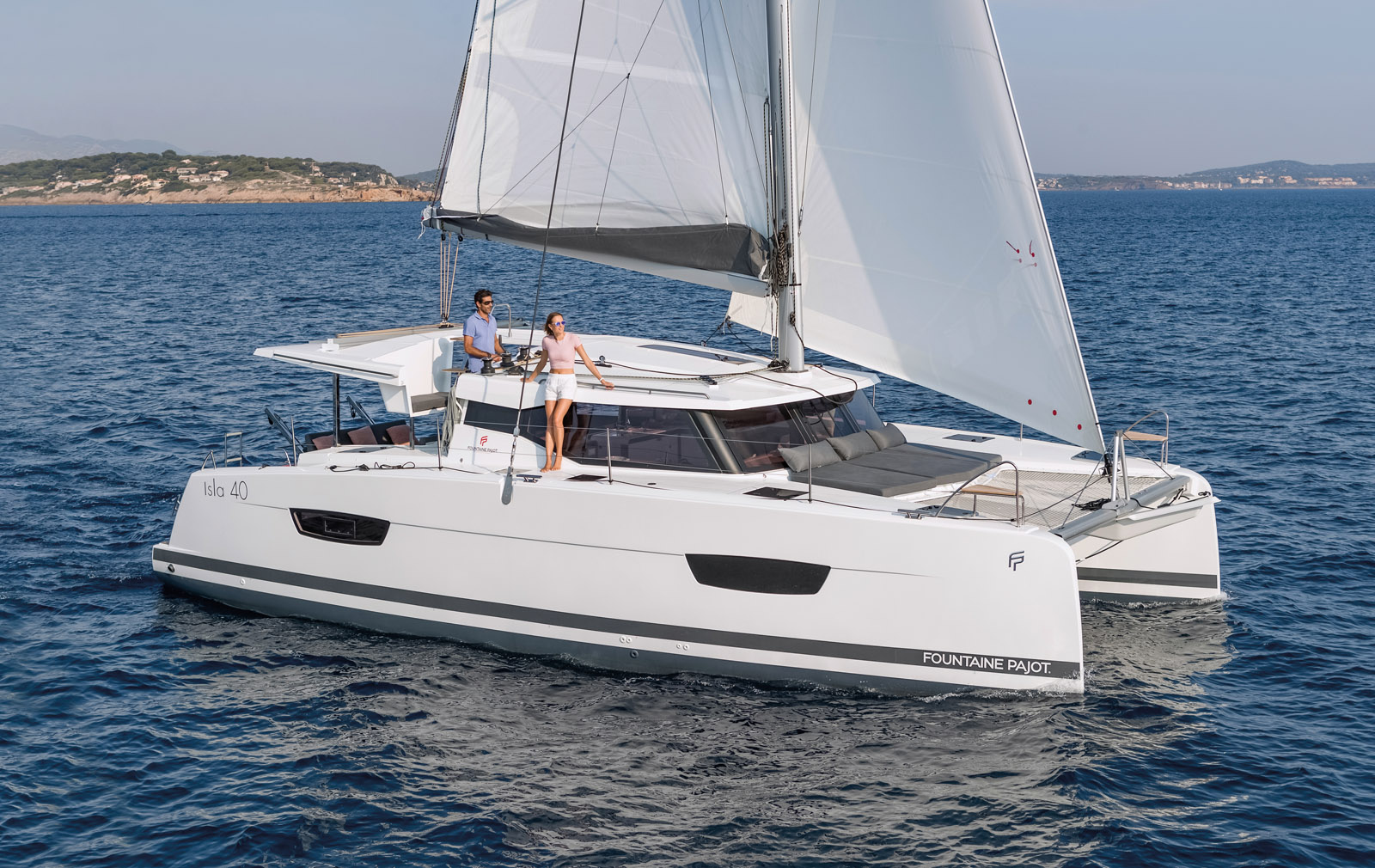
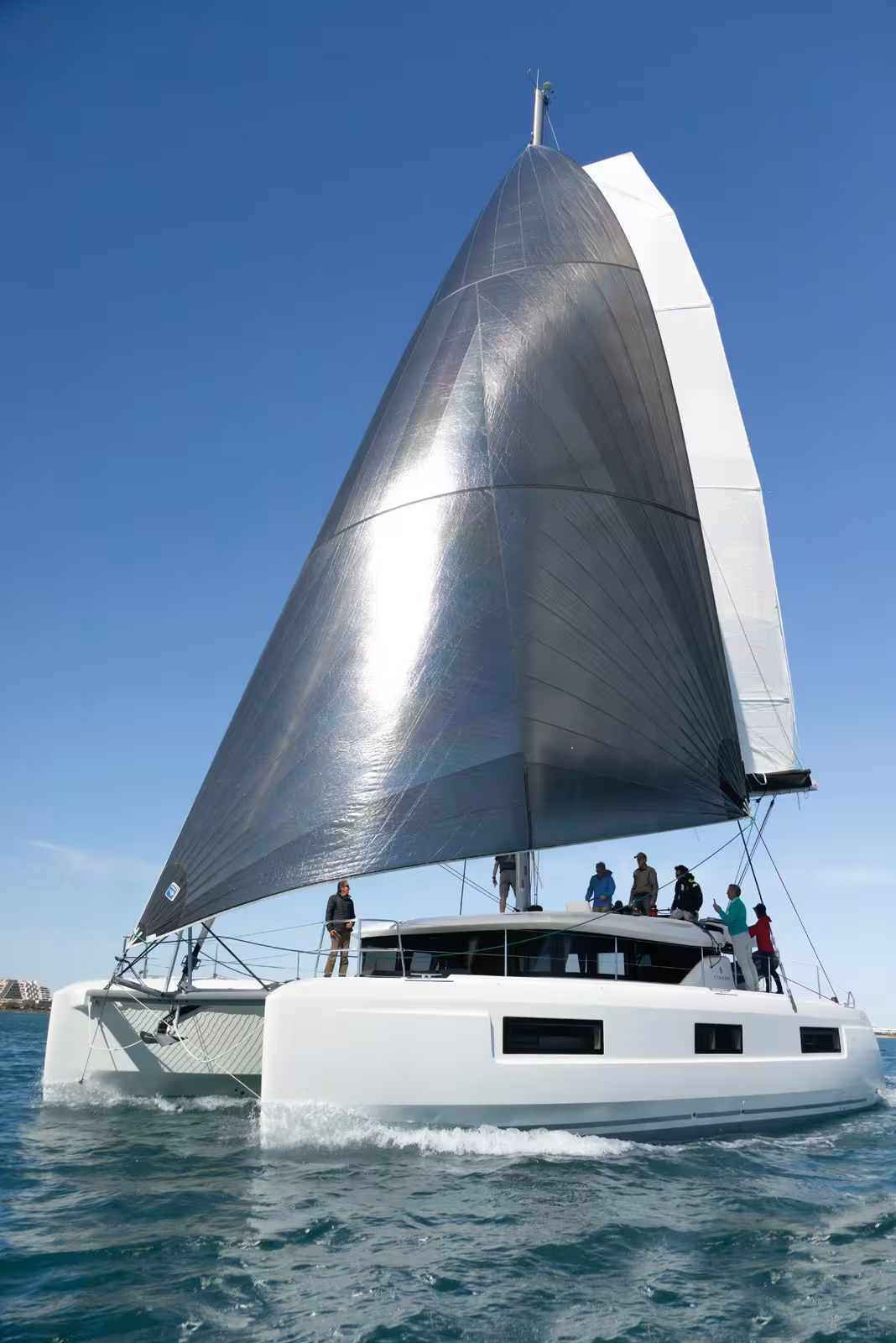
As standard, most production multihulls are equipped with a sail wardrobe in Dacron with a horizontal cut.
A consistent choice up to 40 feet, as long as the user is not too demanding.
Above 45 feet, you can switch to more sophisticated sailcloth such as high-tenacity Dacron in tri-radial cut.
THREE FAMILIES OF SAILCLOTH
To meet these very diverse constraints, there is a wide choice of materials available - their names are evocative of high technology, but how do you find your way around? Of course, you won’t have the same needs depending on whether you are sailing around the world or offshore racing on a 55-foot boat or whether you are sailing for a few hours on board a 35-foot day boat to go picnicking in the islands. There are three main categories of fabrics - or rather composite materials, we should write, because sailcloth today is most often hybrid and composed of several elements: woven, laminates, or monobloc membranes. The price ratio between the most basic and the most sophisticated ranges from 1 to 4, which obviously justifies having defined its specifications before placing an order. The implementation and cutting are particularly complex tasks, which can influence the final quality of the sails - a master sailmaker will logically be your precious ally in helping you make the best choice.
WOVEN FABRICS
These are the most ancient type of… modern fabric. They consist of fibers interlaced at 90° to each other, which are called the weft in the width direction and the warp in the length direction. Since 1950, the cotton that made up the fibers has been replaced by high-tenacity polyester fiber, which has increased resistance to aging, ultraviolet light and absorbs much less moisture. Dacron, the famous polyester fiber from Dupont de Nemours, has become an essential generic. Its suppleness makes it particularly pleasant to handle, its quality/price ratio is unbeatable, and its longevity is very high thanks to its high resistance to chafe. It is not uncommon to see suits of sails with more than twenty years’ service - especially since repairs are relatively easy. The downside: its resistance to elongation is not optimal. Over time, the mesh relaxes and loses its effectiveness. The larger the multihull, the greater this deformation. Therefore, Dacron is preferred on small units with no pretension of performance and with sail areas of less than 450 sq ft (40 m²). This material is better suited to a horizontal cut (or vertical for an in-mast furling sail, for example). To combat this relative flexibility, manufacturers use heat to reduce the mesh size. Other systems use coated resin to fill the gaps between the yarns, this is called impregnated weaving as proposed by Contender Sailcloth with their Fibercon®. The tighter the weave, the stronger it will be. Some weaves use different yarns for the weft and warp to make the fabric less deformable. These denser fabrics are used in bi-radial or tri-radial cuts - both distribute the forces in the direction of greater strength. The cost of manufacturing therefore has an important impact on quality. More recently, new fibers have appeared, one example being Dimension Polyant’s Hydranet, which uses an anti-tear polyethylene fiber mesh (Dyneema or Spectra), which appeared in the 1980s. These fibers are known for their low elasticity as well as their ability to withstand being folded and their resistance to UV rays; they reinforce the fabric on a multidirectional level. It then becomes interesting to work this fabric on tri-radial cuts, especially since it is then possible to slightly lower the weight of the fabric for identical strength.
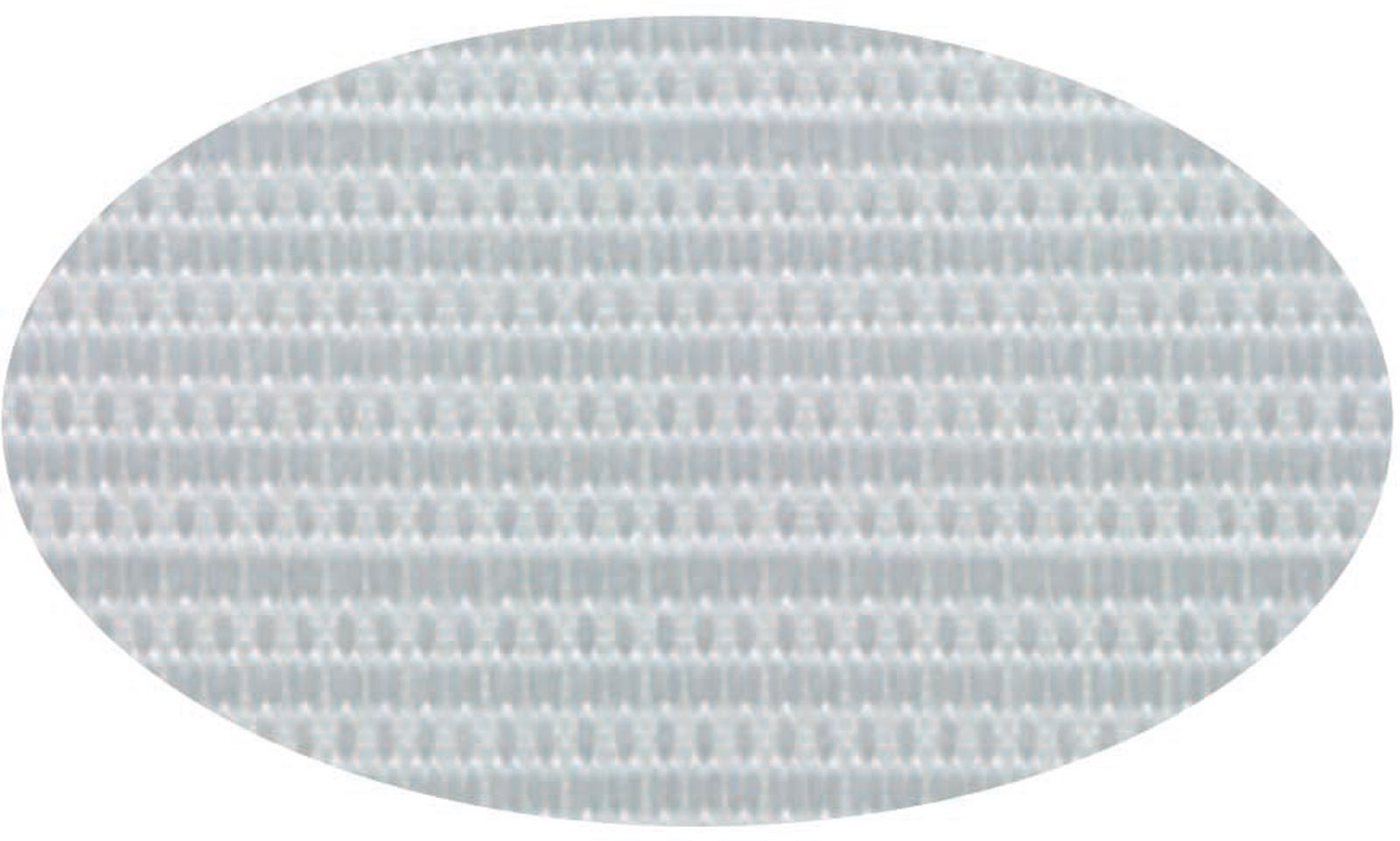
Hydranet is a high-density woven material with a ripstop mesh in Dyneema or Spectra.
This is the Rolls Royce of woven sails. Its excellent tear resistance and long service life make it particularly suitable for long term cruisers
LAMINATES
From the 1970s, new fibers and polymer films appeared. Sailmakers offered sandwich-based fabrications composed of different materials arranged in layers. The aramid fibers are known as Kevlar, Technora or Twaron. Carbon fiber has also made its entry into the world of sailmaking. This also has a high resistance to elongation and is almost insensitive to UV light. While some of these fibers can be used in very high-end woven fabrics, they are most often found in widely spaced meshes, arranged according to the direction of the forces exerted. These yarns are encapsulated between two films using different pressing or bonding processes, usually hot. The films consist of a thin layer of extruded polymer – either polyester or polyethylene - which is then cross-linked under tension. The resulting material takes on a crystalline or even transparent appearance. Dupont de Nemours was once again a pioneer with their famous Mylar (PET), but other manufacturers such as Teijin Aramid have developed films that are even more resistant, such as Endumax, which reduces elongation by 30%. These laminates are assembled in a tri-radial cut and work wonders for lightweight racing sails or even gennakers.
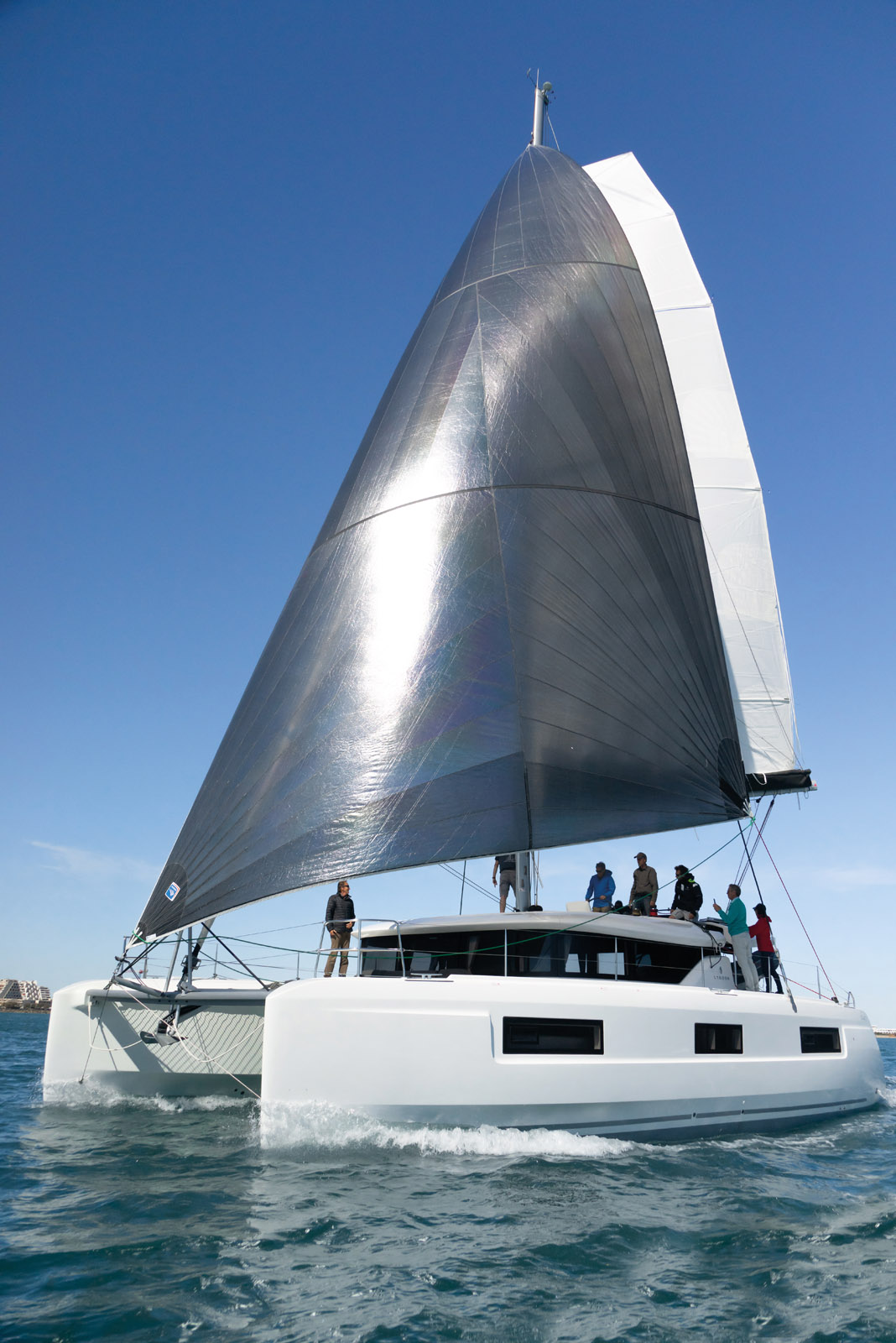
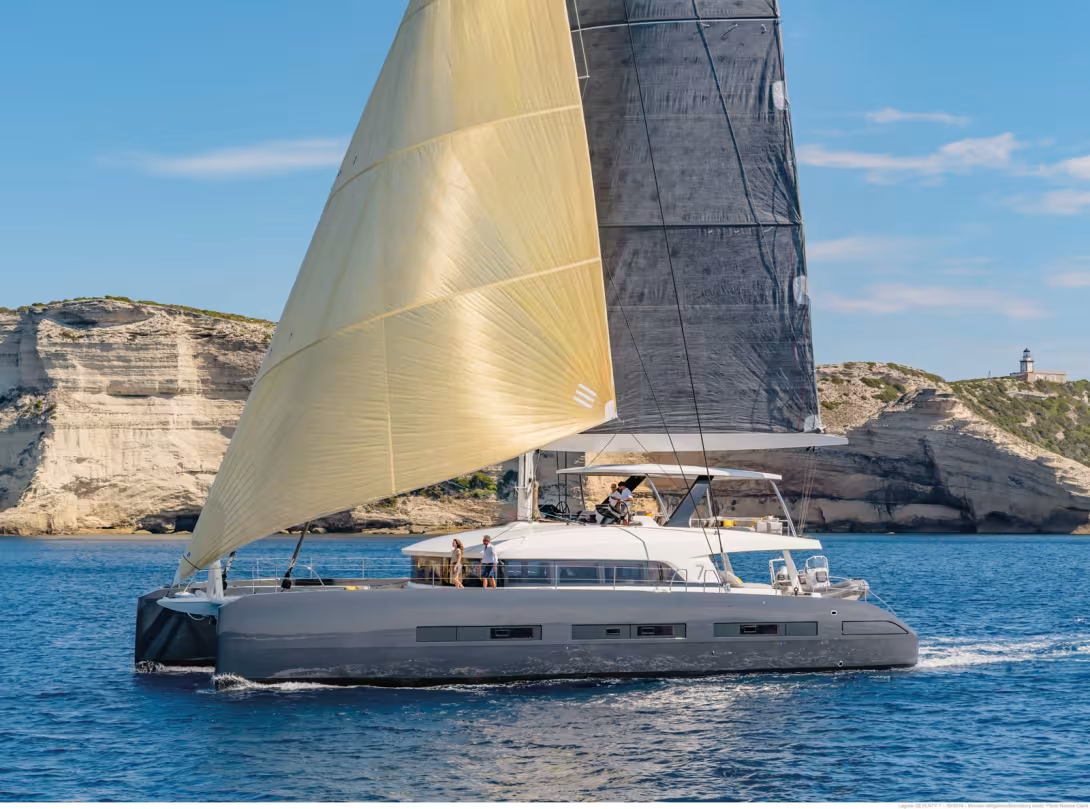
Laminated sailcloth is a plus for light sails such as a gennaker.
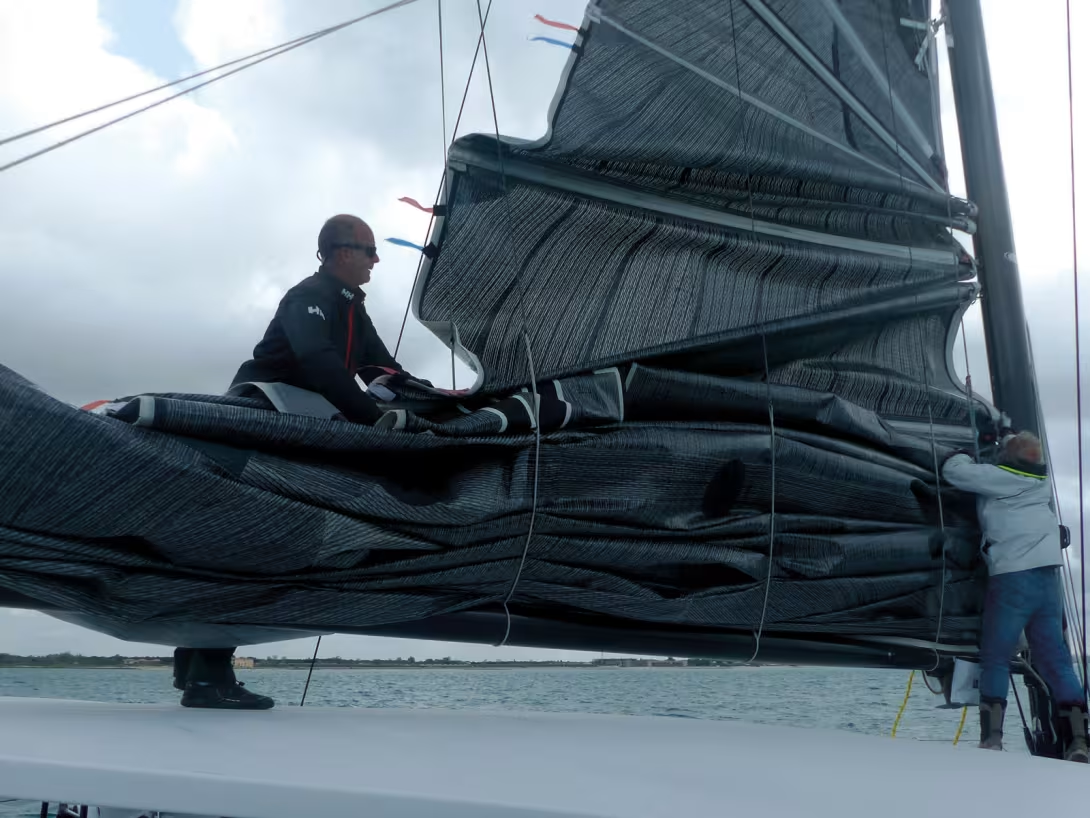
The lightness and resistance to elongation of the sail allow the multihull to be pulled along well, but the precautions for use and maintenance are more rigorous.
On the water, there is no debate: this translucent aspect is certainly attractive, the minimal elongation guarantees the desired aerodynamic properties over time, and the lower weight makes these laminates attractive in the quest for performance. Finally, the laminates do not absorb water. So, zero faults? Well, that would be too good: their low resistance to abrasion, bending and UV radiation requires precise handling (rolling rather than flaking) and careful maintenance (systematic rinsing and degreasing). In addition, the risk of delamination over time gives rise to concerns over tearing. And today, repairs are still very complex. In short, these laminates are not suitable for cruising, except maybe for a lightweight gennaker that would be used sparingly. To remedy this problem, the solution is a bonding of two layers of polyester taffeta on either side of a film reinforced with fiber mesh. This design gives the sails increased resistance to tearing and scratching. An applied topcoat improves UV resistance - in addition to reducing the growth of mildew. Their opaque appearance makes them look like woven sails, but their performance is superior. This is the case of Dimension Polyant’s GPL Lite Skin, for example. This laminate is very popular with demanding ocean cruisers and offshore racers. The cost of this material is much higher than a basic woven sailcloth. It is suited best to fast boats over 40 feet in length.
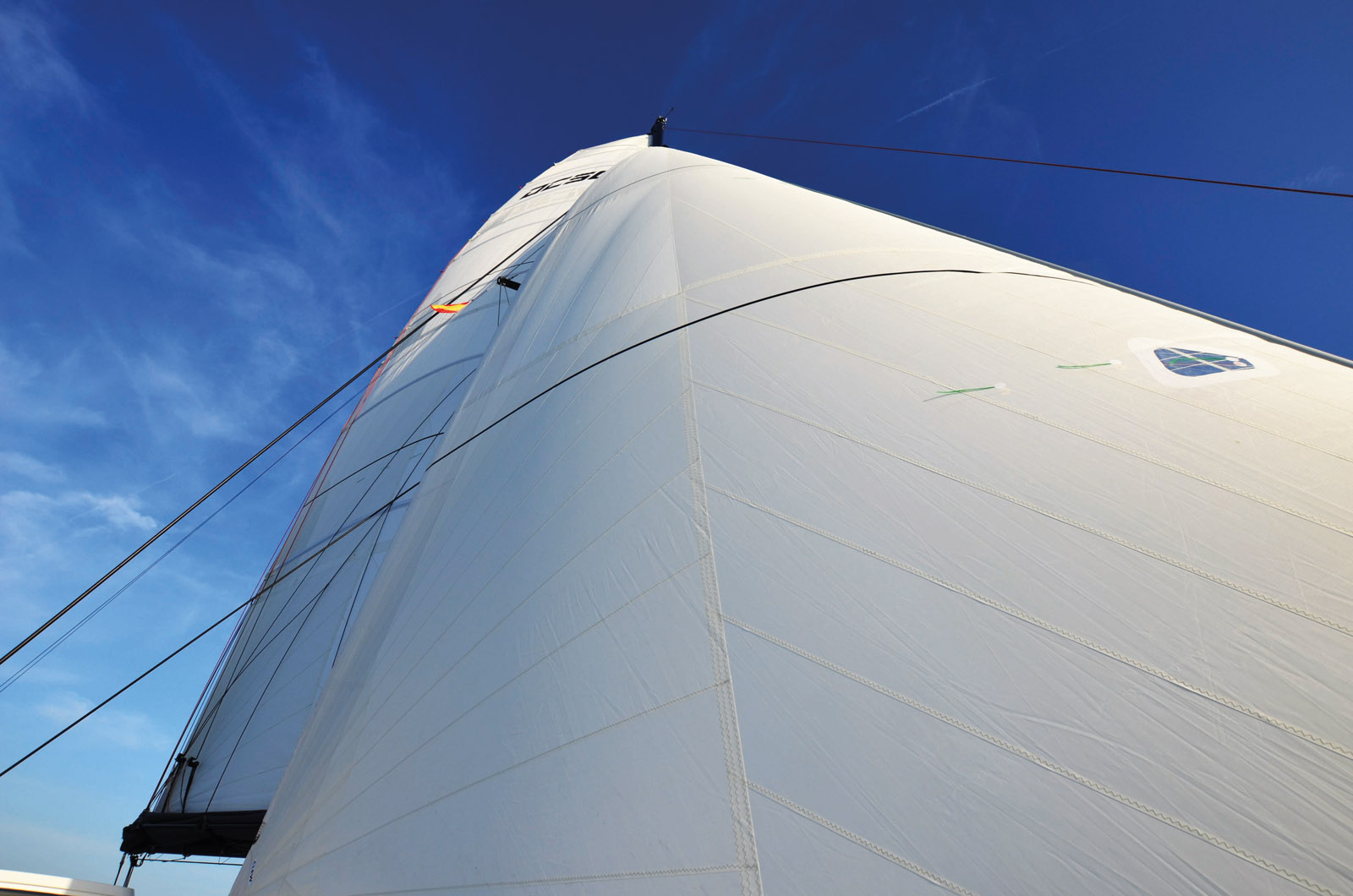
No heeling aboard a multihull... the righting moment is therefore greater than that on a monohull of the same length.
For a lightweight genoa, you would have a weight of 8 oz/yard (350 g/m²) for a 50-footer.
For a staysail, it would be at least 10¼ oz/yard (450 g/m²) - and with a tri-radial cut, that’s even better.
MEMBRANES
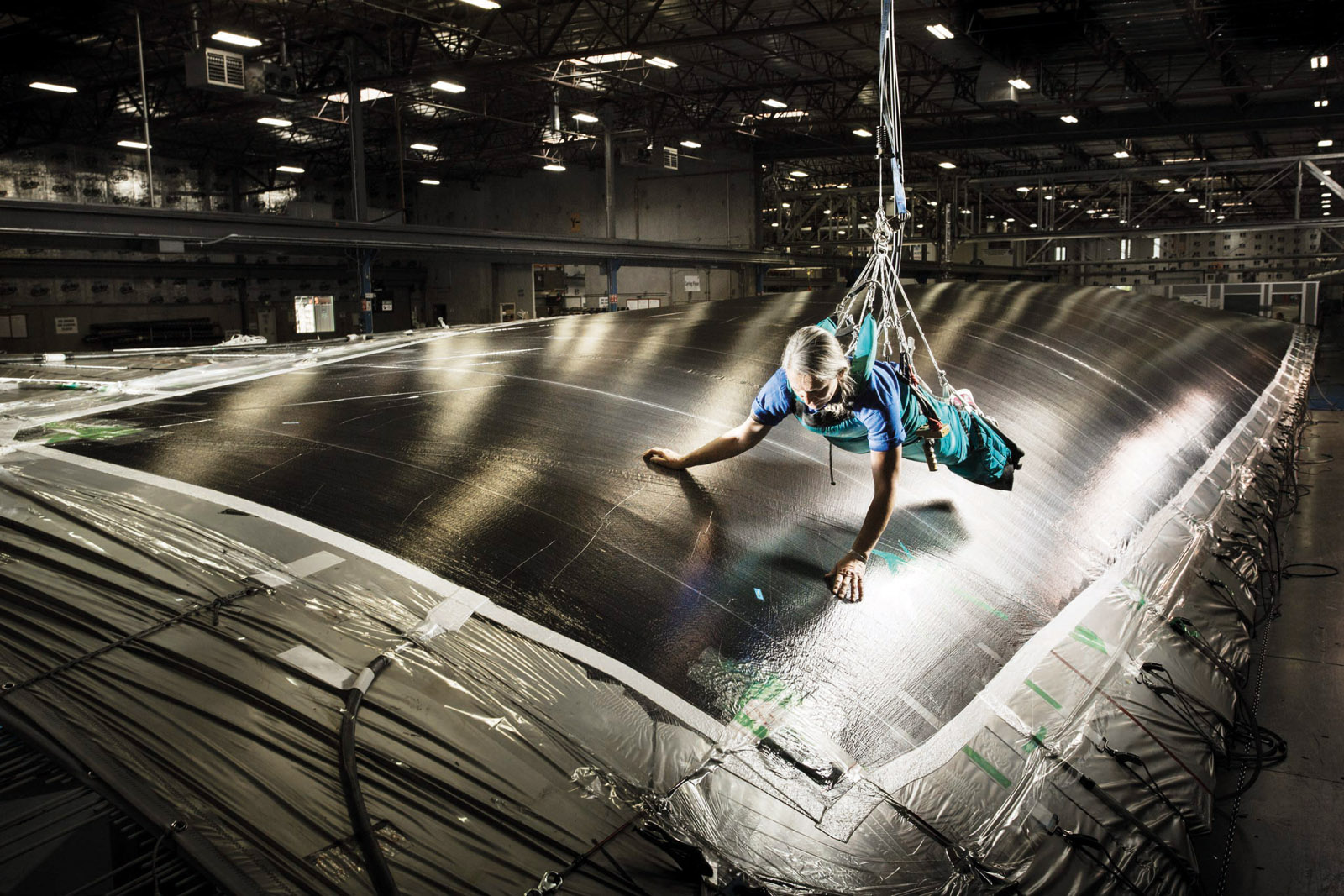
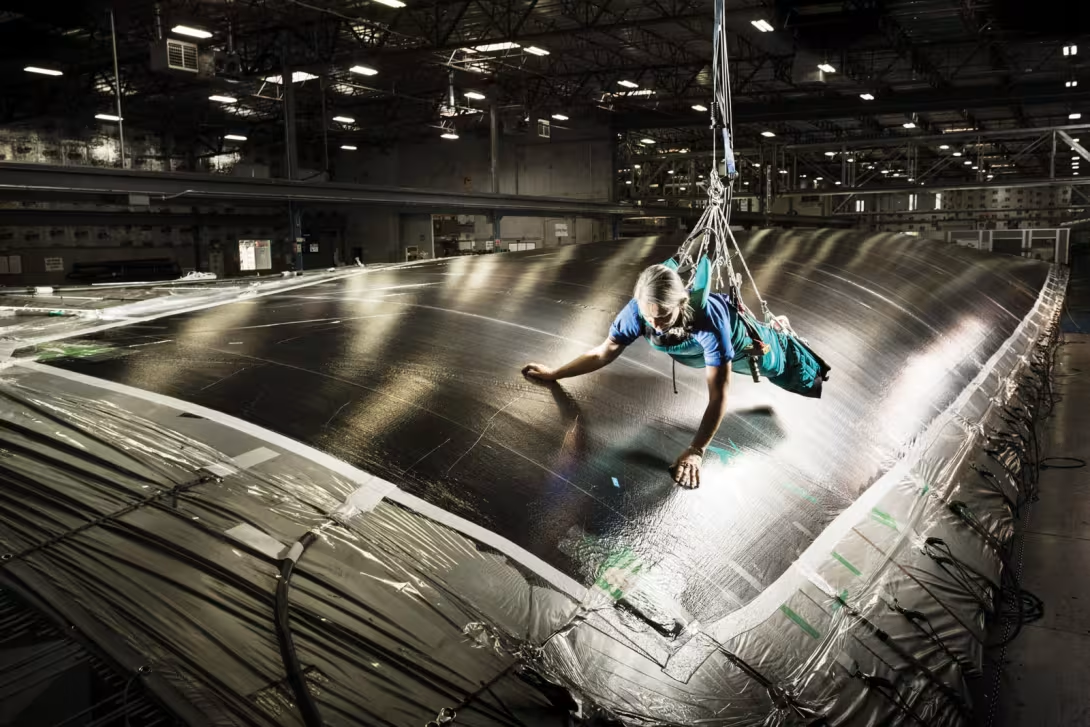
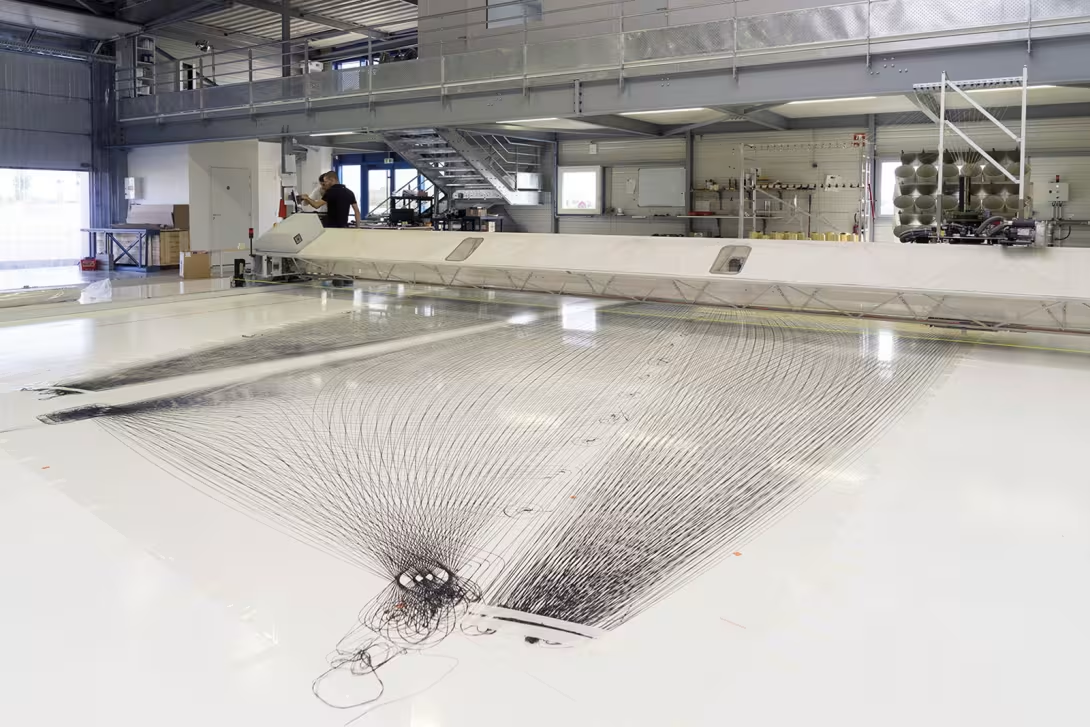
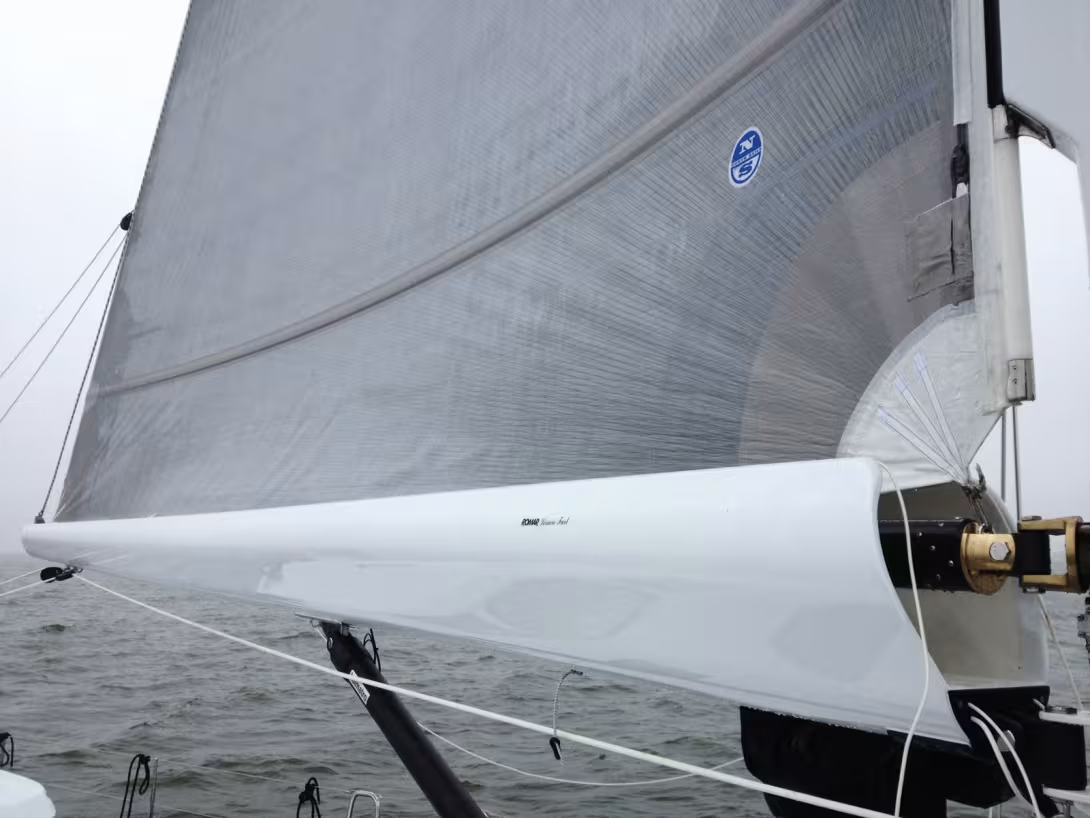
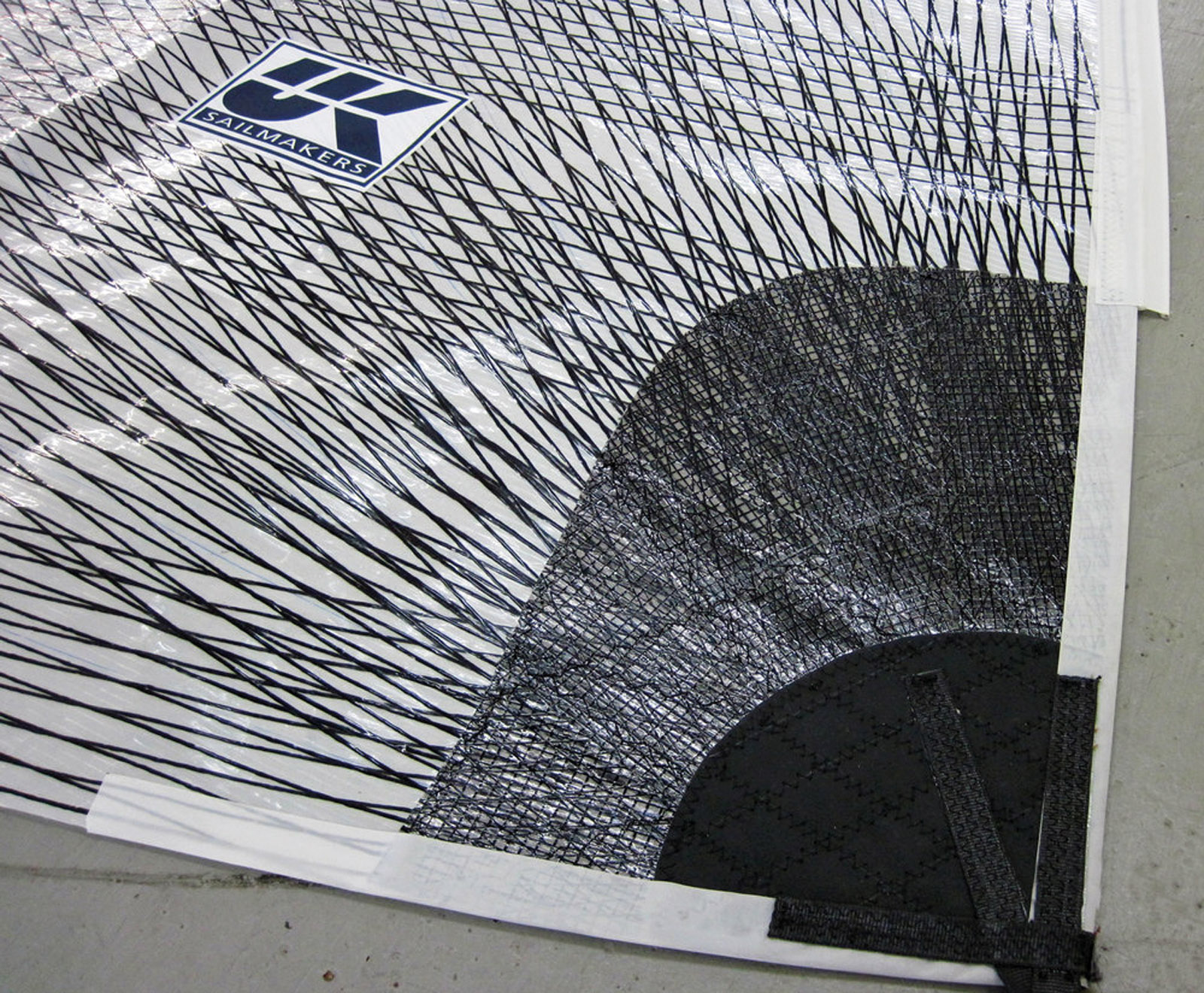
While woven fabrics and laminates are fairly generic products manufactured by large petrochemical companies and used by all sailmakers, membrane sails are more exclusive: they are the specific technological achievement of large international sailmakers. American sailmaker North Sails initiated the 3Di technique in 2009 following the acquisition two years earlier of Alinghi’s patent for PBO filament sails. Sails that were used in America’s Cup training... Offshore multihulls like the Ultims quickly adopted the famous molded sails. Then two other large sailmakers followed suit, as the concept spread to the world of superyachting and racing. Incidence Sails was next, launched their DFi in 2015. More recently, the OneSails group presented its 4T FORTE. Each one boasts its own specificities; the principle remains to mold the sailcloth in one piece to the shape of the sail. Strips of pre-preg composite fibers are laid by a 3D machine on a film, according to a plan calculated to counteract the deformations applied to the sail when it’s in use. Another film covers the back of this custom-made structure, similar to the laminate, but forming a one-piece, flexible composite membrane for the entire sail. At North Sails, this operation is performed without Mylar film on a 3D former that gives the sail its shape for when in use. At Incidence Sails, the operation is done under vacuum, on flat marble, with solvent-free resins. OneSails plays the card of multilayer, without film and glue, to limit the risks of delamination. Depending on the intended use, the materials and the sampling of the components will follow tailor-made specifications. The parameters can be adjusted for longevity and performance. But the price can be four to five times that of a regular sail. These sets of “membrane” sails would generally be seen on prestige or high-flying competition units. But if you like them, and you’re not counting the cost...
 |
 |
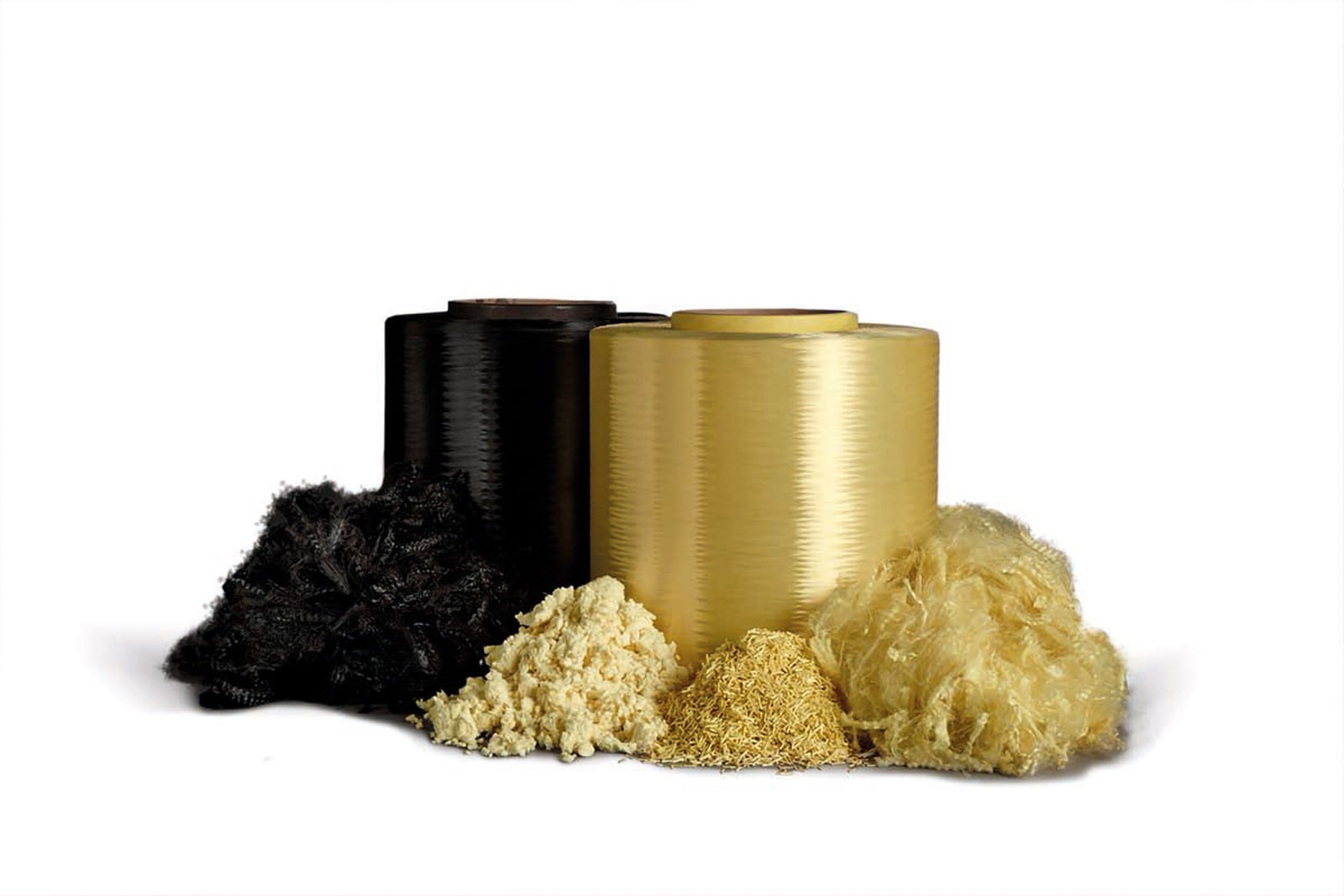 |
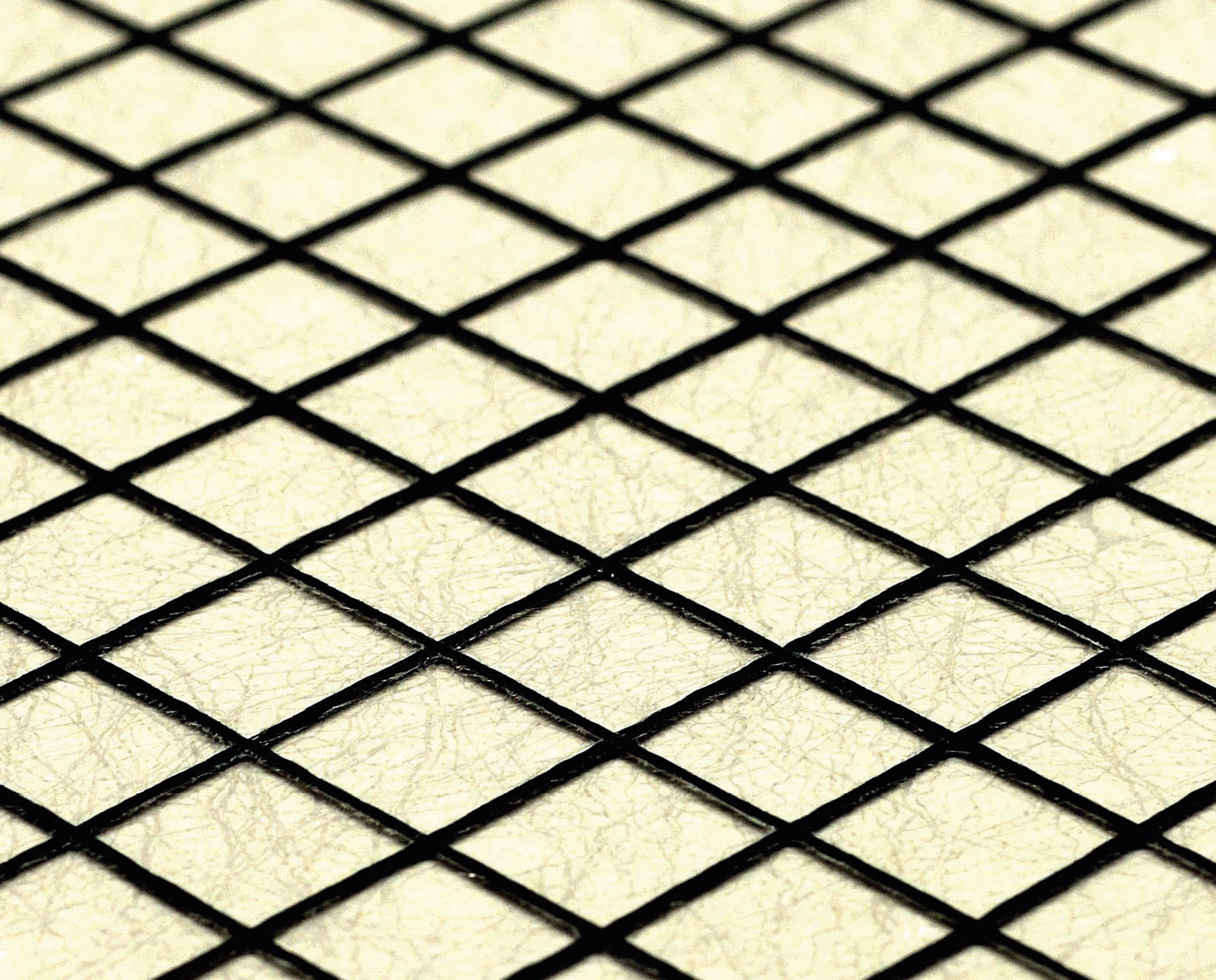
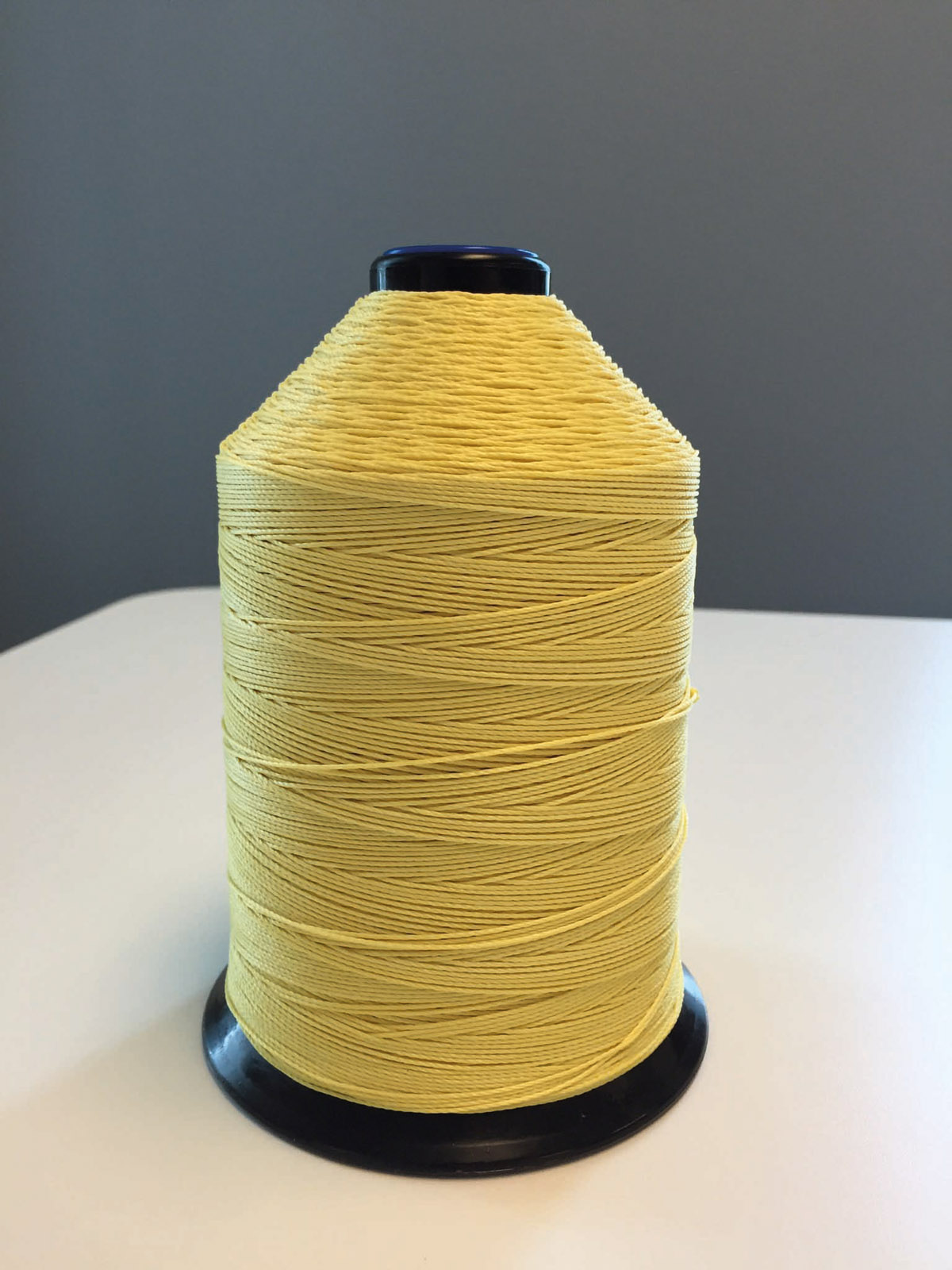
Aramid fibers (1) are very efficient, but their implementation is tricky. Depending on the specifications, Kevlar (2), Technora or Twaron (3) can be used, unless you’re tempted by carbon...
Your sailmaker will be able to give you valuable advice to help you choose the sails best suited to your desires - and your means.
How long does a sail last?
In normal use, few sails last more than 10 years. Between UV rays, chafe, flogging, folding and load under sail, any fabric is likely to be cooked after ten seasons. As you can imagine, scrupulous maintenance (systematic protection under a cover, careful folding, the right sail area for the wind conditions, less time or sail area beating into the wind) allows you to save a few years on the clock. High-end fabrics, compared to Dacron, have the advantage of keeping their original profile all the way to the end. On the other hand, the hollow of the genoa in standard fabrics tends to become more pronounced and to recede. Mainsails, thanks to their battens, fare a little better.
Very high-tech sails!
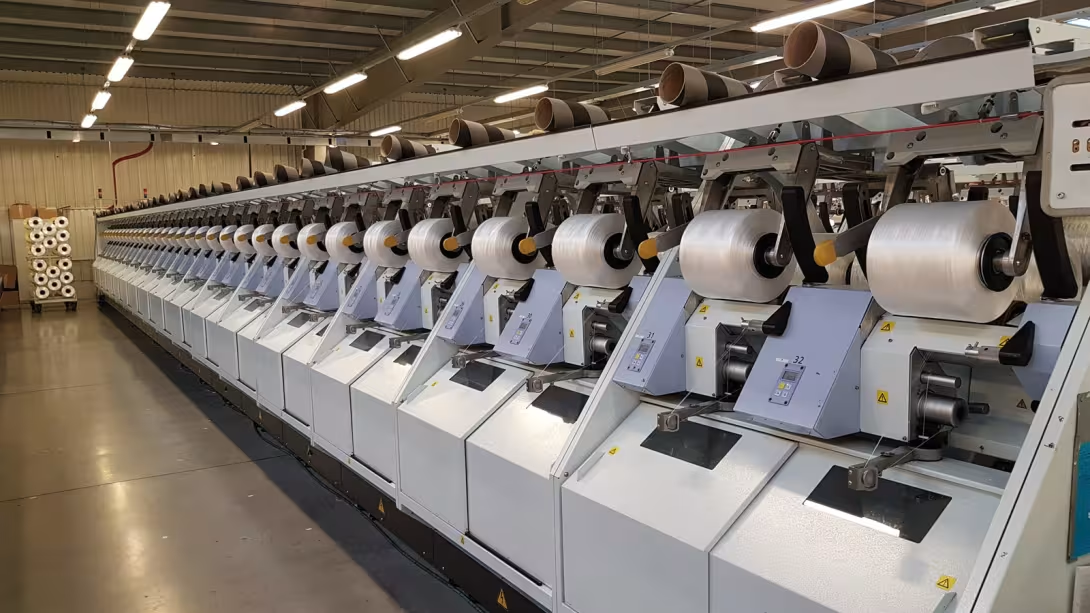
North Sails is the pioneer of molded sails (6) - impressive technology that was made available in Dacron, with the 3Di Nordac - since 3DL was invented in 1992. The latest generation membrane fabrics are manufactured using 3D machines directly on the design of a one-piece sail. The fibers are arranged for an optimal response to the sail’s deformation tendencies according to ultra-precise specifications, as seen here at Incidences. Modern hand-stitched... The materials used for these sails are themselves the result of the manufacture of high-tech fibers, as here at Twaron (8). A know-how reserved for large petrochemical companies. Sails composed of one-piece membrane and high-tech laminated fabric using Twaron or Kevlar are understandably quite expensive (7). Their prices can reach four times the cost of a basic sail - which is € 60 ex-tax/m² (around € 5.60 per square foot) for a fully-battened mainsail with radial cut Dacron, € 40 ex-tax/m² (around € 3.70 per square foot) for a furling genoa with radial cut Dacron. You tend to see these very high-end sails more on very prestigious boats. But some enthusiasts are tempted by membrane sails developed for cruising from 40 feet