
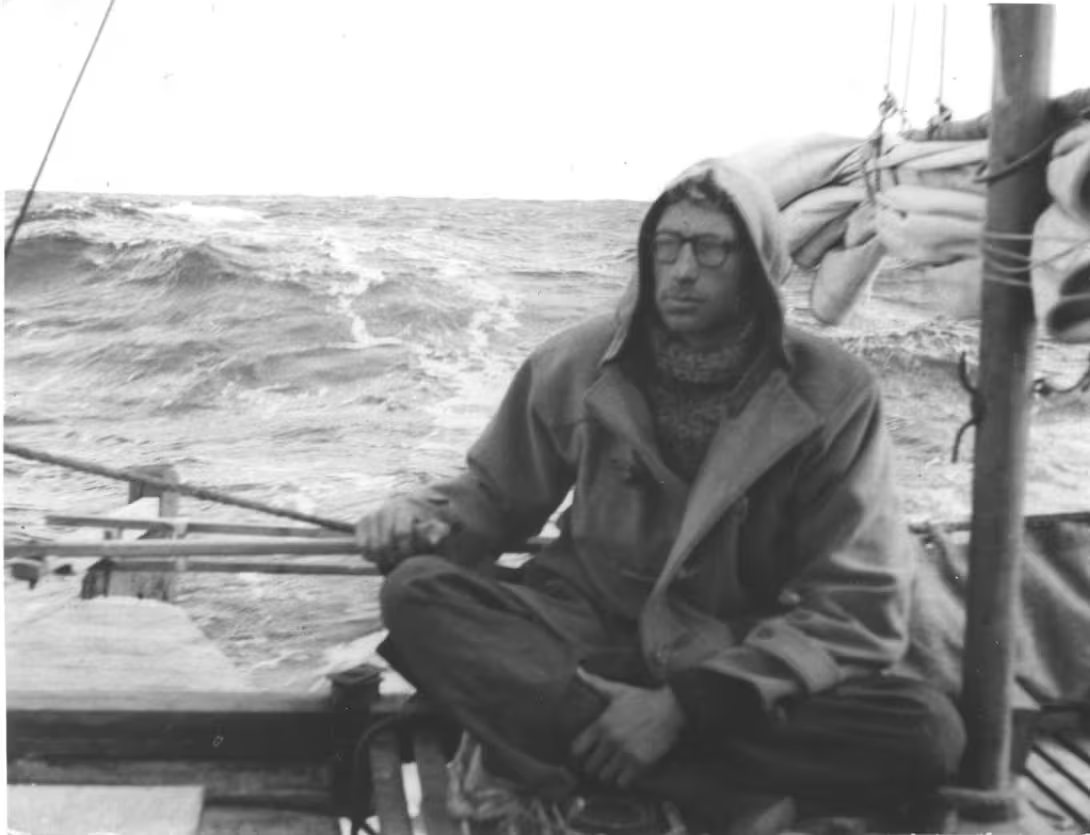
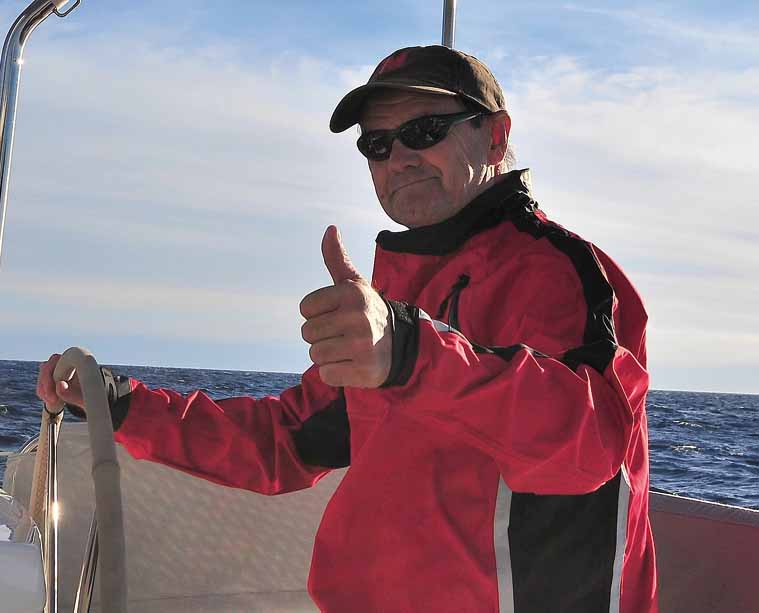

Revered as the guru of a luminous nautical ideology, contested for his openly libertine positions, perfectly in tune with the currents of thought - but also the contradictions - of his time, James the beatnik is certainly the most incandescent character in the world of multihulls of the 20th century. His drawings are directly inspired by Polynesian forms and his “eco-logical” designs meet today’s expectations of happy frugality. His vision of the catamaran is simple, artistic, most often right. He has sold more than 10,000 plans, dreaming of tribal yachting, on the fringes of commercial and industrial setups.
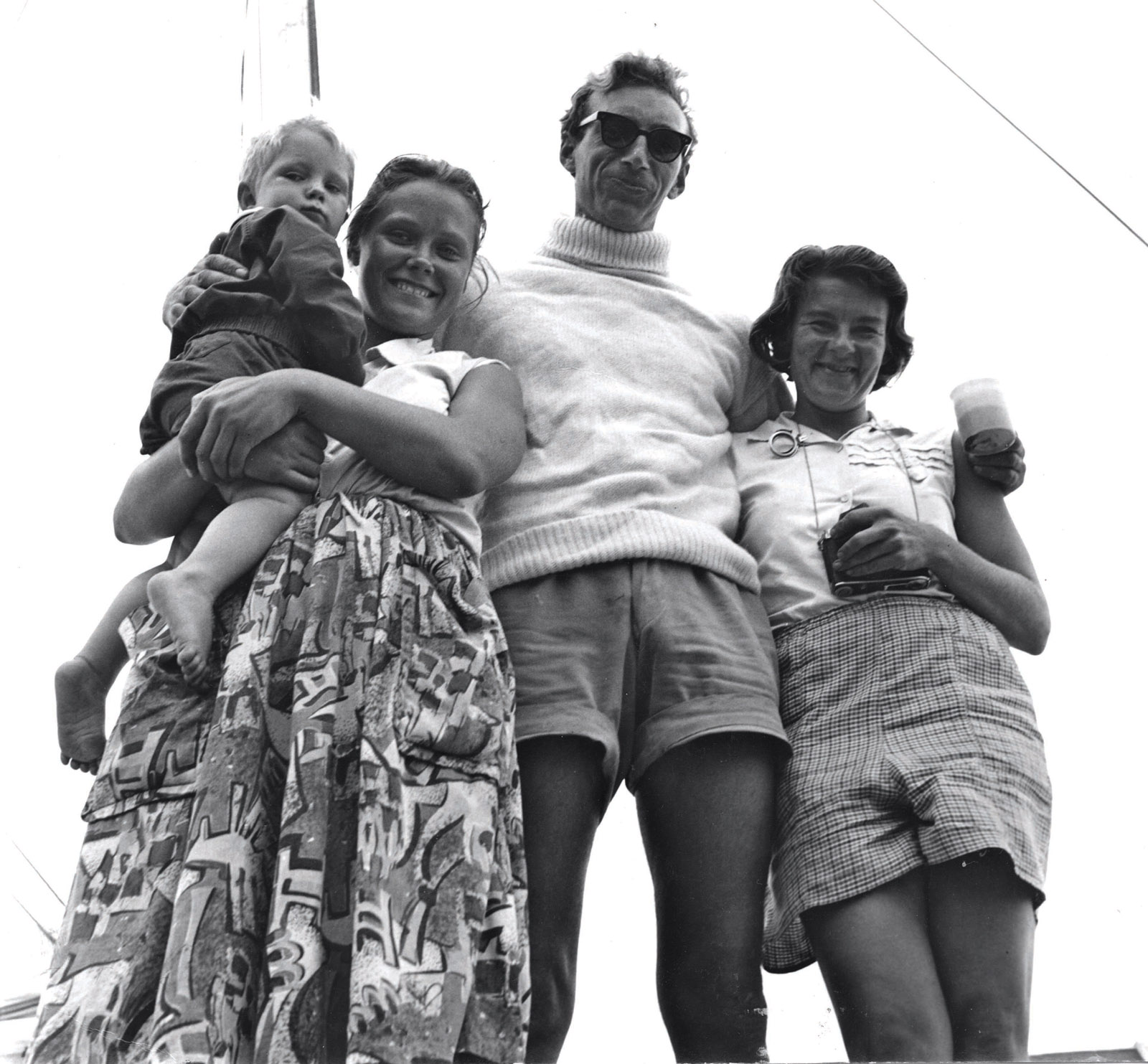
Three girls, thousands of catamarans!
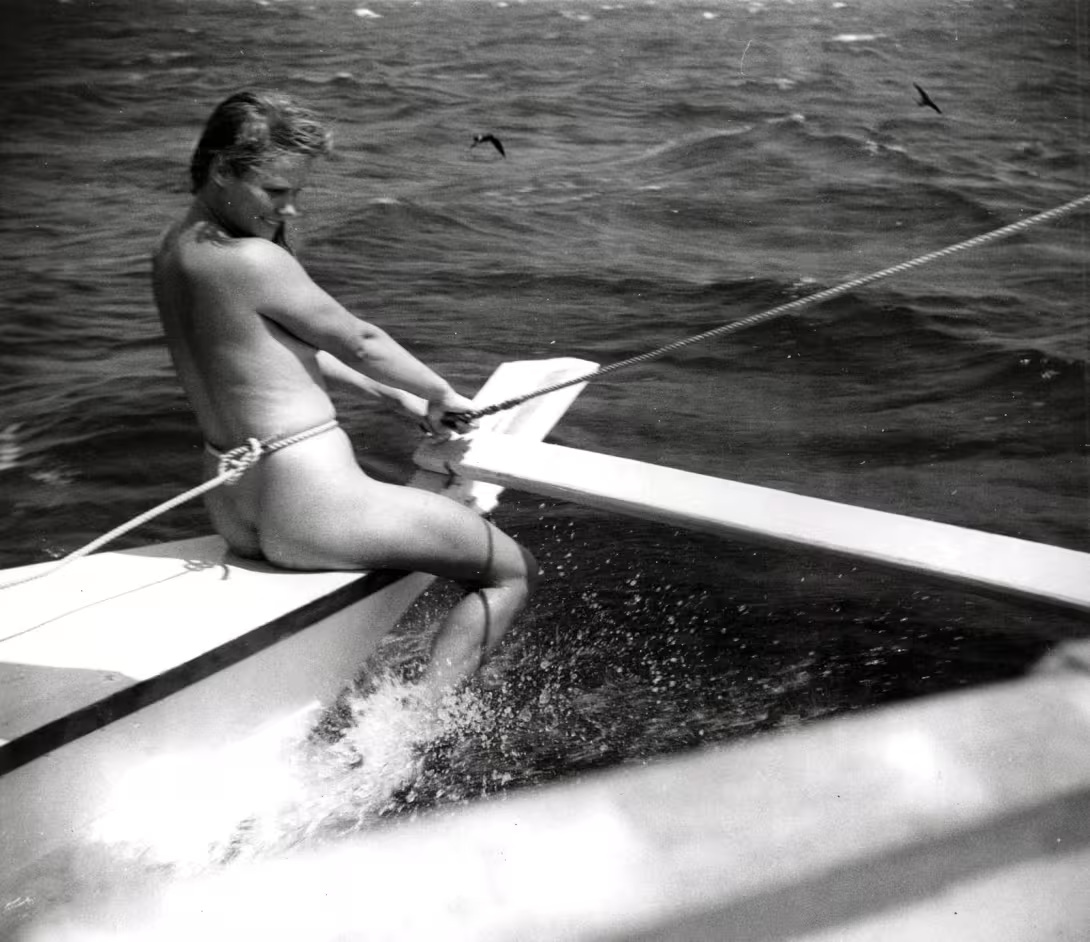
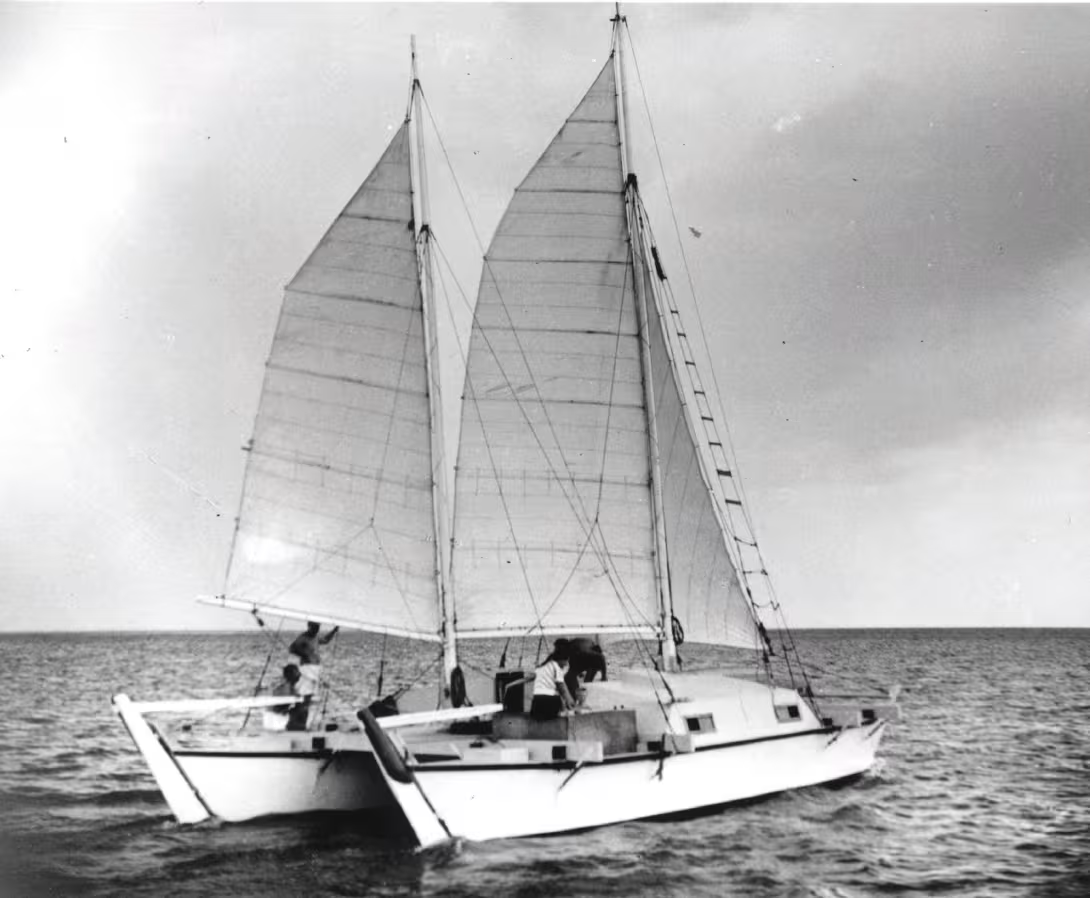
10 years before anyone had heard of Flower Power, James Wharram prefigured all the energies of it, but he didn’t take refuge in all those sulphurous escapes of the period. No, his isolation and destiny protected him from riding fashionable currents. James was not looking for a guru, though he could easily have become one - he was to become, almost in spite of himself, the deep-sea guide of a generation. Investing his talent and technical background in the myth of building a globalized consumer society was never going to be an option for him; his references are elsewhere. Pragmatic, he needed to take action and look for ways to turn his ideas into reality. Reading the tales of Éric de Bisschop and the discovery of a double Tahitian fishing pirogue at the British Science Museum merged with his “reservations about Western values” and his architectural curiosity. The lack of financial resources reinforced the temptation of minimalism: a combination of all these factors was to nourish the transatlantic project and the intuition of a sustainable development set the multihull apart. He saw the possibility of a global approach and built Tangaroa. The small catamaran, at just 23’6” (7.16 m) was frightfully rustic, slow and quite wet. But it opened the way, and lead to Trinidad “two girls, one man, one dog and 200 books; on arrival, everyone was still enthusiastic about the boat, so it was a success!” The little family (they’d had a baby by this stage!) logically settled in a floating faré moored in the port, where James designed Rongo. This 40-foot catamaran (12.20 m) synthesized his new ideas from the experience of their transat (longer hulls with triangular sections, doing away with the flat bottom of Tangaroa. Construction on the beach brought together three exceptional personalities who concealed exceptional destinies under their voluntary tropical homelessness. Bernard Moitessier has just lost Marie Thérèse II, Henry Wakelam (a nautical DIY genius) was looking for a boat; and so, the improbable trio set to work. This improvised shipyard was to become the template for everything that followed. The youthfulness, determination, recklessness and creative power of these folk, under the sun yet in the face of adversity, was to forever seal Wharram’s faith in amateur construction and the democratization of nautical wandering. In 1959, the crossing of the North Atlantic, from the West Indies (via New York) to England, completed the initiatory journey. Jutta’s death in 1961 was to destabilize James, but the requests for plans resulting from the publication of the book (Two girls, two catamarans) kept coming, and restored him to himself and determined his career.
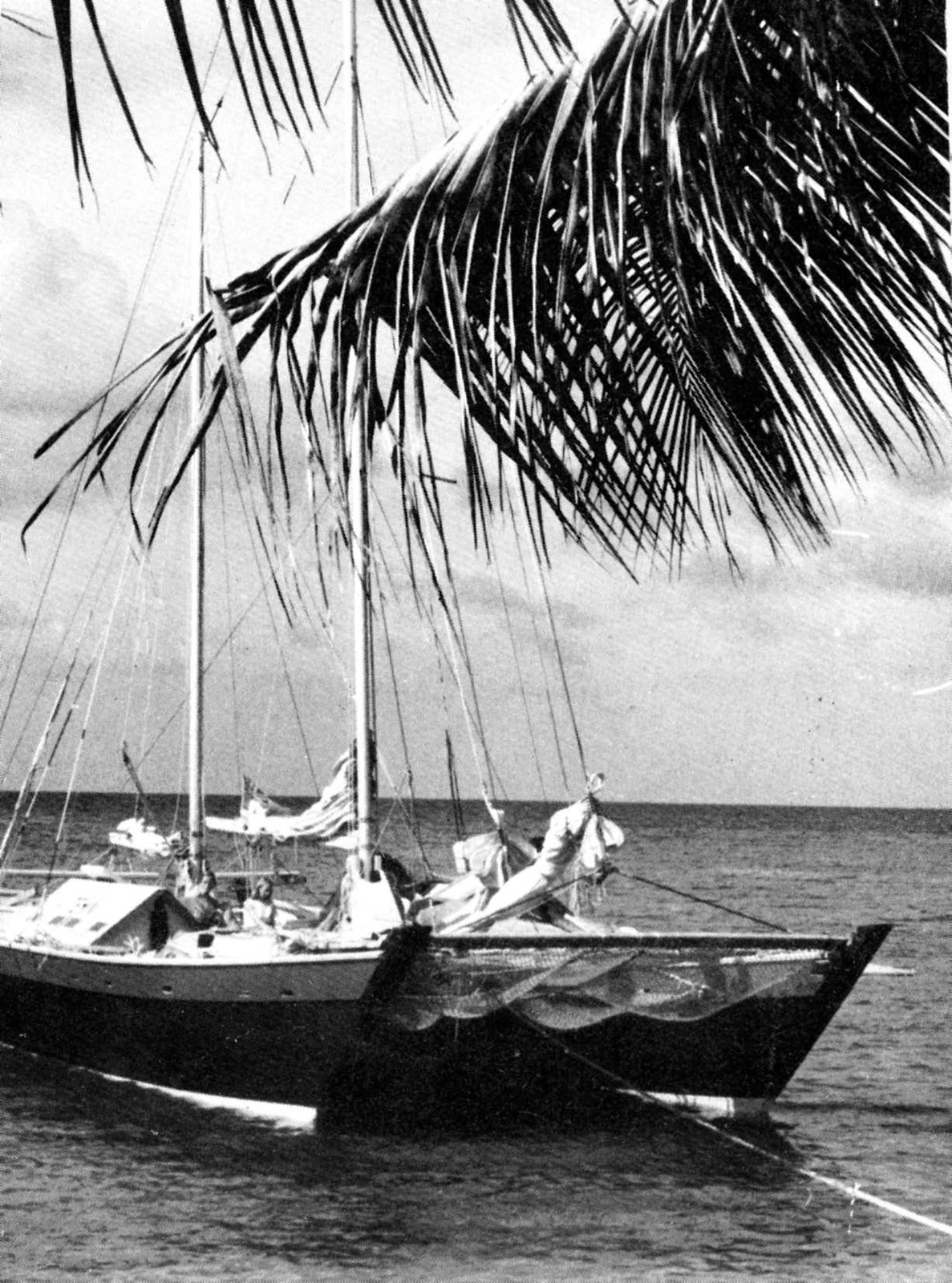
Expeditions around the world
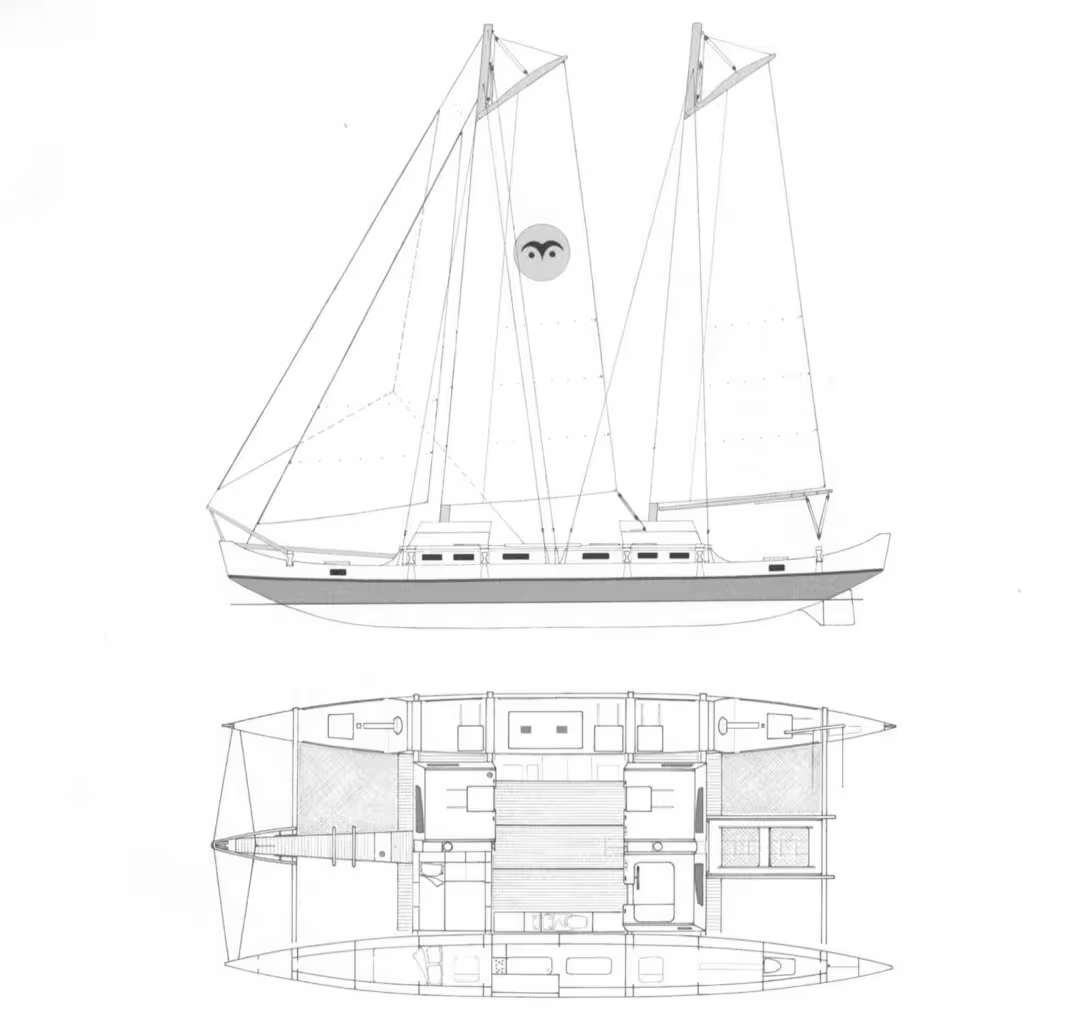
Though James Wharram loves sailing more than anything else, his open mind and his ability to collaborate (with his clients, with his companions Ruth and then Hanneke and later with his agents) allowed him to create a complete range between 1957 and 1976, the Classics. These models started with the small 12-foot (3.60 m) Surfcat and ended with the respectable 1-foot Tehini (15.50 m). It was aboard this large catamaran that James and his tribe were to sail for a long time along the European coasts. Then came the Pahi, Tiki and Islander families. The architect worked on all fronts: countless visits to shipyards, setting up professional construction under license (Thailand, Philippines, the USA), a circumnavigation aboard the Pahi 63 Spirit of Gaia and so many other adventures ... The study of the social life of dolphins added a momentary axis of research. But the primordial ethnological quest, resourced in the Pacific leg of the round-the-world trip, was to motivate the Lapita expedition, which followed in the wakes of pre-Polynesian migrations, from Indonesia to Vanuatu (2008-2009). James defines himself today as a marine archaeologist who designs boats. This unique intellectual plasticity makes him even more endearing. The timeless and exemplary character of his catamarans, well-confirmed today, will certainly not be questioned over the coming decades. Neither will the immense culture of this modest prophet, who knew how to allow everyone access to a democratic multihull, nor his vision of leisure boating - a profound reflection on progress and the links between men.
This second book is an absolute page turner - James and Hanneke’s English is very clear and easy-to-read, even for those of us who don’t quite master the language of Shakespeare 100% - and the illustrations are superb. A long and salutary breath of fresh, and salty, air in these troubled times: order it without delay!
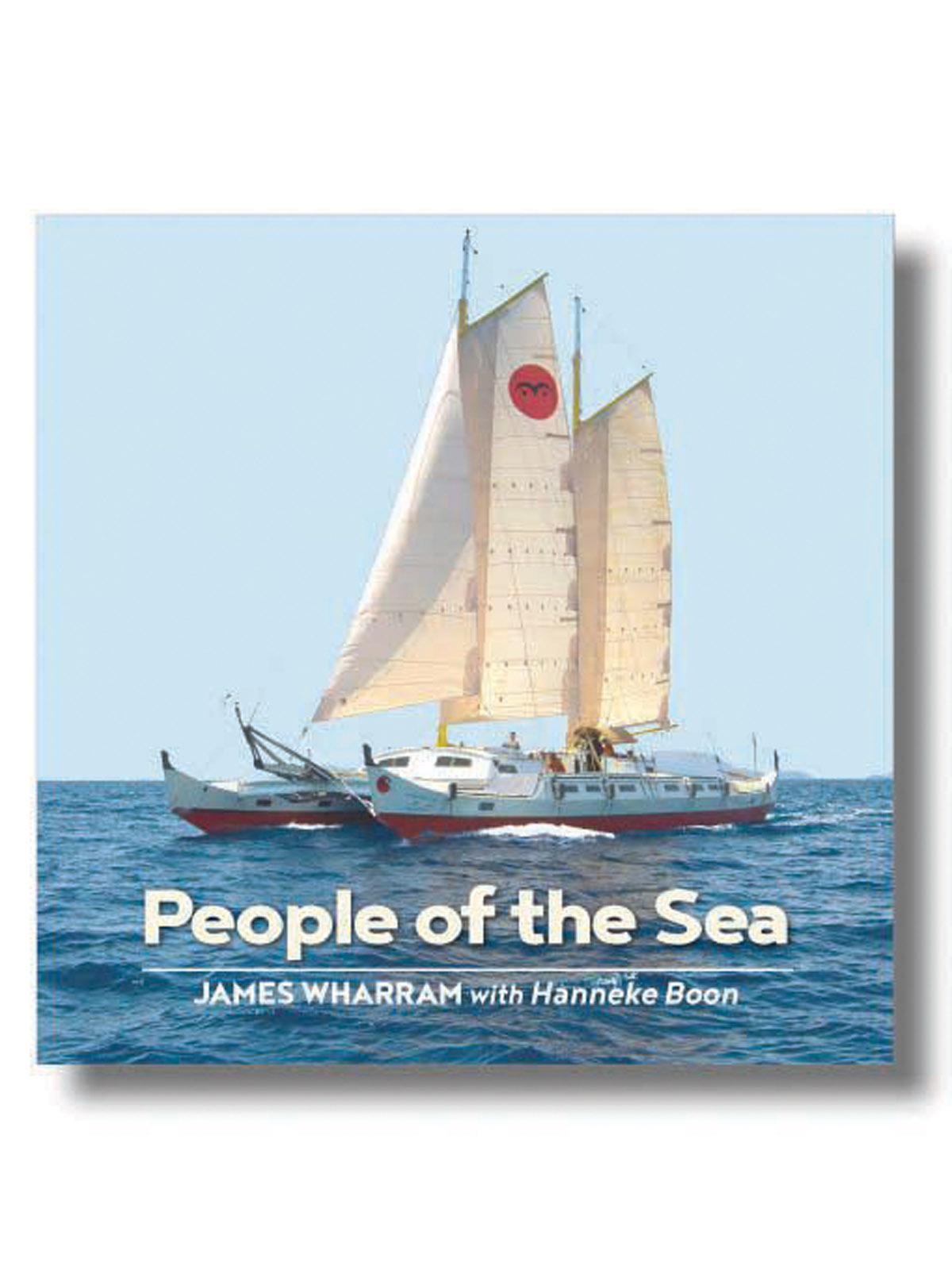
By James Wharram and Hanneke Boon
Lodestar Editions 2020
288 pages Price: £25
Available at www.wharram.com et Waterstones, Foyles, WHSmith and Amazon