
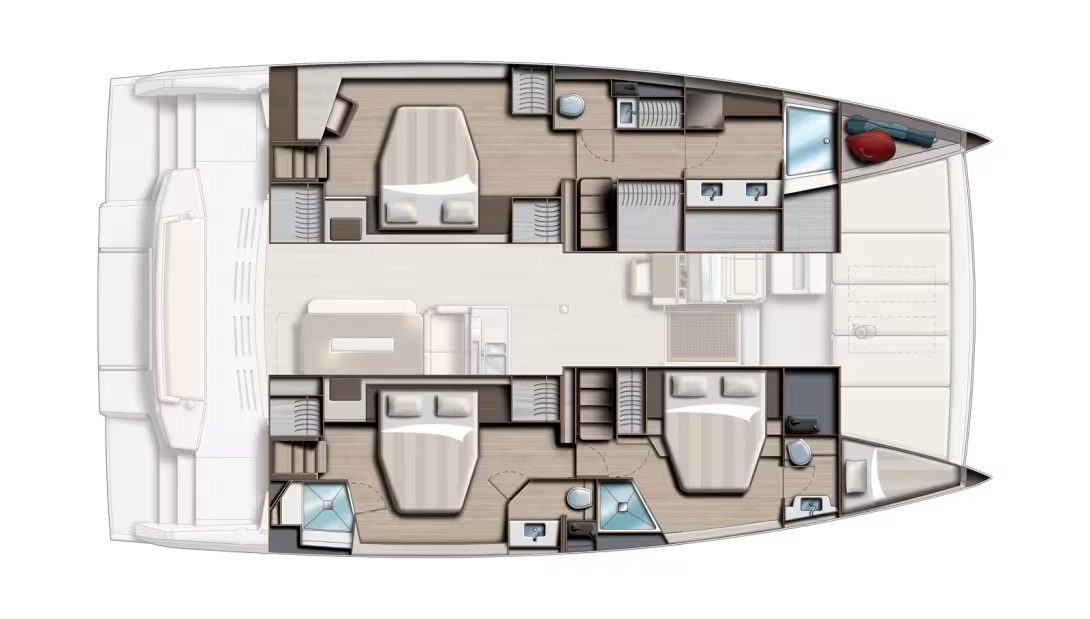
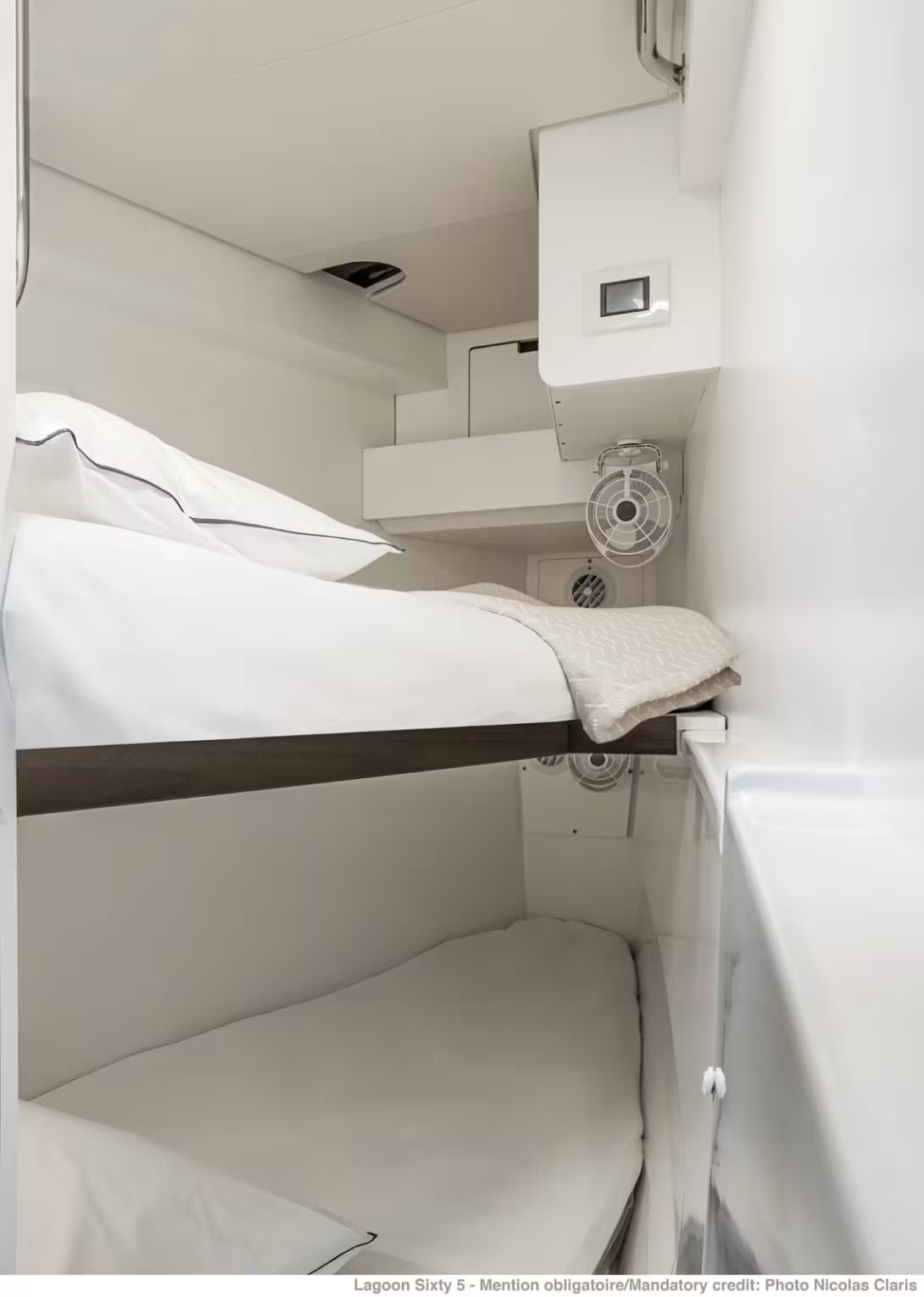

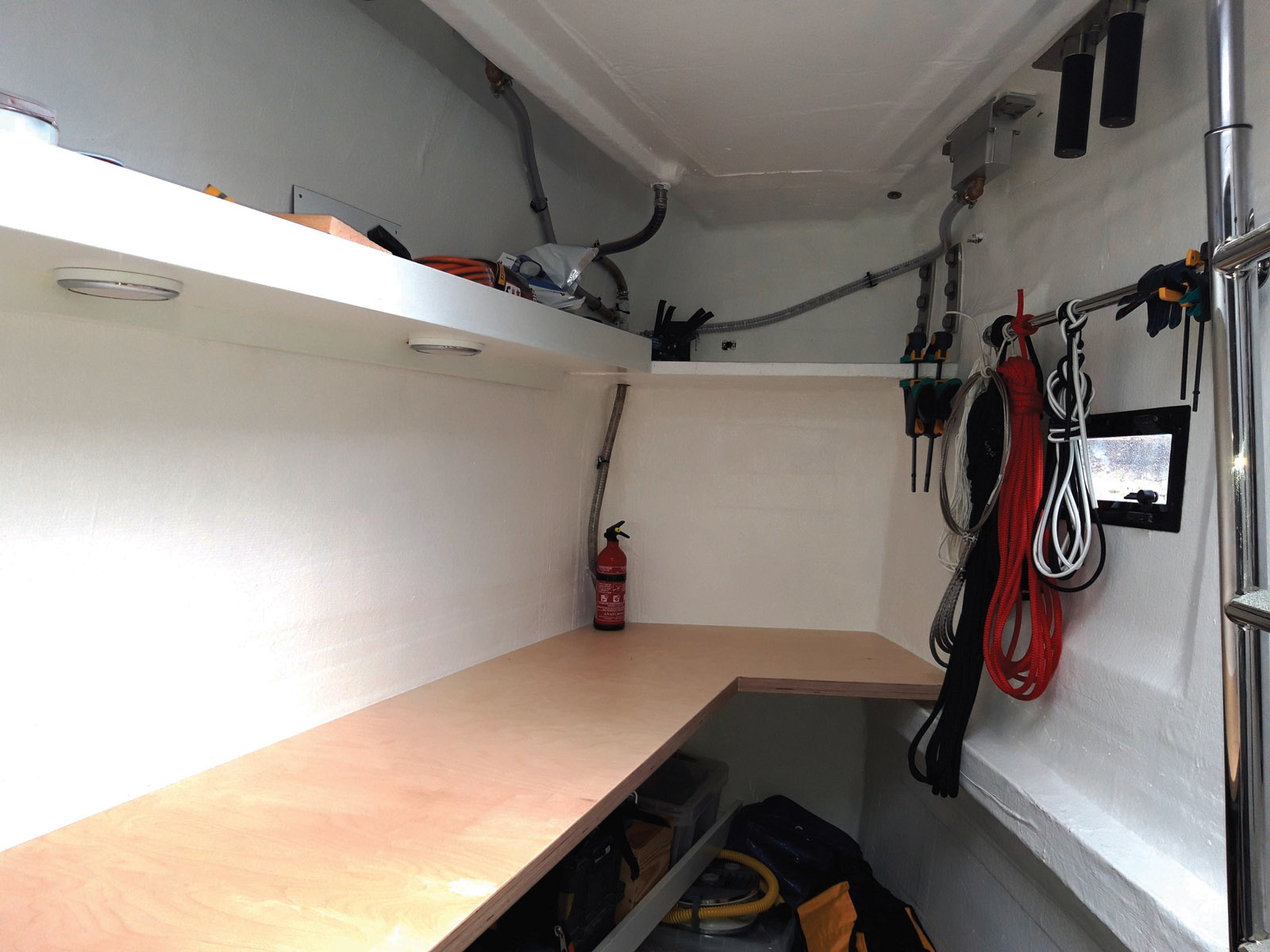
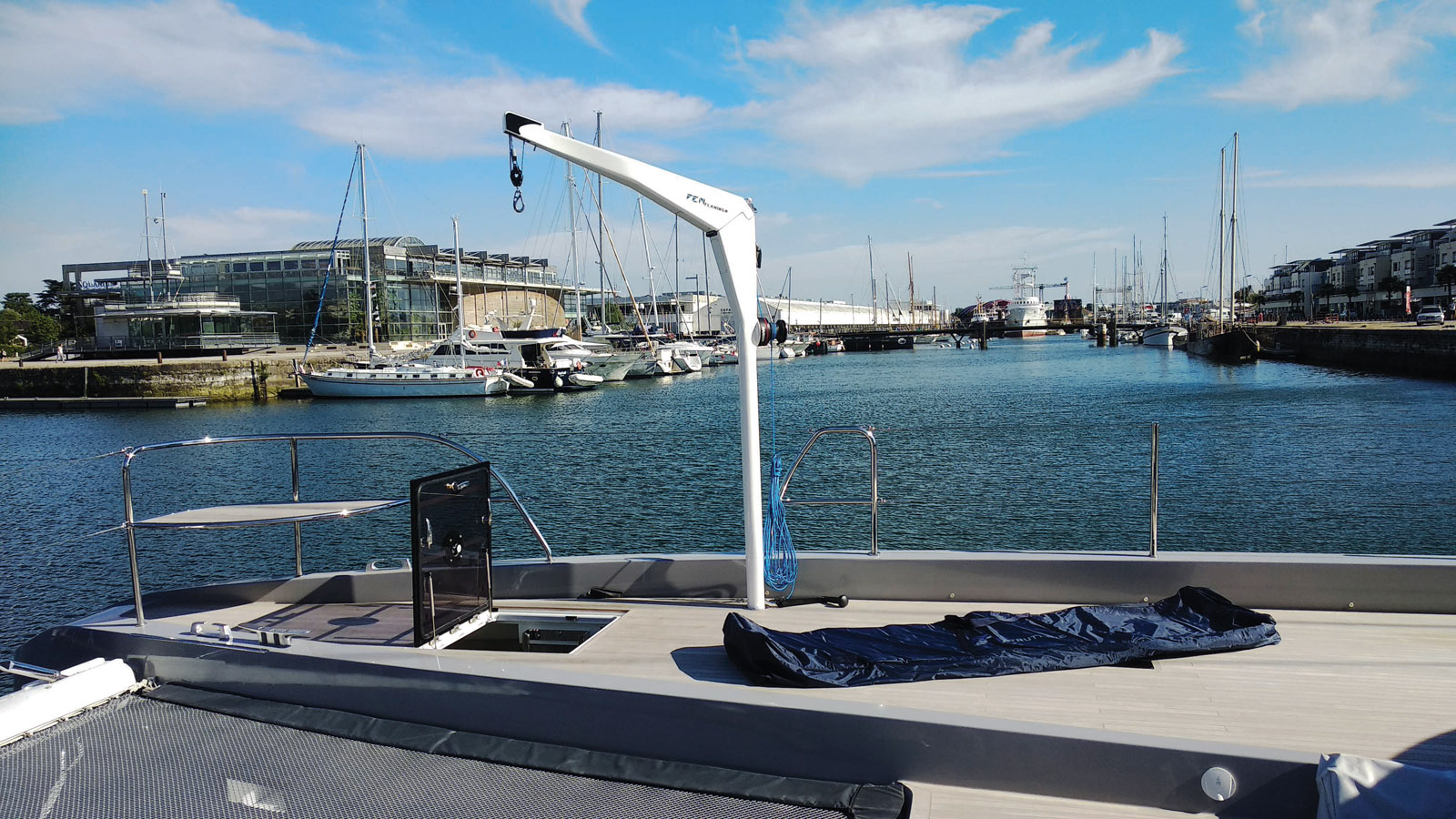
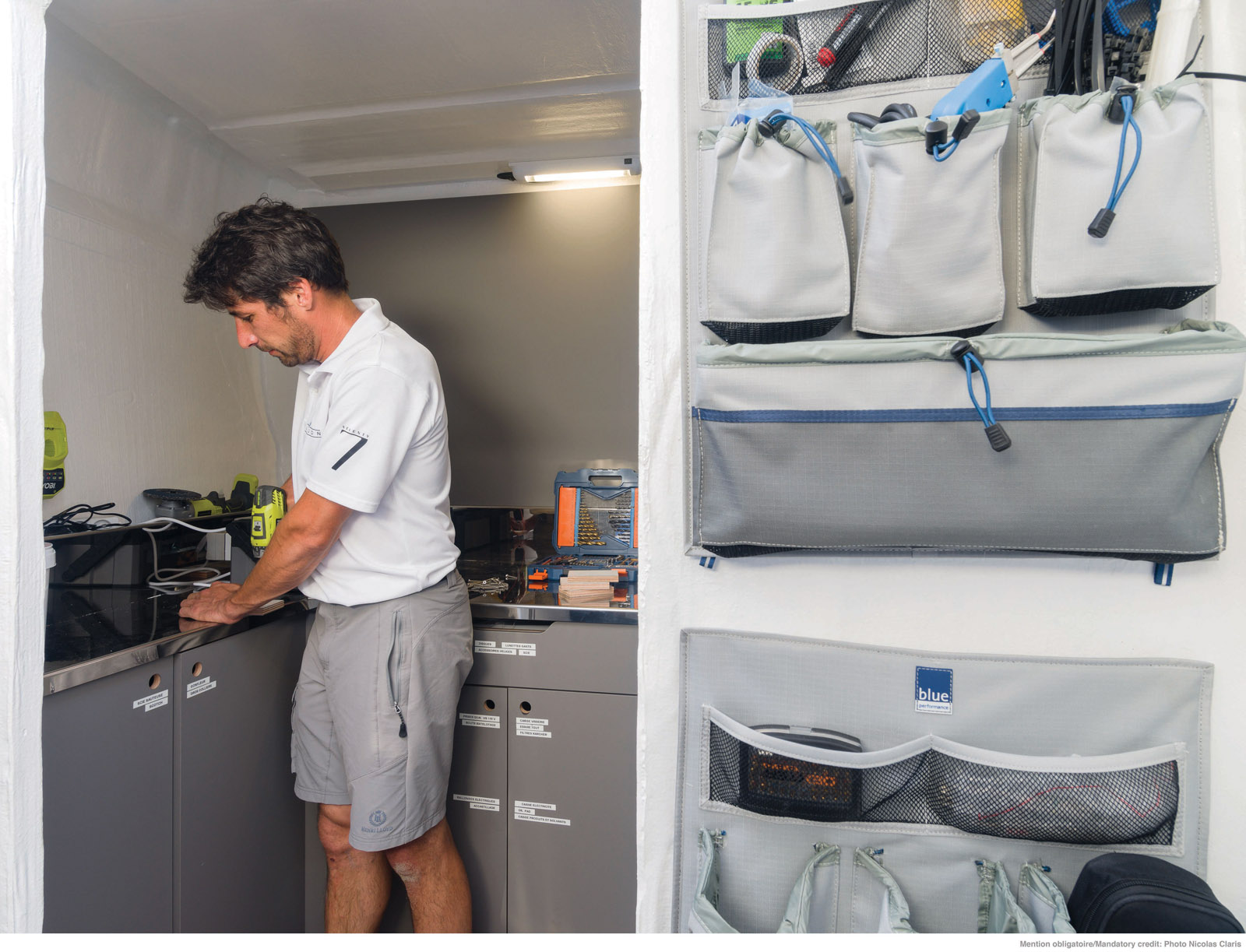
The layout of a multihull is generally so spacious that less attention is often paid to the forepeaks. However, there is an impressive storage space between the forward bulkhead and the bows. And the good news is, it’s multiplied by two on board a catamaran. On board cats of less than say 40 feet, they might only be used to store sails and equipment. But from 45 feet, the forepeaks of cruising catamarans are tall, long and wide enough to install a more functional compartment, or even a living space. A children’s or skipper’s cabin, a workshop, a laundry room or an additional bathroom can be fitted out in boats of this size. Combining an extra cabin with a bathroom can really only be considered from 60 feet and upwards, depending on the model. Beyond 65 feet, a very cozy and an almost luxurious layout can even be provided.
A WEIGHT-SENSITIVE AREA
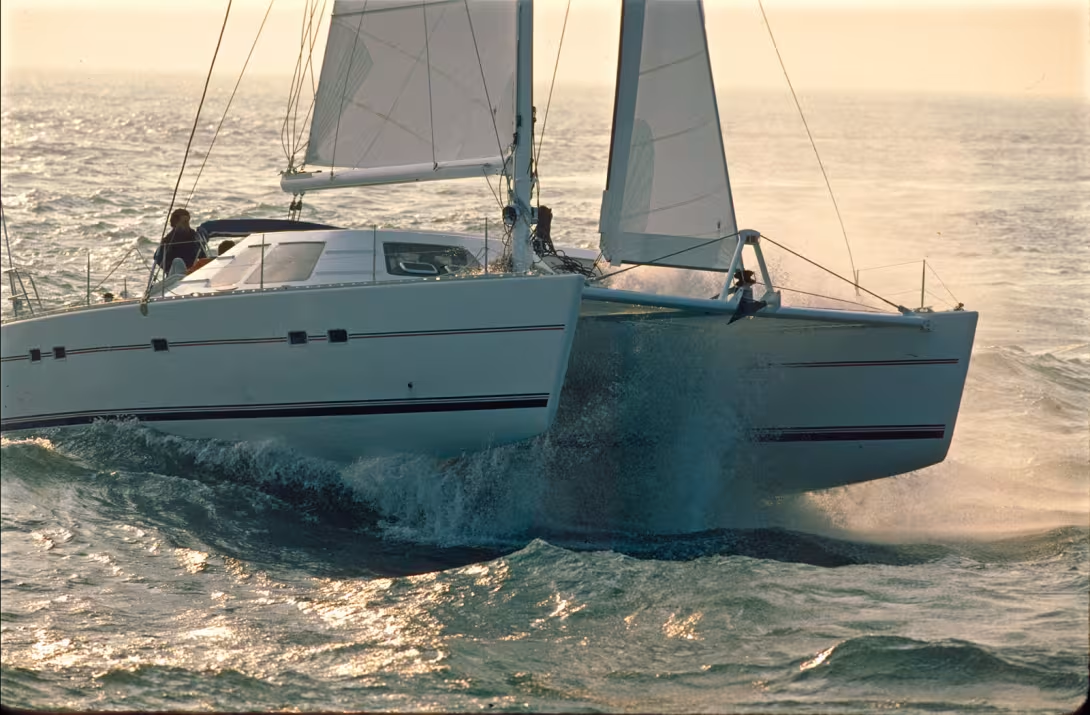
As we saw in MW 164, weight management is essential on a cruising multihull to maintain good hydrodynamic qualities. This is even more true with regard to the forepeaks. They are in fact subject to strong stresses, particularly when heading upwind into a big sea. But it is also important to balance your longitudinal trim by avoiding loading the bows. The goal is first to limit pitching, then to favor planing rather than loading and finally to keep the rudders well in the water to maintain proper control – and with less force on the autopilot. Sailing with a minimum of weight forward of the mast is therefore an essential precaution. For stowing your sails and fitting out your forepeaks, one simple rule is essential: do not exceed 10% of the payload on board. If the light displacement of a 45-foot catamaran is 14 tons and its fully loaded weight is 17 tons, no more than 660 lbs (300 kg) should be allocated to the forepeaks, i.e., roughly 330 lbs (150 kg) per hold, depending on the hull form. It’s best to get out a set of scales before piling up too much equipment in these spaces... Fortunately, a lot of equipment is compatible in terms of weight, such as inflatable fenders or lightweight furlers. For sleeping, bunks on an aluminum frame are very well suited. They are light in weight and can be easily folded away by mounting them with a pulley, for example.
ACCESS
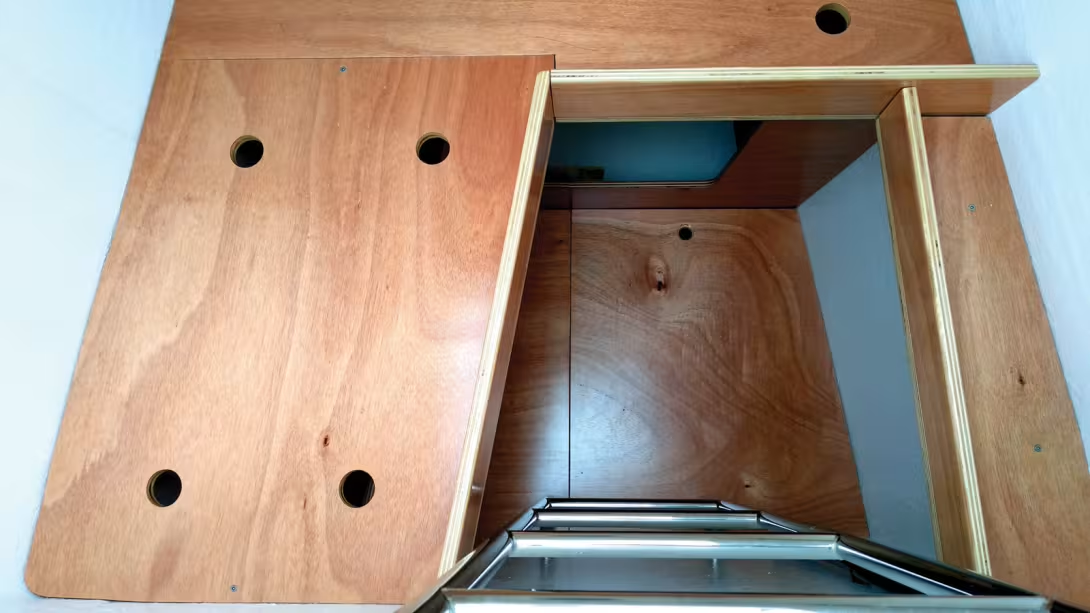
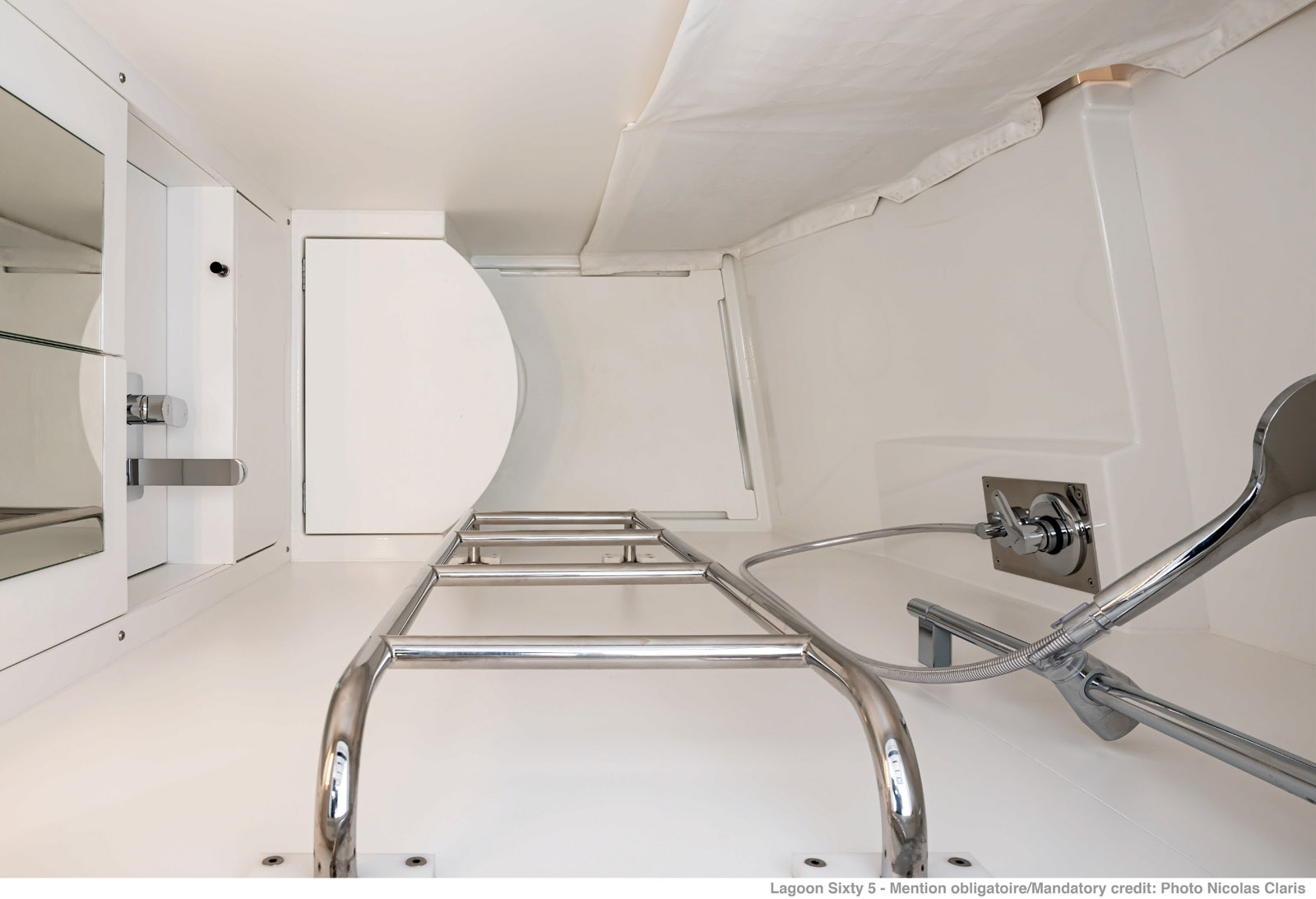
Another sticky point, after the weight, is the access to these holds. They’re often deep - modern catamarans are characterized by fairly high freeboard. At sea, it can be tricky to get down, and even more so to come back up. A ladder is a minimum to have a practicable access. An aluminum model can do the job if it is well secured beneath the hatch. Dedicated stainless steel units are sturdier and more aesthetic as well. Some high-end catamarans have composite steps. You could also use plywood planks. They will allow for easy access without condemning the storage space.
ORDER AND CENTERING OF WEIGHT
Given that forepeaks are quite voluminous, compartmentalizing this volume is a judicious idea, to make sure you can find the equipment you’re looking for quickly and effortlessly. It is possible to make plywood storage units, but again, weight is an important factor when it comes to installing equipment. It might be interesting to use composite sandwich panels such as plywood/foam or fiber/foam. Chandleries have flexible storage solutions in synthetic materials. The recommendation is to ask the manufacturer or a professional to be sure of the method of hanging these on the topsides. Finally, it is possible to compartmentalize the space longitudinally in order to arrange fenders, which are relatively light, forward towards the bows. Heavier equipment, tools or even a washing machine will need be installed towards the bulkhead, at the back of the space.
OPTIONAL ON NEW MULTIHULLS
Practically all shipyards offer an optional fitted-out forepeak. On an Excess 11, a front bunk will cost you € 790 ex-tax. On a Lagoon 46, it will cost € 1,321 and € 5,473 for a bathroom with basin, shower and toilet (all ex-tax). The price goes up with the size and degree of finish: on an Excess 15 the front berth is priced at € 3,595. In sizes up to 55-60 feet, the berth will have to be installed in one forepeak, and the bathroom in the other. To benefit from a real cabin with berth, storage, sink, shower and WC, the catamaran must be at least 60 feet long. The price for a complete cabin with a shower room and a berth is € 23,820 ex-tax on a SIXTY 5. With two bunk beds plus shower room, it will be € 27,730 on a SEVENTY 7. Of course, it is higher, but the level of finish - high-tech lighting, mirror, paneling, portlight, etc. - is not as high as on a SEVENTY 5. – given that the crew members will have to live there for long periods of time.
CUSTOM FOREPEAKS
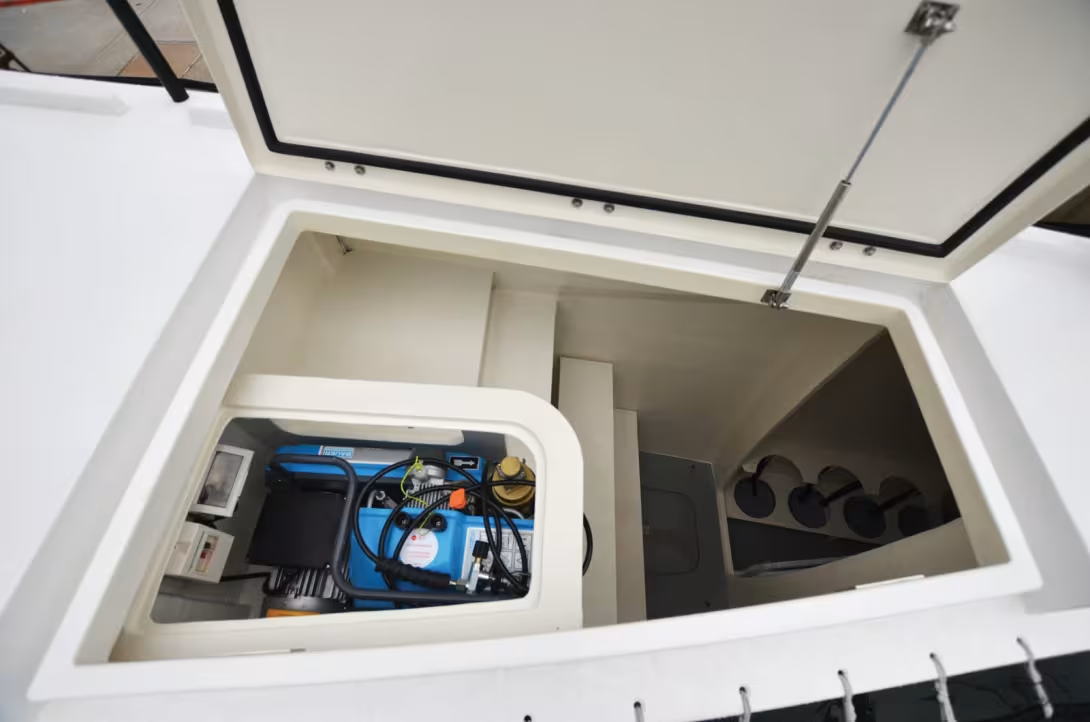
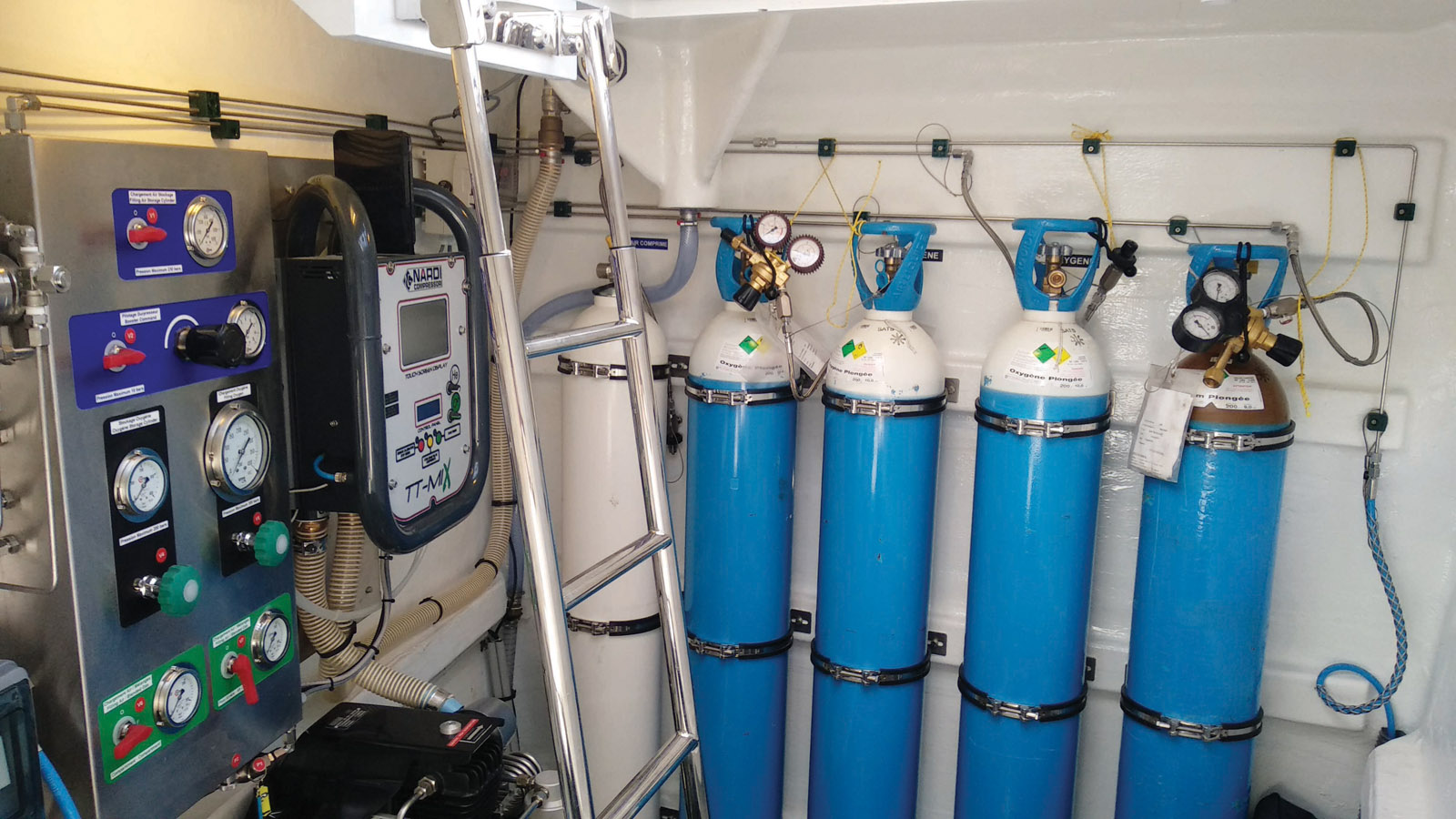
Some shipyards producing high-end units adapt them to the customer’s requirements. We recently saw this on board an HH 50 OC with a quite remarkable forepeak: its access widened by a hatch opening across the entire width of the deck and equipped with a staircase housing a compressor and a rack for diving bottles. These hand-built installations encourage certain specialized engineering companies to offer a post-production project management service. This is the case for Yacht-Concept, which since 2004 has been working on existing units or units just coming out of the yard. Specifications are drawn up with the customer and the installations are custom-made. The field of intervention covers all facets, from a simple berth with an integrated locker to highly technical setups such as the installation of professional diving equipment, including, for example, a tank crane and the reinforcement of certain structural areas of the hulls.