
To begin with and more important than ever, before any major crossing, it is strongly recommended that all crew members undergo a COVID-19 screening test before departure and take all the usual precautions until departure day. Indeed, a COVID case that occurs offshore could quickly become problematic, even dramatic. Conversely, once the crew has been tested and is at sea, it is finally time to drop the masks and regain - for a while - the carefree attitude of the «before».
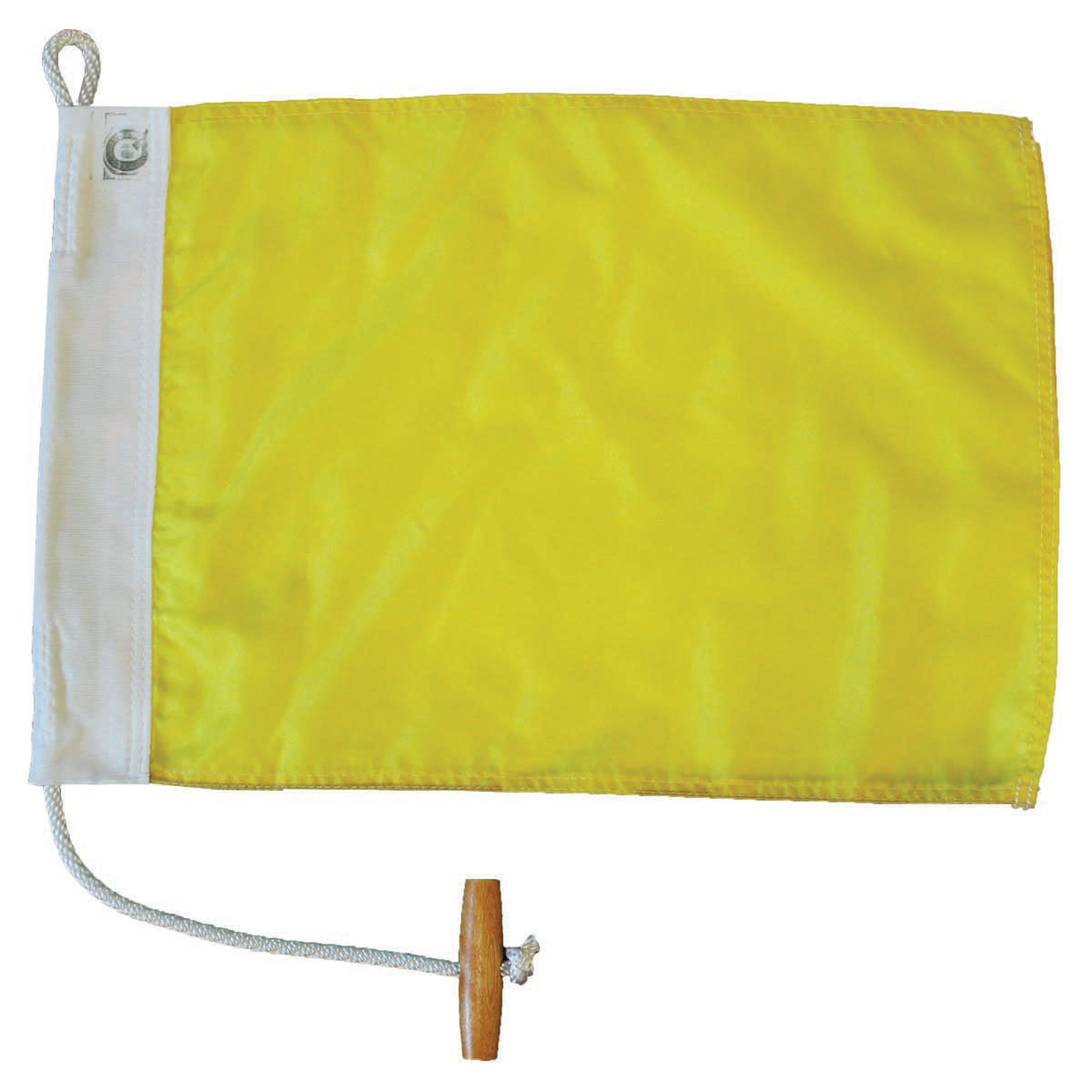
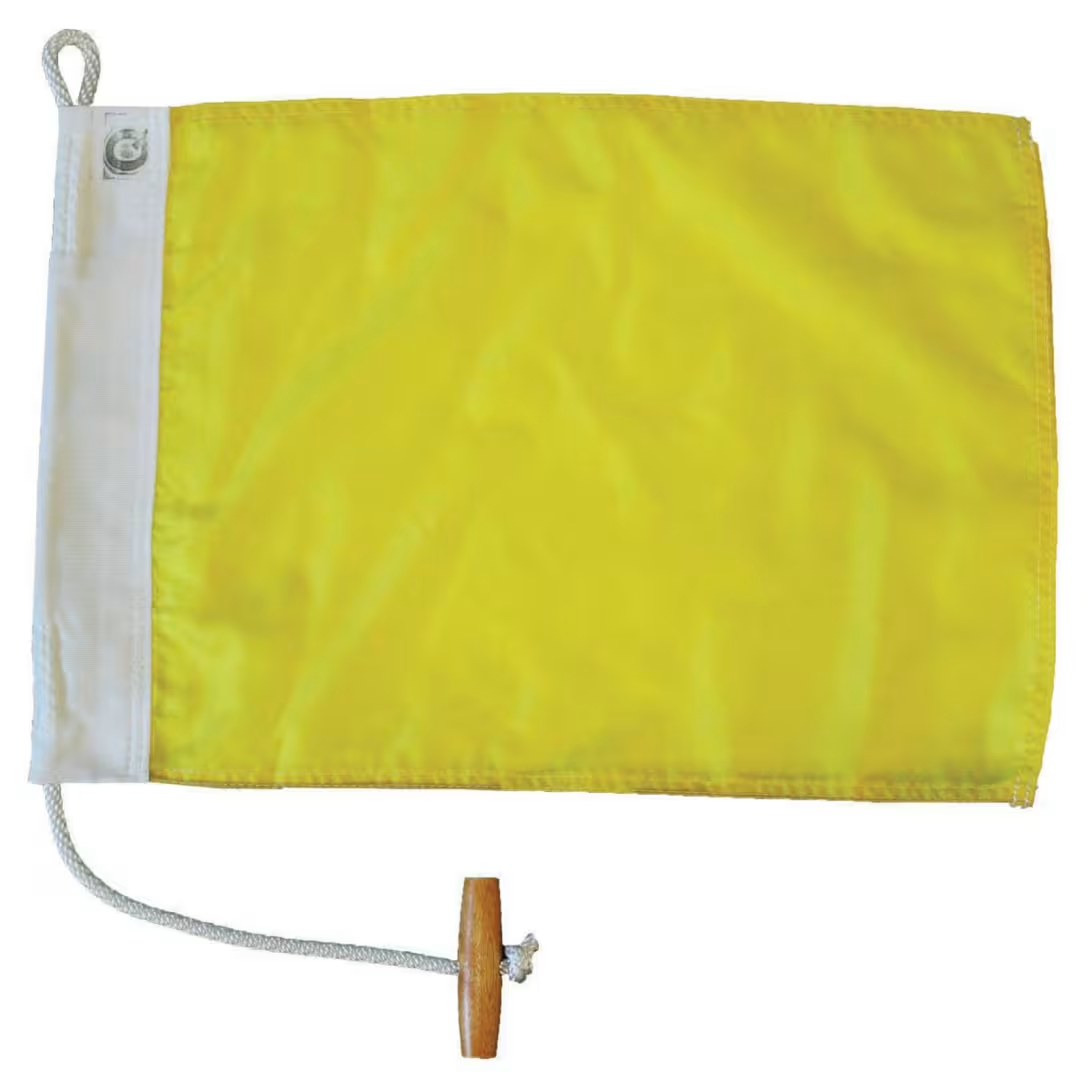
The famous Q (Quarantine) flag was stashed away in the bottom of a locker... until the coronavirus epidemic..
Make sure you are well informed about the situation in your destination country: even if the borders are not closed, the procedures have become very complicated. In most cases, you will not be able to land just anywhere; ports of entry where you can carry out the first formalities have now been designated. There is no question of arriving anyhow, let alone anytime: Advance Notices of Arrival (ANA) up to D-5 have become commonplace. You will have to agree to detail the history of each crew member, without forgetting all the required documents, attestations and health certificates. And then of course, it is the great return of the Q flag - known as free pratique - that is customary when you arrive in a third country. Q as in Quebec but also, historically, as in Quarantine. If you have to submit to it, you should therefore also make sure that you have a Lima flag and above all enough supplies for 14 days because the conditions are usually very strict. Whether you are in the marina, at the dock, or at anchor, you will most often be strictly forbidden from disembarking or even swimming.
USA/CANADA
In North America, the situation is unfortunately quite clear. Mexico remains open to yachting but the Canadian coasts are inaccessible to you. In addition, the closure of the borders of these two countries with the United States has been extended. In the USA, just like last spring, regulations vary from one state to another. What is certain is that no pleasure craft arriving from Canada, Brazil, the United Kingdom or any country in the Schengen area can enter the USA. China and Iran are also on the list of excluded countries, perhaps for reasons other than those related to the coronavirus. Fortunately, the flow of sailboats is rather north-south at this time, and leaving states where boating is allowed is not a problem. It will just be necessary to comply with the regulations in force in the country of arrival, such as the mandatory fourteen days in George Town (Grand Cayman) after a crossing from Florida. If, however, you plan to enter the USA, this last state is to be avoided. It is better to enter further north in Georgia, at Brunswick or Savannah, making sure that you have your visas and a cruising permit which can be obtained in Puerto Rico. On the Pacific side, on the other hand, there is a slightly more optimistic outlook.
EUROPE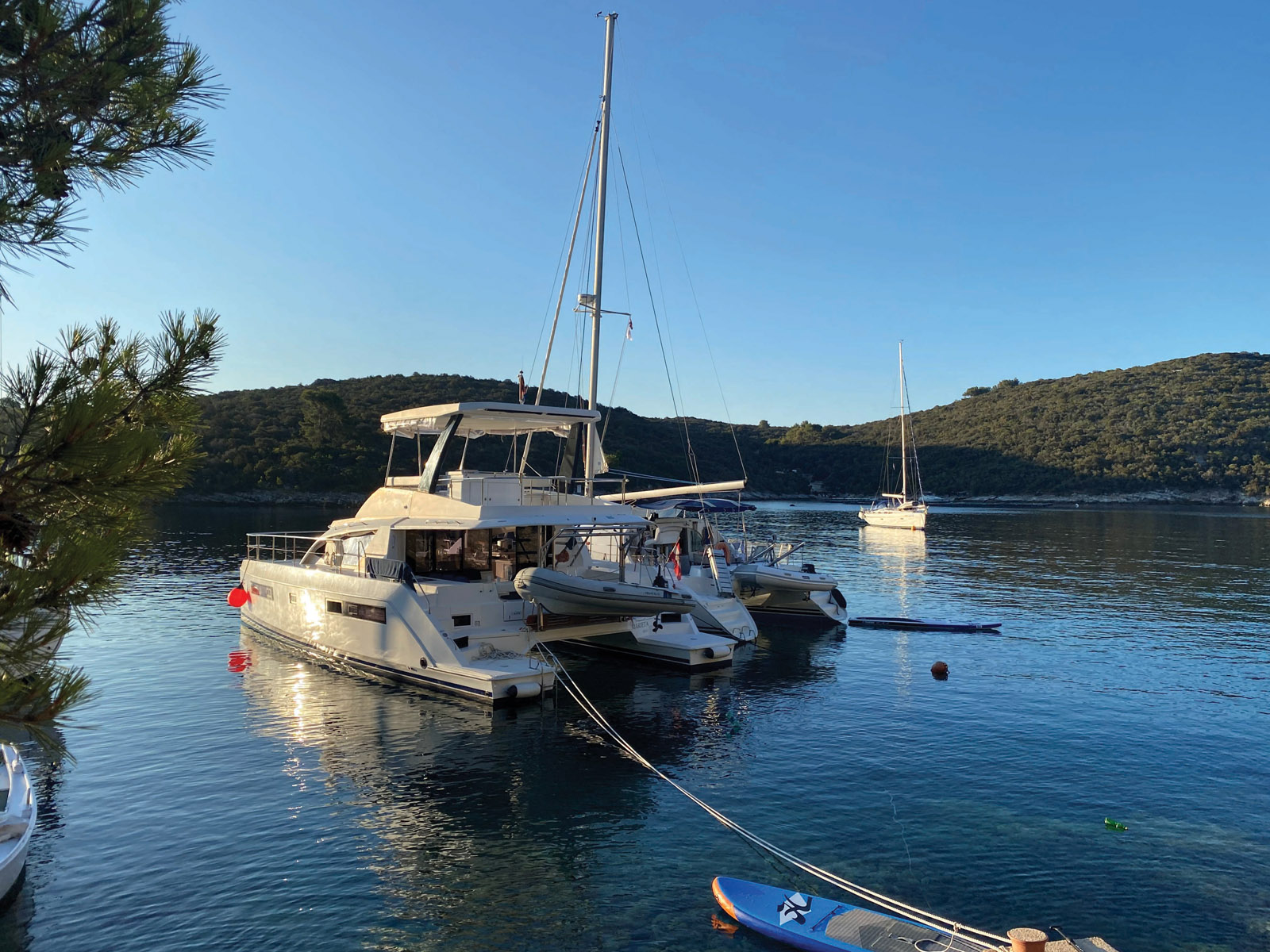
On the Old Continent, the countries have been locking down again one after the other since the end of October - those sailors who set out early in the season to get to the West Indies definitely made the right call. In France, where the main multihull builders are based, since October 30th, private sailing is no longer possible. Only professional skippers exercising their profession are allowed to do so. On the trade winds route, Spain remains open to yachtsmen but COVID-19 is sometimes active locally - curfews and traffic restrictions are in force in the country. These measures do not currently concern the Canary Islands. On the other hand, it should be noted that on the other side of Gibraltar, until recently it was forbidden to call at Moroccan ports. Further east, Tunisia and its marinas are open and currently host many multihulls flying the European flag. However, depending on the origin of the crews, PCR testing and/or quarantine are required. Finally, there is no hope of a late season sail in the clear Greek waters - all sailing has been forbidden since November 7.
PANAMA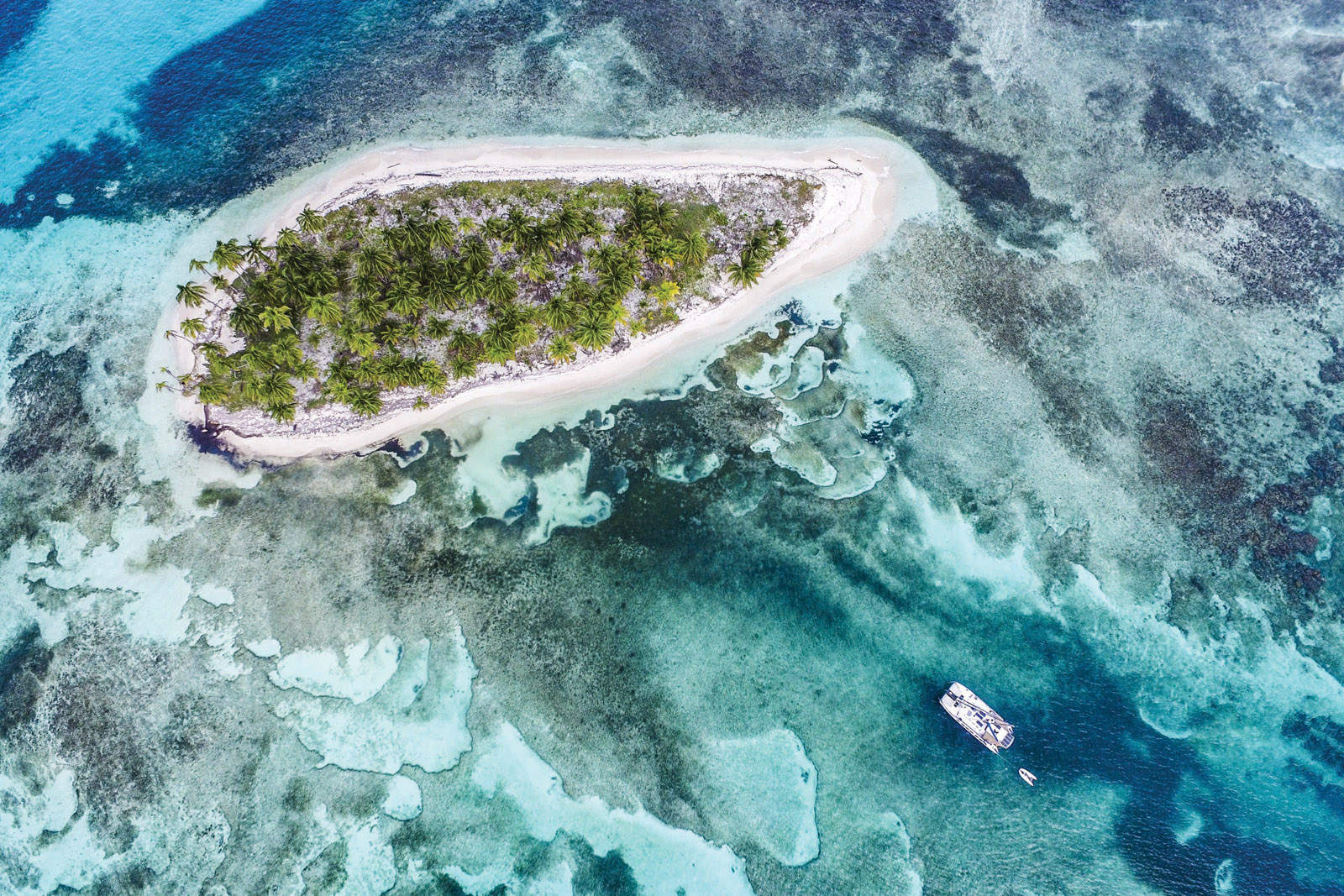
As reported on our website, the Panama Canal has been reopened to boaters after the first wave of coronavirus in the northern hemisphere. To reach the famous Pacific Gateway, there are very few options. Colombia and Jamaica remain closed until further notice. Venezuela, between political tensions and insecurity, didn’t need the current health crisis to stop being considered a particularly hospitable country by circumnavigators.
WEST INDIES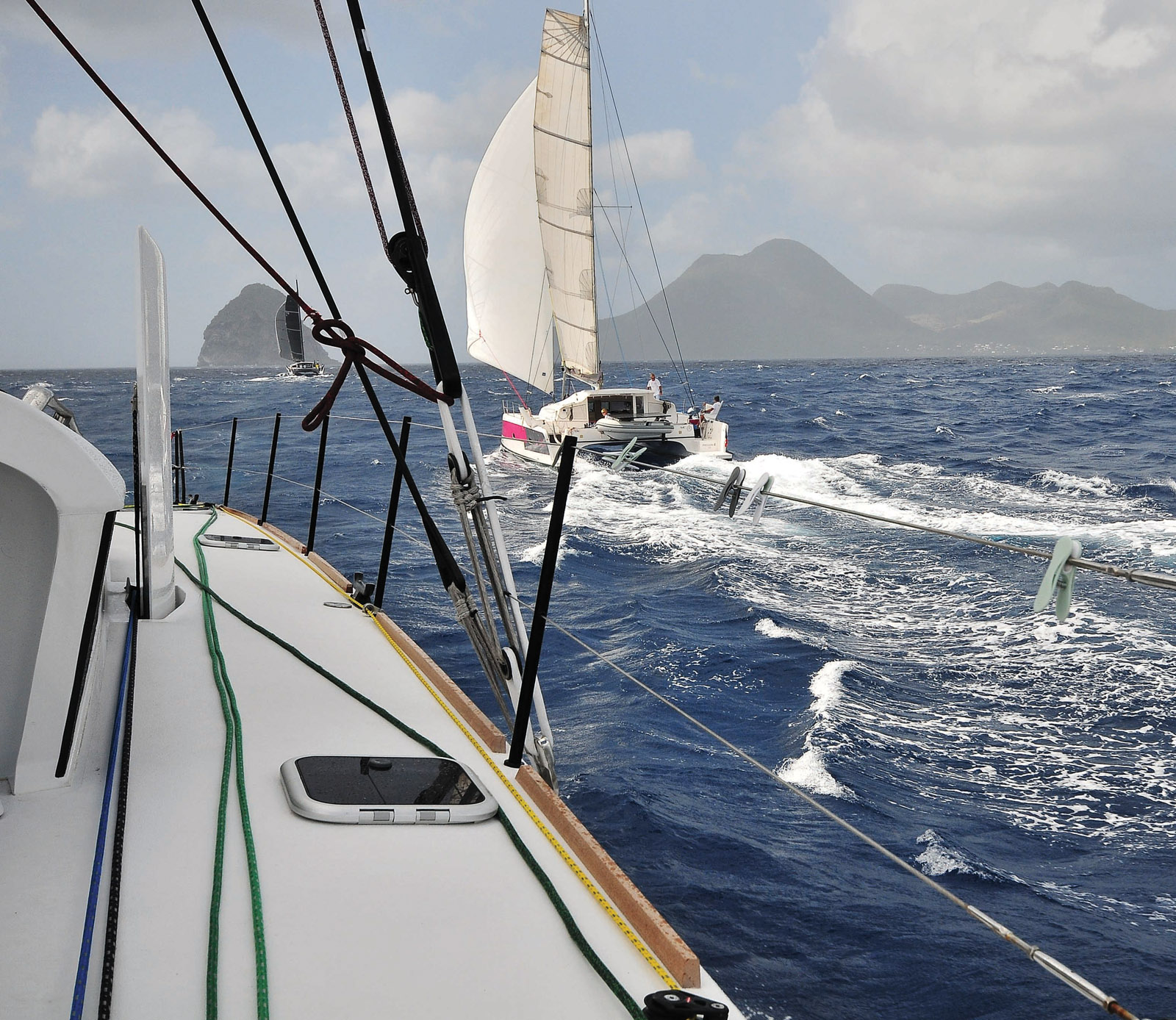
The Dominican Republic has once again been welcoming boaters since August 10, subject of course to a negative PCR test. The Noonsite website (www.noonsite.com, a must-read at the moment) tells us that Dominica is part of the «health bubble» created by the regional organization CARICOM (Caribbean Community) and which includes countries considered as low risk with regard to COVID. This includes St. Kitts and Nevis, Antigua and Barbuda, Grenada, Montserrat, St. Lucia, and St. Vincent and the Grenadines. Not only are these countries open to sailors, but people traveling between these destinations are exempt from testing and quarantine upon arrival. As for the French islands, they are once again closed to boaters, and Martinique is even in lockdown. However, the season has only just begun and charter companies such as The Moorings anticipate the opening of their Martinique base at the end of January 2021.
PACIFIC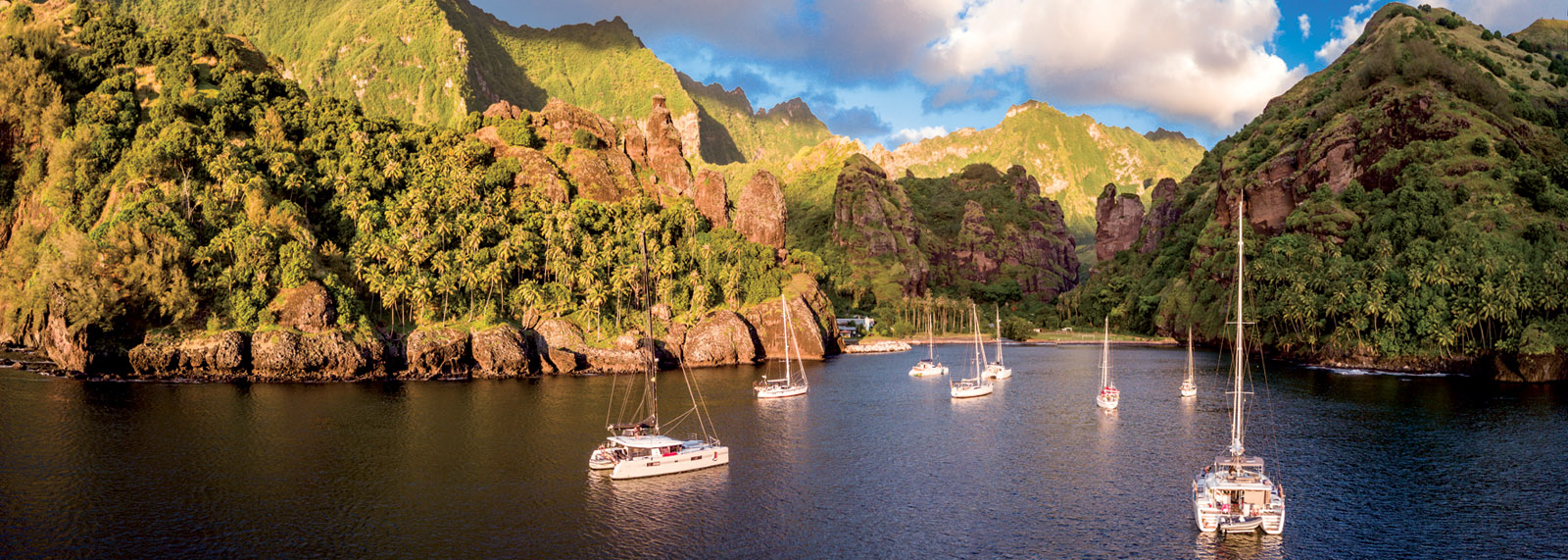
In Australia, the port of Bundaberg (Queensland) is the only authorized point of entry. At least it is for those who are eligible, because if you are not an Australian resident, exemptions from boat entry on the mainland are rare. The same goes for New Zealand, which is not willing to welcome sailing boats, even though many of them have been isolated at sea for more than 14 days. If the country is recognized as one of the most resistant to the pandemic, it is down to very strict isolation. Don’t think of asking for a humanitarian exemption when you are obviously just an everyday yachtsman, or even, as in Australia, to take shelter there for the hurricane season. The Kiwi Ministry of Health has even seen fit to specify that a waiver can only be granted if you are under the real threat of an imminent cyclone. How welcoming! Tahiti and New Caledonia are under curfew from 9pm to 4am but the borders have been reopened since July 15th. Crew members will be expected to provide negative test results.
SOUTH AFRICA AND INDIAN OCEAN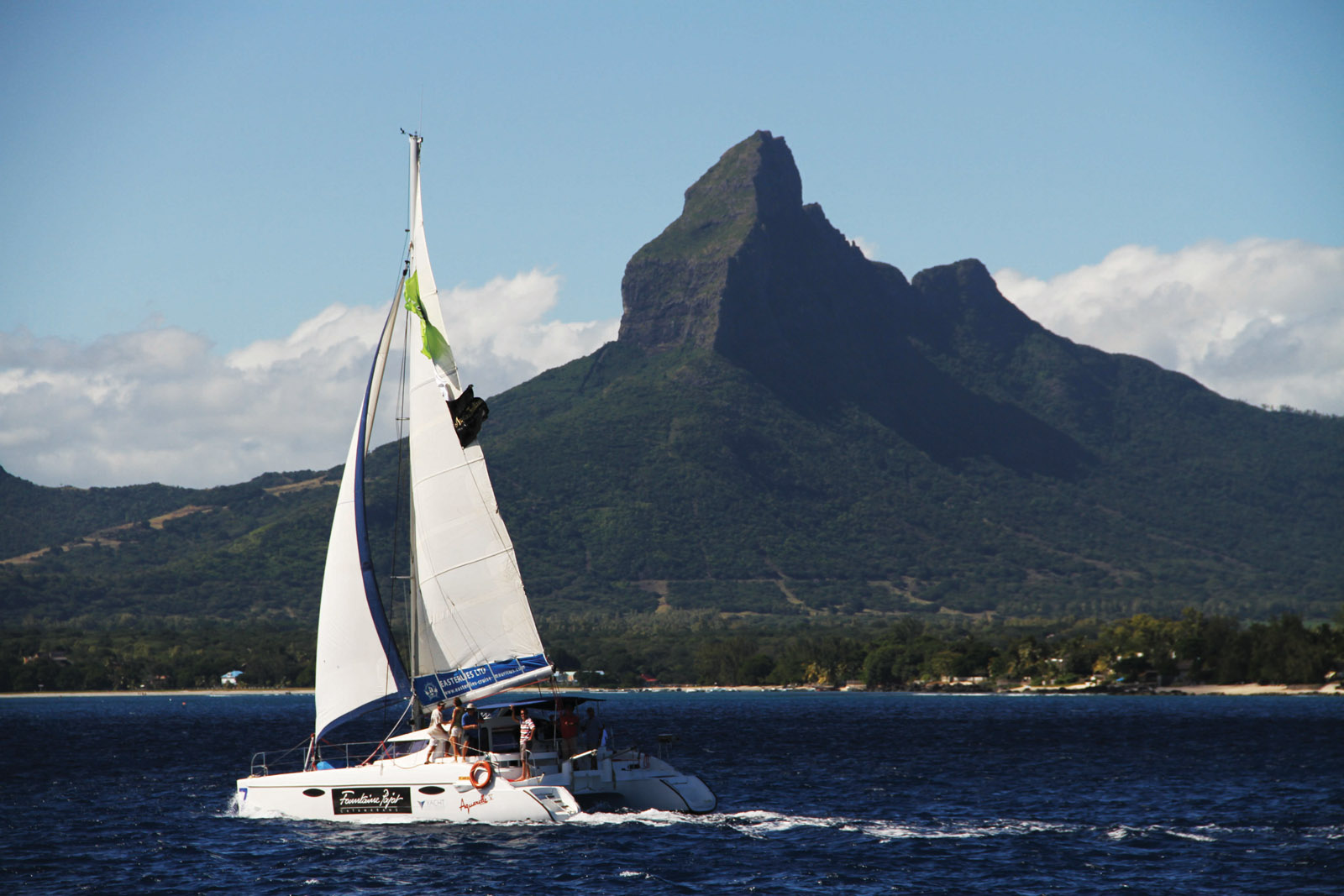
The situation seems to be improving somewhat in the Indian Ocean. You could reach South Africa from Australia by crossing quite far to the north, around the 20th parallel. By doing this you can take advantage of downwind conditions, usually ESE, before descending towards the Cape of Good Hope. The Cocos Keeling Islands are on the way, but are unfortunately closed. So, the next stage is nearly 4,000 miles further on: Reunion Island. You should not linger too long in this zone though, as the cyclone season may turn out here as it did in the Pacific or the North Atlantic, where it was earlier than in theory due to La Niña (the opposite weather phenomenon to El Niño). In any case, you should not waste any time, because the South African Maritime Authorities (www.samsa.org.za) who are responsible for maritime safety have opened what they call a «humanitarian corridor» for a certain period of time (8 November - 15 December). Only three entry points are allowed, the yacht clubs of Richard Bay, Durban and Cape Town, with a PCR test as a welcome gift. After some hesitation and administrative confusion, it is now possible to stop over in the country and enjoy the multitude of riches that the rainbow nation has to offer.
SOUTH ATLANTIC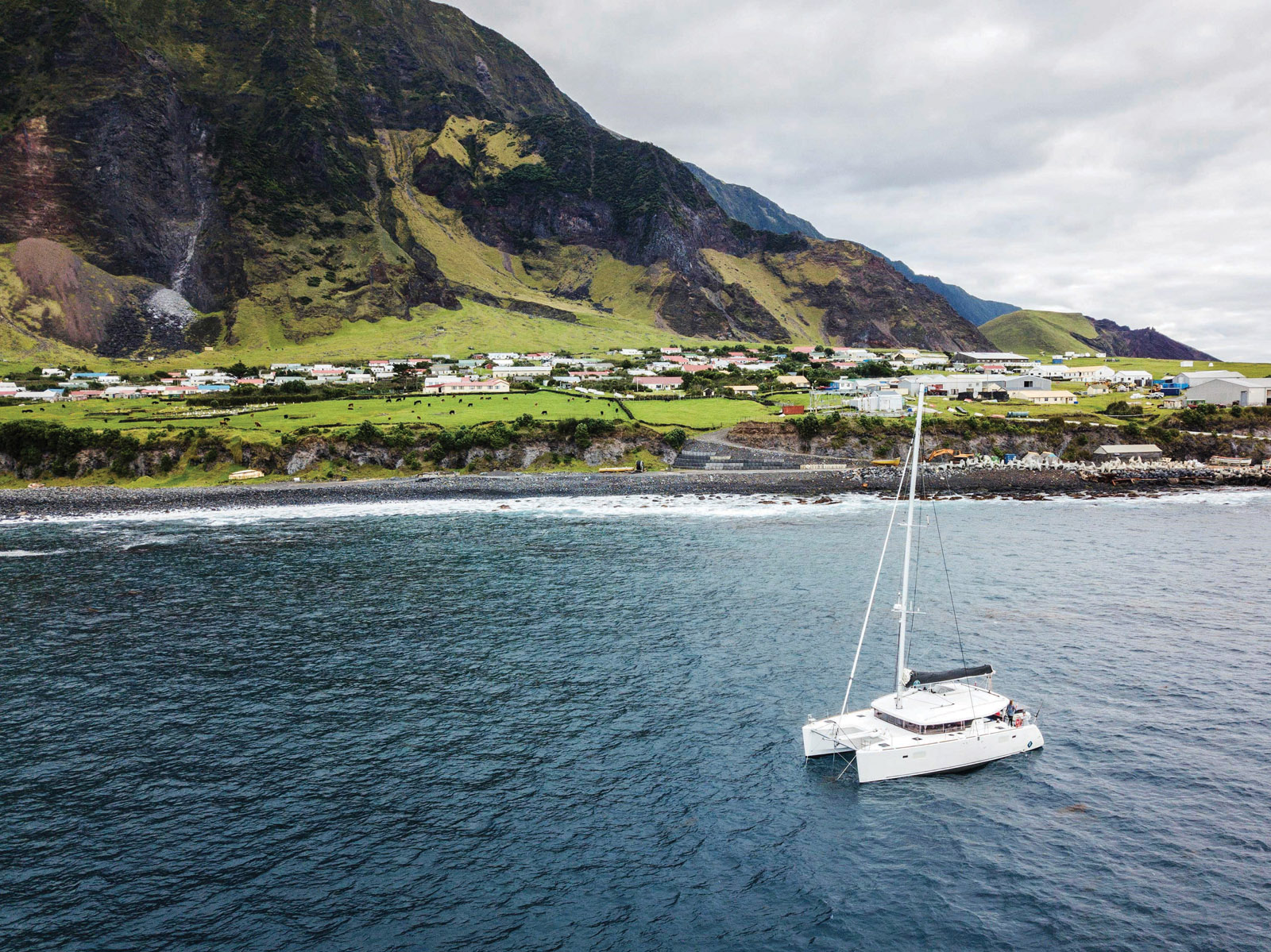
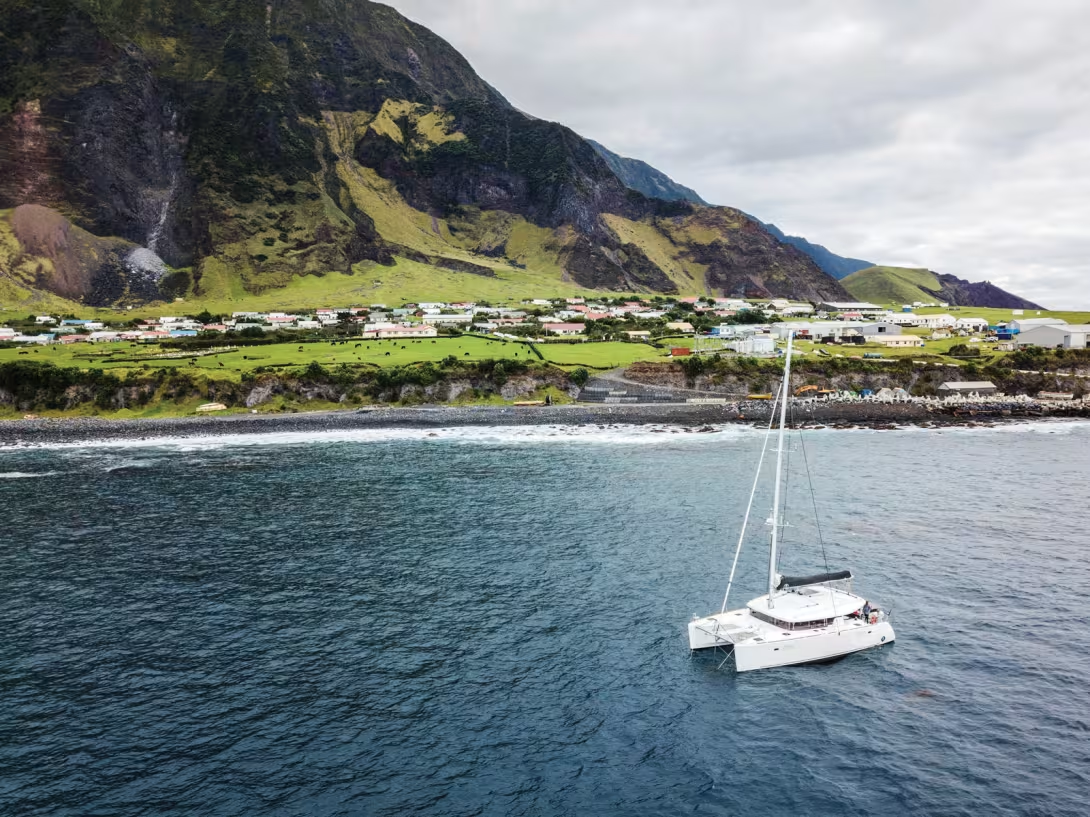
Further on, if the Caribbean chain is your final destination, be aware that Brazil is currently closed to incoming pleasure craft. This ban has been renewed every month since April 6th. St. Helena will be happy to welcome you on your route, but you will only be able to disembark after fourteen days on board. Not an ideal situation for this destination which has few well-sheltered anchorages.
SOUTHEAST ASIA
On the other side of the globe, in Southeast Asia, our journalist Jonathan Jagot is hopeful of a gradual reopening for this month of December. Contrary to Europe, boating was still possible within the same country, but the borders have remained closed since March, whether in Thailand, Malaysia, Indonesia, Sri Lanka or the Philippines. Taking advantage of the situation, unscrupulous «agents» are still offering their services to get you into these territories, but at prohibitive prices, usually in the order of €5,000. Some yachtsmen have joined forces to reduce costs, but the compulsory confinement of two weeks on board their boat in a very expensive marina has dashed their hopes. Our favorite photographer and his companion are planning to sail to the Maldives in January. Only the uninhabited islands will be accessible to them, and they will also have to hire an agent there, but at a more reasonable rate. Fair winds, Jonathan. Fair winds to all of you, and let’s hope that 2021 will allow us to rediscover our freedom to sail!
Rallies in the eye of the Covid storm
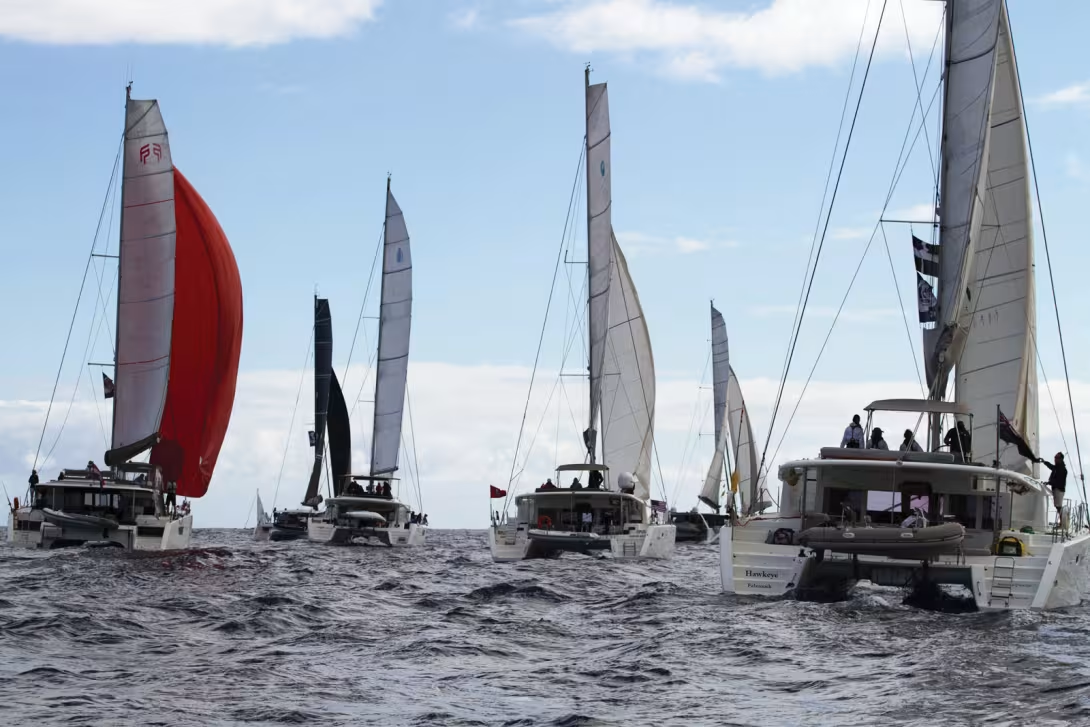
The situation with regard to large gatherings of blue water cruisers is in line with current events: uneven and contrasted. While the Rallye des Iles du Soleil cancelled last spring, the ARC and ARC+ are still going ahead as planned - or almost, since all the festivities have been cancelled and human interaction limited as much as possible. The majority of the expected sailboats - only 30 % of the usual fleet - reached the Canary Islands before the European autumn, which saw many countries go back into lockdown. On the other side of the Atlantic, on the other hand, the Caribbean 1500, which traditionally sails from Chesapeake Bay to Nanny Cay, on the island of Tortola in the British Virgin Islands, was cancelled. The competitors in the World ARC are still on a break in Polynesia.
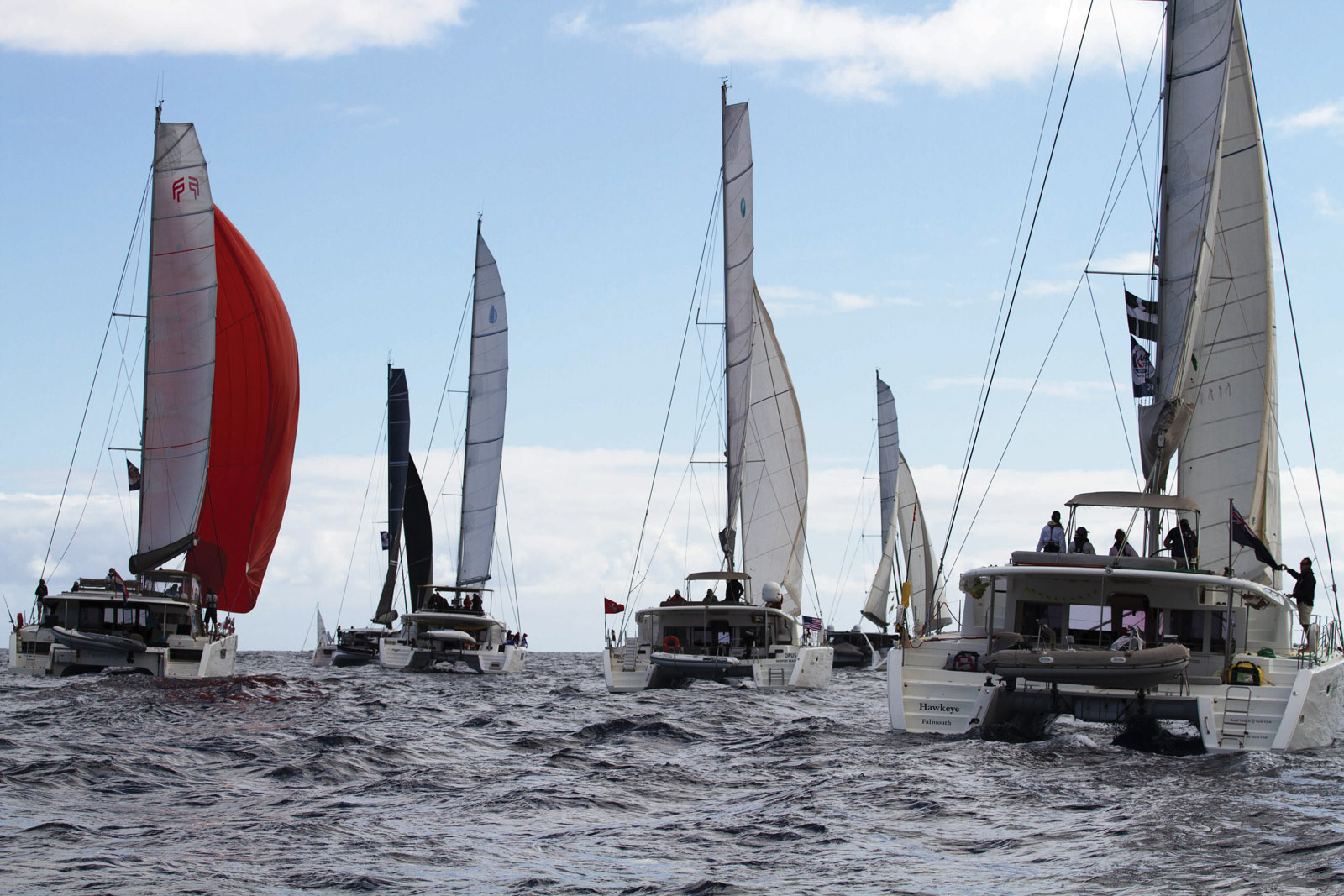
The crews who have a lot of freedom regarding their program, are awaiting the arrival of the next edition, although it is still uncertain when it will resume. In Australia, the Down Under Cruisers Rally has humorously renamed the usual Go West Rally as the Down Under Dash. Its purpose is to assist boats on a Pacific tour (mainly in New Caledonia). The objective is to reach the port of Bundaberg (Queensland), the only authorized port of entry. At least it is for those who can, because if you are not an Australian resident, exemptions to enter by boat on the mainland are rare. As for the Panama Posse 2020-2021 Rally, it is still going ahead. More than twenty multihulls are preparing for a long voyage between California and Florida via Mexico, Central America and the Panama Canal. With 13 countries visited, the administrative headaches for the organizers must have been complex to manage...