

Water in the bilges brings nothing but trouble: not just moisture, corrosion or mold on board, but also damage to the equipment that is situated under the floors - starting with the hulls themselves, whether painted or not. If the bailer and bucket were the first tools to fight flooding, the first bilge pump was invented by Archimedes as far back as 270 BCE. It was a screw pump that was manually operated. Today, despite the adoption of watertight materials such as polyester or aluminum, boats still manage to get water in them. The fault lies with the very numerous openings such as those for the motors, or cockpit drains, transducers and any throughbolted fittings. The shallow bilges of most multihulls - often without a sump - increase the risk of water collecting, thus making bilge pumps even more essential. They also become your best allies in the event of water ingress: thanks to their action, you will have time to plug any ingress or, in the worst-case scenario, to prepare for abandoning ship
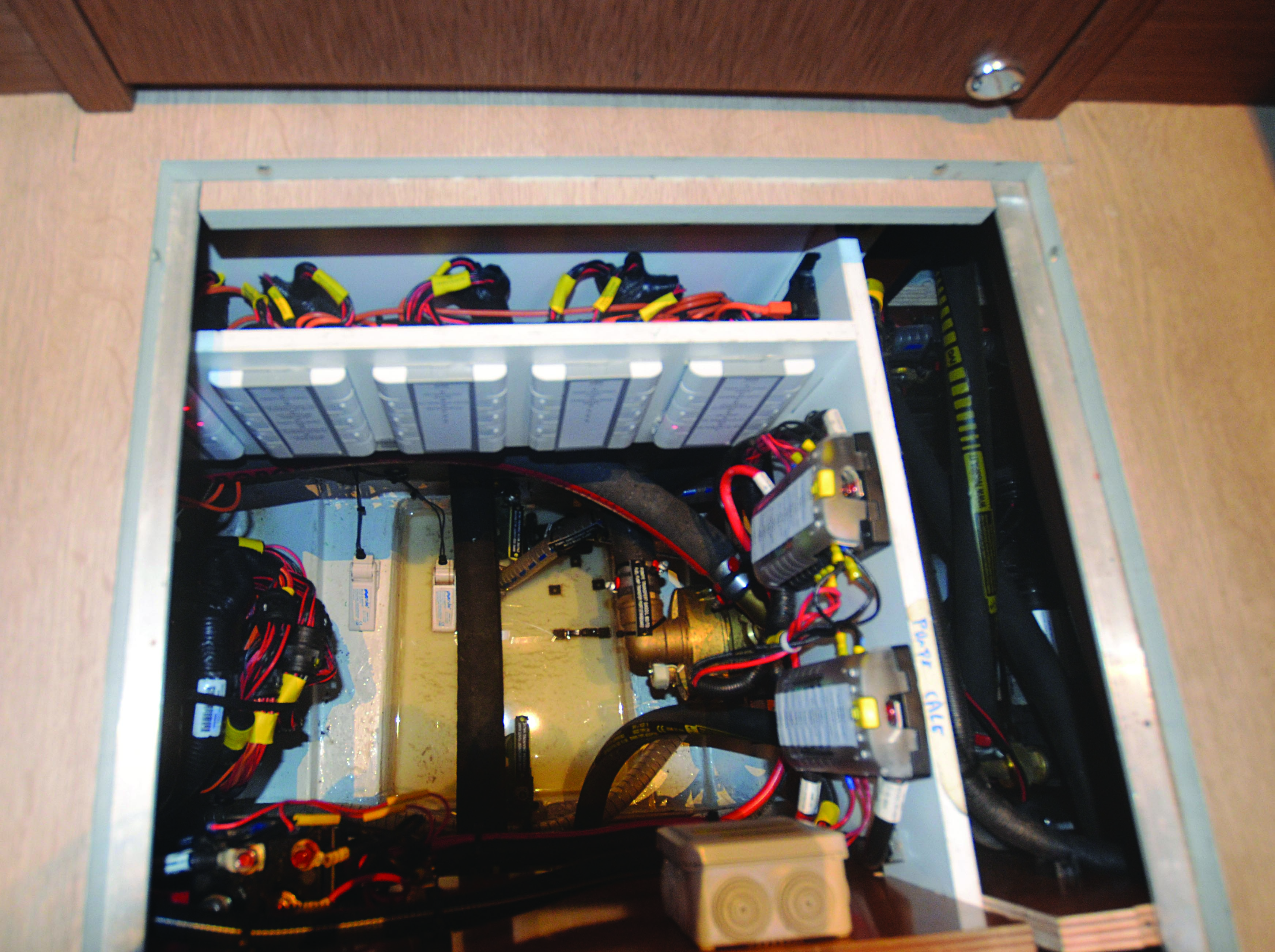
Oops, the water is starting to rise... In this very well-equipped bilge, there’s no way we’re going to let the water rise. Two level switches operate two pumps: it’s the least that you should do.
MORE WATER GETS IN WHEN IN PORT THAN AT SEA...
But the biggest danger is when you’re not there - more boats sink in harbor than on the open sea. Water can accumulate on board surreptitiously due to condensation, small leaks - external seals, hose connections below the waterline - or even a deck hatch that has been left open or is broken. Good ventilation may be sufficient to dry the bilges of any normal condensation, but if the volume of water is large, pumping it out becomes essential to prevent the level from becoming critical. For small multihulls, one pump can work on two hulls or compartments, but it is advisable to provide a three-way valve to stop the evacuation of a hull already that has already been drained and to concentrate pumping efforts where necessary. On a larger multihull, each watertight compartment or hull has its own pump. Each bilge pump is fitted with a strainer: one of the main reasons for the failure of bilge pumps is the presence of solid objects such as grains of sand, debris or dirt in the pumping circuit. These particles eventually damage the moving components of the pump such as the impeller, centrifuge or possibly the diaphragm. A pump should be placed at the lowest point on the inside of the multihull where water is likely to accumulate. It must remain easily accessible for maintenance or servicing. Bilge pumps are classified into two main categories: Manual or electric.
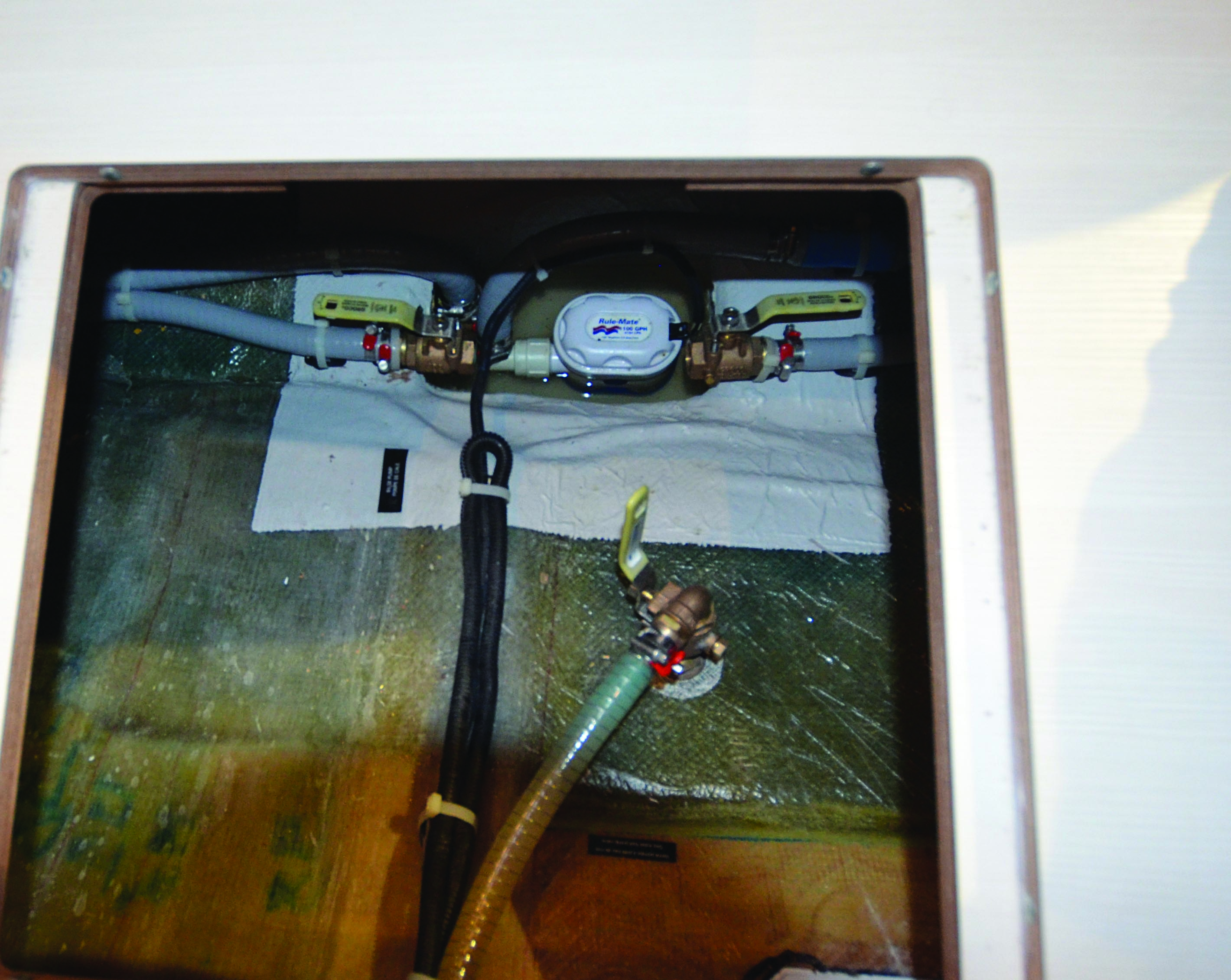
Doubling the securing of fittings below the waterline is a useful precaution. Ideally, a mini sump like the one shown here on board the Excess 12 allows you to place the pump in it and prevent standing water in the bilges.
HAND PUMPS AND MANUAL MEANS
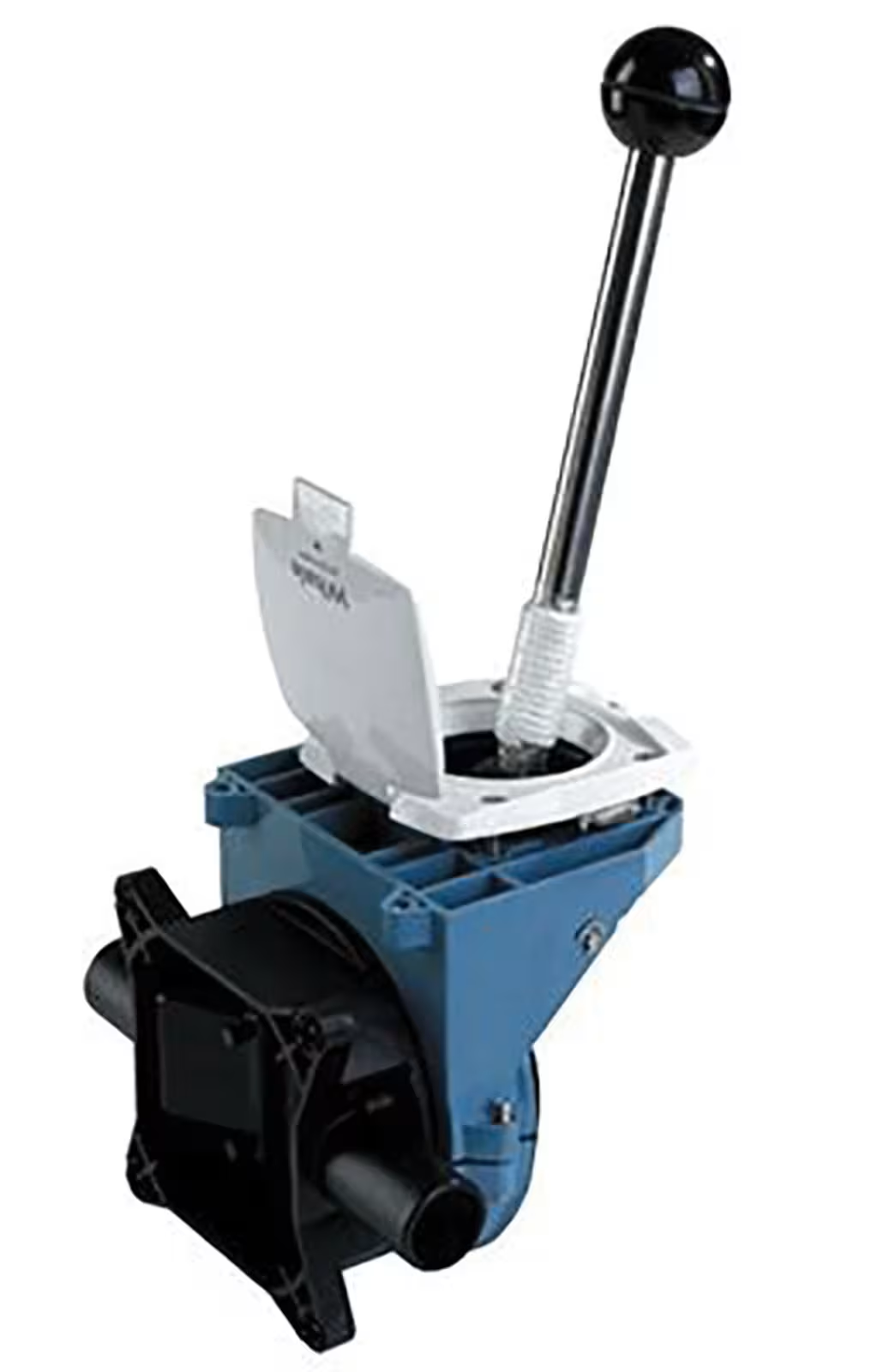
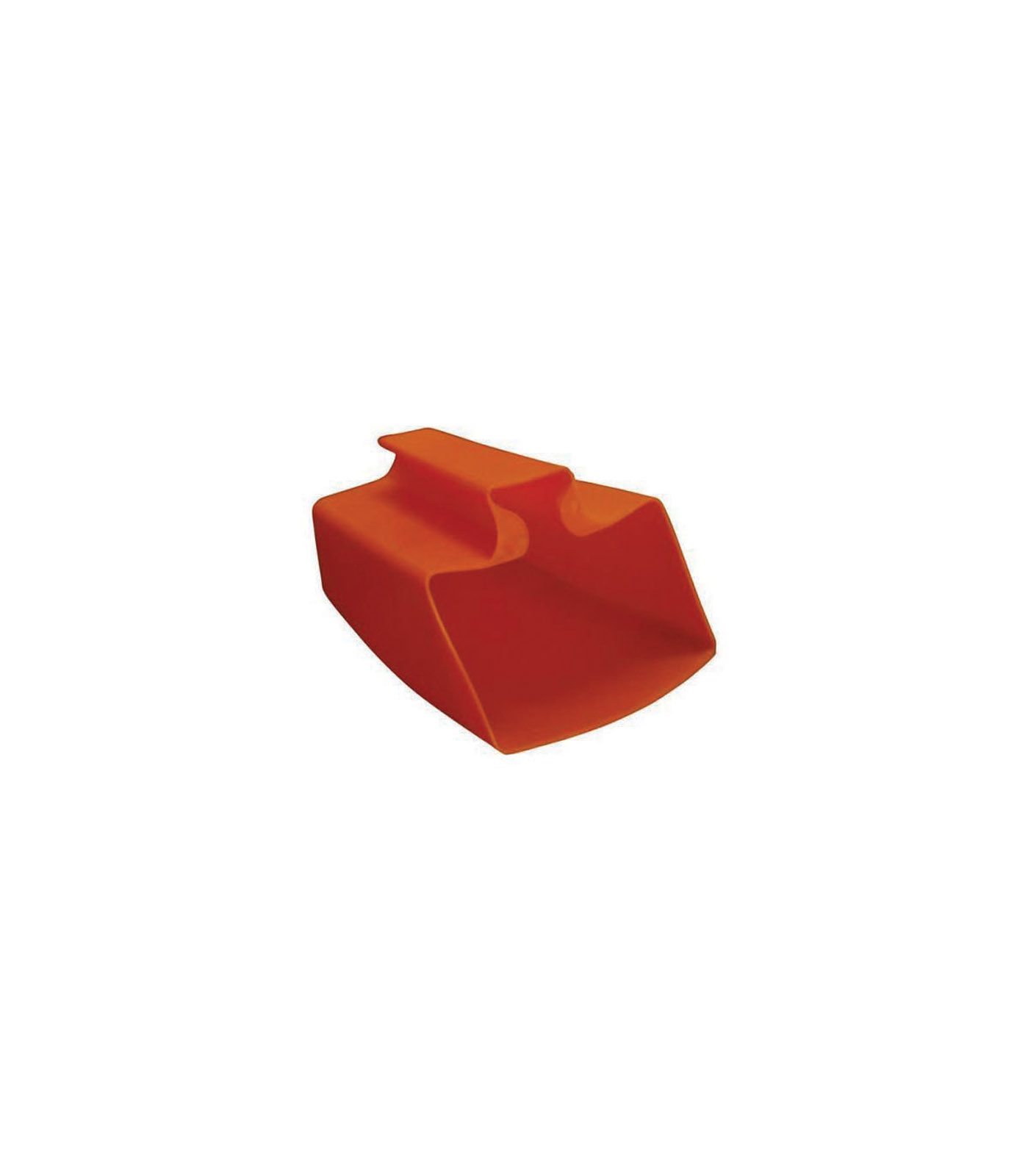
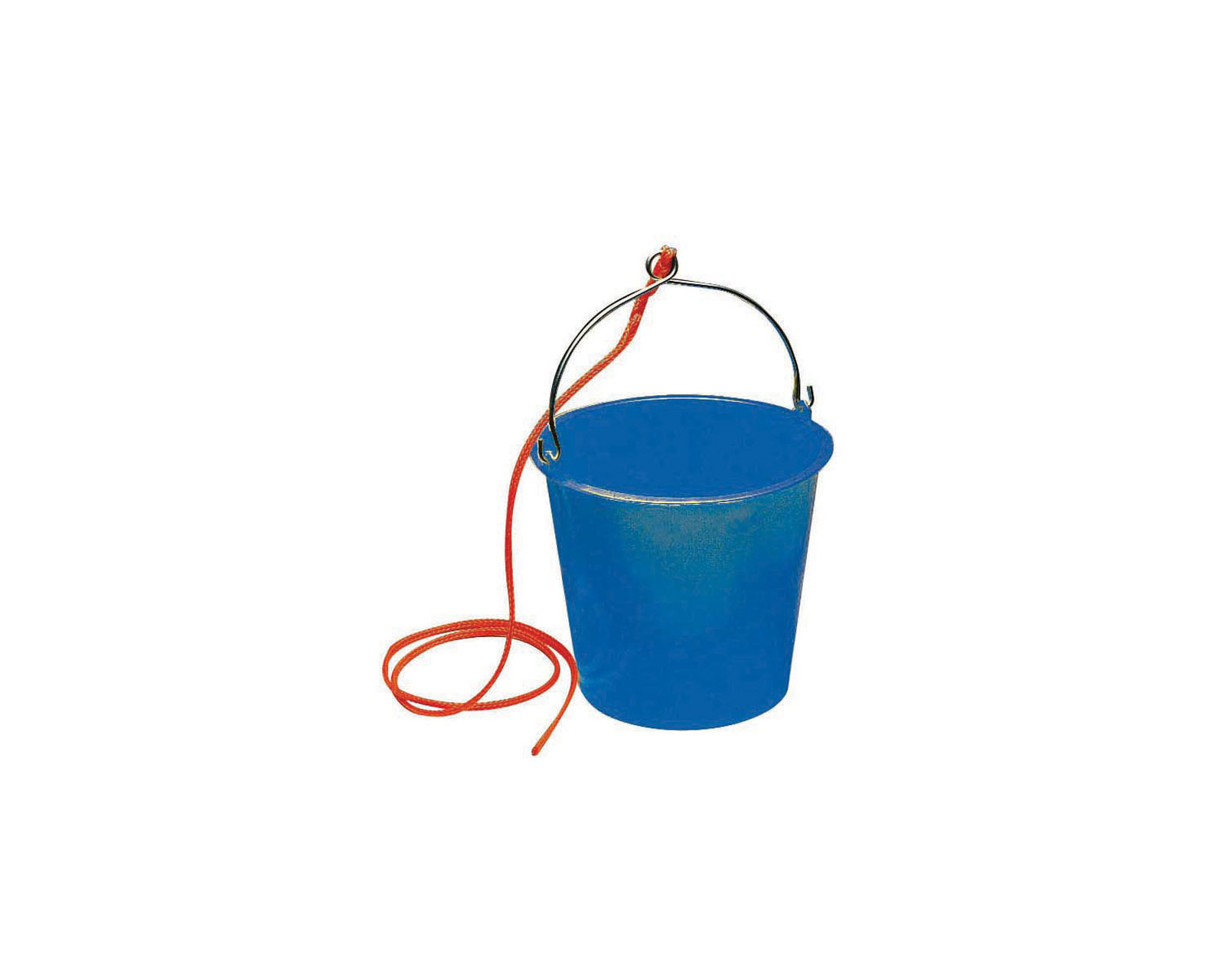
A manual de-watering device (scoops, buckets or hand pumps) is usually mandatory, but may not be sufficient for large ingresses of water. For this reason, manual pumps are integrated in our cockpits with a lever cover and supplemented by electric pumps. This system can be improved with high flow rate lever pumps and/or by taking good care of the installation. The height difference between the discharge and the pump affects the performance of the pump: remember not to place the through-hull fittings higher than necessary and to adapt the pump’s flow rate to the discharge head. The installation of a nonreturn valve will also prevent the water contained in the pipe (smooth inside) from flowing back to the lower zones.
 |
 |
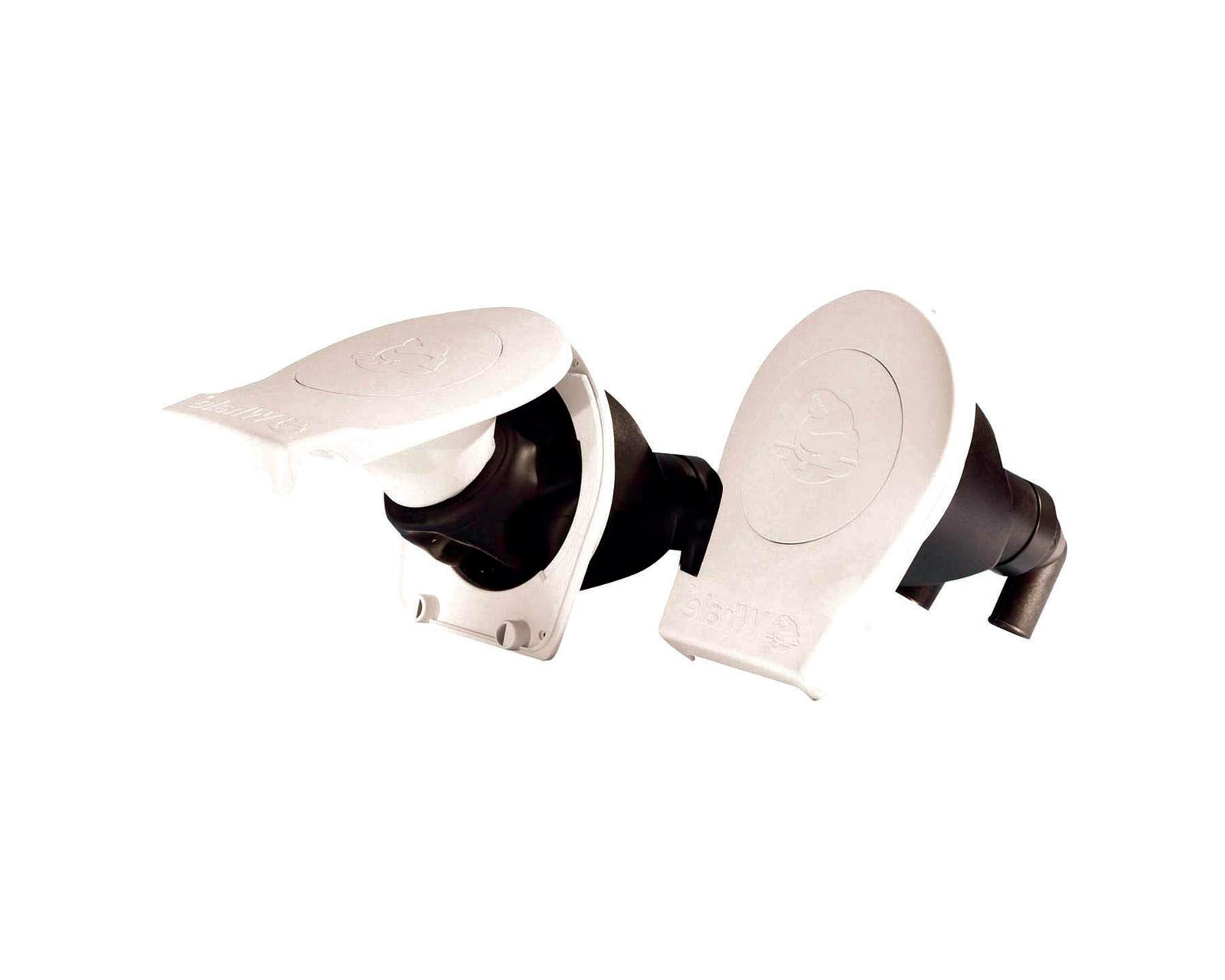 |
The simplest means of dewatering such as the bailer, bucket and hand pump
ELECTRIC PUMPS
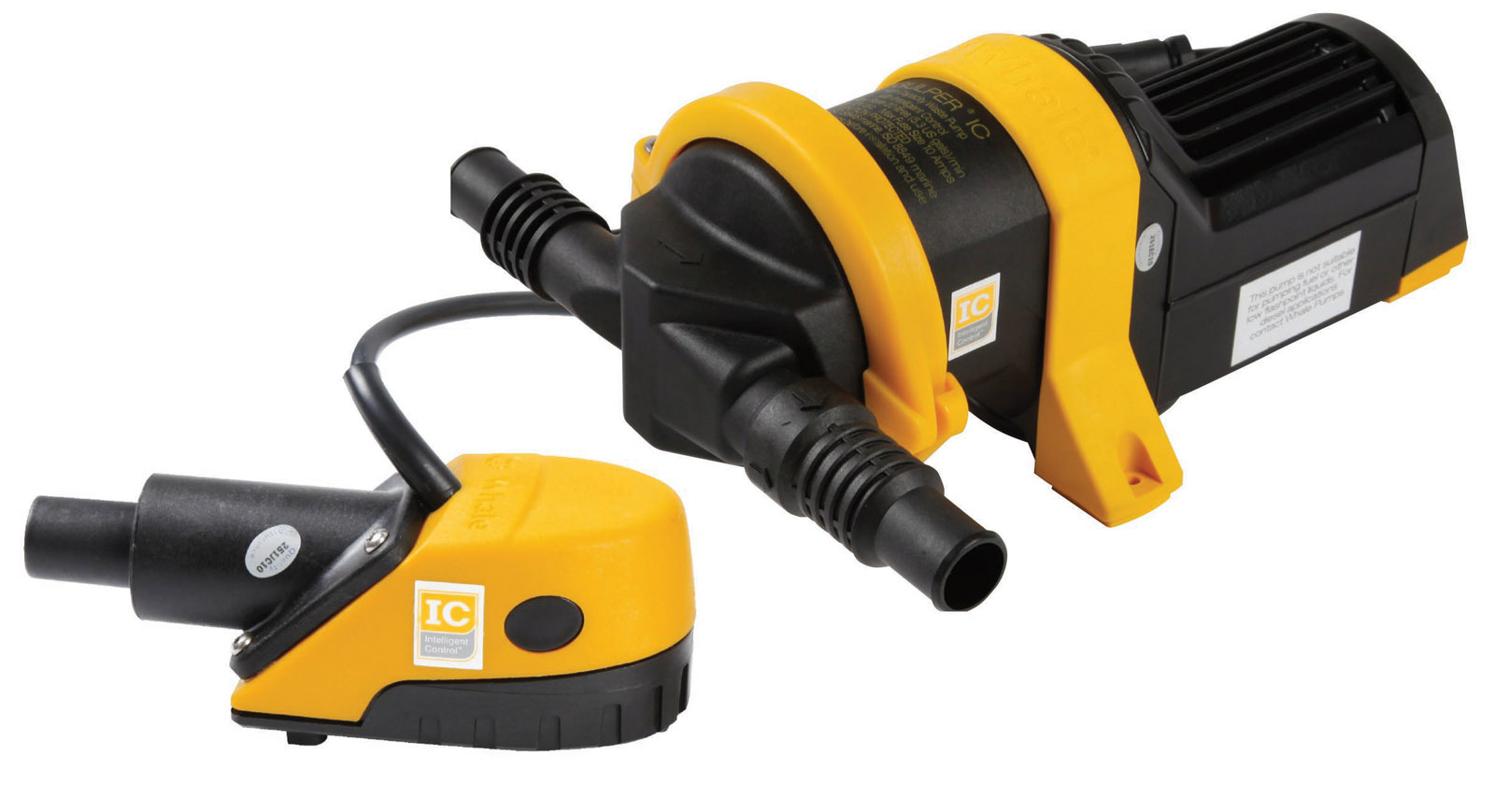
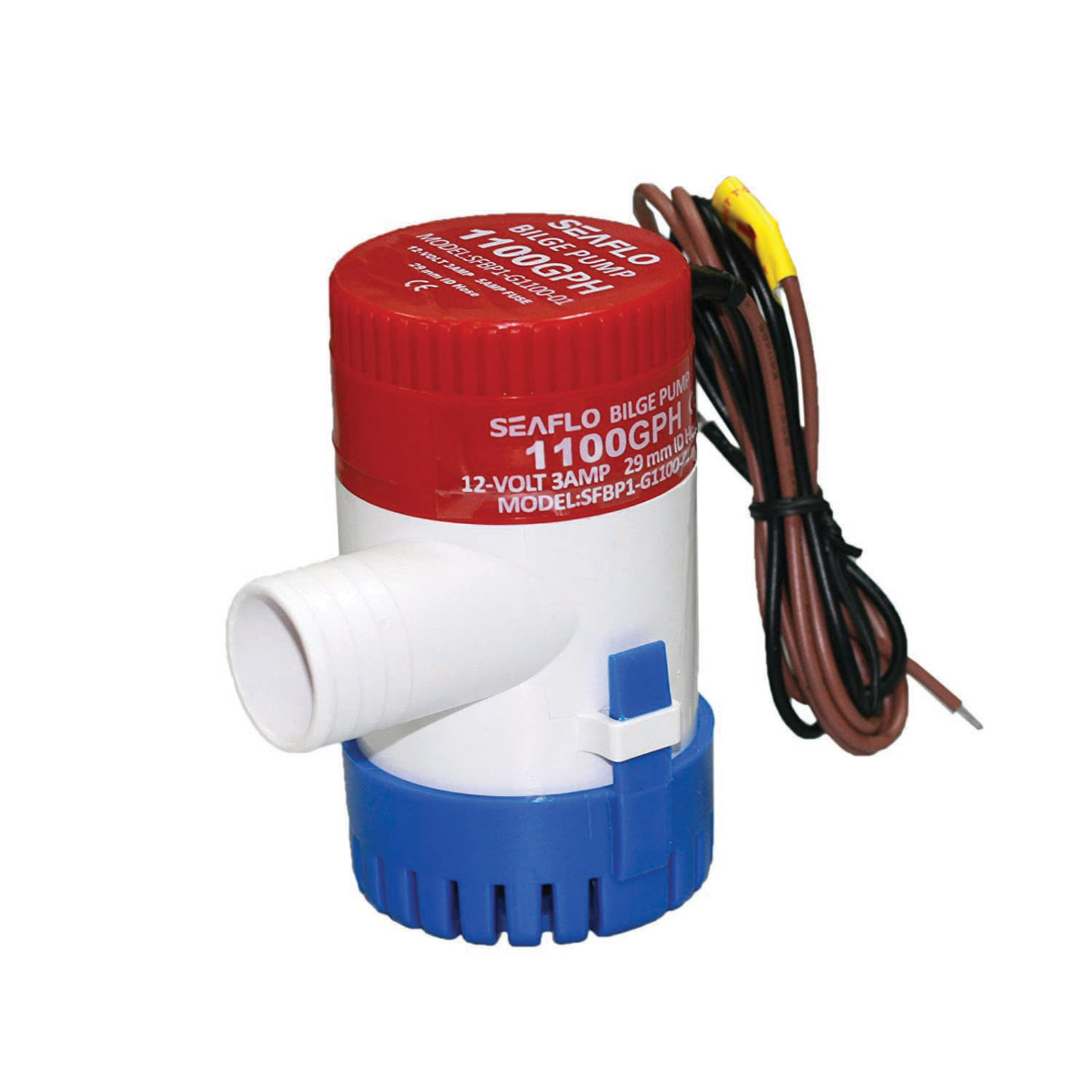
An automatic bilge pump is one of the most important safety features on board. How many boats have sunk in port because they were not equipped with one? The pump is equipped with a water level sensor or a float switch which activates automatically when you are away from the boat, or when there is water in the bilge. A switch on the electrical panel allows you to leave the pump in automatic mode or to have it on all the time. It must be connected directly (but with a fuse) to the battery terminals. Indeed, when leaving the multihull, the batteries are switched off. The flow rate of these pumps varies between 8 and 18 US gallons (30 and 70 liters) per minute – they are well suited to evacuating the typical accumulation of water: open deck hatch, leakage in the plumbing circuit, etc...
 |
 |
 |
The type of pump that you choose will depend on the space available. It is sometimes easier to install a strainer and the float switch in the desired location and to offset the pump.
BATTLING AGAINST THE WATER COMING IN
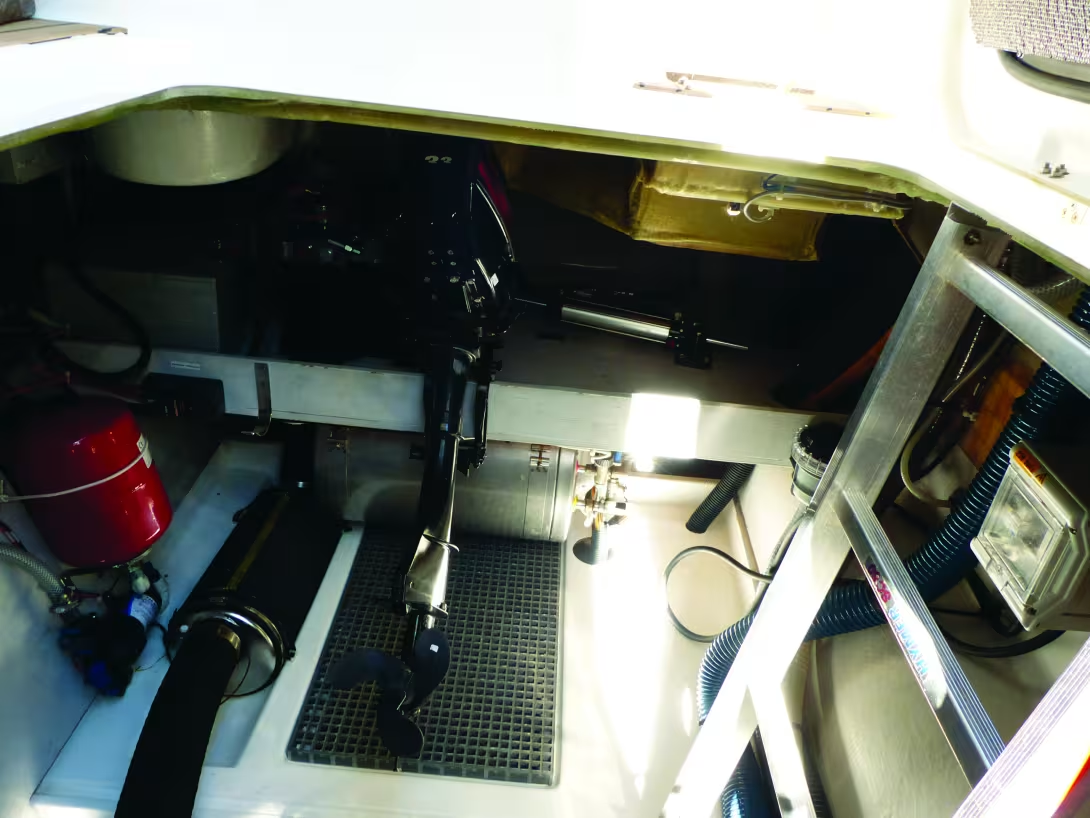
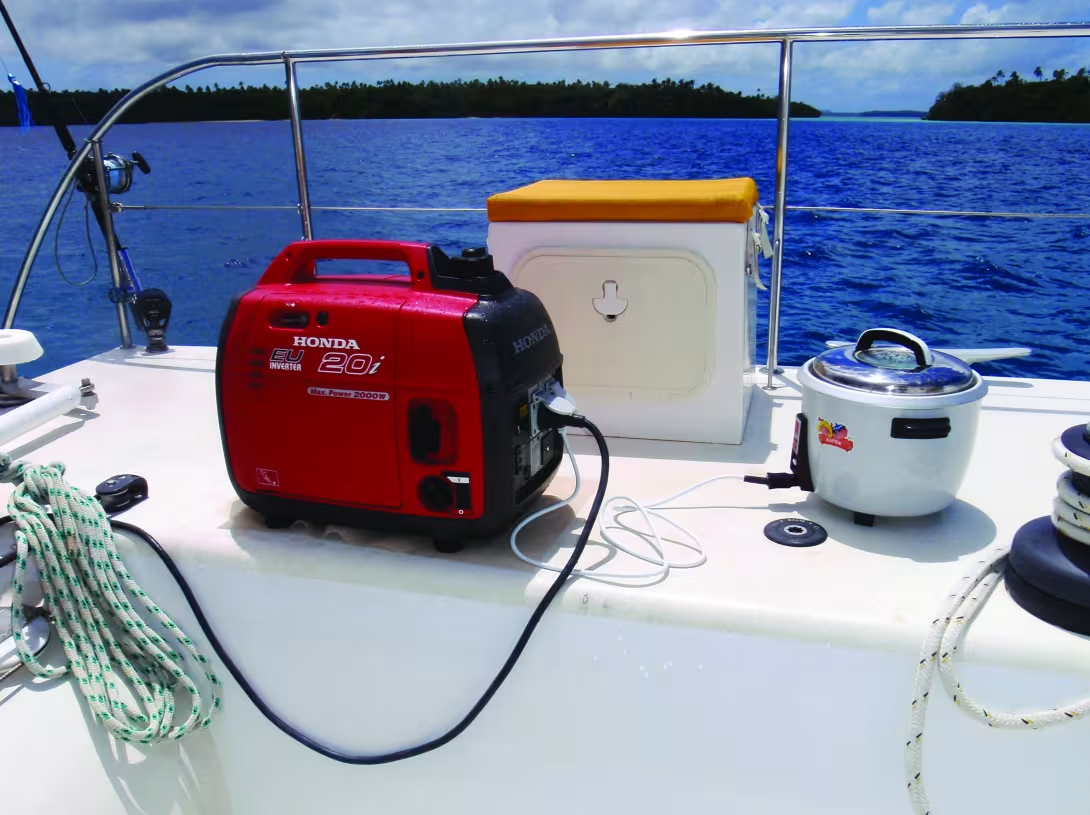
If you’ve ever had to take on an ingress of water, you will know how important it is to have an efficient bilge pump. It can either save the situation or make sure that the situation doesn’t get worse. Keep in mind that a breach of only an inch (2 or 3 cm²) at 18” (50 cm) below the waterline will create an inflow of up to 2,500 US gallons (10,000 liters) per hour. This logically doubles with a 2” (5 cm²) hole. In such a situation, the 1,100 US gallons (4,200 liters) per hour delivered by our pumps will soon be insufficient and the water may flood the electrical circuit. It makes sense to have an additional manual bilge pump (fixed or portable), or a portable electric bilge pump with a dedicated battery, placed high up. On a larger multihull, there is no better solution than a high flow pump, operating at 110 or 220 V and connected to a generator, also placed high up. This allows you to evacuate the water from the boat in case of a failure of the main pump or in case of problems in the electrical circuit of the multihull. Some submersible pumps can reach a flow rate of more than 5,000 US gal (20,000 liters) /hour.
|
|
 |
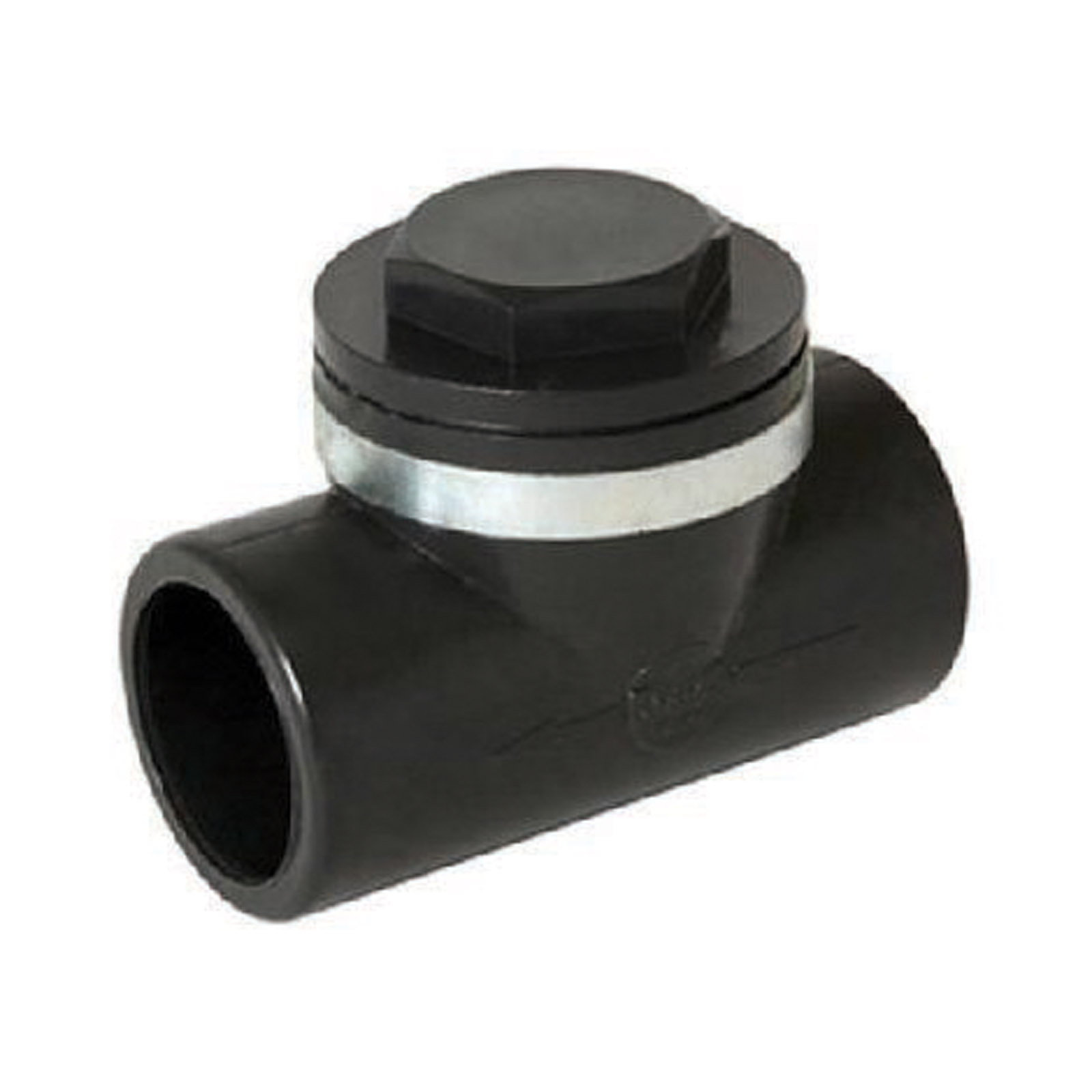 |
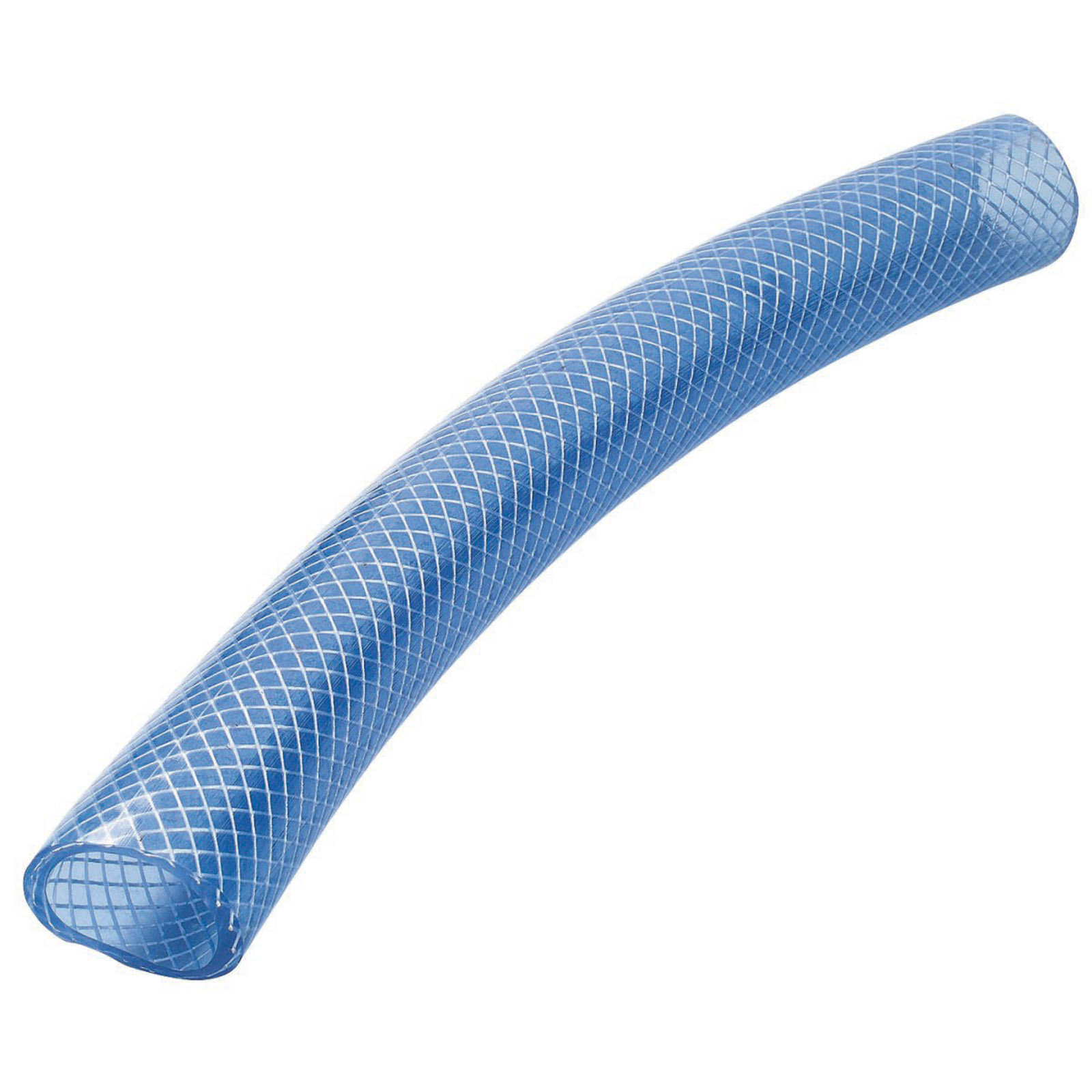
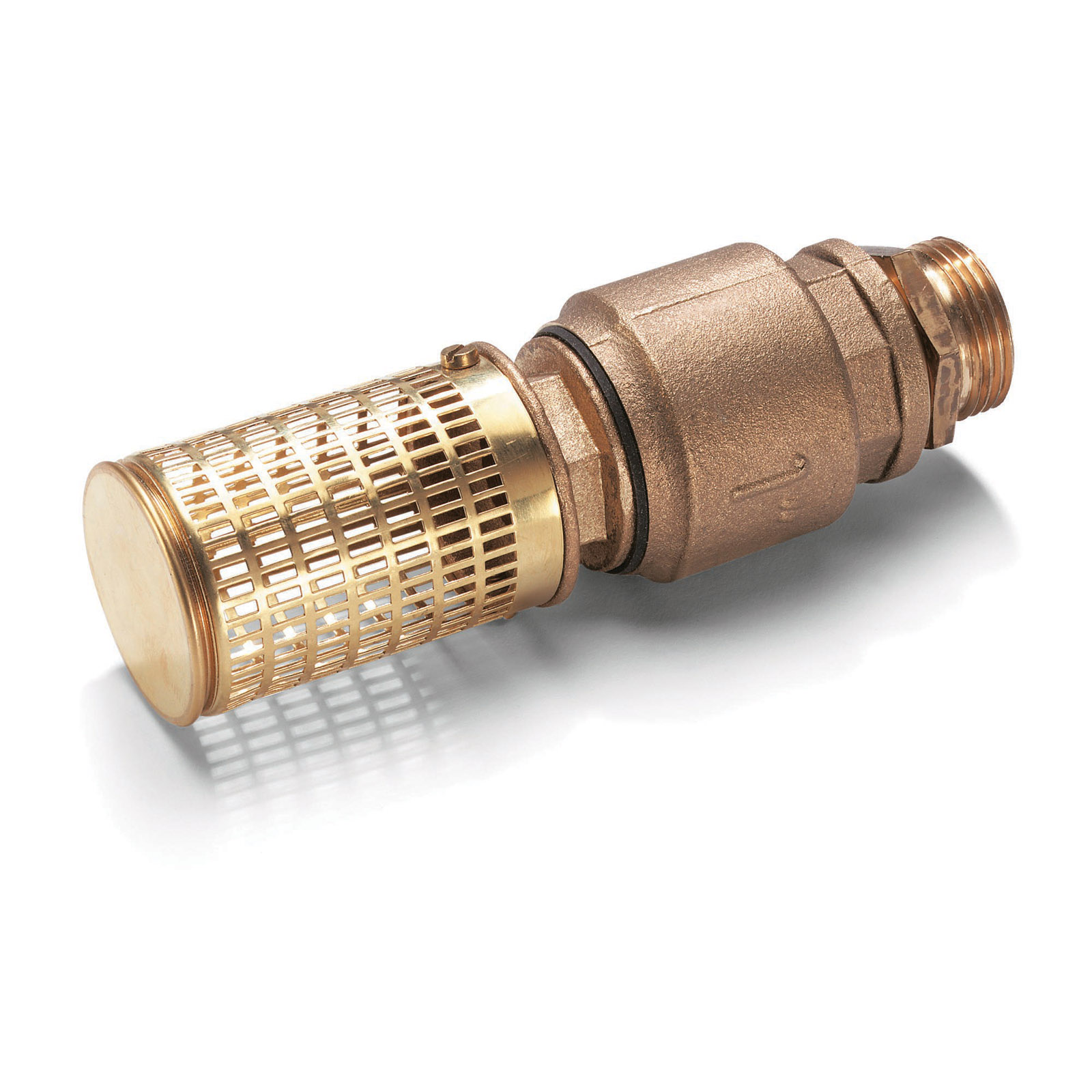
Hoses with a smooth inner surface to optimize the flow, a strainer to avoid clogging the mechanisms and an anti-backflow valve: the installation of the dewatering device must be taken seriously to be effective.
