
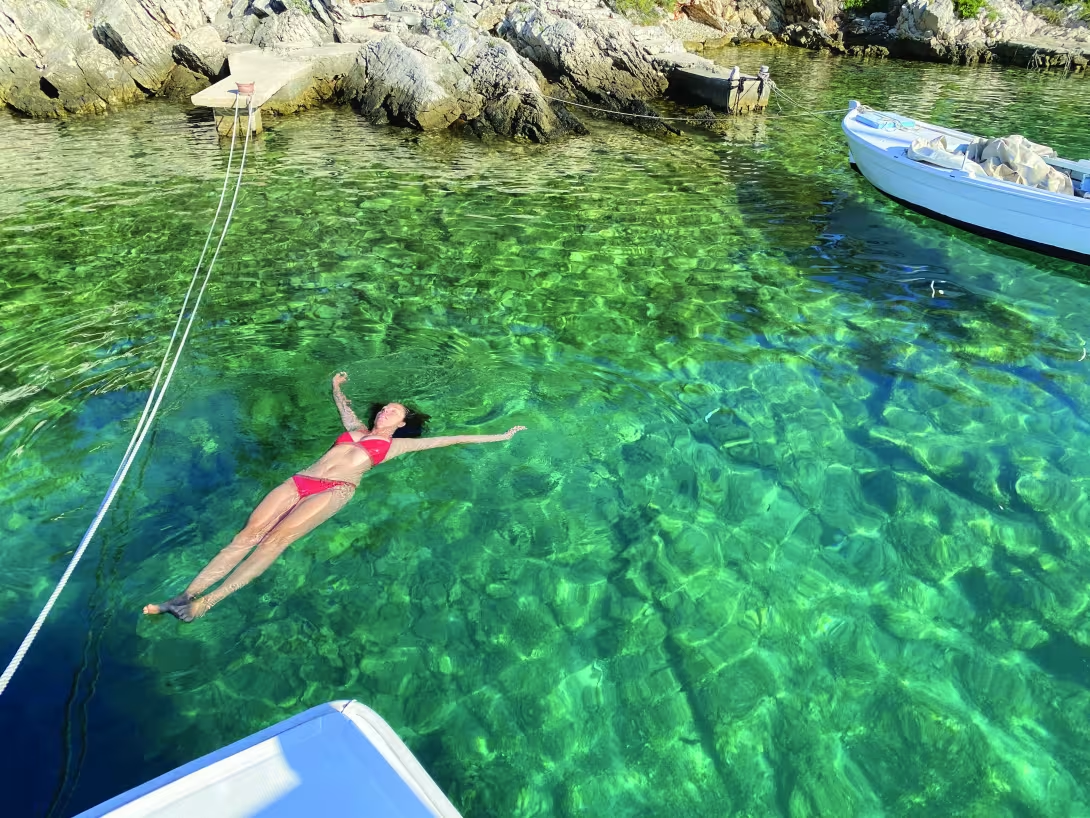
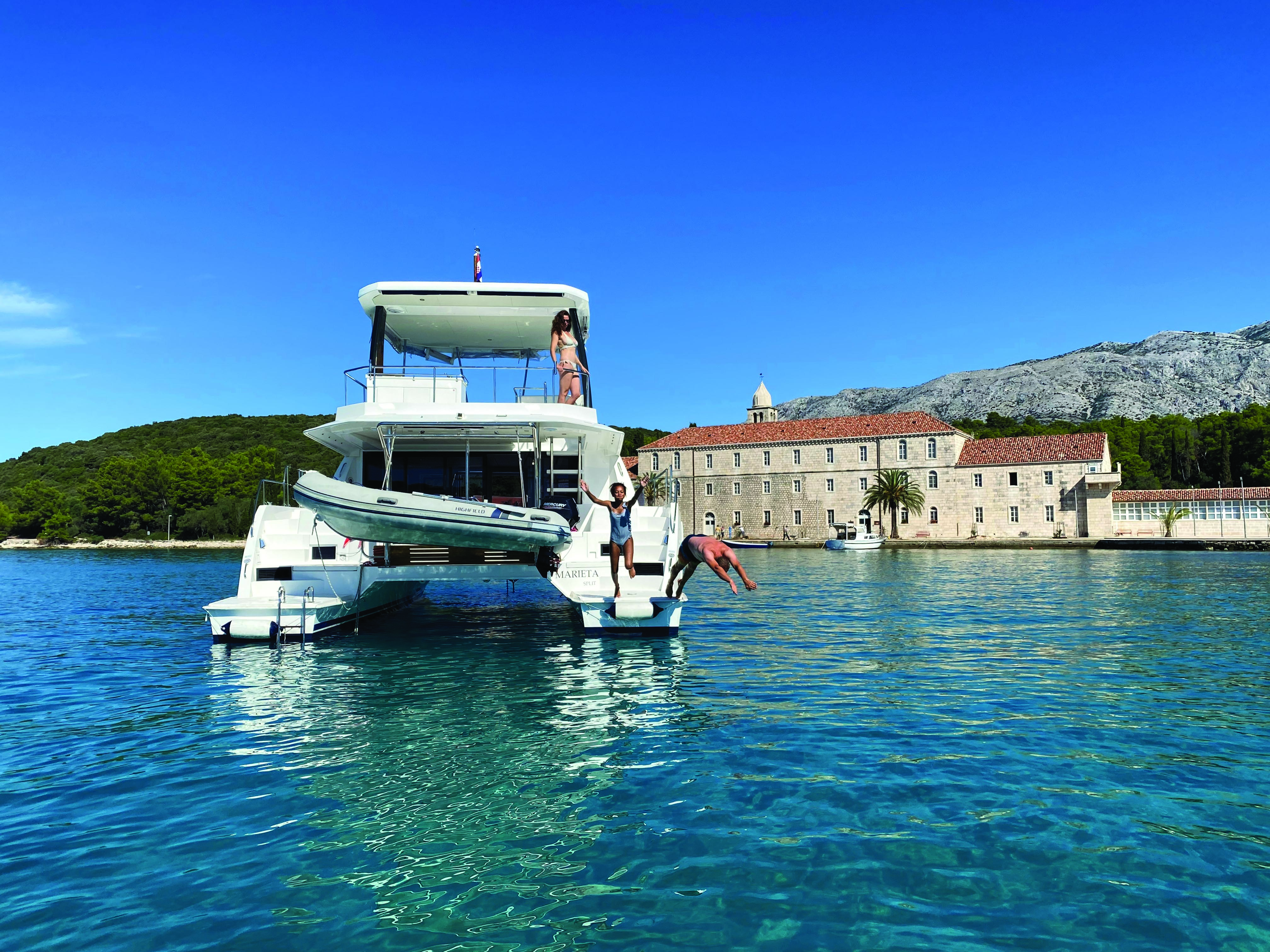
In July and August, the water temperature is 77°F (25°C) and the air temperature is always above 68°F (20°C).
Over the past 25 years, Croatia has become a favored cruising and charter destination. Architectural and historical heritage, a pleasant summer climate, crystal clear waters: there is no lack of arguments for this area of the Adriatic Sea. But Croatia’s real draw lies above all in the almost infinite extent of its coastline. If you go around the Adriatic from one cape to another, you will count 695 miles on the GPS.
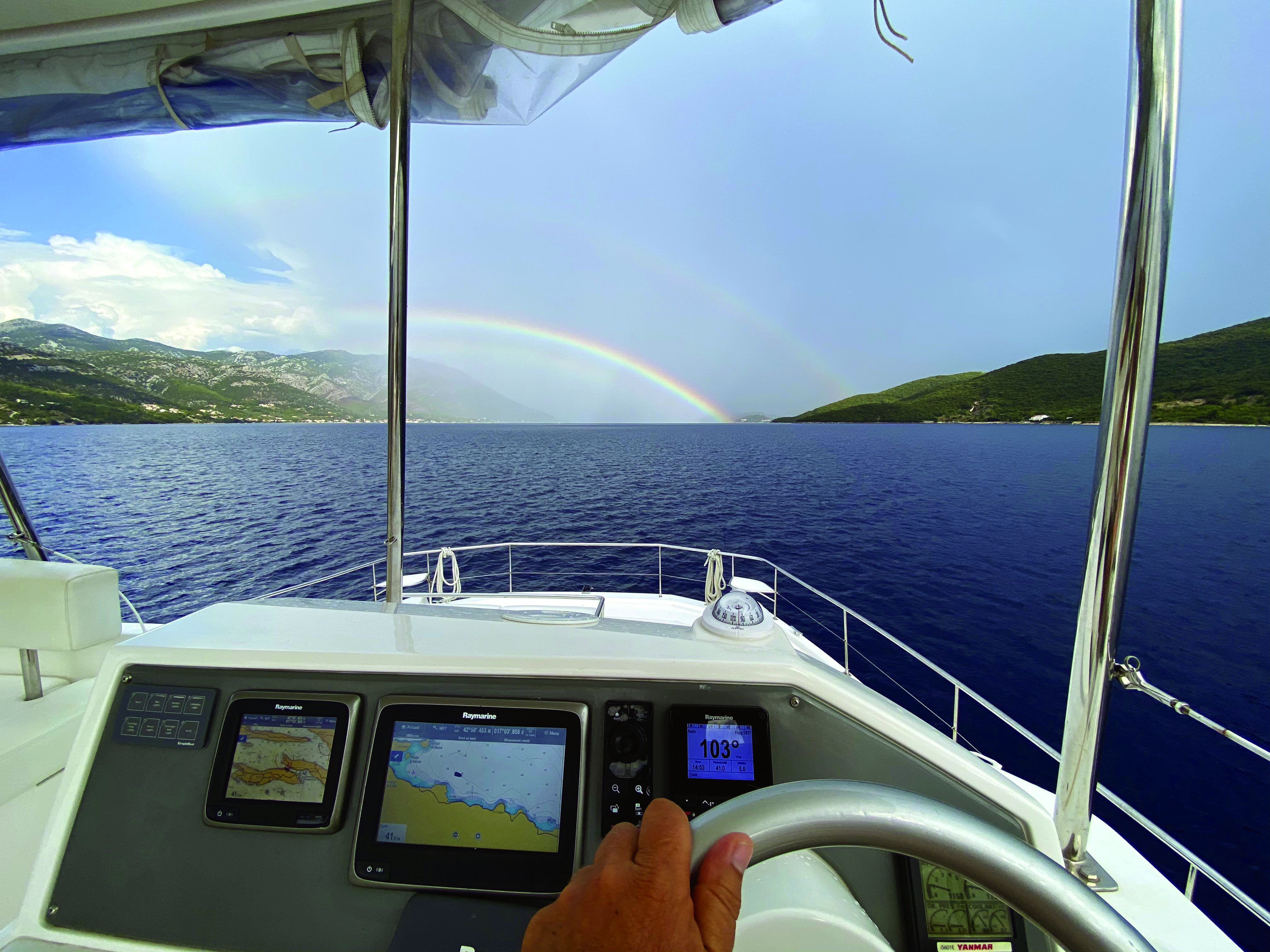
However, the region has 4,248 miles of coastline - 3,151 of which belong to Croatia! It is therefore a non-stop playground for your hulls... Small secret coves, a string of islands with turquoise waters and fishing ports. Here is a packed program. We were particularly interested in the islands near Split which is where the main Dalmatian coastal airport is located.
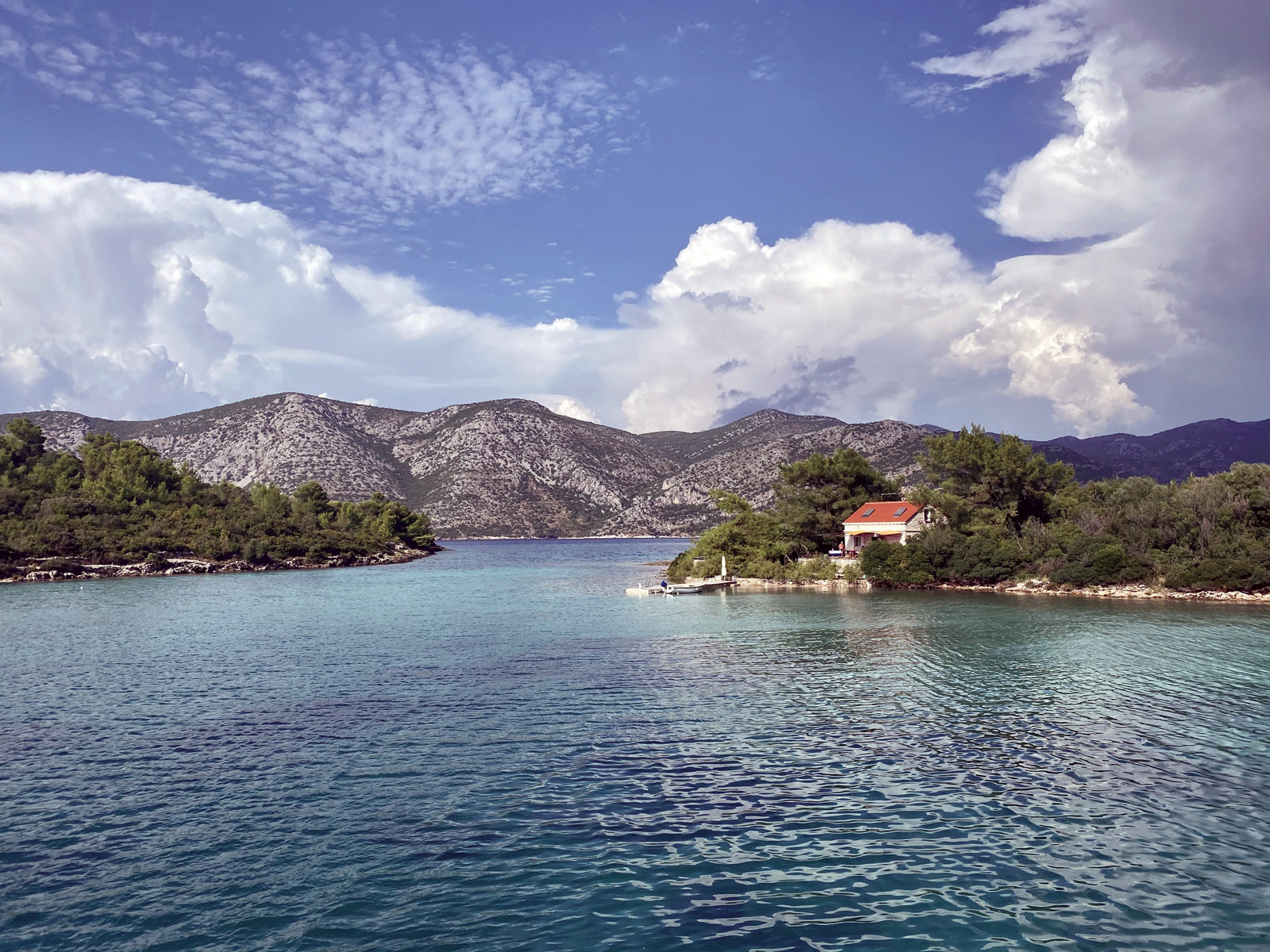
A sublime and deserted anchorage in the middle of August? It is possible at Kneza, north-east of Korčula.
THE MOST BEAUTIFUL ISLANDS
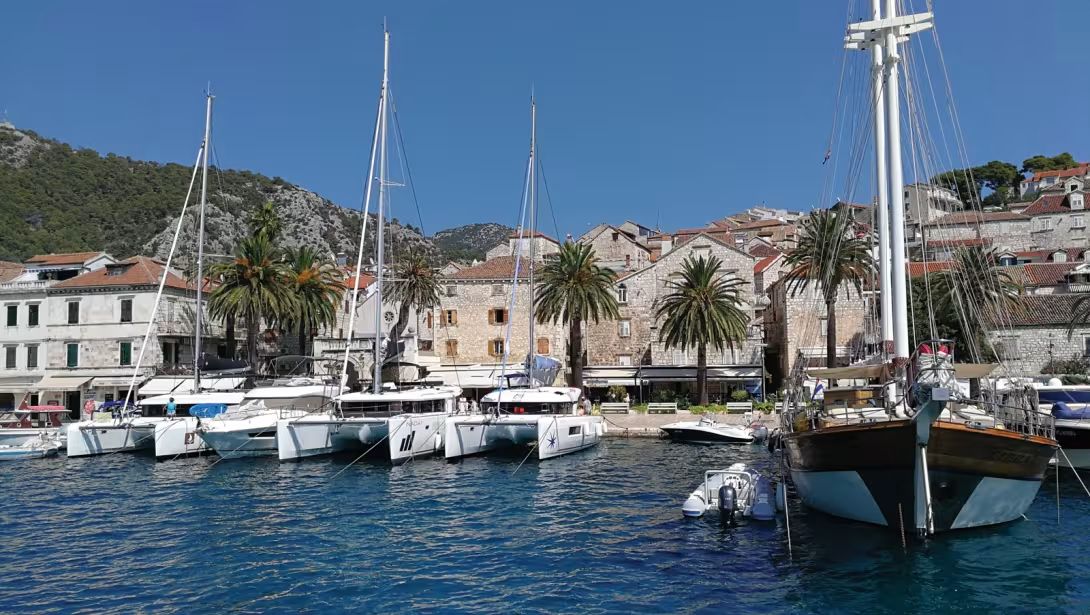
Hvar
This 42-mile (68 km) long island (the longest of the Croatian islands) is best known for its main town of the same name. Venetian, gothic, renaissance architecture: the city has all the arguments to seduce lovers of old architecture. The entrance to the port is majestic; you can find a place on the quayside or on a buoy. It’s best to arrive early in the afternoon. Hvar is also the local Saint-Tropez: in summer, the party lasts all night long. Just opposite, the archipelago of the Infernal Islands has 21 islets and innumerable anchoring possibilities in superb waters. The north coast of the island is wilder, and there are hidden, paradisiacal creeks.
Brač
Just north of Hvar, Brač is the center of Dalmatian olive oil production. The relief here is steeper than on the other islands and the land rises to 2,550 feet (778m). The west and the northeast are the best areas to anchor, but the most famous site is the famous comma-shaped white pebble beach of Ziatni Rat. Its turquoise waters attract cruisers for stopovers as well as kitesurfers. Best to discover out of season.
Korčula
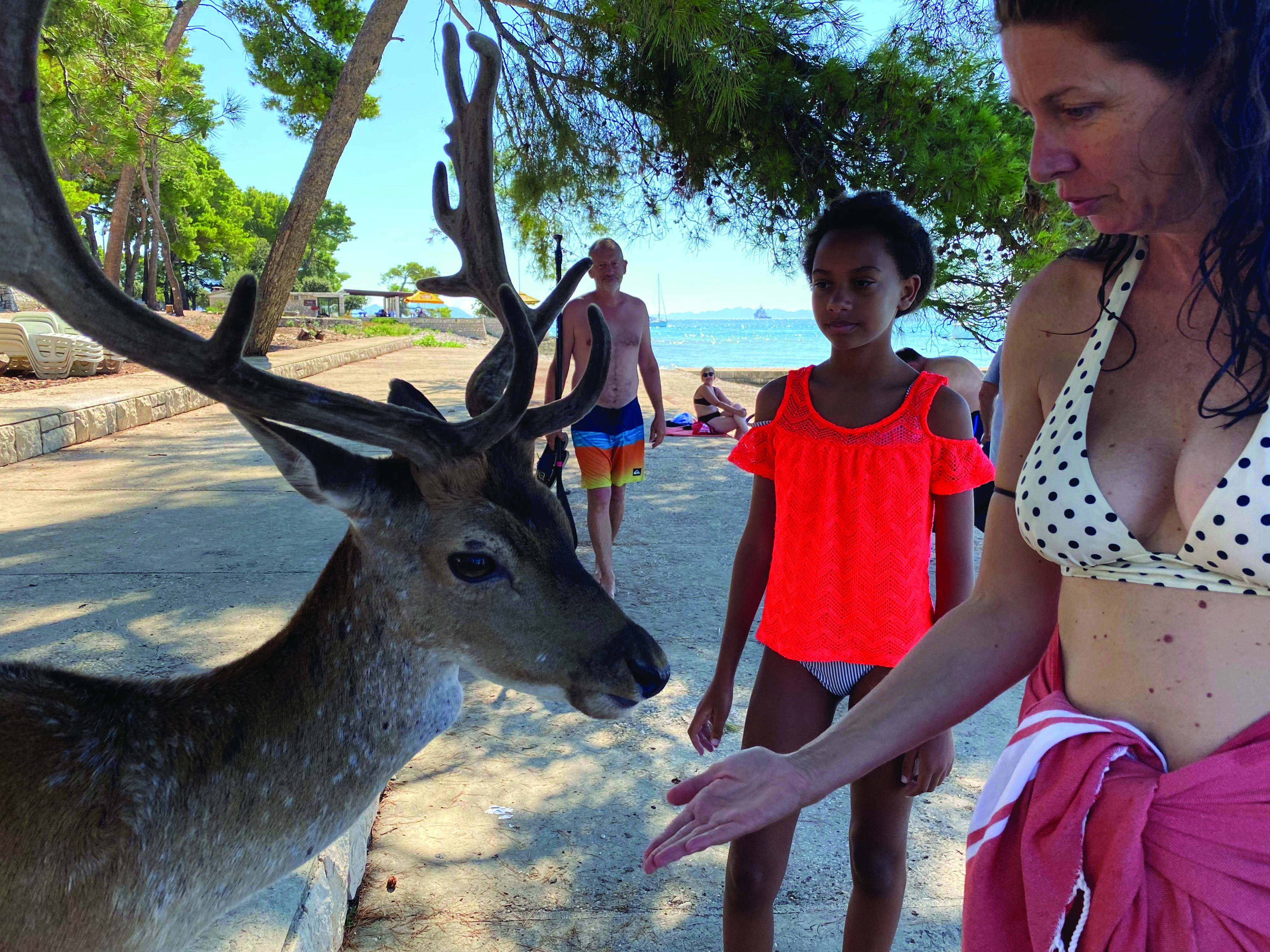
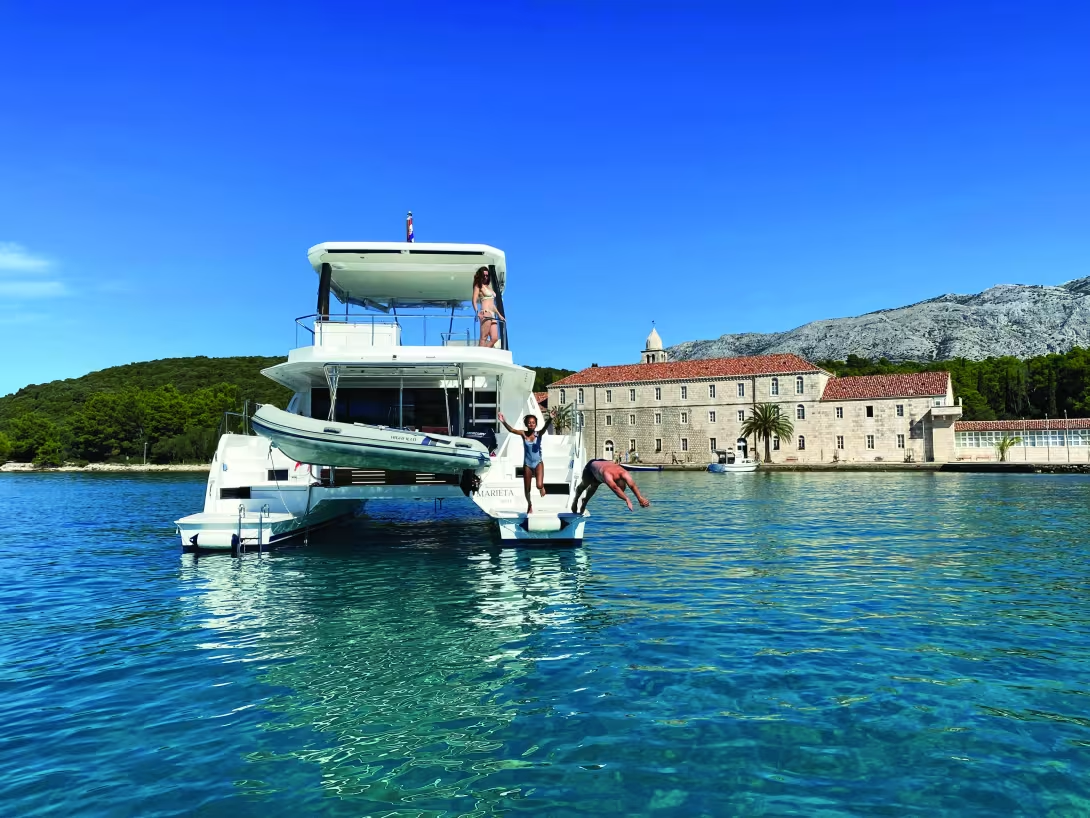
Unusual meeting on the small island of Badija.
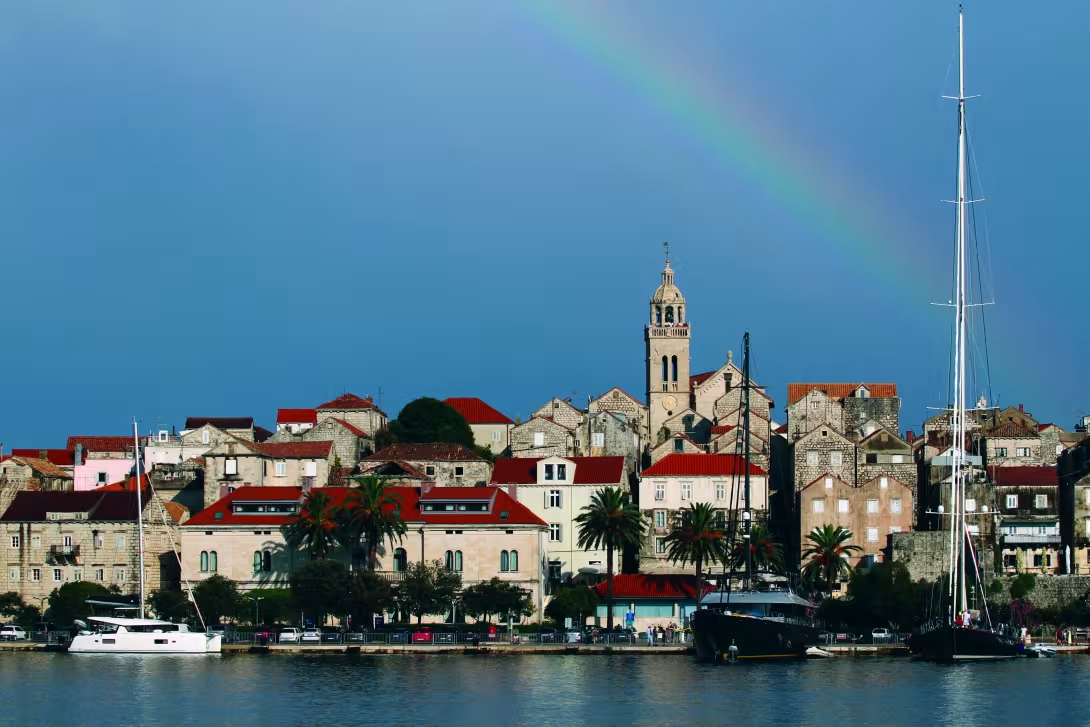
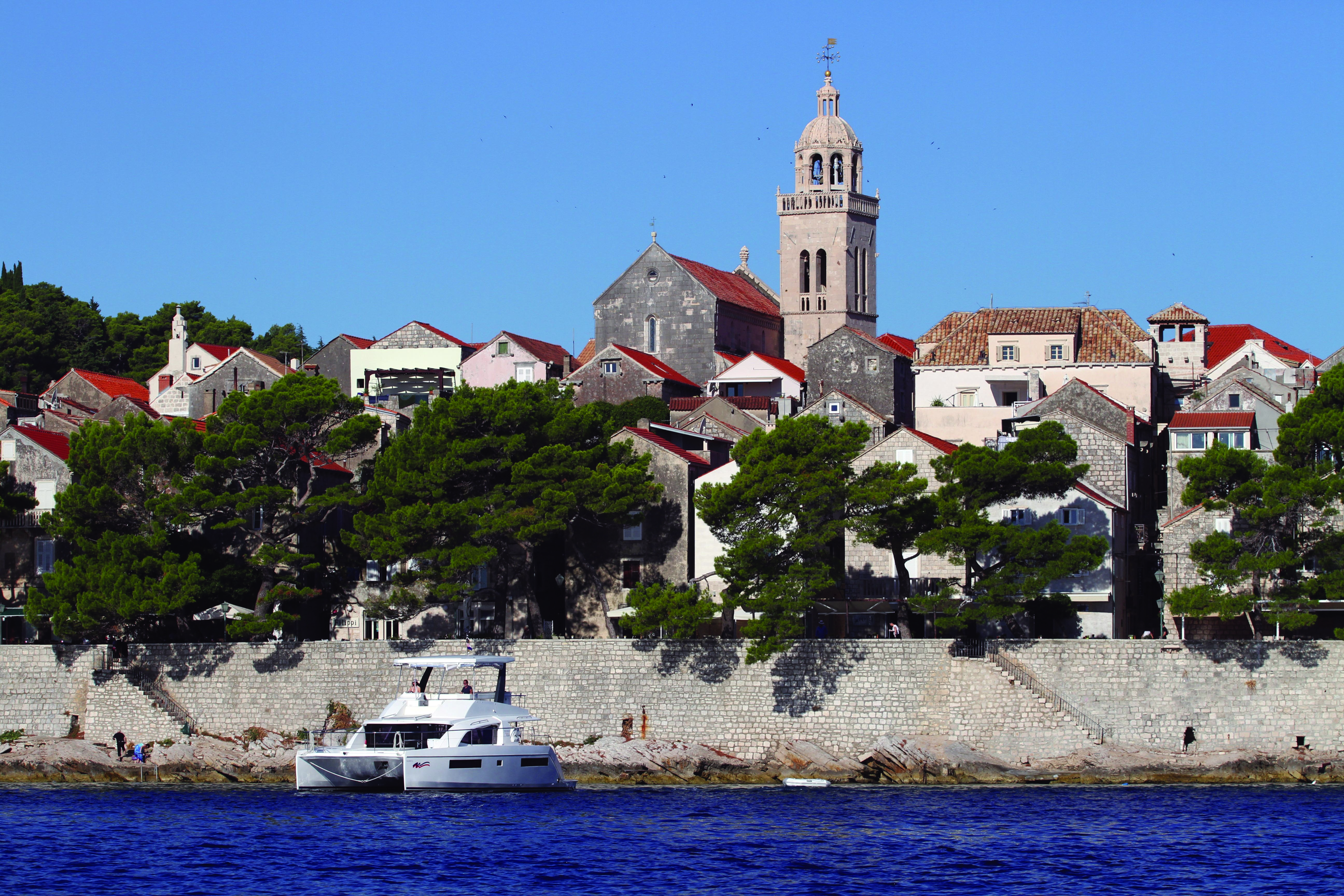
Our favorite island! First of all because the eponymous fortified city is magnificent - a stopover ashore is a must. You can relax in one of the two ports or at anchor, within easy reach of the dinghy. Then because Korčula is the greenest island in the region; the pines, olive trees, scrubland and even vines on the southern flank contrast with the surrounding bare land and rock. Korčula also conceals wonderful anchorages such as Kneza in the north, the monastery of Badija or the island of Vrnik to the east.
Vis
Vis is one of the islands furthest away from the mainland - 30 miles. This does not prevent it from being very popular with yachtsmen: numerous creeks cut into the coastline and a few strings of islands, especially in the northeast and east, form vast anchorage areas. Vis is a well-known diving spot. The most popular underwater attraction is the blue cave of Biševo. Between 10 am and 1 pm, the cave is flooded with a light that gives the water an amazing blue color. Just next door, the Salbunara bay offers one of the few sandy beaches in Dalmatia.
Šolta
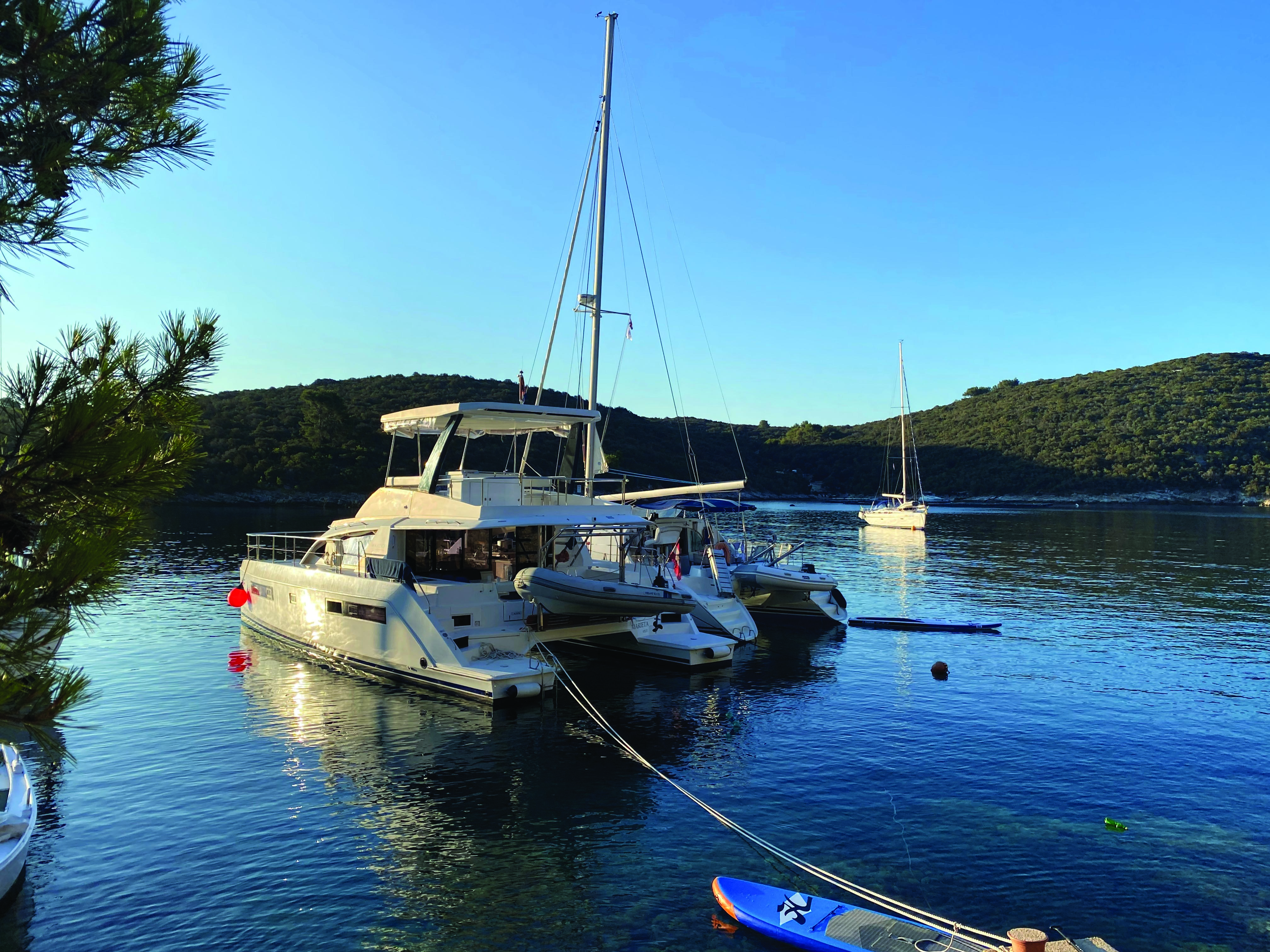
The two restaurants in Šešula (Šolta) offer mooring buoys for the night.
Very close to Trogir, Šolta is certainly a much quieter island than its neighbors. It also inspires a bit of melancholy as there are so many abandoned houses inland. The population has tumbled from 3,687 inhabitants in 1900 to less than 1,500 today. The southern coast is full of deserted anchorages because they are inaccessible from the land. To the west, the Šešula shack is partly run by two restaurants, which offer a buoy for the night and a free shuttle service for diners.
PRACTICAL INFO FOR DALMATIA
Dalmatia extends south beyond Croatia to Montenegro and Herzegovina. This region, which has a long and turbulent history, was still at war until the mid1990s. The current tourist boom is therefore very recent - and massive. The mainland cities of Split, Trogir and Dubrovnik remain true architectural gems, but the coastline is getting ugly. This is why we prefer the countless islands, which are much better preserved.
Population of Croatia: 4.058 million inhabitants including 852,000 Dalmatians
Language: Croatian
Currency: Croatian Kuna (approx. 6 Kuna to the US$)
Land Area of Croatia: 21,851 sq mi (56,594 km²)
Dalmatian area: 4,694 sq mi (12,158 km²)
Croatian coastline: 3,625 mi (5,835 km)
Main airport: Split
Distances by car: Budapest: 465 mi (750 km) Munich: 543 mi (874 km) Nice: 562 mi (905 km) Prague: 678 mi (1,092 km) Sofia: 60 mi (968 km) Vienna: 473 mi (761 km)
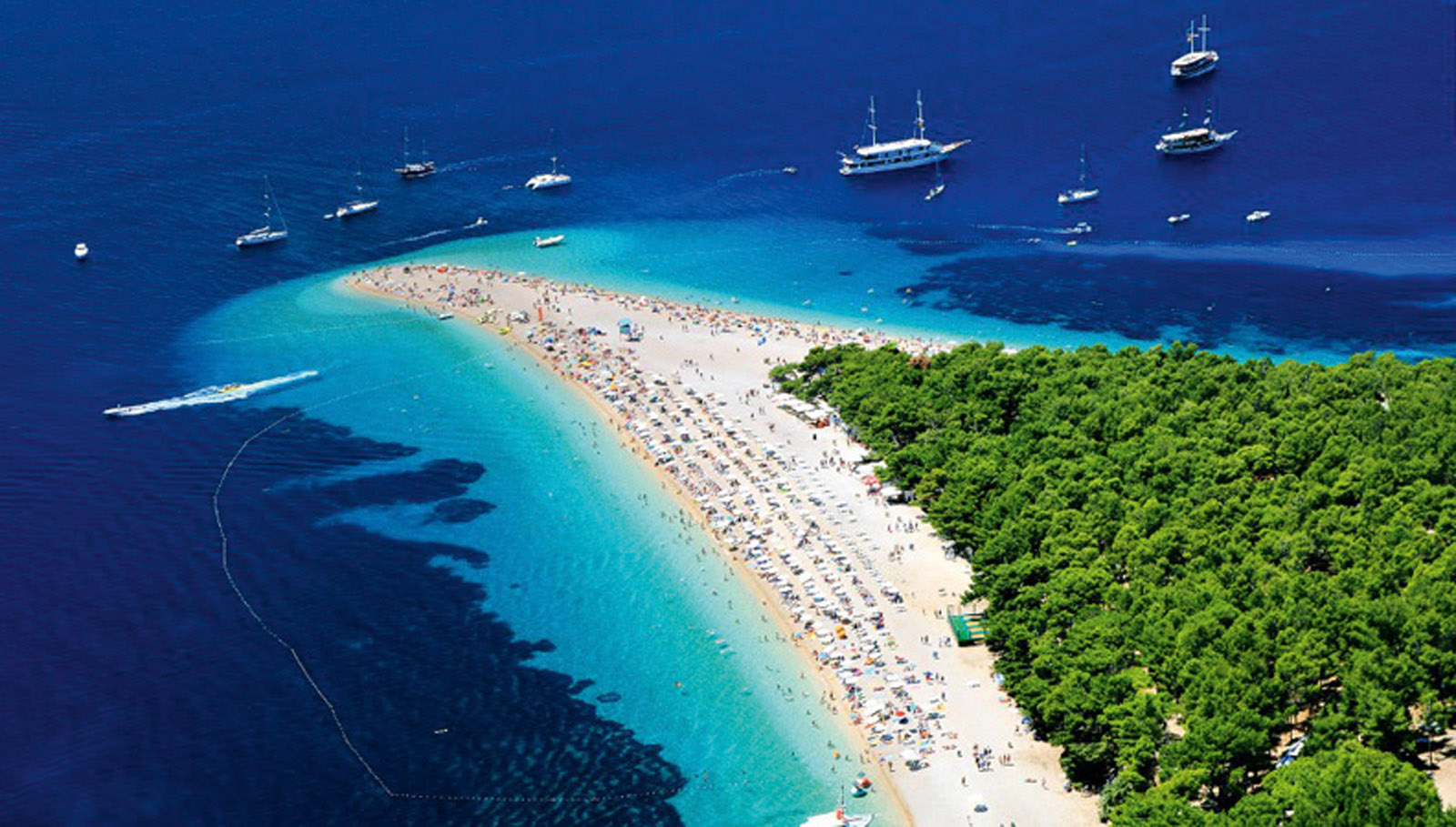
The famous comma-shaped white pebble beach of Ziatni Rat.
CLIMATE
Dalmatia enjoys a Mediterranean climate with mild to cool, sometimes wet winters, while summers are hot and dry. The average temperature in July and August is 77°F/25°C (minimum 68°F/20°C, maximum 86°F/30°C). These two summer months are also the driest (3.2”/ 80 mm of rain, 10% of the annual total). The water temperature varies from 55°F/13°C in February to 77°F/25°C in August - it is above 68°F/20°C from June to October. The annual sunshine in Split is 2,650 hours or 60% (7.2 hours per day). The sun shines a little more on the islands - 2,800 hours in Hvar.
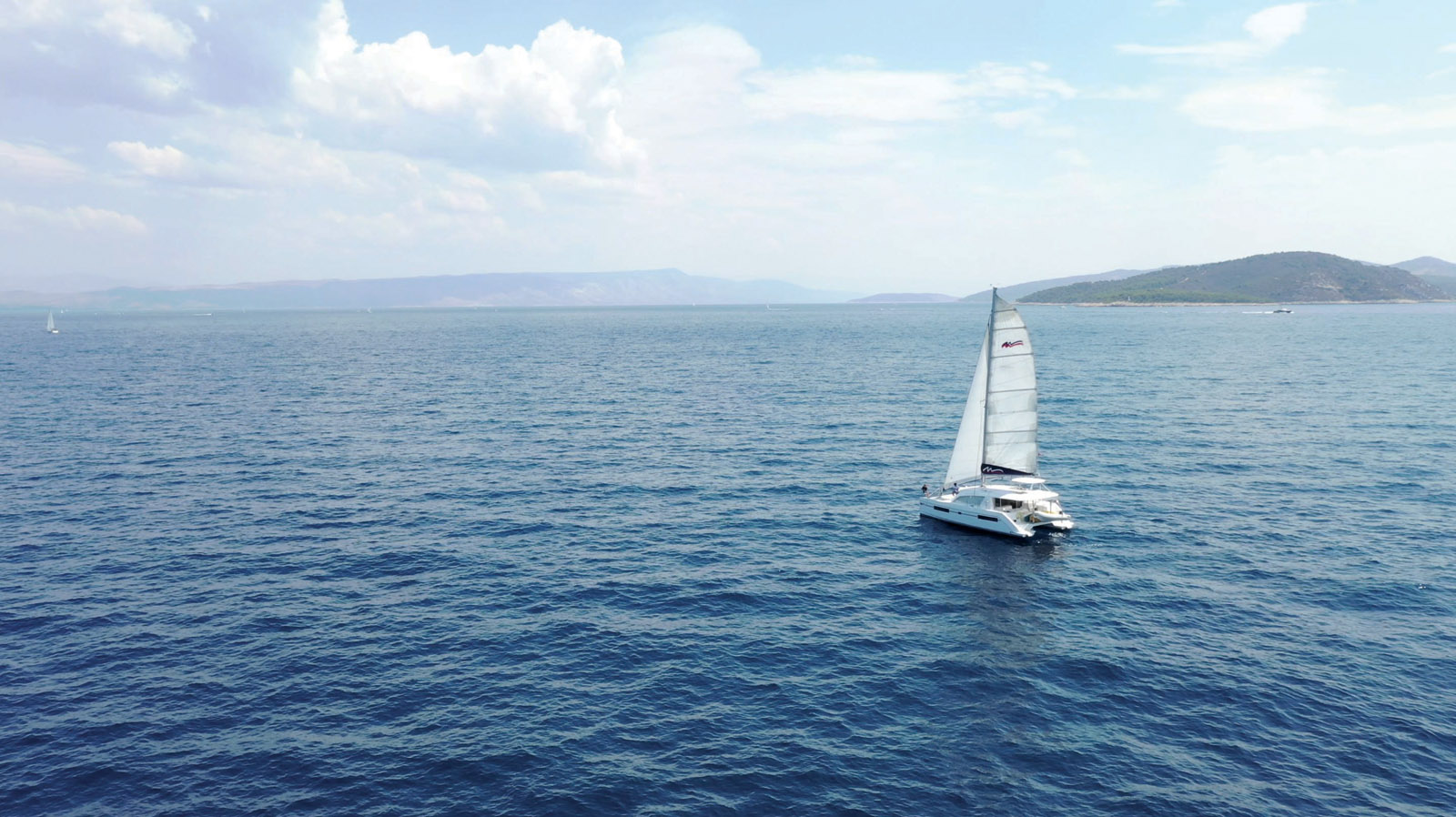
In summer, a west-to-northwestern sea breeze generally sets in around noon.
SAILING CONDITIONS
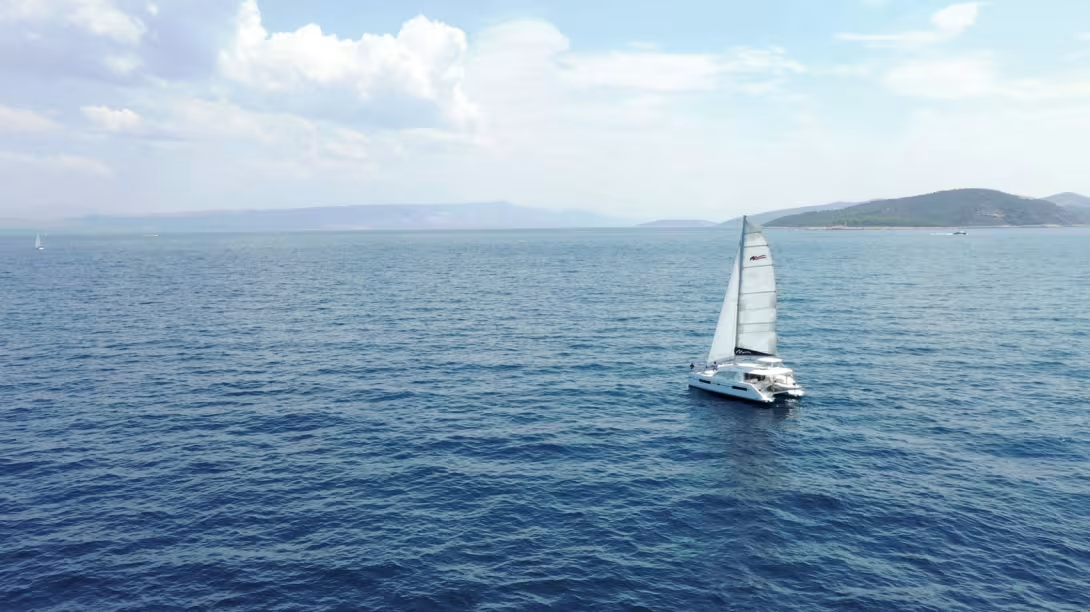
The two most feared winds in this part of the Adriatic Sea are the Bora, which rushes down from the mountains (northeast), especially in winter, and the Sirocco, which is oriented south or southeast. It blows often in the fall. During the summer months, the winds are generally light. A sea breeze from west to north-west sets up in the afternoon. Deflected and channeled by the longest and highest islands, the wind can exceed 30 knots and lead to choppy seas. The strategy is therefore to progress towards the north-west in the morning under motor, and to then go down towards the south-west under sail in the afternoon. The wind drops in the early evening while the sea calms down a little later, around midnight. The very numerous anchorages with very varied exposures mean that it is not difficult to find shelter quickly. The depths, even close to the shore, often exceed 50 feet (15 meters) and are not always good holding. We recommend mooring «Mediterranean style», with an anchor out front and also mooring lines led ashore aft.
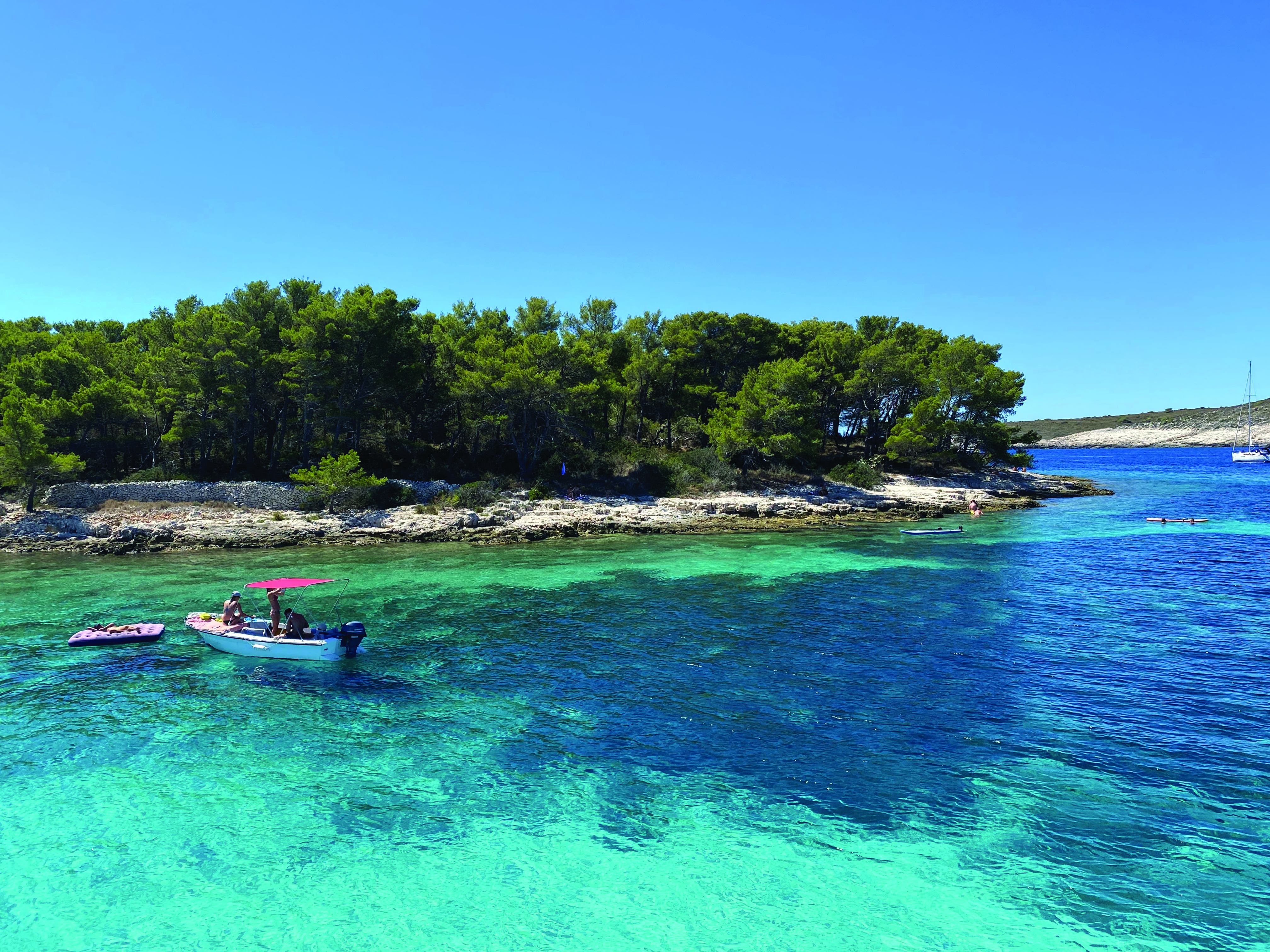
An anchorage off the Infernal Islands... just magic!
MULTIHULL CHARTER
Major international charter companies such as Sunsail/The Moorings have two bases in Croatia - Marina Agana west of Trogir and Dubrovnik. Kiriacoulis operates out of three bases in Croatia, of which one is on the Dalmatian coast, at Trogir. Dream Yacht Charter offers no less than 57 catamarans, located in Šibenik, Dubrovnik, Trogir and Pula. Local charter companies are also present and even particularly powerful like Ultra-Sailing and Croatia Yachting. The online charter companies are also all present in this destination.
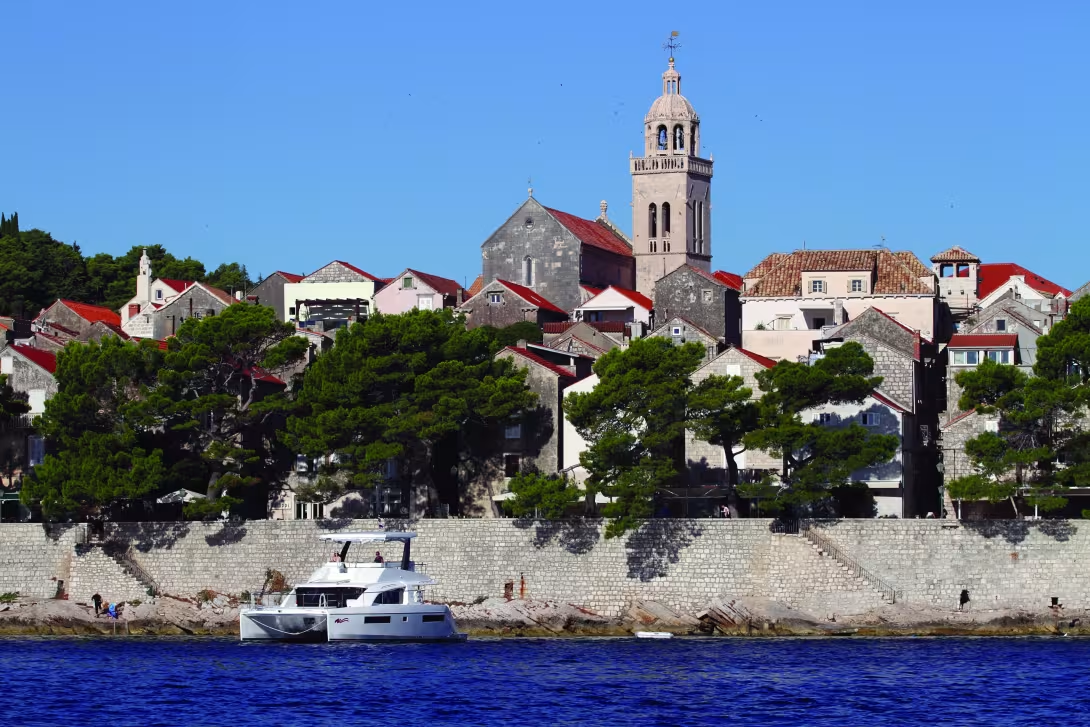
Korčula, a city with its feet in the water. A stopover that’s not to be missed.