
The launch of a new multihull is a crucial moment for a manufacturer: in just a few weeks, the quality of the reception of this new model by the specialist press and potential buyers will dictate the thickness of the order book, and therefore the pace of future production. In the longer term this means a potential return on investment - or not. Or a rebalancing between development expenses and sales of the new model. We have tried to find precise figures for the amounts of these investments but were met with a polite refusal on the part of the manufacturers. Obviously, the subject is very sensitive... We should specify that these amounts are in any case extremely variable according to the size of the multihull, the size of the yard, the use of part of the existing tooling, etc... One thing is certain: the builders must anticipate the wishes of their future customers. This is a crucial decision that has now become particularly complex in the face of boundless specifications. The number of models on offer and their diversity are responsible for this new situation. In 1987, the specifications submitted to Marc Van Peteghem and Vincent Lauriot Prévost (VPLP) for the Lagoon 55 could be summed up in three words: elegant, livable and fast. This was the beginning of the age of production multihulls. At the time, there was not enough feedback from potential buyers, who just had to be satisfied with what was on offer. Needless to say, all that has changed: the specifications are now a much bigger part of the package. «Listening to the client’s wishes and studying their sailing styles was the biggest change,» says Olivier Racoupeau, from Berret-Racoupeau Yacht Design. Today, you only have to look at our Buyer’s Guide from last December to see that each segment and niche of the market is occupied by a model or a manufacturer. Shipyards have freed themselves from all the technical and safety constraints which are now well under control. They are now focusing on product positioning and attractiveness. And there’s no doubt that, in this field, customers are well served: everything or almost everything exists! And it is precisely this «almost» that makes the difference. Inventing and proposing the new and innovative concept is the challenge faced by the development teams. To achieve this, an armada of tools, actions and contributors have to be put in place and coordinated. The timing is necessarily quite long between the beginning of the development and the release of the multihull at the boat shows. «It is a period of one to two years - sometimes more - especially if the objectives are ambitious,» explains Bruno Belmont from Bénéteau Group.
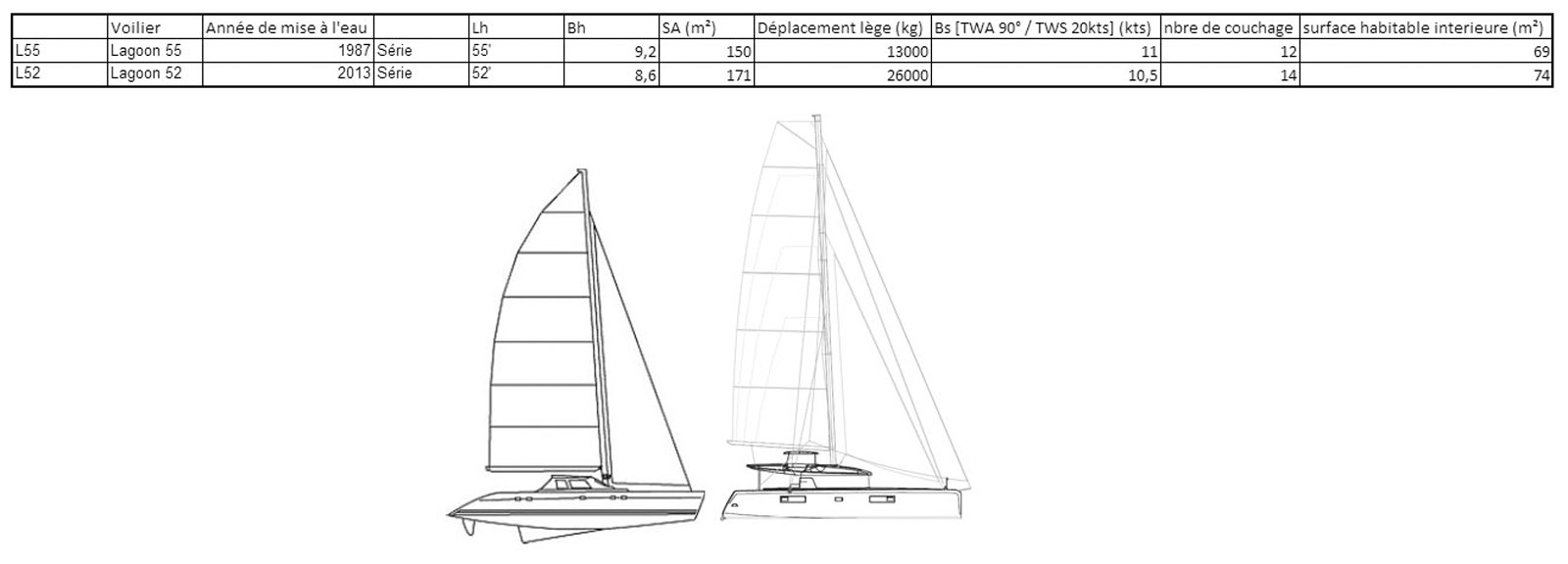
The comparative study of the competition or of different generations of products is all part of the new investigations
Preliminary studies to position the products
Long gone are the days when a vague freehand sketch on a paper tablecloth could serve as a starting point for an architect’s briefing. The study of the yachtsman’s habits and customs, his desires, expectations, constraints or even his dreams are today the object of the most careful attention when establishing the orientation of the product. The competition is also rigorously scrutinized. In this phase, the use of external consulting firms – both for general business or specifically for the yachting industry - allows new ideas to be gleaned from the experience of a broader range of industries such as automobile or passenger transport. Firms experienced in largescale behavioral studies can contribute their know-how in this field. Everything is scrutinized: the boating program in the broadest sense, development and production constraints, target markets (charter, private sailing, or both), pricing... All of those unspoken desires of future clients are collected, interpreted and dissected with a view to finding the desired positioning (and this can take years) and then to determine potential production quantities. This is the case, for example, with Excess catamarans, which were first mooted in 2010, as Alexandre Dauberville, their marketing director, explains. In this case, it was all about finding a niche in a smaller market segment which only represented around 10% of the total. But that’s what marketing is all about: working out the secret expectations of each boater - and creating the desire to have that product. It’s great for us consumers who now have more and more choice!
 |
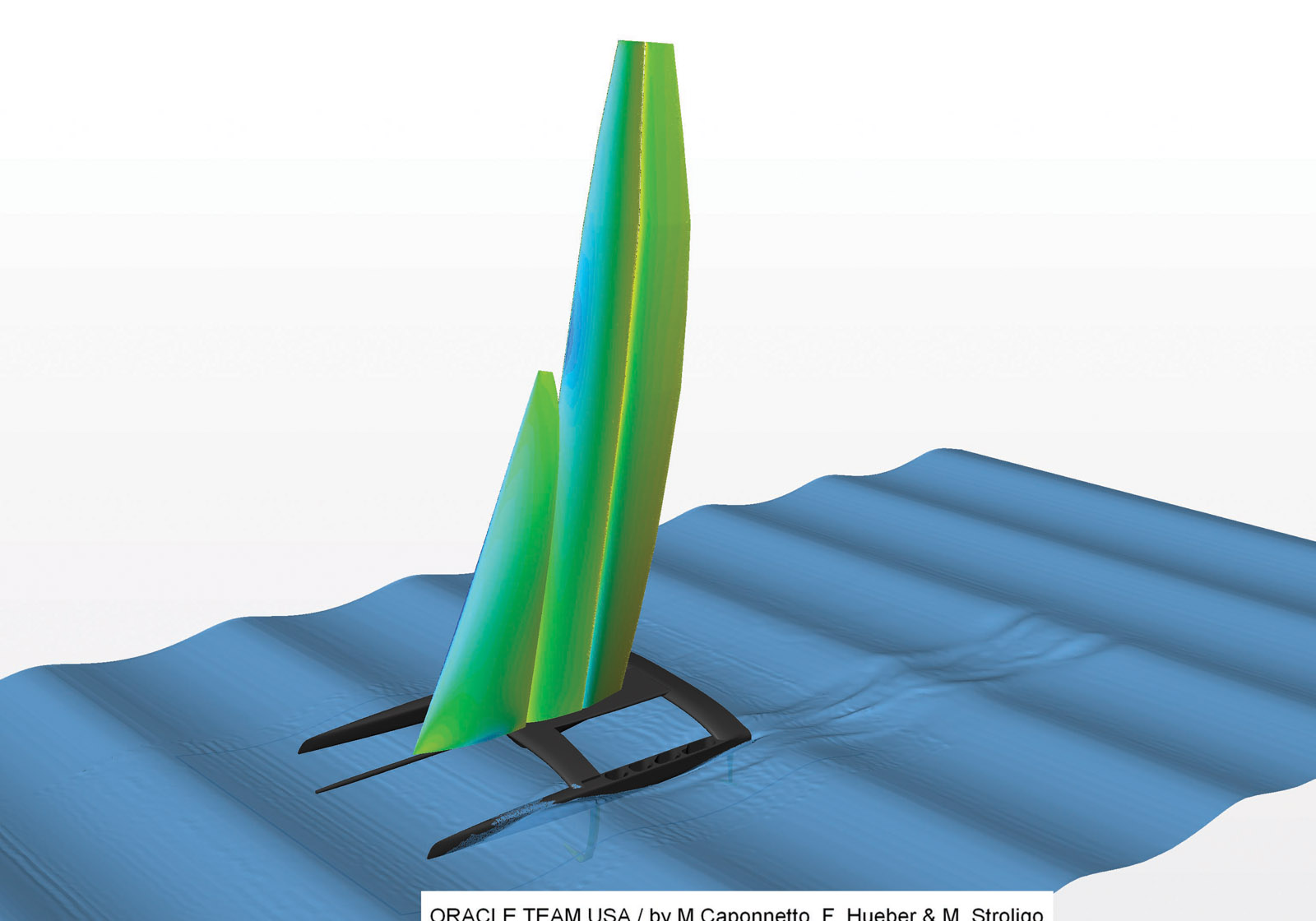 |
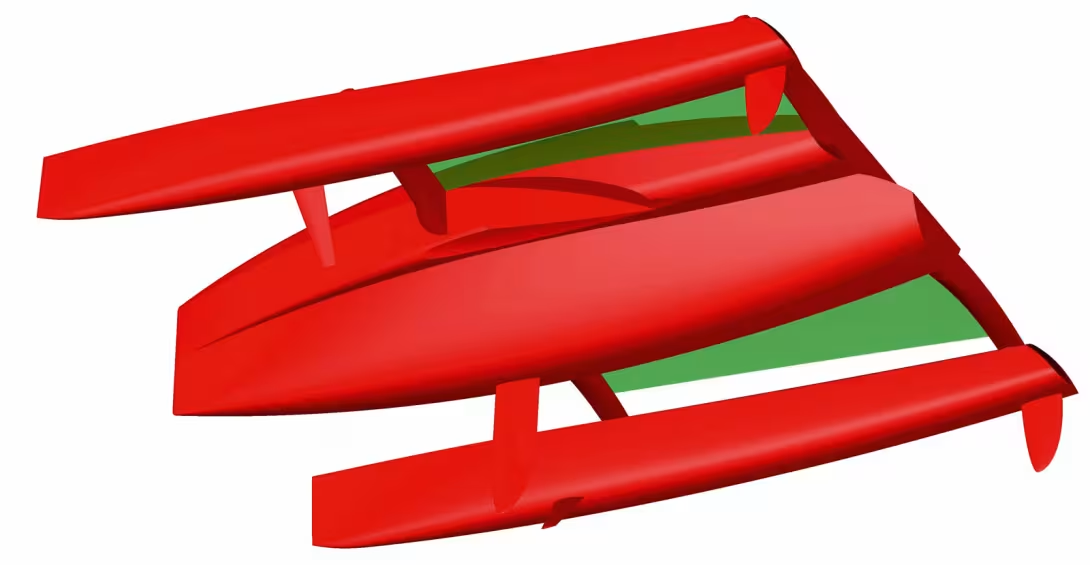
Hull testing tanks - both real and virtual - allow you to fine-tune performance. They are also used to determine normal and extreme workloads under different sailing conditions thus helping the process of architectural and structural design.
It’s all about working together!
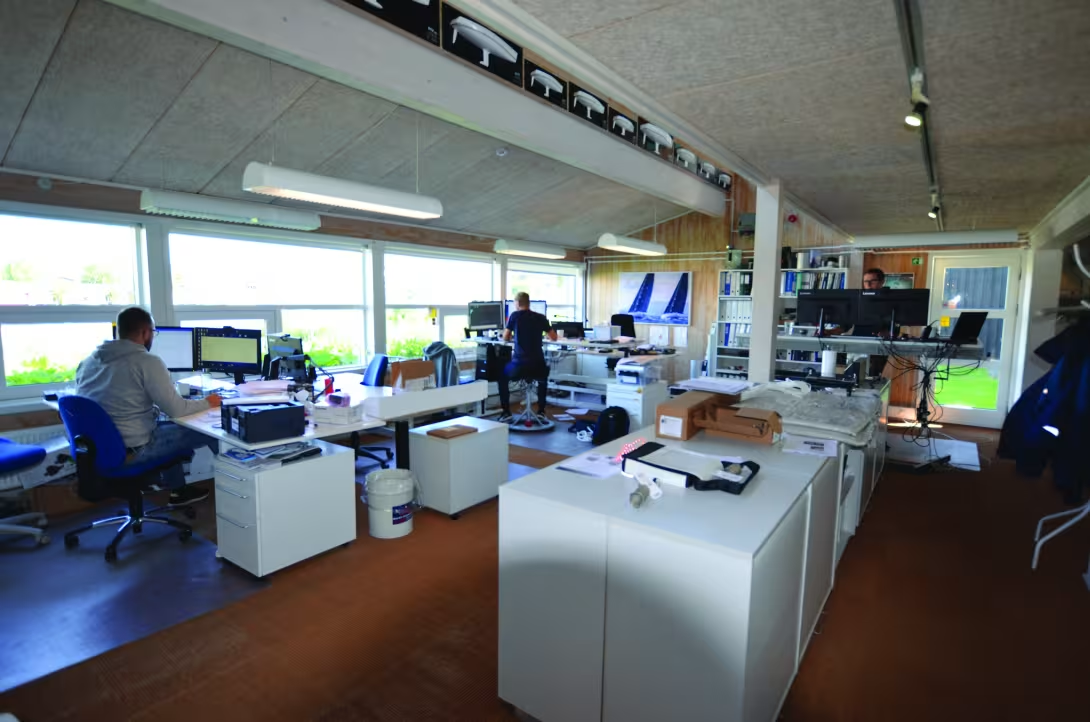
Marketing firms from outside of the yachting industry are used in positioning studies. But that’s not all: at VPLP, the collaboration of Patrick Le Quément - a former design pillar at Renault - is invaluable in refining the exterior design of the multihulls developed by the architectural firm. Techniques, also used in more «mass market» sectors, are also put to good use: it is the all-important familiarity that can be found on the manufacturers’ models. This can be a sign of recognition and belonging and having an affinity with the brand, but also to other products that are more generic than multihulls. Once the positioning has been determined, the launch is set in motion. A vast collaboration of multiple professions will be organized to carry out the following stages: initial investigations, establishment of characteristics and product development. Because now, design offices in the shipyards, even though they are much better equipped than in the past, will no longer be alone in carrying out all the phases. Firstly, the investigation will make it possible to determine what the multihull will have to offer in terms of services for the chosen positioning. It will come up with the standard equipment, options, deck layout, the advantages compared to the competition, etc. It will be decided whether or not to integrate innovations and equipment that may come from other sectors, such as private aviation. The work will not be the same if it is a TS 42, which is simple and fast, or a SIXTY 7, which has an endless list of options. The same is true for the size of the manufacturer: you cannot compare the team from a 40-year-old brand like Fountaine Pajot with a new brand such as Windelo. Take the Bénéteau Group as an example. No less than a hundred people spread over several sites manage the issues linked to the launch of new models. These initial specifications are more or less quickly defined according to the nature of the project and its environment. In the case of Excess, it took five years, at the end of which it was decided to create a brand rather than a range. For Silent Yachts, the study also lasted five or six years, but it was more technical, with the solar panels and the recharging system needing to be made more reliable on board a test multihull. Then the bringing together of all the main characteristics can begin. At this stage, naval architects and designers make initial sketches which will be used to put together a preliminary project, based on the needs expressed and taking into account all the various digital plans. The general shape, hull and section plans will constitute the first major delimitations of size, silhouette and weight. For its part, the design of the interiors will ensure the feasibility of the services requested, without forgetting their potential impact on the shape of the hulls. After this digital mock-up, the structural calculations can begin: they determine the samples and optimize the weight estimates. For each of these tasks, the yard can call on design and engineering studios. Naval architects, exterior designers, interior designers, structural calculation offices, towing tank facilities, sailmakers and equipment manufacturers will all collaborate with the shipyard’s design office. This stage is exciting, because this is where the project really starts to take shape under the leadership of the marketing department. It is this department which will establish the market demand and will ensure at this stage the feasibility of the project, and in particular the consistency of the price/performance/ quality ratio as well as the time-tomarket. The design office will be more specifically in charge of the choice of materials, the plans and the technical constraints, whether regulatory or safety. Various diagrams will be drawn up relating to issues such as electricity, energy, plumbing, or even firefighting. All these actions and services will then converge towards a common direction: it is the responsibility of the project manager to ensure their coordination and cohesion.
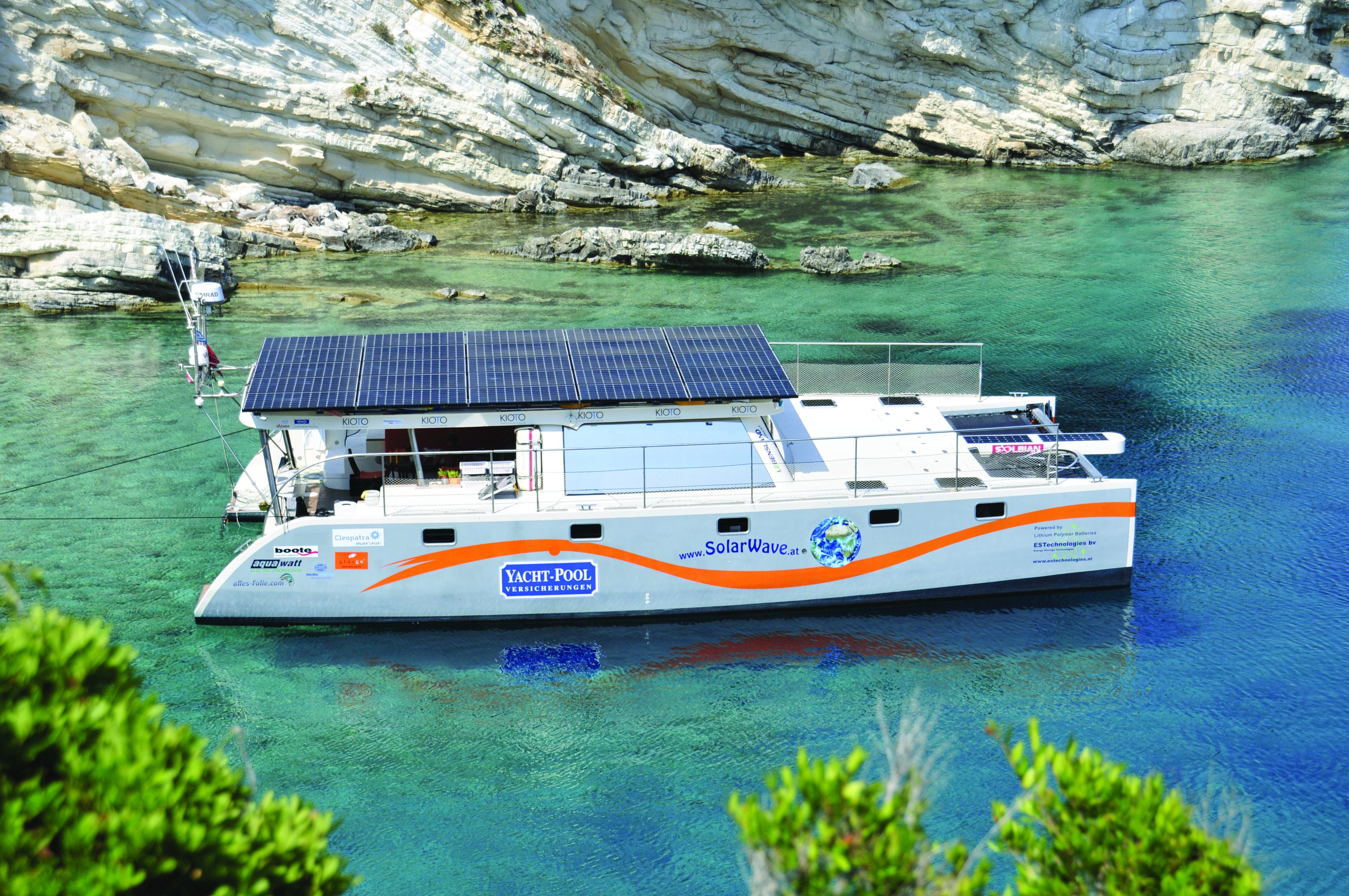
Silent Yachts has conducted a test campaign with its Solar Wave for more than five years in a bid to fully validate the development of its energy production and electric propulsion system.
Game-changing tools...
«The great revolution of the last twenty years lies in the emergence of high-performance IT and communication tools,» notes Olivier Racoupeau. The time and cost savings offered by computer software are essential but cannot avoid the multiplication of trials and tests. These simulations have been extended and now offer the manufacturer a much grea - ter range of possibilities, and therefore the possibility of choosing from a variety of options. The transmission of dematerialized files instead of plans, drawings and other calculation tables on paper is obviously much more ef - ficient and faster. Whether it is for the first drafts of the ge - neral design, for layout plans or technical diagrams, digital visuals make it possible to fine-tune the desired charac - teristics as precisely as pos - sible. For layouts, circulation plans are studied according to the movements around on board in all circumstances. Every inch counts when at - tempting to make a passage more fluid, to gain headroom or seat width. And as a re - sult of the tests carried out by these software programs, we can end up gaining a bathroom or even an extra cabin. Apart from improving the ergonomics and comfort, those few inches can end up making multihulls that seem much bigger to us! Simu - lation software tracks every little gesture from the galley to the bathroom and all the maneuvering sequences. So - metimes, this is not enough: a full-scale model allows us to validate a new concept. «Each phase of life on board is stu - died in detail,» explains Marc Van Peteghem. The aim is to find the most ergonomic plan that will not just contribute to safety but also to the general well-being on board depen - ding upon the program. And the heterogeneous range of multihulls on offer is proof of the multitude of situations that are taken into account.
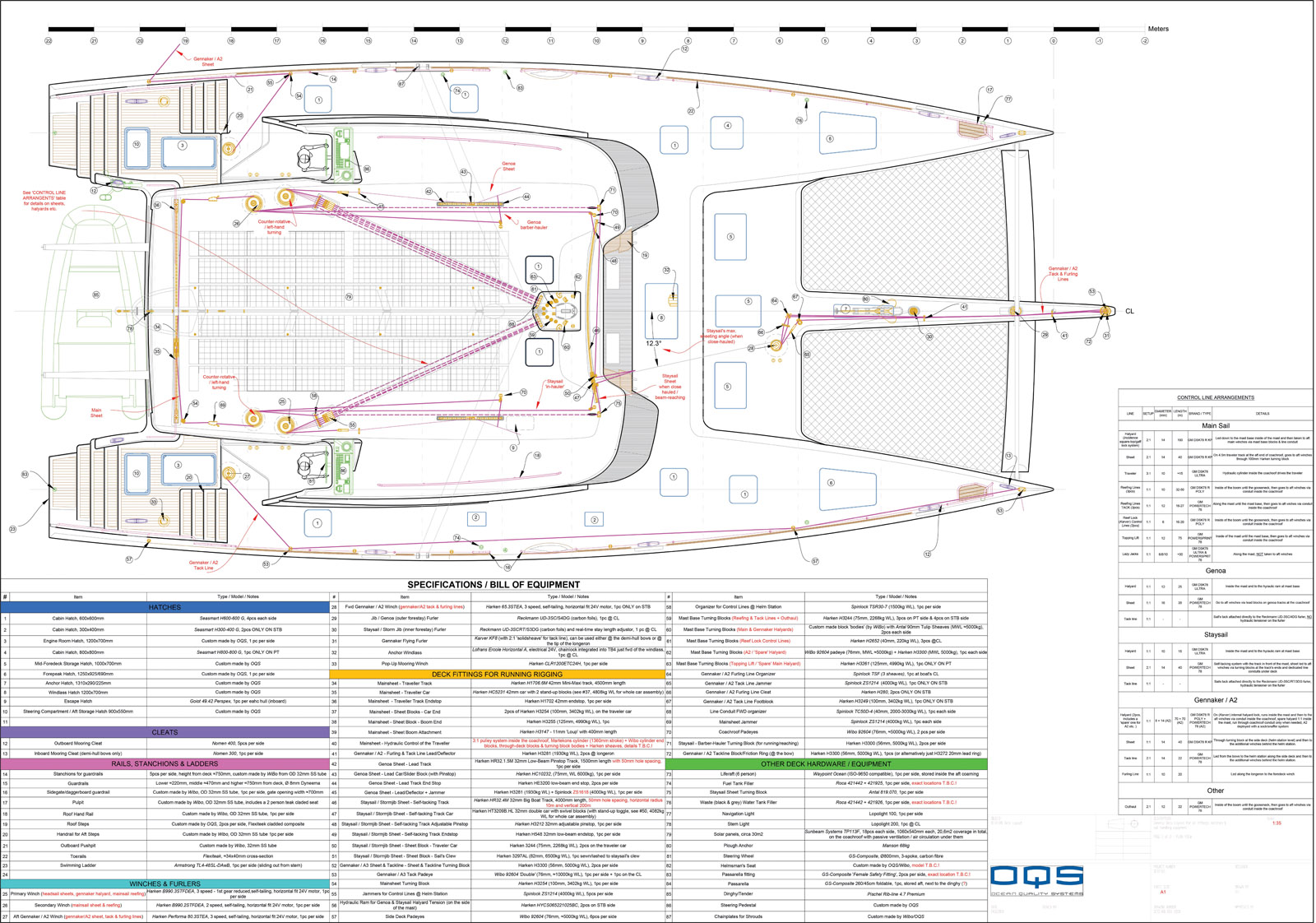
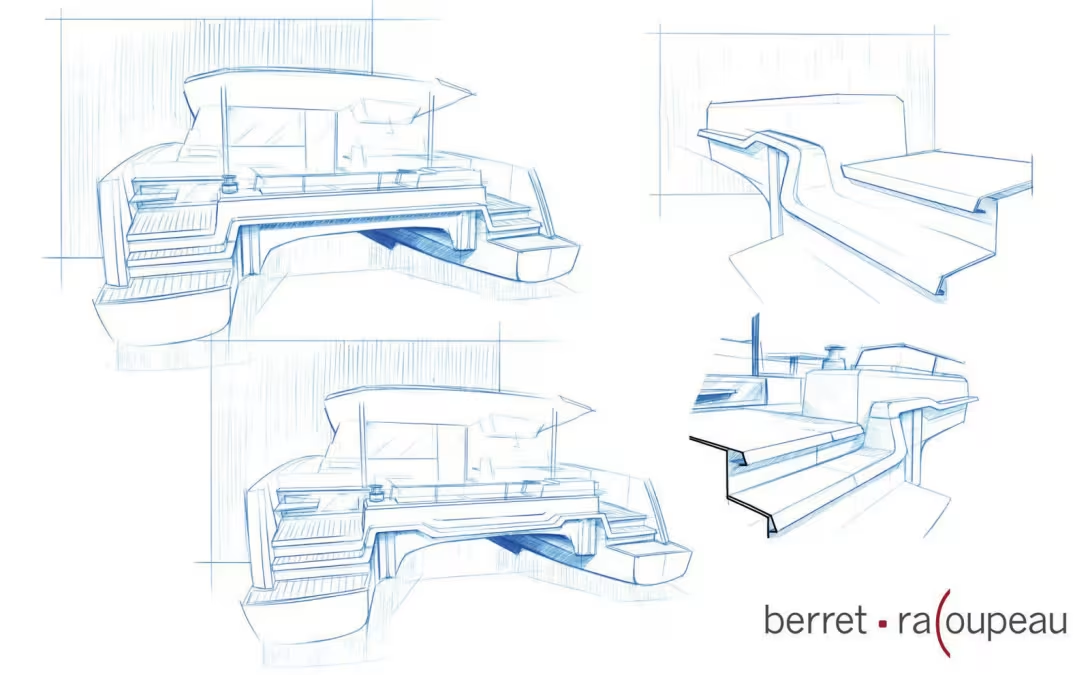
A deck plan is studied in great detail, as can be seen in this document from the Ocean Explorer 72.
Extreme performance accuracy
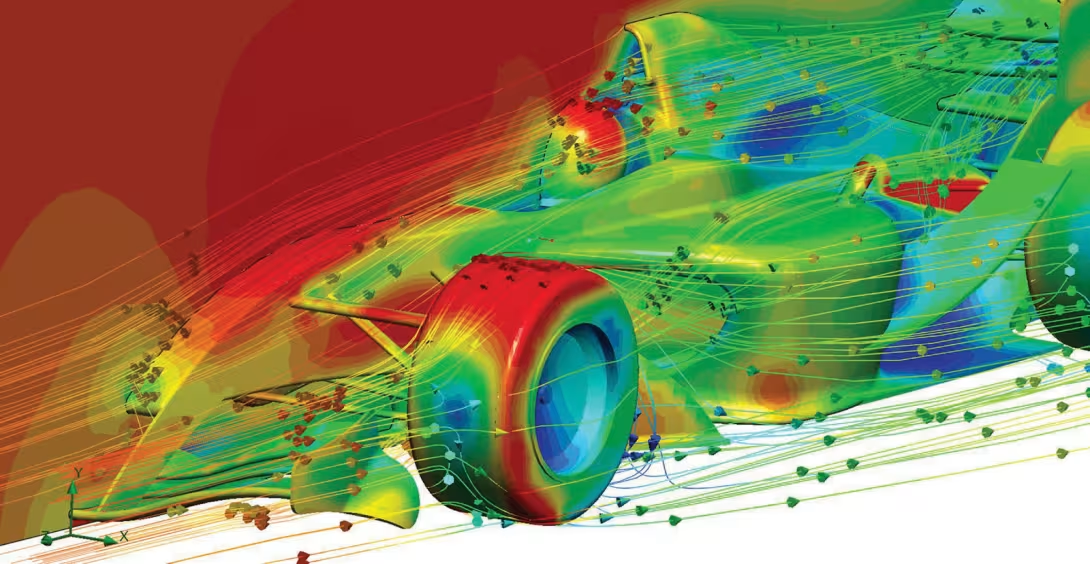
Among the tools used, com - putational fluid dynamics - more simply called Digital Hull Tanks by Guillaume Verdier - has a particularly interesting impact. It means that tests with different types of hulls and appendages can be mul - tiplied in order to refine hull shapes. The aim is to improve the efficiency of the profiles and increase performance. Derived from systems used in aeronautics and on racing cars, the DHT was first used for regattas or one-off mul - tihulls before making its entry into production yach - ting. Associated with an aerodynamic study, the results obtained make it possible to evaluate the performance of the hull with several geometric variations, including different centers of effort, height and the surface area of the sail plan. Naval architects can investigate hundreds of solutions with reduced turnaround time and lower costs.
It is now possible to optimize the design to match the de - sired performance. The result is impressive: Extremely ac - curate speed predictions can now be made. Just take the helm of a new multihull and see for yourself. For Excess, for example, the yard opted from the outset for a sail area/displacement ratio that corresponded to a younger clientele, sometimes moving across from monohulls. But despite that, the power had to remain exploitable by multihull novices, and her handling had to be easy and safe. This is indeed the case for the Excess 12, for example: in the Pulse line version, she offers very playful helming sensations, and a child can hold a course without difficulty. Just like riding a bike! The transition to development
 |
 |
 |
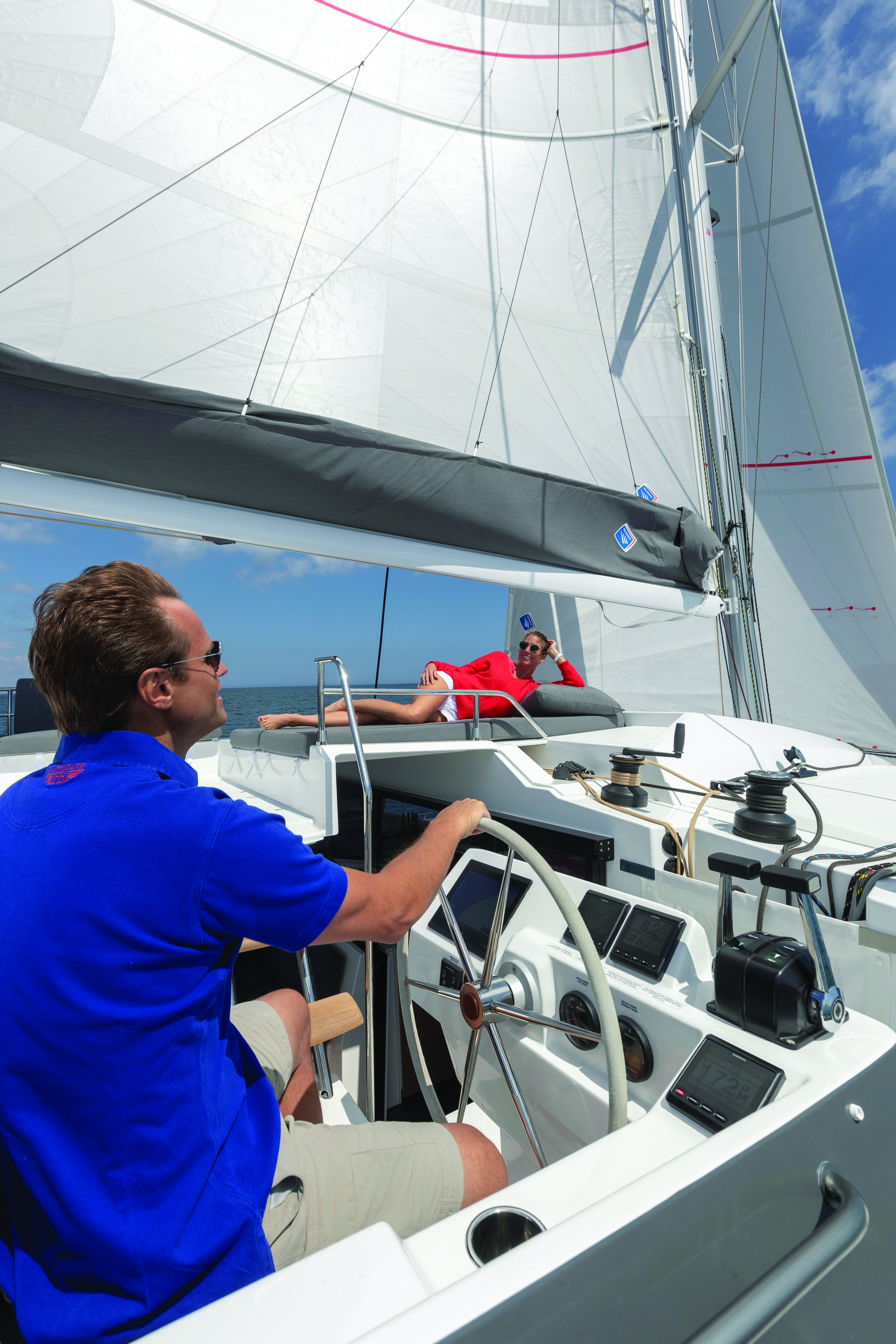 |
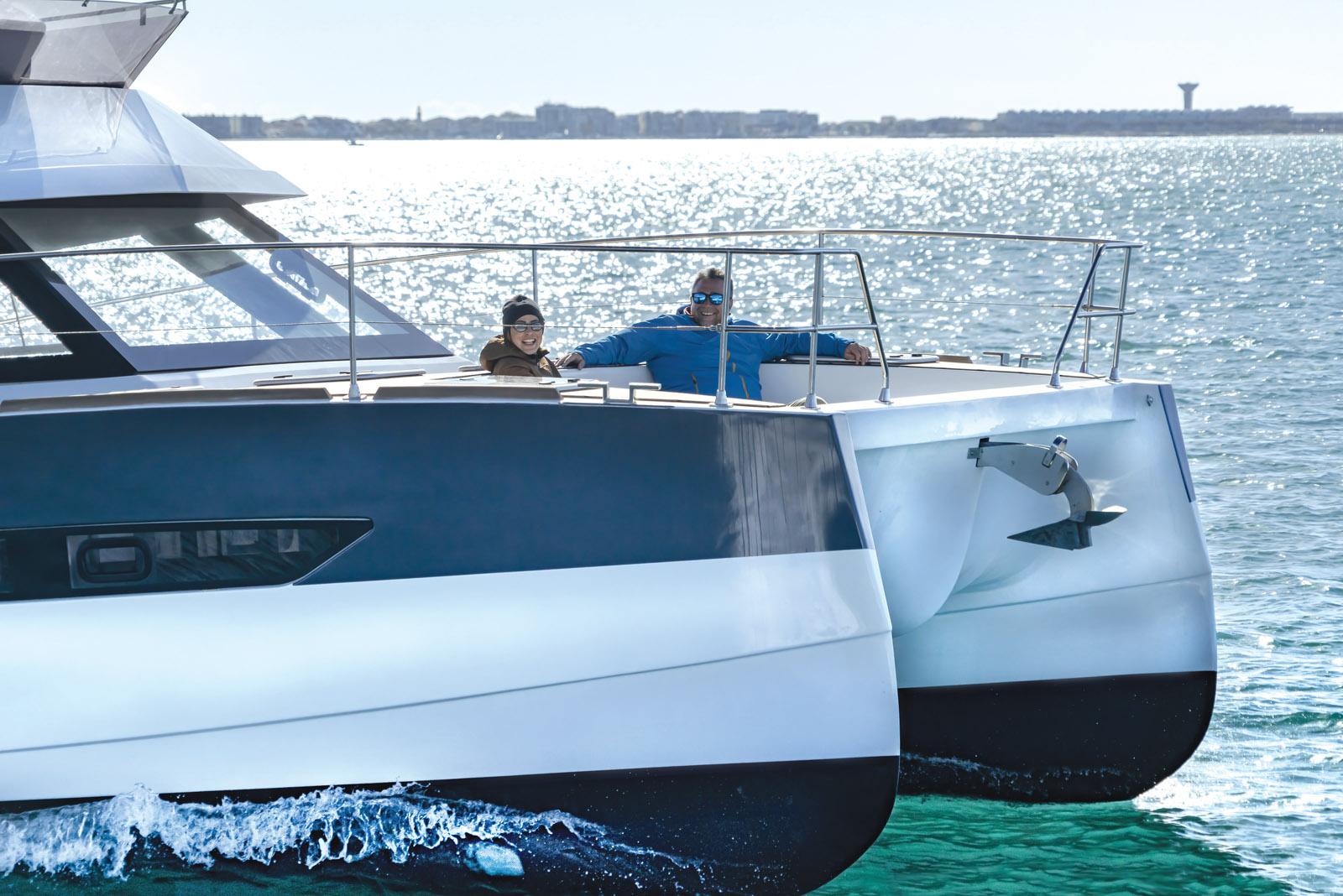
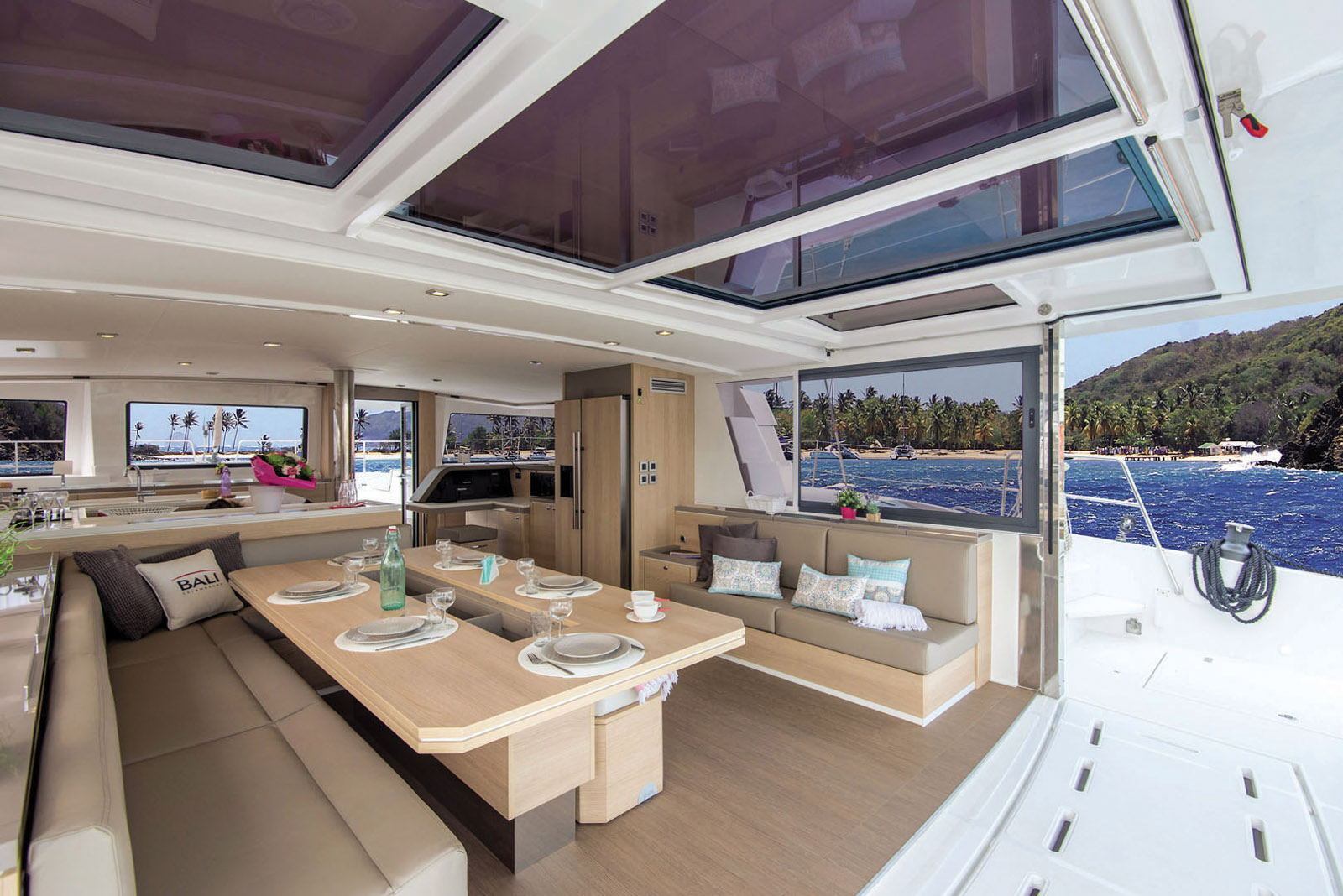
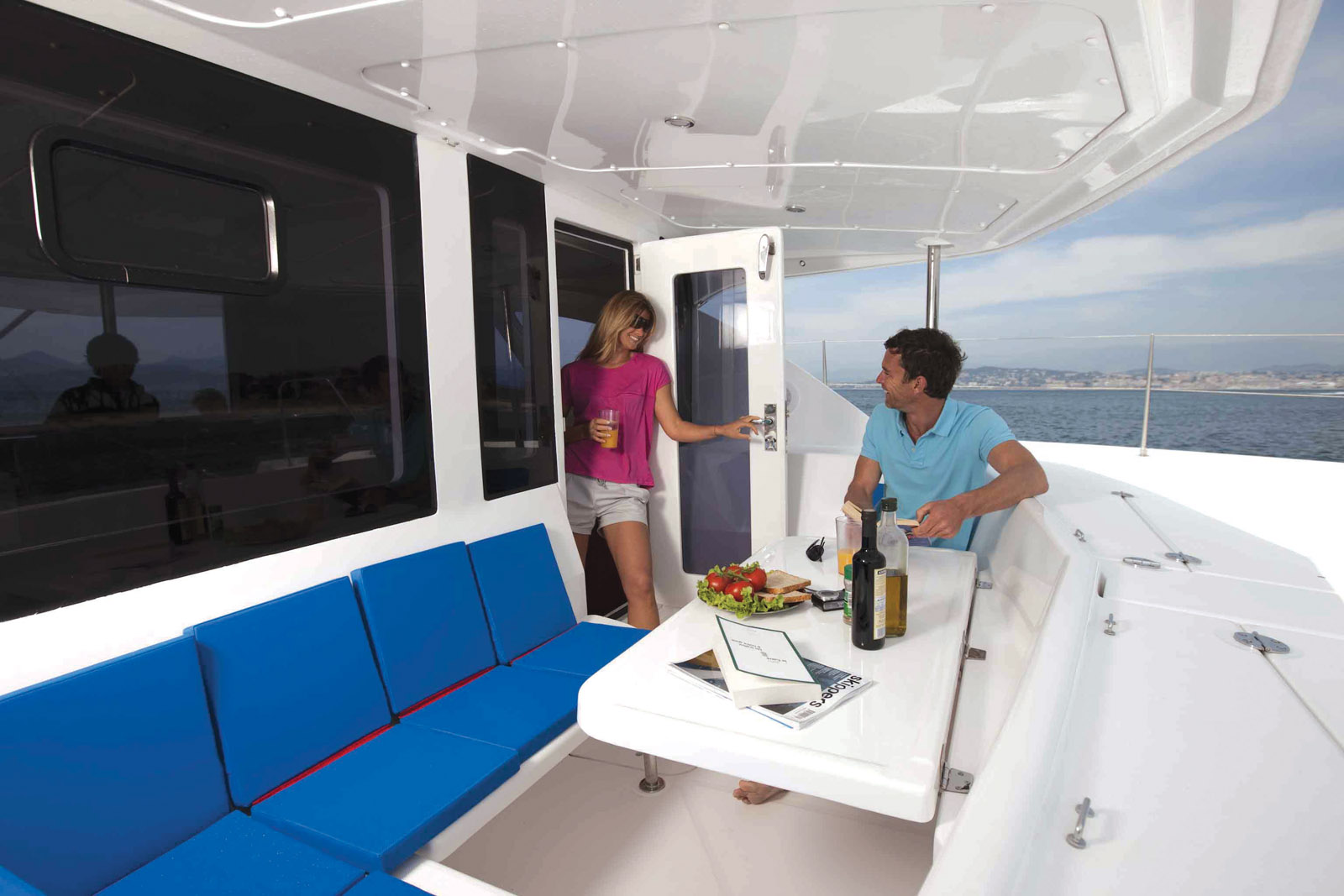
The search for new ideas and innovative concepts is the leitmotif of all manufacturers, as here the Aventura Power 10 with its forward cockpit tub, the Leopard 44 with its famous forward door, the steering wheel of the Elba 45 positioned behind the cockpit, or the large tilting rear door of the Bali.
The transition to development
After this phase of establishing the characteristics comes the stage of finalizing the development. During these stages, which last from 6 to 24 months, the project finally becomes a true multihull. The definition is done in the smallest detail from the digital mock-up now fixed at the last stage of configuration. The task is to finalize the shapes, to design all the furniture and modules in order to optimize the construction phases, and to define the industrial methodology. It is also a question of integrating all the accessories that will be used to fine-tune the ergonomics of the maneuvers and equipment. One or two initial «martyr» prototypes will help to develop the manufacturing procedures on the production line and enable final adjustments with the equipment manufacturers. These are fairly mechanical actions, but of crucial importance when transforming a beautiful innovative project (virtual prototype) into an attractive, reliable and profitable reality. The end of this period is marked by the first sea trials. Here again, many adjustments are still possible to rationalize the behavior. The choice of the rigging, cut of the sails and compensating for appendages are among the variables that can still be tweaked. Depending on whether it is a question of the continuity of a series or a brand-new project that breaks with the existing ranges, the time required will be quite different. One thing is certain: the technical level of product design and development has evolved a lot in recent years. Today, the methodologies and tools available allow architects, design offices and marketing departments to make the right decisions and to please the greatest number of sailors.
