
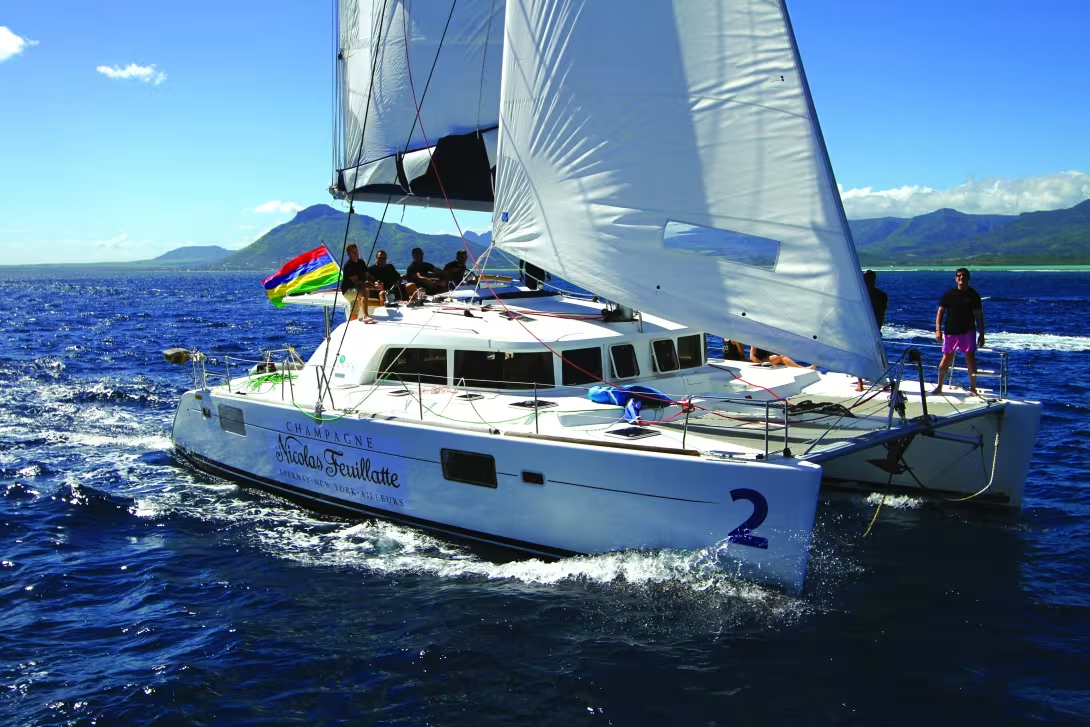
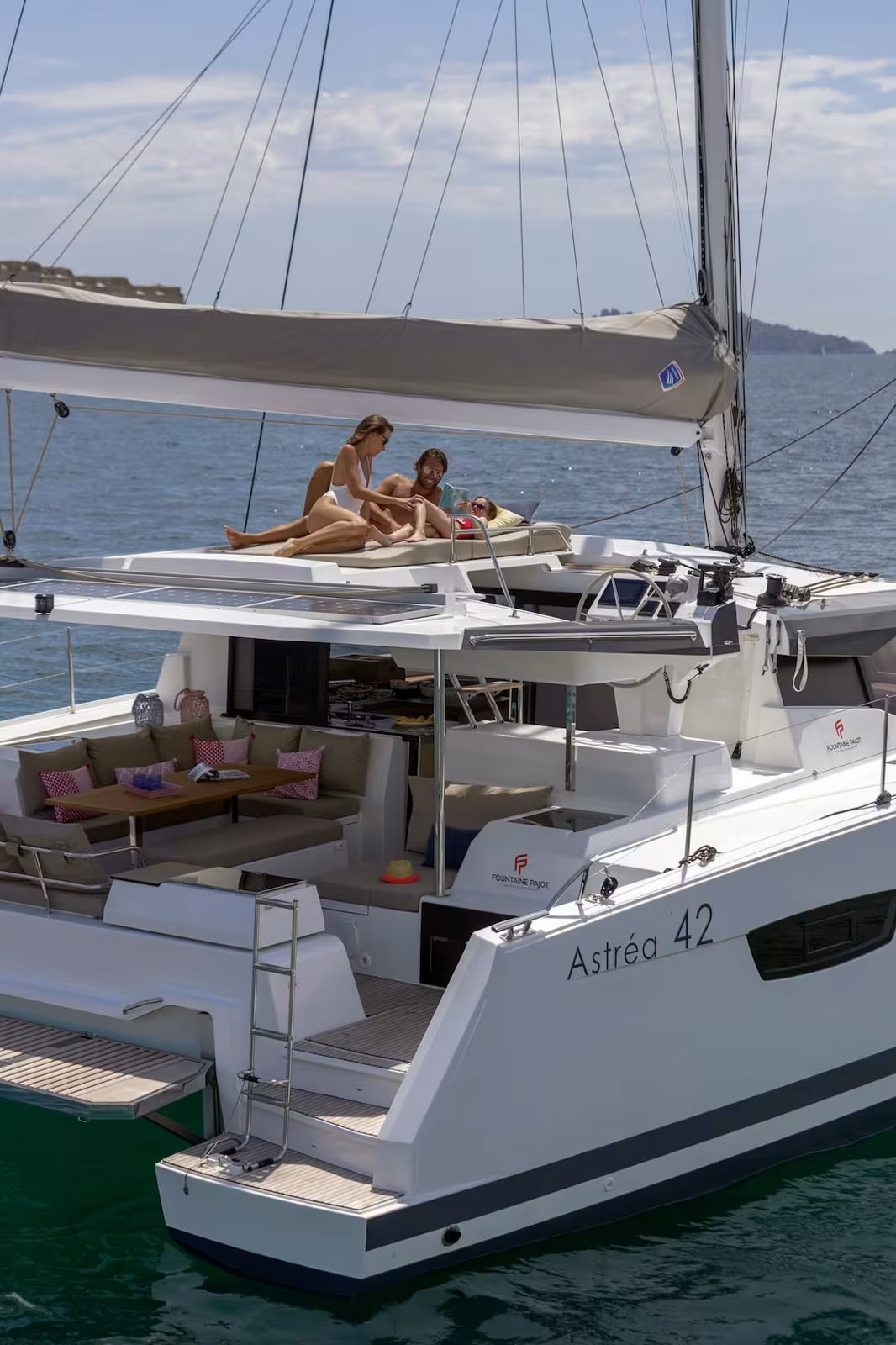
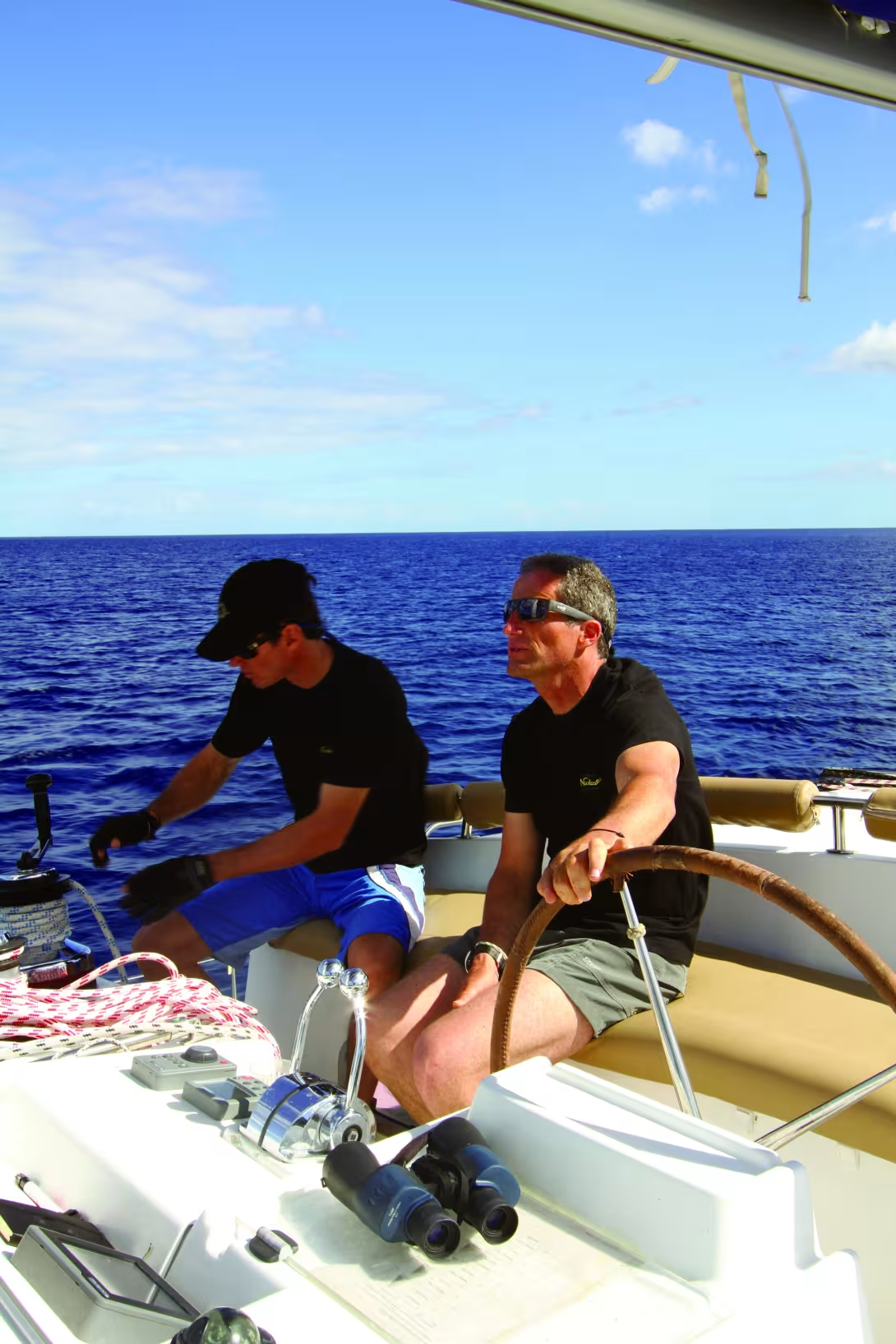
Is this a fashion accessory inherited from motorboating? The flybridge, something Lagoon have been offering since 2004 on catamarans of less than 50 feet, seems to be gaining a little more ground every year. We wanted to find out a bit more about the advantages of the different deck plan formulas and take stock of market trends. Our first observation is that the flybridge is becoming more apparent among “smaller” catamarans: architects who had for a long time refused, for aesthetic and practical reasons, to incorporate a flybridge on cats below 45 feet now start from 40-footers (for example, the Bali Catspace). So, our topic now concerns catamarans from 12 to 16 meters (40 to 55 feet), no less! In this category, most manufacturers of performance catamarans (Outremer, Catana, TS and the all-new Excess brand) keep a helm station in the cockpit (and/or twin tillers or twin wheel steering). Their arguments: less weight aloft, and reduced windage. For these models, a flybridge doesn’t seem to be the best option. Other more comfort-oriented catamarans are opting for a flybridge, models like the recent Balis and Leopards. The result is a perfect view over the water from the helm station, but above all, in addition to the cockpit and trampolines (or the rigid foredeck), a third outdoor living space, most often referred to as a sundeck. A few builders, such as Fountaine Pajot have created a compromise which has seen designers coming up with ideas for the optimization and fluidity of movement on deck: aboard the Astrea 42, the helm station is raised, of course, but it remains in direct connection with the cockpit. And there’s a large sunbathing area.
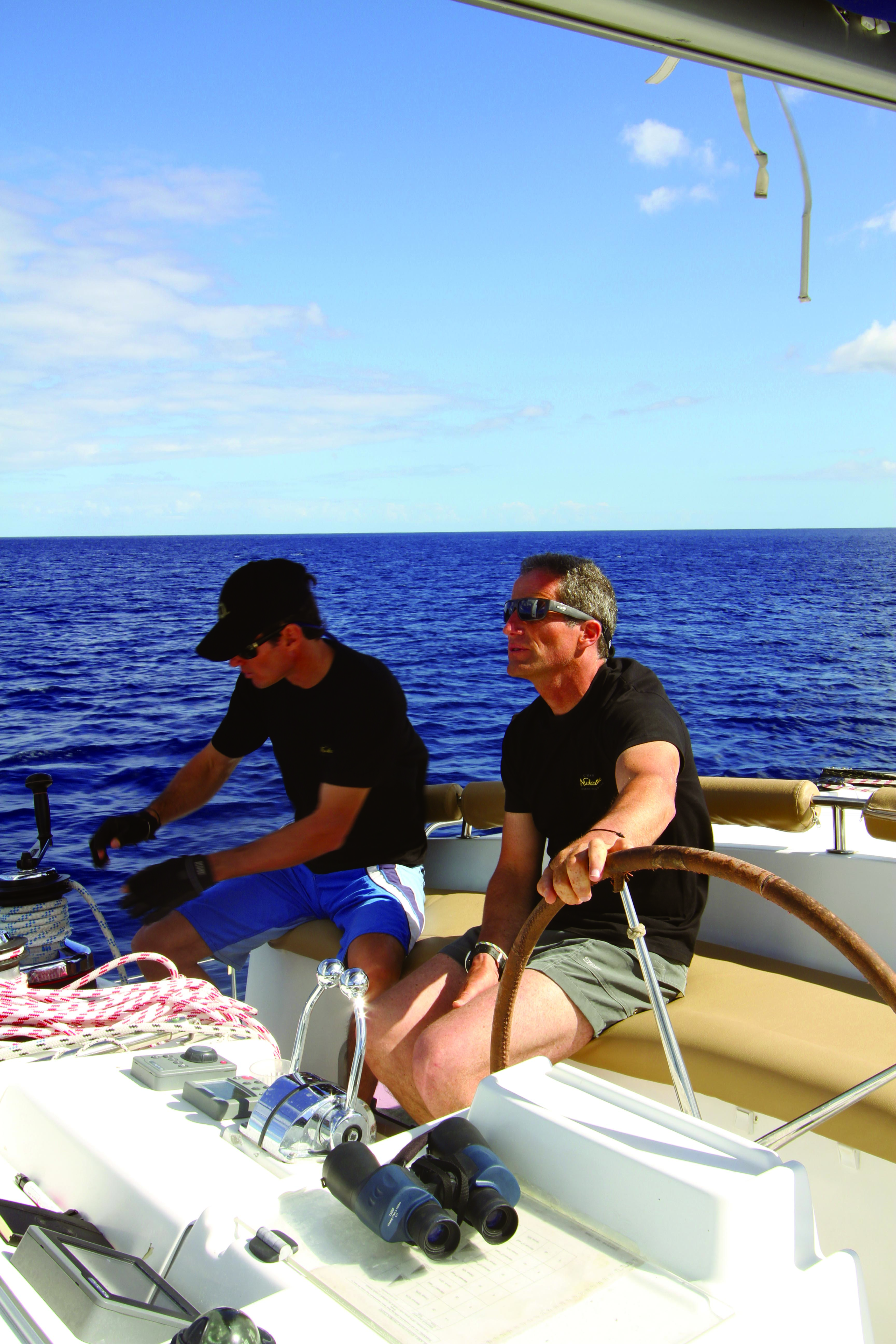
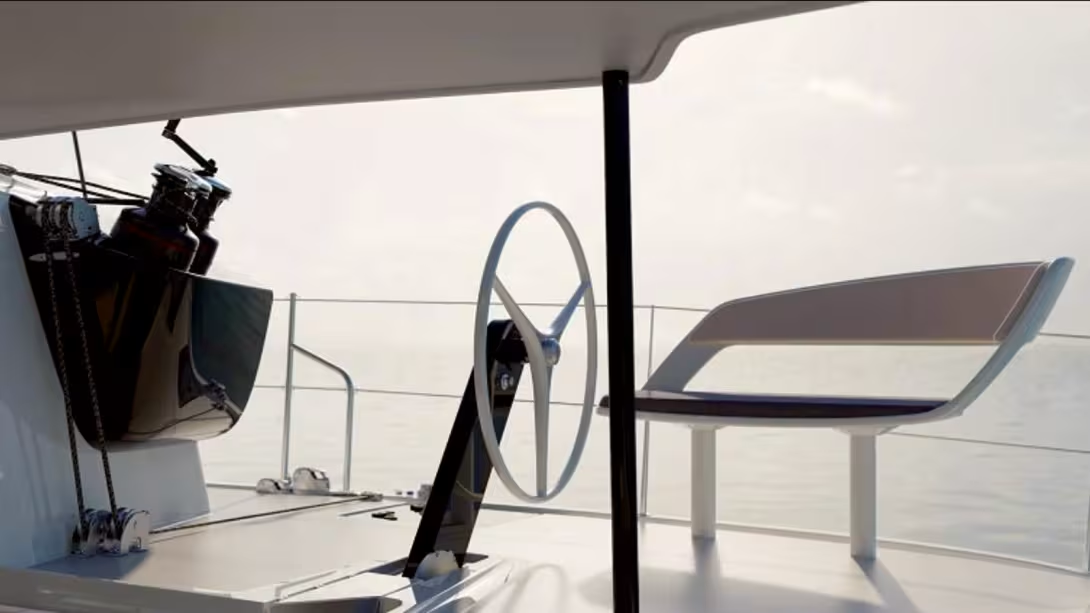
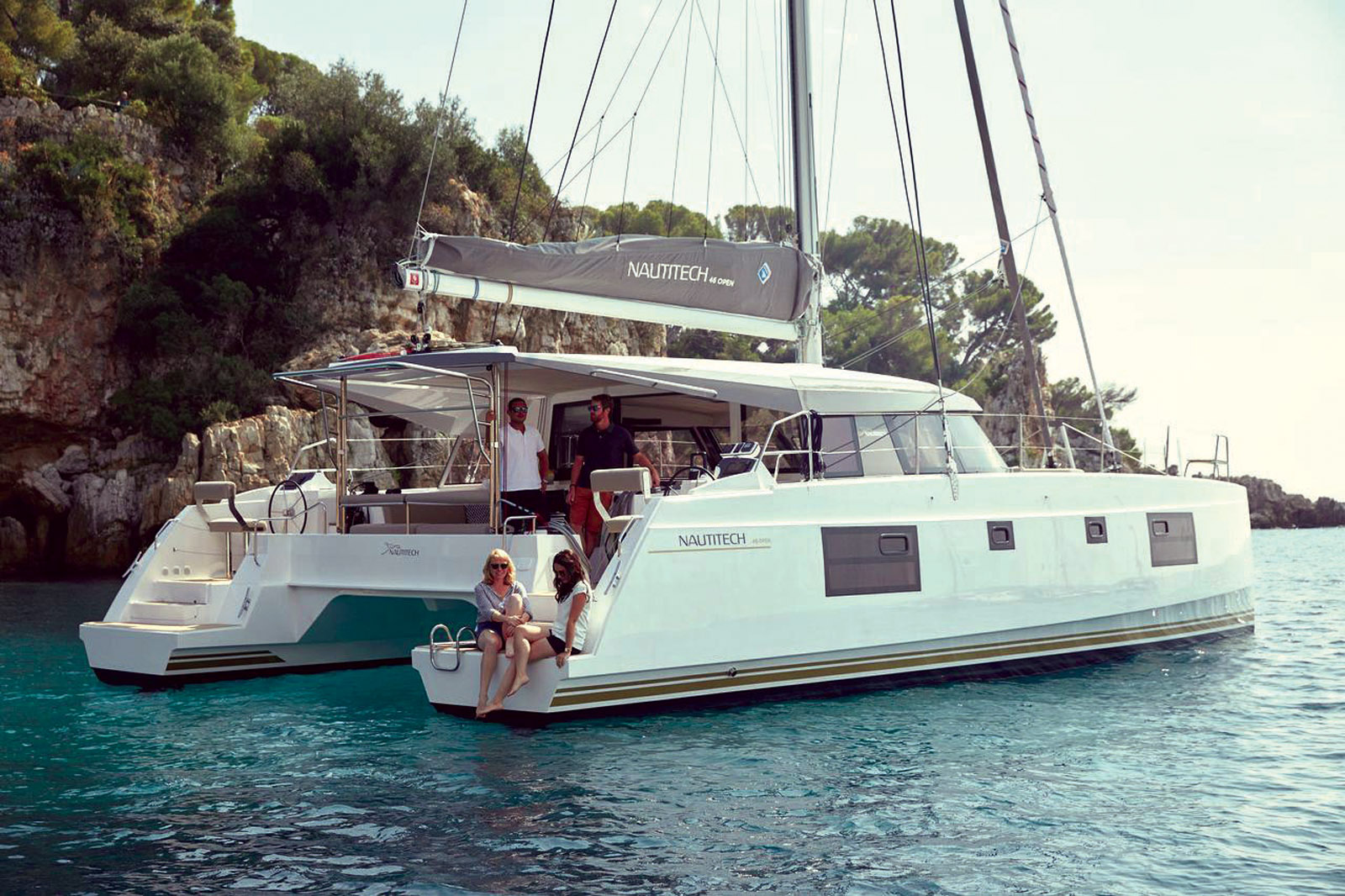
The next Outremer 55, meanwhile, will have two moveable steering wheels for a high or low position – the latter being better protected. This formula already being familiar at Balance Catamarans, with a single helm station. Some models are available in both versions – such as Lagoon 52 and the Nautitech 46 Open. This was also the case for the latest vintages of the famous Lagoon 450.
The characteristics make it possible to fully appreciate the differences between the two deck plans. First of all, the weight. A flybridge, depending on whether it was designed from the outset (Lagoon) or aftermarket (Nautitech), is 200 to 700 kilos (450 to 1,500 lbs) heavier. And not very well placed... It also means a higher boom - reduced sail area (by 5 to 15%) and potentially some high-flying acrobatics when it comes to stowing sails. Finally, they require a bigger budget - $ 10,000 to $ 20,000 more, before tax. On the other hand, the flybridge obviously offers, in addition to the advantages mentioned above, a new living space.
So, which one to choose? Couples and performance addicts are more likely to remain faithful to a traditional deck layout, while larger crews, epicureans and... charter companies will vote for the flybridge.
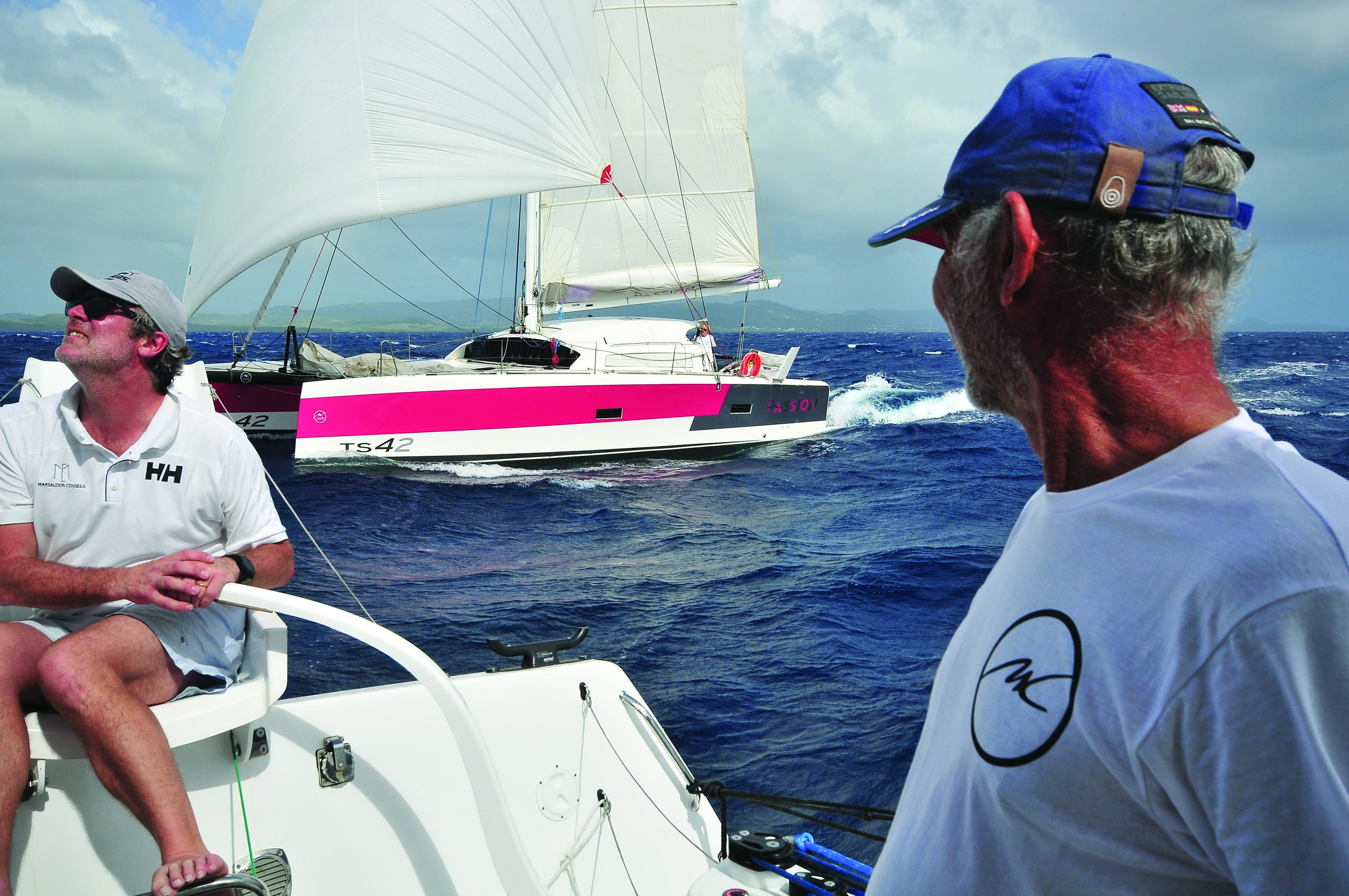
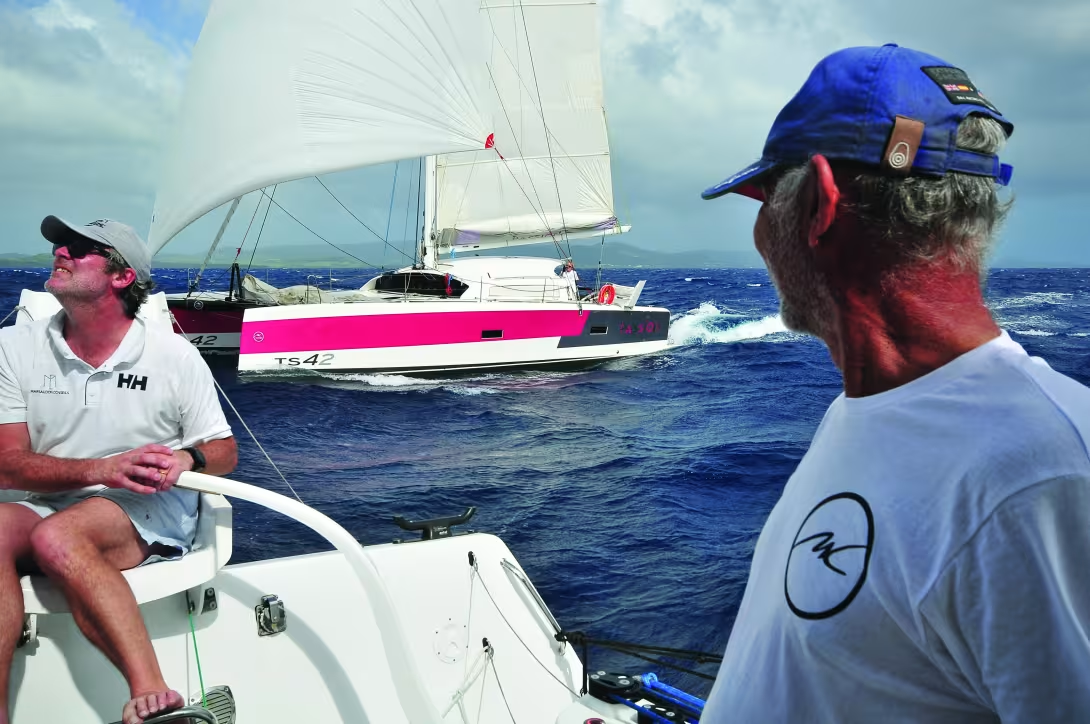
Traditional deck layout - Like this TS5, performance catamarans don’t give in to the temptation of a flybridge and favor helm stations on the hulls
 |
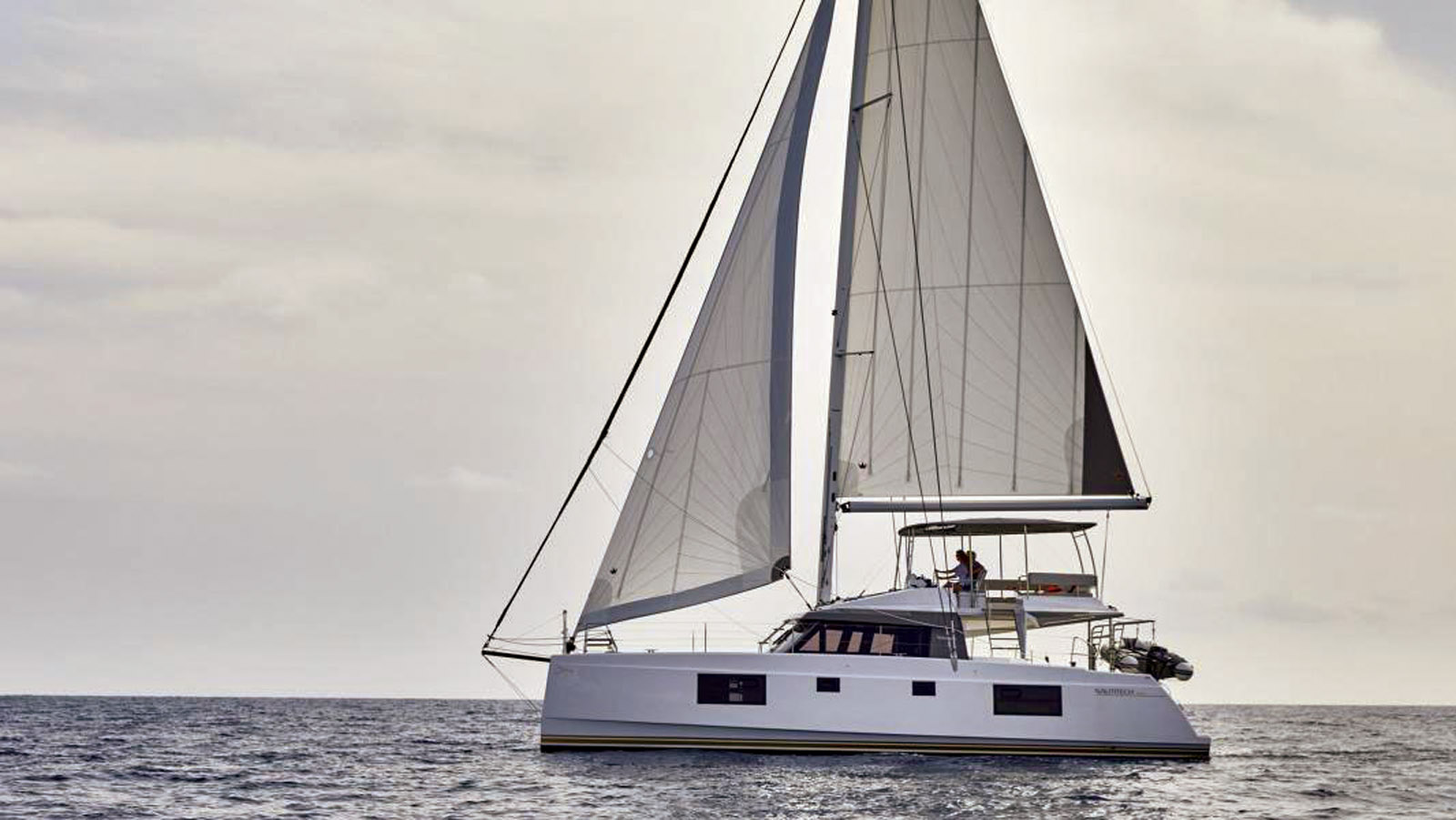 |
Traditional or flybridge ? This Nautitech 46 Open is available in two versions of deck plan. The choice is yours!
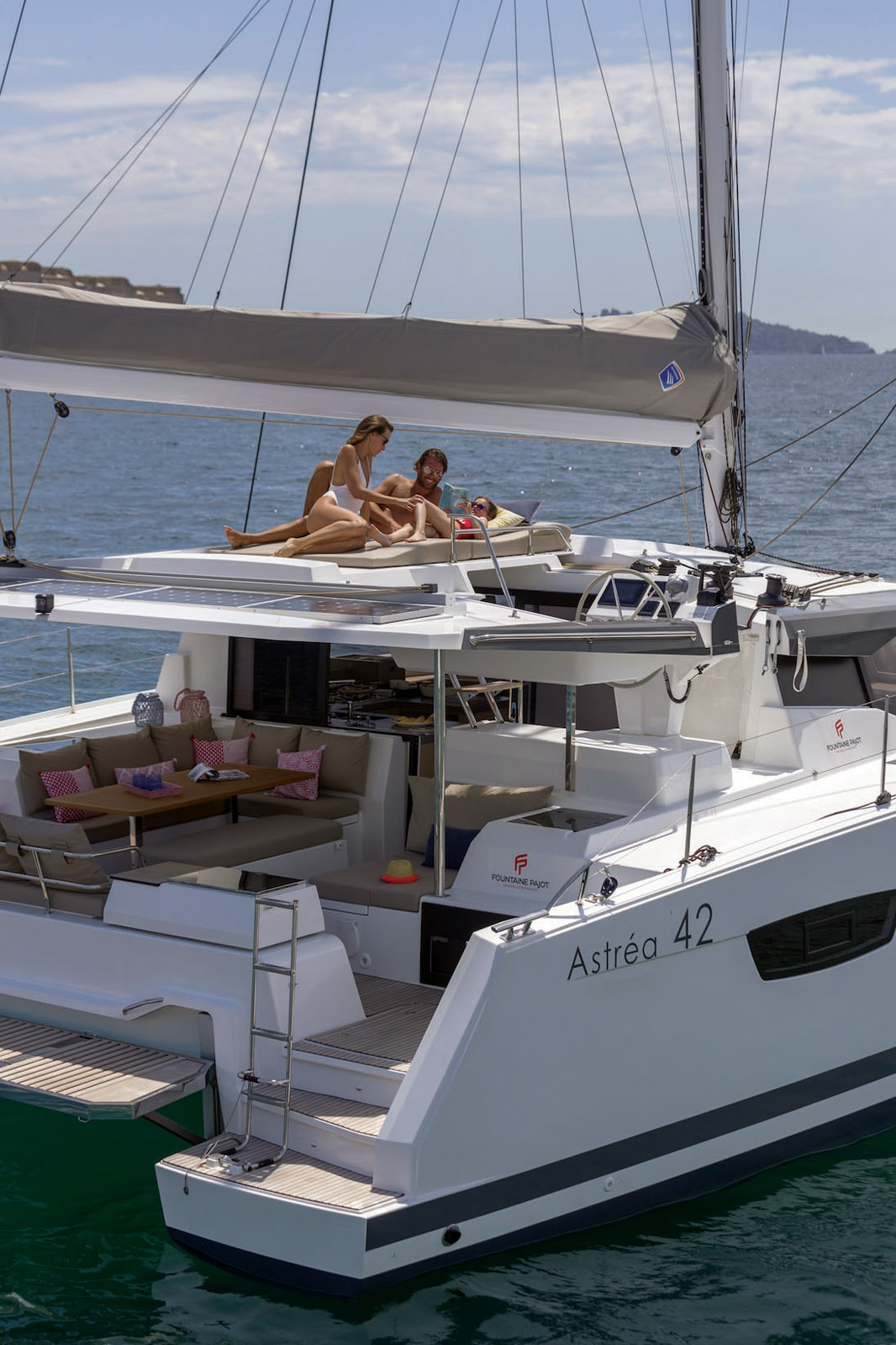
Mixed deck plan
The advantage of the half flybridge / half traditional deck layout of the Astrea 42: permanent proximity of the helmsman to the crew and a vast area for lazing around, that is nearly always in the sunshine.

Flybridge only - The all-new Bali Catspace – only recently splashed - is undoubtedly one of the smallest multihulls equipped with a flybridge.
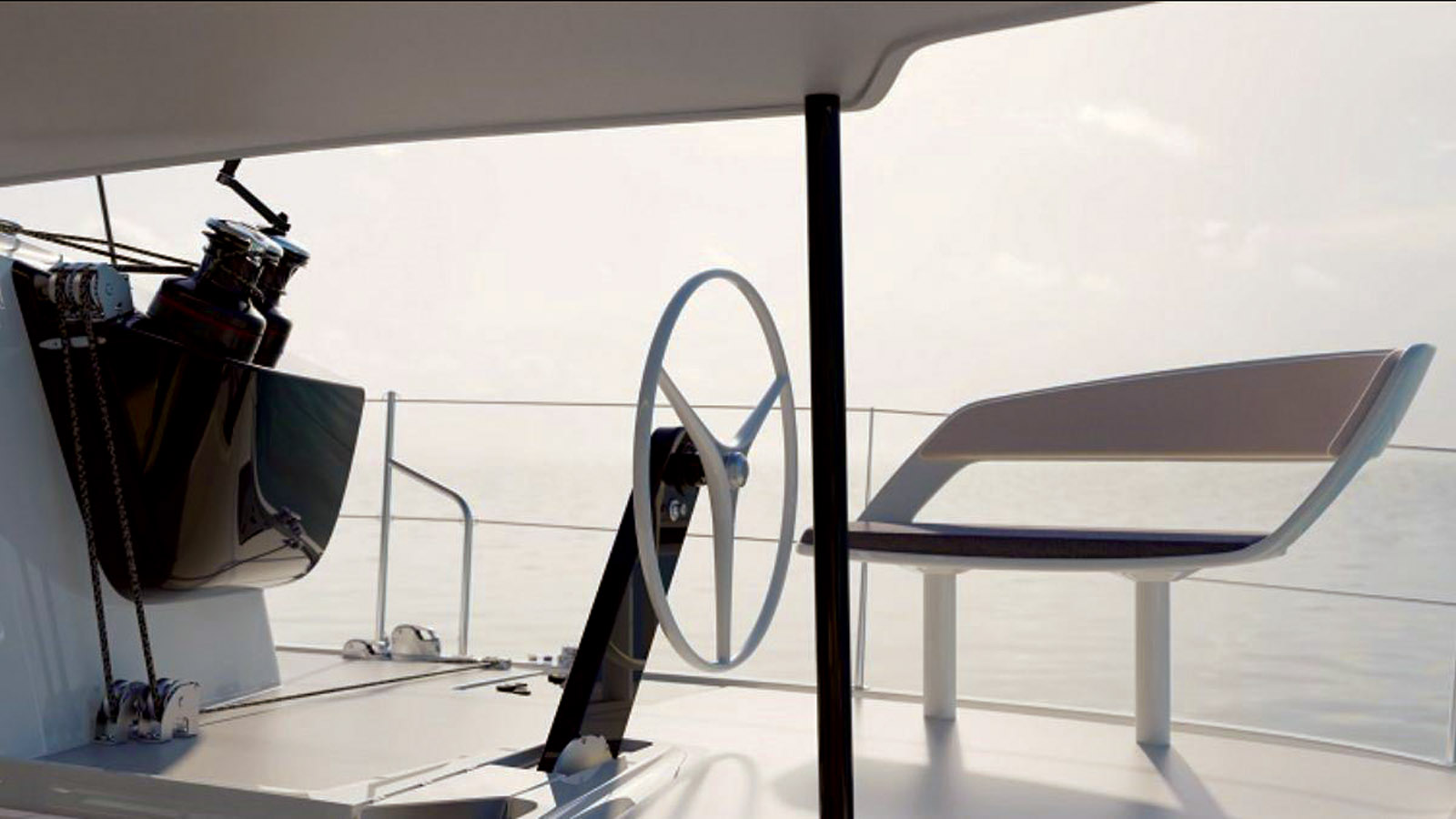
Movable helm - The forthcoming Outremer 55 will offer two moveable wheels to take advantage of the benefits of both options. Or almost both (minus the sundeck) ... clever!
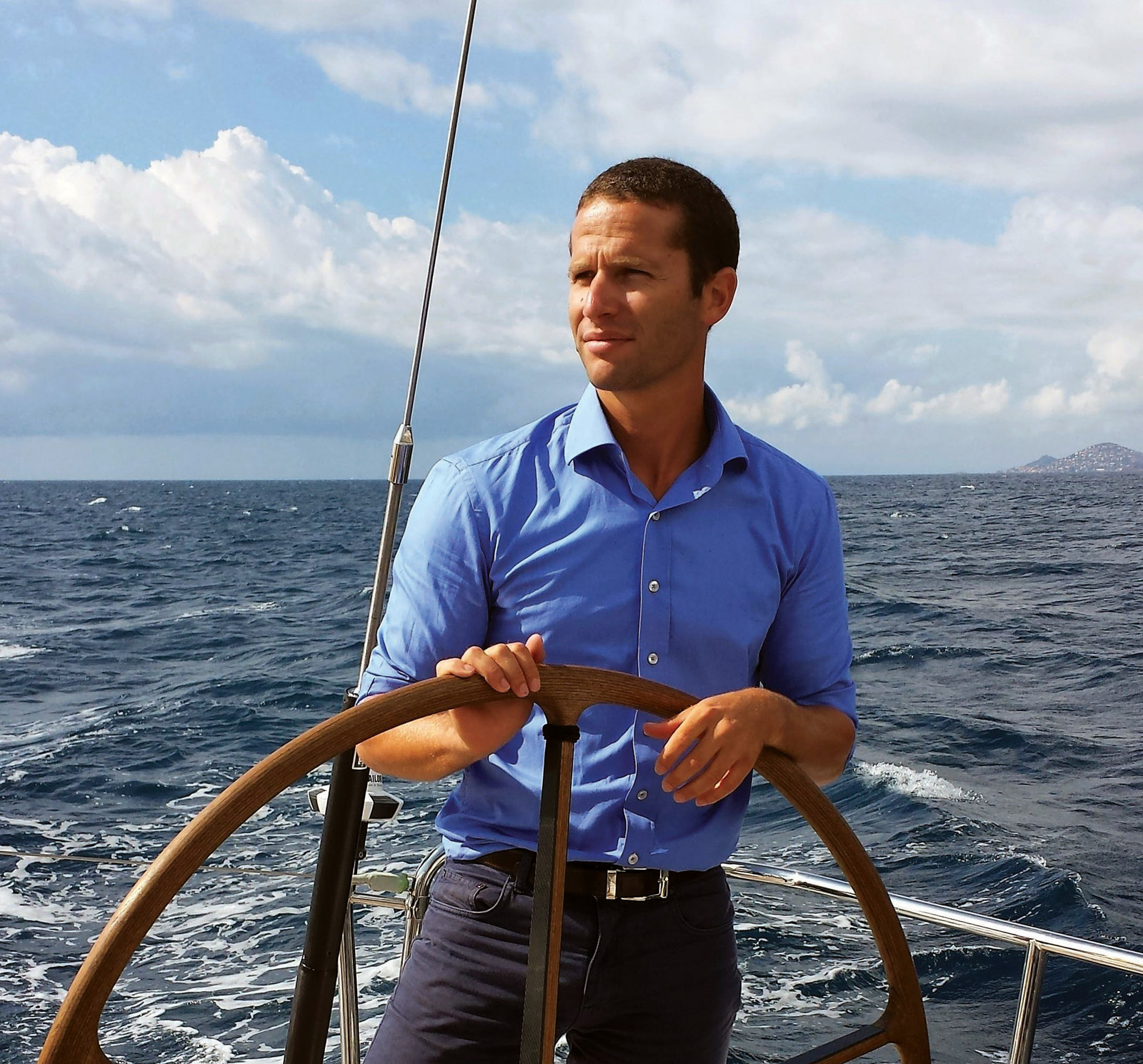
The professional opinion
Alexandre Dauberville, Marketing and Communications Director at Lagoon
The advantages of the FlyBridge version:
- An additional outdoor living area on board our catamarans with an unbroken view of the boat, the bows and the sails.
- Great conviviality with large relaxation areas separated from the sail-handling areas.
- The option to sail with a “large family”.
The plusses of the SporTop version:
- A helm station that is protected “naturally”, thanks to the coachroof bulkhead
- Direct contact with the galley, easy for making tea during your night watch!
- Direct contact with the cockpit, pleasant for conviviality at mealtimes and also useful for keeping an eye on what’s going on in the cockpit with children for example.
With this in mind, you’d be forgiven for thinking that the SporTop versions are made for sailing short-handed, and the FlyBridge versions for large families, but the reality is that there are no rules. I’ve met couples sailing on 450 Fs who couldn’t understand why others would want to sail a 450 S and vice versa. In fact, it’s just a matter of sailing style and lifestyle: and everyone has their own!
