
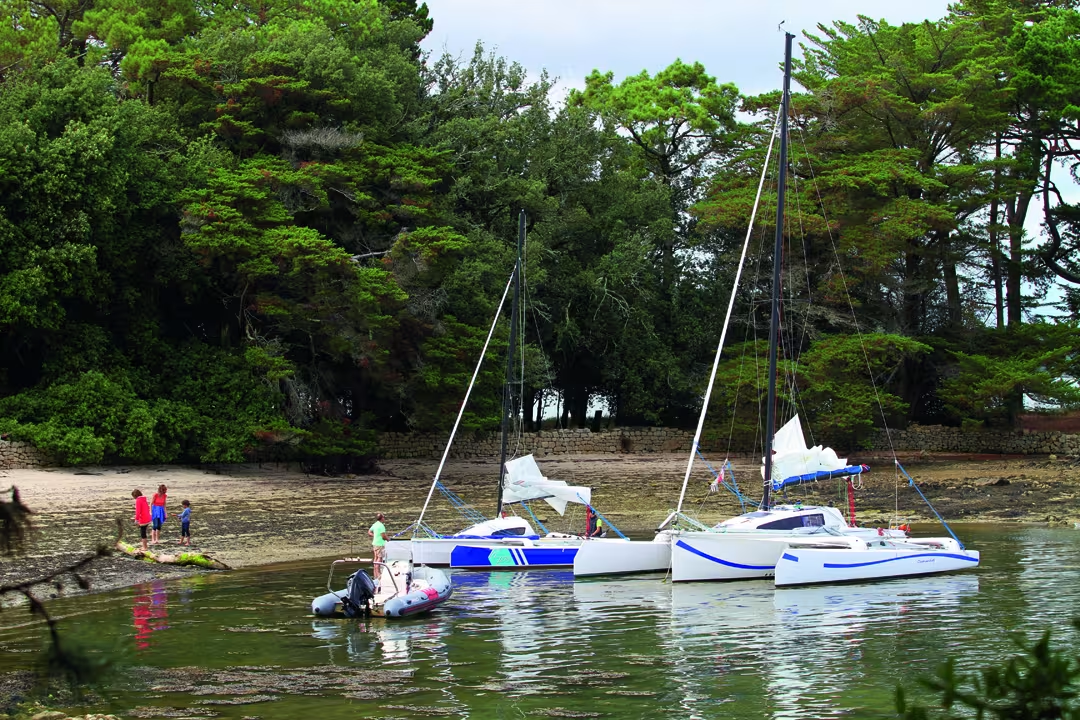


Go to the beach, straight to the beach. The thought must have crossed your mind when you’ve been cruising, when you’ve been in view of a sandbank bathed in crystal clear water. Most often, we’ll just anchor as close as possible - the shallow draft of multihulls, compared to that of most monohulls, already allows us this privilege. But why not settle on the ground straight away? If your multihull has the right appendages, if the waters are perfectly protected, and the tide is right, it may be the time to give it a go! A lot of "ifs", because the maneuver can quickly lead to going aground - involuntarily, as opposed to taking the ground, which is under the control of the skipper. There are two options depending on whether or not there is any tide: simple contact with the sand while remaining afloat, or a complete drying out (preferably on sand), obviously for a longer period of time. In the first case, don’t forget a ladder: jumping from the trampoline onto the sand, that’s fine... but climbing back up again is another story! As for drying out, obviously sand is preferable to mud.
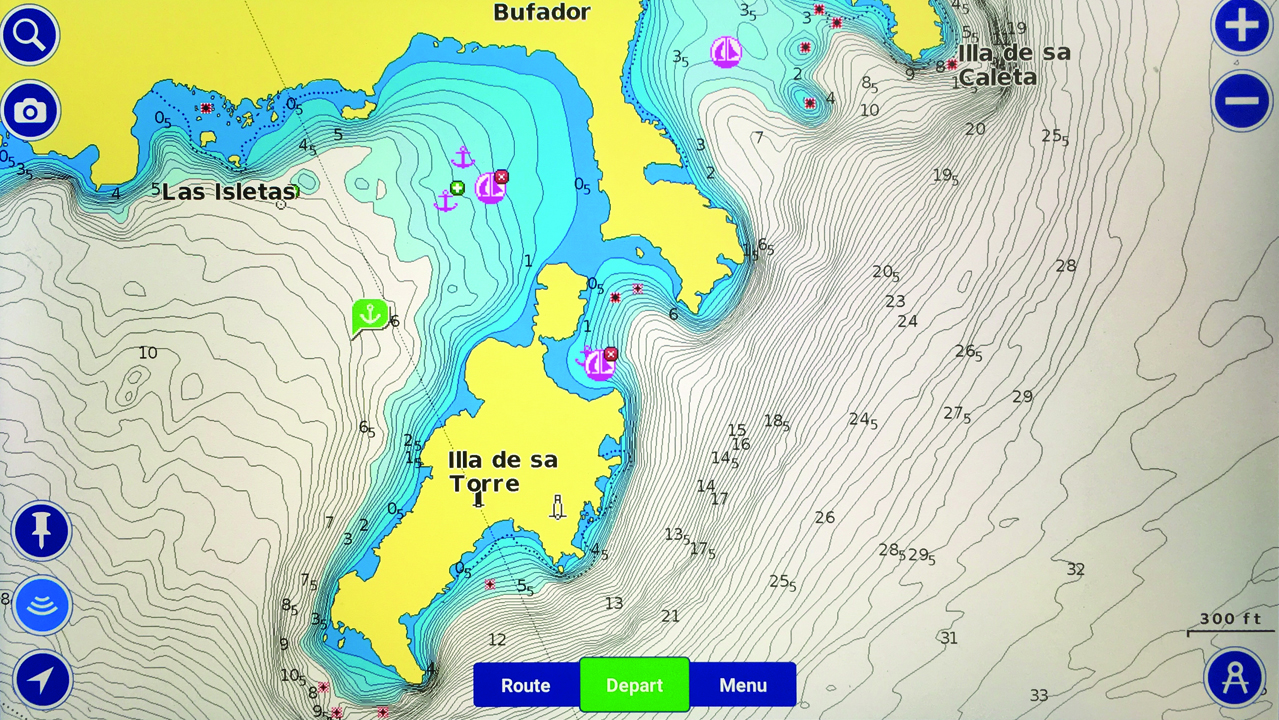
The art of choosing the right beach …
Depending on wind direction, swell, small waves and exposure to potentially bigger waves caused by the wakes of large ships passing offshore, a beach can provide perfect shelter... or not. Be careful also in tidal areas: some beaches have perfectly calm waters at times near low tide, but become more and more lively as the tide rises.
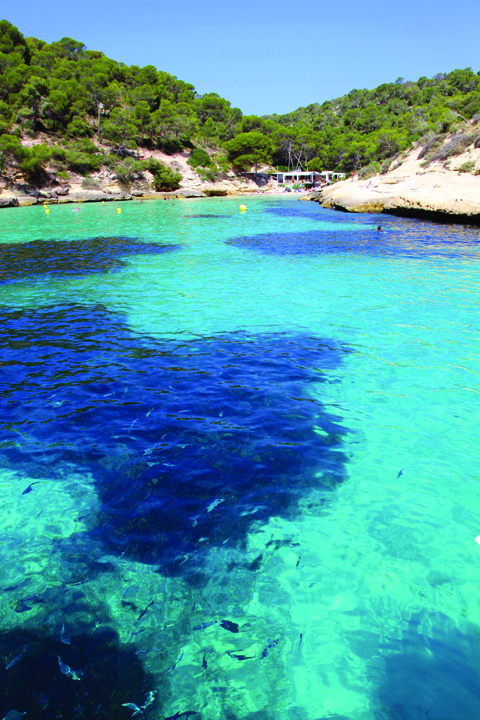
Priority to swimmers!
During the summer months, in the busiest areas, many swimming areas are marked by buoys - most often yellow. Definitely no beaching your boat here. So you’re looking for the most remote and inaccessible by land stretch of coastline you can find, to locate your dream spot…

How suitable are your appendages?
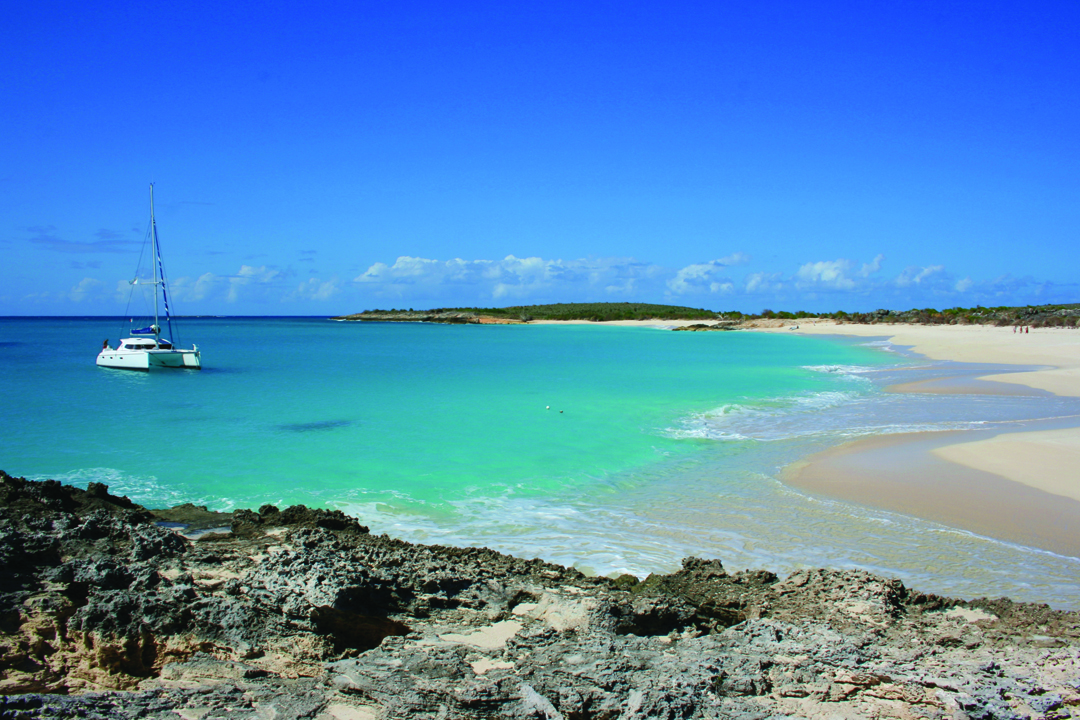
There are three main families of multihulls when it comes to appendages. Boats shown here are catamarans with fixed skegs. These are well suited for beaching and taking the ground - their skegs ensure a level grounding with little load on the rudders. Catamarans and trimarans with lift-up daggerboards and fixed rudders can be beached, taking care to leave water under the rudders. However, some models are able to take the ground - check with the manufacturer. As for small trimarans equipped with lifting or pivoting appendages, they are of course the most suitable if you fancy a stroll on the sand.
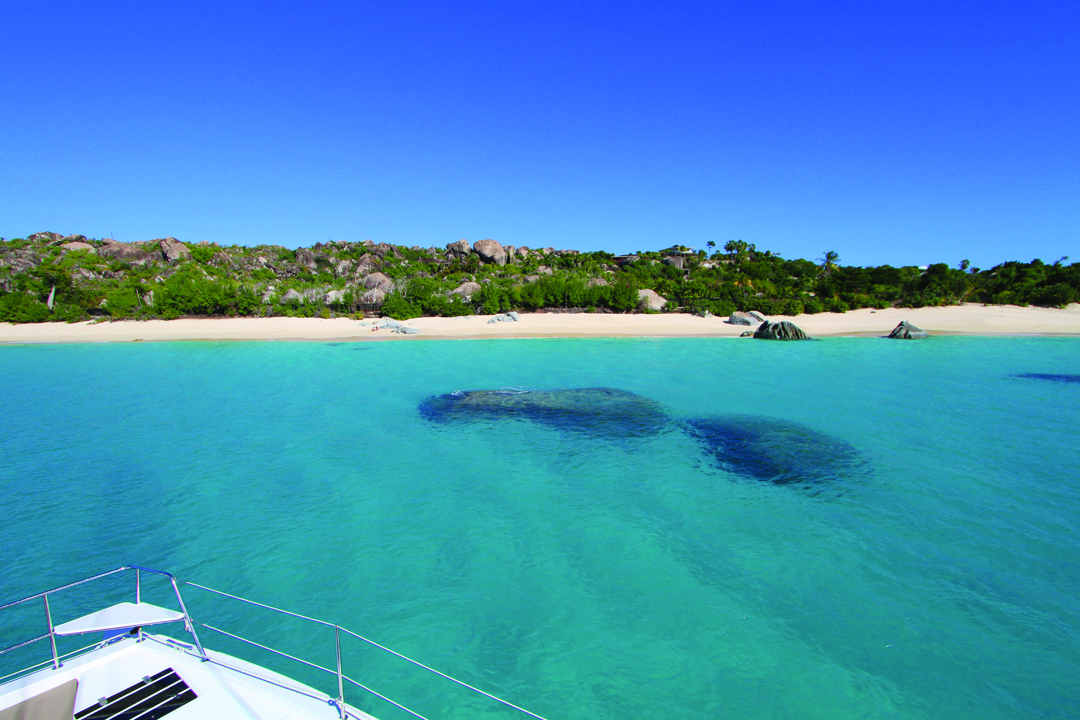
Check the depths… on the day
Charts are sometimes insufficiently detailed to ensure that the seabed is free of hazards - coral, rocks, wrecks. The best thing is a visual recce. Diving, from the dinghy or straight from your multihull, it doesn't matter, as long as you have good light. Beaching at night? No, thank you!
Watch out for surf or backwash
Foam visible on the beach is a warning sign - there's no taking the ground here. Just anchor further offshore and get on the sand by dinghy. An operation that might be tricky, but whose consequences in the event of a problem remain minor.
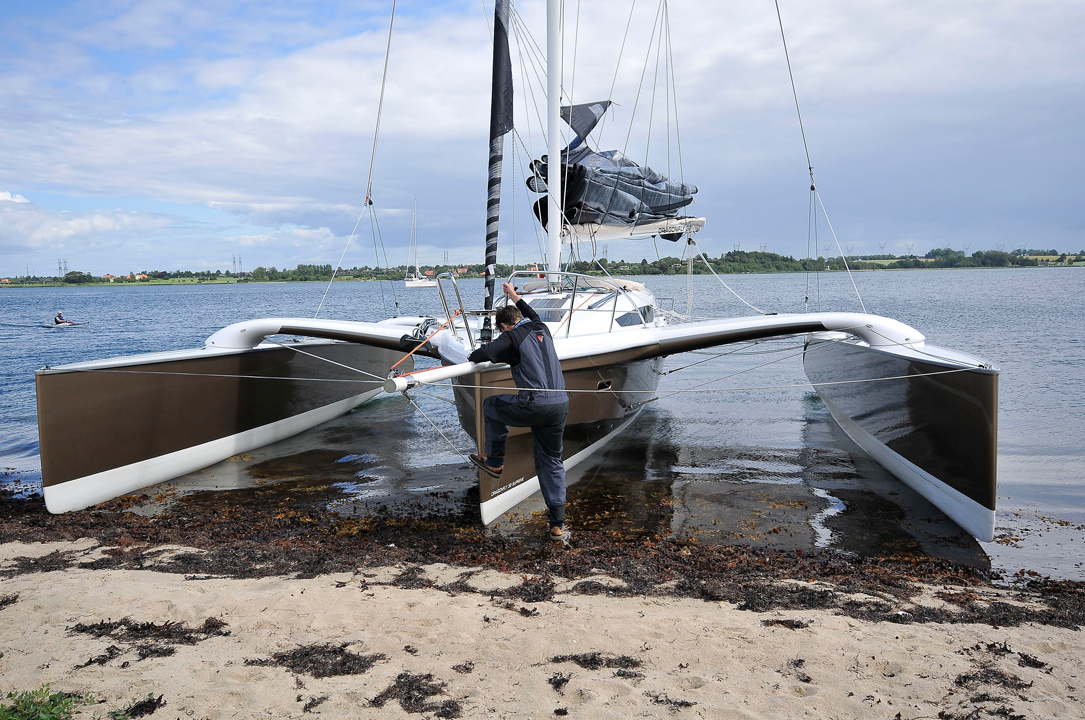
If you are beaching a multihull over 22 feet in length, remember to use a ladder!
How about alongside?
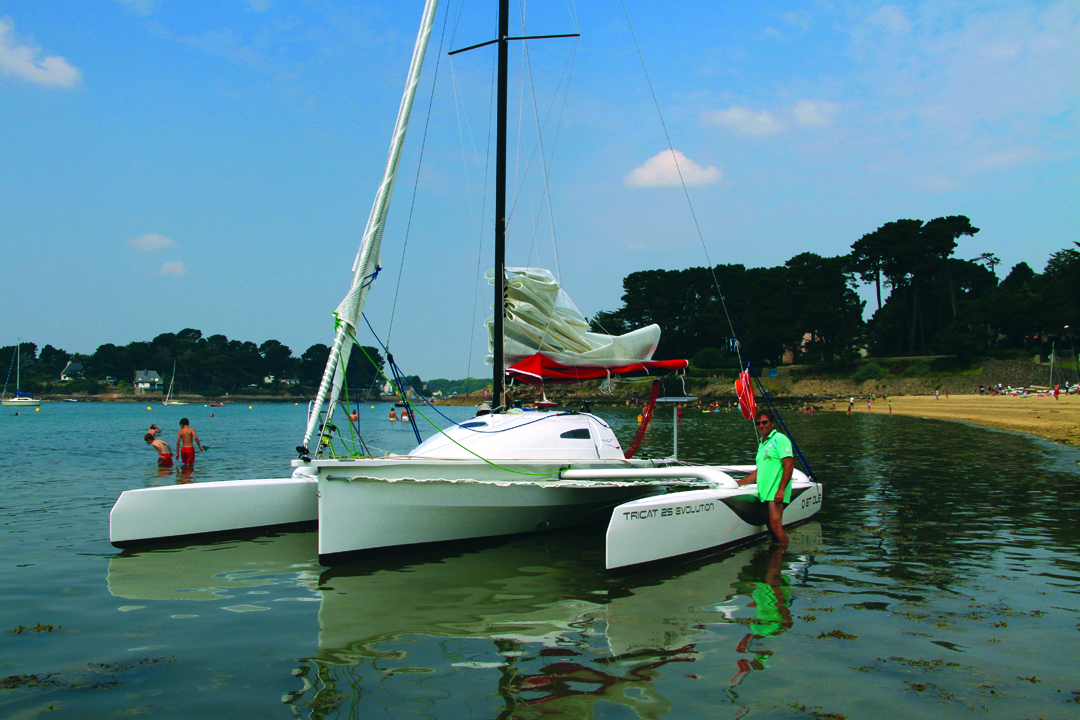
A particularly quiet beach can allow multihulls to get together and have direct access to the sand; the smaller of the two, with less freeboard, will be used to getting ashore.
Getting ready to take the ground
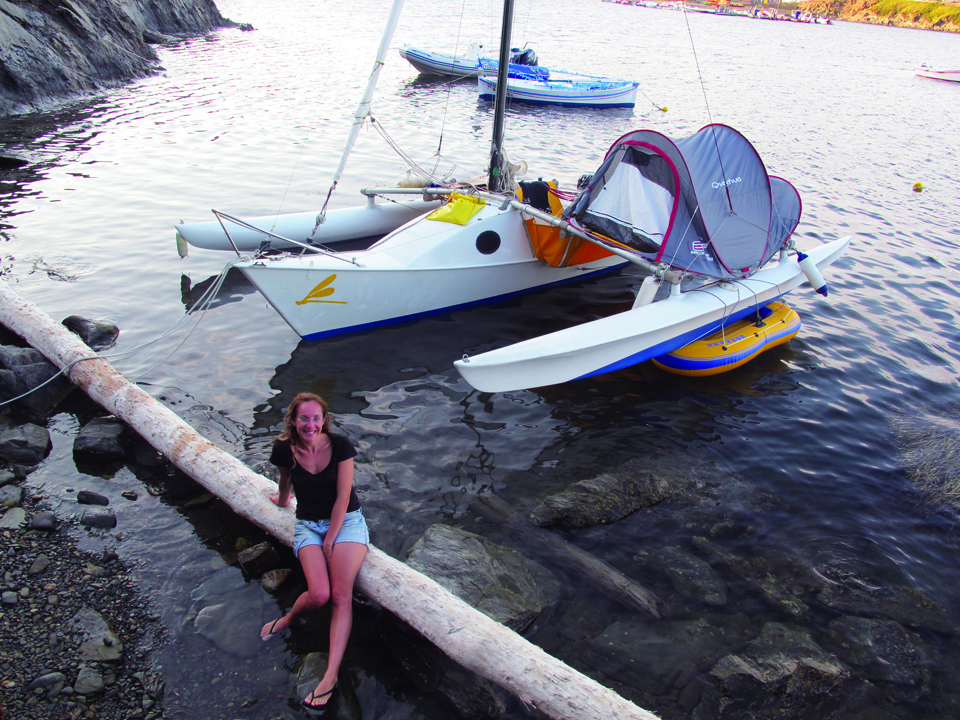
While your multihull is still afloat, it’s a good idea - provided it is not too heavy - to position it by hand in order to optimize the effect of the slope or the shape of the beach. That way, you’ll guarantee taking the ground on the level!
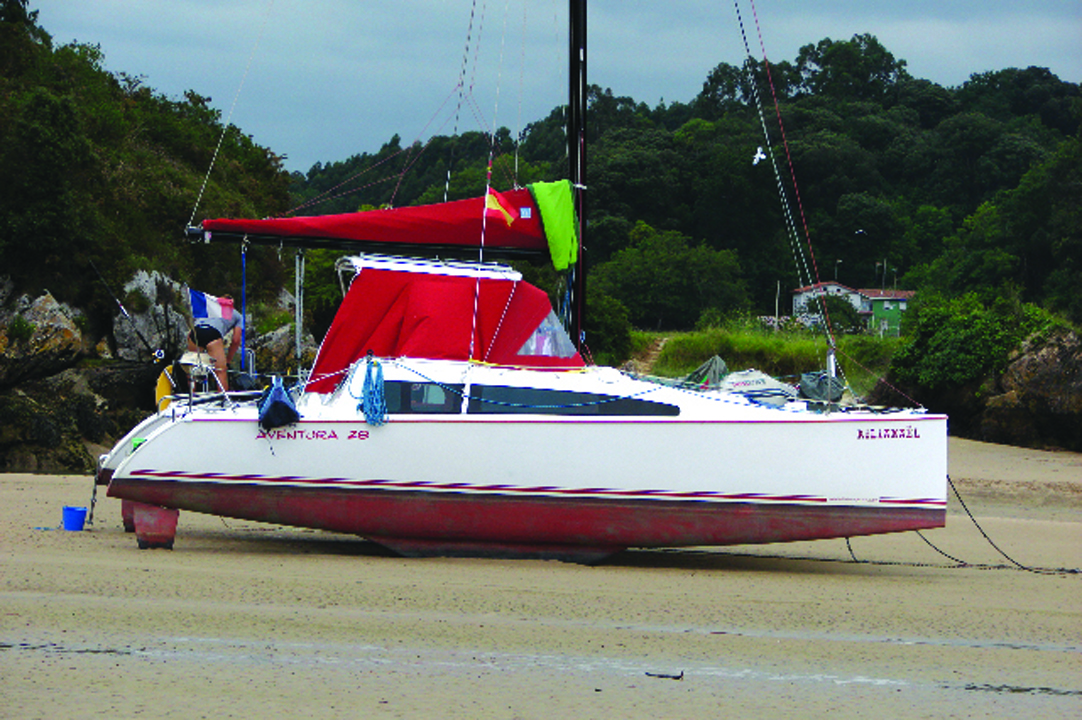
© Pierre Calmon
The dihedral of most small trimarans means that they’ll take the ground (as is the case with anchoring for some boats) with a certain amount of list, or even to the risk of tipping from one side to the other depending on the load. An inflated dinghy or some other buoyant equipment slipped under one of the floats can solve this problem.
No sand or mud on board!
A tip for keeping your multihull clean when you come back aboard: fill a bucket or two with seawater - while that's still there: you can easily rinse your feet on the sugarscoop.