
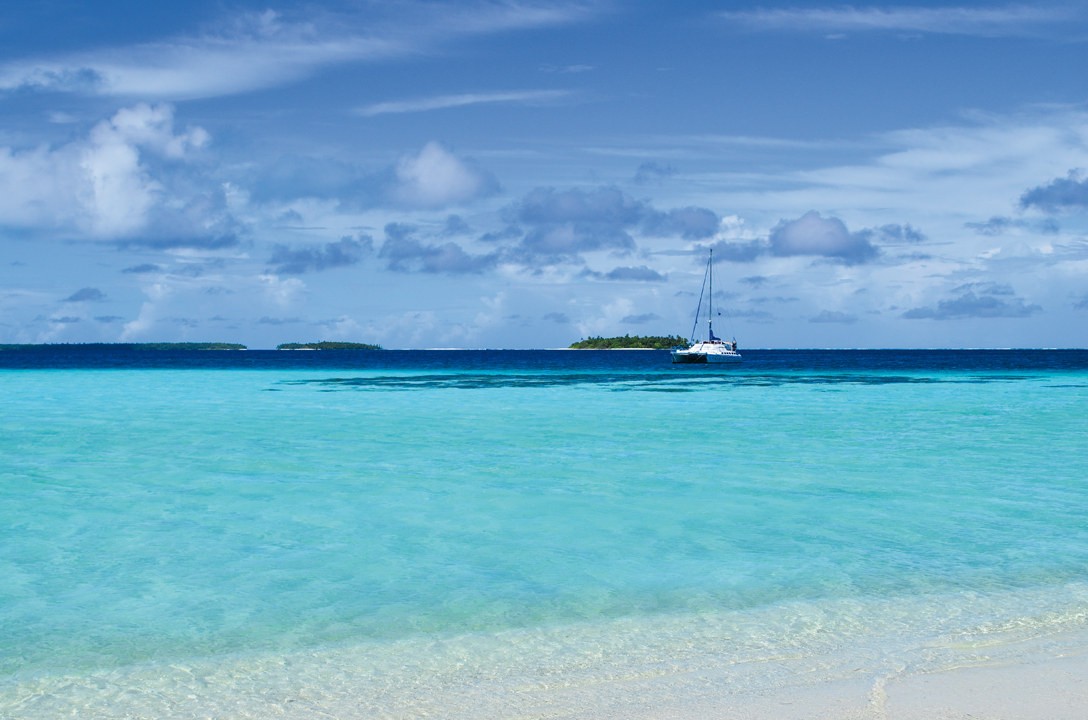
CHAGOS / BODDAM ISLAND
5° 21’.227S / 72° 12’.621 E
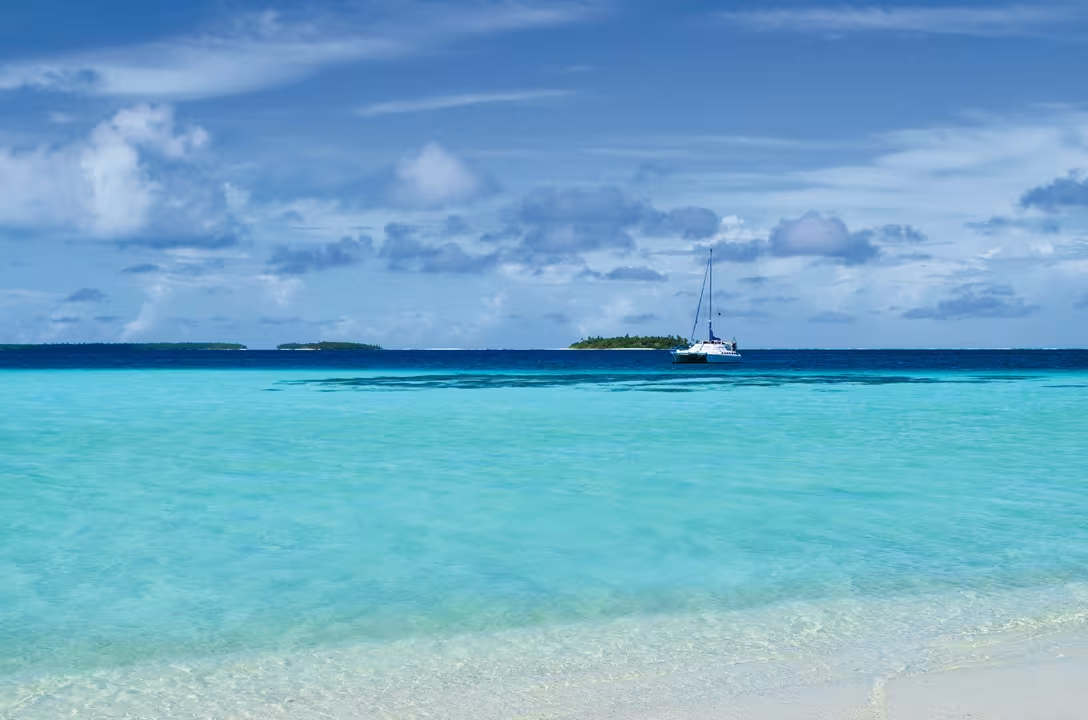
This is where everything begins, where humans have no hold over nature.
You will be anchoring in one of the most wonderful places in the world, where only twenty or so sailing boats pass each year, completely self-sufficient.
Just you, some sand, the coconut trees and out-of-the-ordinary flora and fauna.
The Boddam Island anchorage is strewn with reefs, you have to zig-zag between them to enter this Eden.
Be careful however to check your anchor well, as the seabed is a mixture of coarse sand and dead coral. Don’t hesitate to use two anchors; there are not too many problems as long as the wind doesn’t change direction.
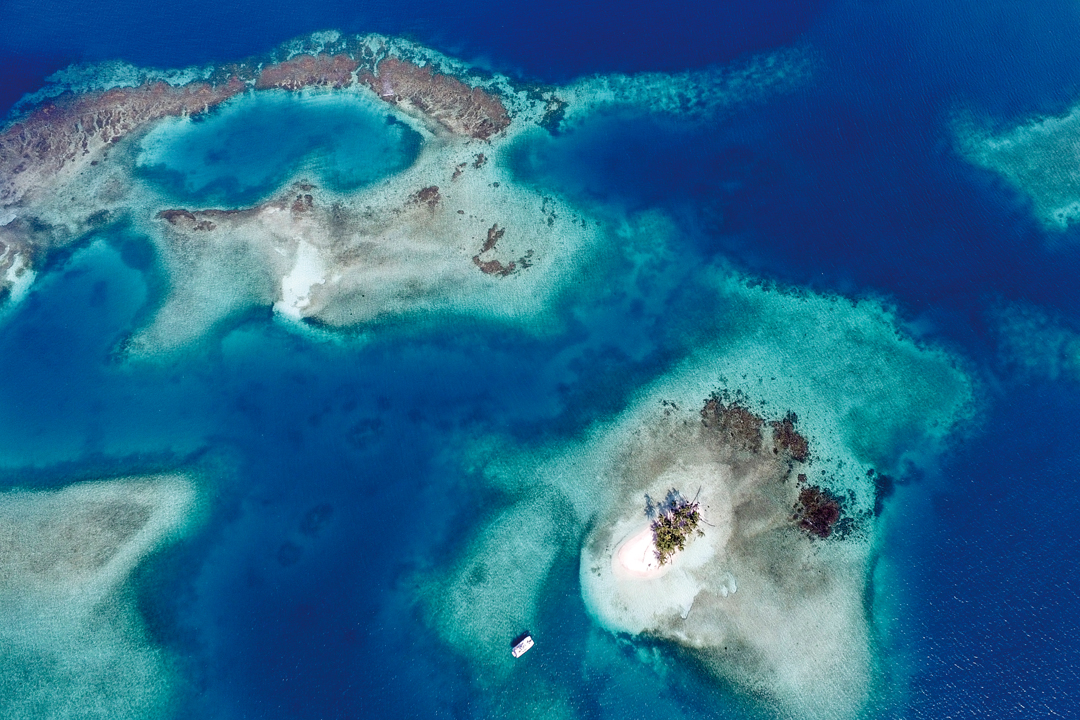
SAN BLAS / COCO BANDERO
9° 31’.003N / 78° 38’.881W
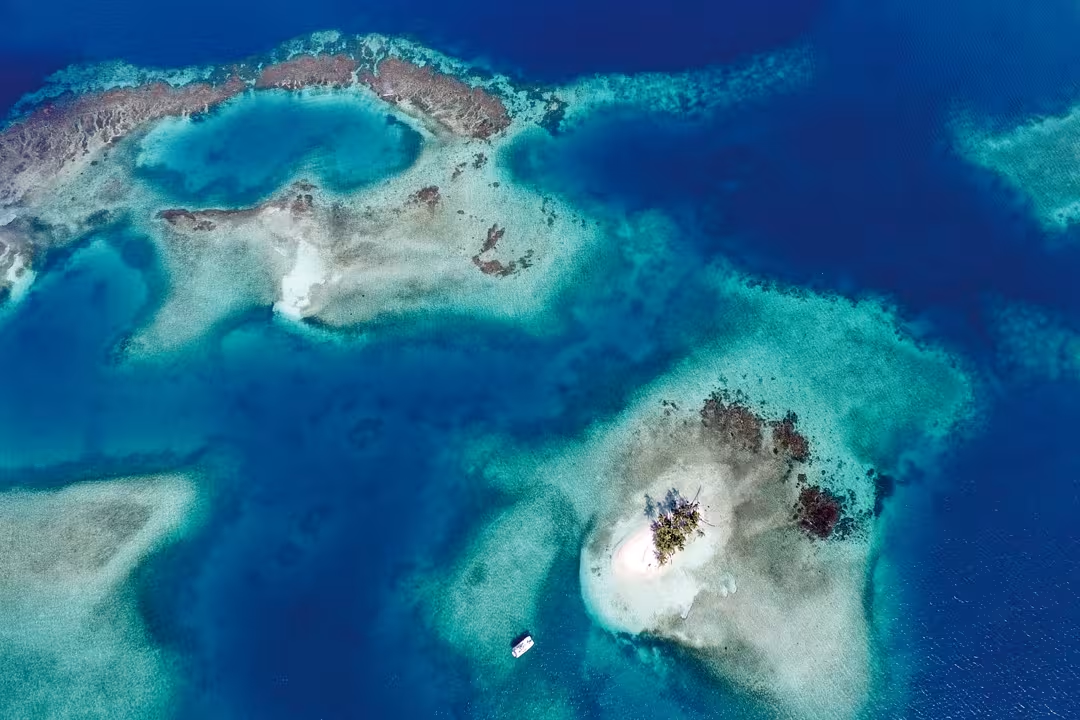
Islands among islands…hard to choose a spot to drop anchor, as the choice is huge. So you might as well try them all!
To be truthful, almost all the anchorages in the San Blas are rather nice! But Coco Bandero stands out from the rest: small islands with a few coconut trees which seem to fight a duel, and indefinable reefs.
Here there are really no specific anchorages, you are free to choose the spot which you like the most. The whole archipelago is protected from the swell, but not from the wind. This makes it a fabulous cruising area.
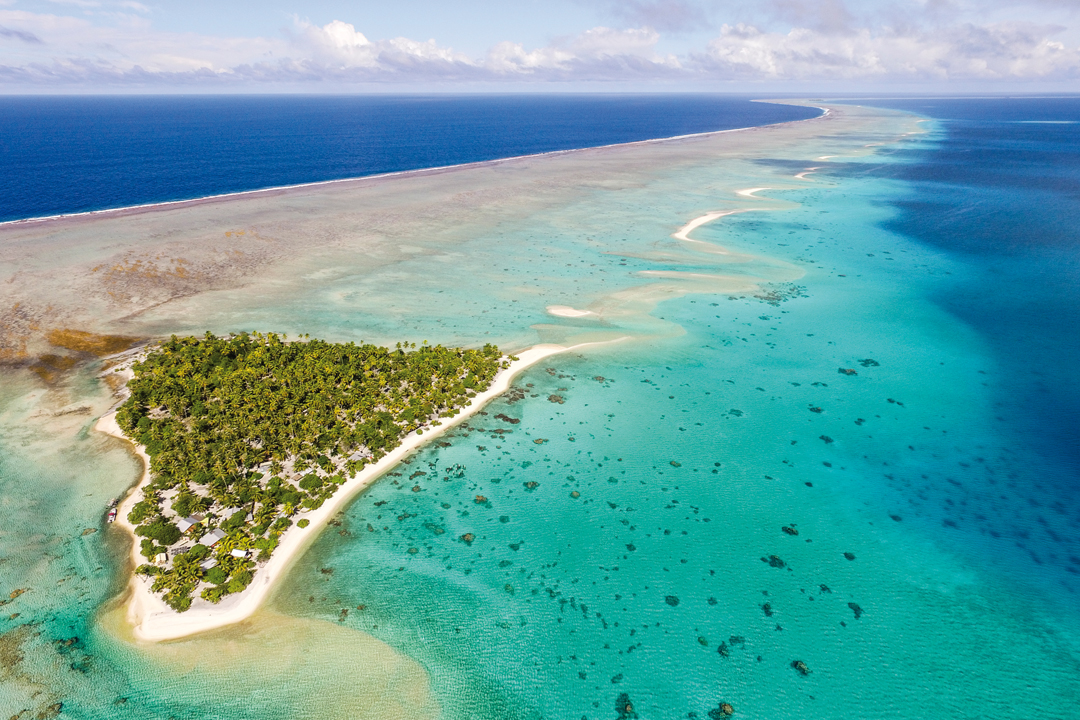
APATAKI / TUAMOTU
15° 33’.399S / 146° 14’.567W
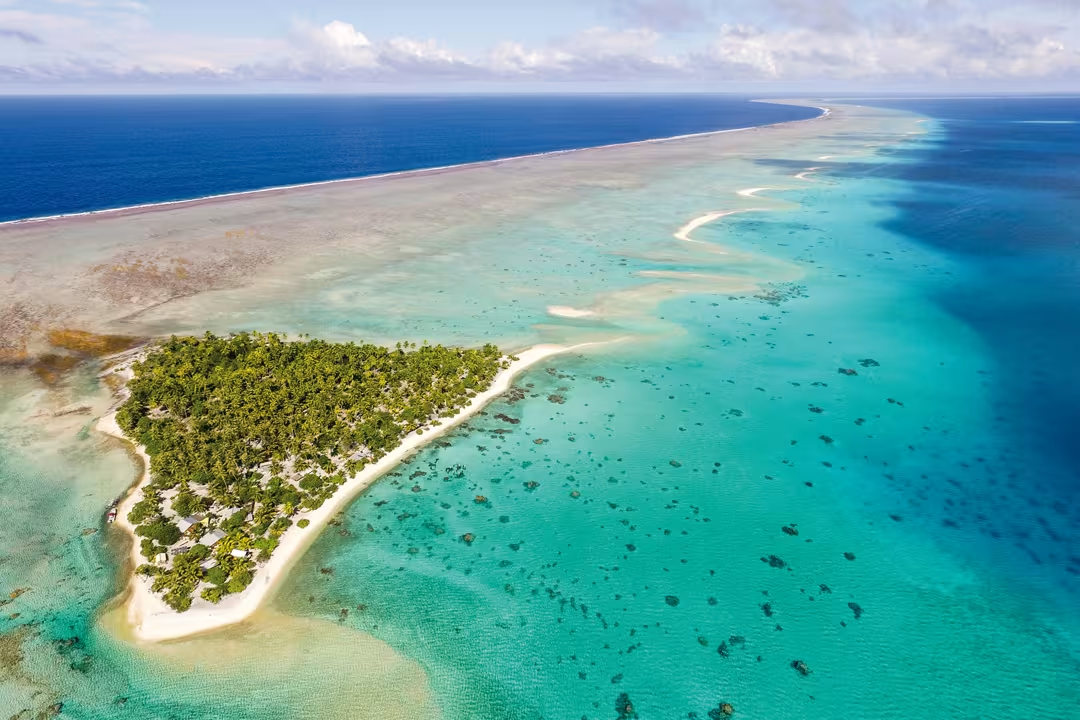
It’s rare that an anchorage in the Tuamotus is a bad one. Unless you anchor in a pass with three knots of current, I can’t think of one.
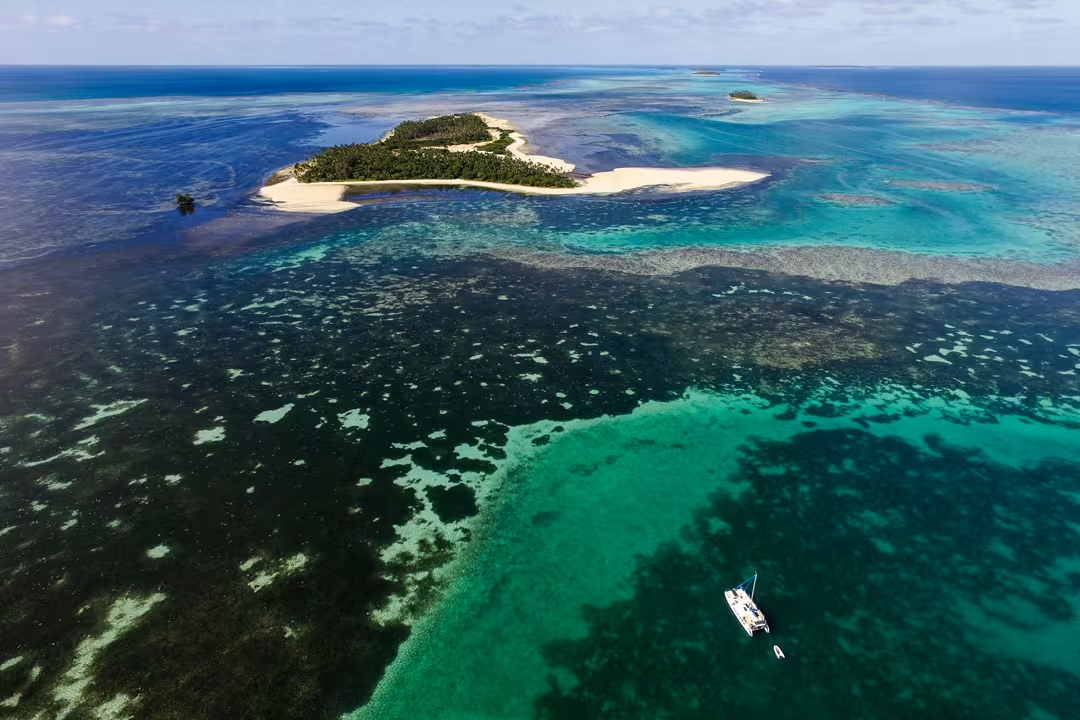
Apataki atoll is not to be missed, because of its beauty and translucent water.
Here you will also find the most incredible place in the world to scrub off your boat. What could be better than putting your boat directly on the beach, in a heavenly context!
The anchorage in question is at Totoro, in the south-east of the atoll, where you will be best protected from the trade winds. Relaxation, fishing, walks, are the main activities – what more could you ask for?
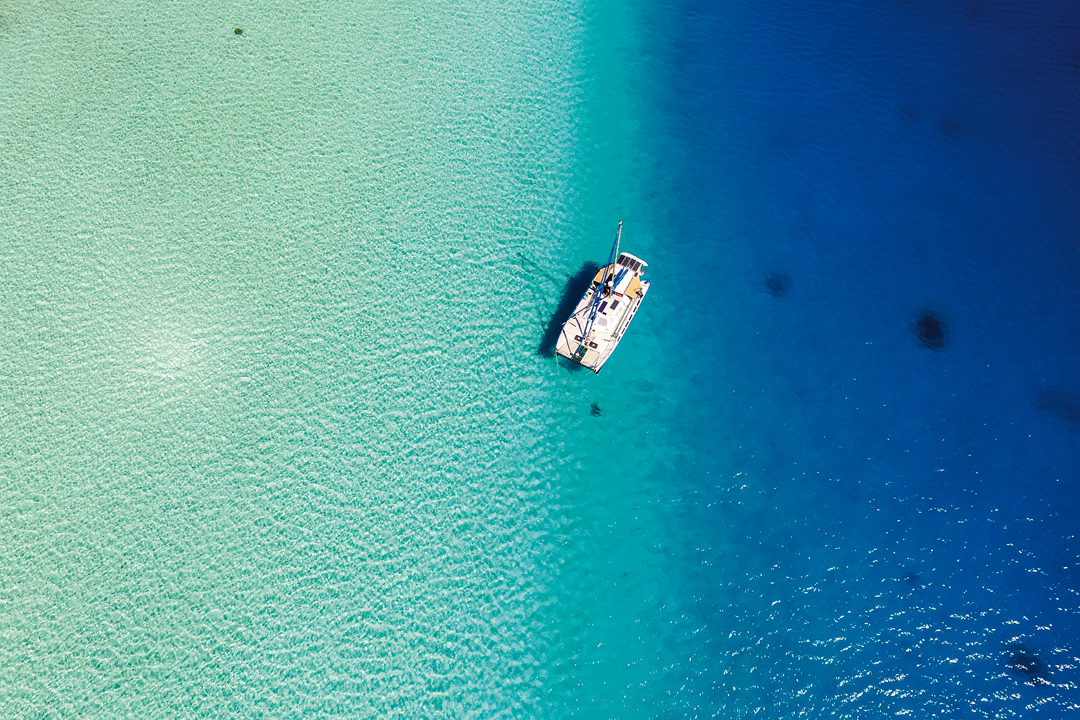
MAUPIHAA /SOCIETY ISLANDS
16° 49’.752S / 153° 55’.794W
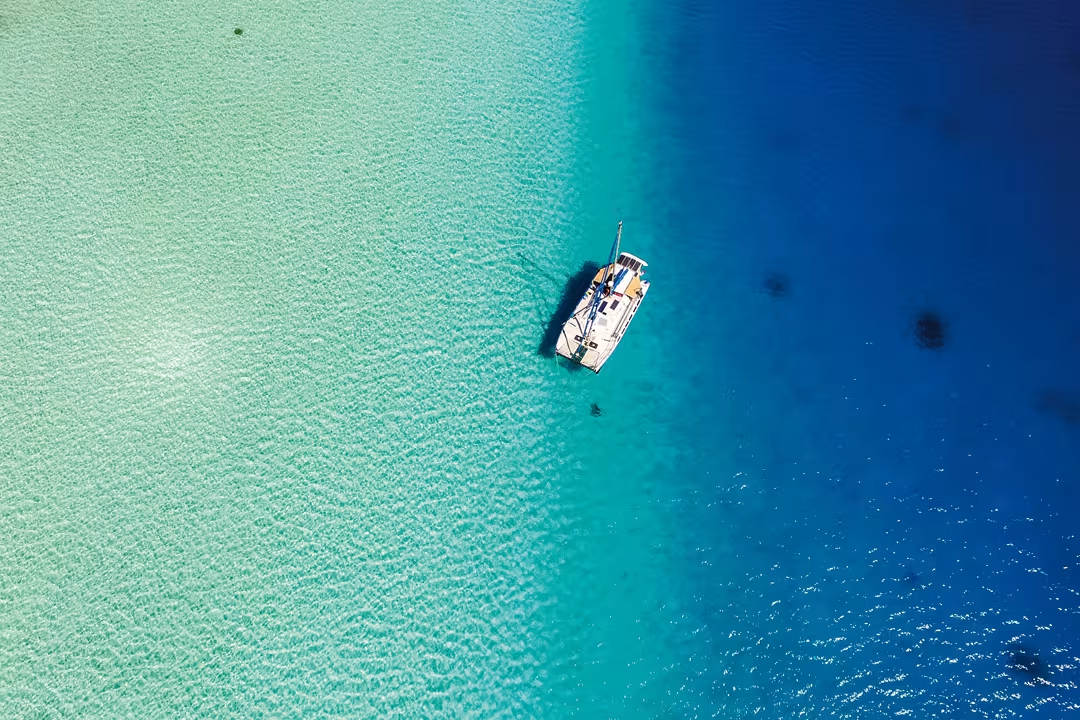
The ‘last’ atoll in the Society Islands. Among the lobsters and coconut crabs, you will get back to basics in this wonderful archipelago, if you are not there already. The few inhabitants of Maupihaa welcome you with open arms in a heavenly atmosphere, where fishing, fruit picking, laziness and copra are the main sources of preoccupation.
Copra here is crucial, it’s the sole source of income for the twenty or so resident Polynesians, purchased once every three months by the supply ship.
Above all, don’t hesitate to stay for several weeks in this little anchorage full of pleasure, which satisfies our thirst for discovery.
GADJI / NEW CALEDONIA
22° 31’.886S / 167° 25’.272E
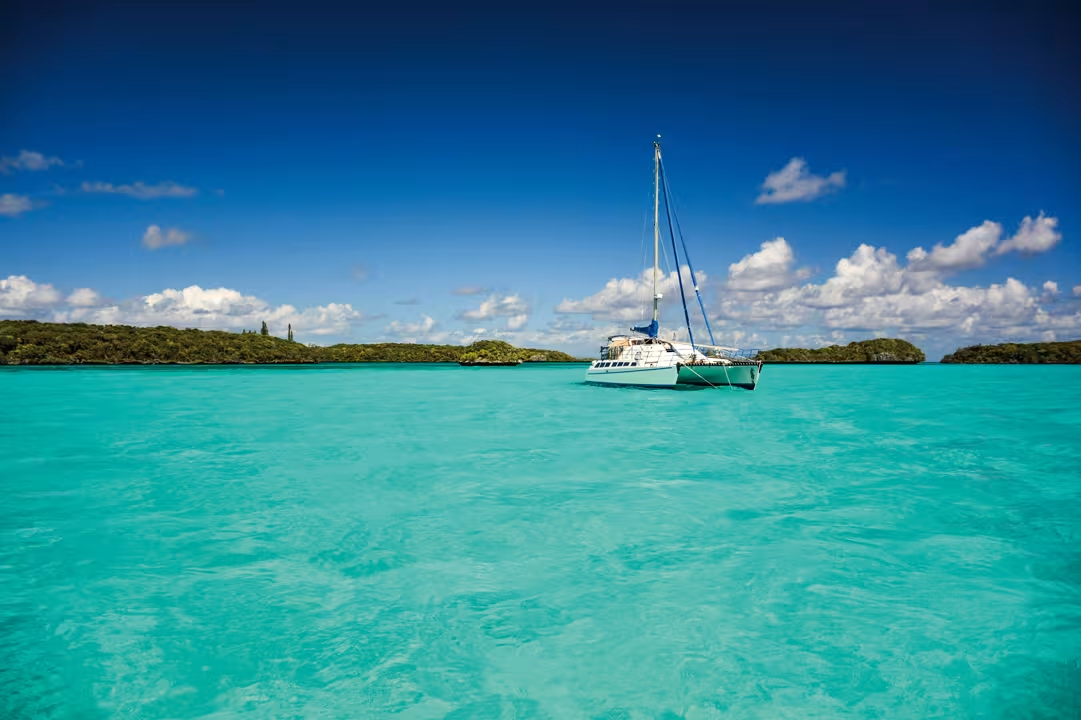
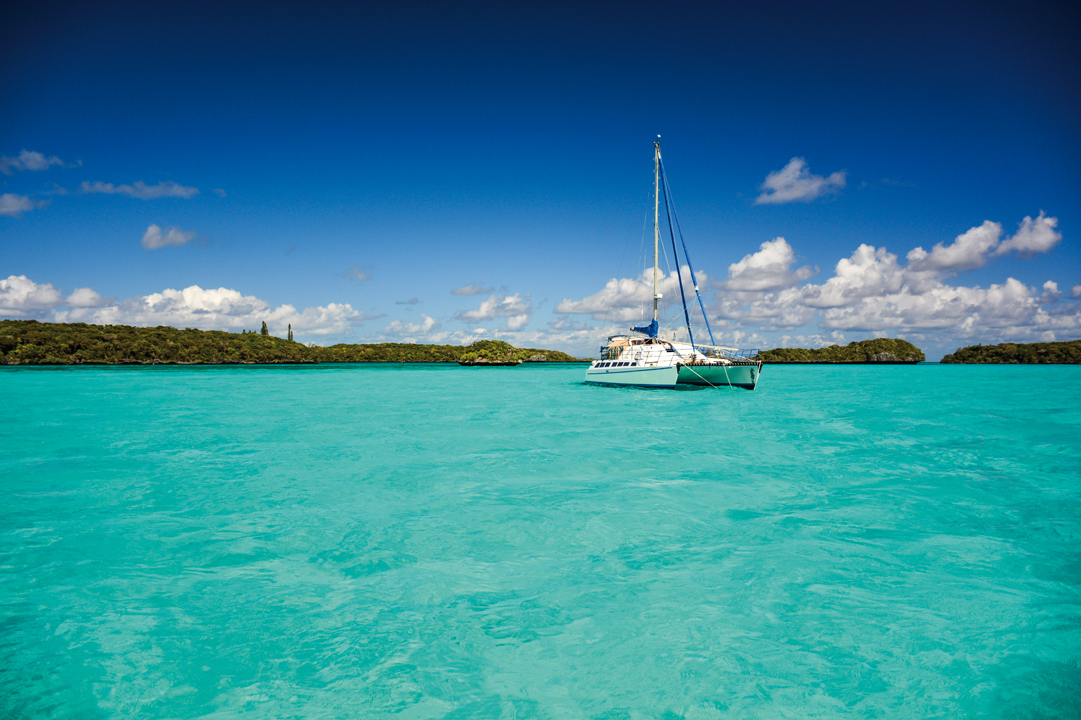
The Ile des Pins is a not-to-be-missed stop in New Caledonia, and more specifically Gadji Bay. You will drop anchor in two meters of water, where dozens of rays, turtles and sharks criss-cross the seabed, surrounded by pines and the fantastic ‘mushrooms’, eroded by the weather.
Most monohulls can’t enter the bay completely, as the entrance is rather tight and the echo sounder generally displays not very much under the keels.
But once inside, it’s almost a revelation, the place is so magical.
ONEVAI / TONGA
21° 05’.430S / 175° 07’.452W
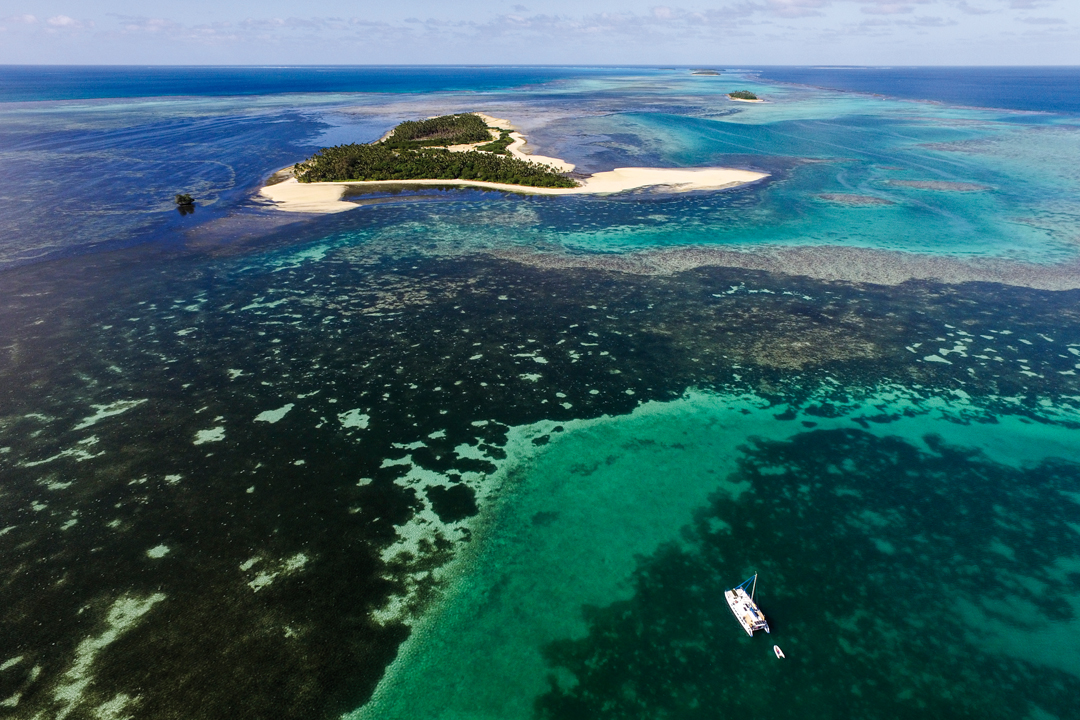
A peaceful little spot in the Tonga archipelago, more specifically in the Tongatapu atoll. Onevai Island is just a few miles from the port of Nuku’Alofa.
An anchorage with very good holding, in a holiday context.
Large plateaus of seaweed and stretches of sand are uncovered at low tide, leaving you to imagine numerous activities on the beach.
No will come to disturb you; in the distance, just a few fishermen cast their nets in the shoals of sardines.
AVES / VENEZUELA
11° 56’.766N / 67° 25’.090W
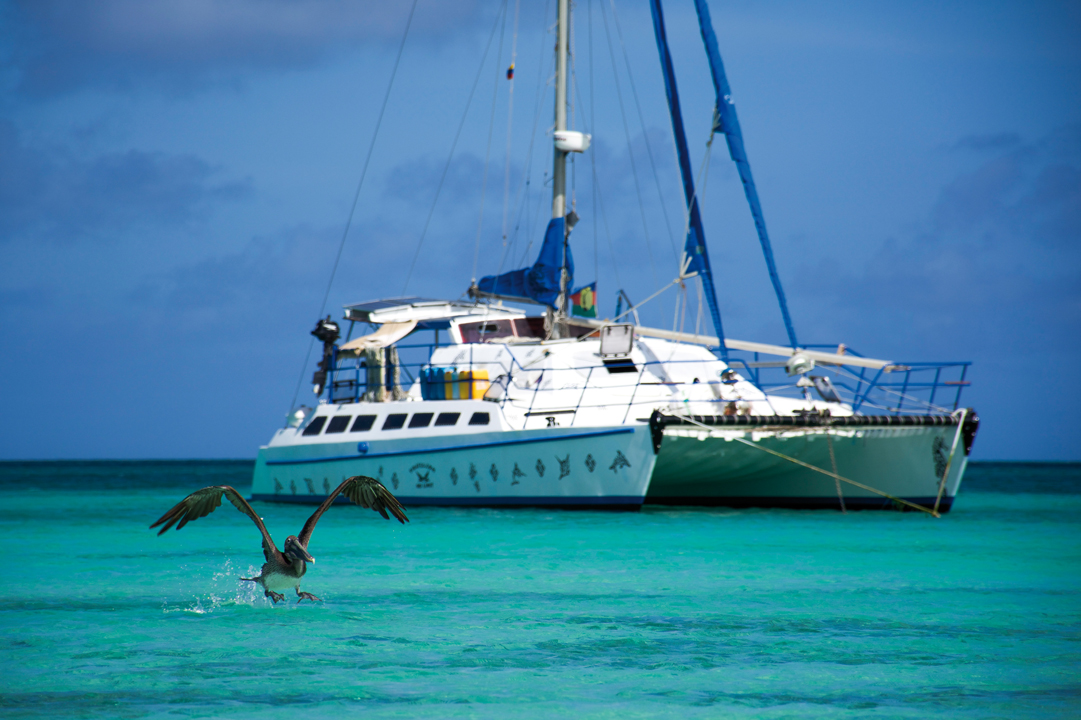
The contrasts of the blues are innumerable; a palette of infinite colors overhangs the Aves de Barlovento.
Each anchorage really is more beautiful than the last in Las Aves, where tens of thousands of seabirds nest in the trees and even on the sand.
But the one at Isla Sur is particularly special. The spray from the waves breaking on the coral reef cools the air. You are surrounded by long reefs, perfectly aligned with each other, which the flamingos fly over furtively.
GALHINOS / BRAZIL
5° 05’.589S / 36° 18’.099W
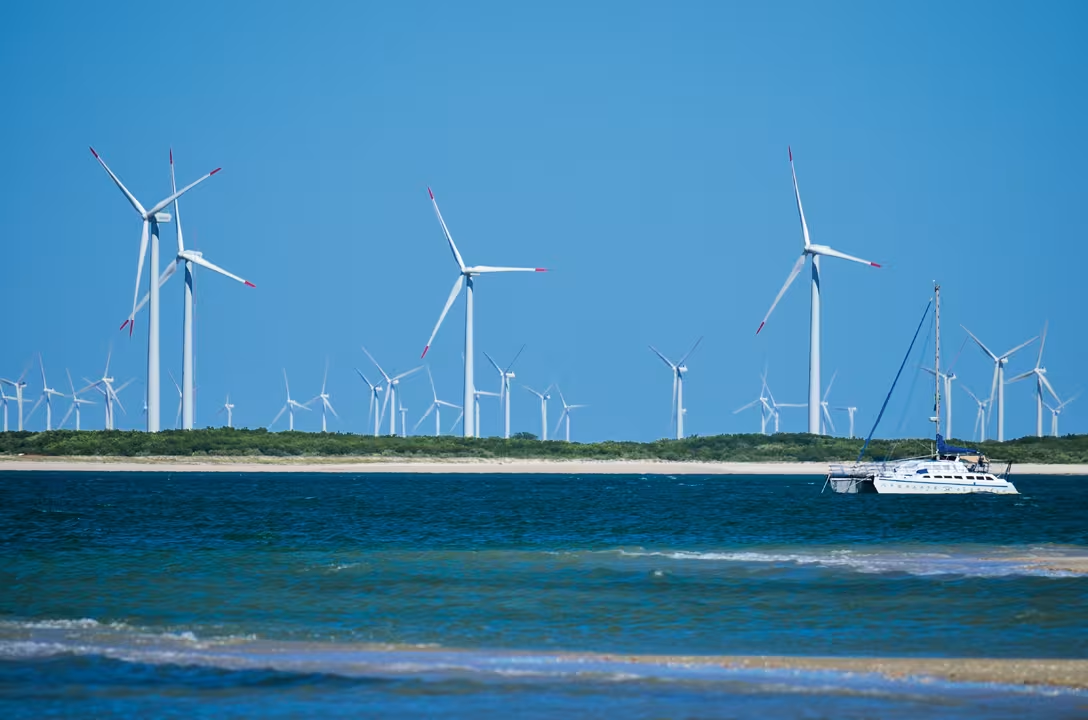
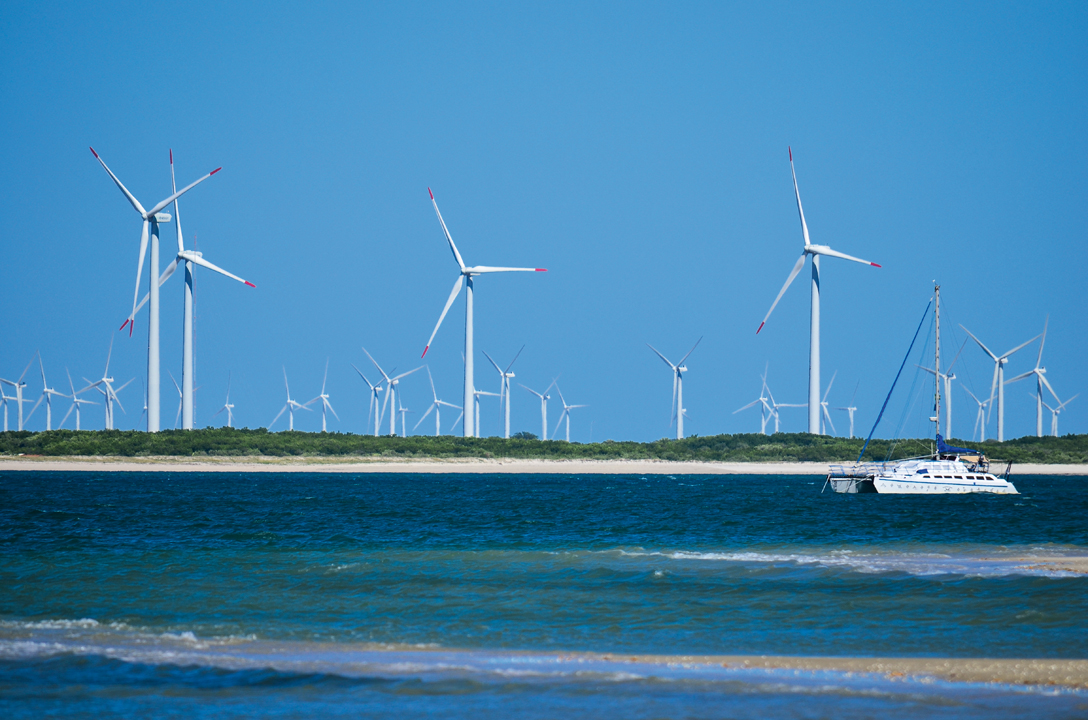
Between the giant wind generators and the sand dunes…you won’t find an anchorage like this every day. This is a very windy area, but Galhinos must be seen, at least once.
The locals offer several activities, such as for example a ride on the dunes on a donkey, or the rental of a buggy to cross the sandy mountains.
It isn’t a very touristy place; the authenticity here is visibly unchanged.
Two old men are sitting under a shelter made of dried leaves, observing the sea for hours on end, enchanted by the immeasurable blue.
ILE RONDE / GRENADA
12° 18’.768N / 61° 35’.275W
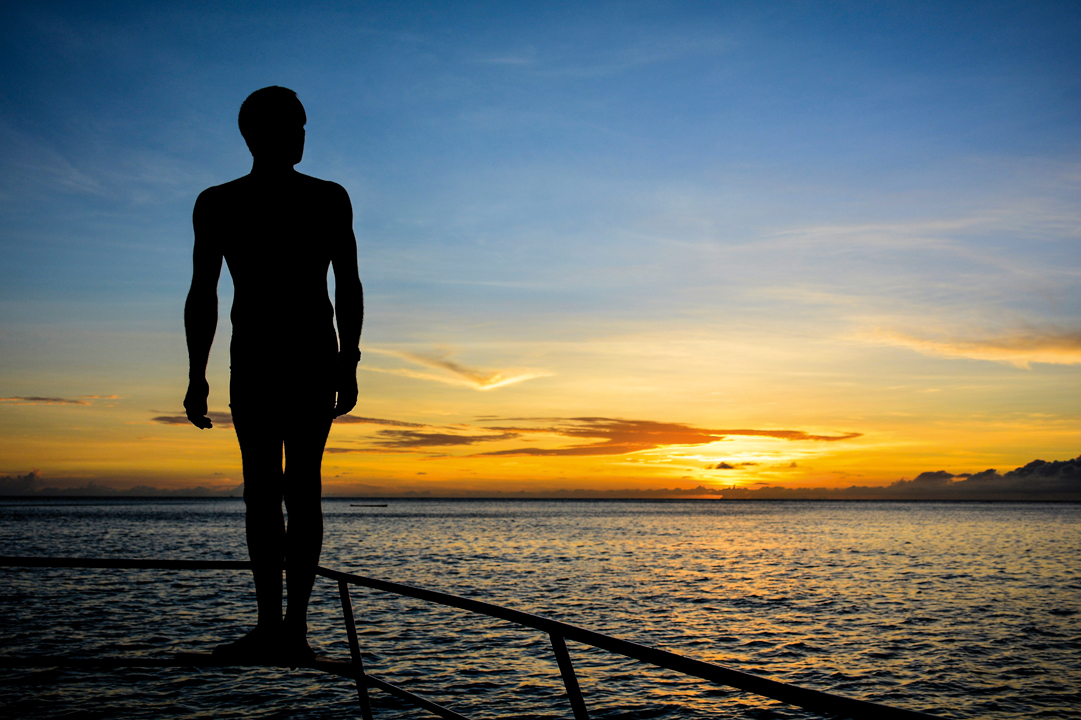
To escape from the West Indian bays which are overcrowded with boats of all kinds, you have to find a place where the sea is a bit rougher, and which as a result has a bad reputation, and so much the better… We’re not fussy when we’re in a cat!
The Ile Ronde, to the north of Grenada is quite exposed to the swell, but is very well protected from the wind; as a result, nobody comes here. Yet it’s a wonderful spot, which ultimately isn’t unpleasant, despite a bit of rolling.
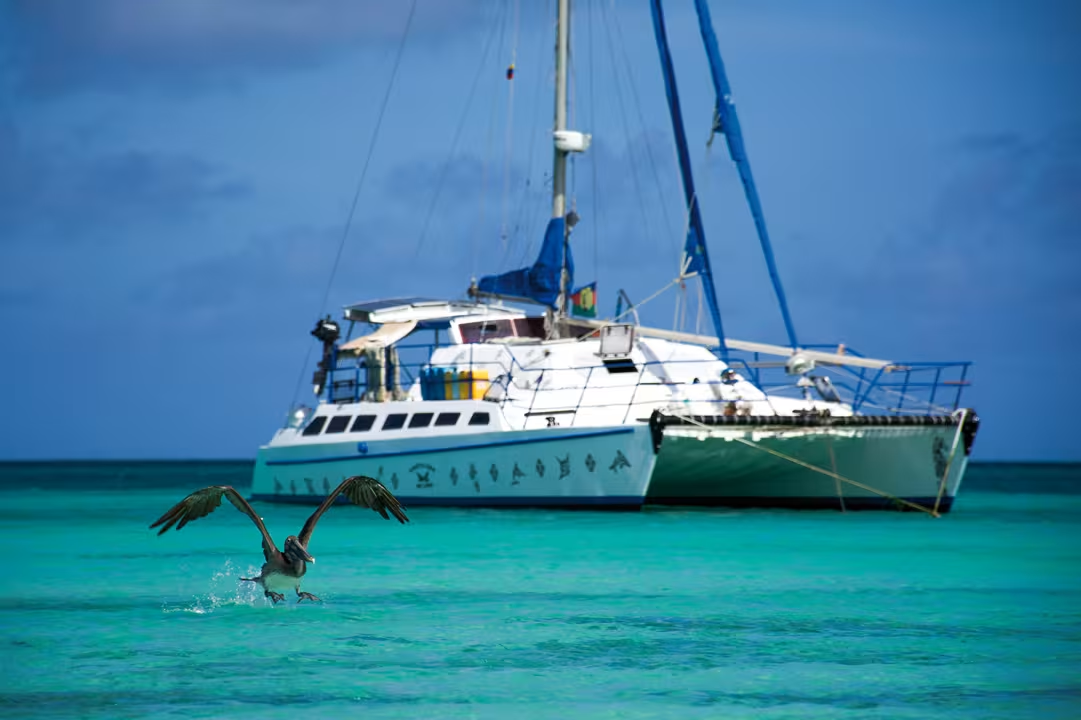
It’s a real concentration of nests, where several species of bird reproduce.
Pelicans, frigates, gannets or boobys; you just have to appreciate the mouth-watering odor of guano…
The seabed is also full of life; it is very nice for snorkeling or diving.
MORAMBA BAY / MADAGASCAR
15° 49’.219S / 46° 02’.464W
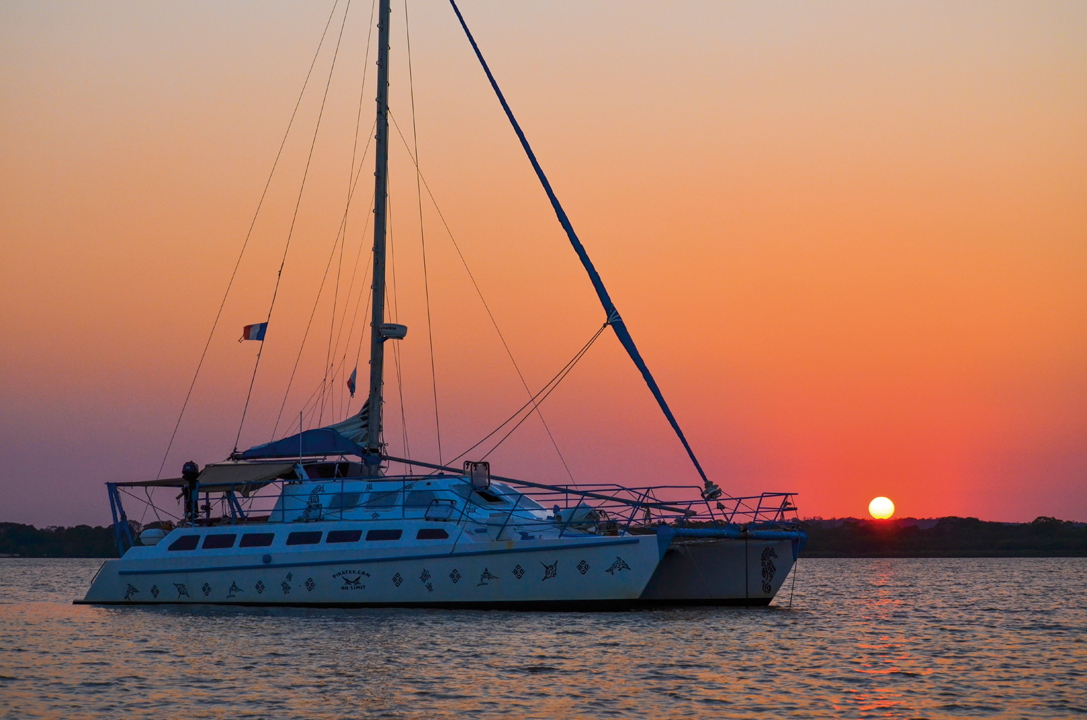
This unique bay will cast a spell on you, for certain.
You will be alone in the world, surrounded by hundreds of baobabs, in which several species of lemurs do spectacular acrobatics.
An excellent anchorage, sheltered from all winds and all swells. You will just have to do without your swims, as the sea has turned dark brown. Which is sad moreover, as a few years ago, the water was very clear. The cause, overfishing of the sea cucumbers, whose work consisted of filtering the particles now seen.
Nevertheless, it is an absolutely mythical place, and behind each baobab, you will perhaps discover something out of the ordinary.