

The city of Amsterdam has announced a ban on gasoline-powered vehicles for 2025. On the French Riviera, the removal of polluting fumes in the ports is targeted for 2030. These are just two examples among so many others, but they illustrate the awakening of conscience that is seizing our decision-making. The major players in the industry are investing heavily in hydrogen production to make electric mobility viable and meet these ambitious goals. To succeed in this energy transition, solar and wind, representing only 2% and 4% of energy production respectively, are waiting to be deployed on a large scale. But if this is the case, to optimize their fluctuating production, the surpluses that would not be consumed directly could be used to produce hydrogen, by electrolysis, in order to store this clean energy. While 95% of hydrogen comes from fossil fuels, electrolysis of water currently represents only 4% of the hydrogen produced and less than 1% is from green energy (solar, wind, tidal) discharging no CO₂. We achieve a virtuous cycle by only using oil for the parts that make up the equipment.
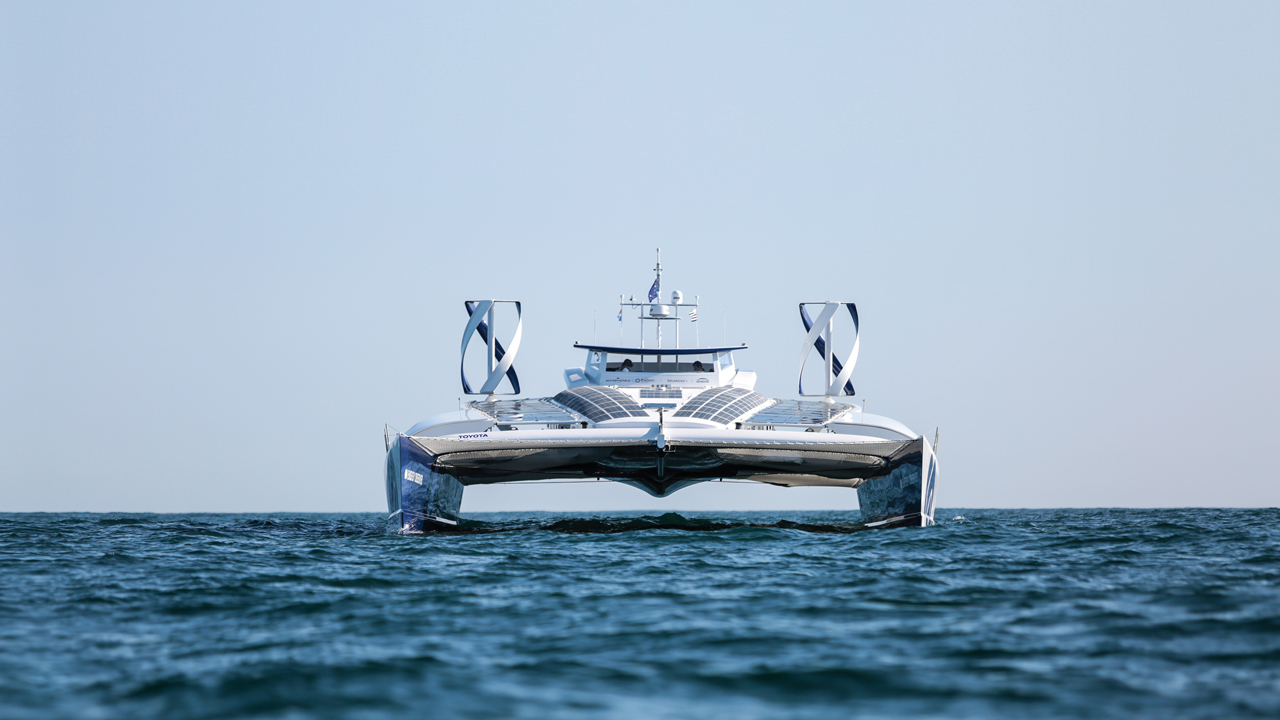
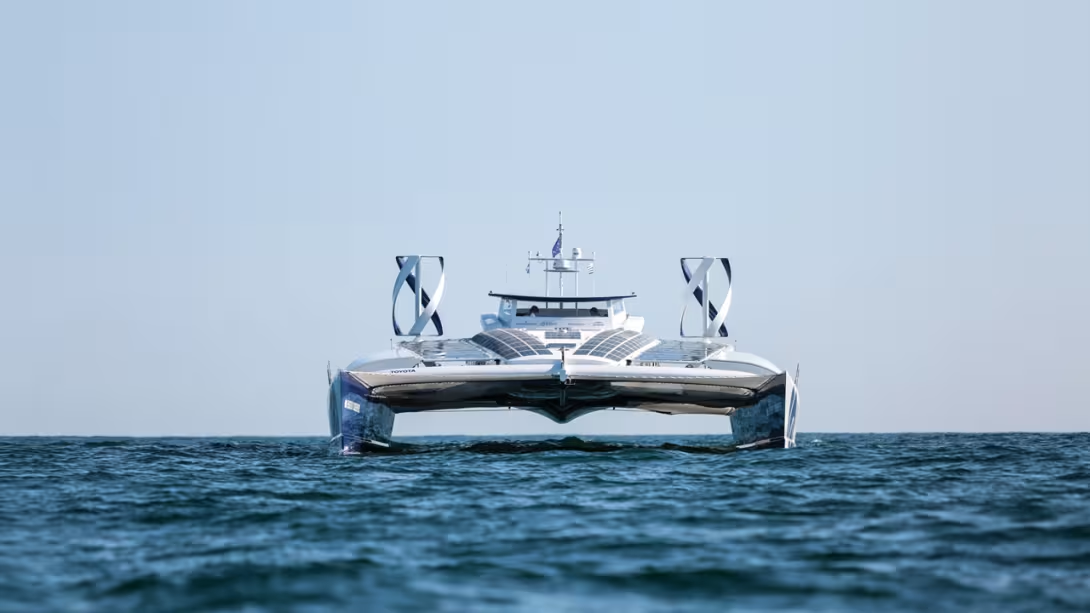
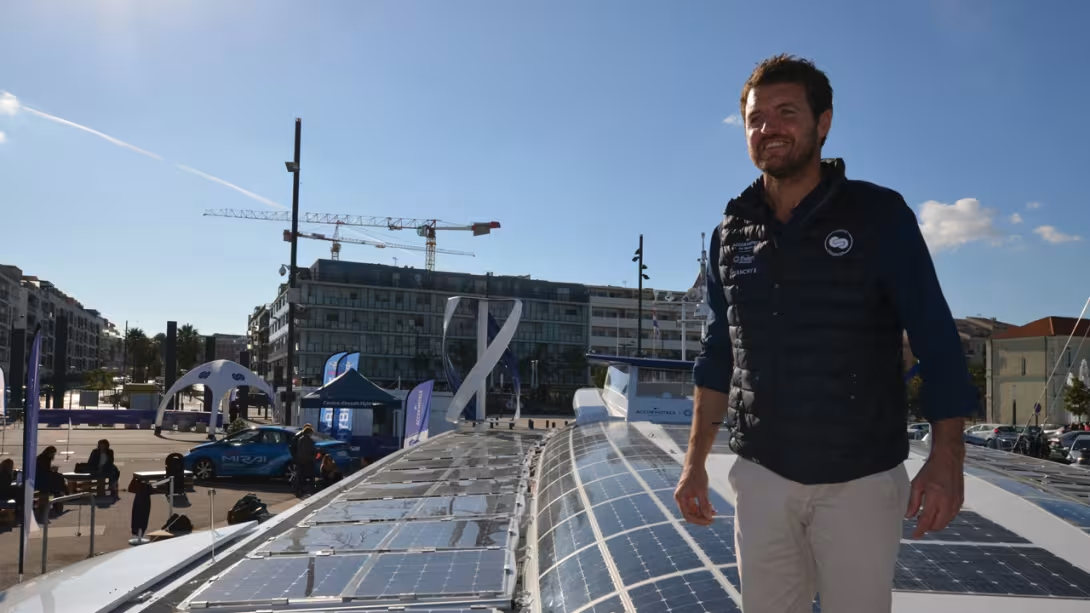
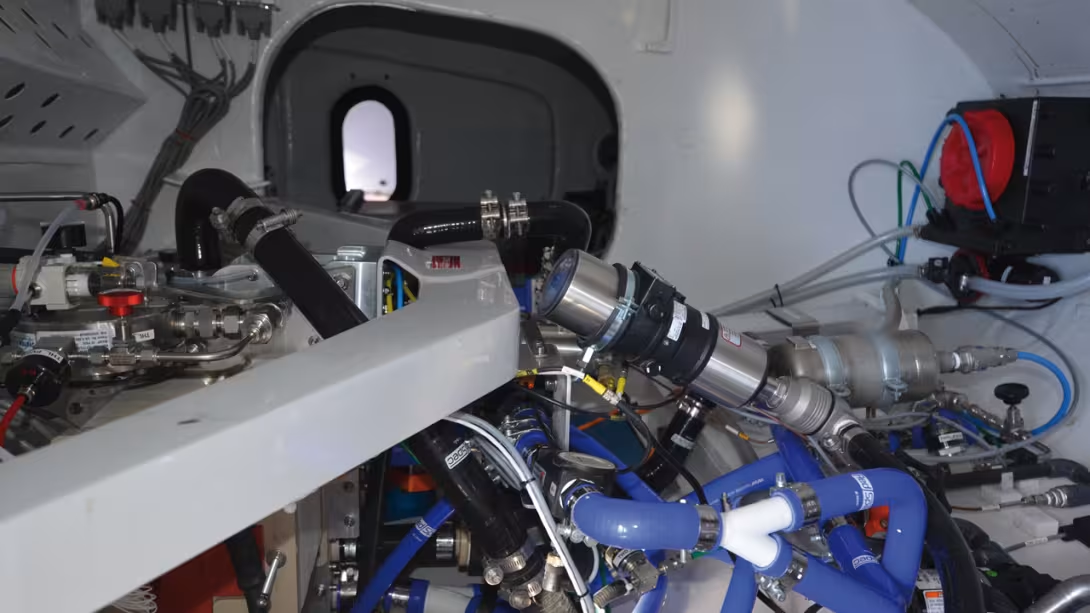
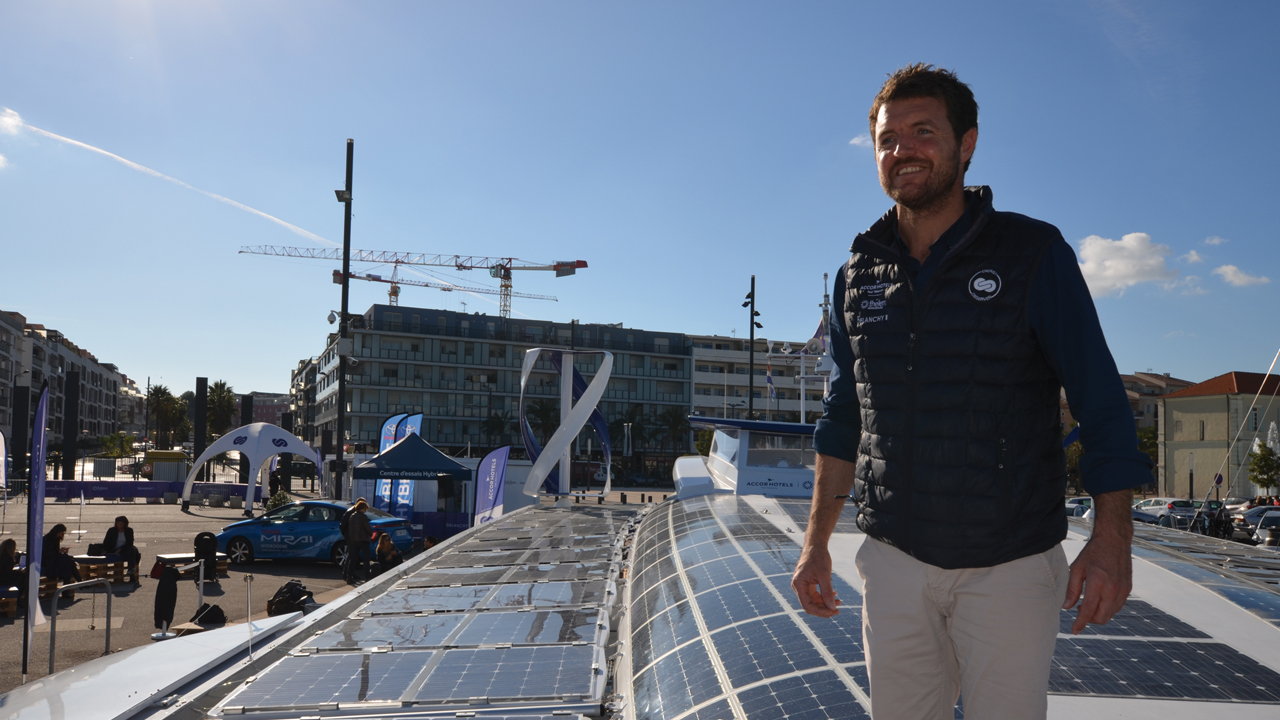
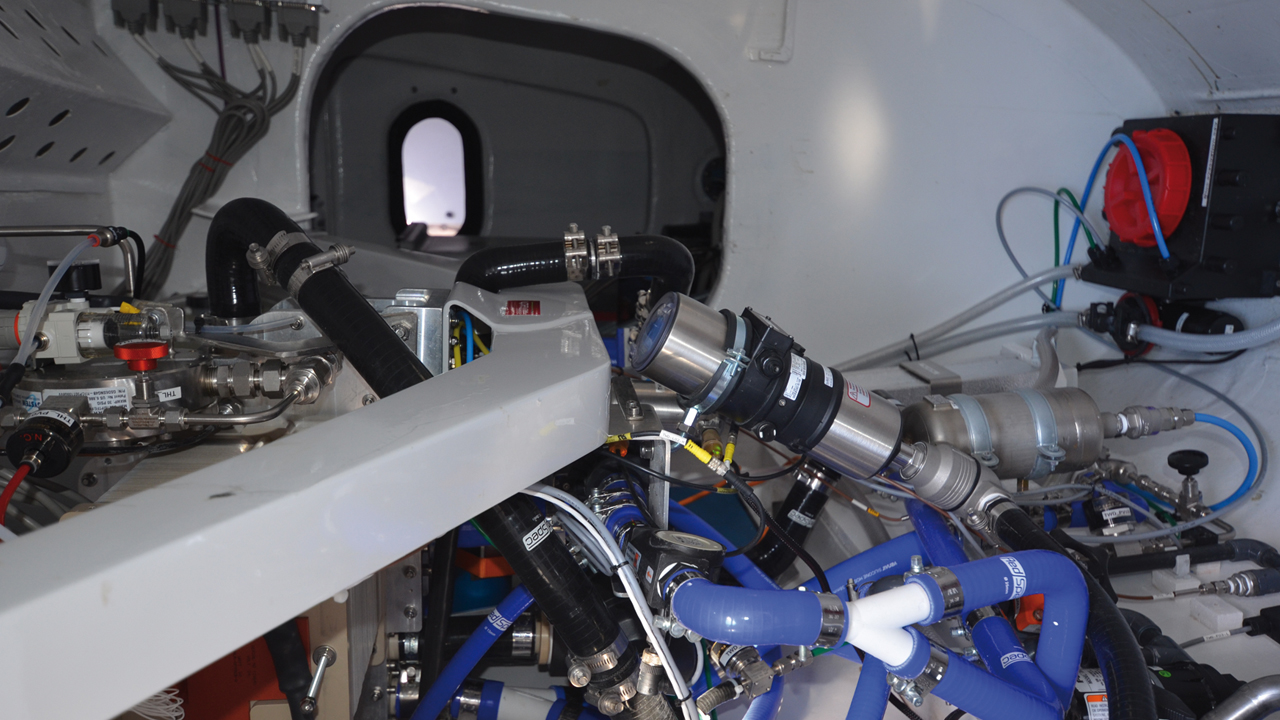
An electrolysis mill, using the flow of the river, is being experimented with on the River Seine. The path to non-damaging energy is still very long, but it’s by following the adage: "the best way to anticipate the future is to create it" that we will get there. Victorien Erussard aboard Energy Observer, a 30-meter catamaran (former Tag Heuer and then Enza), has been inspired by this principle with the help of the AEC (Atomic Energy Commission). An electrolyzer installed on board works with the energy provided by the 130m² of solar panels, two wind turbines and propeller shafts in hydrogenation mode when it sails using a kite or a wing. The hydrogen thus manufactured is stored under high pressure in special tanks. Then, if necessary, the 2MWh at 350 bar they contain are converted back into electricity by a fuel cell before being reintegrated into the battery circuit to serve for propulsion and on-board life. All without noise. Certainly the yield is still very low because it takes a lot of electricity for electrolysis (about 5 kW of electricity to get 3 kW) and after a year of sailing around France, without any use of wind power, self-sufficiency at a speed of 5 knots has been reached, but only for a few days. The goal after six years of cruising will be to achieve full autonomy at a speed of 8 to 10 knots. The challenge is big, but Victorien says it himself "in six years’ time, the boat won’t look like it does today, the technologies will be updated on board as they are developed." According to him, a decade seems to be the minimum period to obtain a realistic cost / performance ratio of such a system for mainstream use. Because of their volumes, we will be dependent on land mobility markets, which alone can lower costs. But this is off to a good start since the price of Lithium batteries has been halved over the past three years. With more than 80,000 vehicles planned, and 250 stations by 2020, hydrogen fuel cells should follow the same path. The Energy Observer initiative is contributing, for the maritime side, to our future independence from fossil fuels.
A question of behavior
So how does this affect our boats? Surely a bit out of reach for the likes of us? It’s true that our own electricity consumption on board has tended to increase in recent years (see table of consumption). The daily needs for a 45' catamaran are around 400 Ah at 12 volts, or 4.8 kW. As things stand, even if we use led bulbs and switch off our tablets, this will not be sufficient.
On the other hand, hydro generation has not yet proven itself. As for electric drive, it’s in full development, but its consumption remains significant (between 5 and 12 kW at 5-6 knots, see table) and because it is still rarely seen, the lack of servicing or back-up in far-flung regions makes us apprehensive. All the wonderful reasons for having it could be backing us into a corner... before we realize that there’s no way back. Why not move towards silent power? All the progress is just waiting for our will and our ingenuity to develop it. The latest developments are clearing on our horizon (see Multihulls World n° 156). More efficient wind generators, hydro-generators operating at low speeds, new semi flexible solar panels which are better suited for fitting to coachroofs, fuel cells running on methanol and rejecting only water, and recently the photovoltaic fabric able to be used on sails and awnings, all form an energy mix which respects the environment. From now on, this arsenal of energy supplies, used together, can produce more than our domestic consumption requires.
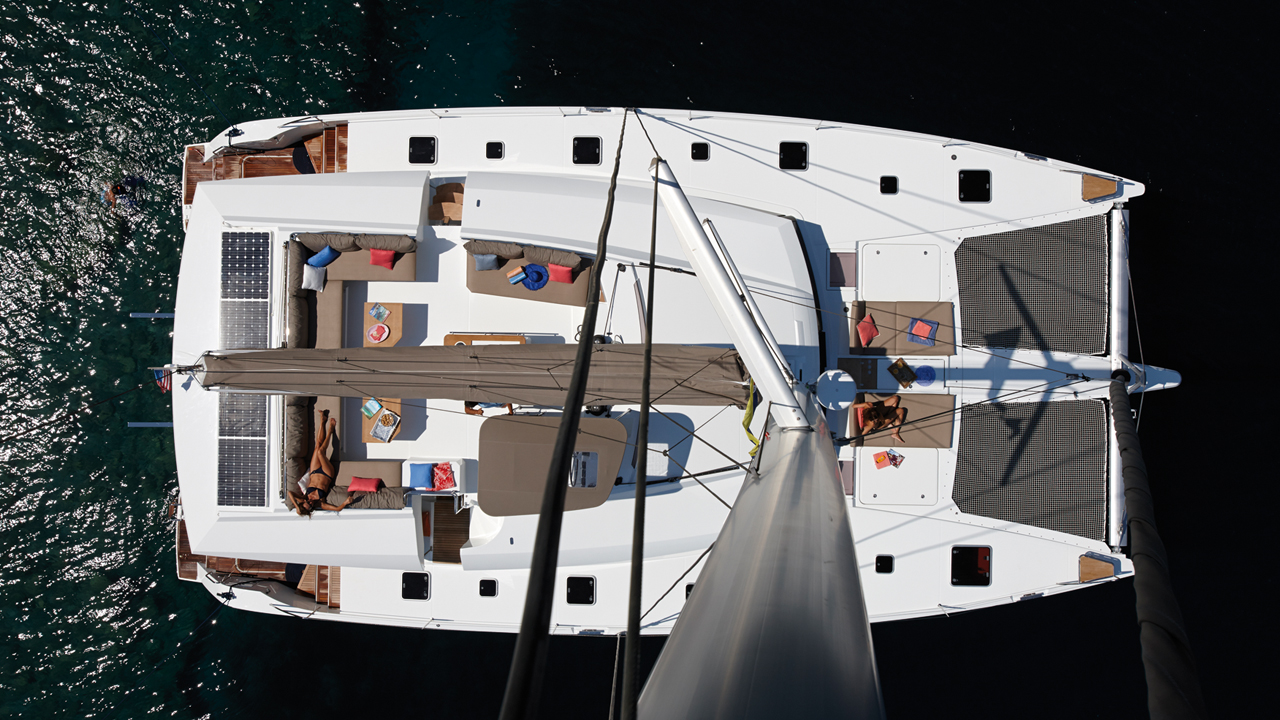
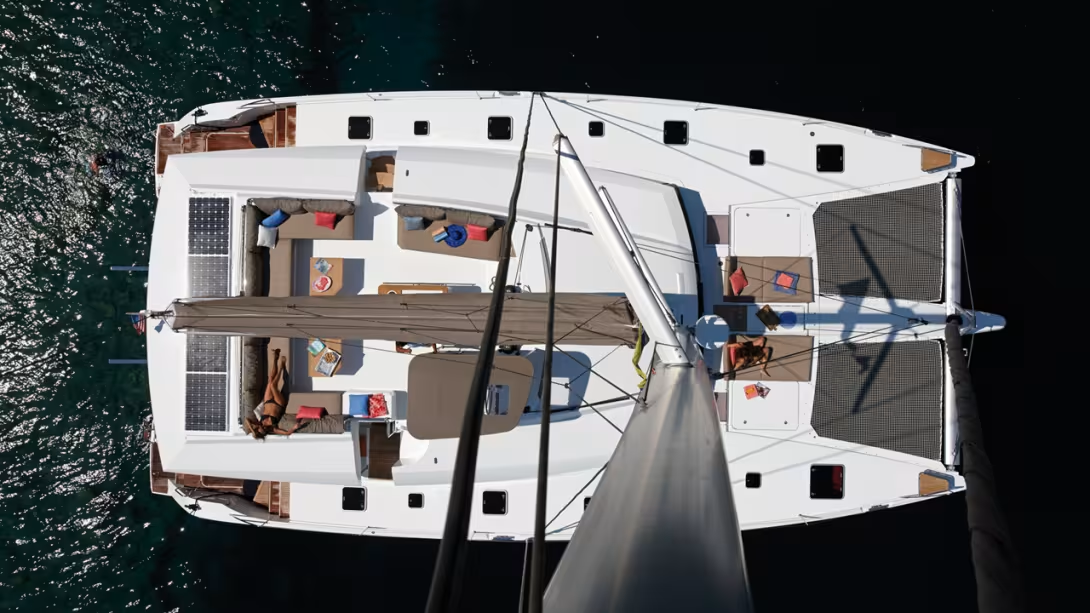
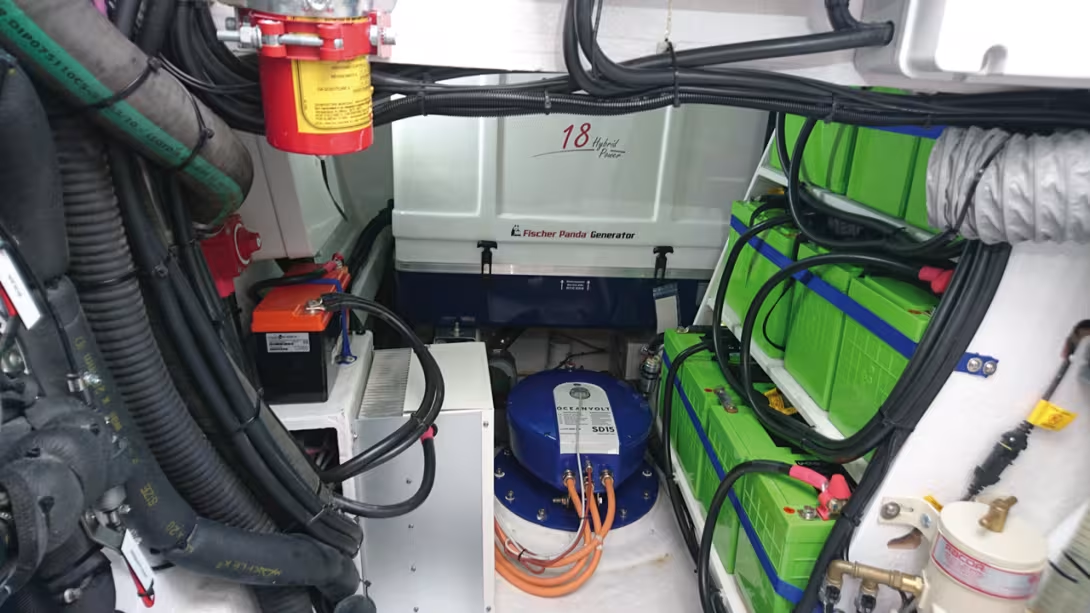
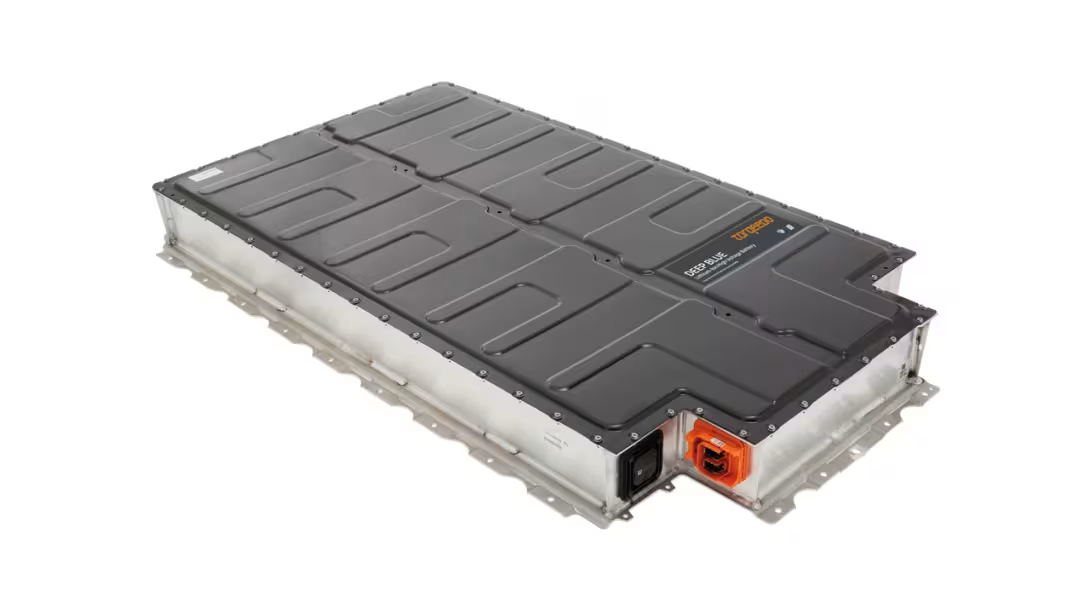
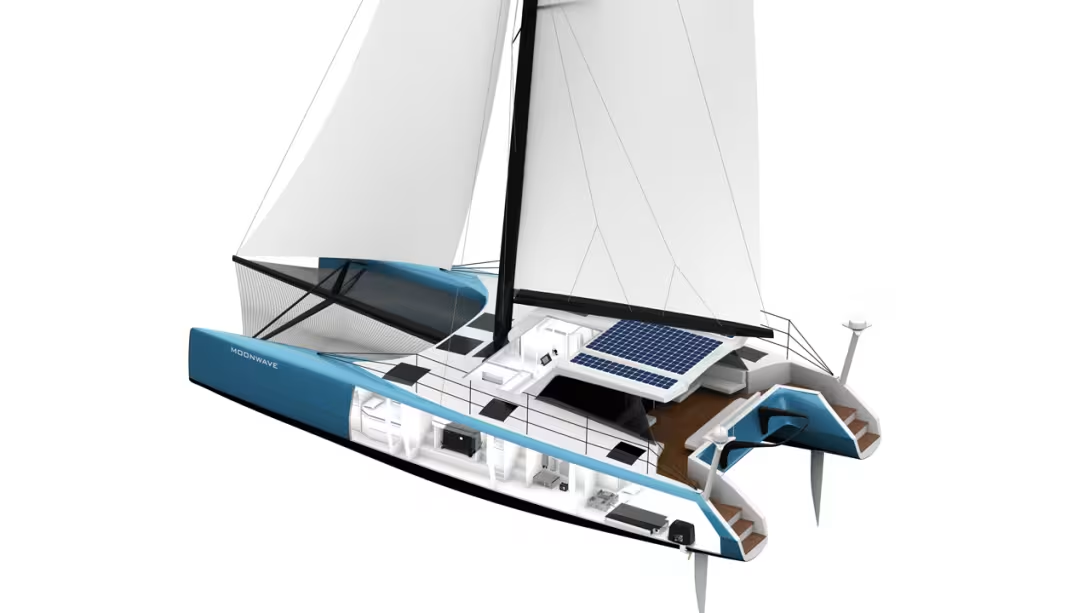
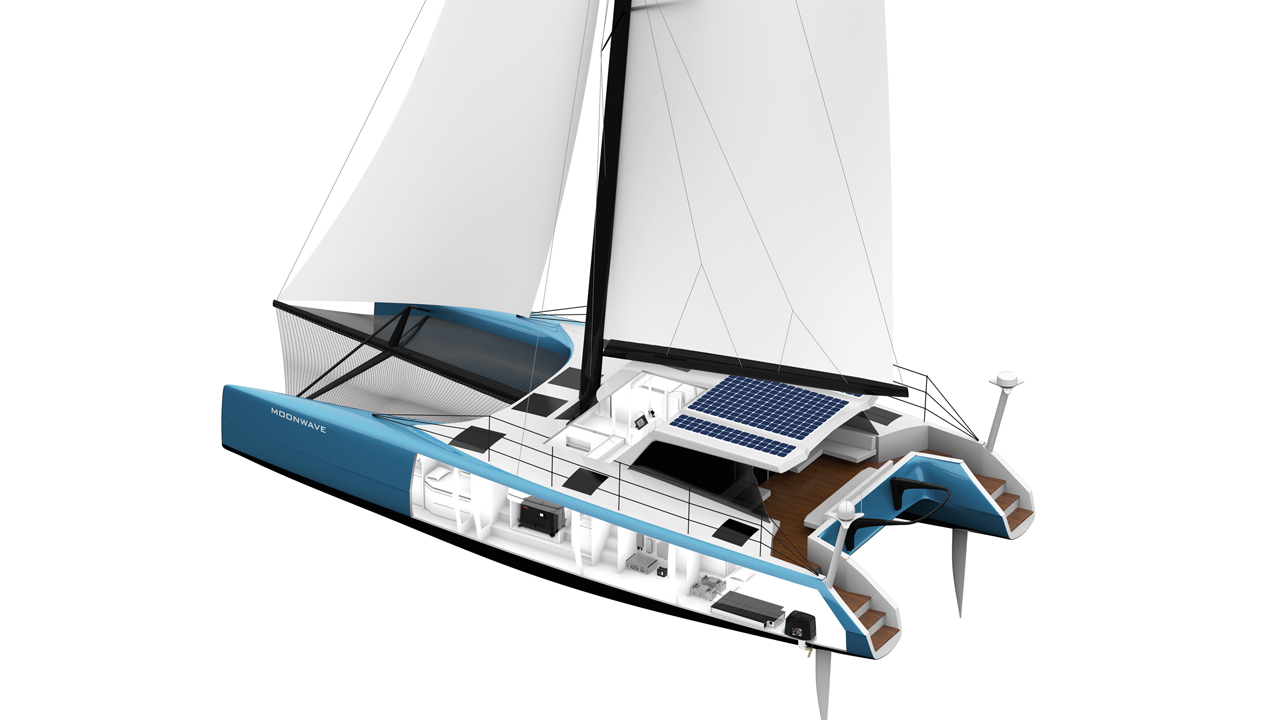
Enough not to have to fire up the generator. And even allow electric propulsion for a few hours, well beyond just getting out of the harbor and the channel, as it currently allows. Because storage and management have also evolved, not only are lithium batteries half the price but their weight continues to reduce and we can now have a power of 5 kWh weighing in around 50kg. Modern monitoring systems continuously manage the available power and can alert you with an alarm or turn on the generator automatically. With 300 kilos of batteries, which wouldn’t be exorbitant on a 45' catamaran there would be enough to “sail” for between 5 and 10 hours depending on the model and conditions. Therefore, hybrid propulsion is becoming a possibility especially as the intrinsic characteristics of catamarans are quite advantageous. The available space for solar panels is very large and of course, having two hulls is a decisive asset.
Learning how to design and to sail again
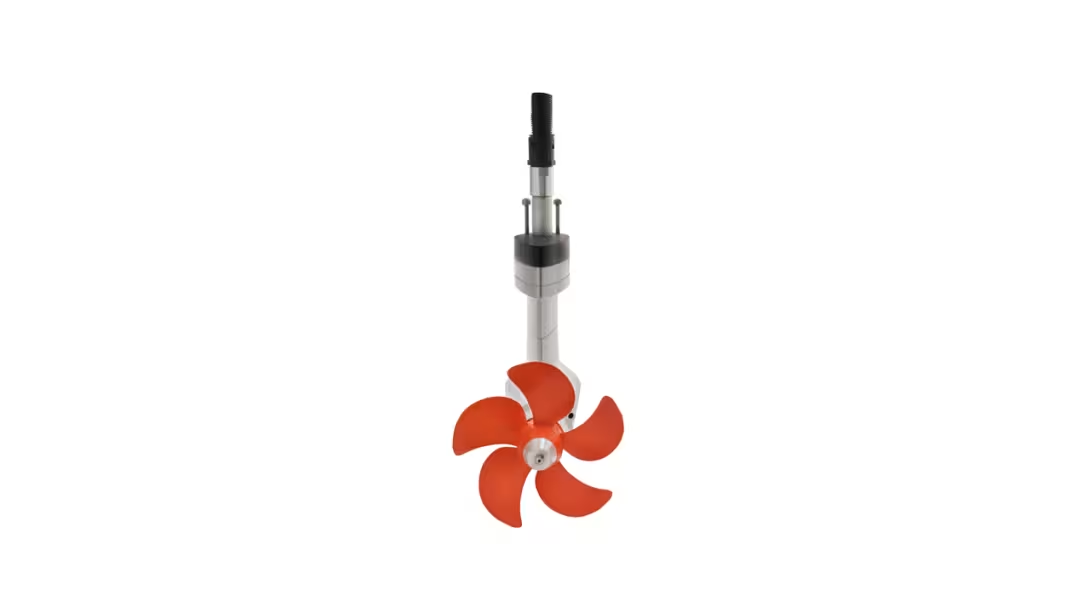
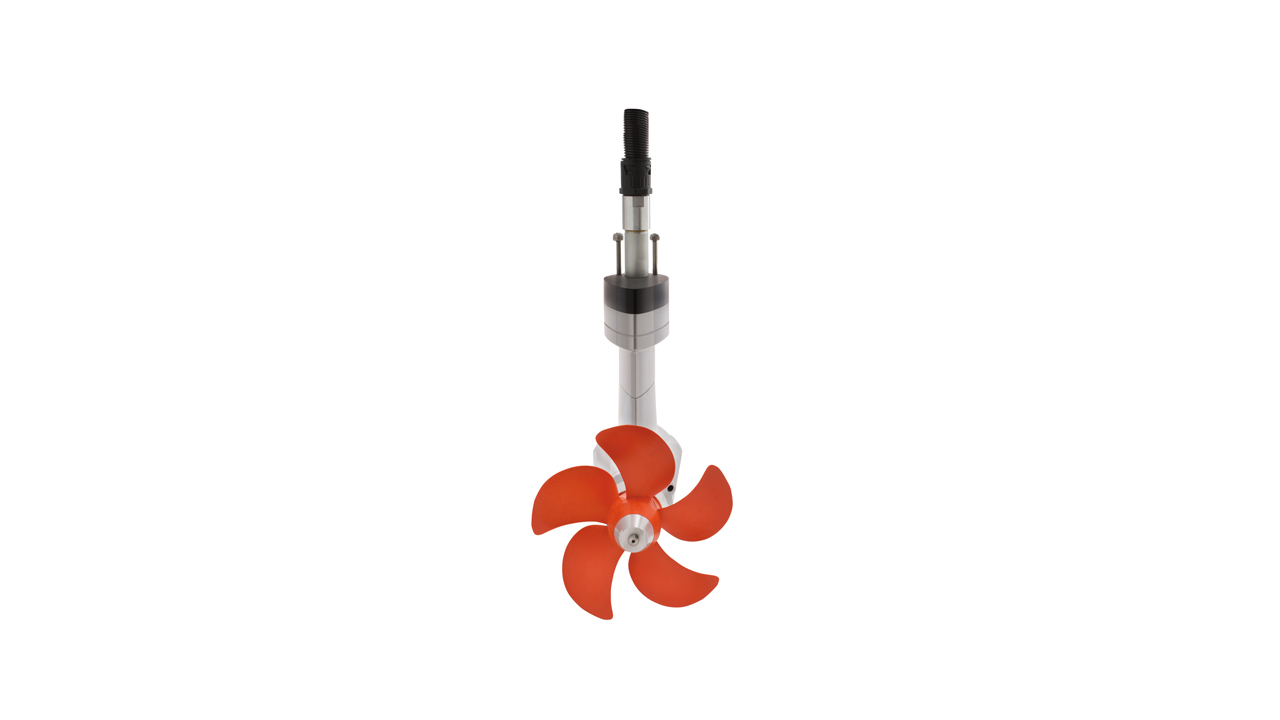
It’s obvious that the energy contained in one liter of crude oil (1 l of gasoline equals 9 kWh, or 3000 l of hydrogen at atmospheric pressure) has made us, over the last hundred years, a little removed from certain dynamic realities. Clearly, electric propulsion is much more sensitive to weight and resistance to progress, whether structural or cyclical. For a 45 footer, the difference in consumption between a lightweight catamaran at 8 tons creating little wake or another at 15 tons with every domestic comfort aboard, will be tripled! Similarly, we see on consumption curves that one knot more results in the doubling of the consumption and the increase is exponential as soon as one exceeds 70% of the hull velocity. The result of this is that, for most production boats, to achieve a reasonable range, the speed will be around five knots. For Marc Van Peteghem (of designers, VPLP) the challenge on the architectural front is exciting "foils that add drag at low speed will not have an effect when don’t get up on the plane, something which is the preserve of lightweight models, but the design of the hulls, yes, that will". So, some real serious reflection on materials and techniques to reduce weight is going to be essential. Progress on power transmission in the water with variable pitch propellers and gearboxes will become paramount. But in the meantime, if you want to achieve that elusive and sacred extra knot, you’re better off planning your sailing taking into account the parameters of current, tides and winds that you’ll encounter en route. Because the sea conditions and the apparent wind angle can largely change the situation. So when coming back into the wind and sea, the effort expended increases, keeping the speed the same. Conversely, with the wind on the beam, you can gain another knot with the same rpm and even consume less power thanks to way being carried on. New mathematical reasoning, if you like. Concretely, if you imagine yourself living the normal life of the average yachtsman over 24 hours, two situations are to be taken into consideration when away from port, where shore-power will be in charge of keeping the batteries topped up.
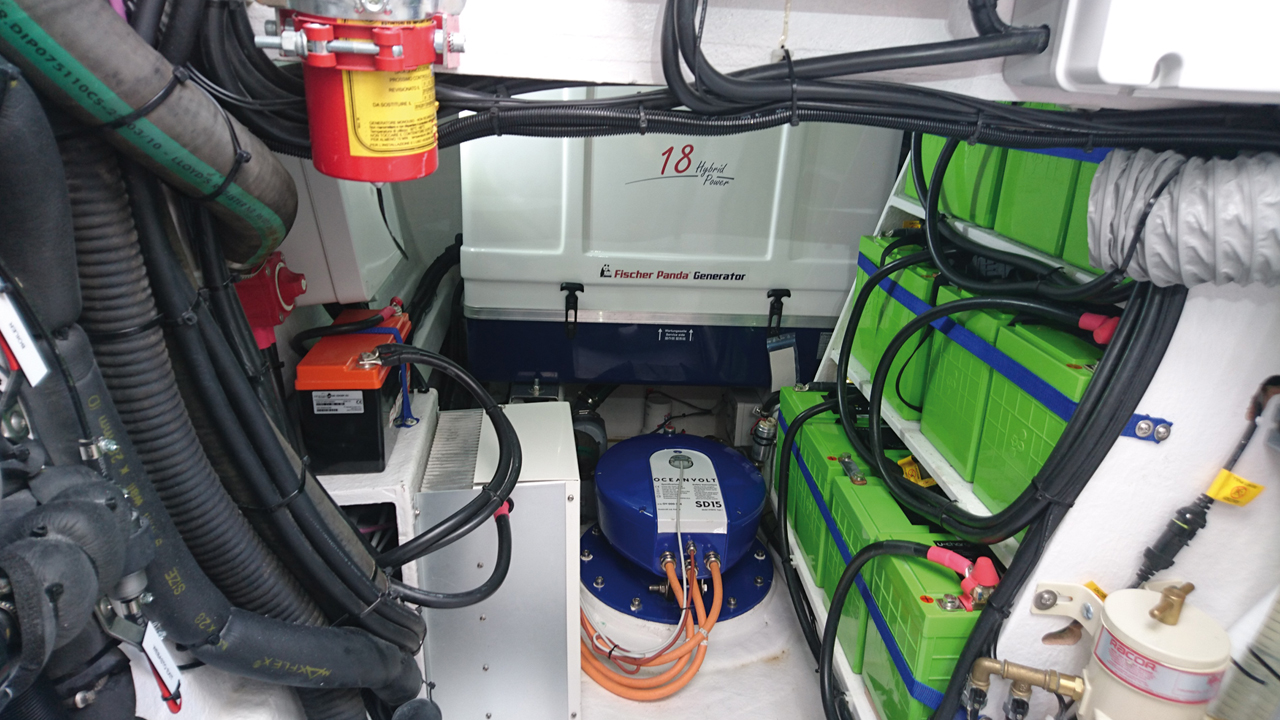
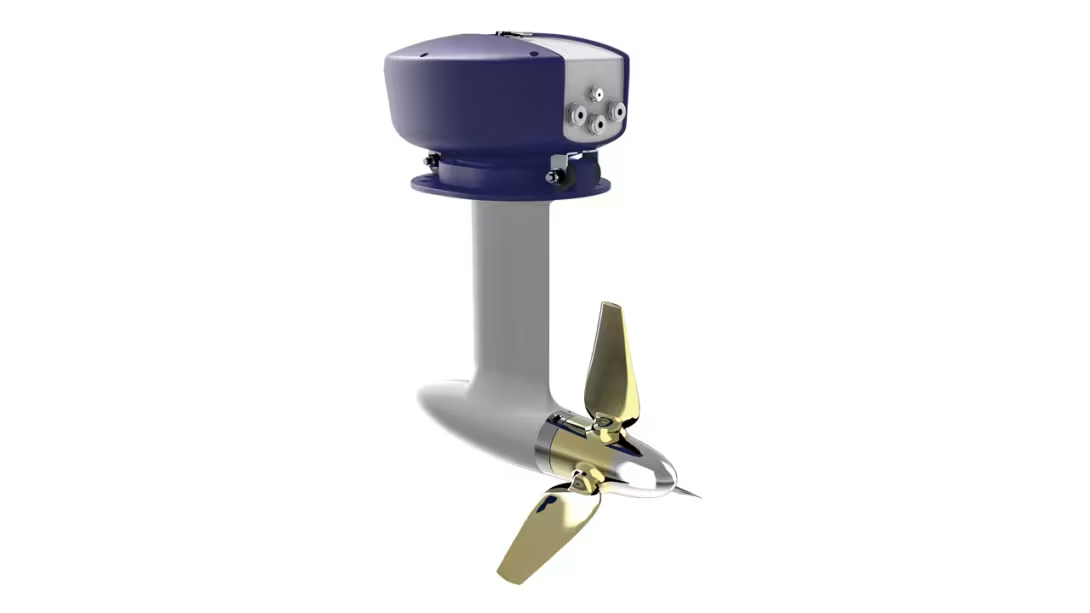
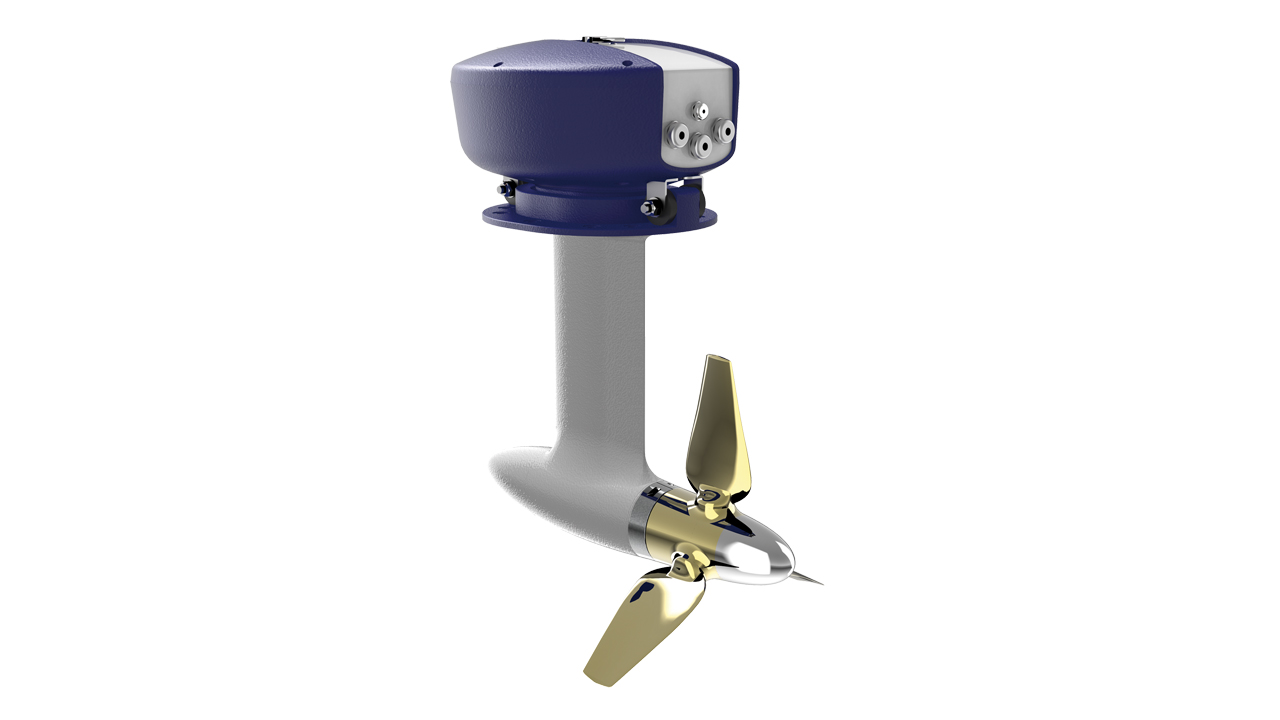
First of all, at anchor, the daily availability (with eight hours of sunshine and 5 knots of wind), will be about 16 kW (see table on production). Even if the sky is covered and there is heat, the 4.8 kWh of house battery use (6 kWh x 80% discharge, see consumption table) will be recharged anyway. But if there’s wind and especially sunshine in the game, you’ll be exempted from firing up the generator because the remaining 10 kWh will allow you to easily leave the anchorage, get clear of the bay and hoist the sails. Once under way, you’ll have the solar fabric on one side of the sails, and which has replaced the fabric of your bimini or covers, but especially the hydro generation from the engines. With the latest generations of variable pitch propeller, you can store 1 kWh at 6 knots, 1.5 kWh at 8 knots and 3 kWh at 10 knots. Times two, this can quickly recharge 100% of your battery bank. If there is no wind at all, you can “motor” with your 30 kWh batteries for a few hours (see table on production) and finally find the wind, or turn on the generator. In the case of light airs, one solution is to use a single engine as a means to create apparent wind. The wind power thus obtained will reduce consumption (0.50 kW), but you can also use the other engine as a hydro-generator. The induced drag only loses you 0.3 knots and if you reach 5 knots it will provide 500 Watts per hour. It might not sound like much, but you're on your way without dipping into your batteries. At the end of the day you enter another bay under motor, do your maneuvering, knowing that your solar device has continued to work meanwhile, so ensuring on-board power for the night’s stopover, and to set off again the next day. So the cycle is complete without having assaulted your eardrums.
For coastal and semi-coastal navigation
Of course, in the case of absolutely no wind and with cloud cover close to 8/8, or if you want to sail at 7 knots average, there will be no other alternative than starting the generator. If you don’t anticipate weather situations, for avoiding a gale or fighting a very big tide, the expense will be significant, imposing the need for always recharging with the generator. A 20 kWh one would be the recommended minimum because in these conditions, the engines will by using power at the same speed at which it is being produced. 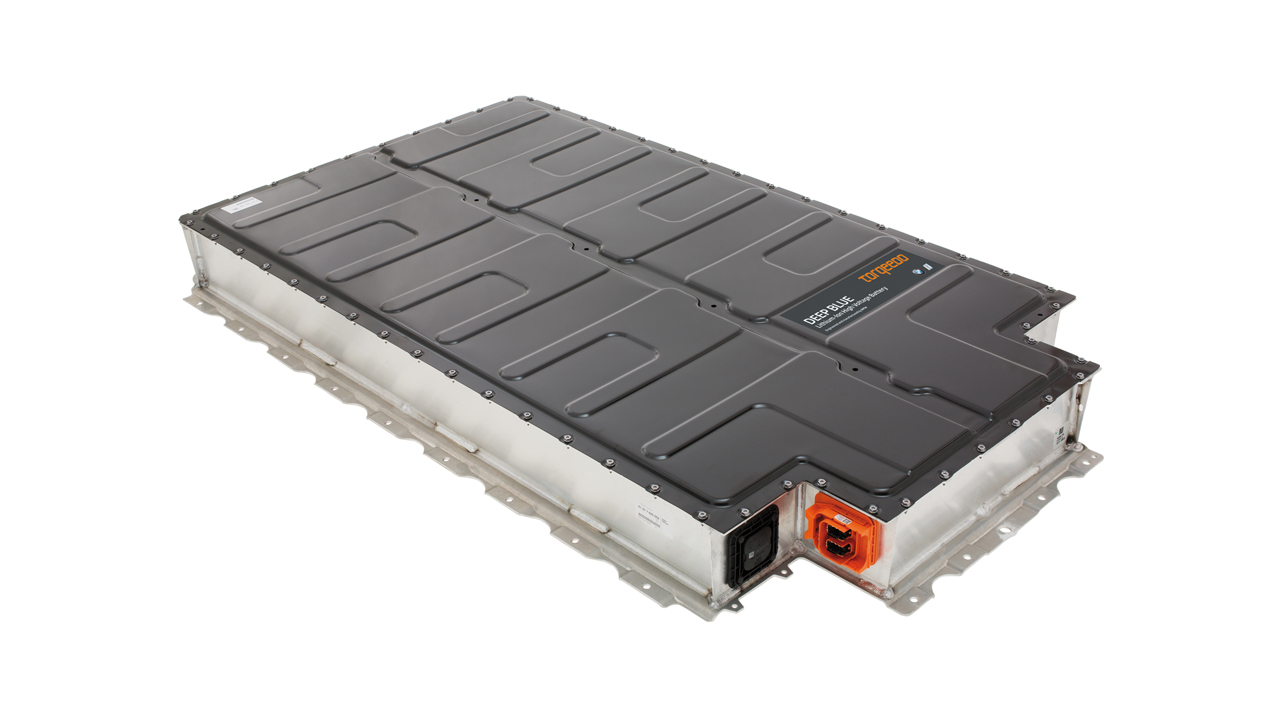
Obviously electric propulsion is not yet adapted to intensive and extreme sailing. But the possibility of spending a beautiful coastal summer vacation, even including some offshore work, with a clear conscience over emissions and pollutants in your wake, is becoming accessible to anyone prepared to make the investment. It isn’t yet possible to do without a generator to provide power and autonomy, but the evolving technology it will be possible to be turning it on less and less often, or maybe in time to replace it with a hydrogen battery and / or take advantage of the progress made by renewable Watts producers. Or who knows, by new processes still not in existence or not yet operational today... And finally, why wait until 2025 and not start sailing again as you began... in silence!
24-hour power consumption table (mixed sailing/anchored, 45’ catamaran)
The calculation of electrical consumption is obtained by multiplying the power of each appliance by the duration of use in hours. Look for the Ah shown on the appliance and then multiply that by the Voltage to obtain the power in Watts. For example, a 3 Ah bulb x 12 Volts = 36 Watts
|
Appliance |
Power in Watts |
Number of appliances |
Time in hours |
Consumption over 24h in kW |
|
Charger (phone/tablet/PC) |
20 |
4 |
1h |
0.080 kW |
|
PC – Hifi - TV |
40 |
4 |
2 h |
0.320 kW |
|
Hob - Oven |
1200 |
2 |
30 min |
1.200 kW |
|
Kettle / cafetière |
750 |
1 |
12 min |
0.150 kW |
|
Water heater |
800 |
1 |
30 min |
0.400 kW |
|
Windlass |
1000 |
1 |
10 min |
0.160 kW |
|
Navigation lights |
20 |
3 |
8 h |
0.480 kW |
|
Nav. Electronics |
20 |
4 |
8 h |
0.640 kW |
|
Interior lighting |
5 (led) |
16 |
3 h |
0.240 kW |
|
Refrigerator |
50 |
1 |
6 h |
0.240 kW |
|
Autopilot |
50 |
1 |
8 h |
0.400 kW |
|
Water pump |
100 |
2 |
60 min |
0.200 kW |
|
35 l/h watermaker |
144 |
1 |
2.5 h |
0.360 kW |
|
Total consumption |
|
|
|
4.870 kW * |
*With an 80% state of discharge, 6 kWh would be required for this consumption
24-hour production table (mixed sailing/anchored, 45’ catamaran)
|
Equipment |
Power in Watts |
Number of units |
Time in hours |
Production in kW |
|
Solar cloth on bimini |
75 |
8 m² |
8 h |
4.800 kW |
|
Solar panels |
120 |
8 m² |
8 h |
7.680 kW |
|
Fuel cell |
100 |
1 |
24 h |
2.400 kW |
|
Wind generator (5 kts) |
60 |
1 |
20 h |
1.200 kW |
|
Total at anchor |
|
|
|
16.080 kW |
|
Solar cloth on sails |
75 |
8 m² (1 side) |
8 h |
4.800 kW |
|
Hydro-generation |
1,000 at 6 kts |
2 |
8 h |
16.000 kW |
|
Total anchorage + sailing |
|
|
|
40.080 kW |
Engine consumption table for a 45’ cat weighing 12 tonnes with 2 x 15 kW (=2 x 20 hp)
The measurements are expressed for a headwind and with a flat sea. Passage through waves may require 10 to 20% additional power. Similarly, with the wind aft, consumption will fall by 20%. When there’s wind, it’s better to sail. Strong headwinds are to be avoided or encountered only for a very short time. Anticipation is essential because in the worst conditions (wind and strong counter- current) even the 20 kW generator will only compensate an expenditure of 40 kW for half an hour, and the battery bank will be quickly exhausted.
|
Speed |
In kW, no wind |
In kW, wind 15 knots |
In kW, wind 30 knots |
|
3 kts |
0.75 |
2.5 |
9 |
|
4 kts |
2 |
5 |
14 |
|
5 kts |
5 |
10 |
19 |
|
6 kts |
10 |
18 |
30 |
|
7 kts |
18 |
27 |
40 |
|
8 kts |
40 |
56 |
72 |
