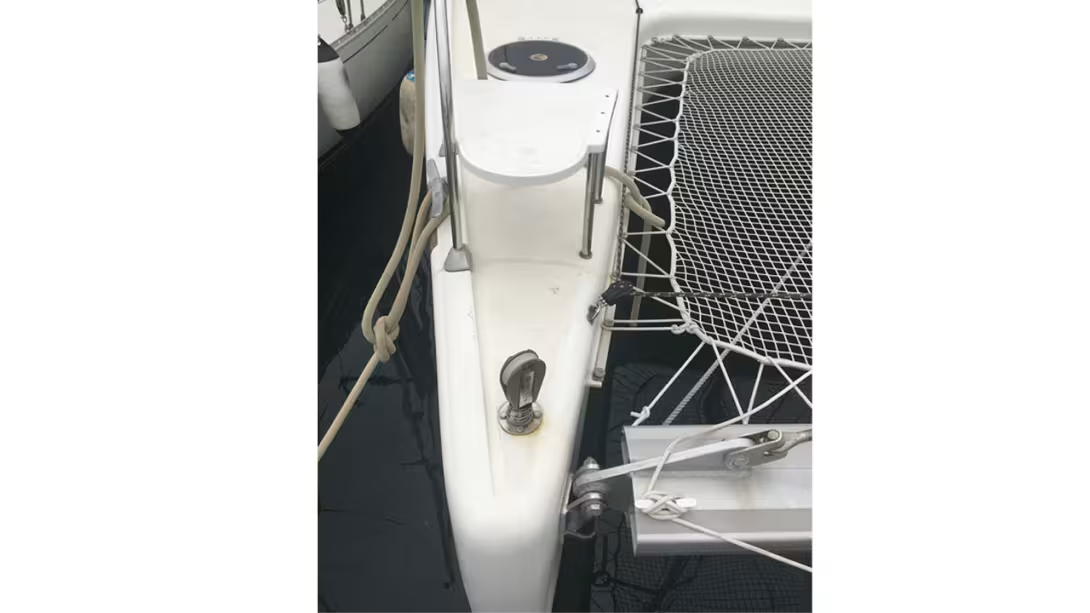
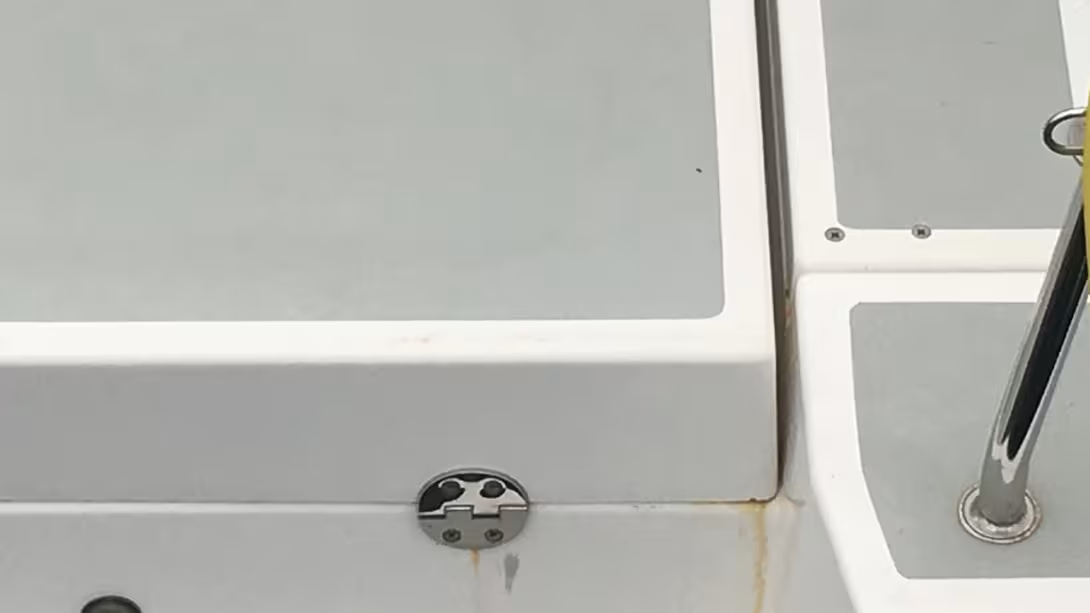

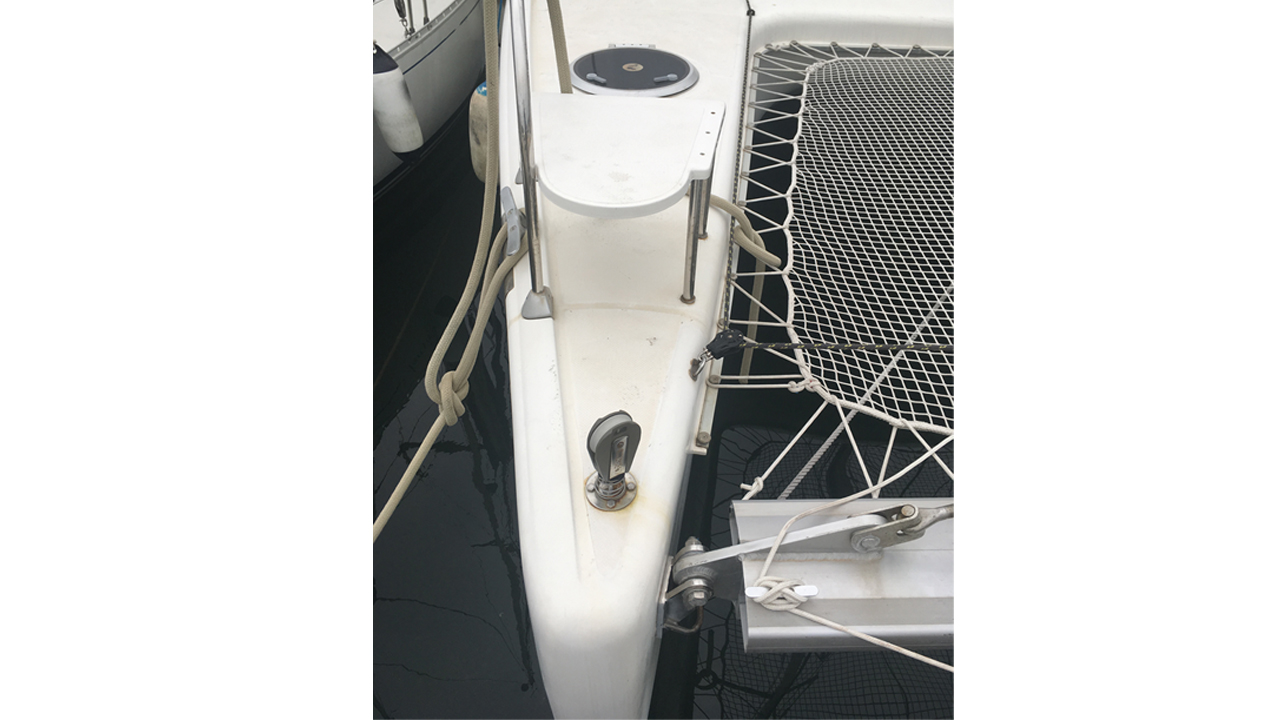
In our life as leisure sailors, we have all been faced with a bit of figure skating on a deck whose non-slip covering is worn and no longer works. This is not only unpleasant, but can also cause injuries – and even worse – make you fall overboard. Quite often, the diamond-shaped points molded into the deck gelcoat become drastically less effective as the years pass. Wear removes the point. The deck becomes slippery, and from an aesthetic point of view, your deck appears worn, old… In a word, not very pretty… The feeling of your feet having a firm grip on the deck avoids stress and contributes to the success of your sailing, through the feeling of safety this provides.
What can be done to fight against this ageing? Whether as original fitting on new gelcoat, or to replace the existing material, there are several possibilities. Four major families can be distinguished – paint, teak, imitation teak and synthetic coverings. All are effective and offer different characteristics to meet all specifications.
Paint
This is without a doubt the simplest, the lightest and the cheapest way of obtaining an effective non-slip surface, whilst also having a decorative role for your deck. All the brands offer many colors, and you can always add a pigment to create a unique, very personal shade. Its application requires meticulous preparation of the surface. Sanding and careful cleaning with acetone must be carried out after having repaired the damaged parts with filler. It is then advisable to mark out the area to be painted with masking tape, to go round any deck hardware. Two types of paint are available. Ready to use single component mixtures which, generally quite matt, are most suitable if the surface to be treated is not very smooth. Its mattifying aspect covers better and will smooth over the irregularities.
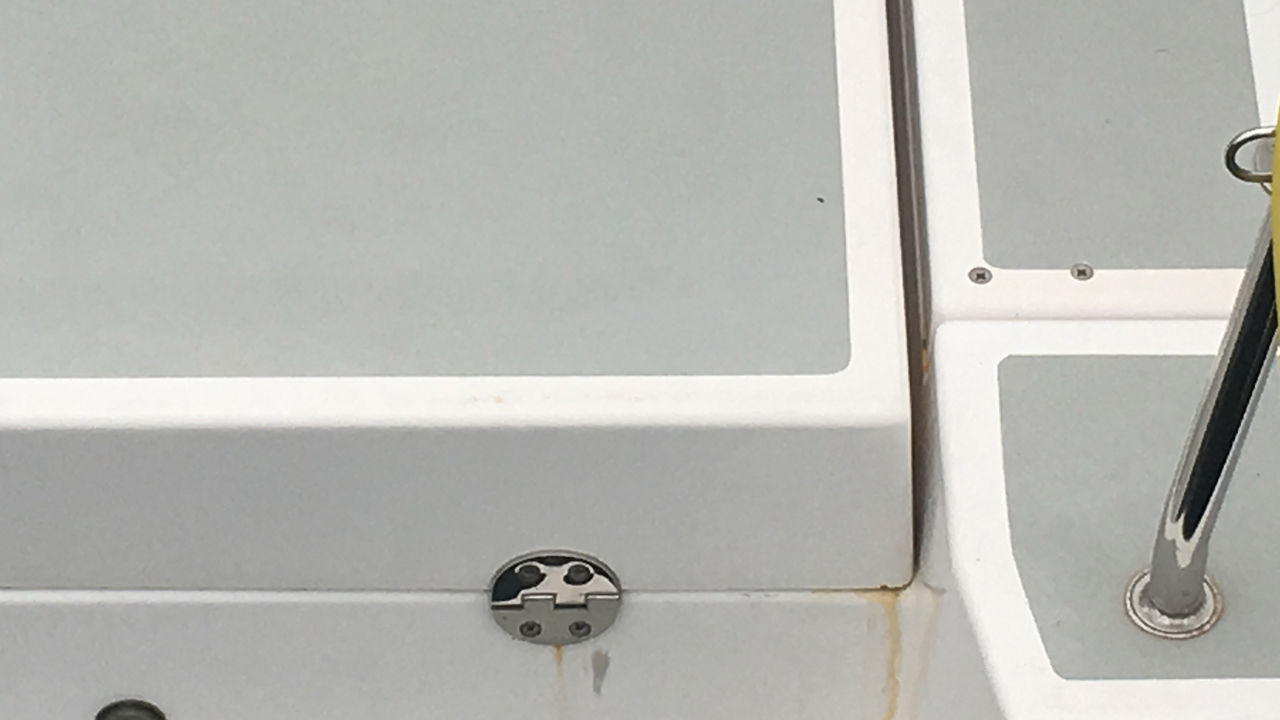
If your surface is new or has no apparent defects, you can use a gloss deck paint, generally two-part, in which microbeads are mixed to form the non-slip surface. Two coats are required. The first over the whole deck, once the fittings have been removed. Then a second coat containing the microbeads, with the outlines of the fittings demarcated with masking tape. It looks better, but your deck must be perfect. Maintenance is very simple – brush and detergent, as with gelcoat.
Teak
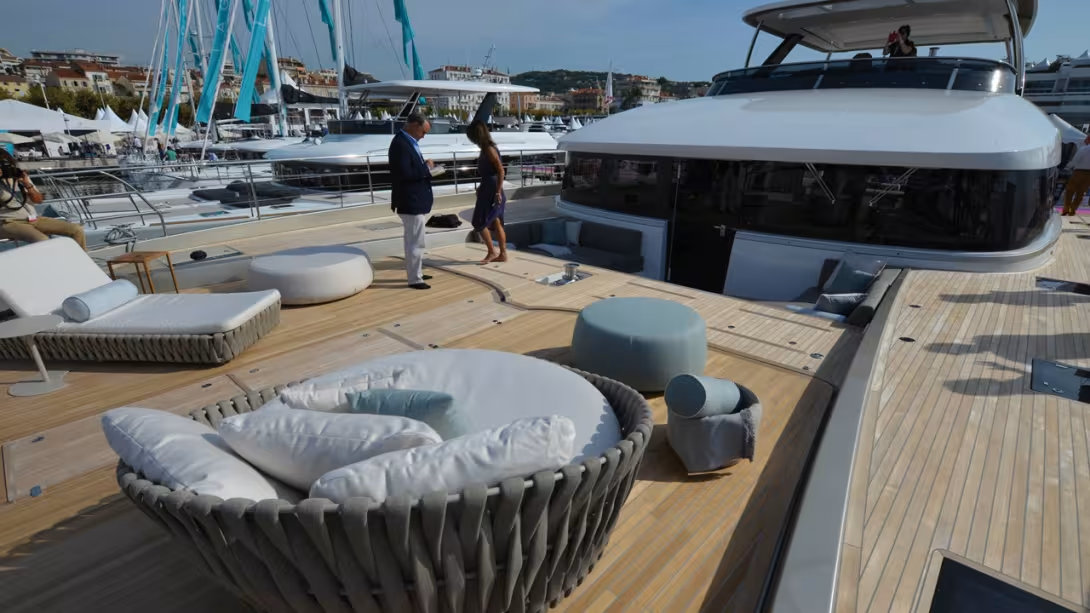
Give honor where honor is due. This is today the most beautiful and the most highly prized covering for luxury boats. Builders swear by it and it alone to cover the decks of their beautiful boats. It’s a very hard-wearing wood, which doesn’t fear either insects or the weather. Rich in oleoresins, it has excellent non-slip properties. While in the 90s it was fitted using the screw and glue technique, with the subsequent risk of leaks, it is now just glued, thanks to the progress made in much stronger glues. It is exceptionally long-lasting and can be reconditioned after several years with a good sanding and repair of the joints. Its weak points are its significant weight and its tendency to accumulate the heat, requiring good insulation to avoid it being delivered to the interior. Fitting is quite complex, and is reserved for the specialized professionals. With the sun, it takes on a greyish shade, which can be made to disappear with oxalic acid or light sanding. For maintenance, nothing is better than sea water and a flat brush, always used perpendicularly to the planks. Beware of powerful pressure washers, which cut into the wood. In case of a stain, you must quickly apply an appropriate product to clean it off.
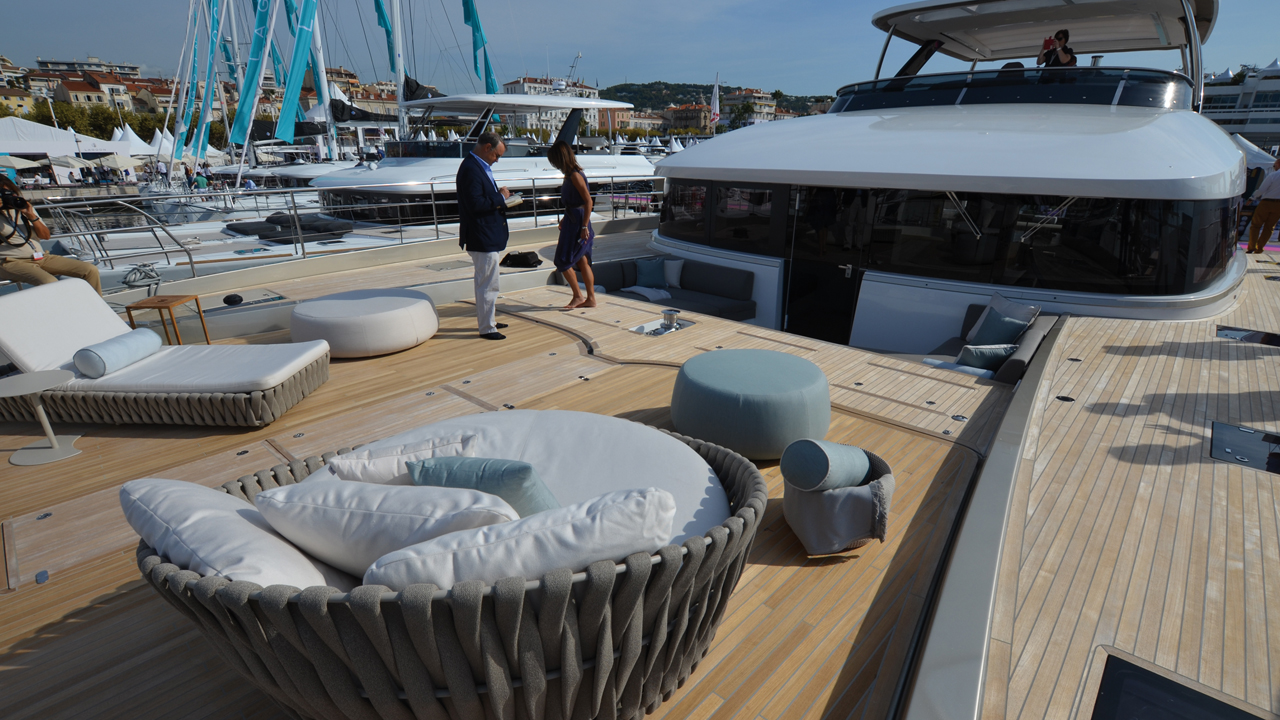
Note that the teak business is highly controlled today, and the wood comes from plantations created for its production.
Imitation teak
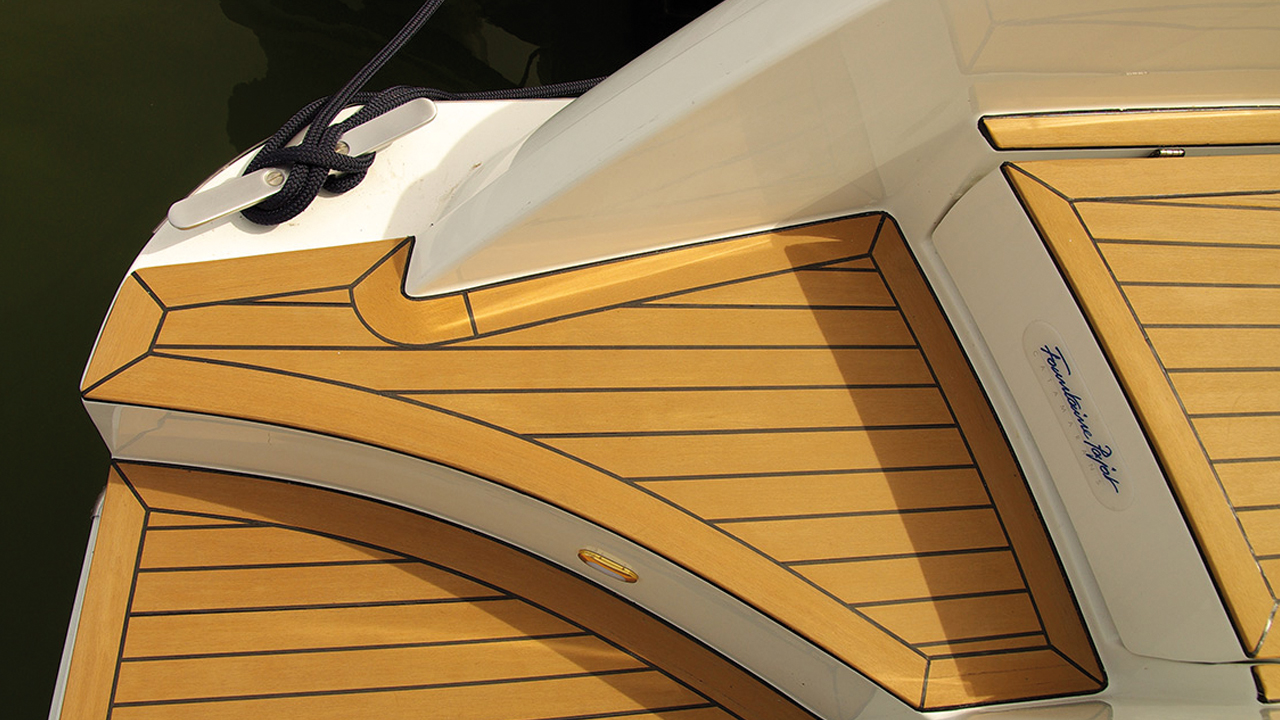
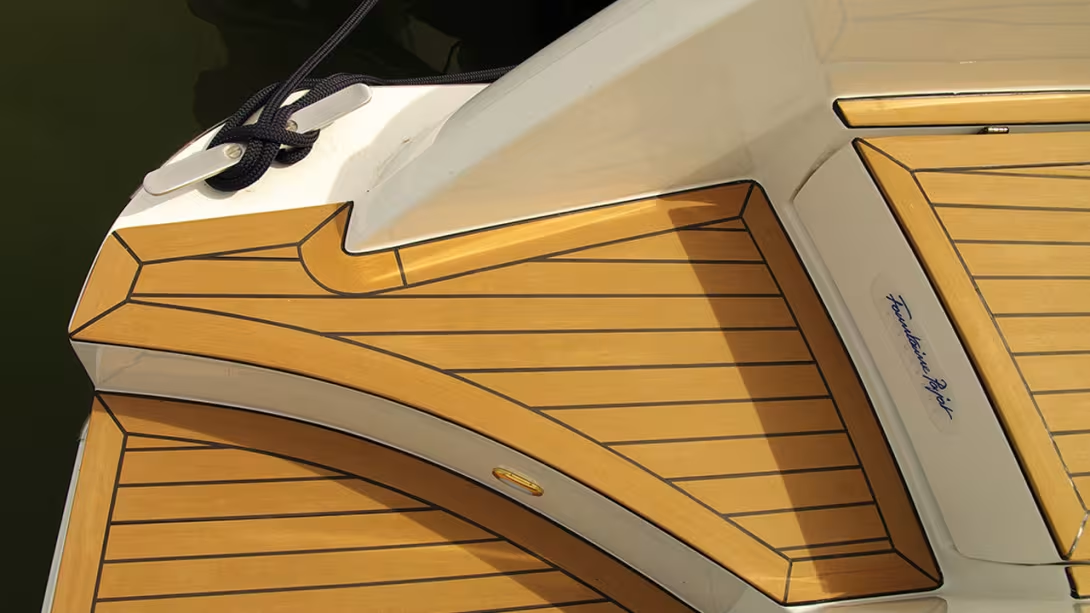
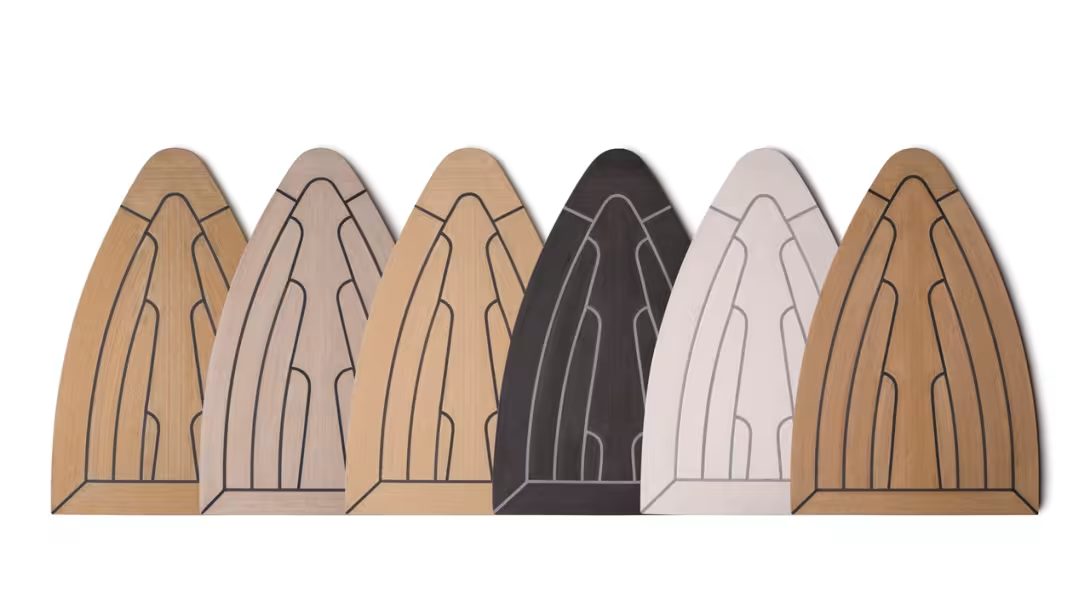
It hardly tarnishes with the weather, its maintenance is similar to that of the gelcoat, and it has better resistance to stains, scratches, and aggressive UV than real teak. The imitation is so good visually and to the touch that we often have the impression we are walking on real teak. Fitting is also simpler. The panels are cut out in the factory, to the measurements and templates taken from the deck. The Flexiteck and Deck King brands are delivered as a roll, then glued with a polyurethane glue. Others, such as Isiteeck are cut out as planks and fitted gradually, following the shapes and contours, just like real teak planks. Synthetic teak decks are good thermal and sound insulators, especially Seacork, made of cork, which in addition is very lightweight. The other advantage is being able to enjoy a wide choice of colors and to have the joint design made according to your chosen model, or even insert a made to measure logo or initials. It is also a little thinner than teak. As it resists stains better than teak, its maintenance is not a constraint.
Synthetic coverings
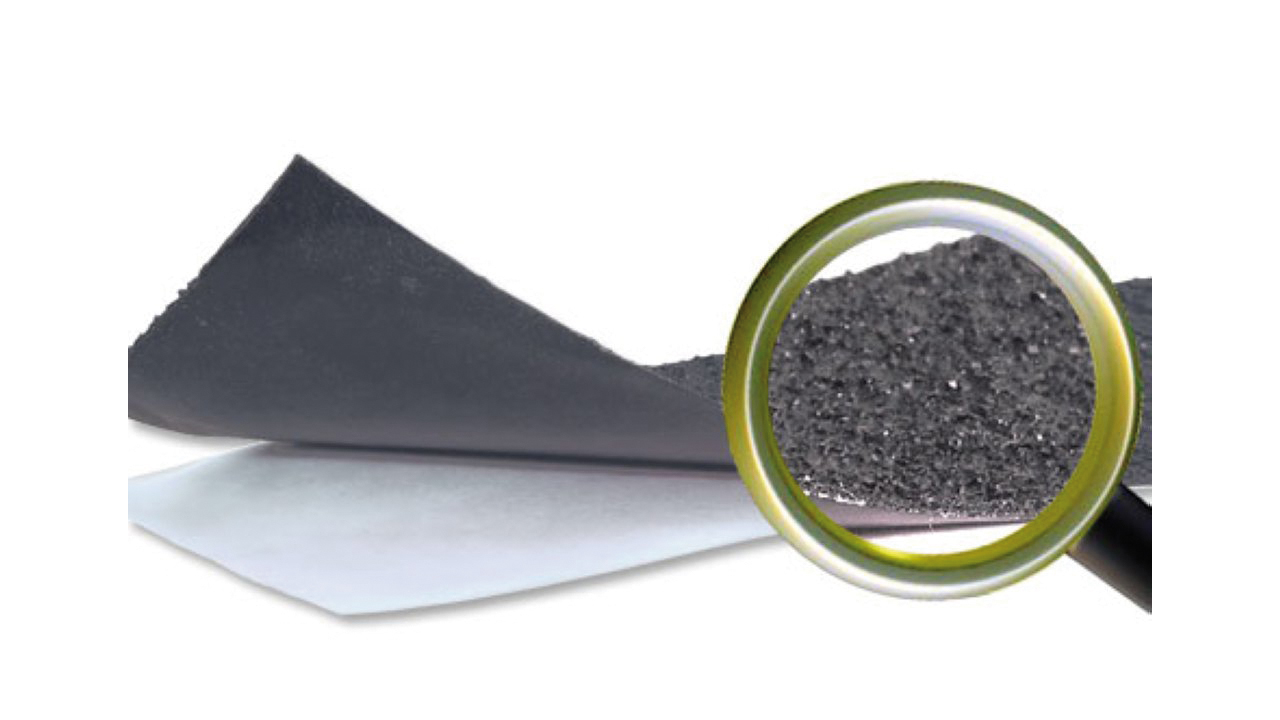
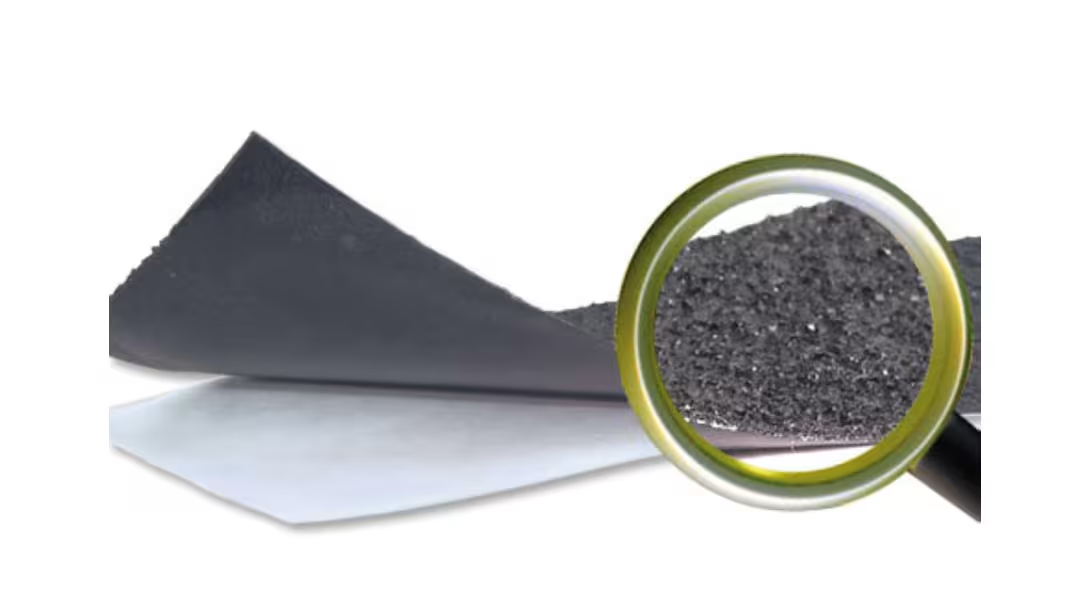
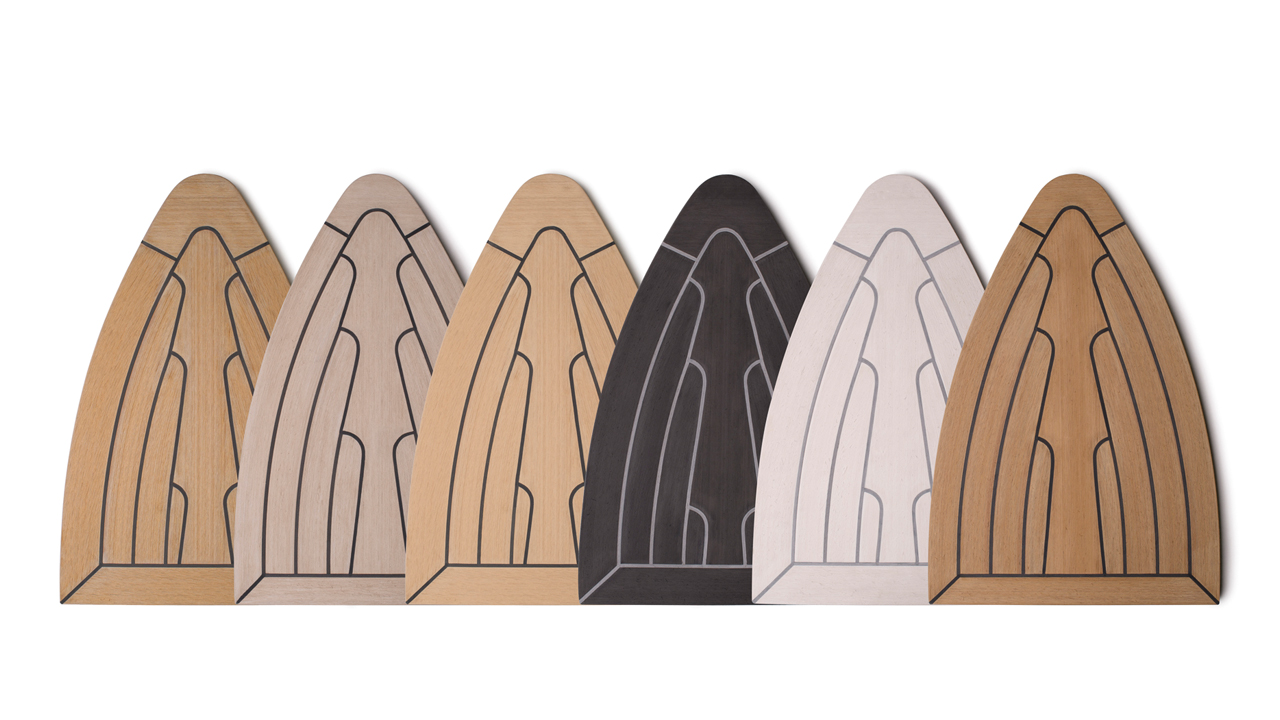
Generally cut out in panels which are arranged between the deck fittings, synthetic coverings resemble the design which can be obtained with paint. The range of colors is more limited, but they have very good sound and thermal insulation qualities. Their anti-reflection qualities make them particularly appreciated in regions with strong sunlight. The panels are cut out to the deck measurements and templates, as for synthetic teak, but the very flexible material, made partly from rubber, will take on the exact shape of rounded or heavily curved contours. The TBS models are soft to the touch, don’t accumulate heat at all, and are particularly pleasant to walk on with bare feet. The HPK and Treadmaster models have a much rougher and tougher surface, and are intended more for expedition boats or extreme use. These coverings are fitted with Sikaflex glue and are maintained in the same way as the gelcoat or paintwork. Their resistance to hydrocarbons or oil stains is very high.