

For a long time, Multihulls World has been singing the praises of travelling by boat. It has to be said too, that a multihull is the ideal way to discover the world. Stable, comfortable, unsinkable, livable and fast. On a cruising catamaran or trimaran you can get to the ends of the earth… and then come back! The number of readers or even members of our editorial team who have gone around the world on all sorts of craft is proof of what our editor always says: "the right boat is the one that you set out on!" And you know what? He's not wrong…
Whether it's a transat on a Newick Trimaran, sailing around the Med on a 30 foot catamaran or around the world on a Lagoon 380, there are plenty of examples in the pages of this magazine. The final choice of boat will be dictated primarily by your budget and your own personal requirements in terms of comfort and performance.
A Plan, A Boat and A Crew…
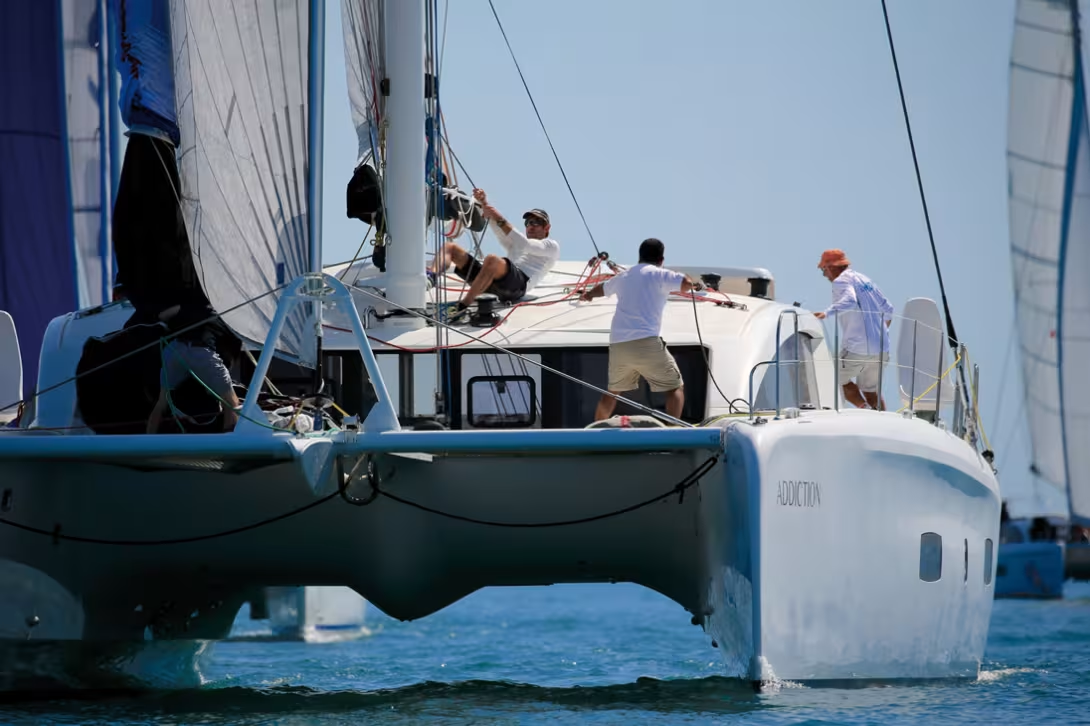
So if the right boat is the one that you set off on, there still has to be a certain amount of consideration taken regarding the planned program, the chosen boat and the crew's ability and experience. If we accept that practically all cruising boats these days are capable of doing a Transat in good conditions (as long as the departure is after the hurricane season), the crew still needs to be able to handle the boat. There also needs to be enough experience on board to be autonomous for around 20 days, and to be able to manage the inevitable technical problems which will always crop up during your adventure out at sea. A racing boat is complicated for a family to manage and would require an extra crew member or two who understand the way the boat works, while a 30 footer means a limited payload, and constant scrutiny of the weather forecast and sea conditions…
Let's be honest. A trip around the Atlantic is not really an extreme adventure, and we have readers who have even set out with practically no sailing experience. However, these readers were smart enough to prepare well for their trip. As we all know, 98% of a successful voyage is in the preparation… They often didn't hesitate to ask a professional skipper to train them up during the first part of their voyage, so that they can feel safe and reassured when they leave the Canaries or the Cape Verde Islands for "The Big crossing".
With the right boat, a trained skipper, rigorous training and an enthusiastic crew, there's no reason why things shouldn't go according to plan… When it comes to enthusing the crew, there's nothing like having built up a reservoir of pleasant cruising experiences (if possible in some fabulous regions) to motivate the troops to want to do it all again but for a longer period. If this is the case, then the day that you announce your idea of a big trip, you will be sure to get a positive response, and the crew will be motivated to help you with the project… It will no doubt be the beginning of a wonderful story!
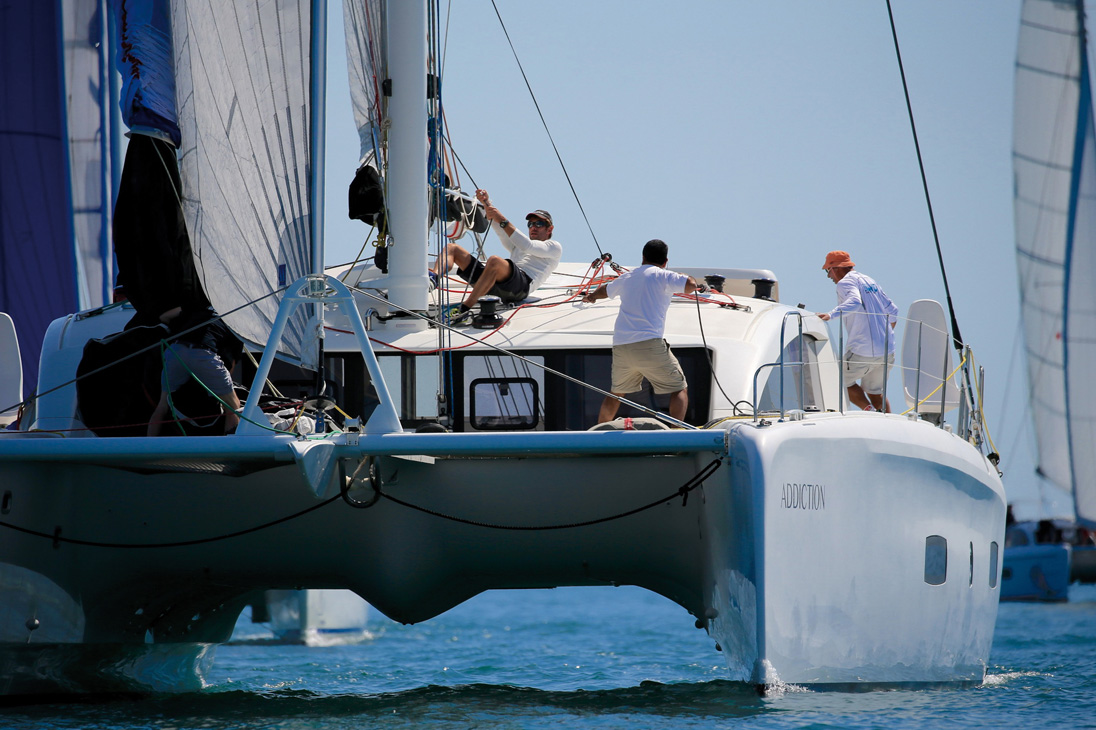
Training: A Non-Negotiable Part of Your Preparation.
Before setting out, both you and the crew need to be prepared. How? Weather, mechanical and medical courses are indispensable to be able to cope with the problems that can crop up out at sea. On land, we are used to picking up the 'phone when we need to solve a problem. Out at sea that's obviously not possible. The engine isn't working? You'll need to find a solution and fix it. The same if a crew member gets injured. Even if it's true that modern communications make it easier to get advice, it doesn't change the fact that it's you who will have to make the call when you encounter a problem.
It's everyone's responsibility, whatever your experience or fears (or those of the crew), to get trained up before the departure. However, while training is useful, only sailing in real conditions can help you to develop the right reflexes for each situation. So don't hesitate to swap your lessons for some good old fashioned waterproofs and get some miles under your belt… There is still no better training course…
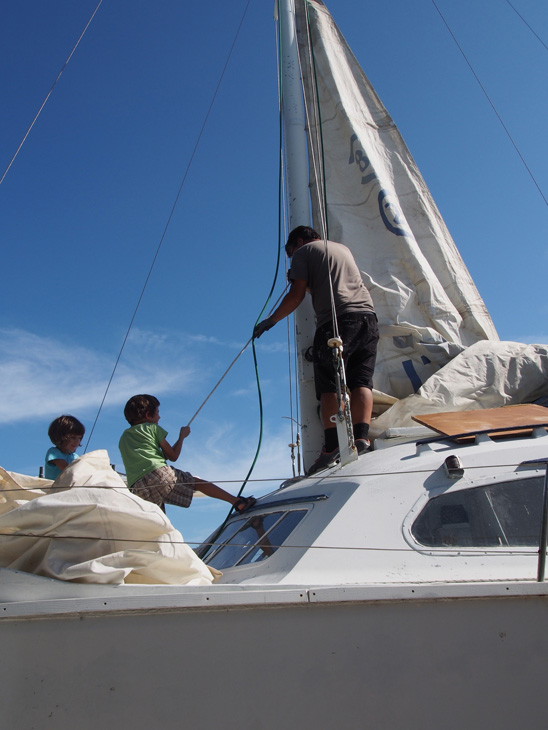
It might be stating the obvious but it's always worth mentioning, that the crew should also be trained so that they can be autonomous on board. That means that all crew members and even the youngest members, from 6 or 7 years old, should know how to turn on the engines, bring down the sails, and be able to recite the man overboard maneuver. Knowing how the onboard computer works, and being able to follow a route is also crucially important, as is knowing how to operate the radio or satellite telephone.
Good Preparation Is All About Anticipation
The main objective of thorough preparations is to end up with a reliable boat! Just imagine, setting off for some pleasant sailing time. The idea of spending 3 weeks in port waiting for a new windlass after the old one gave up the ghost is not the best way to spend your time. And what about those of us who spend two hours every day fiddling around trying to get the starboard engine to start (I have experienced this and it's very annoying!!!)?
Before I go any further on this subject, I should make you aware of one golden rule which generations of sailors have proved over the centuries: a boat's reliability is inversely proportionate to the amount of equipment which is on board! The first thing which you should do when you are preparing for life on board a boat, is to make a list of all the things which are truly INDISPENSABLE! If these days we all want to take a GPS, charting software or perhaps a desalinator, do you really need a dishwasher or a clothes dryer for sailing around the Caribbean? And what about aircon? It can be useful in port, but in an anchorage on a well-ventilated boat, it really isn't necessary. There are many more similar examples. The key is to carefully choose your boat, never forgetting that on any multihull, (whichever one you choose), weight is your enemy, and that life on a boat is not as comfortable as your home… A lack of understanding of this situation will lead to a very expensive boat (whether it be the purchase or the maintenance) and/or not a particularly reliable one!
Once you've been through all this, you will need to carry out the proper preparations. On an older boat, checking the sails, rigging and engines is essential before a long journey. Don't forget that it's easier to do any major works in your home port than in a lagoon on the other side of the world.
Being as autonomous as possible makes your boat safer, but is also an added comfort when you are cruising. Whether a boat is old or new, the electrics should be thoroughly checked out. If you know how much electricity your boat consumes over 24 hours, then you know how much you have to produce! And you can adapt both your consumption and your methods of production which will help to make your life on board easier and more comfortable. A well thought out boat can be energy self-sufficient just with modern solar panels. However, you will still need to check your electric circuit, and be rigorous when checking all potentially risky or energy sucking connections, as well as having your system connected to modern batteries that are in good condition.
All the rest depends upon the individual. Some will want a depth sounder that will indicate the presence of a single fish within a half mile radius, while others will only need a top performing mainsail…
Where Should We Go?
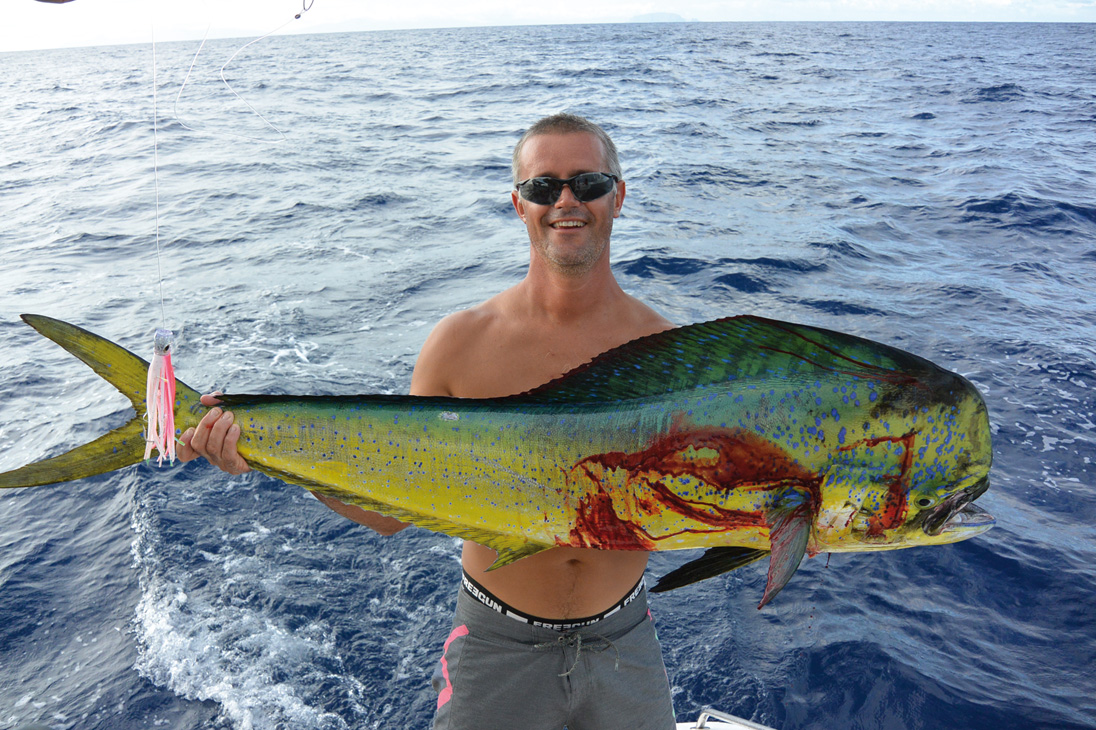
Set off yes, but where? If you only have a few weeks, then you might just envisage going a bit further on than your home port. But the real adventure is to go somewhere where you are really out of your comfort zone.
Most of our readers do the "Atlantic Triangle": Europe-Canaries-Cape Verde-The Caribbean and back, or a tour of the Caribbean having bought their boat in situ or in the States. For safe sailing, it is always the weather which will dictate when a trip can take place. As a reminder: the Atlantic hurricane season runs from the start of July until the end of October! There should be no transats during these dates, and any sailing in the West Indies should only be taken on in good weather and with daily surveillance of any phenomenon that are building over the Atlantic.
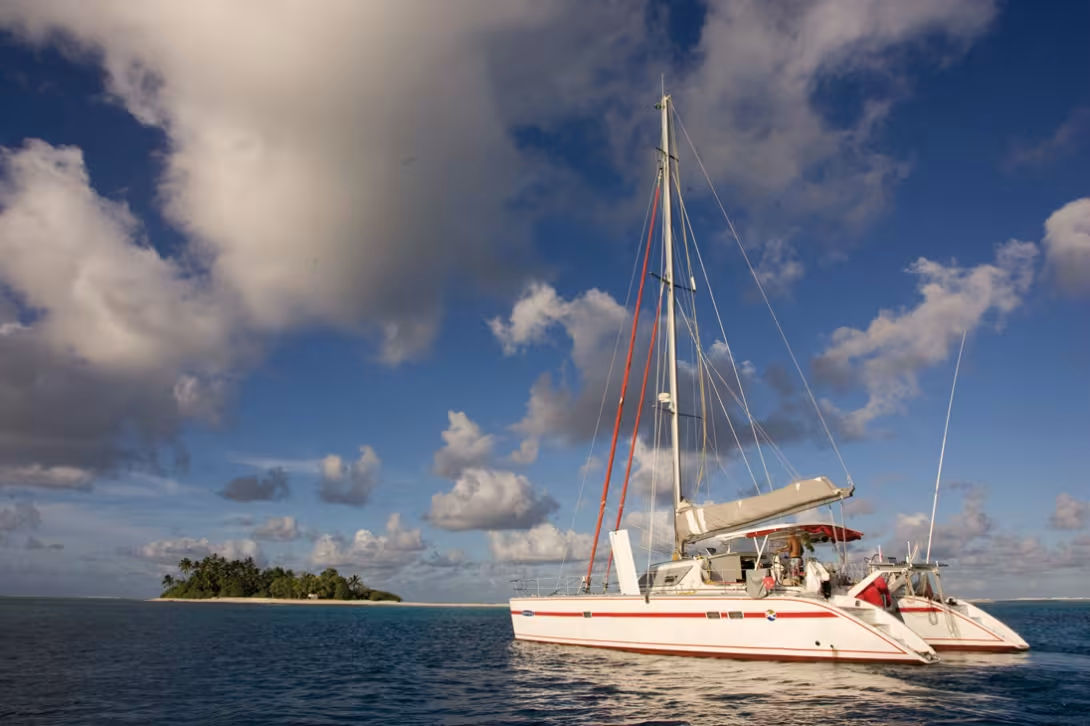
Although the Caribbean is an exceptional playground for life on board a boat (safe, enchanting, and where the water is always a good temperature), there are other places where you can drop anchor… What about a tour of the Mediterranean, or a year in Polynesia having bought a boat out there, or sailing around West Africa, discovering a magical continent? In truth, you are only limited by your imagination. Be aware, that certain areas of the world are not particularly safe for sailing…
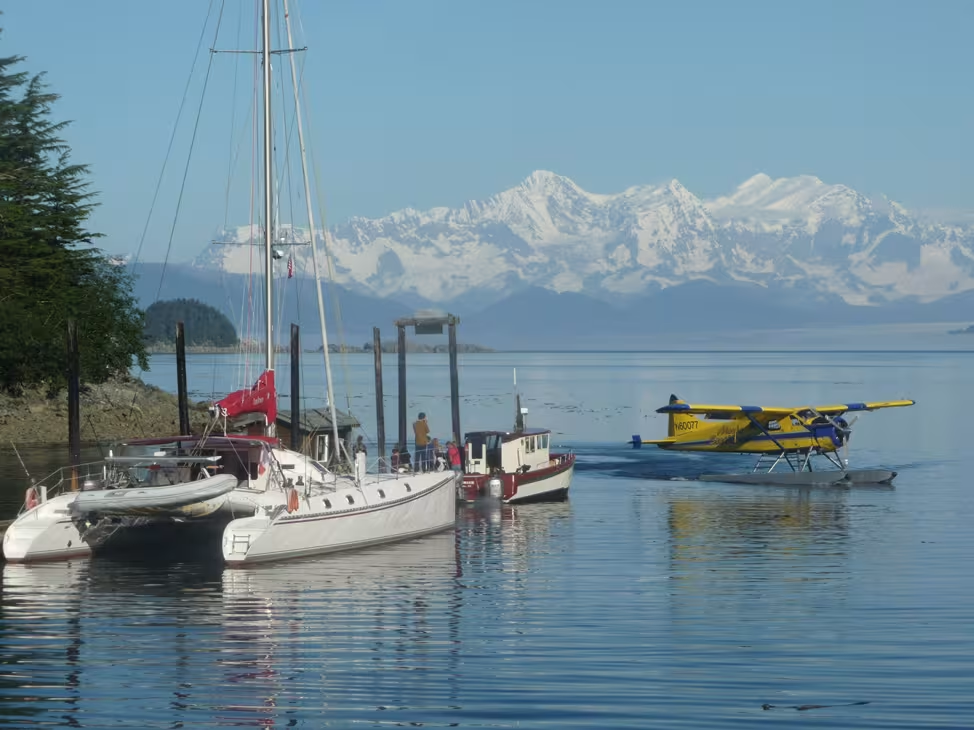
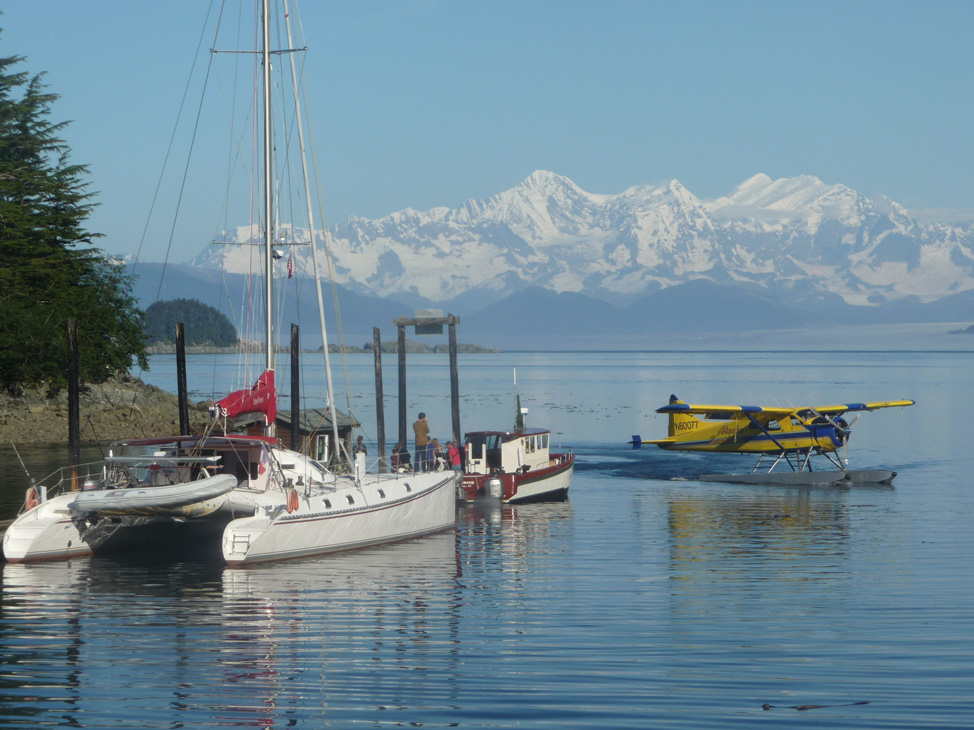
One new trend amongst some of our readers is to get off the beaten track and head for colder destinations: Spitzbergen; Patagonia or Alaska are some of the favored destinations for adventurers looking for new sensations.
Another new trend is to break up your voyage: a bit of sailing to get to a particular place, followed by a few months at home, before weighing anchor again during the best period of the year and so on. This way you can stay close to your friends and family and make the most of the boat without getting bored. This particular way of living on the water has already seduced a number of younger retirees… Some have even turned this system into a veritable way of life. In some zones where you can sail all year round, you can even share your boat. Co-ownership is therefore a way for the boat to get used and for you to limit your costs as much as possible…
The same could be said of charter/management programs. Yes, you can buy a boat today and then rent it out. What's the point? You can sail between 6 and 12 weeks per year depending upon the contract, from one of the bases of the company with whom you have signed up. At the end of the management period (usually 5 years), the boat is resold, and you will have sailed for all those years almost free of charge… And in some of the loveliest places on earth.
So, Are We Ready To Go?
Take a piece of paper and cut it in two. On one side write down all the good reasons to leave. On the other side write down all the good reasons to stay. You will be amazed at the result! The arguments for leaving are almost always twice as numerous as those for staying put.
So? Are we setting off? In 2018 #I'm Weighing The Anchor ?
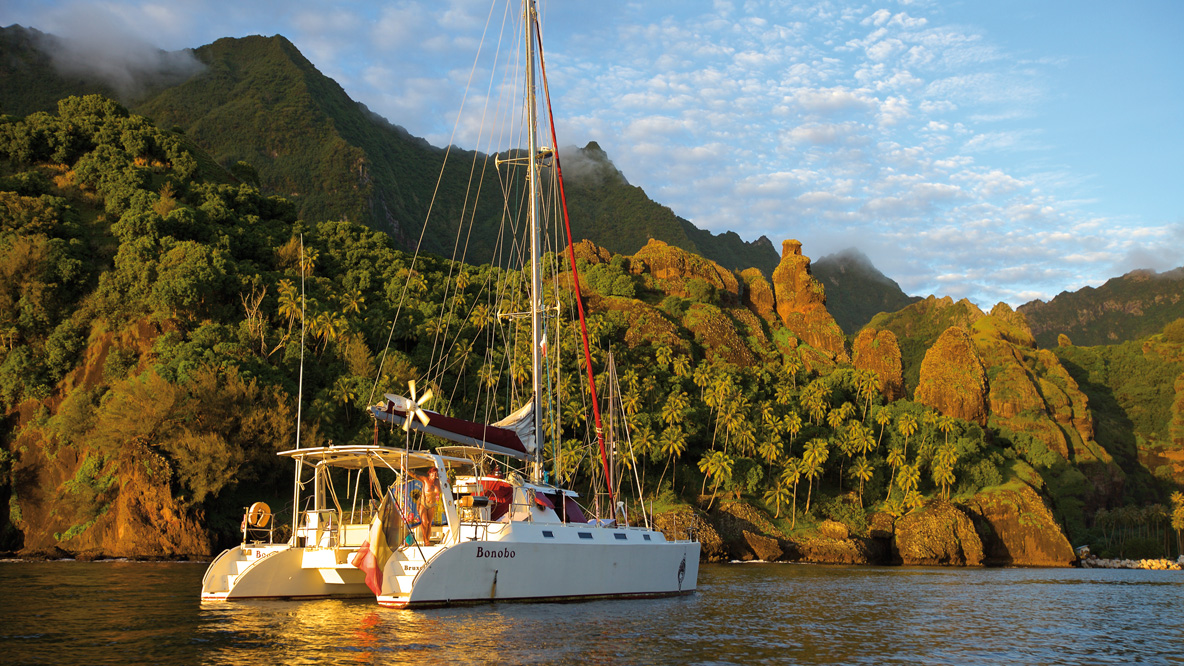
Your choice of craft will be determined by your budget and your personal motivations regarding the crucial balance between comfort and performance.
With the right boat, a well-trained skipper, rigorous preparation and a crew that is really relishing the adventure, you're on course for a successful voyage…