
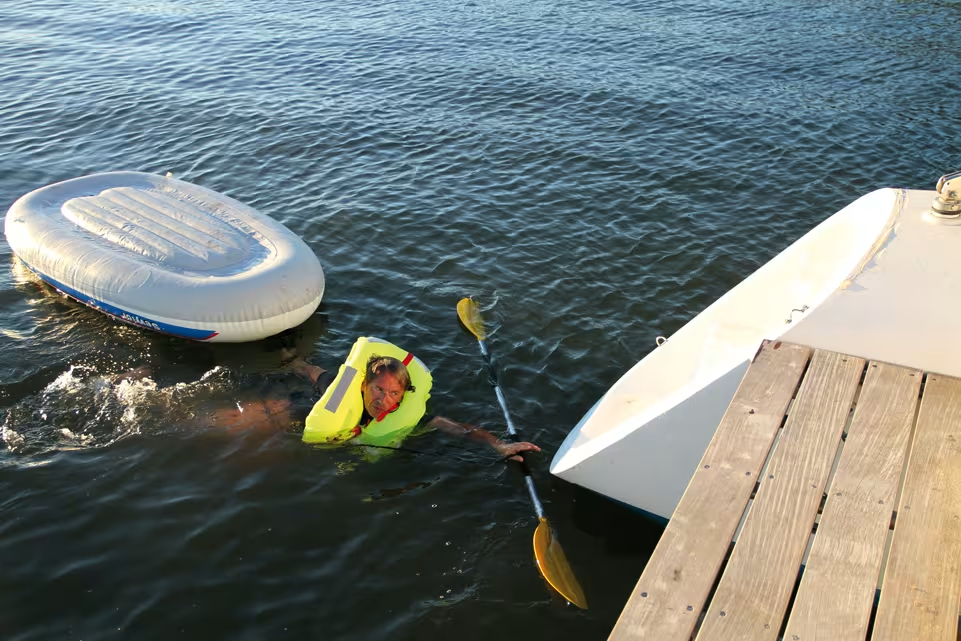
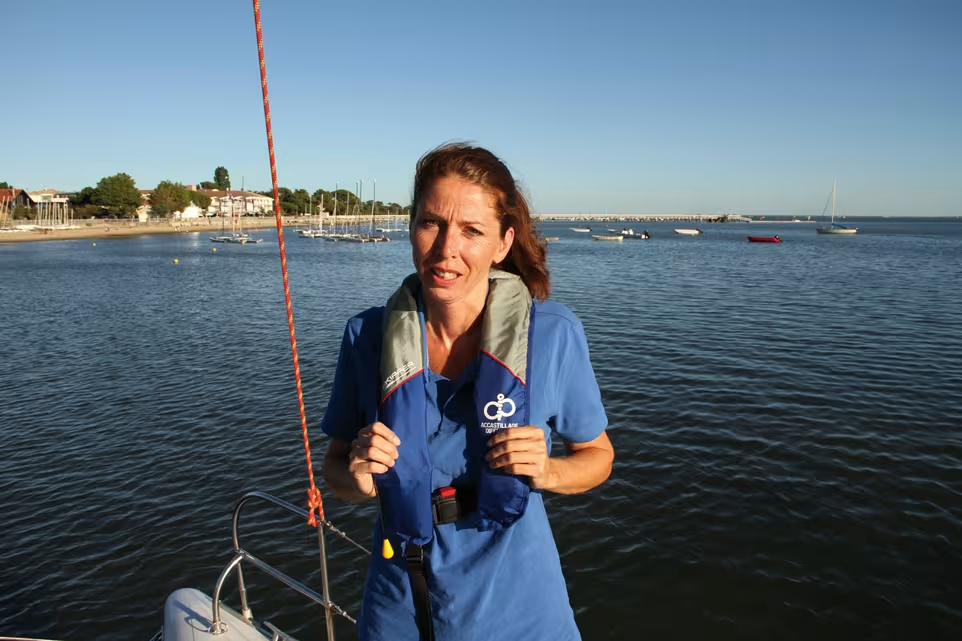
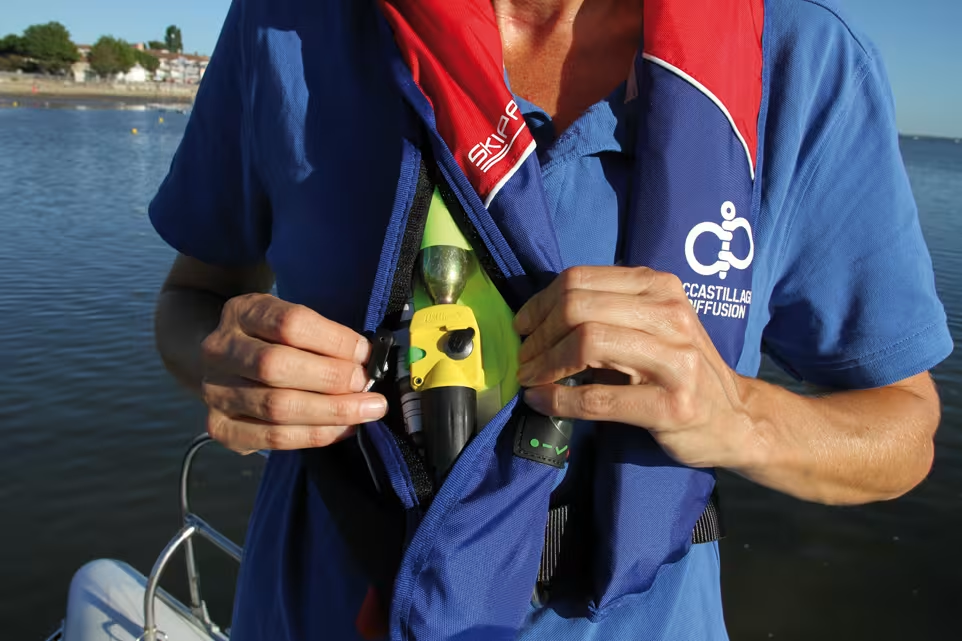
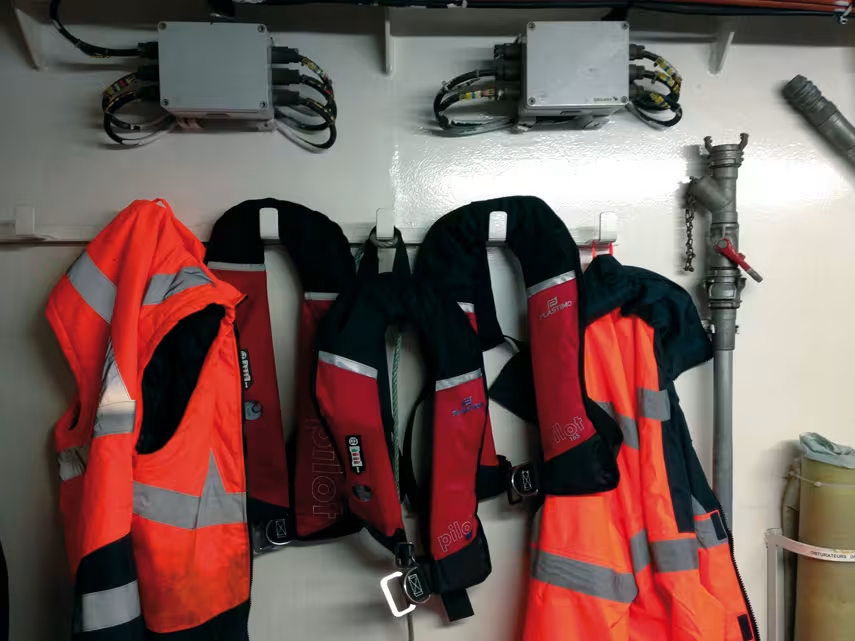

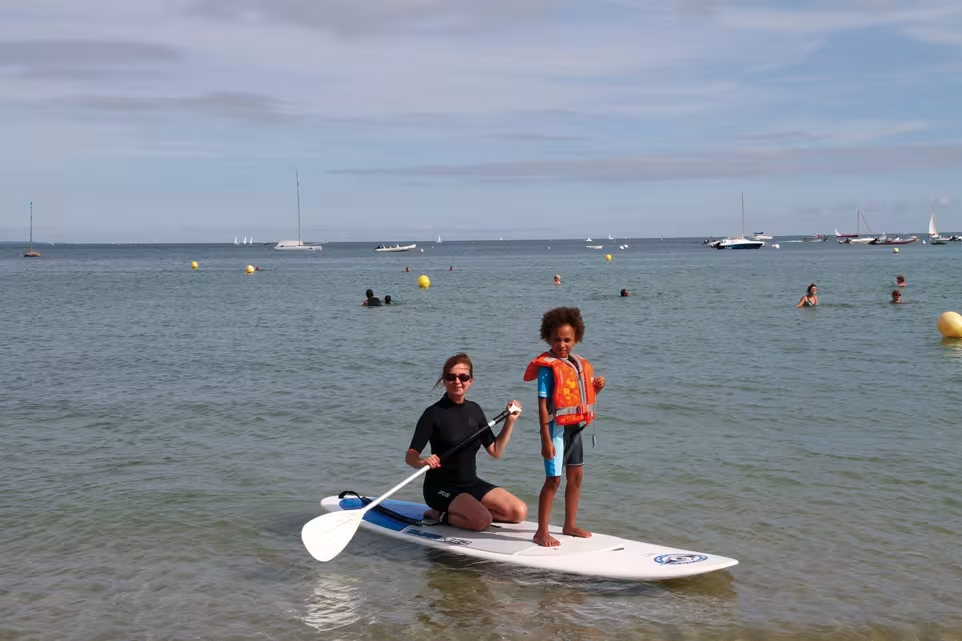


For a long time, the lifejacket amounted to an uncomfortable assembly of foam, covered with orange material. Today, with the generation of automatically inflating models, it has become more comfortable to wear. A good reason to put it on!
In France, the legislation has changed...life floats are out, priority is now given to individual equipment! This is now defined according to its buoyancy: 50 Newtons for sailing less than 2 miles from shelter, 100 N between 2 and 6 miles and finally more than 150 N for more than 6 miles. The professionals sometimes use 200 or 275N, suitable for the most extreme conditions.
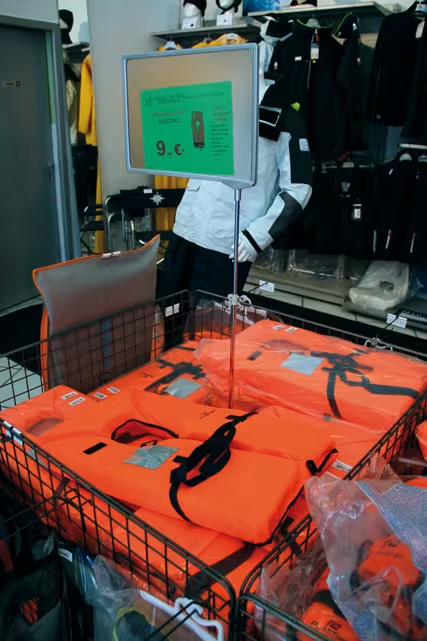
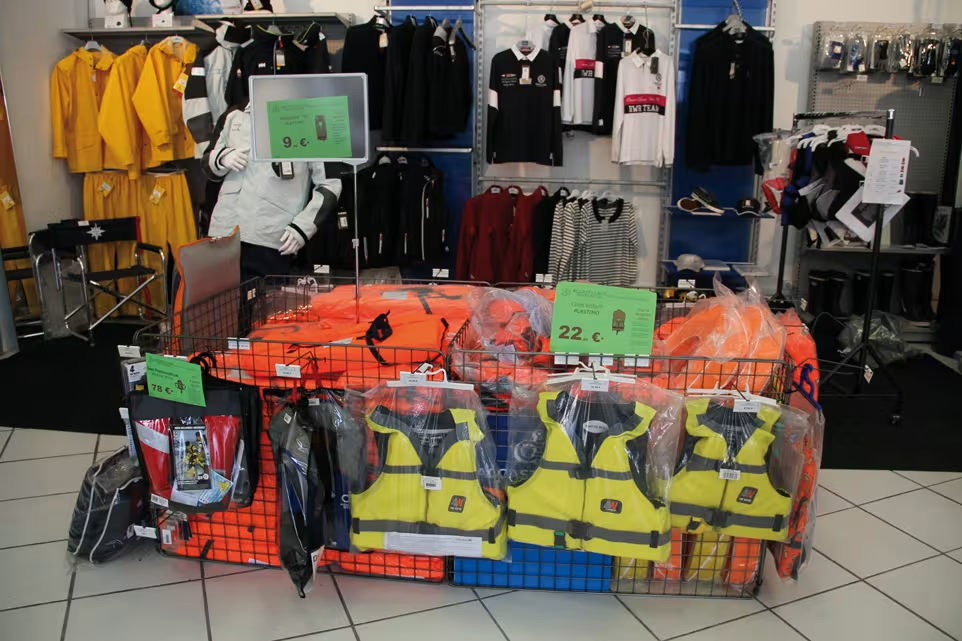
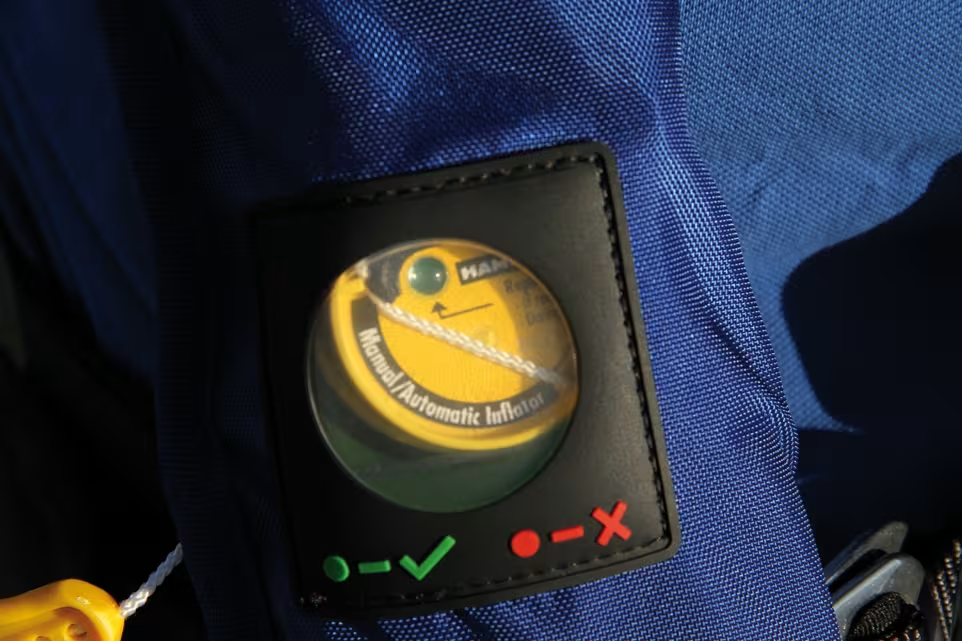
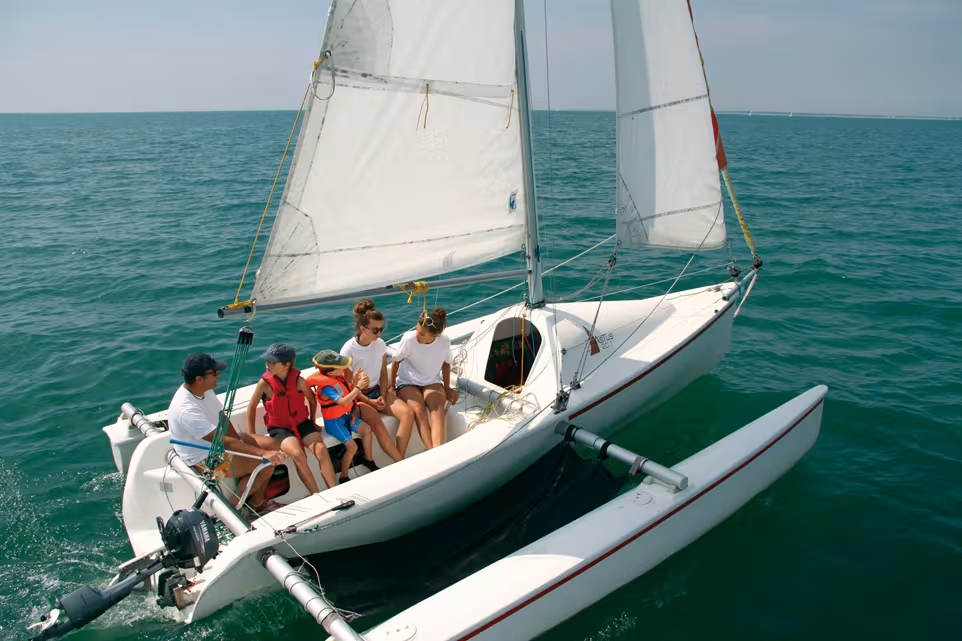
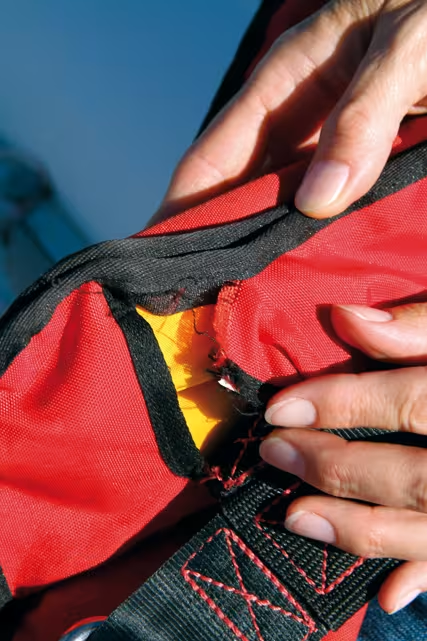
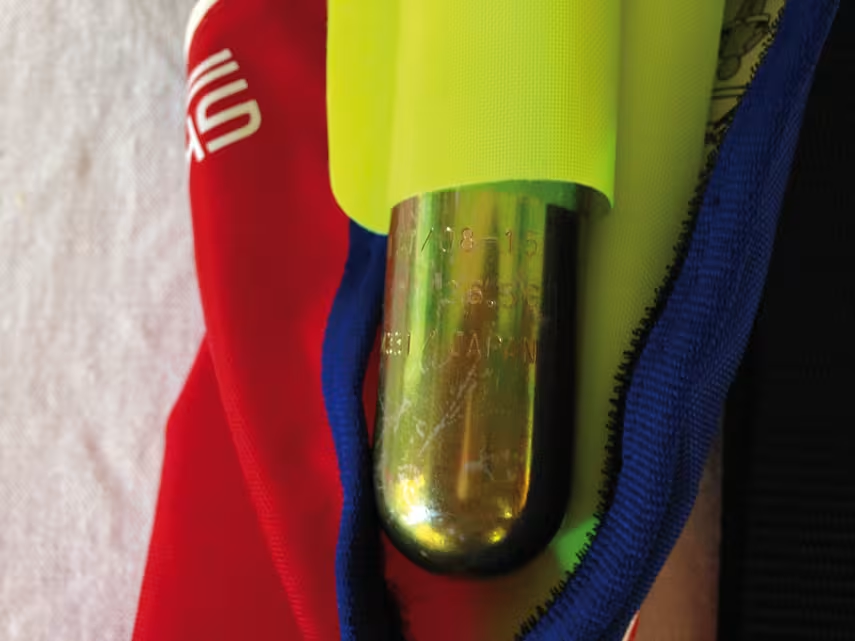
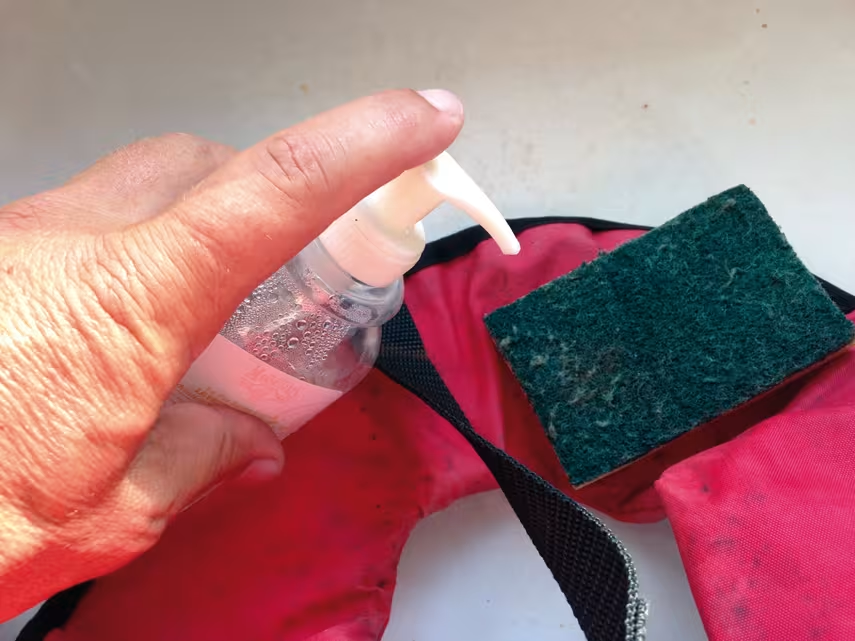
The opportunity to get the old lifejackets out of your lockers and take stock: what are your needs aboard? What are the main risks of falling overboard when you are sailing? For several years now, automatically inflating lifejackets have been establishing themselves little by little: they are lighter, less bulky and more comfortable, which makes you more likely to wear them at sea, and not just during emergency situations. Two technologies - salt tablet and hydrostatic – coexist; we are going to talk about them here, as well as the routine maintenance of these lifejackets, before tackling the replacement of the CO2 cartridges in a future ‘Catamaran Basics’. And you will see that the good old foam lifejacket still has many uses, especially for young children! Lifejackets are sold by specialists, such as Plastimo, Secumar, Helly Hansen, etc. as well as directly through the big chains.