Let me take you back...
Until the middle of the 20th century, sailing was called "yachting", and was the preserve of an elite few who belonged to the upper social classes. In short, only the well-off could afford to go sailing for pleasure, whilst others went out to sea to feed themselves. The opening up of the sailing world began in the early sixties. The advent of production line boats that were easier to manage and sail, and which were most importantly cheaper, opened up the pleasures of sailing to whole swathes of the population. Big races such as the OSTAR and then the Route du Rhum were responsible for a generation of youngsters dreaming about sailing and then cutting their teeth on Optimists, 420s and then Hobie 16s...
The 70s welcomed a new generation of long haired sailors who wanted to see the world. For them, a boat was a practical and economical way for them to fulfill their dream. They ploughed the furrow which is still followed by today's round the world sailors, and even today they have a similar outlook, hoping to meet new people and taking the time to enjoy their dream!
Over 40 years the profile of typical boat owners has not changed that much. There are the mad keen sailors who want to race every weekend, families who want to spend time with their children and to help them broaden their experiences, and those who set out with friends or family, hoping to get the most out of their boat, which is the apple of their eye... And one of the greatest challenges when one becomes the owner of a boat, is to build a crew around you which is as motivated and passionate as the skipper, so that you can go sailing regularly and really make the most of your boat.
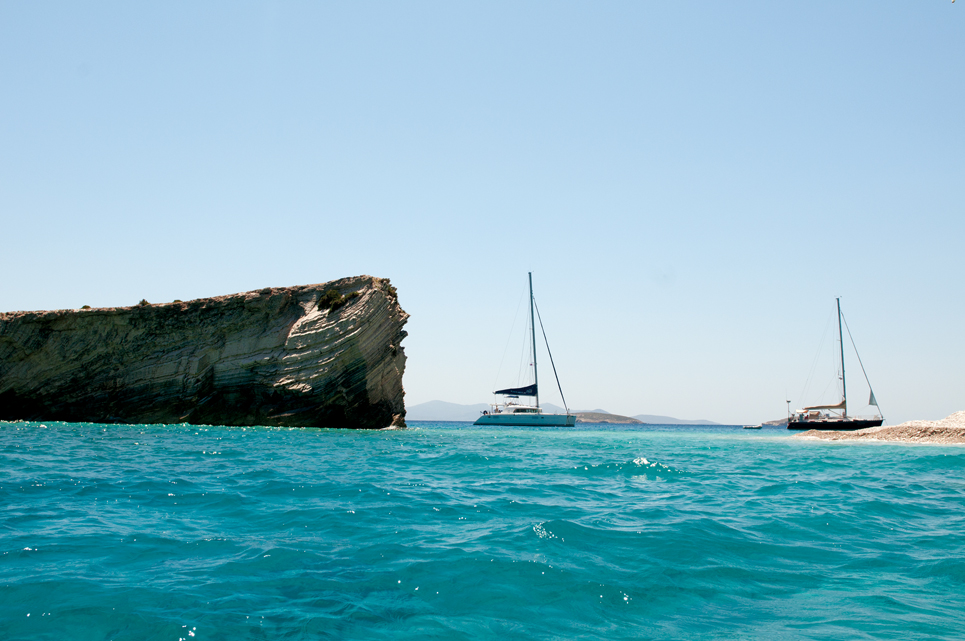
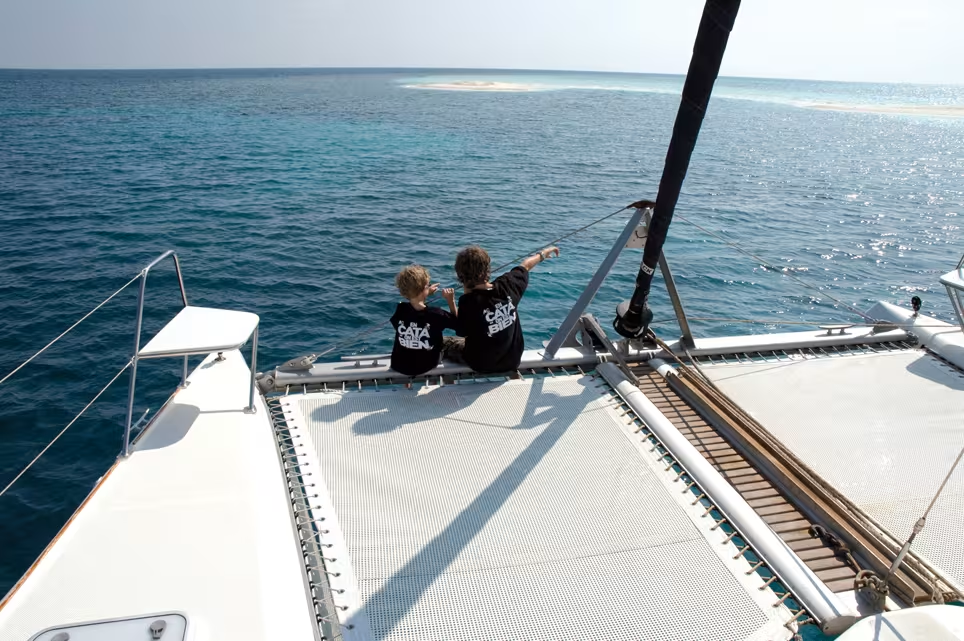
An idyllic anchorage shared with friends: magic!
It's All About Sharing...
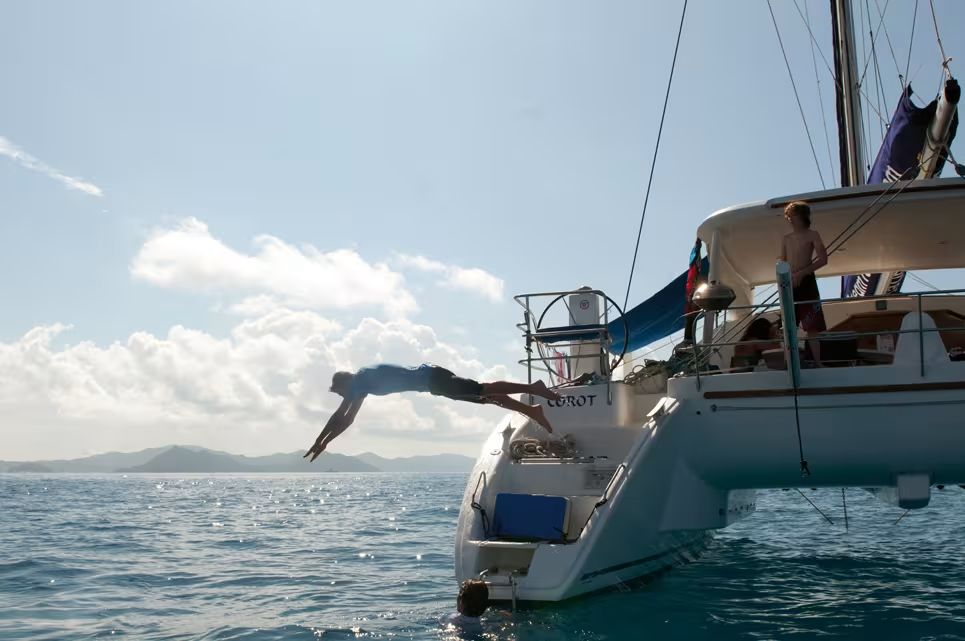
At sea, life is all about sharing. On board we share everything: from the living space which is tighter than on land, to the dream anchorages, taking down the sails in the middle of the night when the wind gets up or motoring into port in the dead calm, not to mention the pasta cooked in sea water and the fillets of mahi-mahi Tahitian-style. The boat is a microcosm of life, and life is all about being together, communicating and sharing with those around us.
Yet as on dry land, this idea of sharing is also changing at sea, and there are more and more people who are looking to make the most of their boat in different ways through a more developed kind of collaboration.
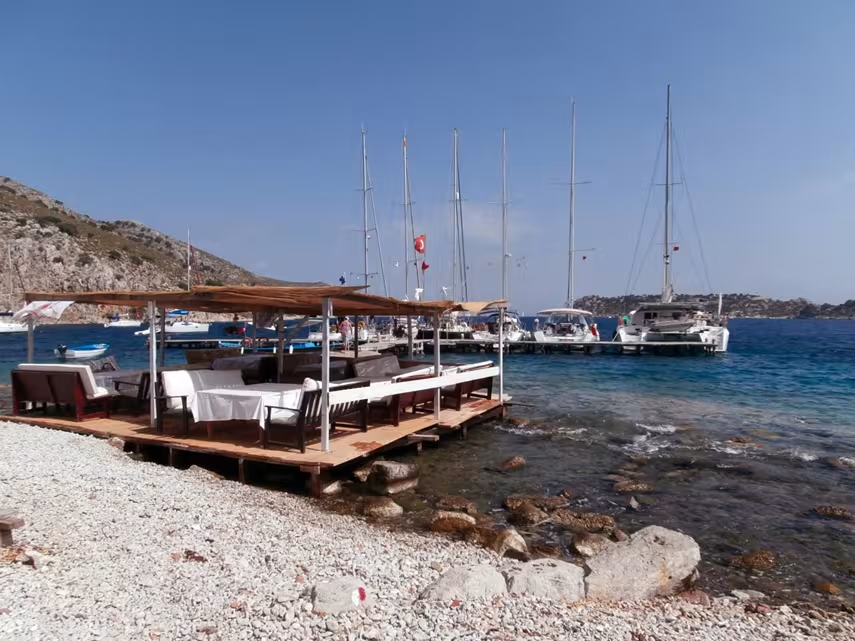
The first people to suggest a different way of enjoying sailing were of course the charter companies. From the early 70s on we saw charter hubs pop up in the most beautiful places across our blue planet: the BVIs, the Grenadines, the Bahamas, Greece, Polynesia, Australia, Asia... Today we can discover the world and even sail around it on a rented boat (check out our article on this subject in our Special edition Nç3 which is still available at multihulls-world.com). This way of sailing and discovering is definitely having its day in the sun, and rental companies are constantly on the lookout for new destinations, and are imposing draconian standards so that they are always able to offer boats that are in ideal condition. It's a real challenge!
This demand has led to the charter companies needing lots of new boats. To be able to regularly renew their fleets, they have come up with a solution which is a win-win situation for everyone: charter management.
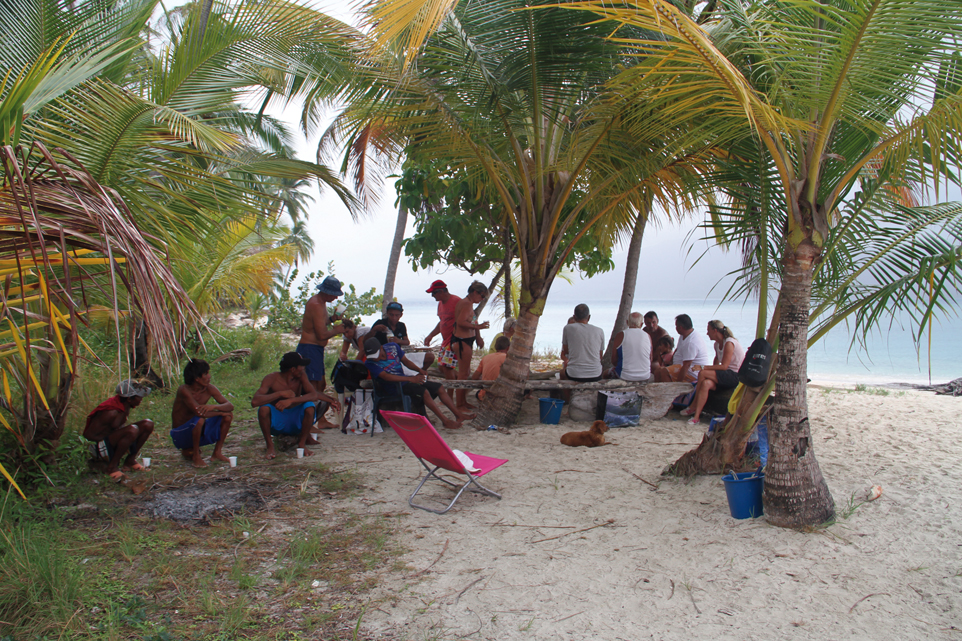
Co-ownership means that everyone can take their turn on the boat, or...everyone can sail together! (Photo Gwen Brovia)
Charter Management. The Intelligent Solution!
The option which is attracting more and more potential buyers, is management. The idea isn't new. Moorings have been using it since...1971! It's a fairly simple principle. You purchase a boat which you allow to be managed by a charter company, and rented out when you are not using it. As with a "classic" purchase, it will usually be financed by a lease contract. Each month, the charter company pays you an amount and offers you the chance to sail your catamaran for several weeks, or on an equivalent boat from one of their bases. In general, a contract offered by a charter company will usually allow you to sail for 12 weeks per year, although it is perfectly feasible to negotiate a deal where you can have more or less time on your boat. There are several different variants to these contracts, allowing you to invest more or less money (usually from 25% of the value of the boat), either with guaranteed revenues or even no income at all. In short, there is an option for everyone and every individual situation. The idea is that the charter company looks after everything, manages and finances the upkeep and the renting out of the boat. All the investor needs to do, is enjoy their boat for a few weeks of the year as long as they pay the lease contract. At the end of the period, the contract is paid out by selling the boat, which generally means a very acceptable return on investment, and one which will have allowed you to sail for several years for a very reasonable amount!
This is the ideal system for those who want to sail regularly, every year. Some charter companies even allow you to combine all your weeks together, so that you can really make the most of your boat... As appealing as it is, this formula does not allow you to personalize your boat, which must maintain the generally accepted levels required for a charter boat. So why not try out co-ownership instead?
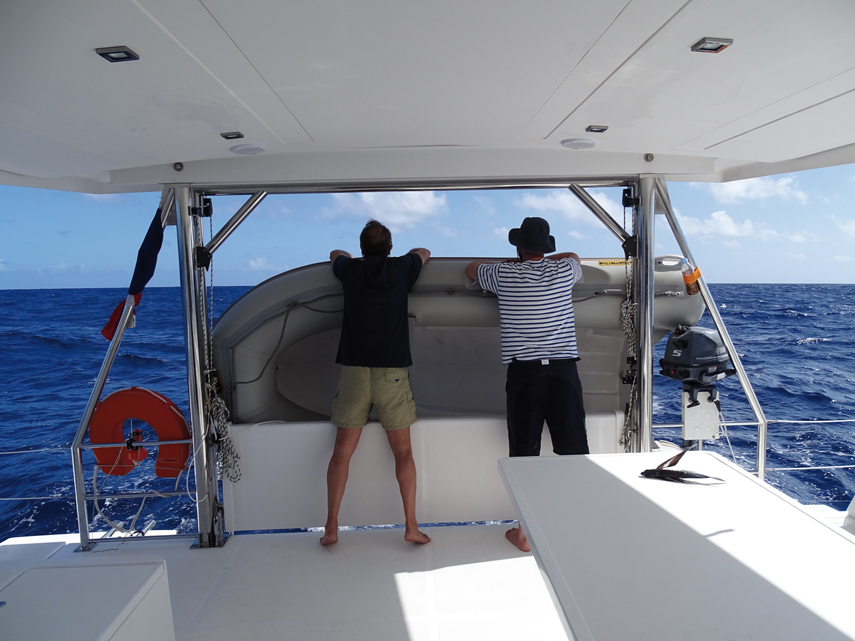
All kinds of boats and projects can be compatible with co-ownership. The tough bit is finding the right partner! (Photo Bali Catamarans)
Co-Ownership. A Solution With A Bright Future?
The idea couldn't be more simple: you buy a boat with a friend or family member or even someone who is unknown to you, and you then share the ownership, the usage, the maintenance costs, the insurance, the port costs and whatever else. This requires being in complete agreement in advance of the purchase over the availability of the boat, and also what one can and cannot do. In theory it's the ideal solution, as it is unusual to use your boat all of the time. Even during a sabbatical year, it's an interesting system: many of our readers use it to reduce costs. One family will start the program, using the boat for a year, before handing over to another family who finish it off. The idea is that it cuts the costs in half, whilst maintaining the possibility of a good resale price. Whether you're touring the Atlantic, The Med, Polynesia, the world or just the Ile de R_, there's no limit to this system. However, for it to work, you need to know your fellow owners well, their family, their sailing experience and habits, and you must be in agreement over the overall plan. There's nothing worse than having one family dreaming of tropical anchorages whilst the other is only interested in sailing around Spitzbergen or racing all the time... In the same vein, any investments which need to be made in the boat, must be agreed in advance of the purchase. If you have your eye on a new asymmetrical spinnaker and your fellow owner is more worried about a new fridge to make nice ice cubes for the aperitifs, then the chances are that there'll soon be a falling out
Co-ownership is a good method and it works, as long as you don't take the responsibility too lightly, and have everything that is expected of both parties and what you expect for the future, written in black and white. If you can get over this hurdle, there's no reason why you shouldn't be set for happy sailing on a magnificent boat, at half the price!
There are now professional companies which will put potential co-owners with similar plans in touch with each other, and who will then manage the co-ownership so as to avoid any problems, in just the same way as is done for property. There are now even applications which help to field any questions relating to co-ownership, so that everything is clear between the parties. This service has a cost of course, but it does give you peace of mind and the chance to make the most of your boat!
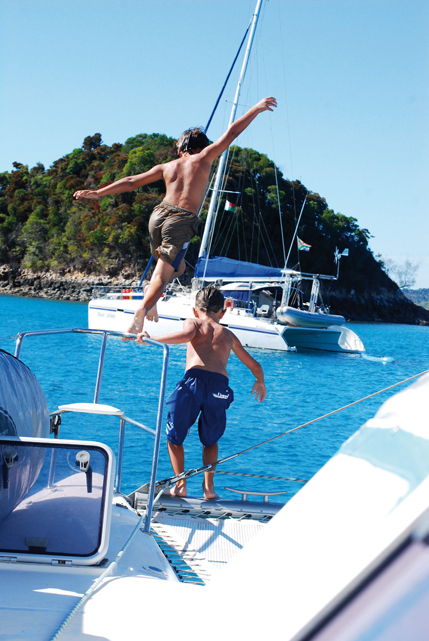
A voyage is first and foremost all about sharing...
Co-Navigation, A Never-Ending Adventure.
The idea of a reservoir of available crew members is nothing new. It has existed for decades, and has allowed many sailors to hitch a ride on a boat which needs crew members to be able to make its journey. What has changed, however, is that new technologies have allowed thousands of people to be able to get into touch through just a few clicks. And what's amazing is that it works
Co-Navigation has the wind in its sails at the moment. The website VogAvecMoi, the most popular French language website in the sector, claims to have 35000 people signed up, with 5000 paying members, 4000 active boats (from a total of 8000 registered) of which 200 are catamarans. They boast of thousands of successful co-navigations. Cl_ment Rouch, boss of the website is categorical: 90% of their members use the site because they are looking for a shared experience: in other words, they want to sail their boat with other people whilst having fun and sharing the costs of the crossing. Only 10% of the site's users take advantage of the site for targeted reasons: in other words they are looking for a crewmember for a particular journey.
Jacques is the proud owner of a Lagoon 400 and clearly falls into the first category of a shared fun experience. Having sailed for a long time with a club, he took the big step of buying his first and then second boats, sailing out of a port on the French Atlantic coast. Friends of his had a catamaran which he tried out... he promptly sold his monohull for a cat! With his new sailing zone being in the Med, Jacques was on the lookout for other amateurs to accompany him on his summer sorties. He usually offers trips which last at least a week. He looks for people who enjoy sailing but not those who just want to sail for mile after mile. For the moment these shared journeys have always been a success. However, he is very particular about choosing his crew.
Marylne is an ex boat owner who began co-navigating as a crew member: "I had been without a boat for two years, and after reading an article about co-navigation, and as I was missing sailing so much, I decided to take the plunge and sign up with Vogavecmoi"!!!
"I was a little hesitant at first, as a crew member looking for a boat, but I was convinced by the way it was organized. I never came across any macho skippers, or any that were less than serious or even unhinged (although here, instinct is important, and my motto is always: show me your boat and I'll tell you who you are!). I sailed until I'd had my fill on some magnificent boats, with owners who shared the same passion for the sea as I did. Today I have found my Holy Grail, and after spending wonderful times with other sailors, I have found my own boat: Carpe Diem, an Outremer 43. Having spent such a wonderful time during that period of my life, I would now like to offer the chance of just cruising or racing on this magnificent boat to others, whether they be experienced sailors or not..."
Co-navigation is a mutual agreement that is entered into by an owner and a crew member. It is in no way a covert kind of chartering, and it's worth mentioning that the website systematically removes any ads where the prices are way out of line with the co-navigation charter. So how much does it cost? With Jacques, it's —60 per day plus the onboard kitty. For those who have sailed with Marylne, it's free to come back and sail again as long as you help with the maintenance. That's the real spirit of co-navigation
So, co-navigation, co-ownership, chartering or management? The choice is yours, and everyone will no doubt have a different situation to take into account. Good sailing!
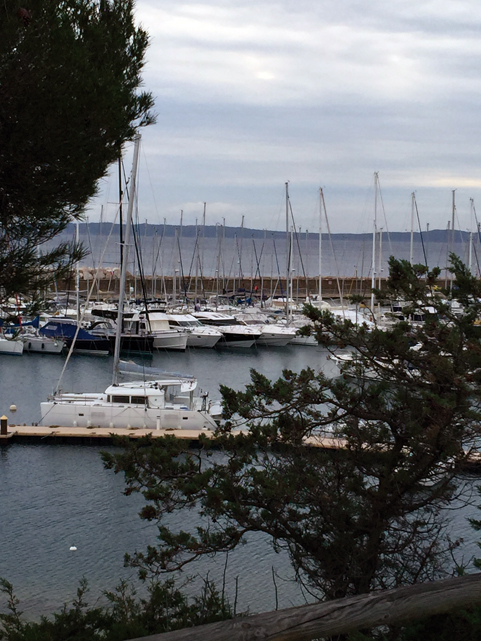
Jacques swears by the co-navigation format. For him it's a great way to make the most out of his boat and to meet new people.