
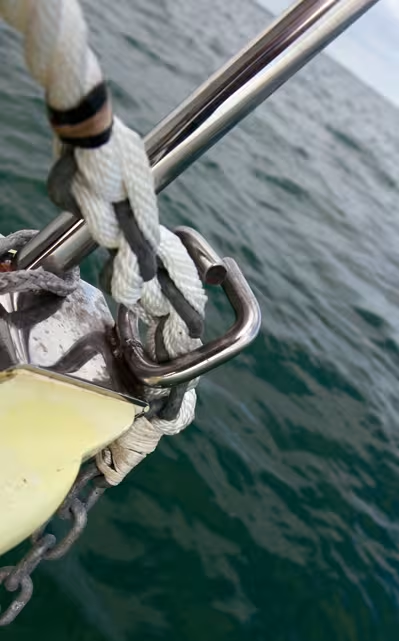


Although the big multihulls favor ‘all chain’ to make life easier for the windlass, this means a lot of additional weight, more often than not forward of the mast, in the chain locker – which it’s true is less of an issue than at the bow of a monohull. Think about it: 50 meters of 8mm chain means 70kg forward of the coachroof! For a small boat, a mixed, chain/rope rode is obviously preferable, as it provides better elasticity than chain alone, especially if you don’t have a bridle...not to mention the price of rope per meter, compared with that for chain: less than 3 euros for 14mm, against 4.70 euros for 8mm chain. But you must take care with the joint. Using a simple knot is out of the question: it can come undone, it is prone to chafe and reduces the strength of the rope. An eye splice round a thimble combined with a shackle is very reliable, and preferable, but has one drawback: the thimble and shackle readily jam when passing through a narrow bow roller, which is often the case on small boats. And as for the rare windlasses which can work with rope, they don’t like swallowing shackles... This is where the chain/rope splice comes into its own. It ensures perfect continuity between the two elements. It rolls easily over the bow roller, slides over stainless wire, and doesn’t come undone! And what’s more, with the price of A4 stainless nowadays, it’s certainly the cheapest of all the joints.
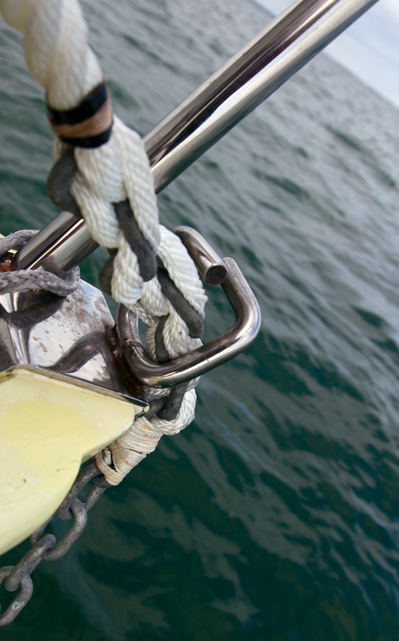
Thanks to this splicing method, you will no longer have to be at the bow to pass the thimble and shackle through the roller.
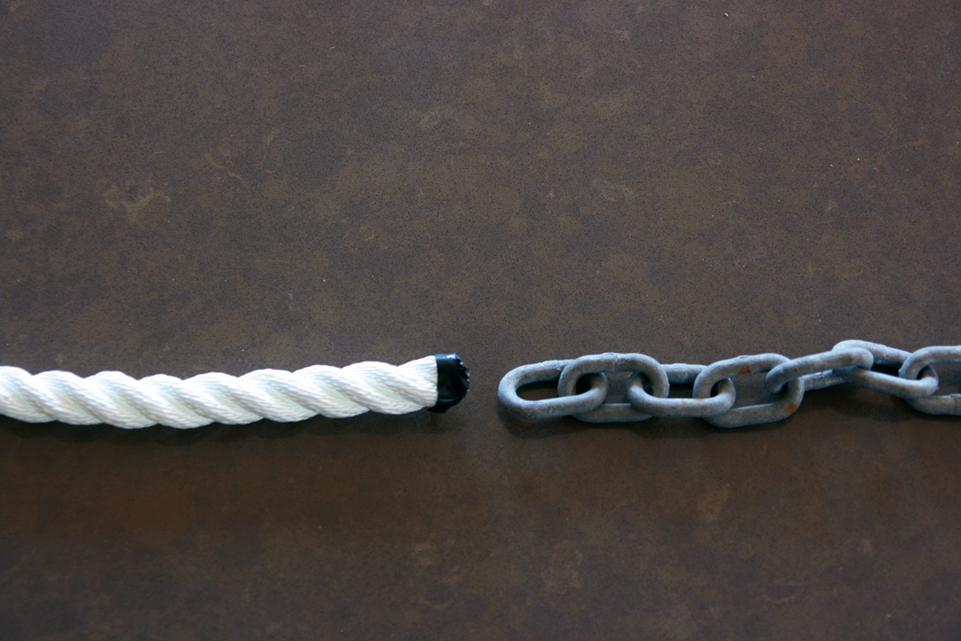
A good splice begins with a good pair of elements... This is not hard to establish: two strands of the rope must be able to pass through the same chain link. With 6mm chain, 10 to 14mm rope is perfectly suitable.
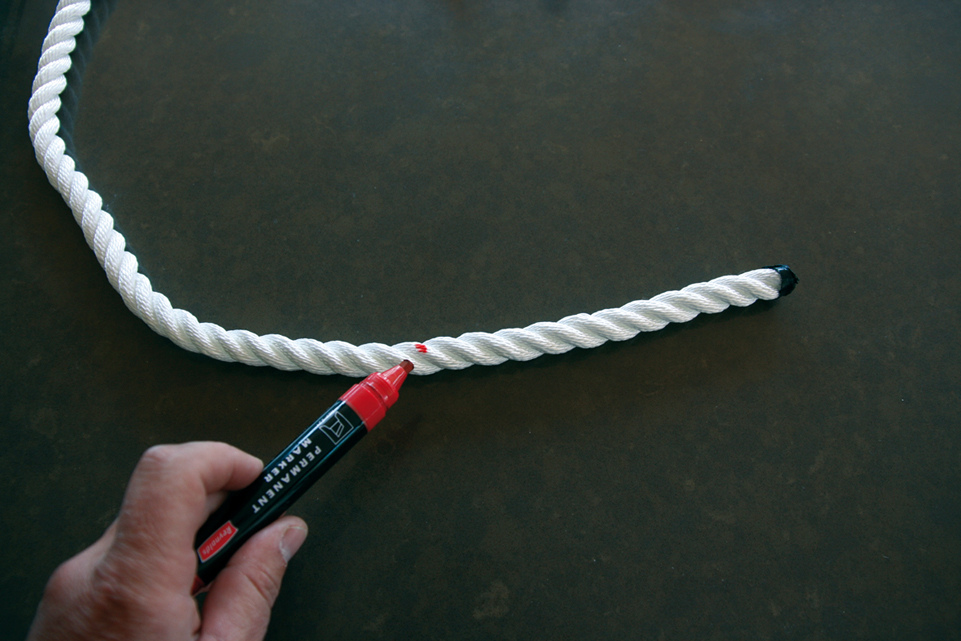
Count 12 strands from the end of the rope and make a mark with a felt tip pen or a piece of tape. This is the right length to ensure a splice which is both compact and not likely to slip.
Before unlaying the rope, tie it off with whipping twine and a needle. Stitch a pair of strands four or five times, then finish with turns and half hitches. The three strands are now held together and are immobilized.
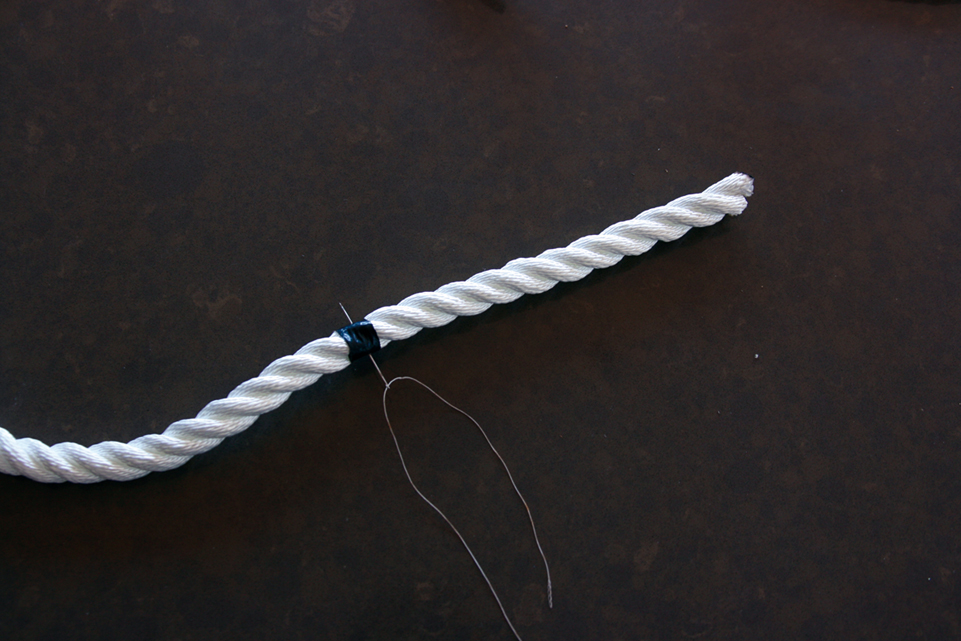
Each strand can be freed. And as all white strands look alike, identify them using a visual code. Here we are using adhesive tape.
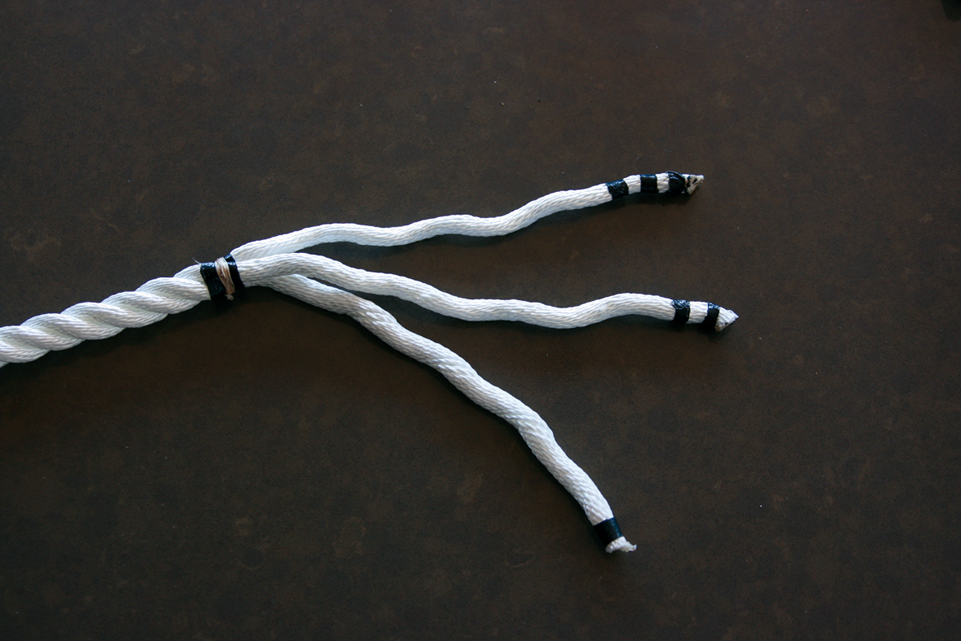
Here we go! The first strand passes through the first link of the chain. But not any-old-how: the idea is that the following strand arrives in the opposite direction, a principle maintained throughout the exercise.
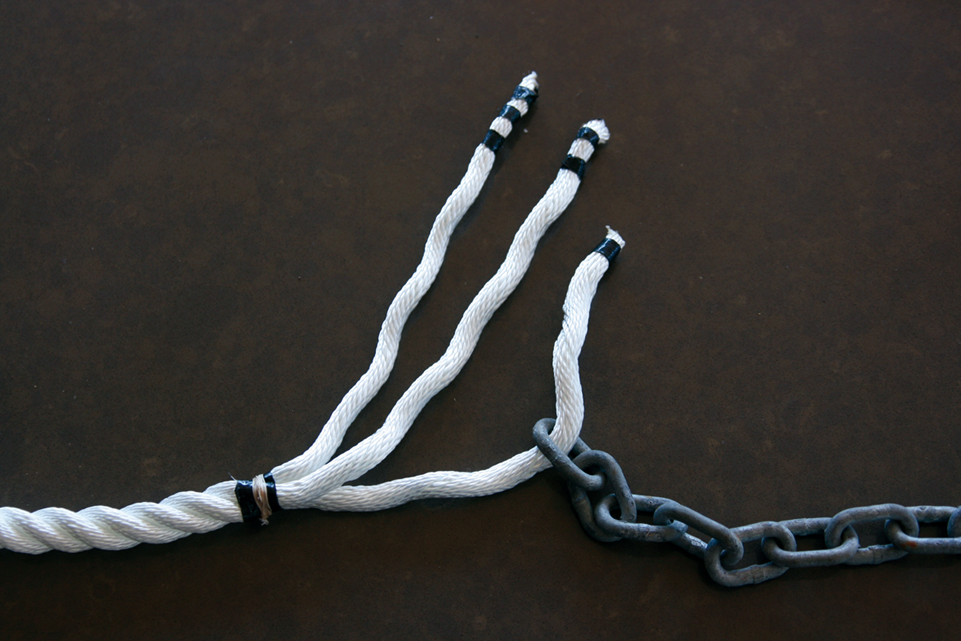
The second strand therefore also passes through the first link, crossing the first. End of the first tuck, pull tight firmly, keeping the chain in line.
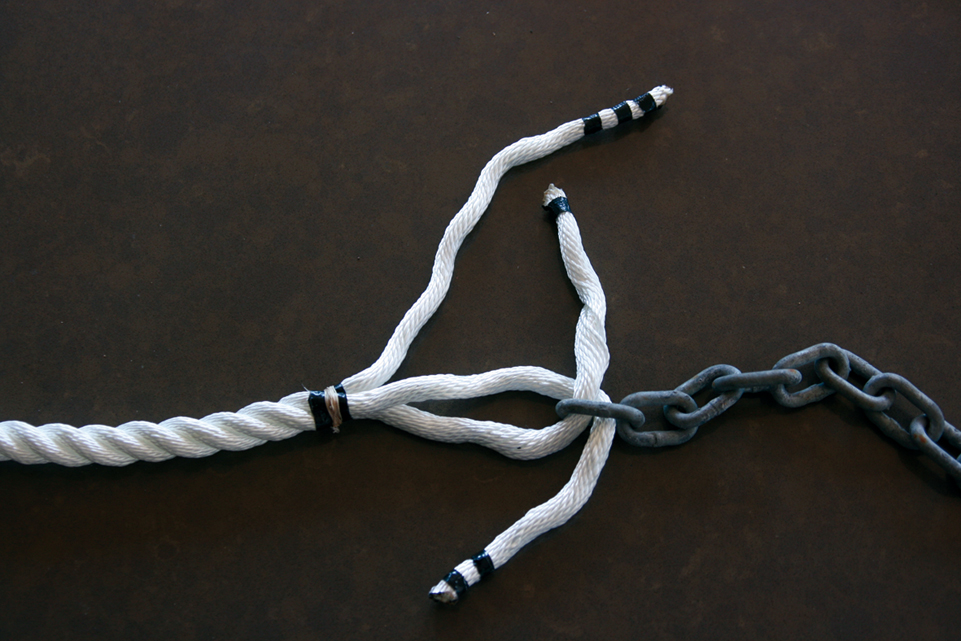
It’s now the turn of the third strand: this one goes through the second link of the chain. It is positioned so it will cross the first strand...when its turn comes.
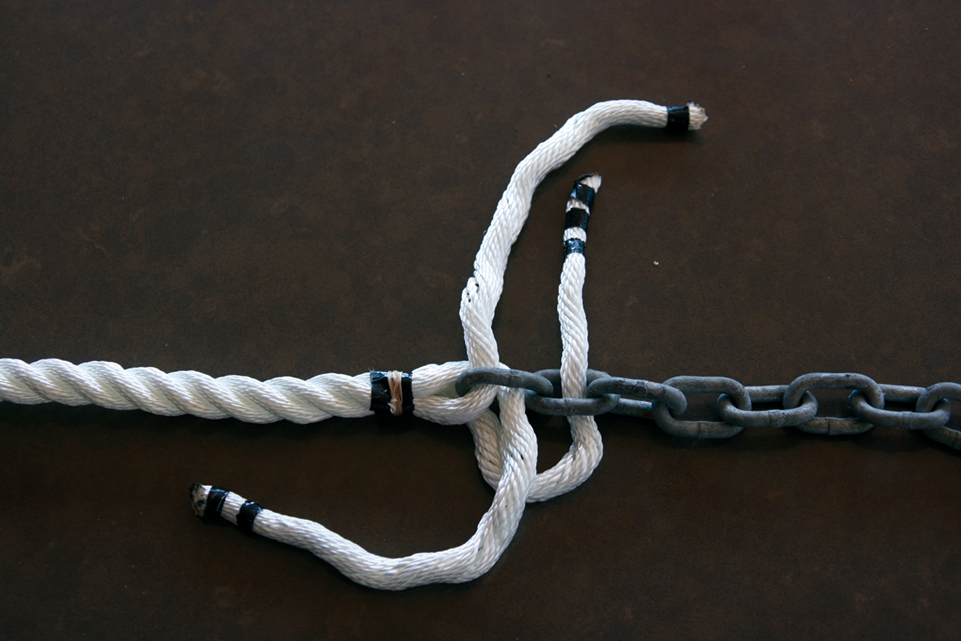
The first strand passes through the second link, in the opposite direction to the third strand. You have just completed the second tuck. As you can see, it would be hard to make this easier!
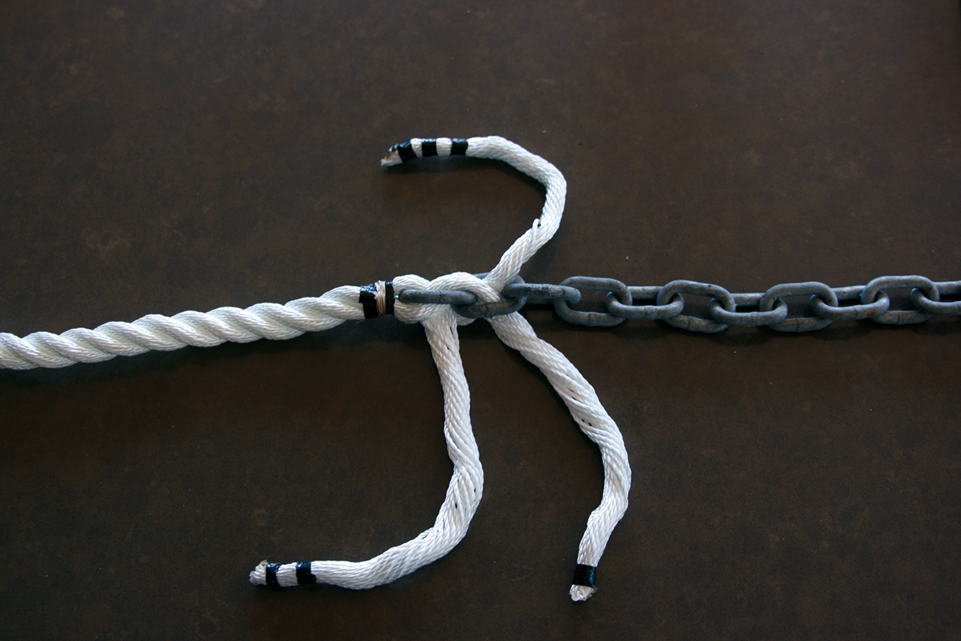
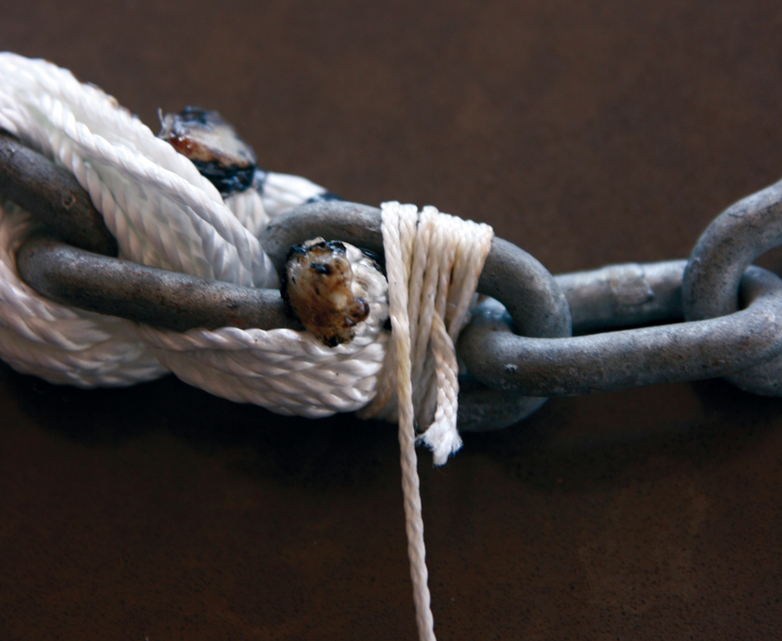
Let’s start the third tuck. The second strand passes through the third link. It will cross over the third strand. Continue in the same way to the end...of the strands.
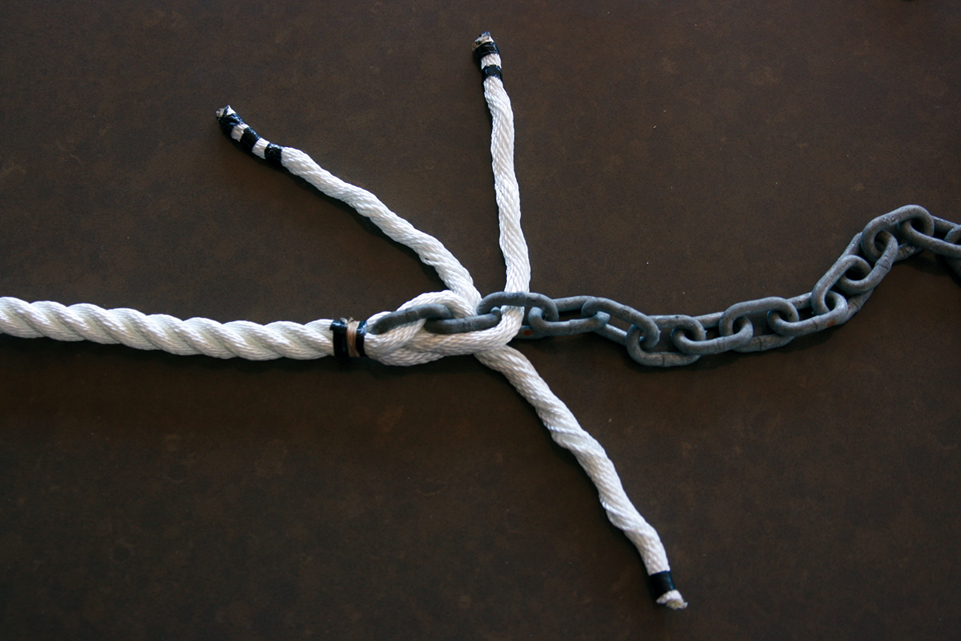
An electric rope cutter or a knife and a lighter, your choice: the aim is to leave around a centimeter of each strand, to avoid it escaping from the links.
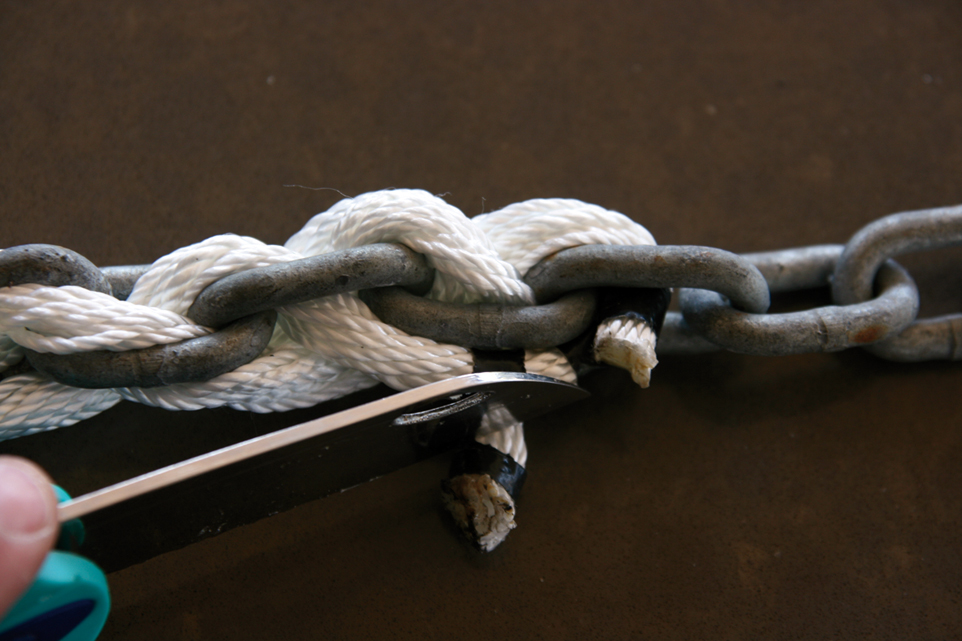
Use very thin line or thick whipping twine to immobilize the ends of the strands, which are first folded back on the rope side, before disappearing under the whipping.
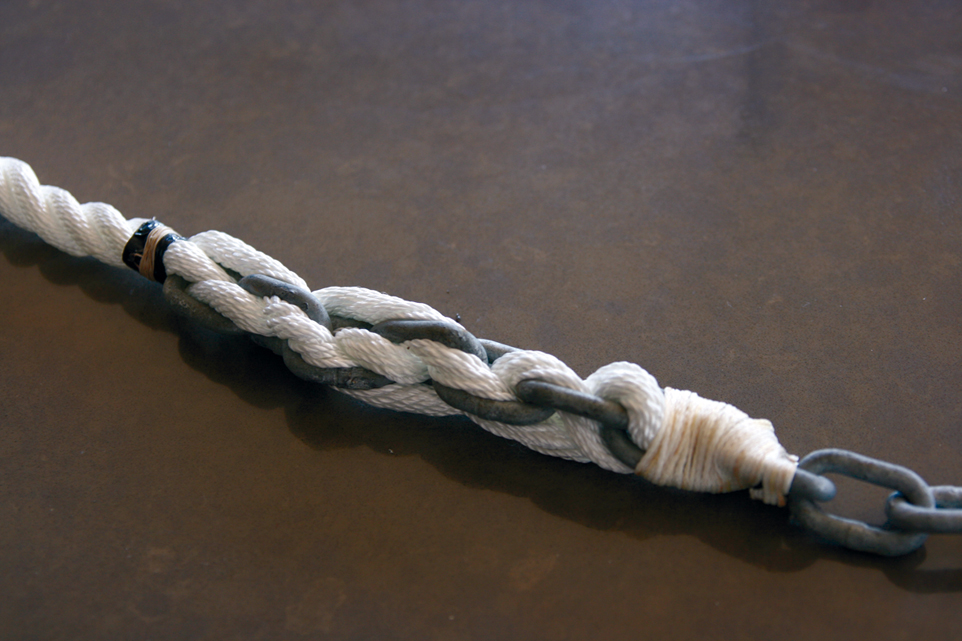
The chain/rope splice is ready for the narrowest of bow rollers, and won’t jam: a ‘plus’ when it’s time to weigh anchor!
The professional’s opinion
Box
“For a small boat, the rope/chain splice is easy, reliable and economical.”
On the big multihulls, I would favor 'all chain’, to keep some weight in the anchor rode. But I remember having broken the mooring cleat on a small boat with this type of rode: a wave a bit steeper than the others caused the boat to jerk on the chain... It’s here, on these small multihulls, that a mixed chain/warp rode is a very good idea. More flexible, less weight and also a way of knowing how much rode you are letting out: unfortunately not many people mark their chain every 10 meters (paint or cable ties). The rope/chain splice is easy to do, reliable and economical: it’s the best joining method to adopt. It doesn’t jam in the bow roller, but to avoid premature chafing of the strands, I would advise you not to leave the splice right on the roller, when anchoring. The opportunity to remind you that three times the depth of water is sufficient for a lunch stop. For the night, five times is advisable, taking into account the tide height.
My tools: A good knife, whipping twine, a needle, adhesive tape and a rope cutter or a lighter.

John Cottereau, manager of a cruising school.
