
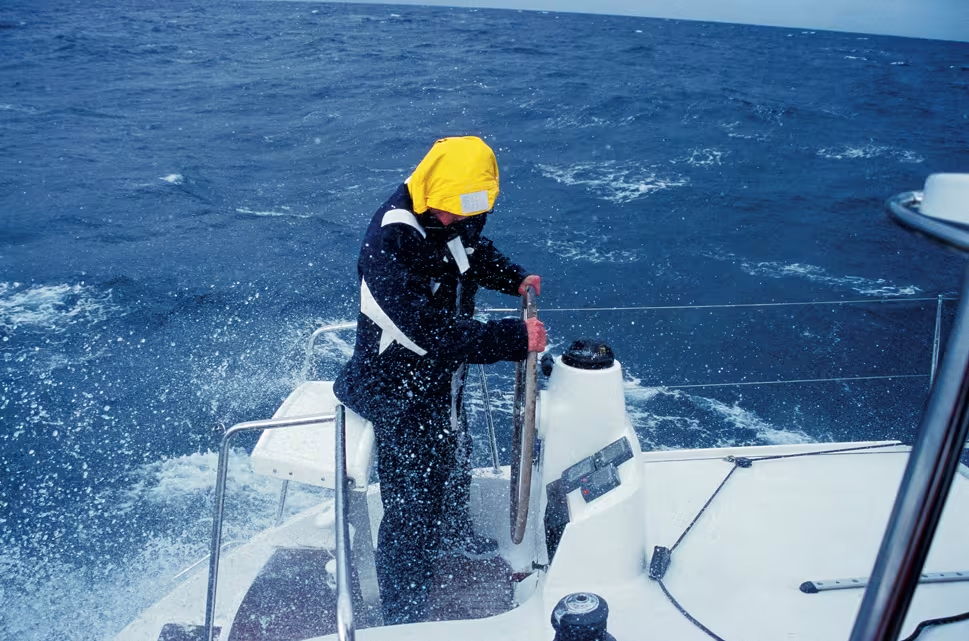


Whether it’s in the marketing or in the technical developments, it’s generally acknowledged that there’s been a considerable evolution in the last twenty years. The basic setup of oilskin jacket and trousers has now given way to three distinct layers, each forming an independent protective cocoon but with other well-defined functions:
1 - Comfort: Comprised of underclothes whose primary function is to conserve body heat and evacuate perspiration
2 - Insulation: made up of fleece-type insulating materials
3 - Protection: The primary function is to keep out wind and water
For the latter, and at the risk of disappointing you, in terms of the textiles themselves, there hasn’t really been any new development for the last ten years, if not longer! Note that the famous Gore-Tex fiber, which is Teflon-based, was developed by the company Gore & Associates back in 1969! Supple, breathable and strong, clothing made from it has permanently mothballed any coated fabrics. Even though these might be cheaper, they’re not going to keep us enthusiastic die-hard sailors happy for very long. With the patent now expired and in the public domain, it is used by virtually every marine clothing manufacturer. The difference then is in experience, the quality of the seams and the comfort of the “ancillaries”: hood, neck, cuffs, etc. There’s only one way to choose: try them on. See that you feel protected, comfortable, that you can move easily and see well. And you might be a proponent of the traditional jacket, or a fan of the traditional fisherman’s smock: sportier not just in style but also in the taking off and putting on!
So what’s the latest trend I hear you ask. Well, it’s a return to roots more than 1,000 years old, with a come-back of Merino wool for the first layer. You don’t need to stick with nautical stores for this, but you could try outdoor or trail hiking suppliers if you're looking for the latest products. In addition to the natural warmth that is produced by this natural fiber produced by New Zealand sheep, it has an advantage, which had previously been considered a disadvantage: it has the ability to absorb a lot of moisture. This allows odor to be considerably limited! The latest polyamide / polyester fabrics protect us effectively from UV rays and dry so well, but have an absorption coefficient close to zero.
Without doubt, the least technical of our three layers, is the intermediate one, though it does play a crucial role, that of keeping our bodies warm. Cold is one of the three major factors in seasickness, along with hunger and fatigue. The ideal thing: without a shadow of doubt, what you need to help keep your body temperature up is a fleece, perhaps backed up by Gore-Tex for extreme latitudes. Even though most of the time we are ok with just a top, if it’s really cold, trousers or even fleece salopettes are a must. Offering maximum comfort, salopettes can be inconvenient at certain times. Unless they are fitted with a large semi-circular zipper in the seat.
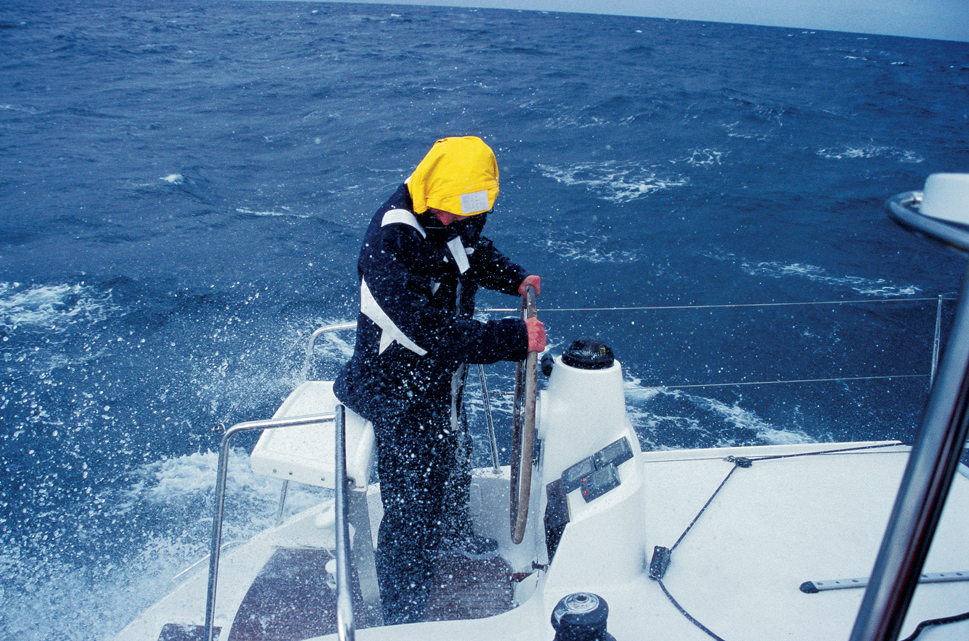
At sea, being well-protected is more than being comfortable: it’s a question of safety…
How to use
On a gentle night in the tradewinds with no spray or squalls, you put on the first layer like a pair of pajamas, and you’ll have a watch untroubled by even the slightest shiver. But what if the wind freshens and the temperature drops? Quick, put your fleece on. And then if there’s a bit of spray, some light rain or even if it’s just becoming damp, put on salopettes and a light jacket. Do you sail mostly offshore? Further north? Further south? In serious conditions? Then it won't be the same jacket - you need a more heavy-duty model. Not too tight, as you need to be able to move about freely, but thicker, offering more layers of protection to be completely watertight against any big seas you might ship in the gusts.
And then you might be setting off for a few weeks. Over the years your kit has become a collection of bits and pieces. And if you haven’t blown your entire budget on a new gennaker or the latest large touch-screen plotter, it might be time for a sailing wardrobe makeover.
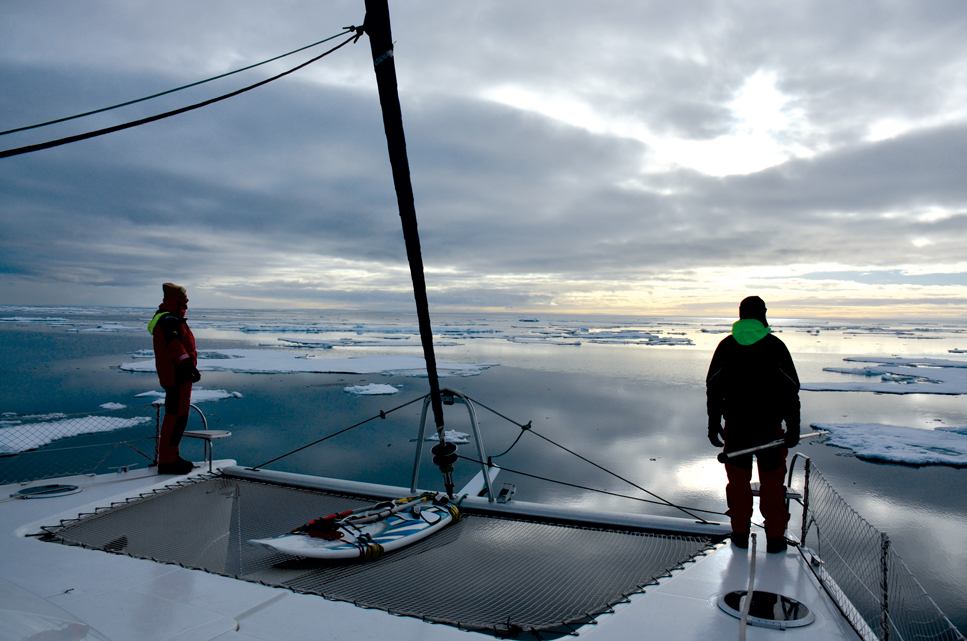
When you get into extreme conditions, you’ve got to have the right kit!
For standard tropical sailing we take:
• First layer: Long-sleeved T-shirt in polyamide or Lycra, so you can move about freely (€48 to 75) and assorted trousers (€42 to 75)
• Second layer: Fleece jacket or Softshell (€25 to 85)
• Third layer: Salopettes (€140 to 400) or light smock or jacket (€200 to 300)
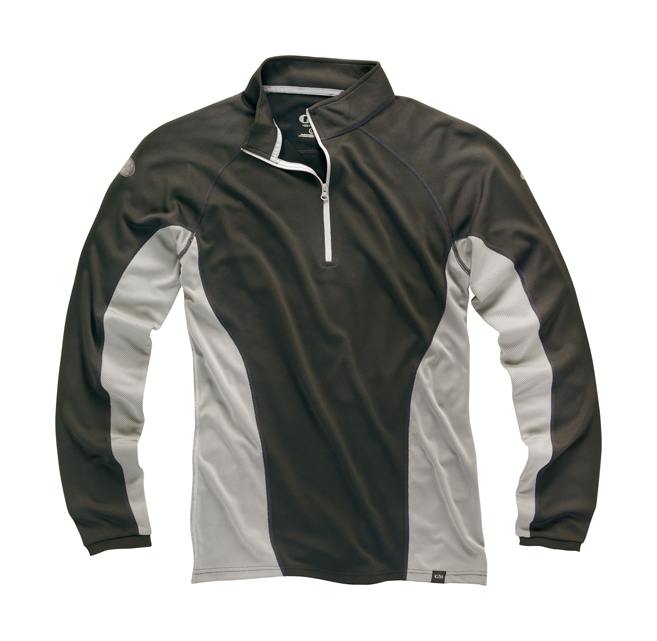
If your program is extending to more northerly latitudes:
• First layer in Icebreaker Merino wool (€65 for trousers, €70 for long-sleeved T-shirt)
• Second layer: fleece salopettes (€100)
• Third layer: Offshore jacket such as Musto’s HPX (€900!)
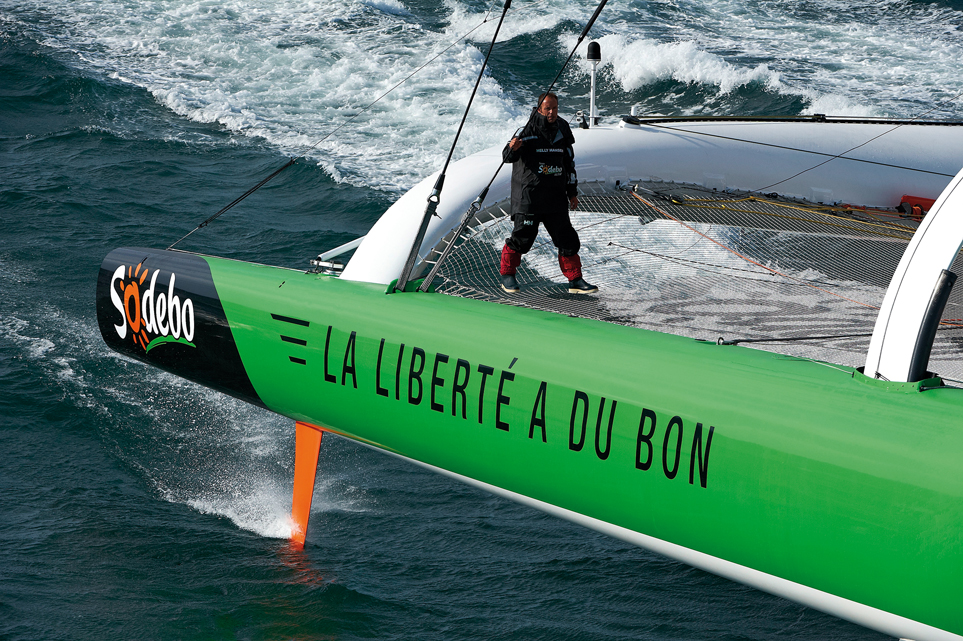
The most well-known brands cost more: but how do they compare for comfort (and therefore safety) for crews sailing offshore? In all circumstances, for intensive use, go for the top of the range, and consider it more in terms of an investment than an expenditure. Alongside Musto, mentioned above, you find the trendy Slam or Helly Hansen, the famous French make, Guy Cotten, the British Gill and the newcomer, Marinepool, who all have a wide and complete range of products. On the European market, these leaders now have to compete with fierce competition from Tribord, produced by the distribution giant Decathlon. With their enormous buying power and vast store network and their research department based in Hendaye, France, this leader in the sports distribution world spares no effort in flooding the market with products which represent great value for money and are increasingly relevant.
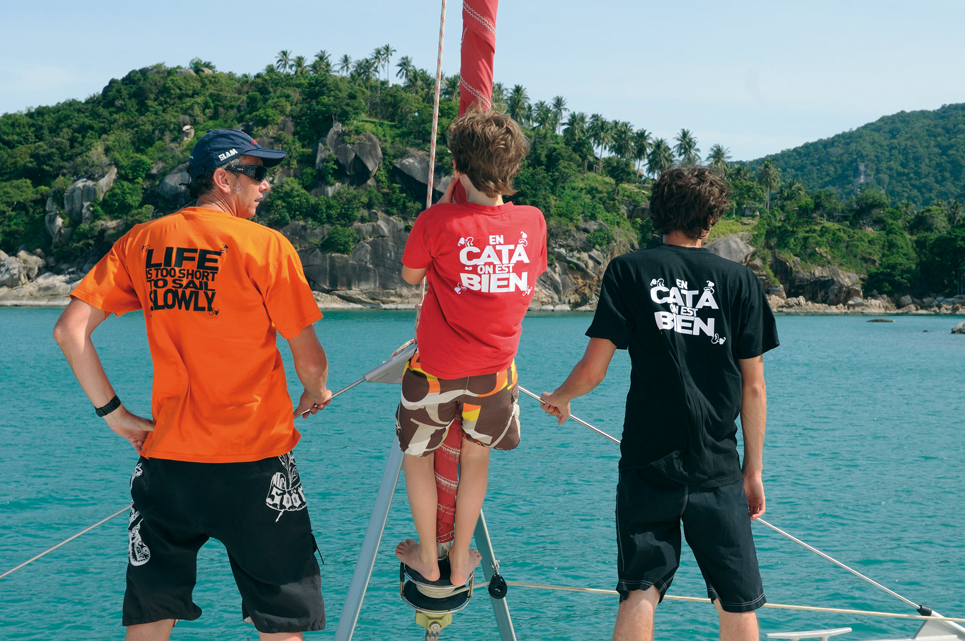
But you need to be as smart as possible too, for which there’s nothing better than a Multihulls World polo shirt…
What of the future developments?
There will certainly be developments for dinghy sailing and protection against the risks inherent with high speeds. As for us more sedate cruisers, extreme offshore racing conditions (VOR, Vendée Globe, Jules Verne, etc.) have pushed standards to a very high level for protection from the elements. Undoubtedly too high in relation to the conditions which we encounter while cruising, even long term, although there's nothing wrong with being a prudent skipper. But if you are scared off by the budget required for the most hi-tech jackets, there’s no need to panic. Some very good clothing is available at reasonable prices. The most important thing is to be properly protected, and to remain warm and dry! Oh and one last thing… once you are fitted out from head to toe, don’t forget about the essential gloves and boots…
