
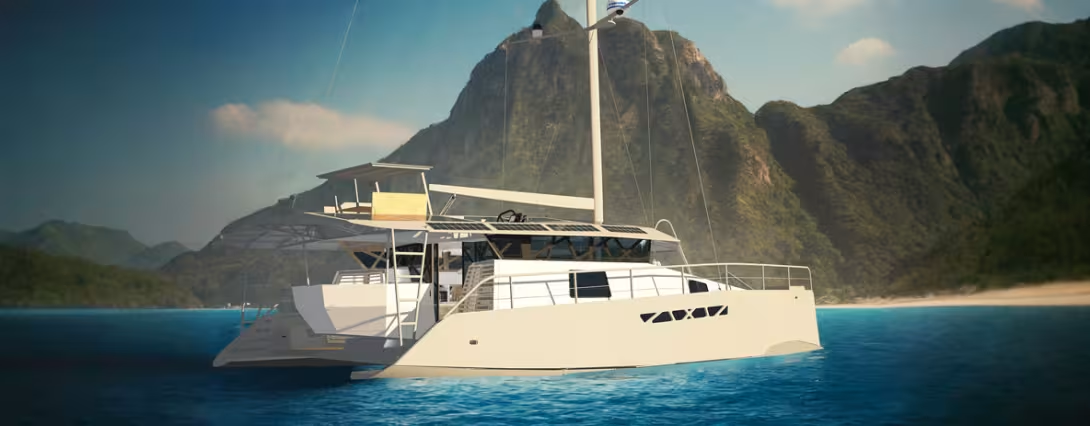
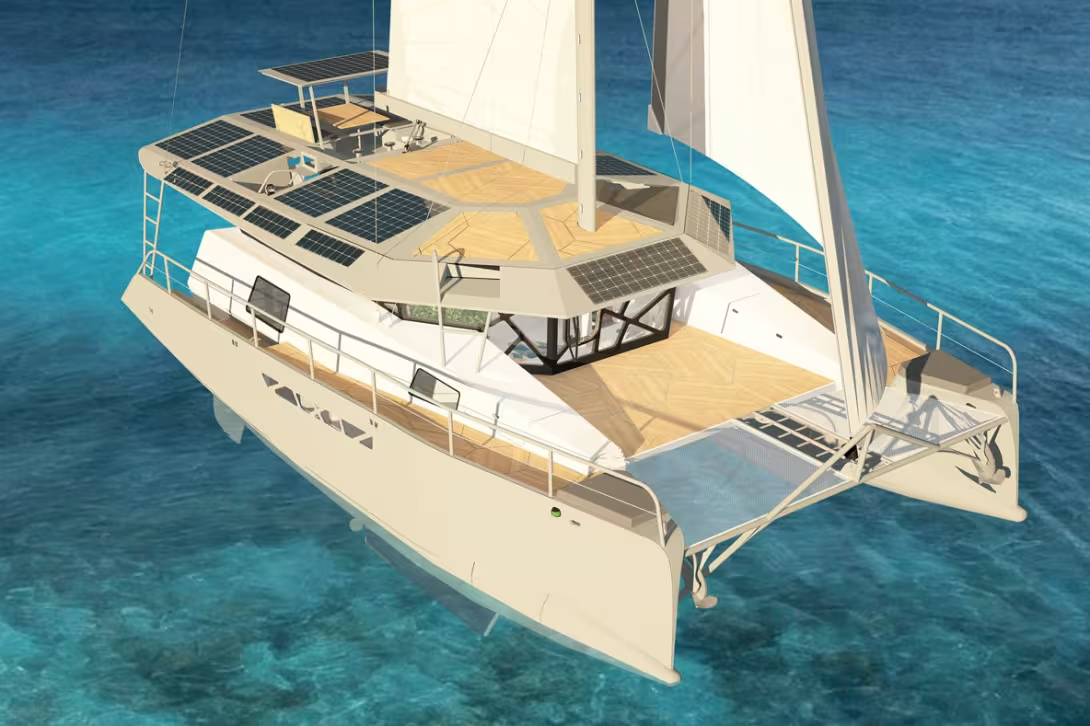
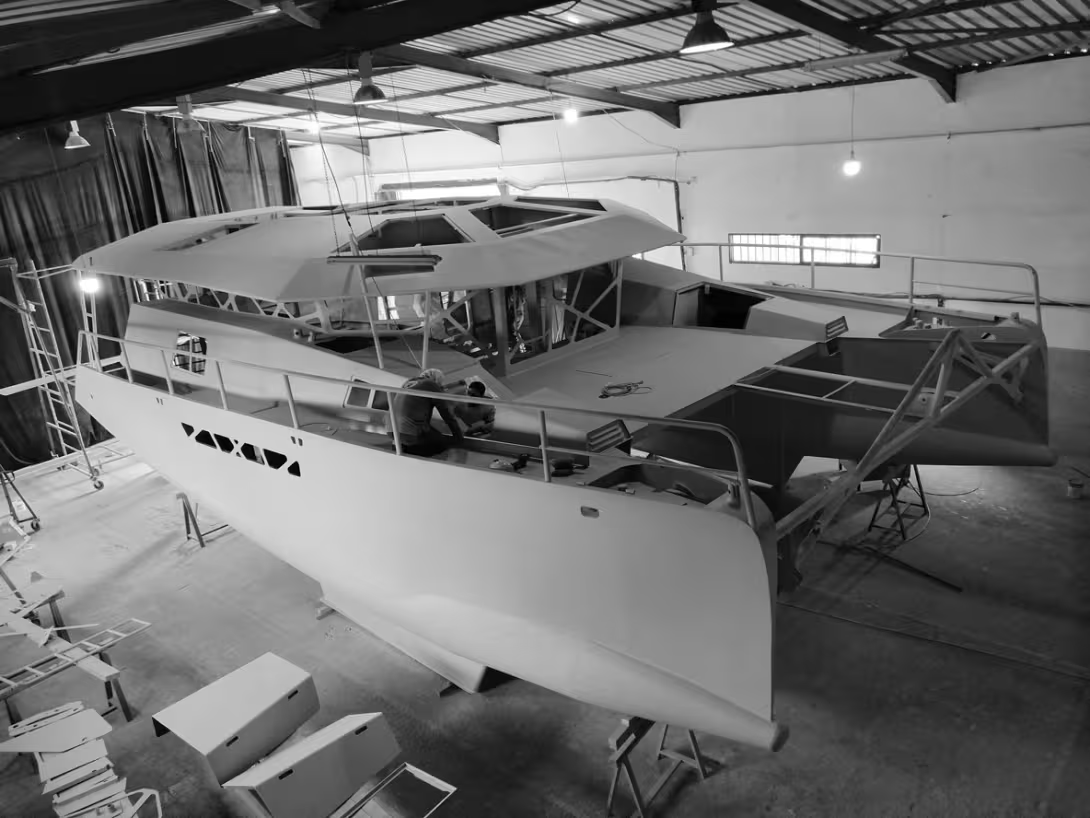
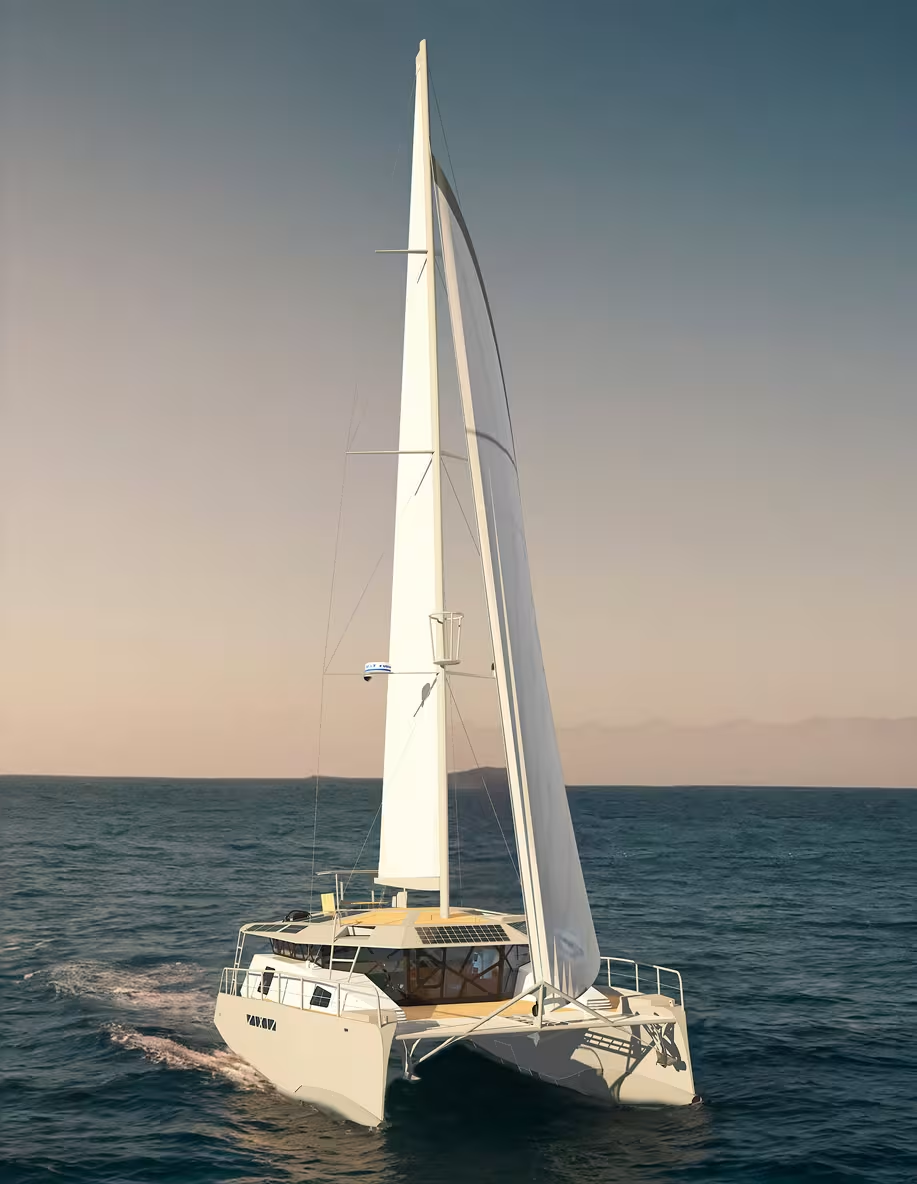
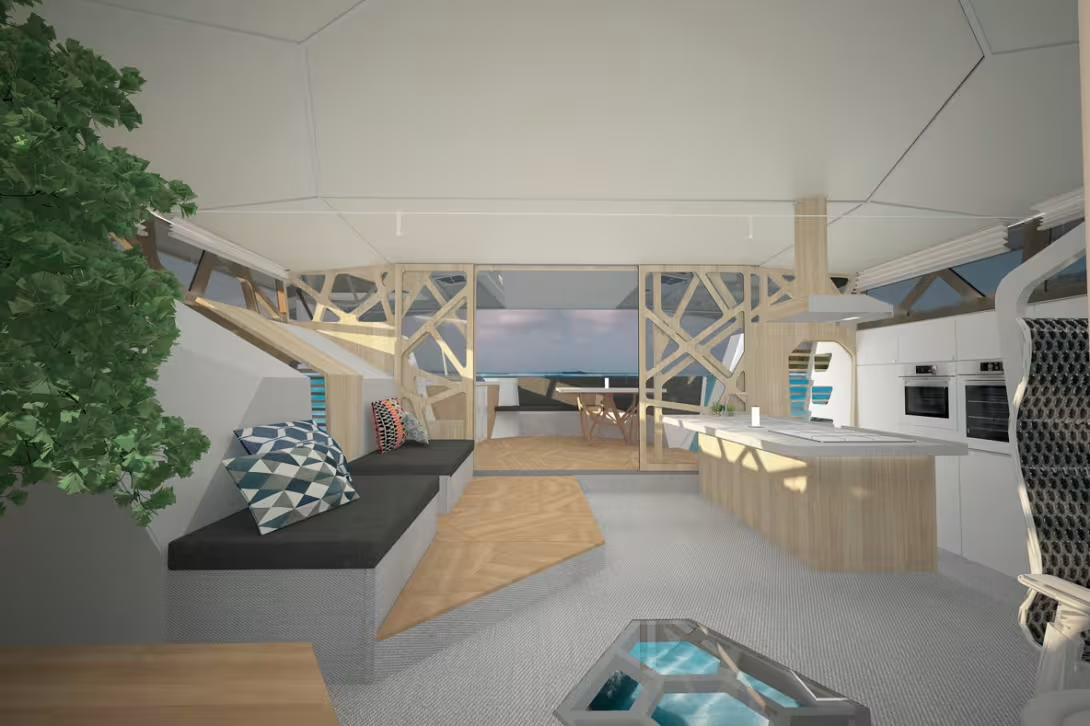
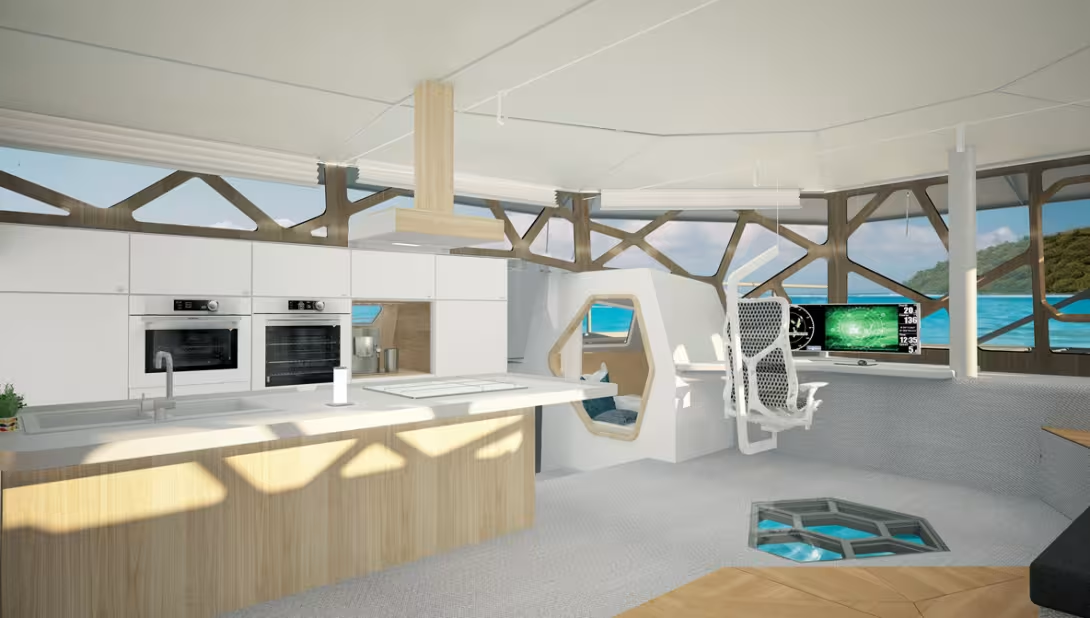
The name, meaning tortoise or turtle in French, is obviously not linked to performance, but rather to on-board comfort. Indeed, the imposing superstructures should offer exceptional living space for a catamaran that’s under 50 feet. The hull has two specific features: a bulbous bow is grafted onto each side to dampen pitching, and the stern is particularly sleek. Here again, the architects’ aim was to provide the most stable platform possible, including longitudinally. Two 1,200-liter (317-gallon) ballast tanks are also provided aft. Long keels and rudder skegs allow you to take the ground. The engines are housed just above the keels, for maximum protection of the propellers. The coachroof top has been enlarged to the maximum: 5.5 kWp of solar panels will be installed. Overall, we find the project very interesting, with just one reservation: the rig seems excessively slender, given the “on-board living platform” program. A shorter spar and a square-topped mainsail instead of an in-mast furling system would have the merit of lowering the center of gravity - and the sail area.
Manufacturer: Cataruga
Material: 8 to 10 mm aluminum
Length: 48’3” (14.7 m)
Beam: 25’9” (7.85 m)
Draft: 4’9” (1.45 m)
Displacement: 37,500 lbs (17 t)
Sail area: 1,076/1,507 sq ft (100/140 m²)
Motors: 2 x 57 HP and 2 x 10 kW
All-electric range: 2 hours at 6 knots
