True or false? Multihulls World has the Answers!
Although the concept of multihulls, i.e., boats with multiple hulls, is very old, the popularity of modern recreational catamarans and trimarans is fairly recent. This success has piqued the curiosity of some monohull enthusiasts while drawing criticism from others. Beyond the sterile controversy, if we start from the premise that no boat is perfect, it is legitimate to ask a number of questions. To validate certain factual observations but also to dispel a few persistent misconceptions, here is a look at 10 of the most common preconceived ideas about multihulls.
Image
1
/
1
Publié le
31/07/2025
Par
Dominic Salander
Numéro :
203
Parution :
Oct.
/
Nov.
2025

A multihull costs more to buy than a monohull
Yes and no
For the same length, a multihull is much more expensive than a monohull, whether new, used, or chartered. But with the same surface area, it’s another story....
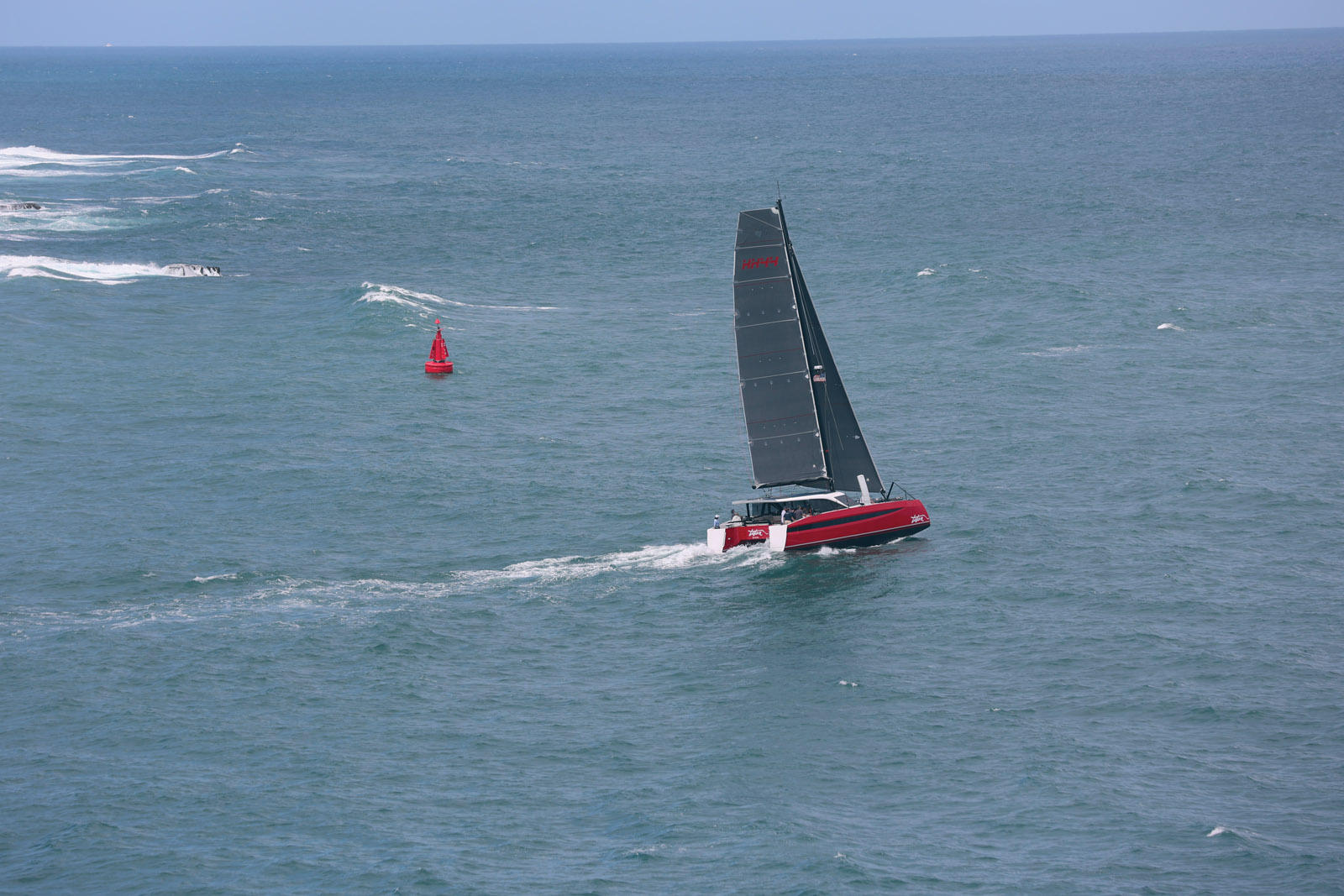
Many multihulls are now capable of sailing upwind at angles equivalent to those of monohulls.
At the helm of a multihull, you don’t get any sensation
Yes and no
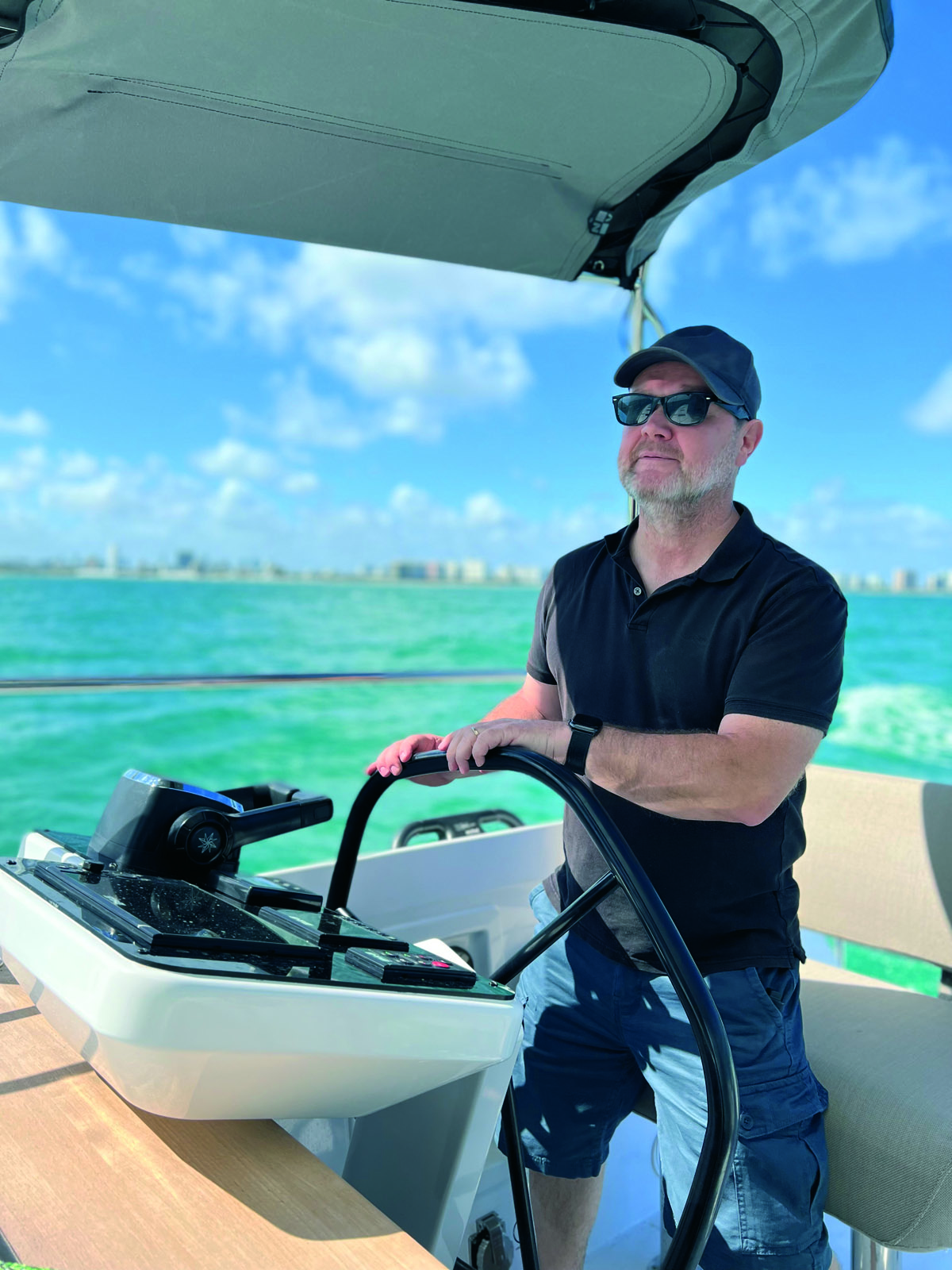
Even when flat, catamarans are fun to sail and can sometimes offer plenty of thrills if there is a breeze.
A multihull is not suitable for beginners
False
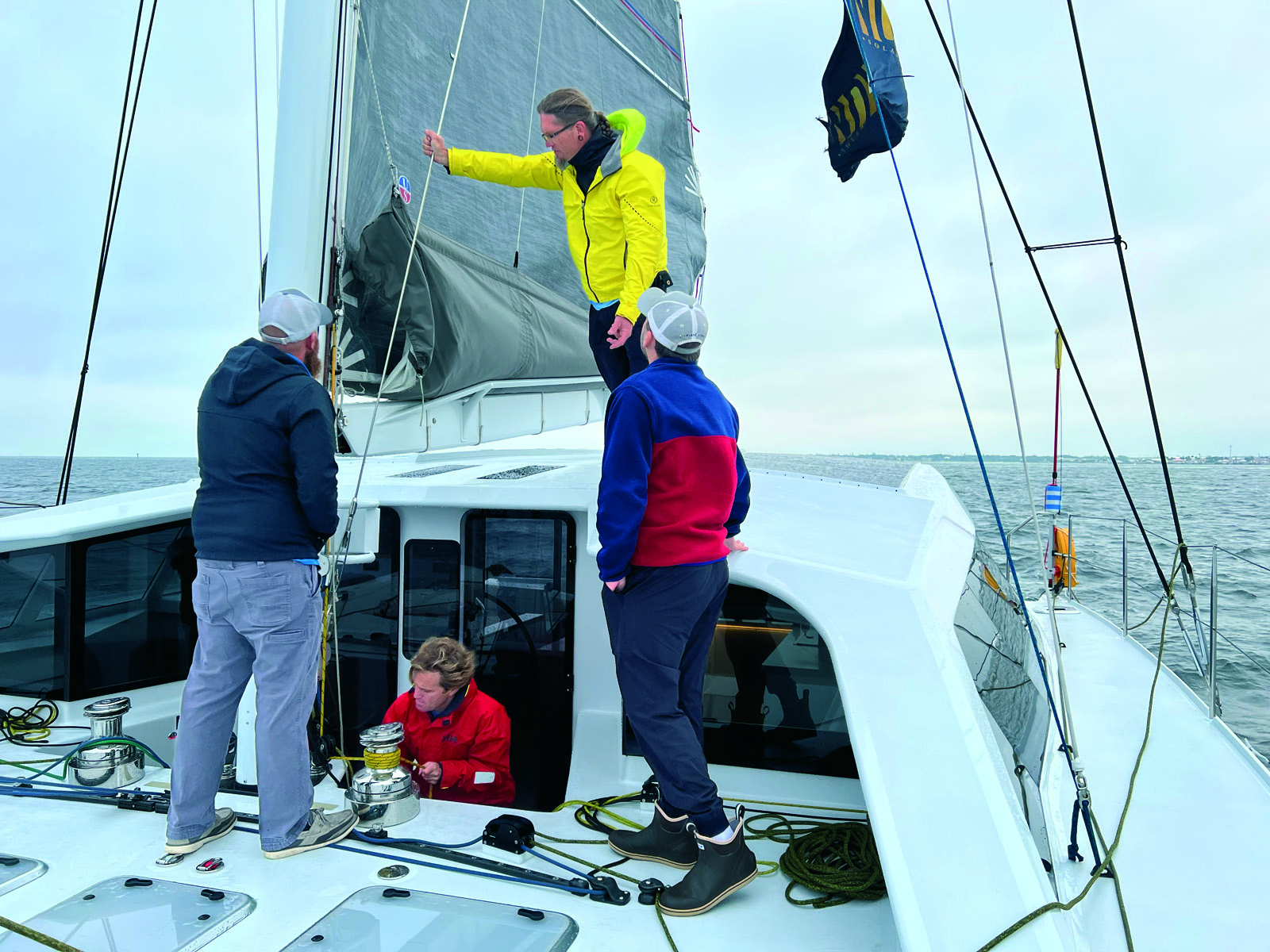
Many maneuvers are easier on a multihull thanks to their stability and lack of heel.
The two main advantages of catamarans are the presence of two engines, which greatly simplify maneuvers in the marina, and the absence of heel, which facilitates access to the foredeck or the foot of the mast.
This is probably the best proof that multihulls are more accessible than monohulls? By the way, fifty percent of multihull buyers are beginners - a proportion that is halved for monohulls.
A multihull can capsize easily
Yes and No

It is primarily waves that cause a cruising boat to capsize.
The safety criteria in heavy weather are therefore primarily length and then weight. So far, there is no difference between a multihull and a monohull. Let’s look at multihulls less than 50 feet and 10 tons; under normal conditions, due to their width and weight distribution, these “small and light” vessels are much more stable than monohulls of the same size, and capsizing due to (excessively) strong winds is extremely rare but can occur if the rigging doesn’t fail first. Once capsized, a multihull will not return to its normal position on its own, whereas a monohull has some chance of righting itself thanks to its ballast... which may well send it to the bottom. Aside from the issue of capsizing, it is also worth remembering the intrinsic safety advantages of multihulls: first of all, they rarely sink. As for catamarans, the fact that they are equipped with two rudders means that the boat can continue to be steered in the event of damage to one rudder. The same applies to motor sailing, where the presence of two engines is a guarantee of safety.
Multihulls are ugly...
Yes and No
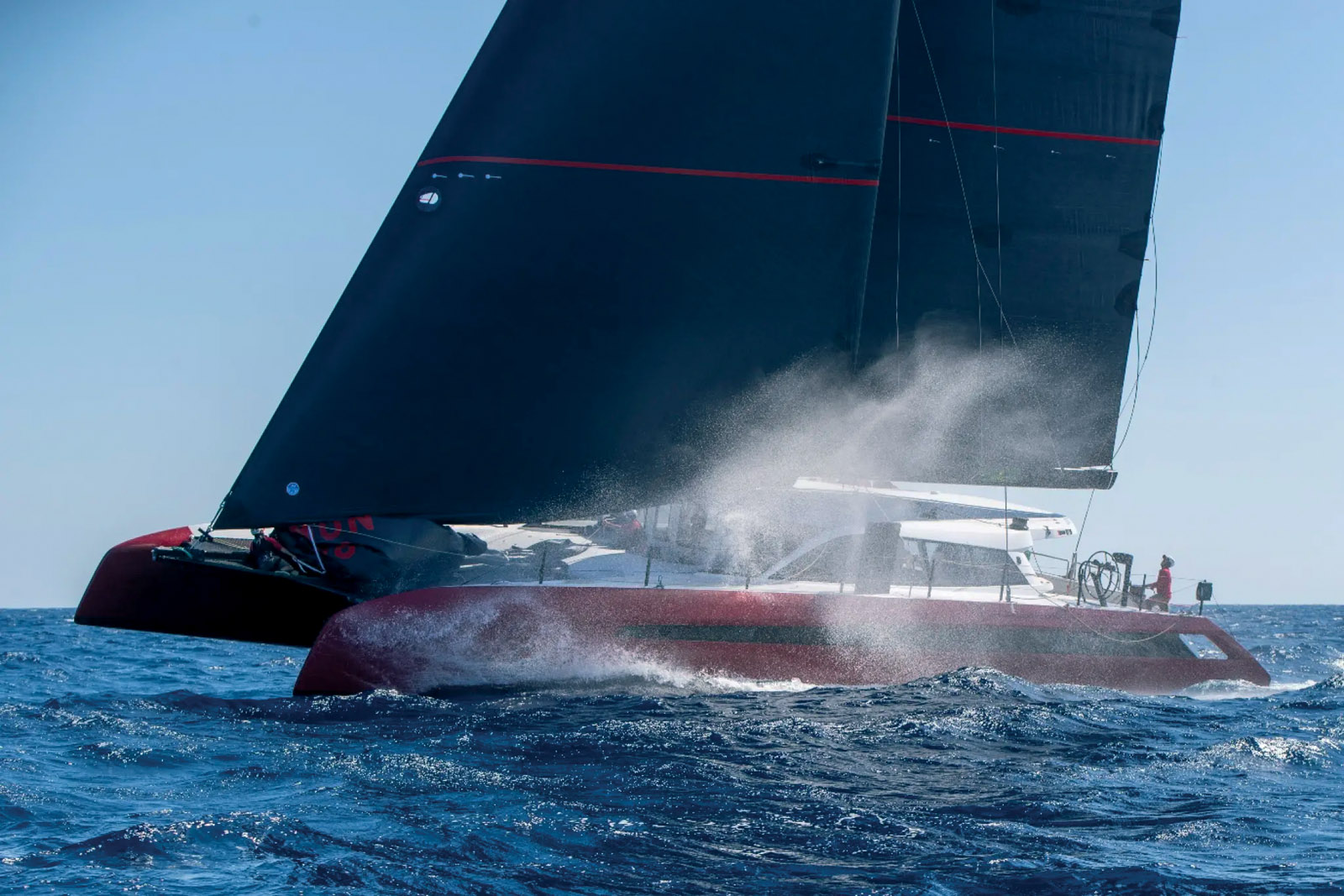
Honestly, don’t you think the Gunboat 80 is beautiful?
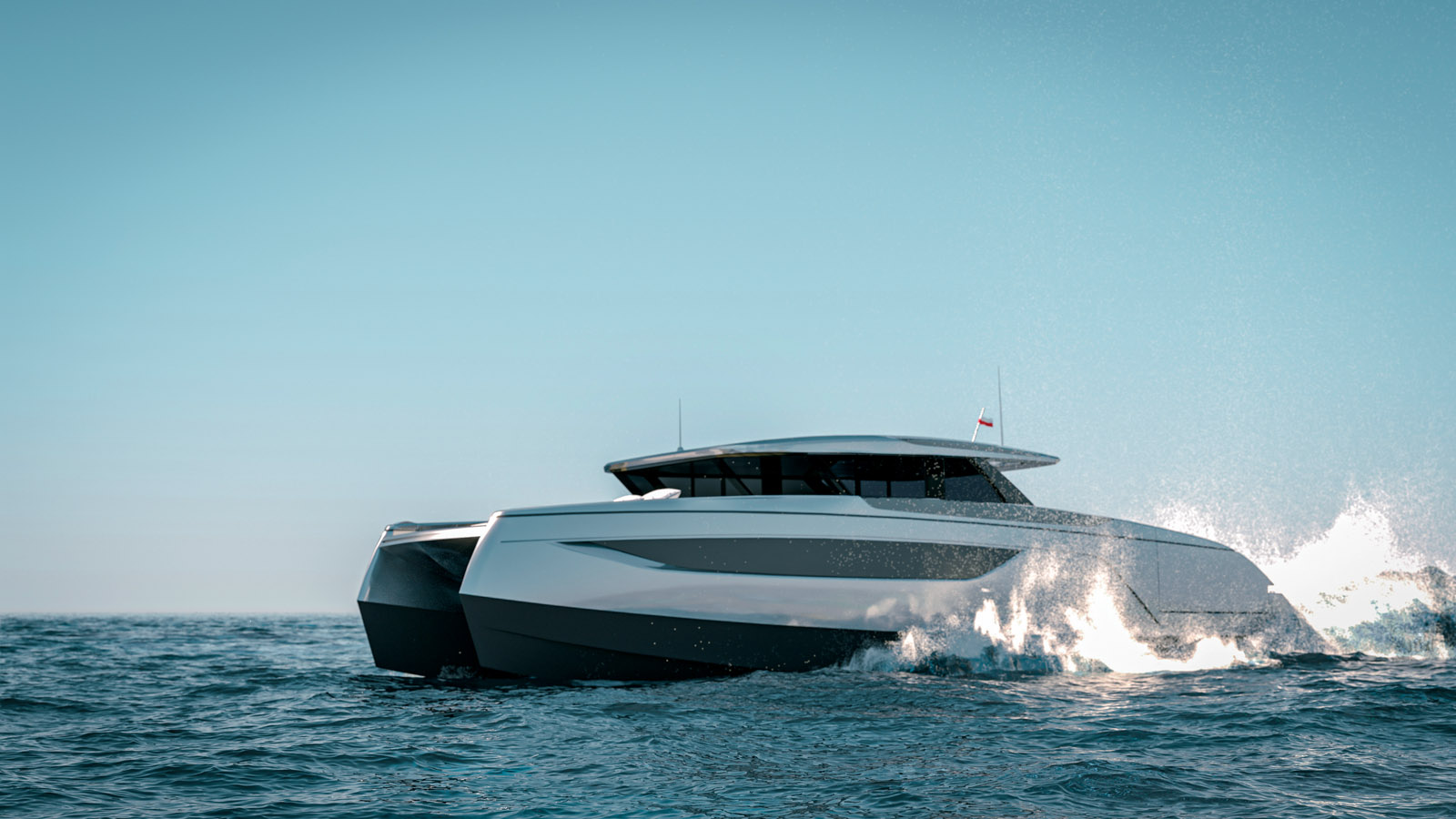
And isn’t the Sunreef 55 Ultima more modern than many single-hulled boats?
You get seasick on a multihull
Largely False
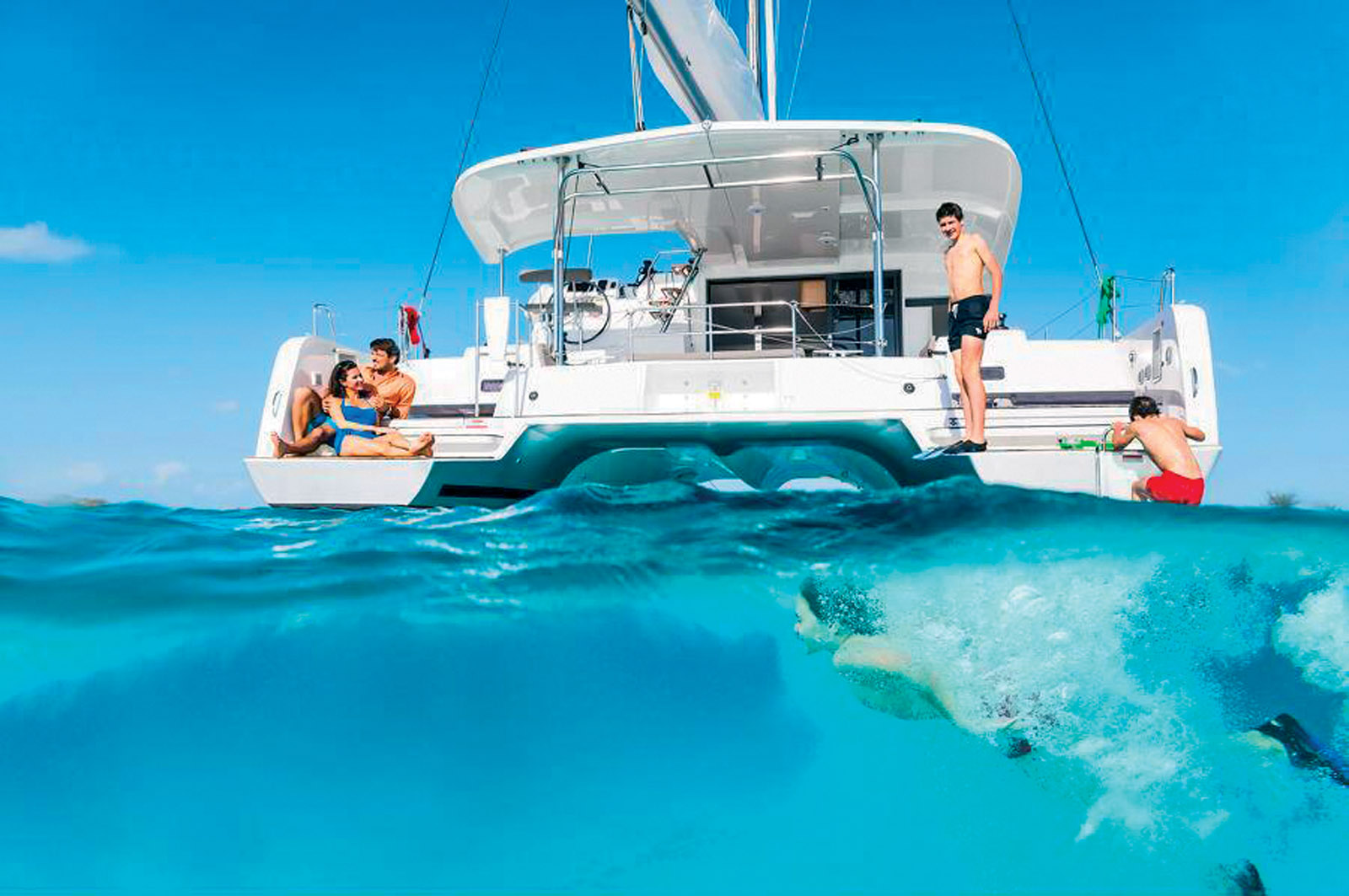
When moored, a multihull boat is much less prone to rolling than a monohull boat
This is even more obvious when at anchor: a monohull is likely to roll from side to side in certain conditions, whereas a multihull will remain flat.
Multihulls are very expensive at the marina
Mostly True
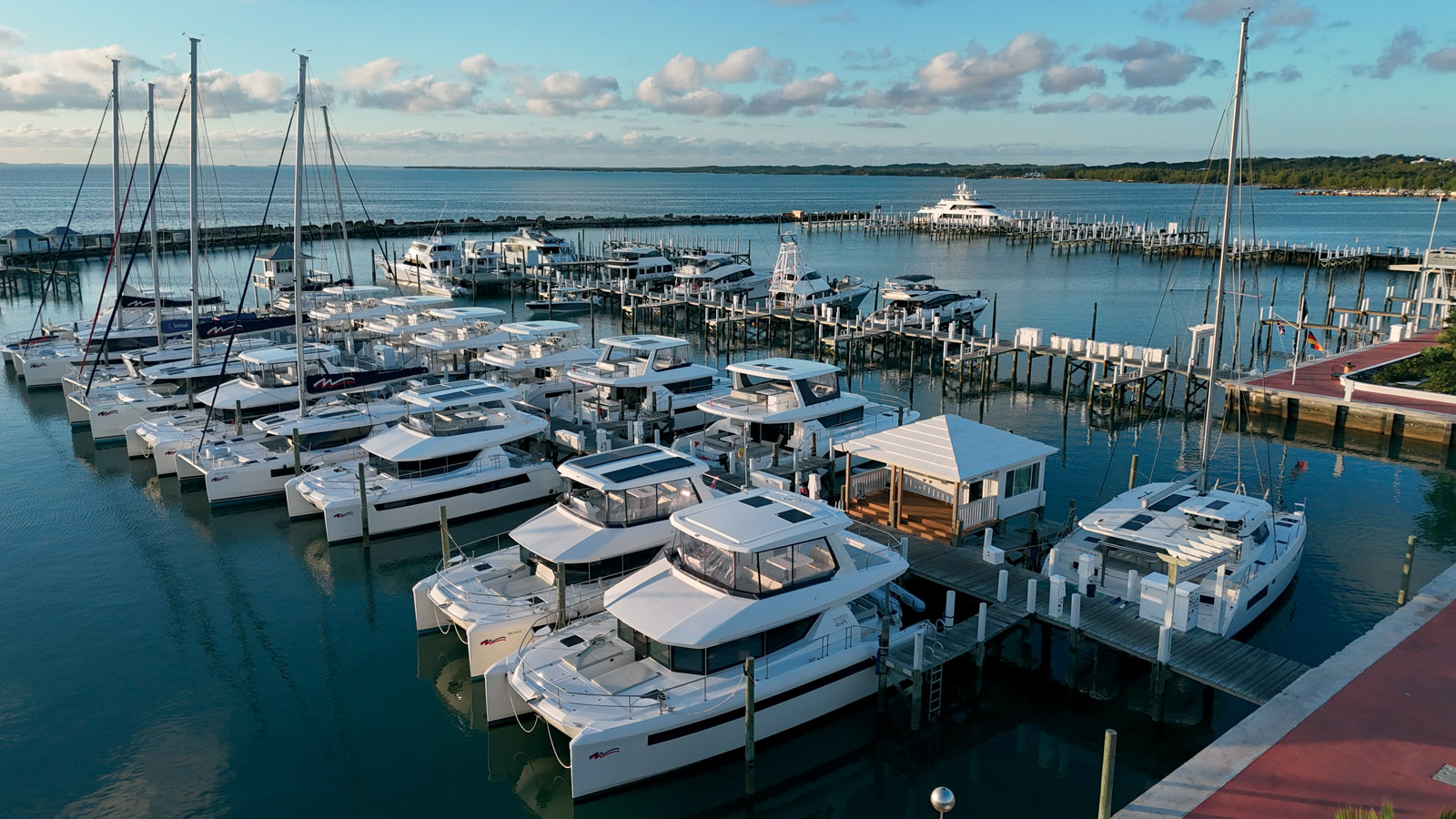
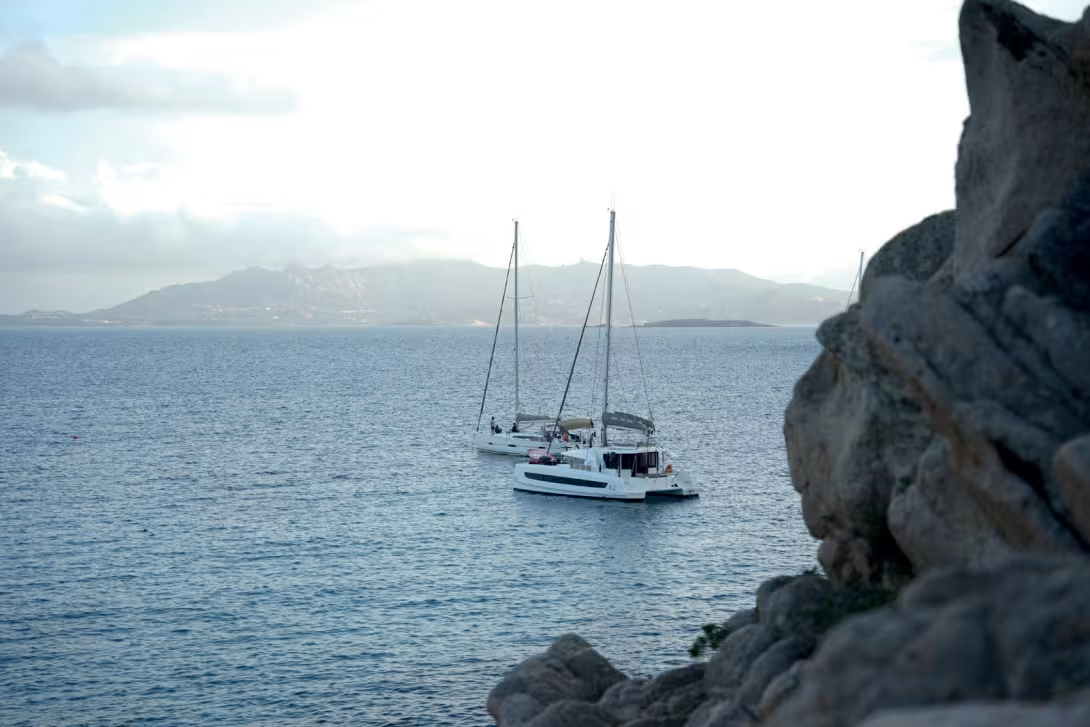
More and more marinas are adapting to accommodate multihulls while offering attractive rates.
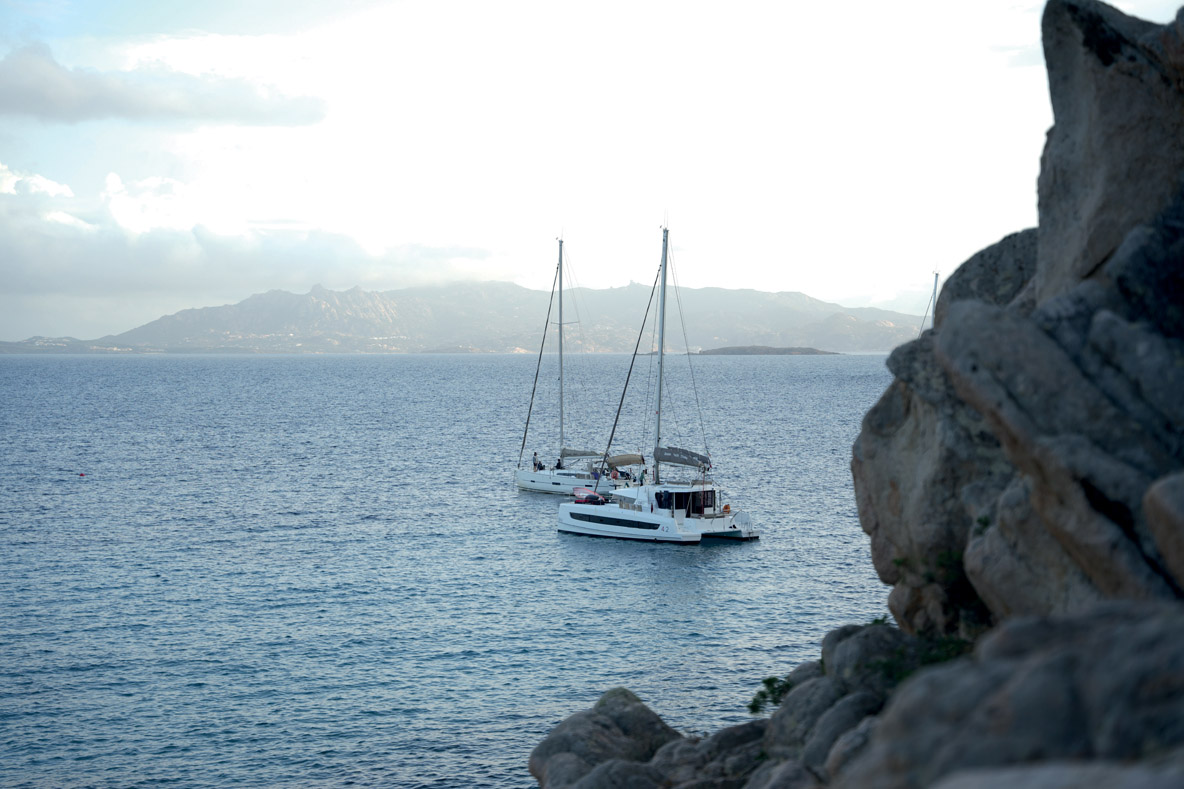
There are other alternatives, starting with anchorages. Thanks to their excellent stability, multihulls are very comfortable to live in outside the marina. Anchoring or picking up a mooring ball in a sheltered bay also allows you to enjoy a light breeze, which is very pleasant in hot weather. This also gives you the opportunity to enjoy your favorite water activities, whether it’s swimming, kayaking, or paddleboarding.
Finally, it ensures greater privacy, and the dinghy is always ready to take you ashore. A final solution for those who sail on boats under 40 feet is the folding multihull. An ingenious idea that is easy to implement, allowing you to transport your multihull and, above all, guaranteeing you a traditional berth in the marina.
A multihull is more expensive to maintain
Somewhat True
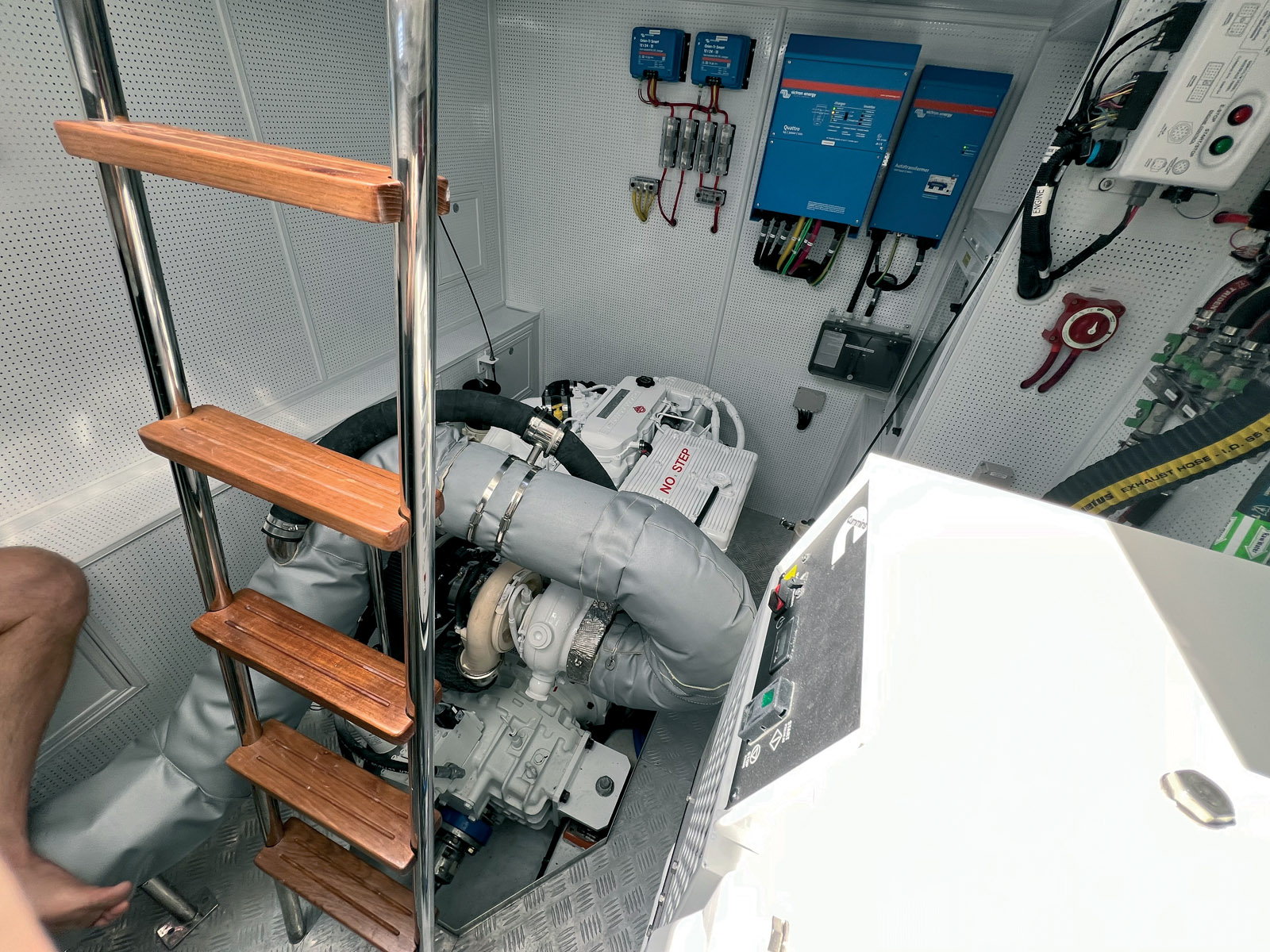
Apart from the constraint of managing two engines instead of one (in the case of catamarans), the maintenance of a multihull does not cost much more than that of a monohull.
The payload of a multihull is limited
Largely False
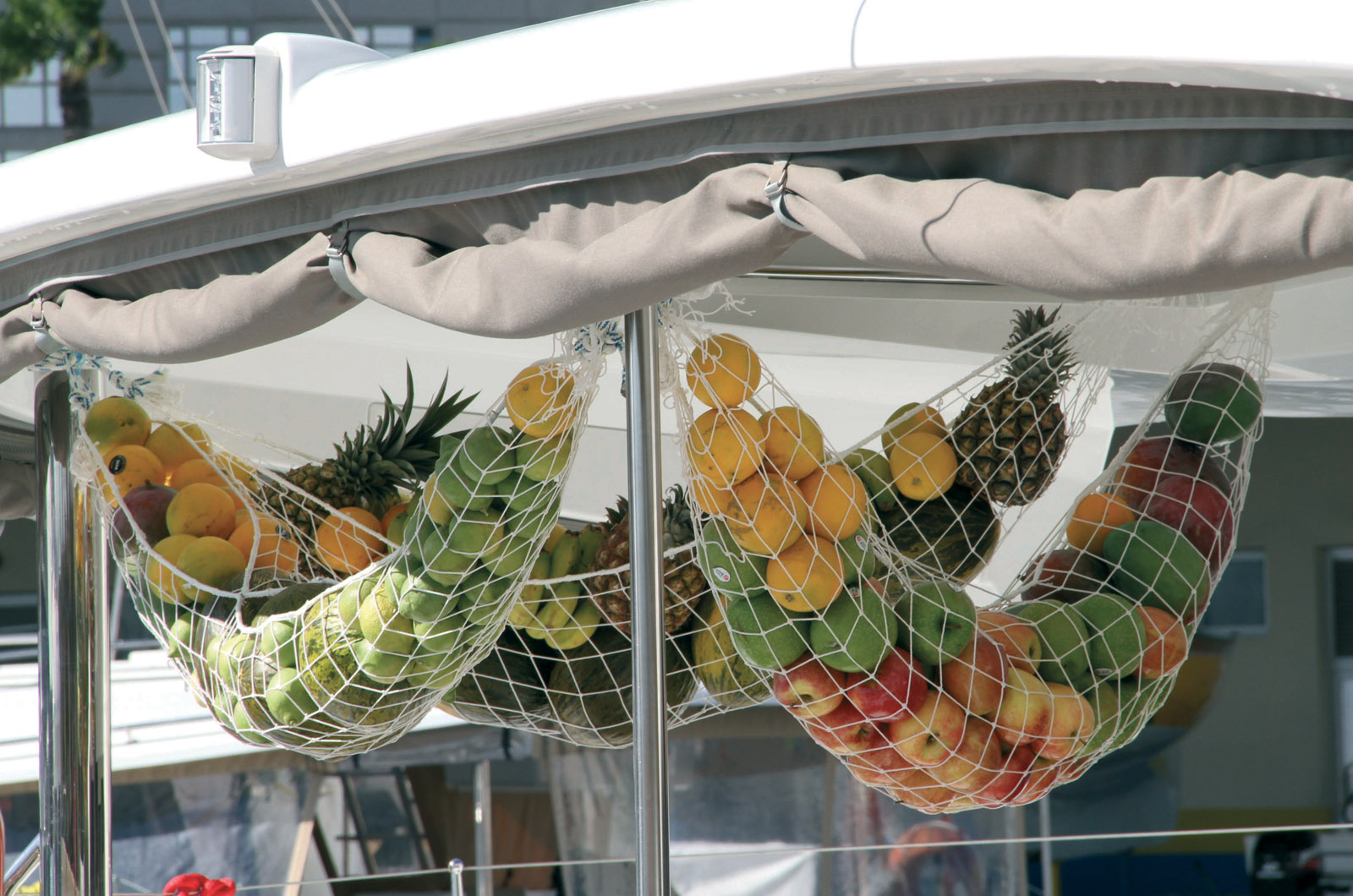
Modern cruising multihulls are capable of carrying a significant payload.
Many boaters are convinced that the payload is more limited on a multihull than on a monohull – probably due to a “racing” view of the multihull world – when in fact the opposite is true. In fact, thanks to the presence of two or three hulls, weight distribution is much better and it is sometimes possible to load a multihull more, although this should be avoided in order to maintain good performance. For example, a Bavaria 50 Cruiser monohull has a payload of 2.6 tons, while the new Outremer 48 has a payload of 4 tons. However, things do not always work out the same way, because if we compare a Swan 54 and a Balance 526, the former can carry a payload of 7.2 tons, while the catamaran has to make do with 3.1 tons. Each model has its own payload!