“What if you fall overboard?”, “What if there’s a big storm?”, “What if an engine breaks down?”, “What if we run out of electricity?”, “What if someone is injured on board?” Behind the dreamy images that inspired the project, of downwind passages in a gentle breeze and heavenly anchorages, there may be far more worrying questions on the minds of the crew, and the skipper in particular. Although no official statistics exist, life at sea is certainly not much riskier than life ashore. At Multihulls World, we’re even tempted to think that it is less so! But the radical change of environment inevitably raises questions that we no longer ask ourselves in privileged societies. Admittedly, access to healthcare is often criticized and, in some regions, can even be problematic. A garage mechanic may be considered unaffordable. Plumbers and electricians may be overworked. The fact remains, however, that emergency services are at our door in less than 30 minutes, 24/7, just a phone call away. There are SOS points on our highways in the event of a breakdown or even a simple puncture. A meal is delivered to our door in 30 minutes if we haven’t ‘had time’ to do the shopping and the refrigerator is empty! A new telephone is sent to us within 24 hours as soon as the battery shows the slightest sign of weakness. So inevitably, when the next island on the map is 2,000 nautical miles away, our basic needs quickly move up the list of priorities.
Guidance for future owners
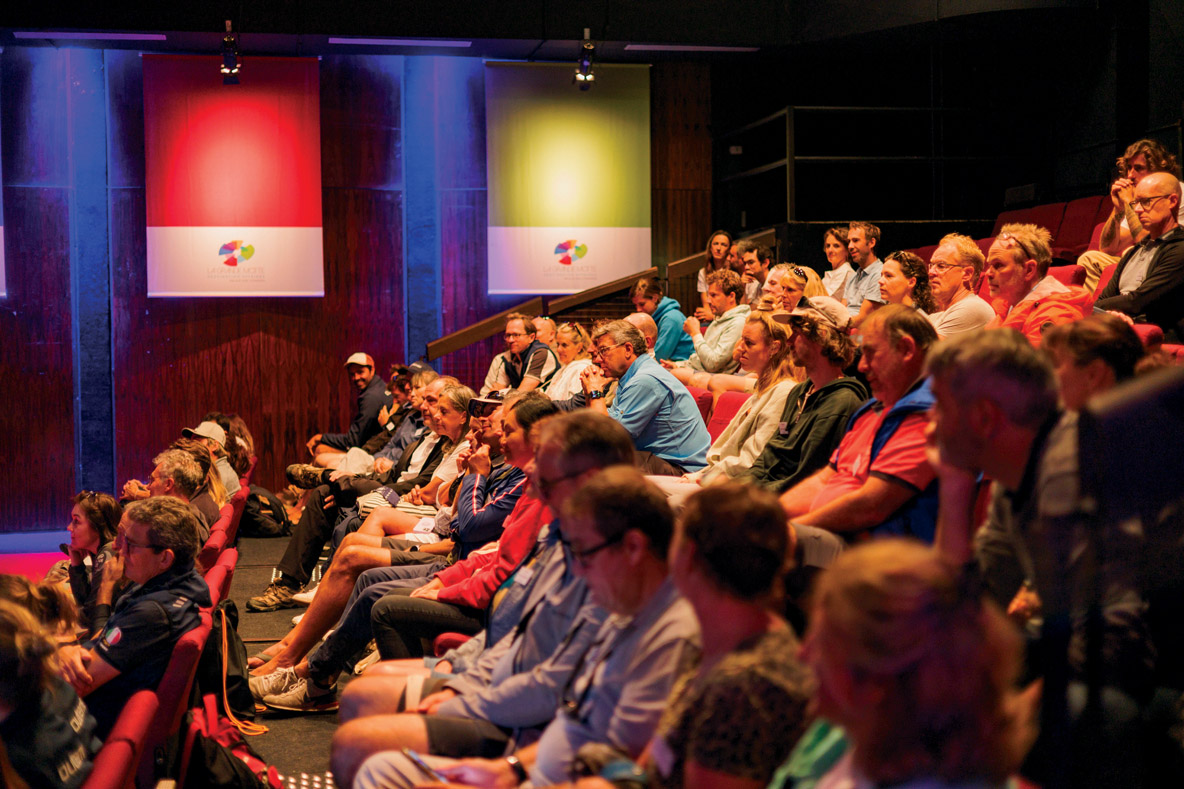
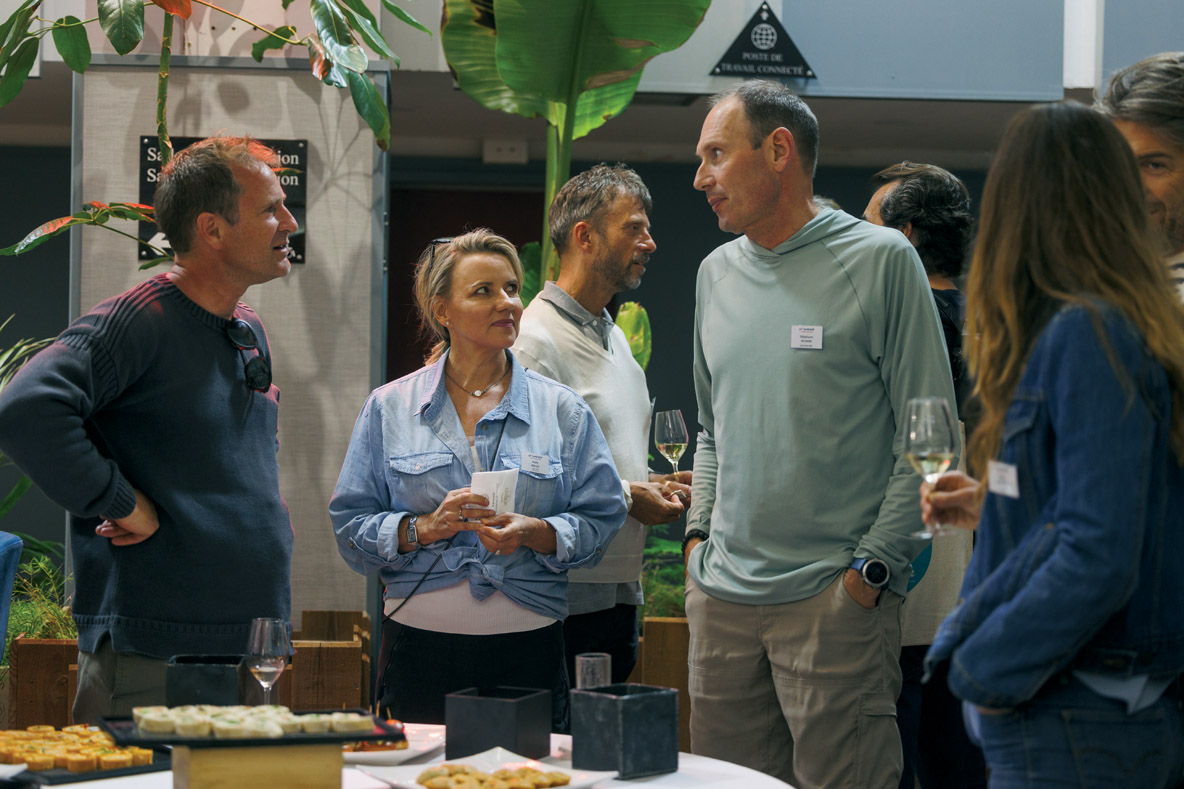
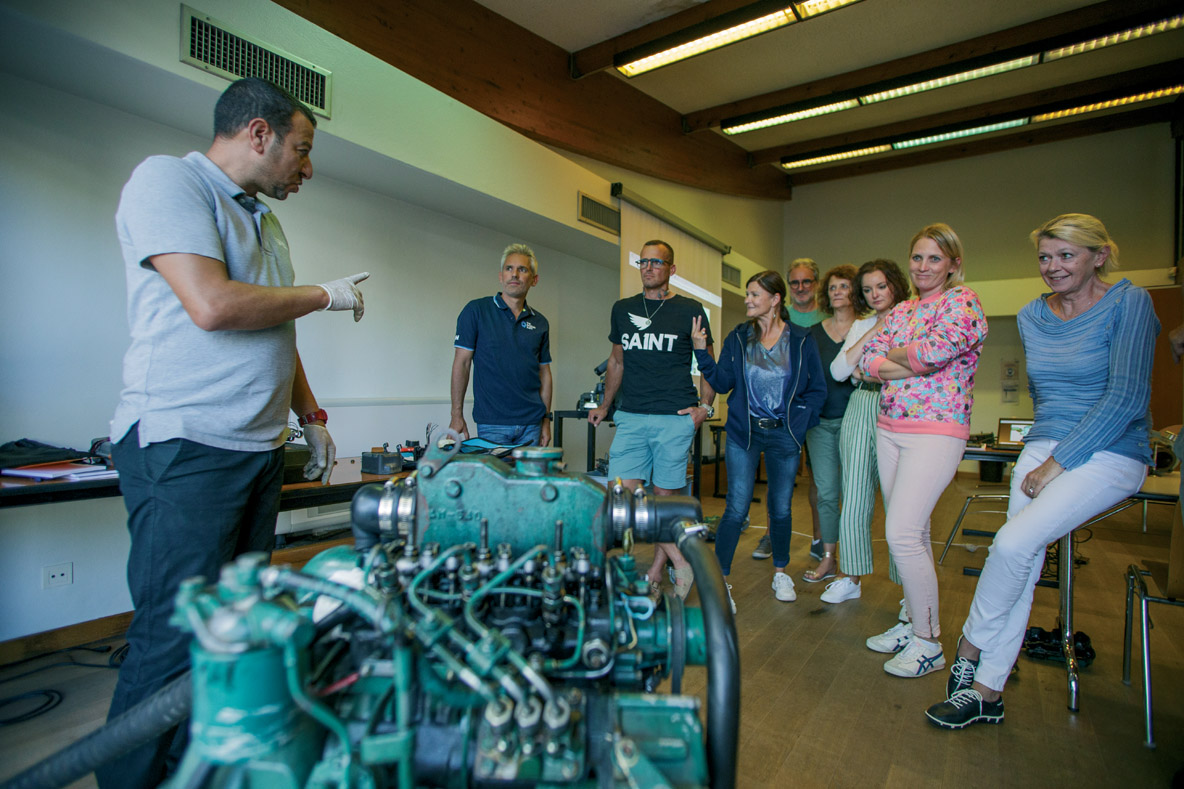
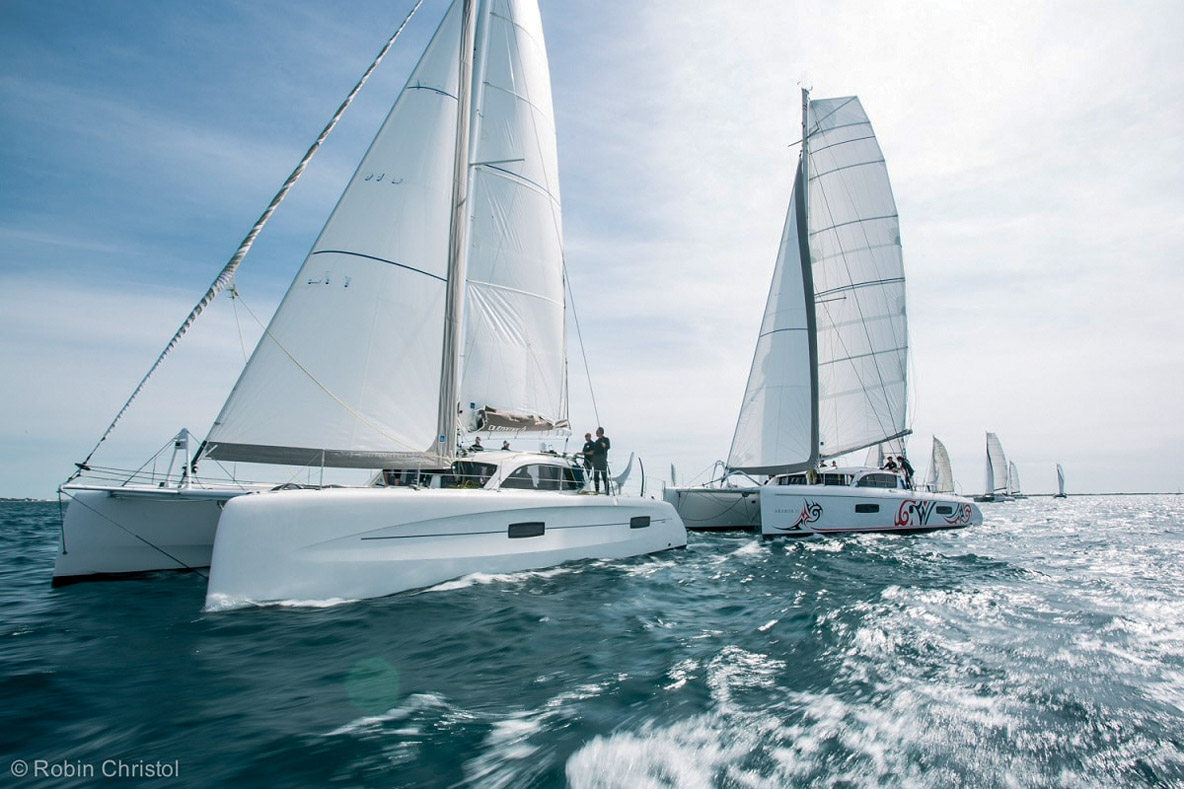
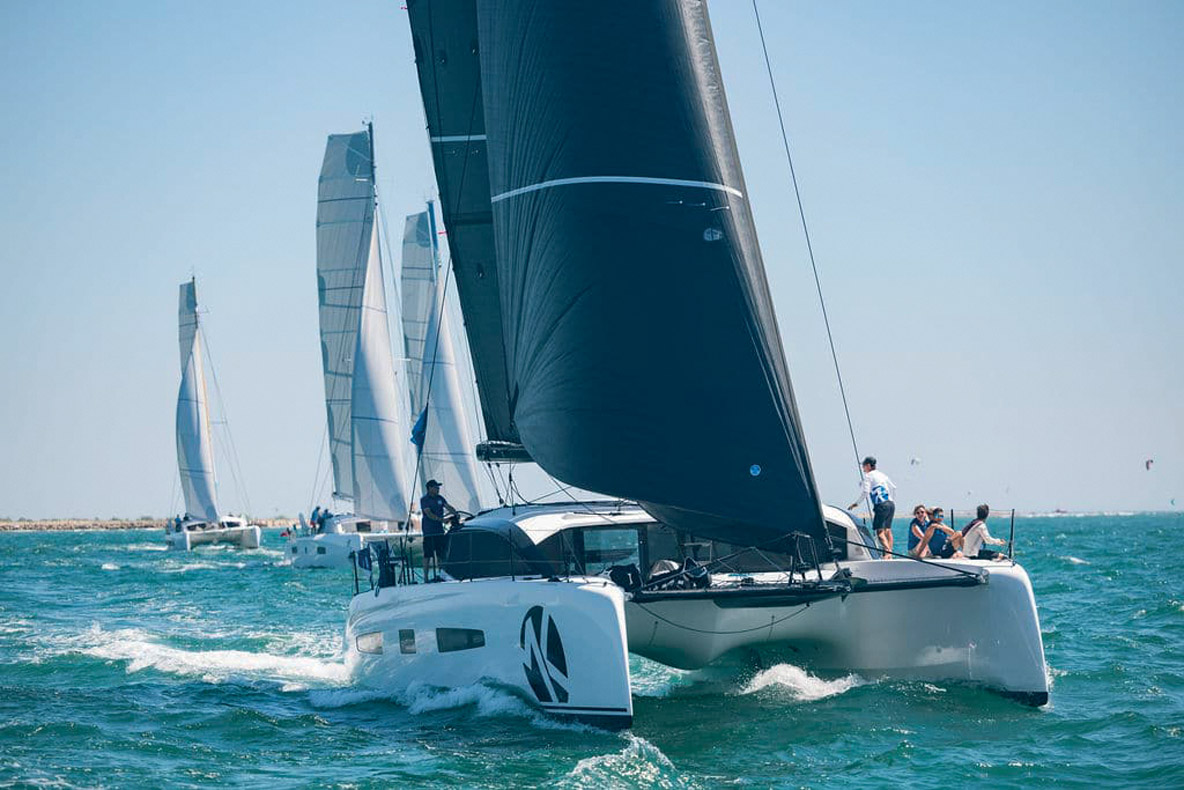
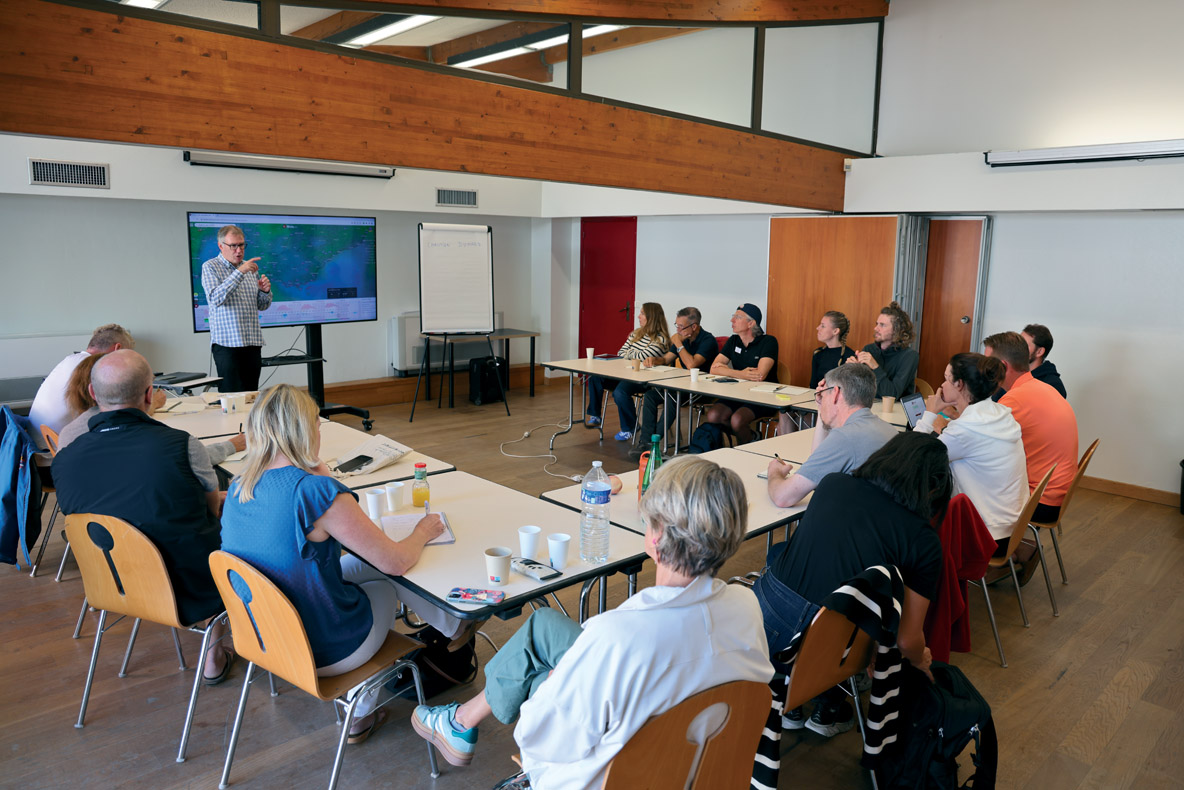
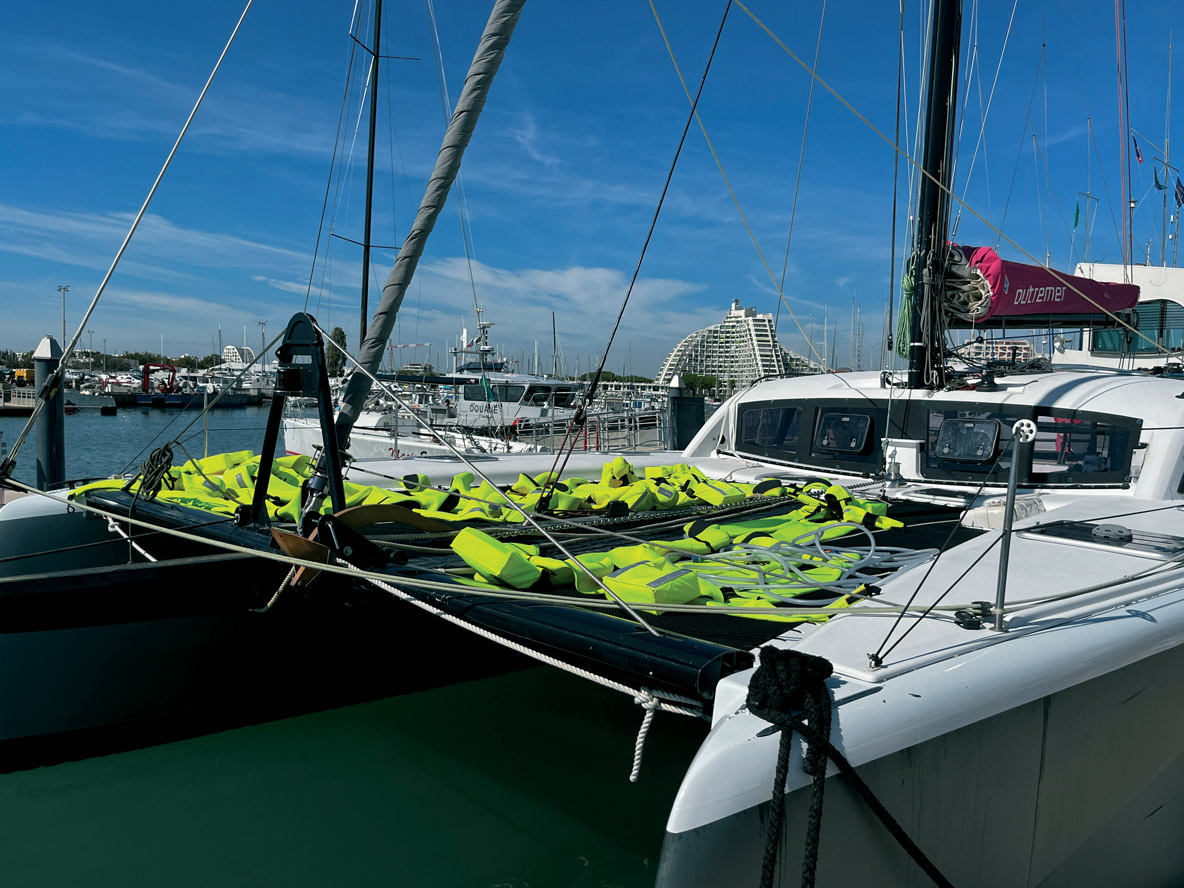
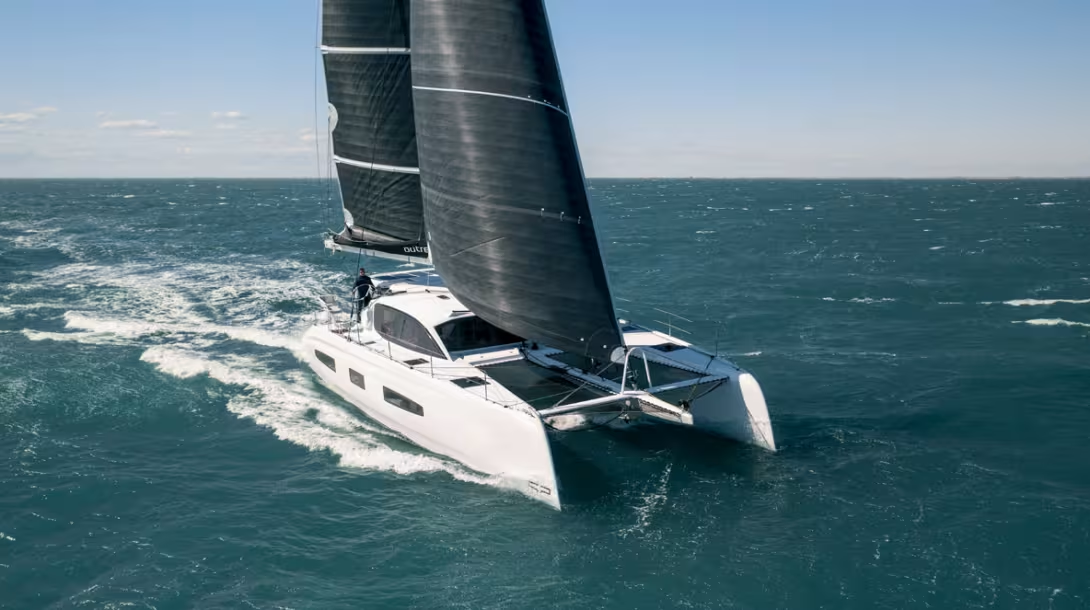
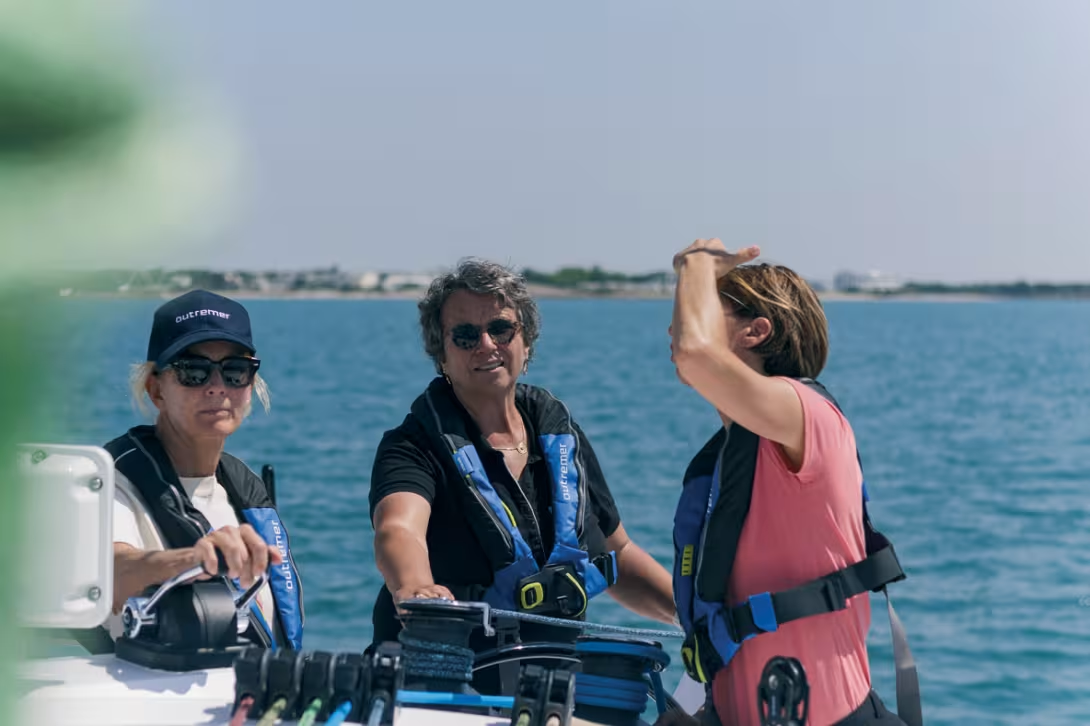
With the arrival of new owners who may be less adventurous than in the past, several shipyards are offering support during this pre-departure phase. Builders are also motivated by the desire to reach a wider, less experienced clientele. It’s also in everyone’s interest that blue water cruising goes as smoothly as possible. Shipyard managers are well aware that the multihulls they sell are really just the means to an end: a journey, a story, a much wider human experience. That’s why they are now offering their future owners the chance to talk about subjects that suddenly become particularly important when the coastline disappears in our wake. For this first ‘learning’ day, we’re meeting at the Palais des Congrès in La Grande-Motte on the French Mediterranean coast, which has been requisitioned for the occasion. Just a few hundred meters from the Outremer boatyard, 80 participants have gathered for what promises to be an intense five days. No fewer than fifteen instructors are on deck, notably from the Escale Formation Technique (EFT). The experienced Laurent Marion is at the helm of this crack team. No fewer than 10 subjects are covered, ranging from the all-important medical check-ups, engine mechanics, weather and safety and not forgetting the creation of content for social networks. Sailing sessions are also on the program, to familiarize you with maneuvers at sea (reefing, anchoring, etc.) or in port, which often create apprehension that is in proportion to the surface area of the multihull, whereas with two or even three engines everything can be so simple... Better still, this last module is also offered in a ‘ladies only’ version. During this workshop, women are free to ask all sorts of questions about maneuvers. The idea, of course, is to use learning to reduce the machismo that can still prevail on board some boats.
Two days of medical training
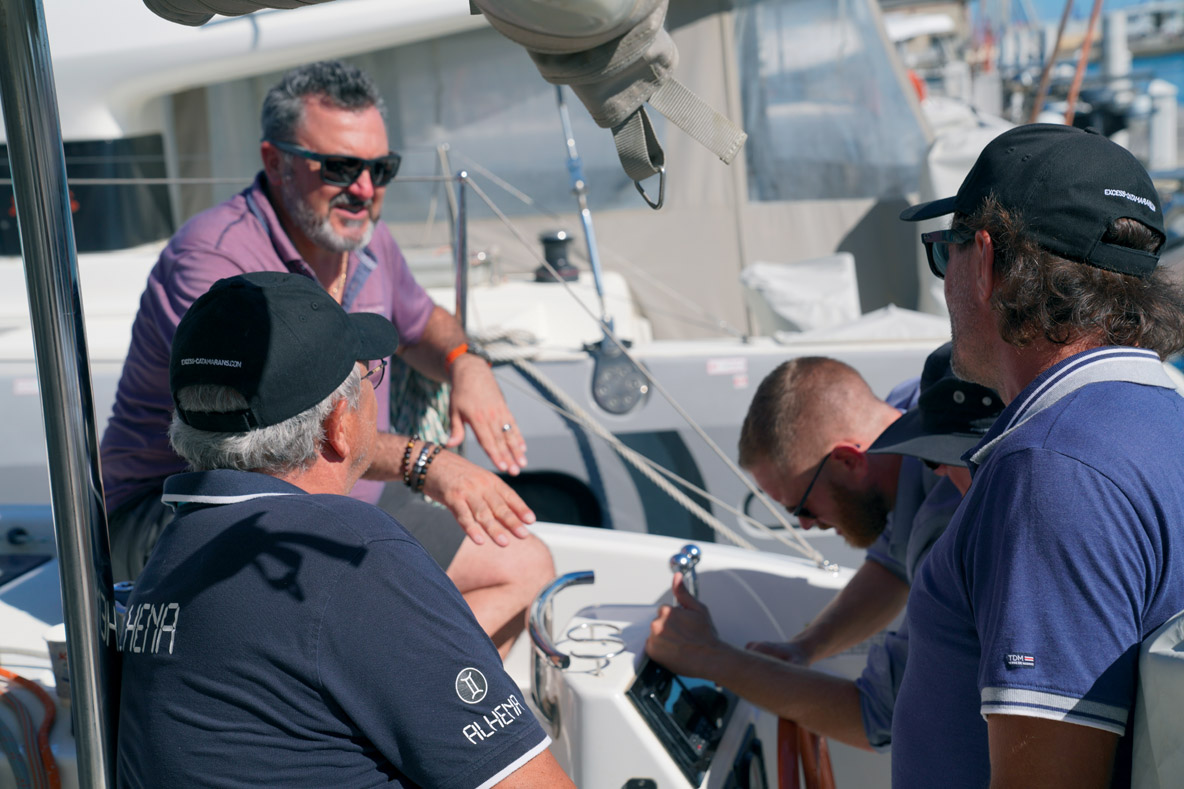
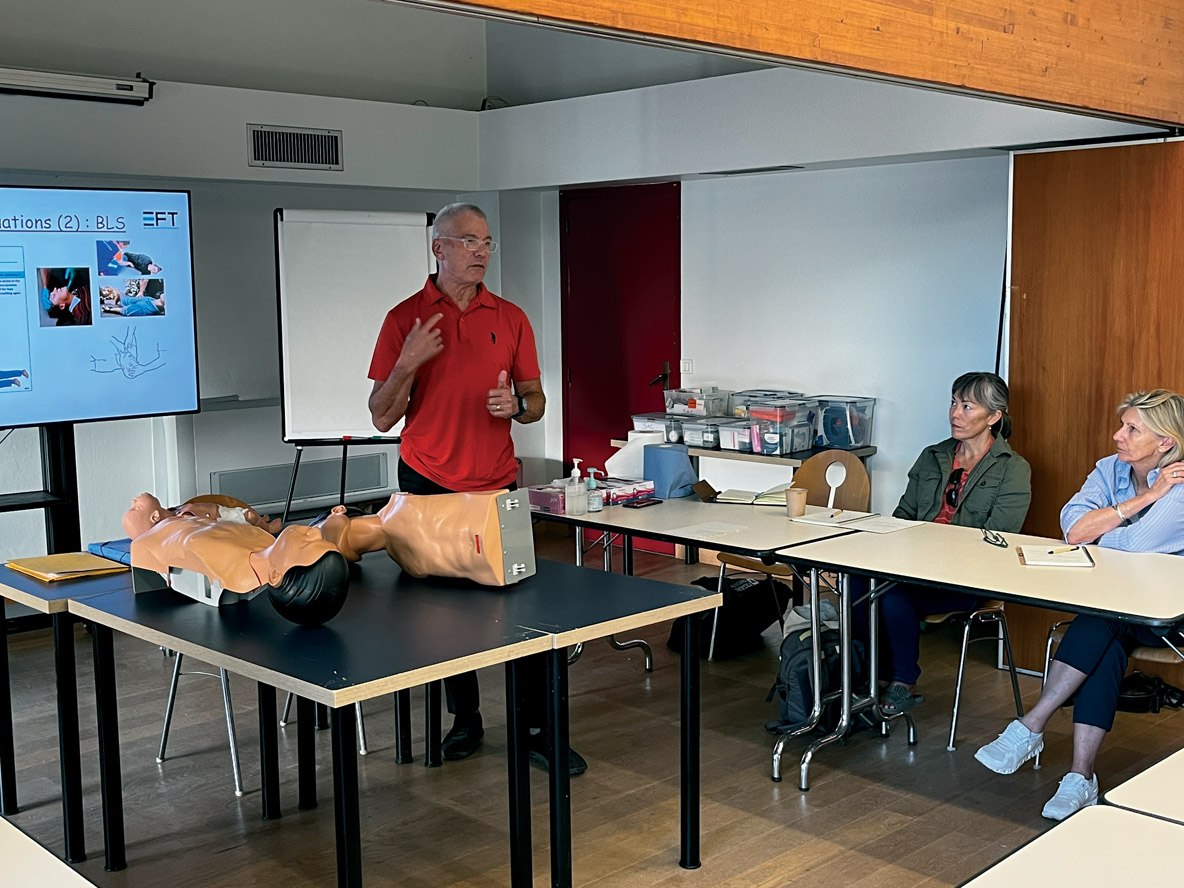
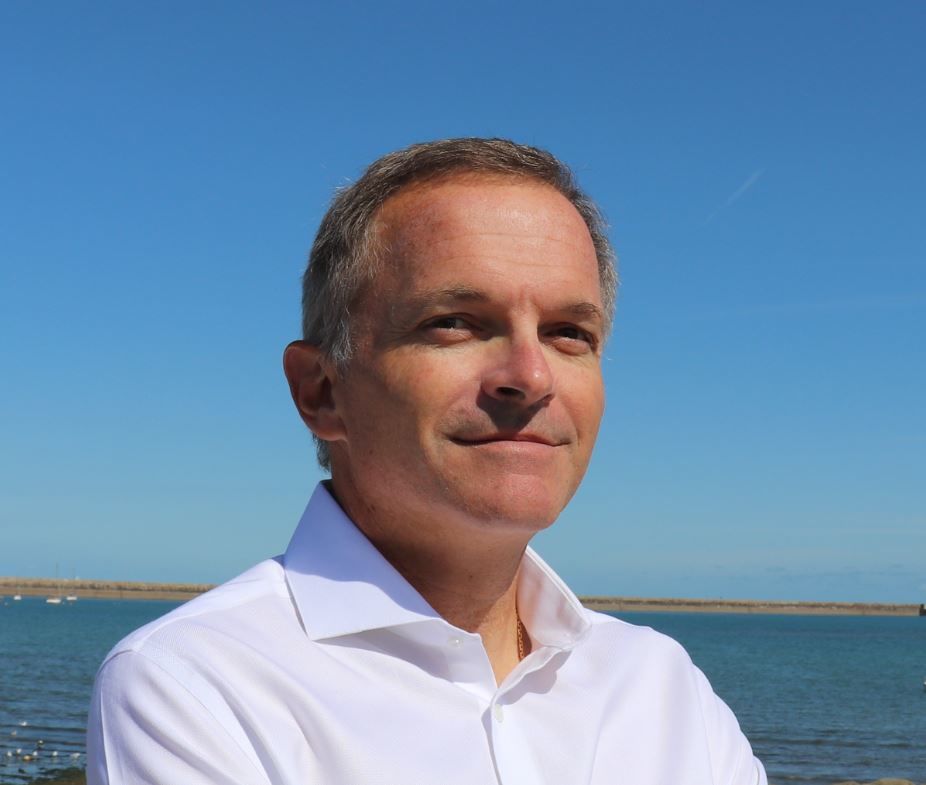
To begin with, we attend the first half-day of medical training - a particularly immersive experience. Philippe Burtin, 63, has the calm voice of an experienced doctor - he has worked extensively in humanitarian action, sometimes in difficult environments: Laos, Chad, Bangladesh, Nepal... Philippe’s experience is therefore immense, and the Doc understands the questions of the future sailors, who are somewhat anxious at the idea of discovering what risks they will be putting their loved ones through by leaving terra firma. The man who has been a resuscitation anesthetist since 1984 prefaces his speech by telling those who hadn’t thought about it that, on a boat, an injured person means two crew members who are unavailable when you include the person who will have to take care of them. To reassure his audience and bring the smiles back to their faces, he says: “We’re not going to sum up 13 years of study in two days!” The aim of this course is to assess the seriousness of a situation and gain confidence in dealing with medical emergencies at sea. To play it down, Philippe points out that the two biggest risks on board a boat are sunburn and drowning. Depending on the seriousness of the situation, you need to be able to give the right first aid, have basic medical care skills and, very importantly, be able to report an emergency situation. Since the days of SSB, via satellite telephones and now with Starlink, getting medical help at sea has never been easier. But the key is to keep people informed without panicking. The Doc insists on prevention: the best protection is to carry out a particularly exhaustive health check-up before setting off. To prepare for any eventuality, a number of practical exercises follow, from subcutaneous injections to fracture reduction and cardiac massage. On this subject, there’s a little debate: is it necessary to have a defibrillator on board? In the event of a cardiac accident, without a defibrillator, “The chances of survival are 2 to 3%”, explains Philippe. “With one, you increase that to 15%”. For around €1,000, the equipment is quickly gaining unanimous support, especially as it can also be used on neighboring boats. In the end, you’ll be even better protected than you would be ashore - who has a defibrillator at home? The morning continued in a calm and relaxed atmosphere. The only firm instruction Philippe would like those present to remember is that «If it’s really serious, don’t procrastinate, it’s immediate evacuation!” Hence the importance of properly assessing the situation.
Seamanship and survival exercises
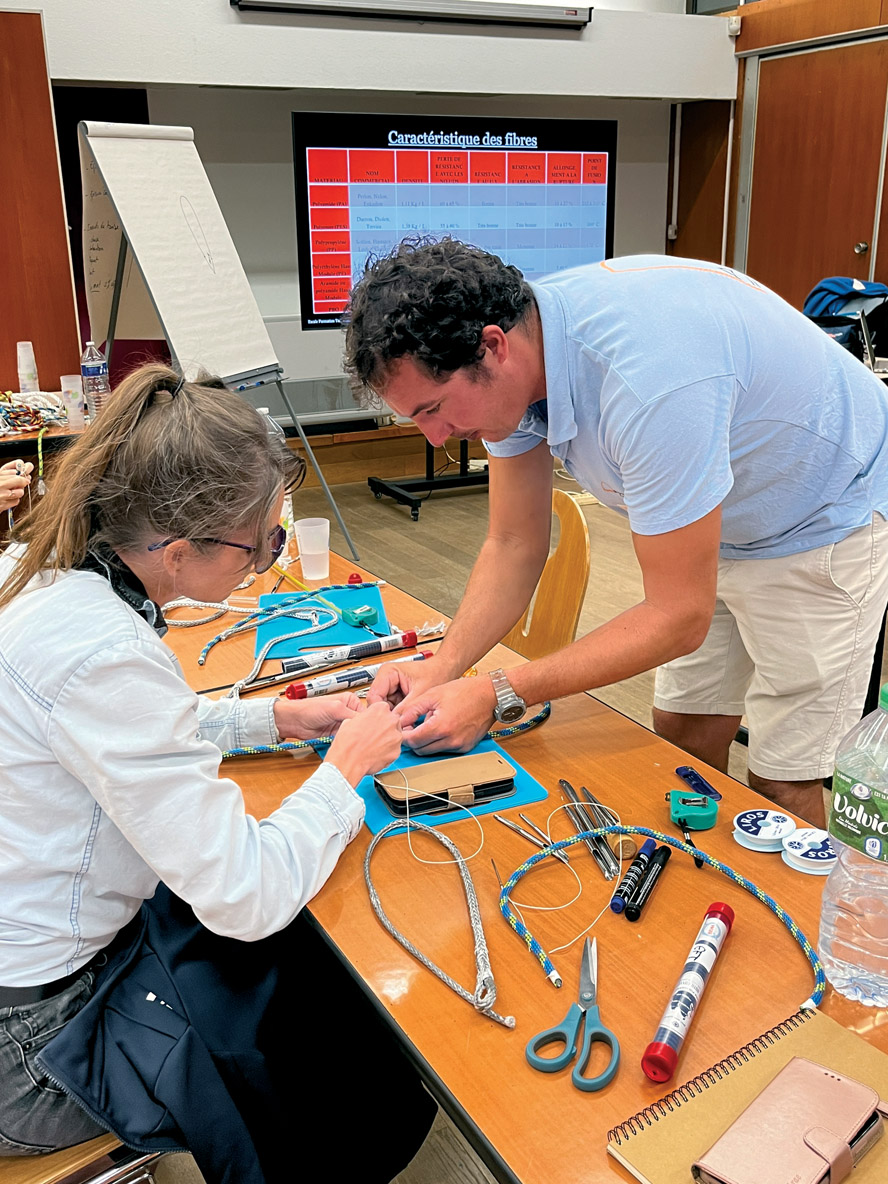
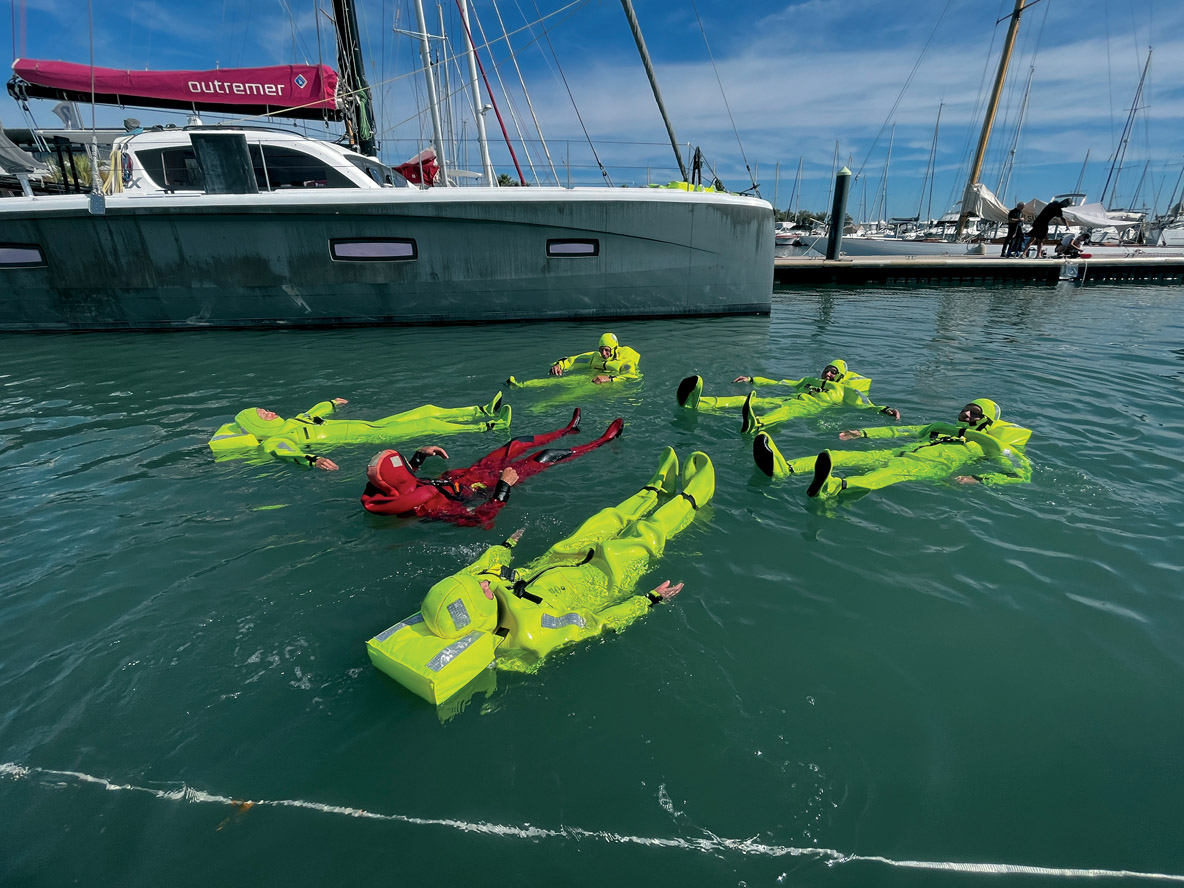
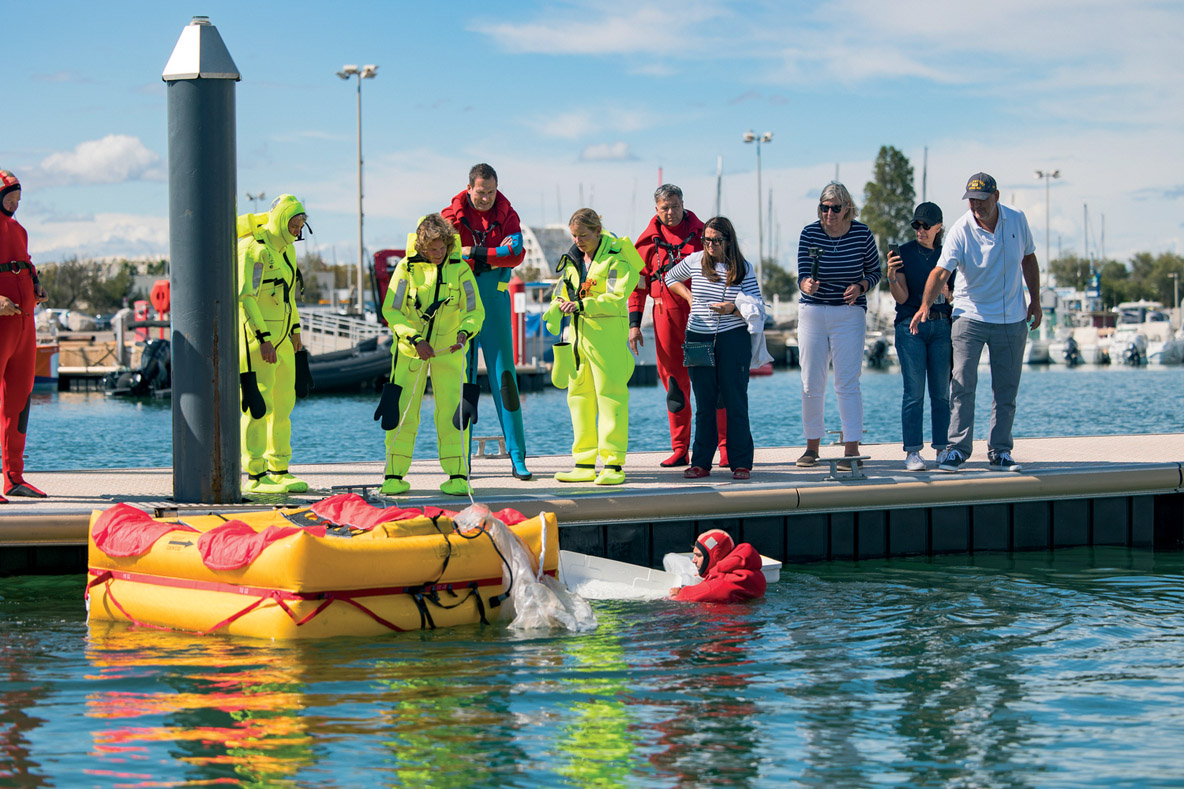
We leave the ten or so future circumnavigators to practice stitching pigs’ feet to move to another room and meet up with Paul Lassalle, a fiber expert. Here, we can find out about the qualities of the various materials that have successfully replaced metal on our multihulls. Their uses, characteristics and weaknesses are explained before we get down to some practical work, starting with making a splice. Lines, twine, needles, adhesive tape: all the necessary equipment is provided. Paul’s infinite patience and teaching skills - capable of expressing himself in French or English depending on who he is speaking to - are also included. We head off to the pontoon at the harbormaster’s office in La Grande-Motte, where the boat’s preparer, Antoine Haettel, has put on his survival suit, despite the calm sea and the still summery temperature. On the pontoon, half a dozen yachtsmen are also similarly equipped. Of course, no one imagines that they will have to use it for real, especially as multihulls are reputed to be unsinkable. However, in the event of a capsize, you’d have to deal with water that’s not necessarily that warm... and a fire could force the crew to leave the boat; these two examples of perils of the sea justify training in a survival suit. Everyone splashes around in the outer harbor, but the general good humor doesn’t stop them learning: the ‘castaways’ launch the life raft, pull themselves aboard, put their survival gear back in place and familiarize themselves with the onboard equipment. The afternoon ends with a visit to the large auditorium of the Palais des Congrès, where Benoît Marsille, from the company Rom-Arrangé, shares his invaluable advice on IT and onboard software, the result of 20 years’ experience in this field. After the convivial dinner, where discussions are sure to continue, the evening promises to be as original as it is exciting. It’s a “Forum Theatre” workshop. This interactive format, imported straight from Brazil, asks actors to act out situations such as a tricky docking maneuver or the decision whether or not to go to sea to keep an appointment. It’s up to the audience to come up with solutions to resolve the situation, based on the theme of interpersonal communication: man/woman, skipper/crew, and knowing/not knowing.
Excess Campus: a user-friendly concept!
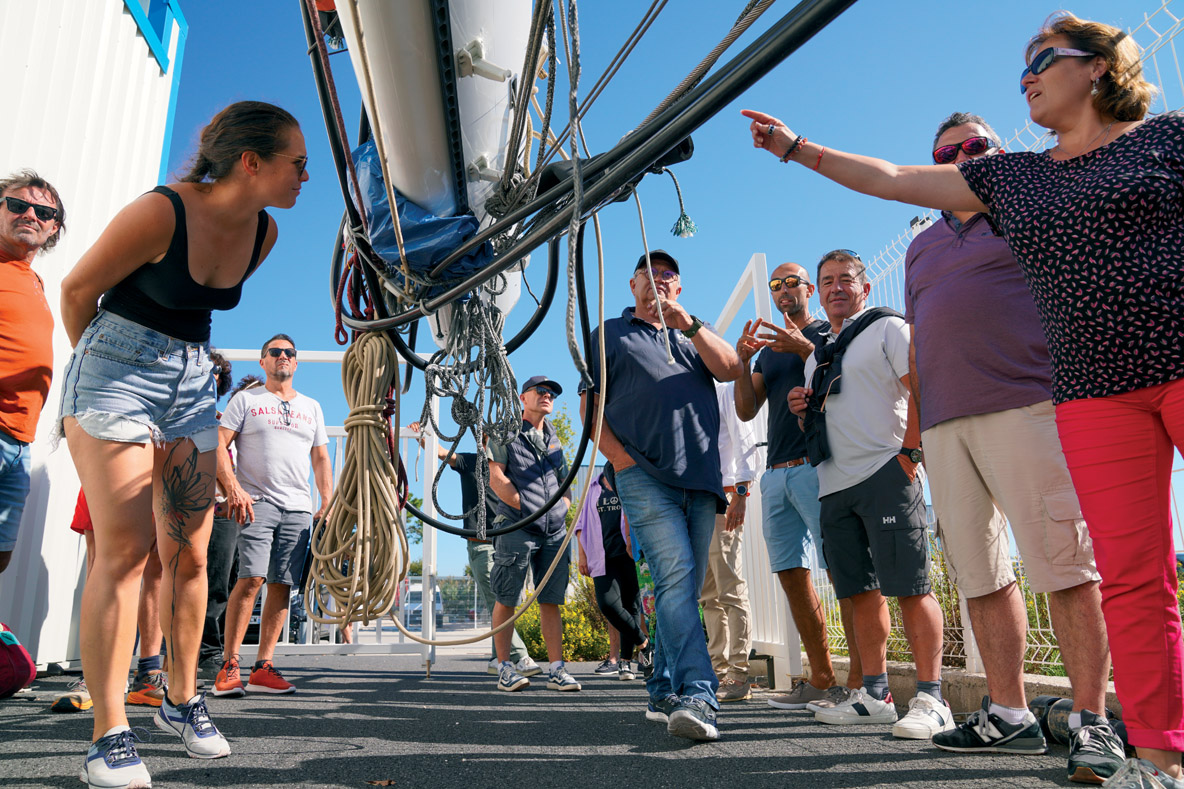
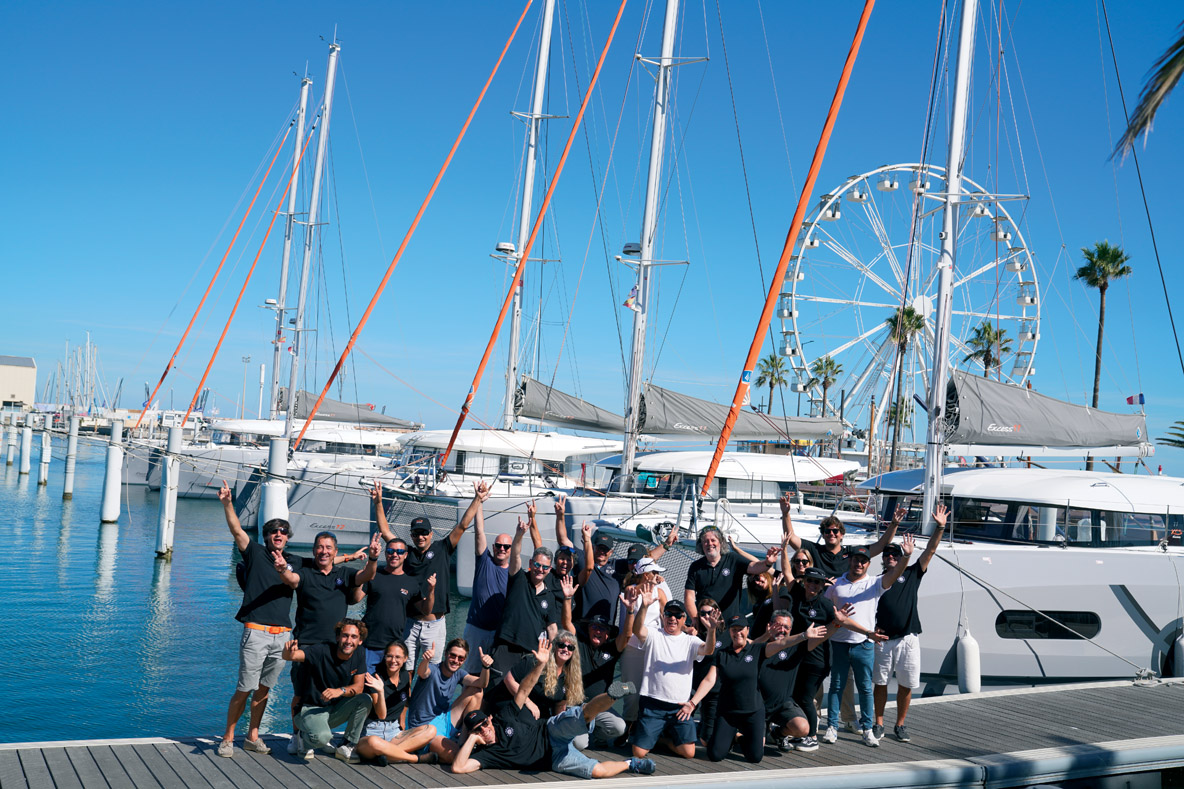
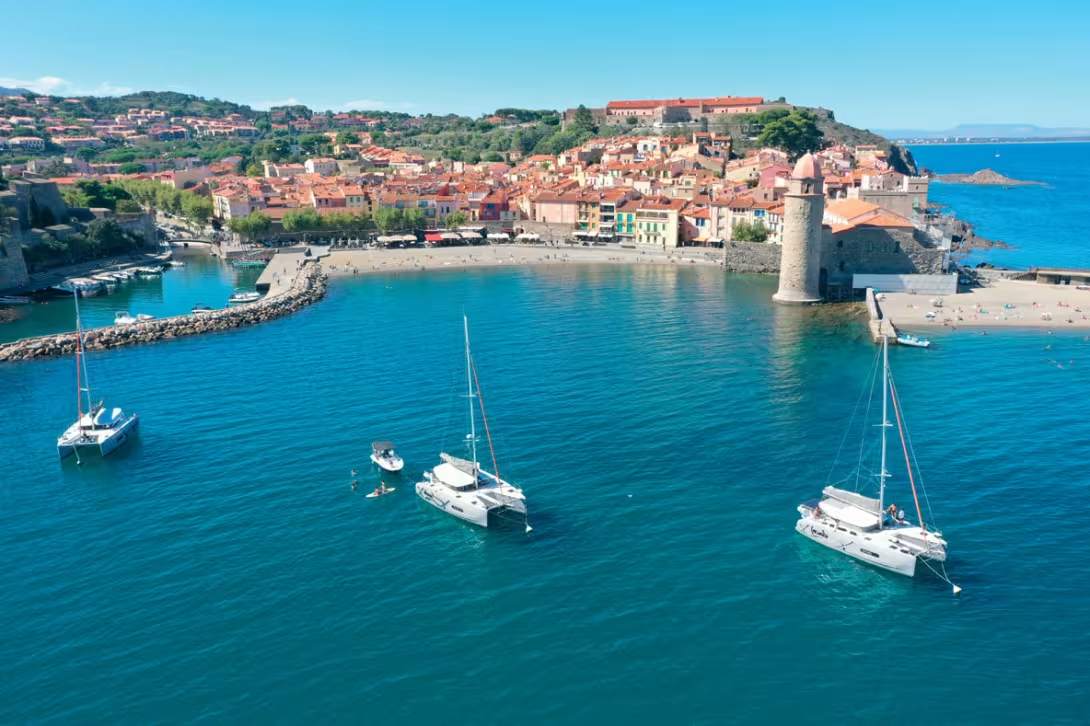
We have to hit the road because, coincidentally, the first Excess Campus is opening its doors two hours from La Grande-Motte. True to the refreshing spirit it has been bringing to the world of catamarans since its arrival in 2019, the youngest of the Bénéteau Group brands has arrived with a particularly welcoming concept. The twenty or so participants in this first edition are welcomed to Canet-en-Roussillon on the premises of Alliance Nautique 66, a shipyard/dealer run by Eric Tordjman, which distributes three Bénéteau Group brands, including Excess. The three-day program is particularly comprehensive and is bound to make you want to delve a little deeper into each subject. The program includes meteorology with an experienced skipper, rigging and seamanship (first on a horizontal mast ashore, which is more practical, then on board), harbor maneuvers, mechanics, electronics, and finally safety and rescue at sea. Each topic is dealt with separately in English and French, because the Owners or Future Owners are of different origins. All the participants meet up on Friday for the rally to the port of Collioure aboard the four Excess catamarans chartered for the occasion. There’s not much wind, but that’s not the most important thing. What counts is the quality of the discussions and the questions we ask. We can count on the support of the shipyard team mobilized for the occasion, starting with brand director Thibaut de Montvalon and product manager Hervé Piveteau. These two are always full of information when it comes to talking about their two-hulled ‘babies’ and everything that goes with them. The highlight of the event is, of course, the Excess Party - highlighting the future identity of the young catamaran brand.
Sailing novices with no hang-ups
Most of the people who signed up for this first Excess Campus were couples, and they are representative of the new clientele that the brand is attracting, with the joy of multihull sailing as a backdrop. We loved Hinatea and Tristan’s story. This couple in their thirties, with little experience by their own admission, started looking around on the internet and were seduced by the compromise between simplicity, performance and comfort offered by the Excess 11. Their catamaran will be available for charter in French Polynesia once the crew have returned to Hinatea’s native archipelago. At the time of writing, Mara’Amu is already in the Galapagos; an Excess 11 doesn’t take long to get to its destination! Jean-Pierre and Béatrice, like the Italians Antonella and Silvano, also bought their Excess in Papeete, from Sail Tahiti, a very dynamic dealership run by the irrepressible David Allouch. The atmosphere that reigns within the ‘Excess family’ is very reassuring and means they can look forward to getting to grips with their Excess 14 with peace of mind. Cathy and John appreciate this sharing of knowledge even more. Invited by Eric Laban from Esprit Mer, the Excess dealer in Bandol, they readily admit to being sailing novices and appreciate the approachability of everyone involved.
Particularly interested in the theme of health on board, they will certainly go further on the subject, and also have a suggestion for the next edition (already): what if we talked about supplies, storage and clothing?
At both La Grande-Motte and Canet-en- Roussillon, despite the rather different formats, the interest shown by participants in the training courses we attended was undeniable. Well- crafted program and the sharing of experiences obviously help people to gain confidence and feel less helpless... less crazy about leaving, perhaps? The knowledge provided does not claim to be exhaustive, nor does it turn trainees into specialists. Nonetheless, we feel that the knowledge imparted answers many of the questions that can legitimately be asked before casting off on a multihull voyage. In short, at Multihulls World, we’re fully behind Outremer Week and the Excess Campus! We’re also keen to discover the program devised by the HH shipyard in Puerto Rico - but that’s another story...