
For a Week or More…
The major historical charter companies were quick to understand the benefits of offering a global range, multiplying their number bases on every ocean and sea... multihulls were appearing on their pontoons as early as the 1990s, and the explosion of the Internet has since encouraged the creation of platforms bringing together thousands of multihulls ready to sail, with or without a skipper. But, where to begin? We’re sharing our 10 favorite charter destinations with you.
Image

1
/
1
Publié le
26/09/2024
Par
Mark Bernie, Dick Sawyer and Kim Wellington
Numéro :
198
Parution :
Nov.
/
Dec.
2024

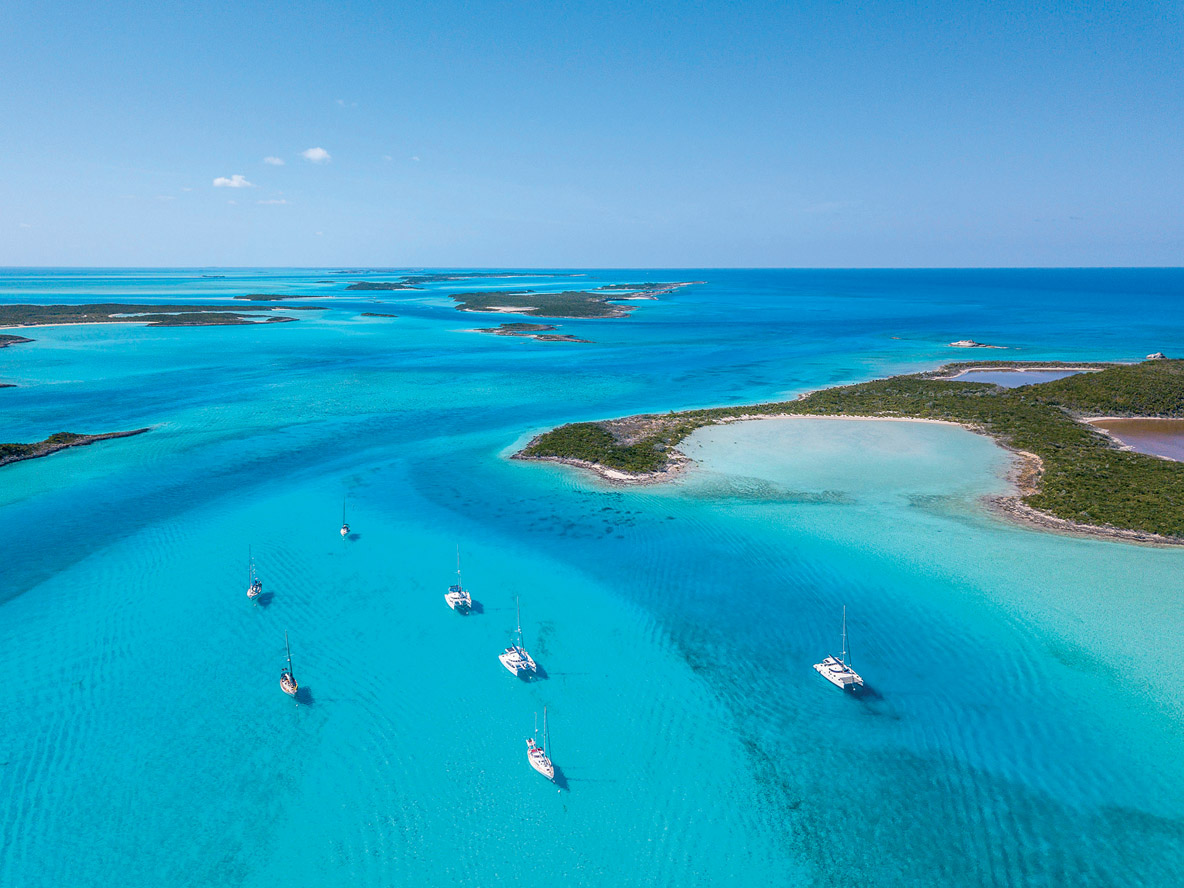
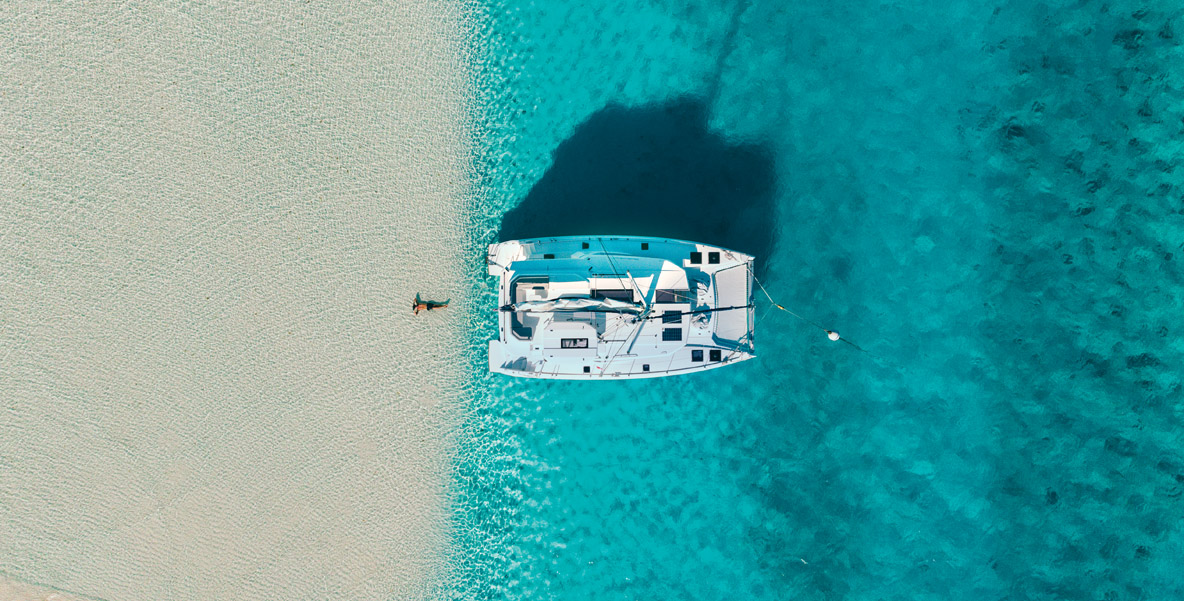
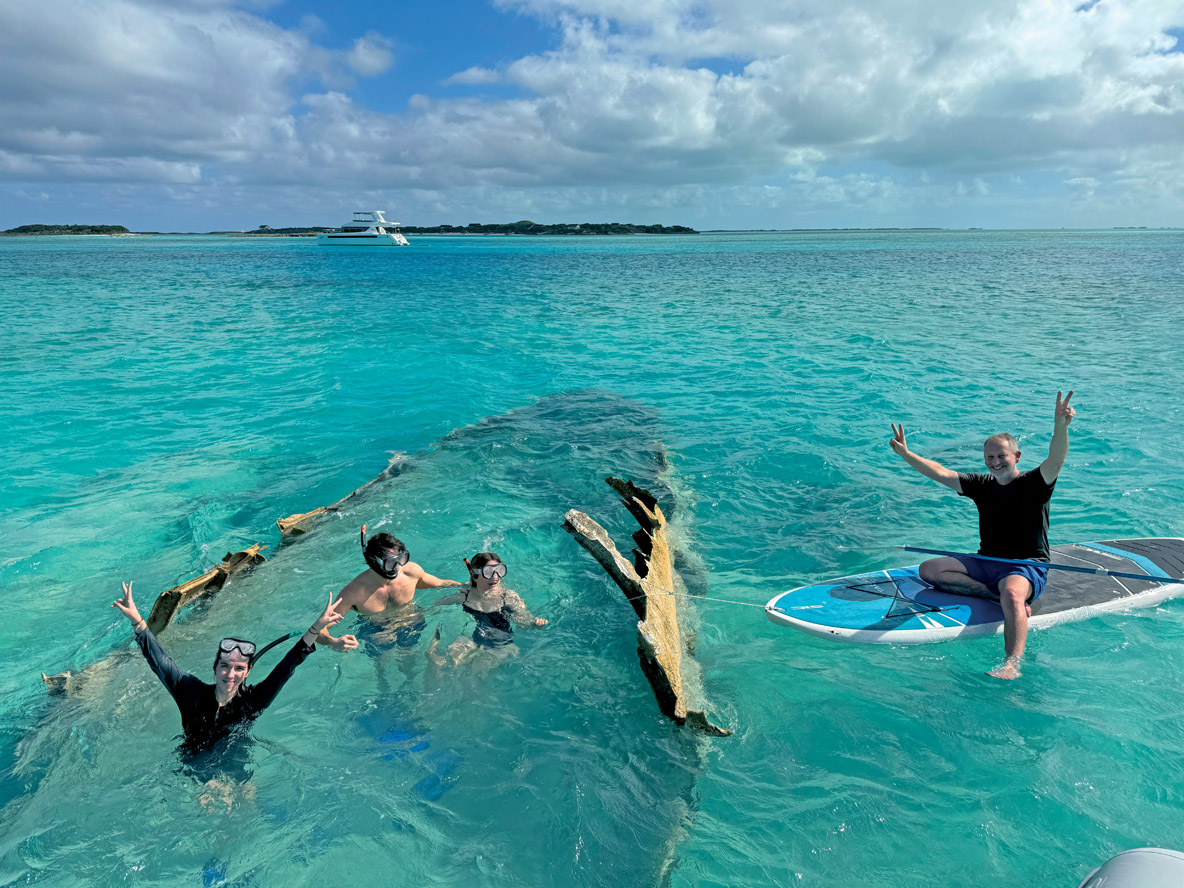
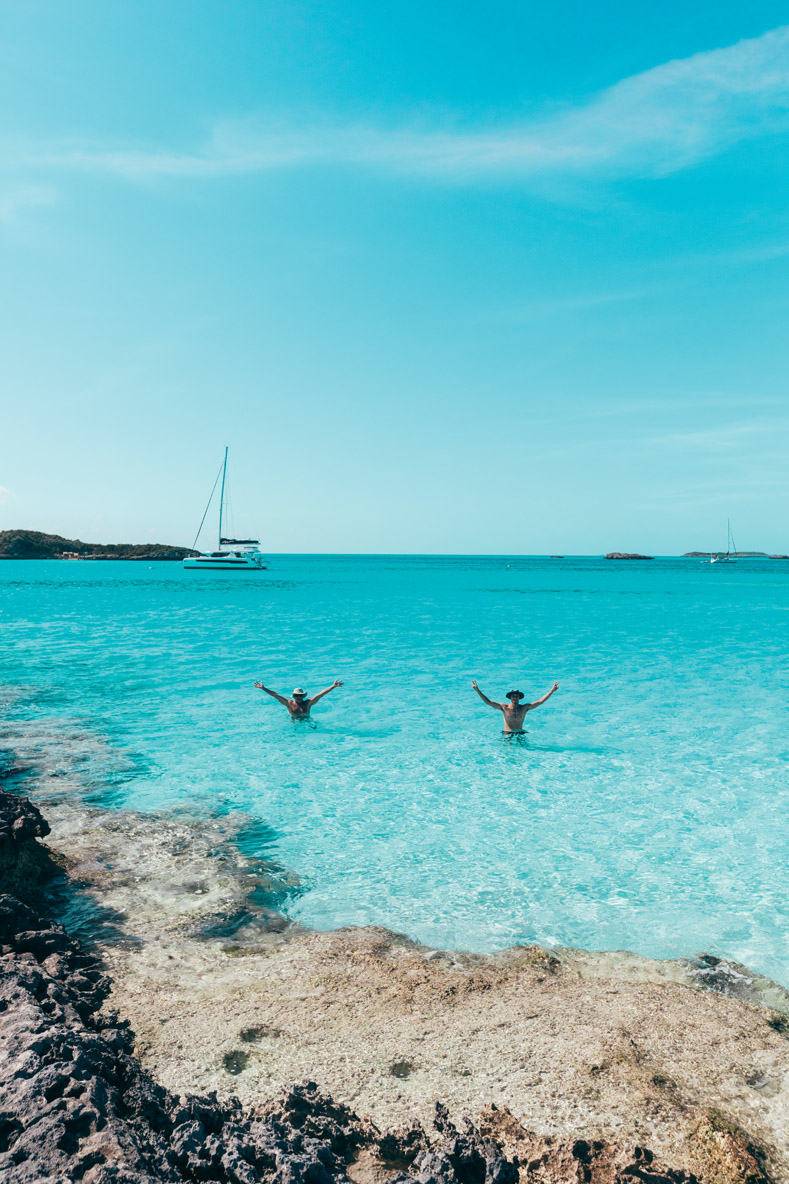
Bahamas: 700 Magnificent Islands to Discover
Min/max air temperature: 66/90°F (19/32°C)
Water temperature min/max: 75/90°F (24/30°C)
Prevailing wind: east 10 knots
Sunshine: 3,200 hours per year
Rainfall: 47” (1,200 mm)/year
NB: the north of the archipelago is significantly cooler in winter than the south. In summer, the south is much drier than the north.
©Jonathan Jagot
©Sunsail
©EvD
©EvD
©Sunsail
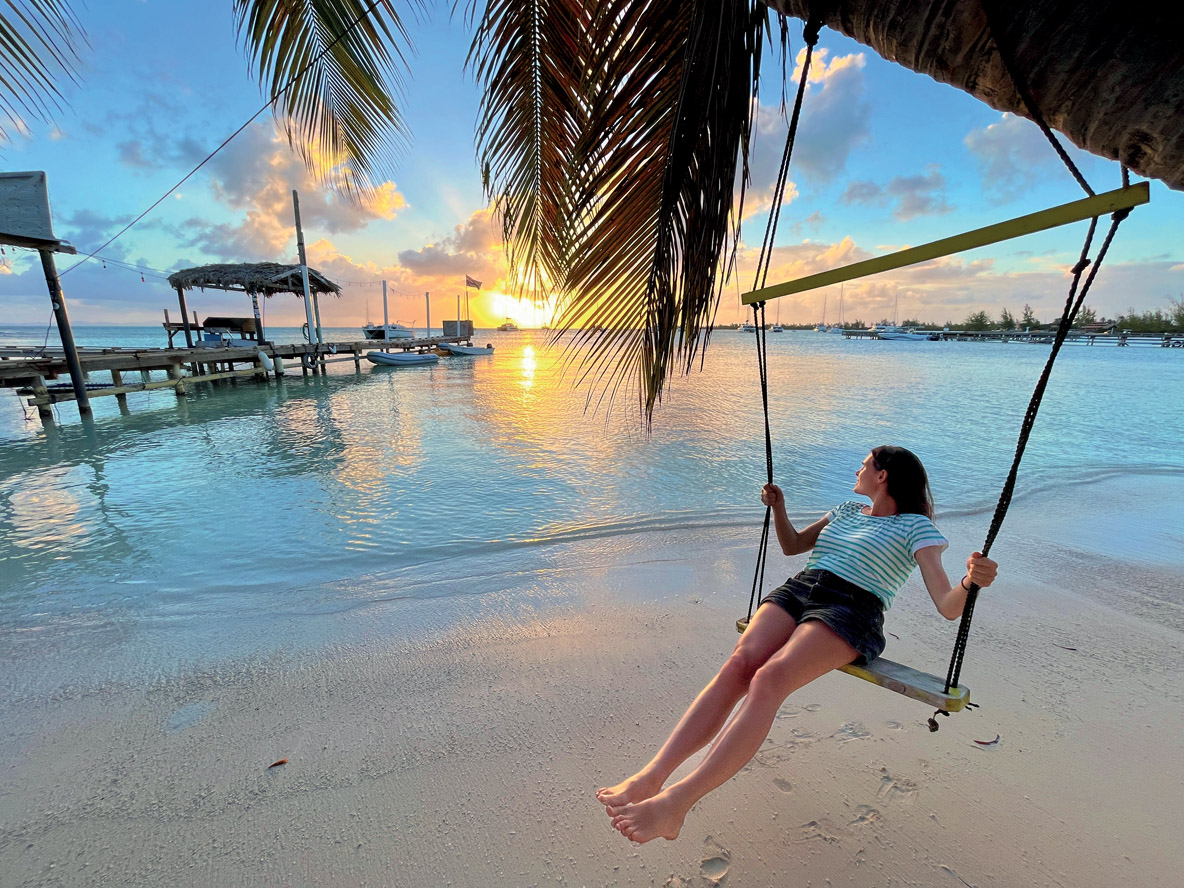
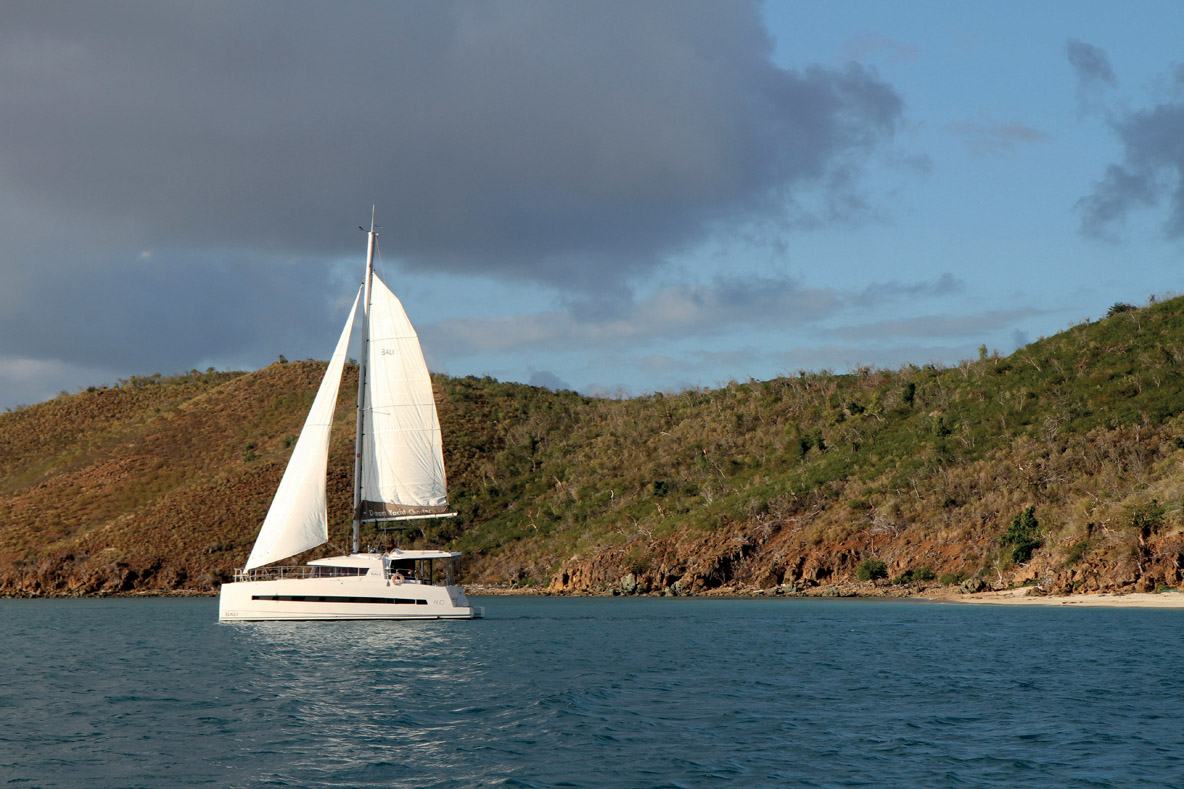
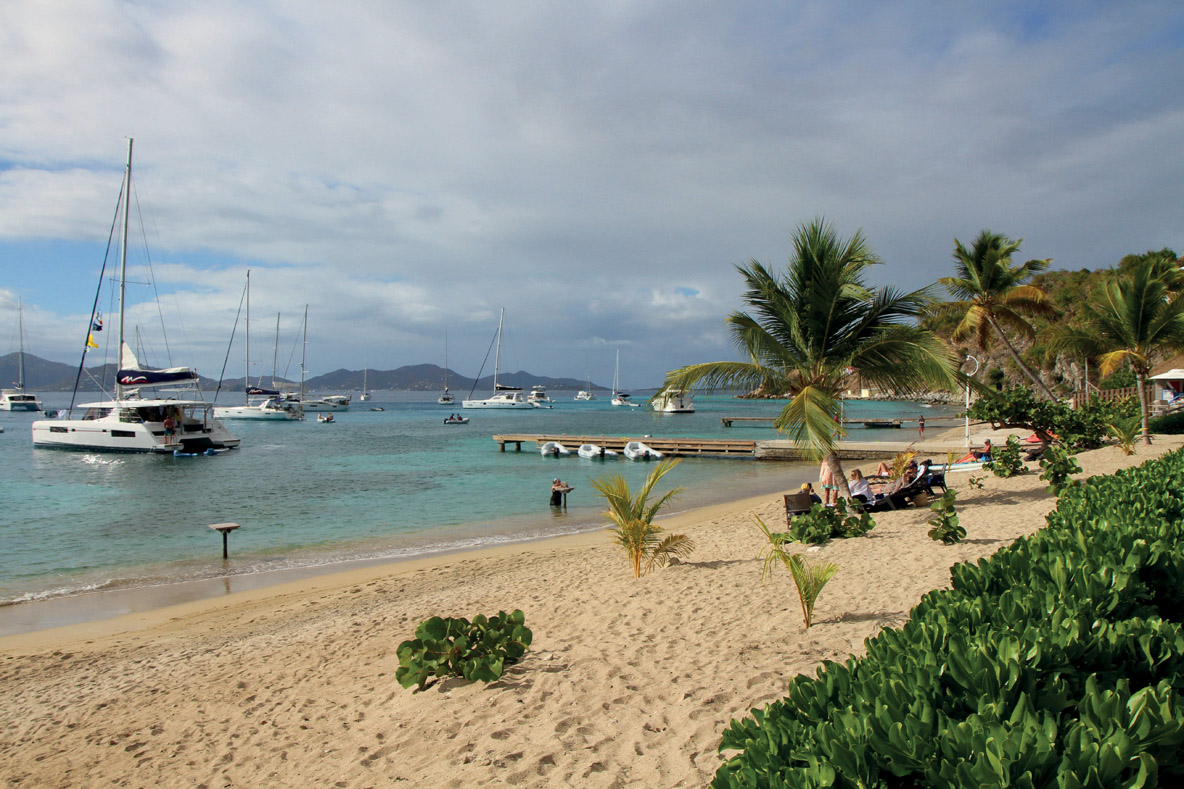
The British Virgin Islands: The Trade Wind of Happiness
Our video:
Our favorite spots: Guana Island and its nearby White Bay beach, perfect for a first swim in the warm turquoise water; Virgin Gorda and its mythical lagoon; The Baths, an extraordinary tangle of rocks set among lush vegetation; Jost Van Dyke - called Jost or JVD here - and its magnificent beaches. In the evening, the atmosphere is particularly festive at Foxy’s. A special mention must go to the flat island of Anegada, with its bush and coral. Setting Point is a large and popular anchorage, though logically, mooring space is much in demand.
Air temperature min/max: 70/88°F (21/31°C)
Water temperature min/max: 79/84°F (26/29°C)
Average wind: Northeast to Southeast 10/25 knots
Sunshine: 3,000 hours per year
Rainfall: 43” (1,100 mm)/year
©EvD
©Jérôme Kélagopian
©EvD
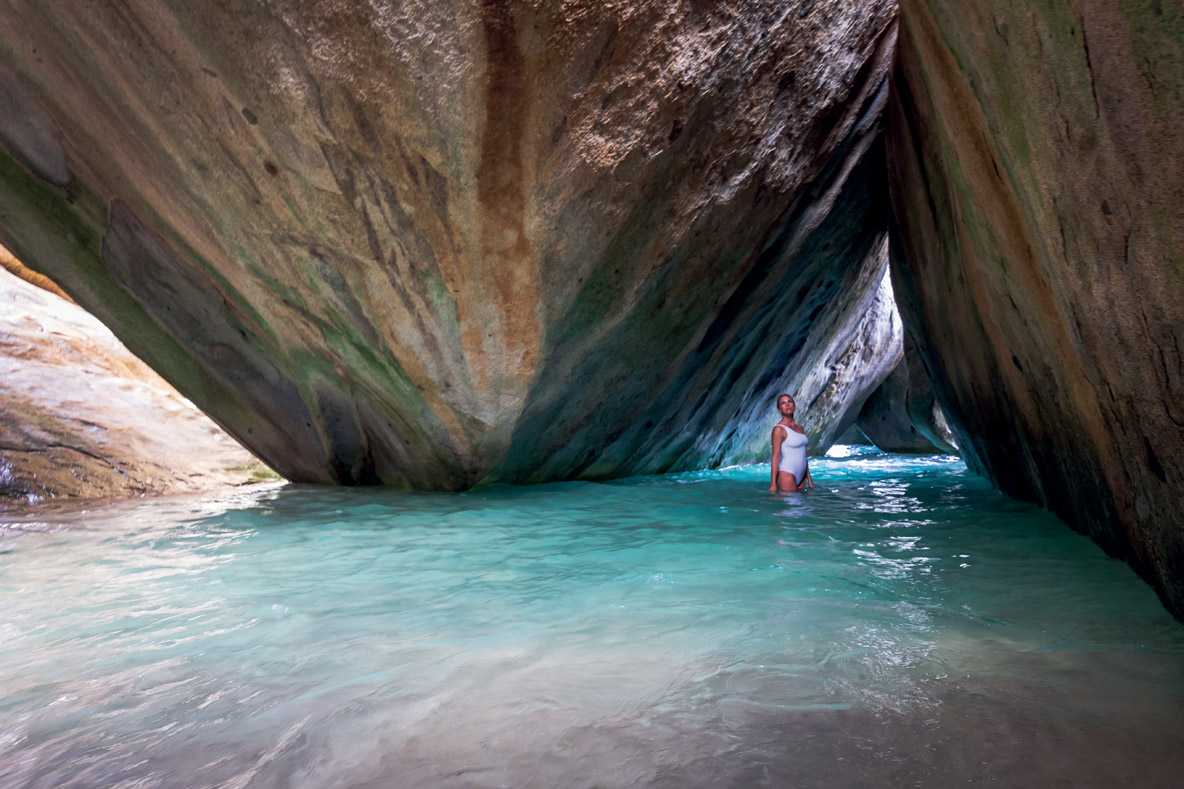
©Jérôme Kélagopian
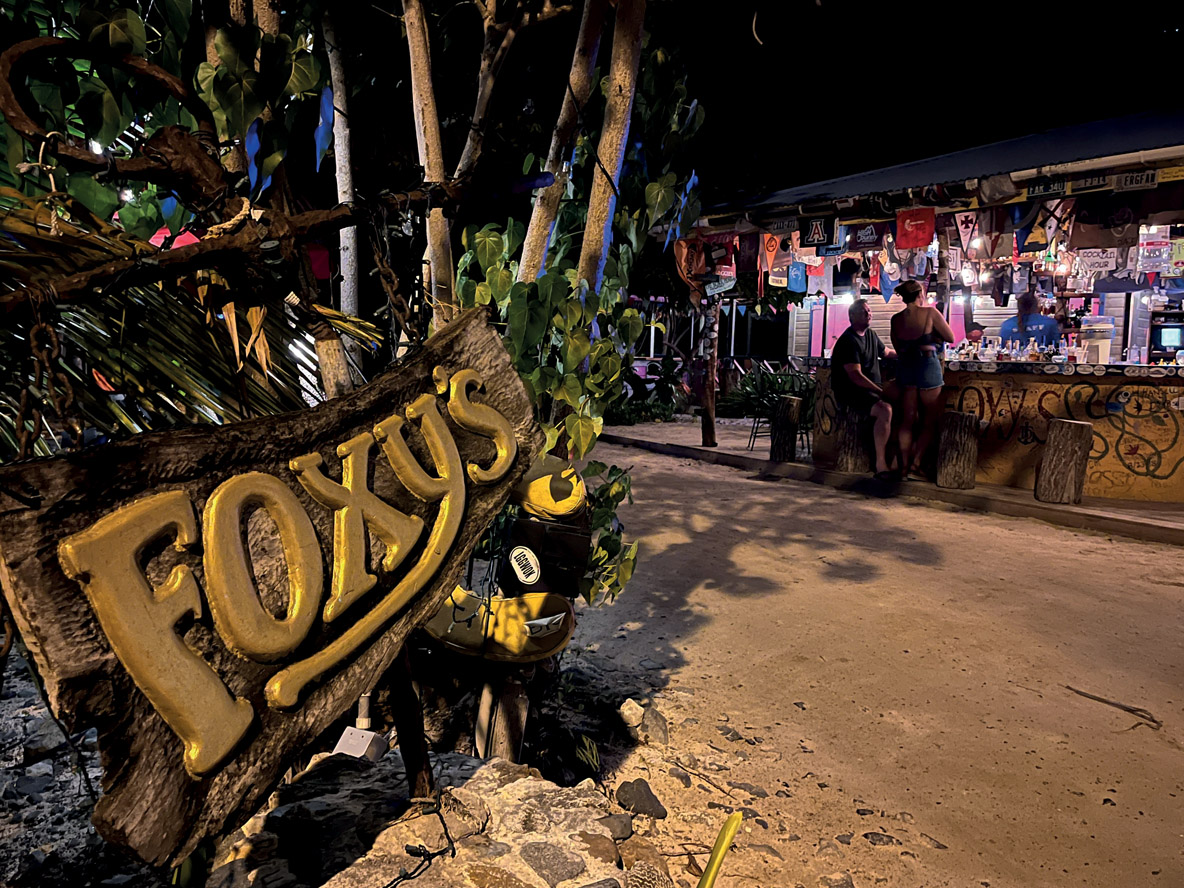
©EvD
Croatia: Dalmatia, Endless Islands and Endless Heritage
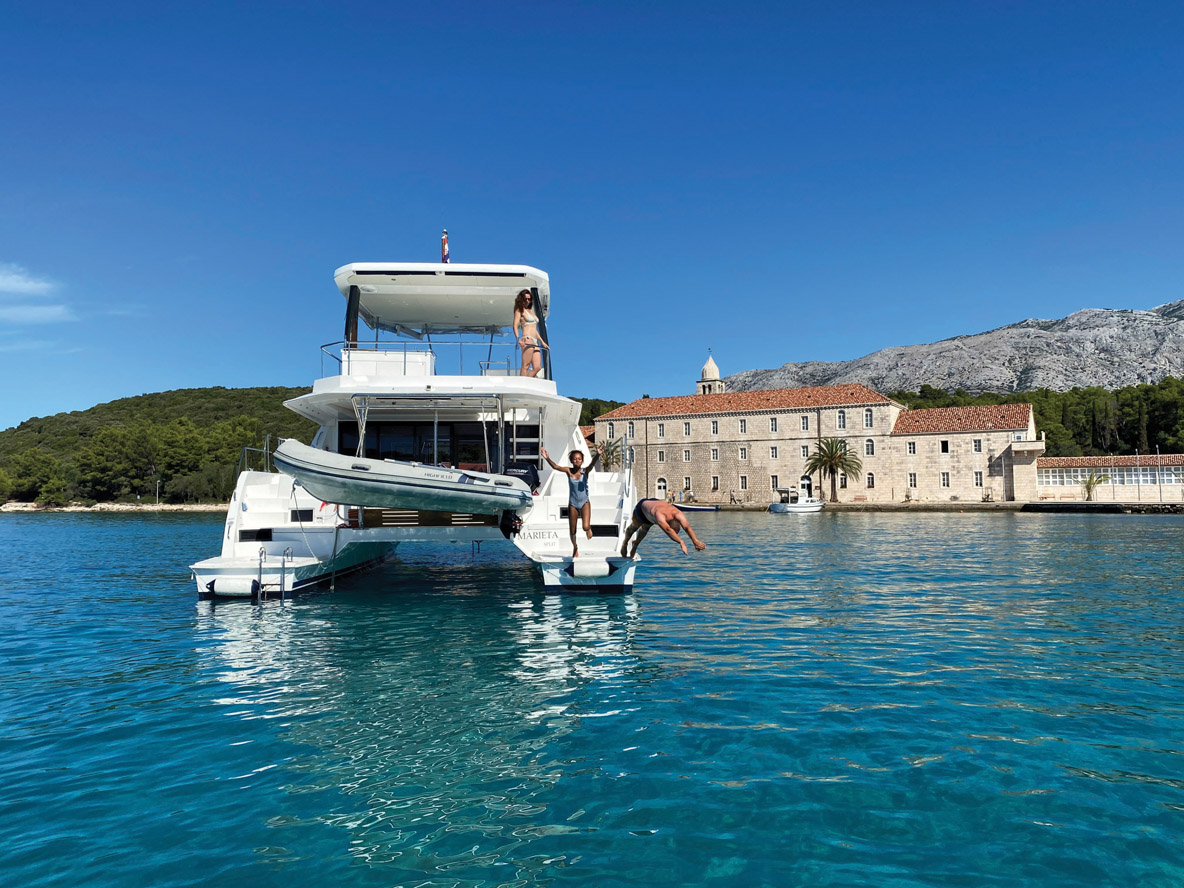
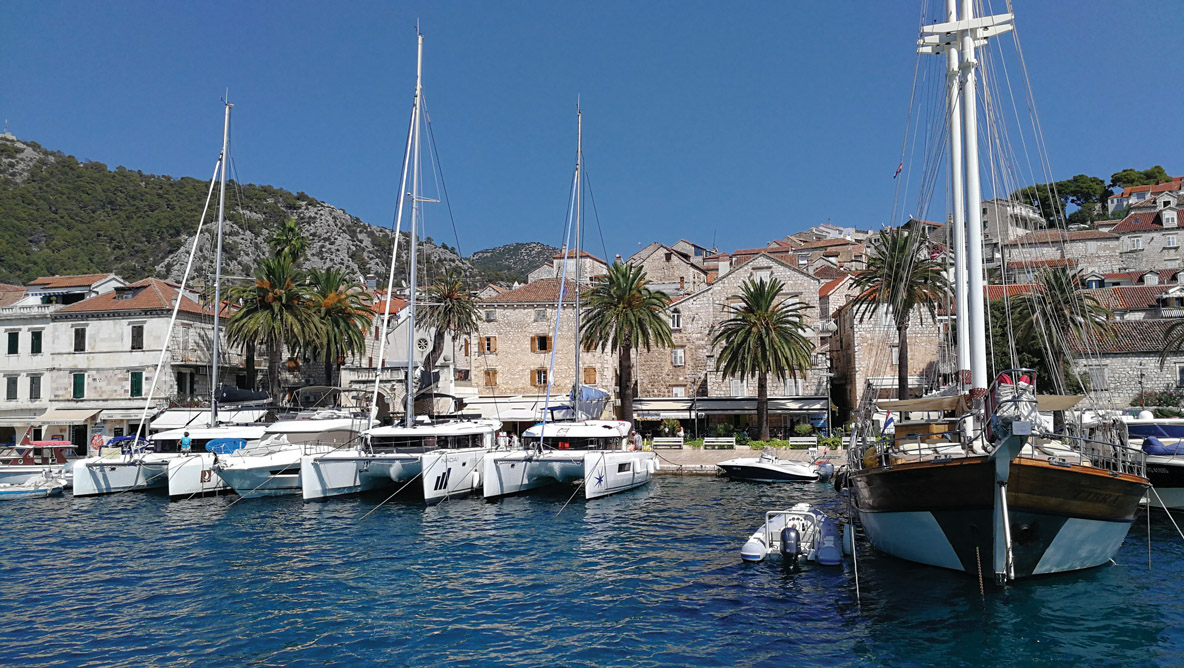
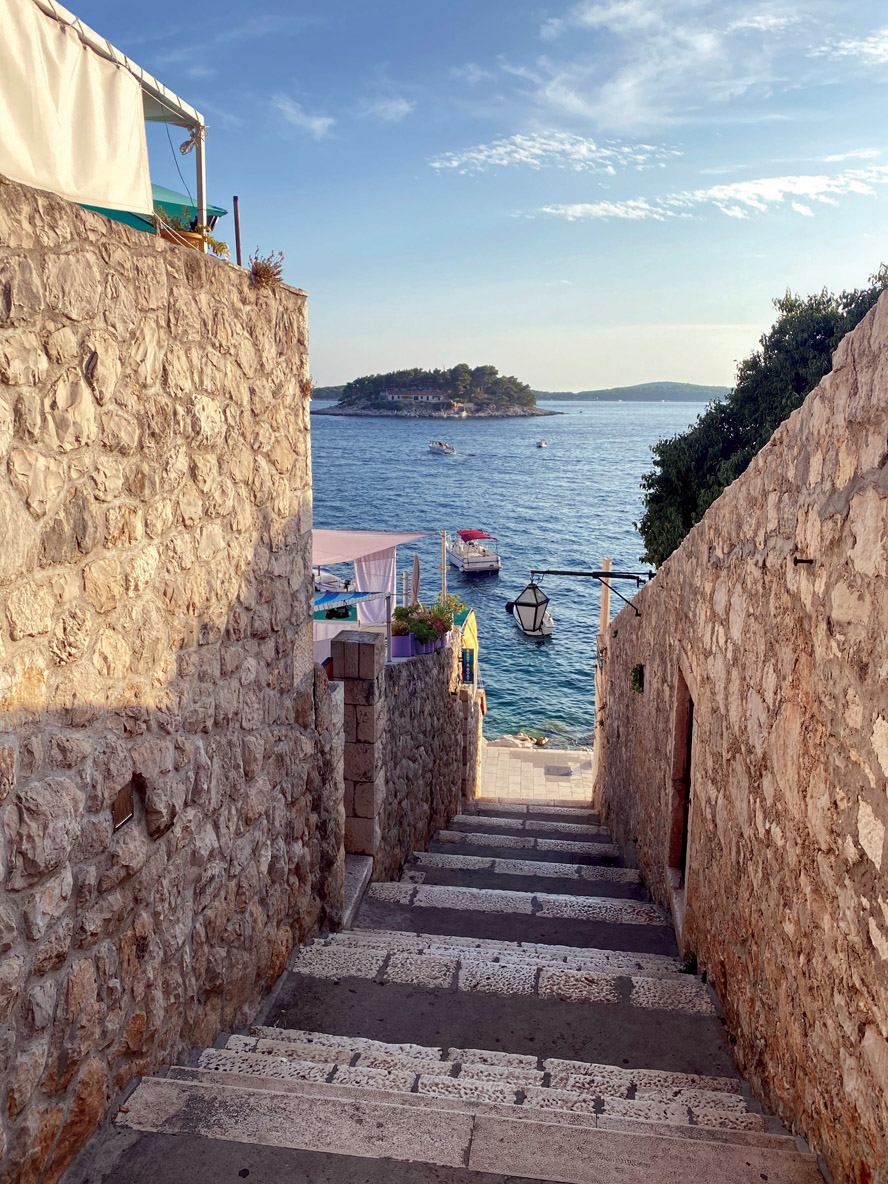
If there’s one island in Dalmatia you really shouldn’t miss, it’s Hvar... the island and its famous port share the same name. Arriving in the old Venetian sheltering spot is impressive; after a tour of the town (Croatia’s version of Saint-Tropez) and some shopping, let yourself be tempted by dinner in a restaurant! Enjoy seafood and local specialties.
After Hvar, it’s time to discover a slightly more discreet island gem - Korčula. This island is touted by the guidebooks as the greenest of them all. Set sail between the two islands, just off the mainland, beneath high, sometimes cloud-covered peaks: you’ll discover a succession of idyllic, deserted anchorages. Close to Korčula’s ramparts, there are numerous anchorages where you can escape the local harbor traffic. The medieval city and its ramparts are well worth a full evening out. The far eastern end of Korčula reveals some extraordinary and perfectly protected anchorages.
Vis is a must for us – at 30 nautical miles, it’s one of the islands furthest from the mainland. But this doesn’t stop it from being very popular with yachties: numerous coves cut into the coastline, and a string of islands, particularly to the northeast and east, form vast anchorage areas. Vis is a well-known diving spot: the big underwater attraction is the Biševo blue cave. Between 10 a.m. and 1 p.m., the cave is flooded with light, giving the water an astonishing blue color. Nearby, Salbunara Bay offers one of the few sandy beaches in Dalmatia.
Air temperature min/max: 43/88°F (6/31°C)
Water temperature min/max: 79/84°F (26/29°C)
Average wind: 6 to 10 knots from all directions; NW thermal breeze 10 to 15 knots from 2 to 6 pm in summer
Sunshine: 2,650 hours per year
Rainfall: 31” (800 mm)/year
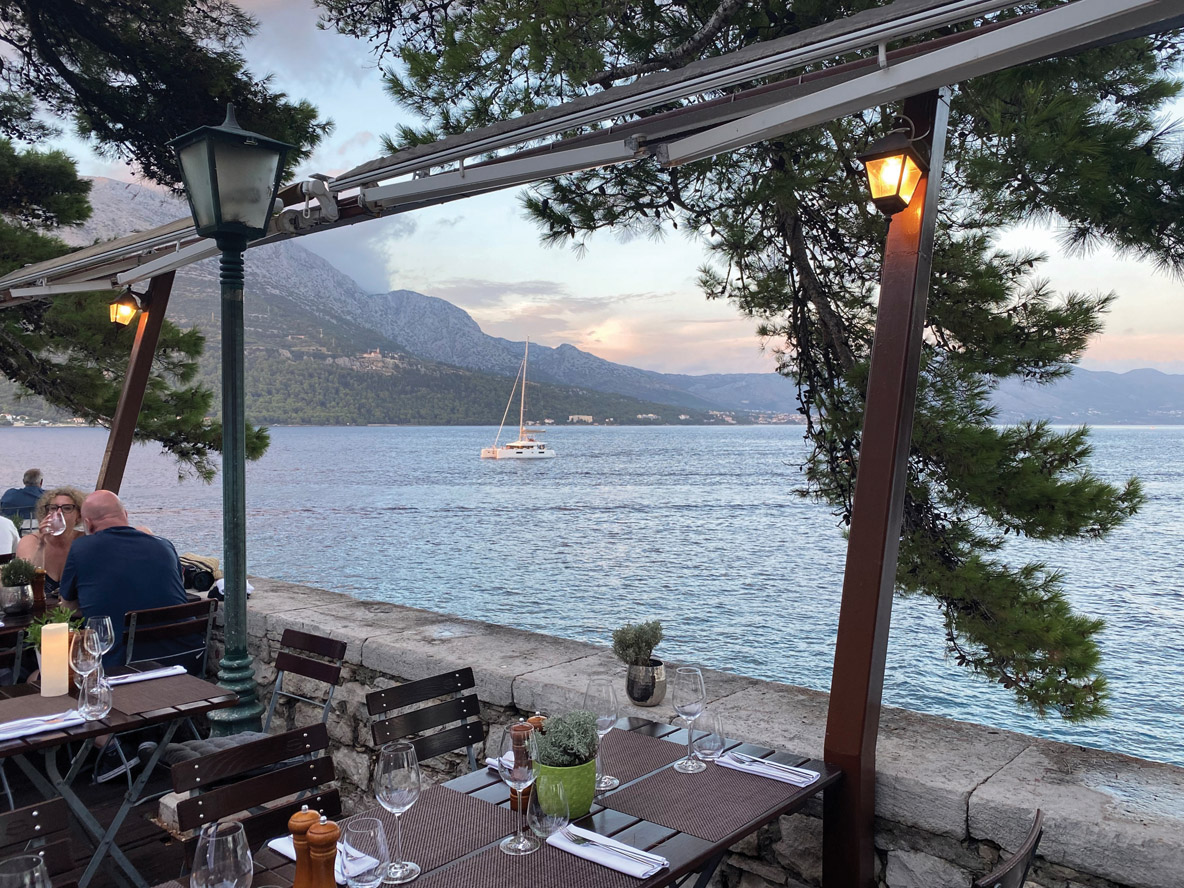
©EvD
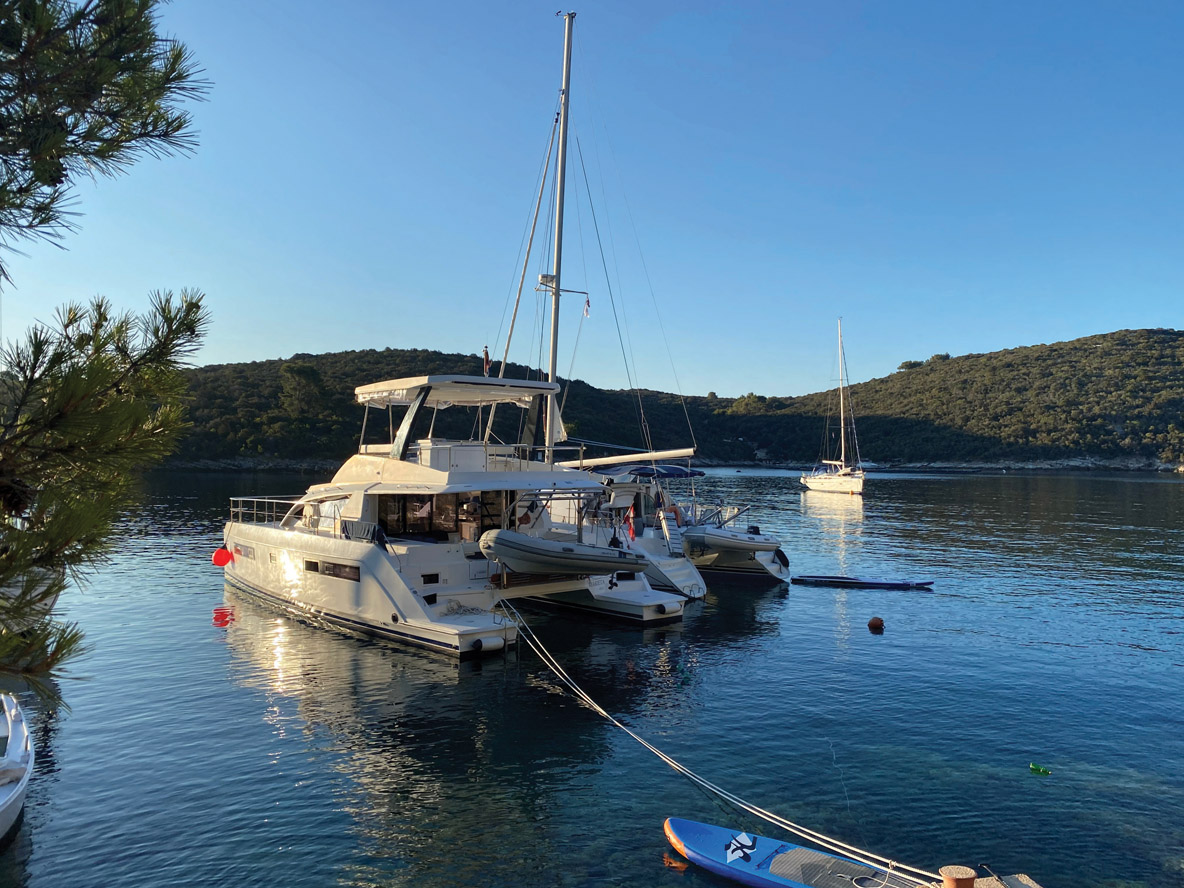
©EvD
©EvD
©EvD
©EvD
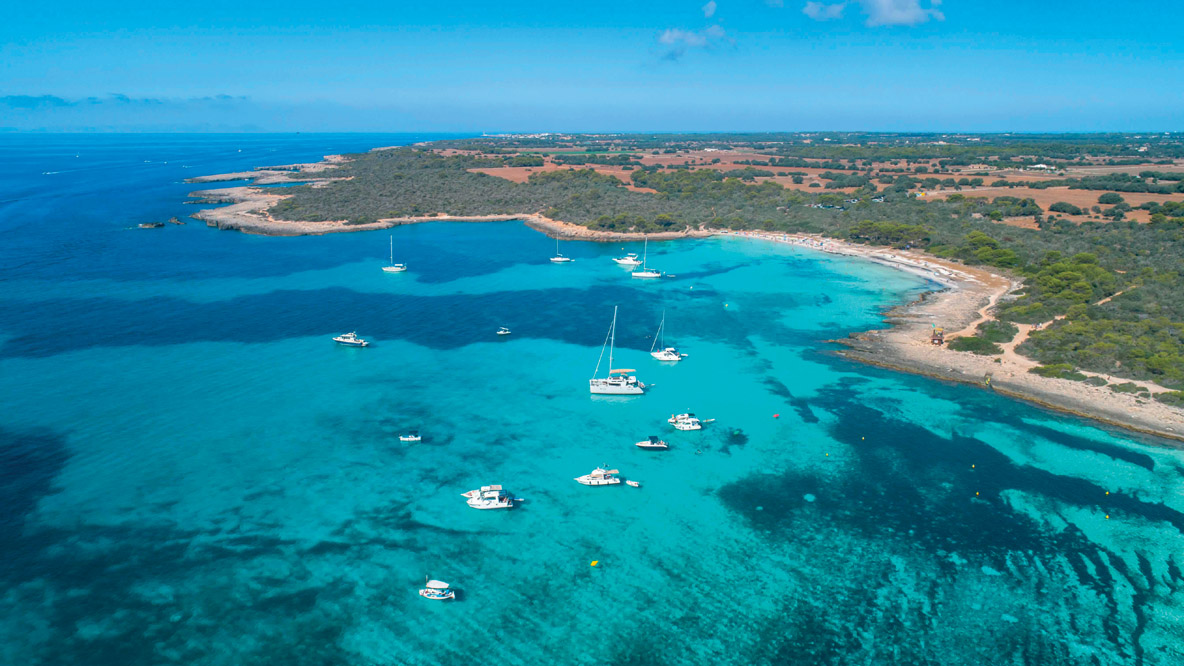
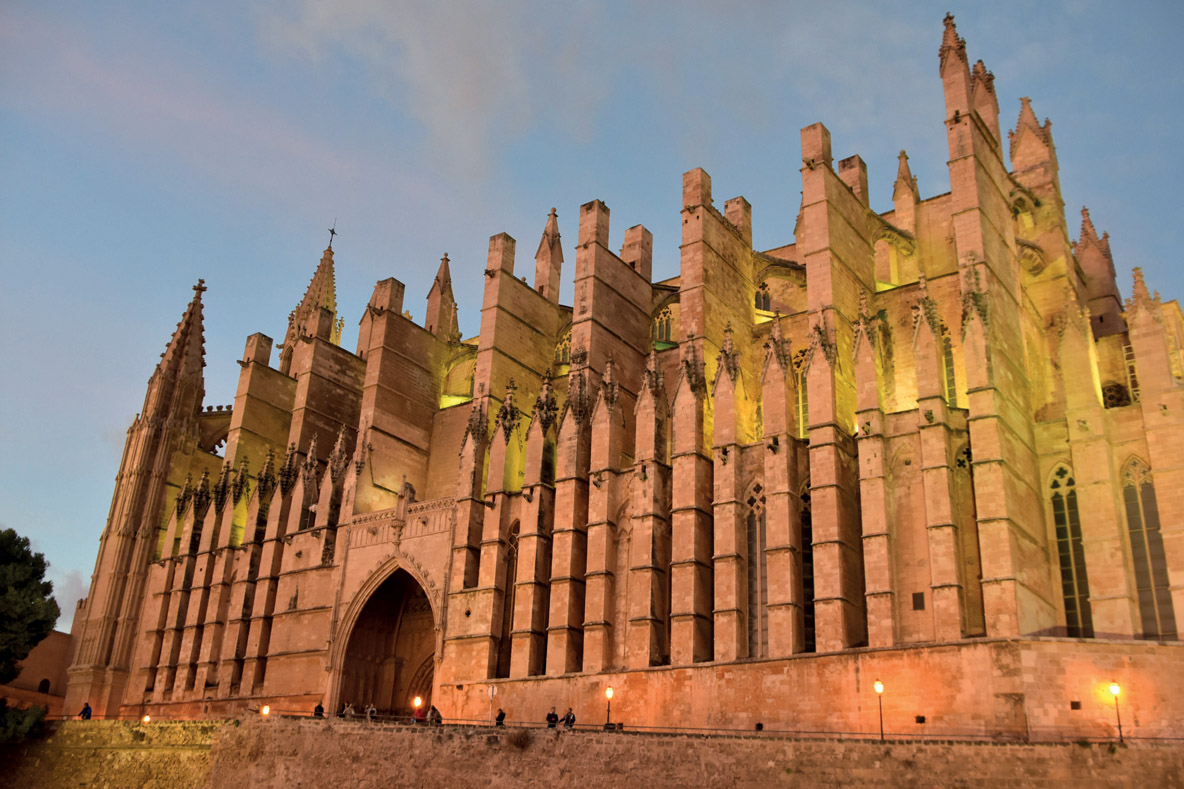
Mallorca: The Magic of the Calas
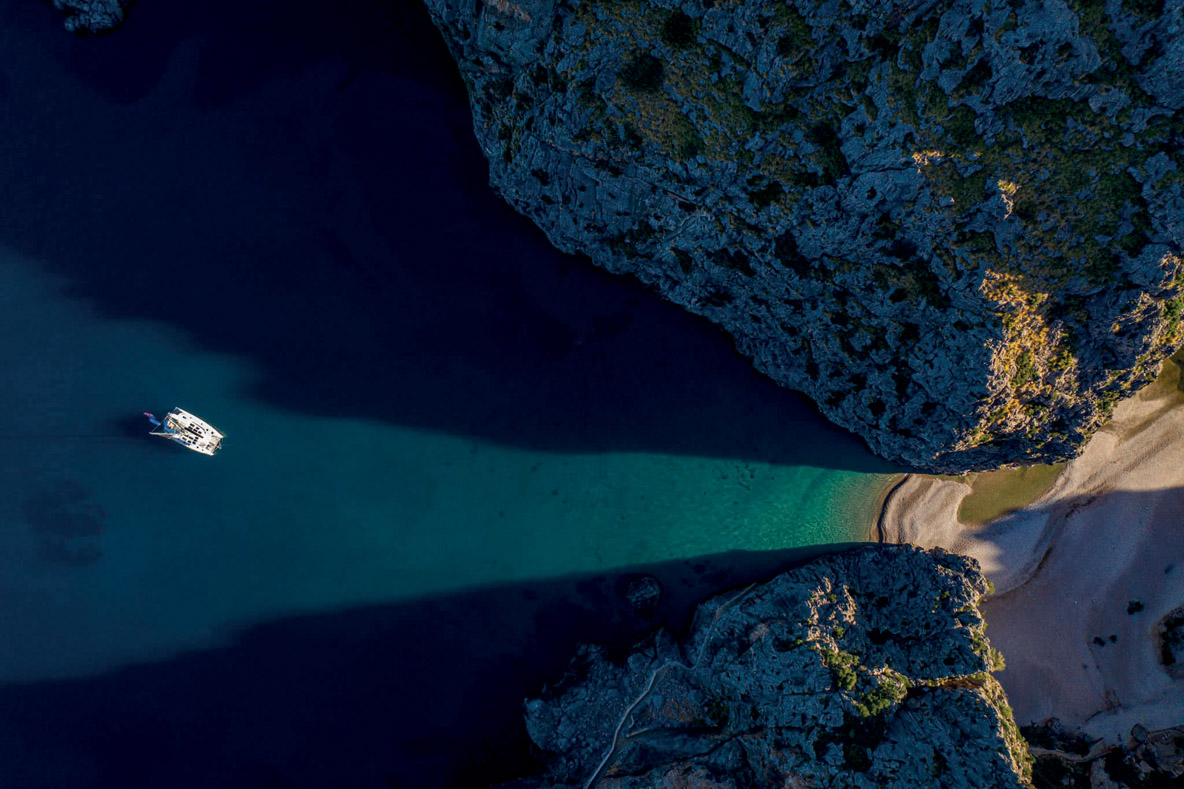
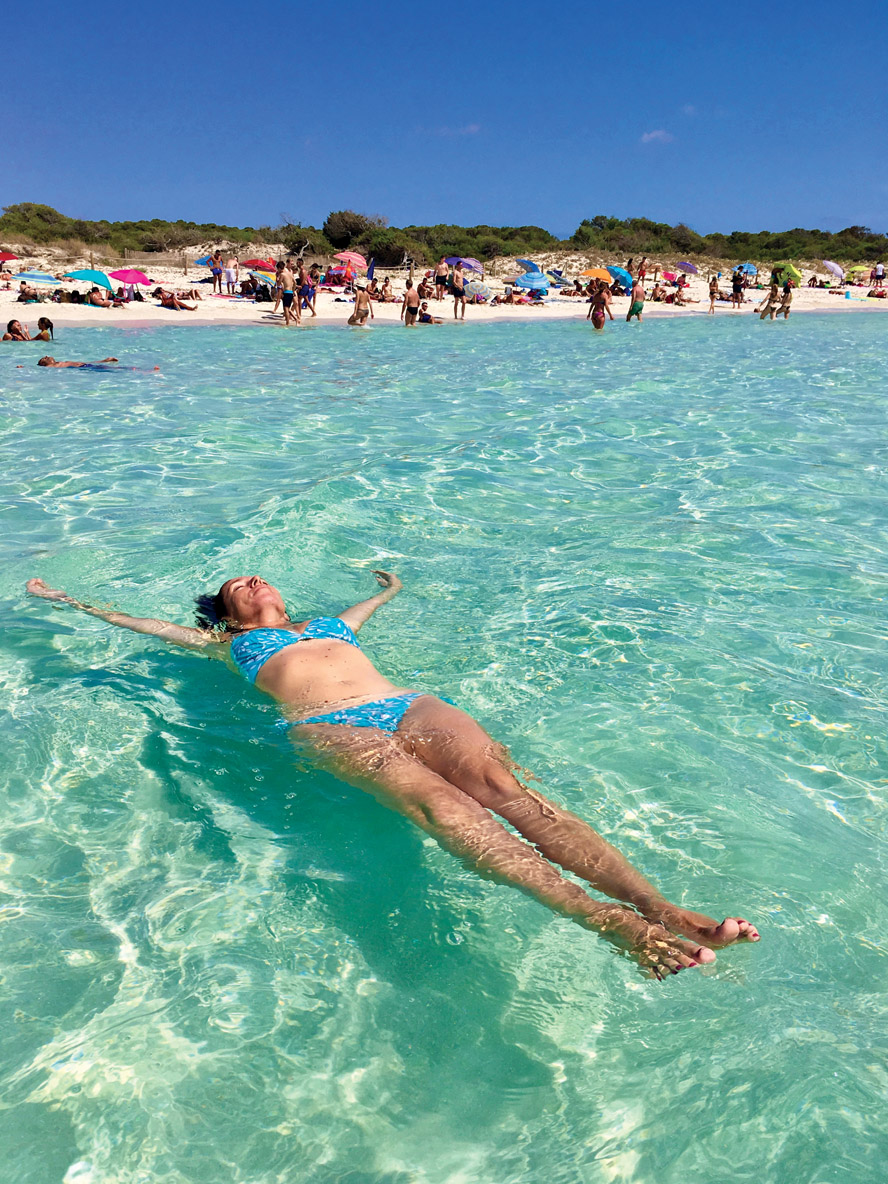
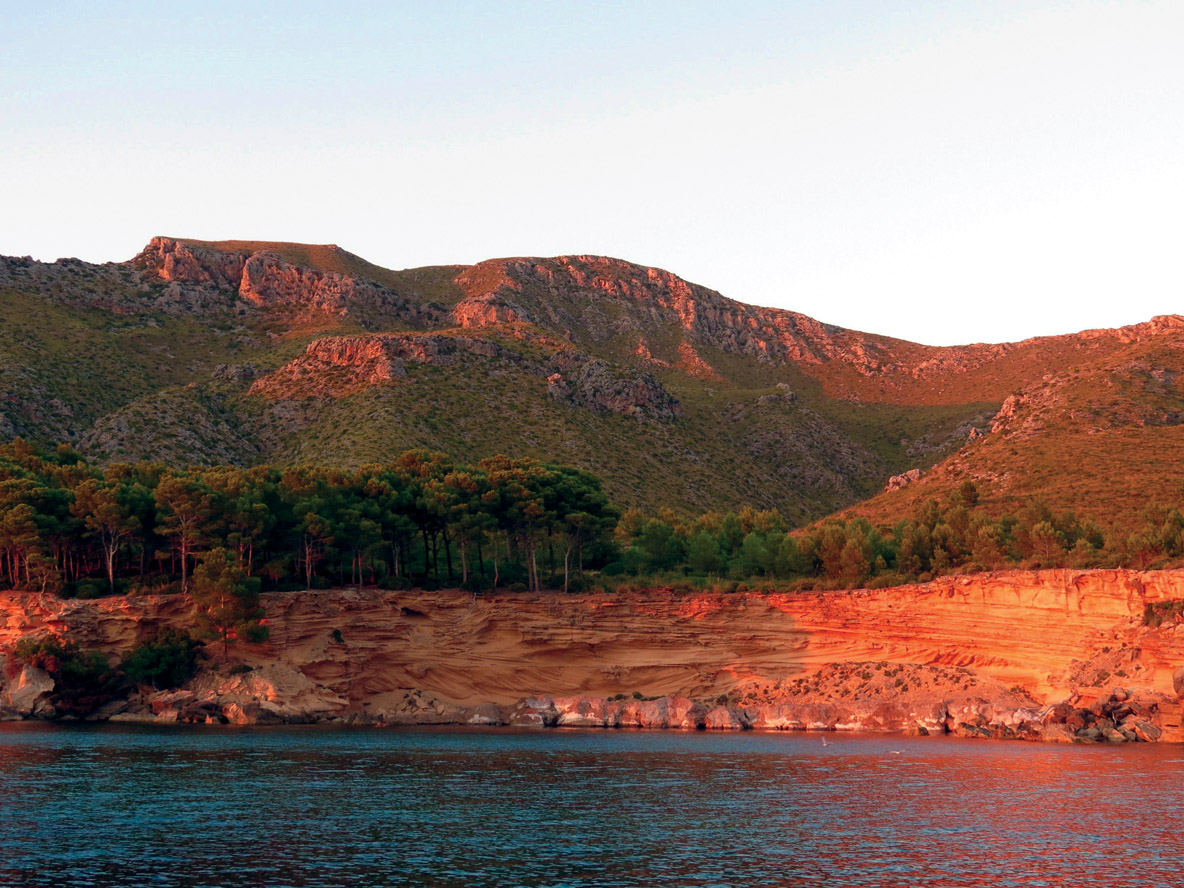
No tides, negligible currents and very few sand banks: cruising in Mallorca is as pleasant as it is easy. The only constraints are the swell and chop, which can make some anchorages difficult to handle. Generally speaking, you will no doubt be tempted to take advantage of the countless bays and coves - the calas. There are plenty of places where you can moor at the quayside and fill up with water and fuel. There are about 20 well-equipped harbors on Mallorca. There are plenty of large, quickly accessible stretches of water with good shelter should you encounter any bad weather conditions - with the exception of the north coast: of the 50 miles of spectacular cliffs and peaks, only Puerto Soller is accessible if the sea is rough.
Min/max air temperature: 52/88°F (11/31°C)
Water temperature min/max: 57/79°F (14/26°C)
Average wind: 7 to 12 knots from all directions; coastal breezes from 3 to 7 pm in summer
Sunshine: 2,700 hours per year
Rainfall: 16” (400 mm)/year
©DR
©DYW
©EvD
©EvD
©Antoine Bousquet
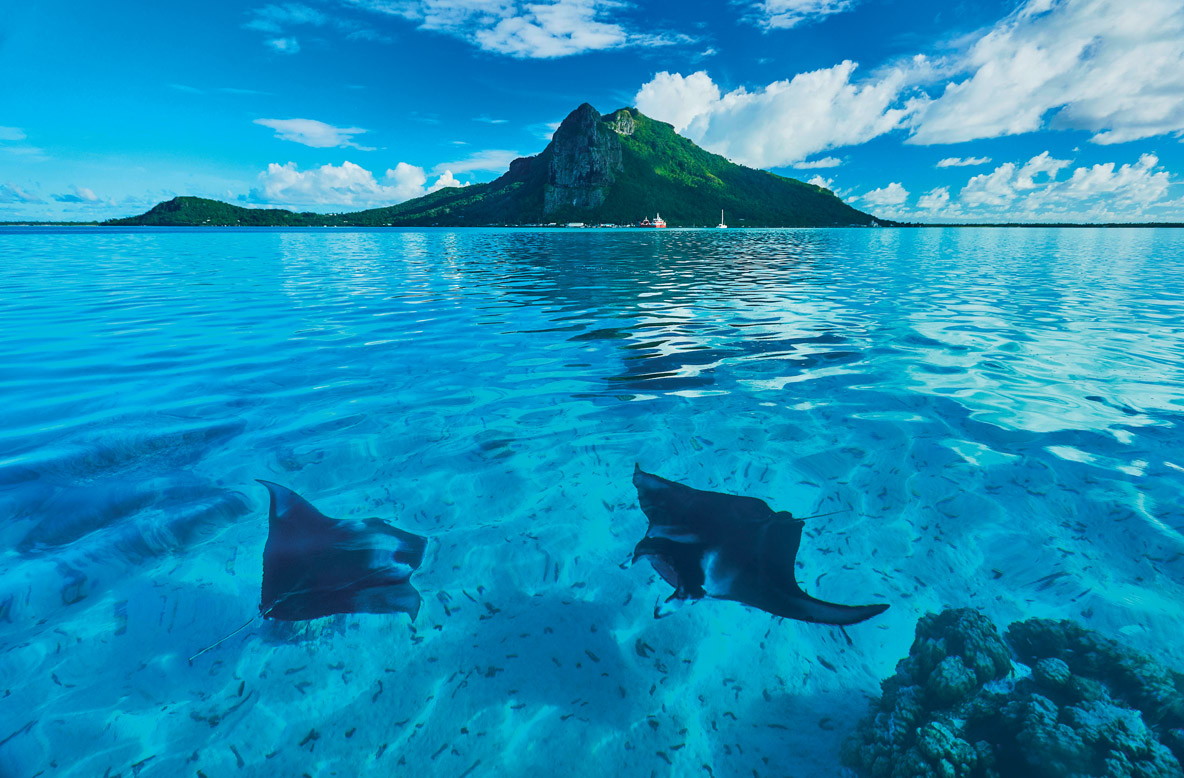
French Polynesia: Tuamotu Islands: The Kingdom of the Atolls
Air temperature min/max: 73/86°F (23/30°C)
Water temperature min/max: 79/82°F (26/28°C)
Average wind: Northeast to Southeast 15/20 knots
Sunshine: 2,830 hours per year
Rainfall: 60” (1,540 mm)/year
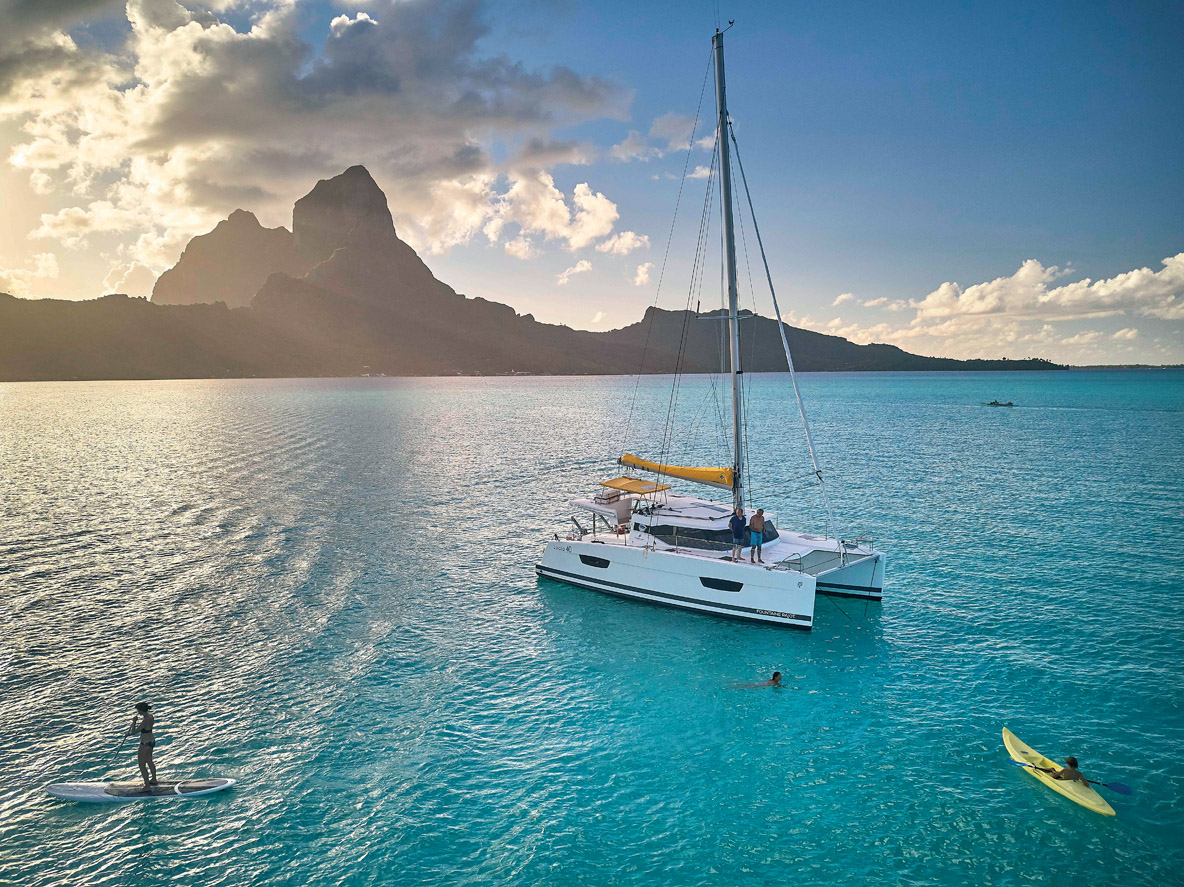
© TYC/Bertrand Duquenne
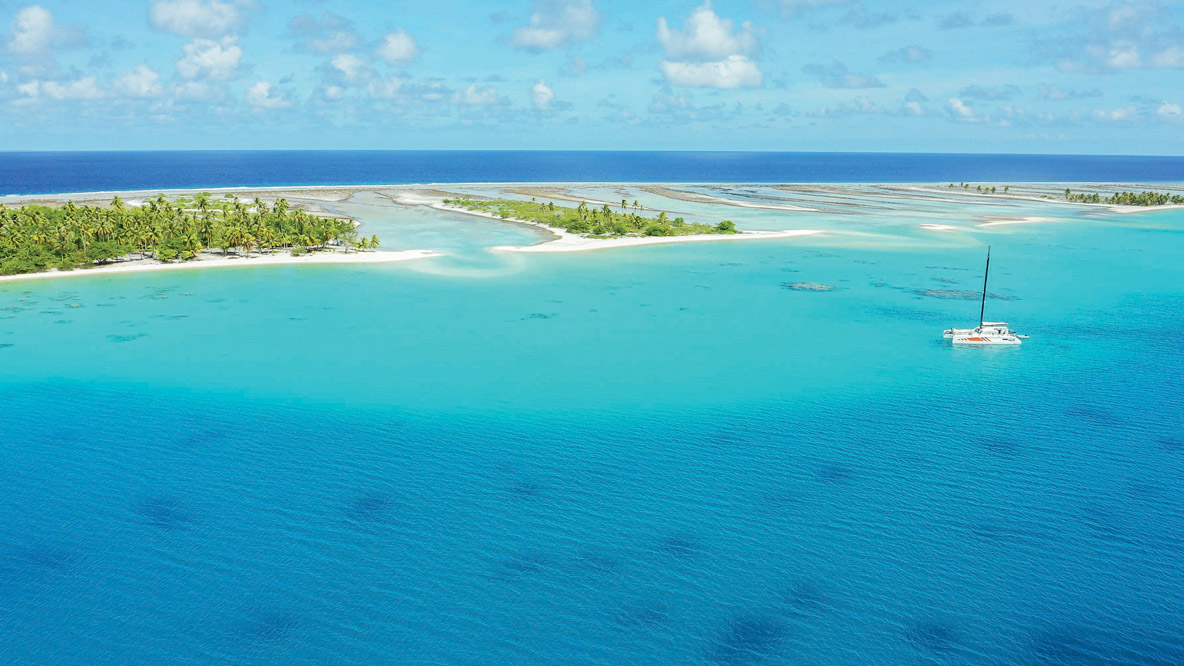
© Ti Marick
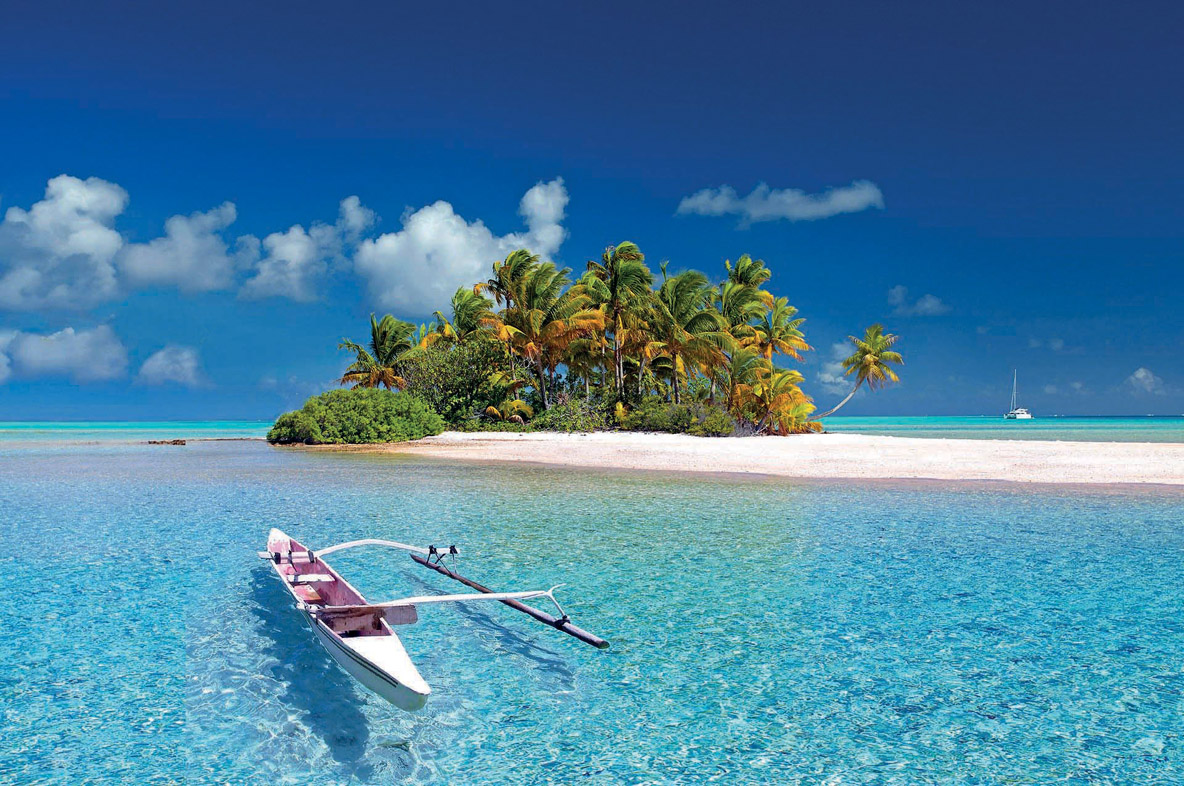
© DR
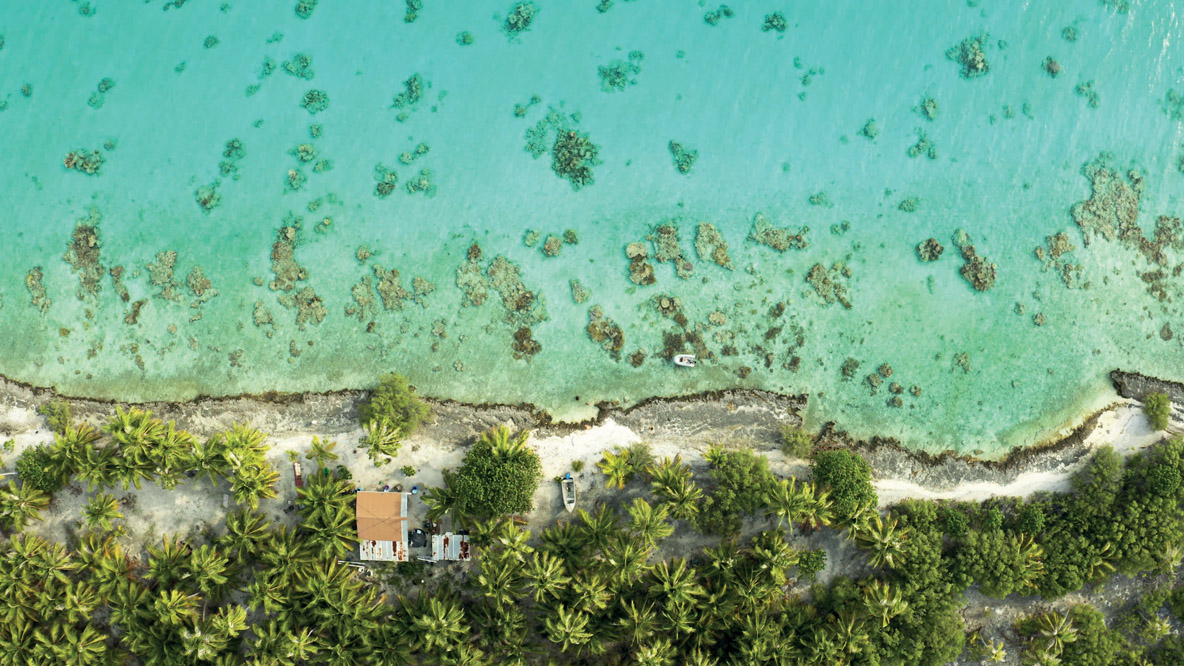
© Ti Marick
© Bertrand Duquenne
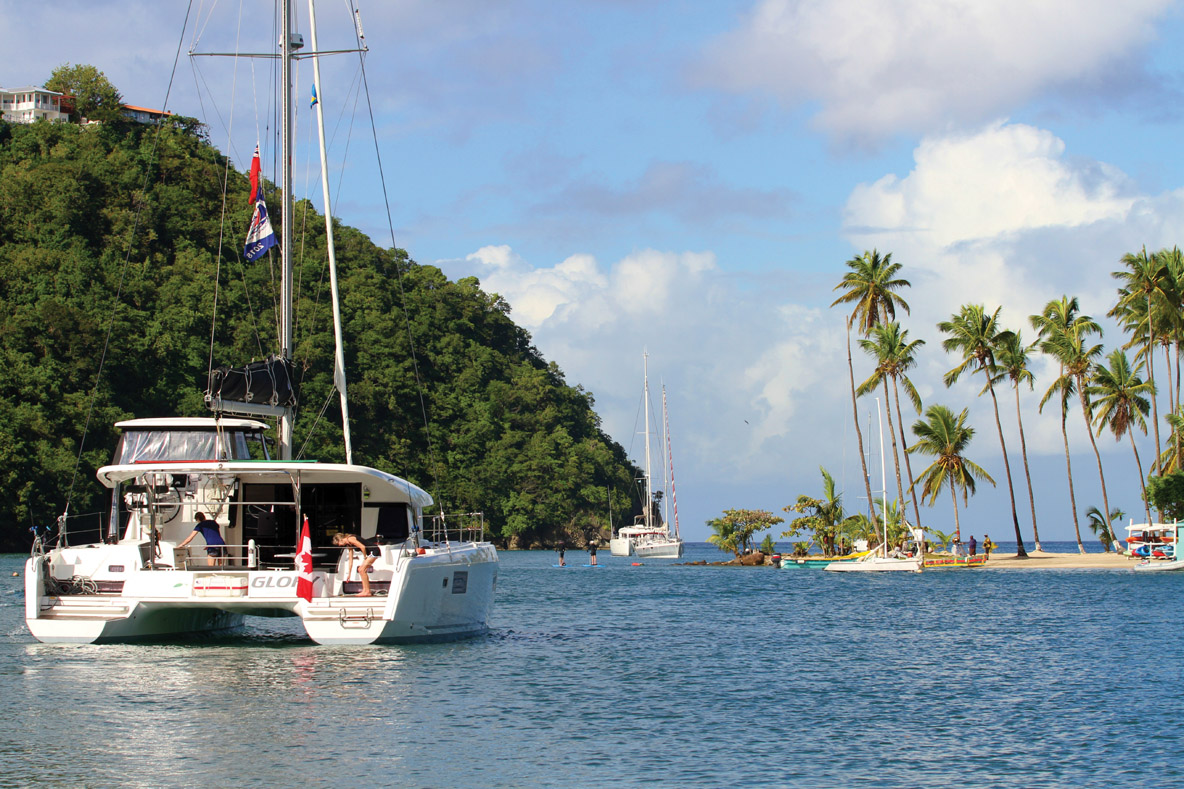
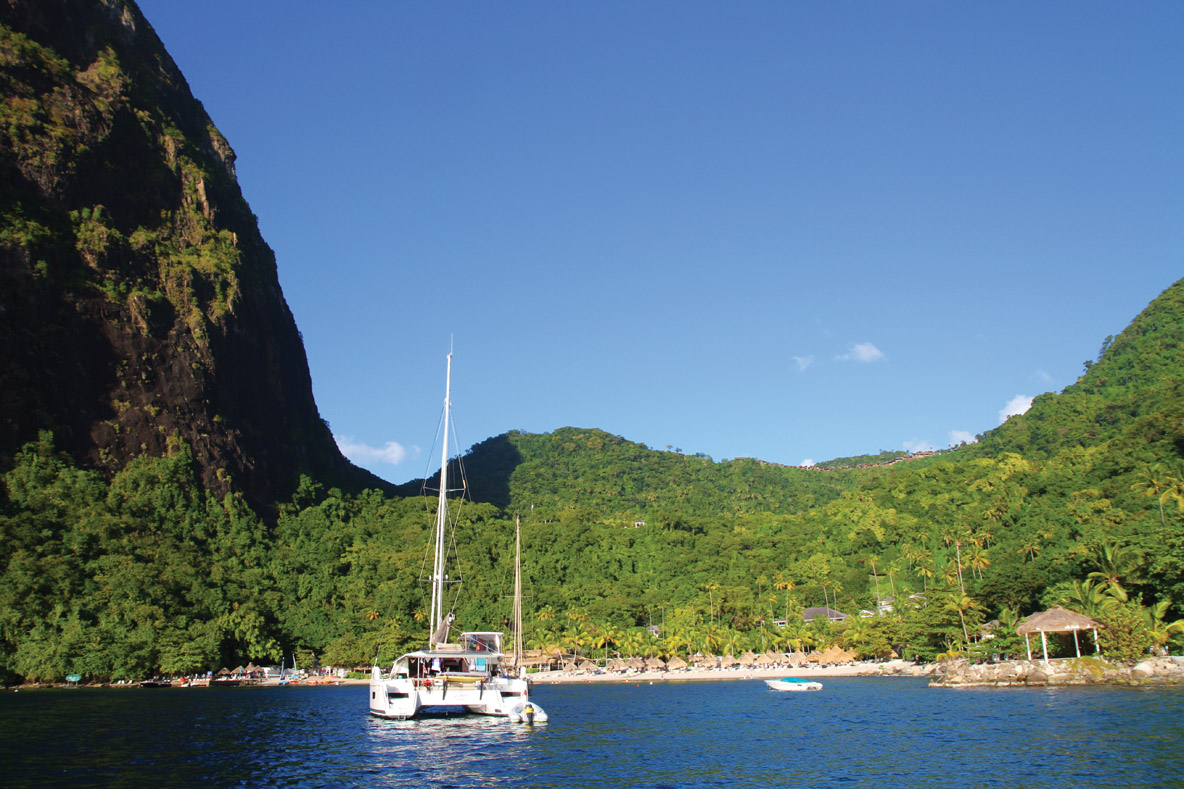
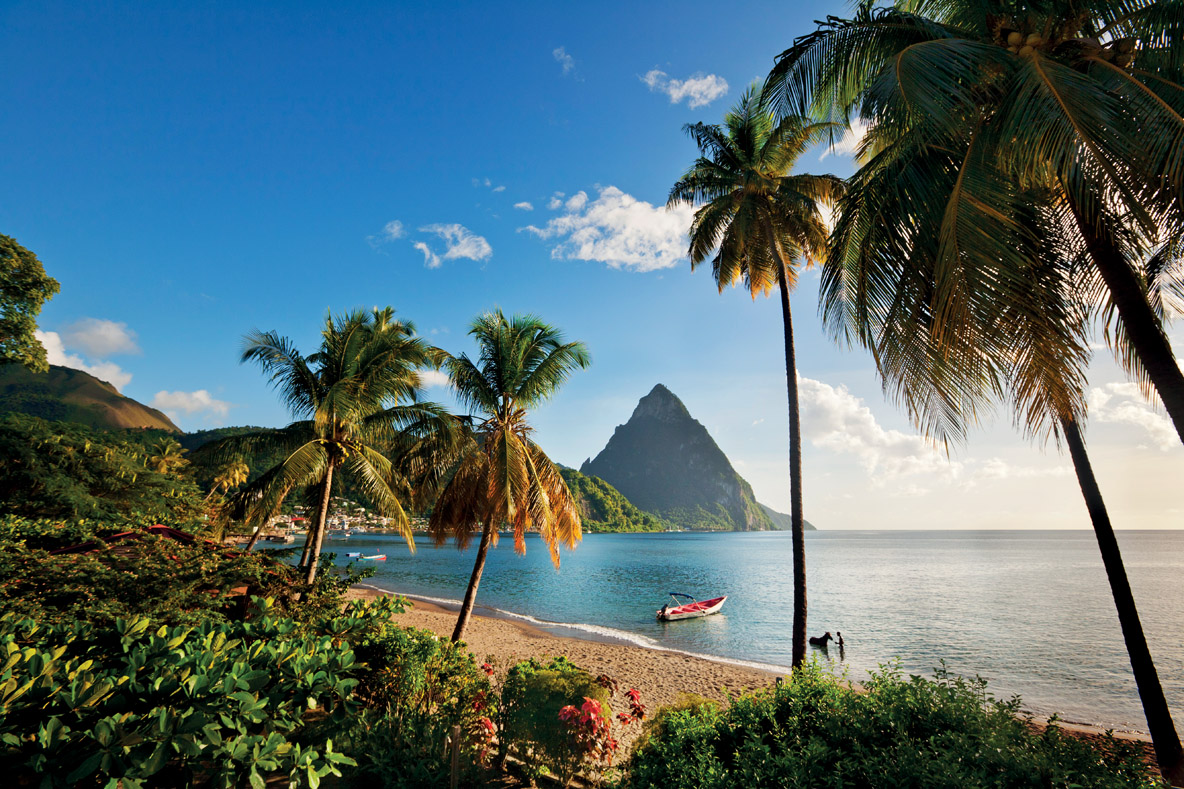
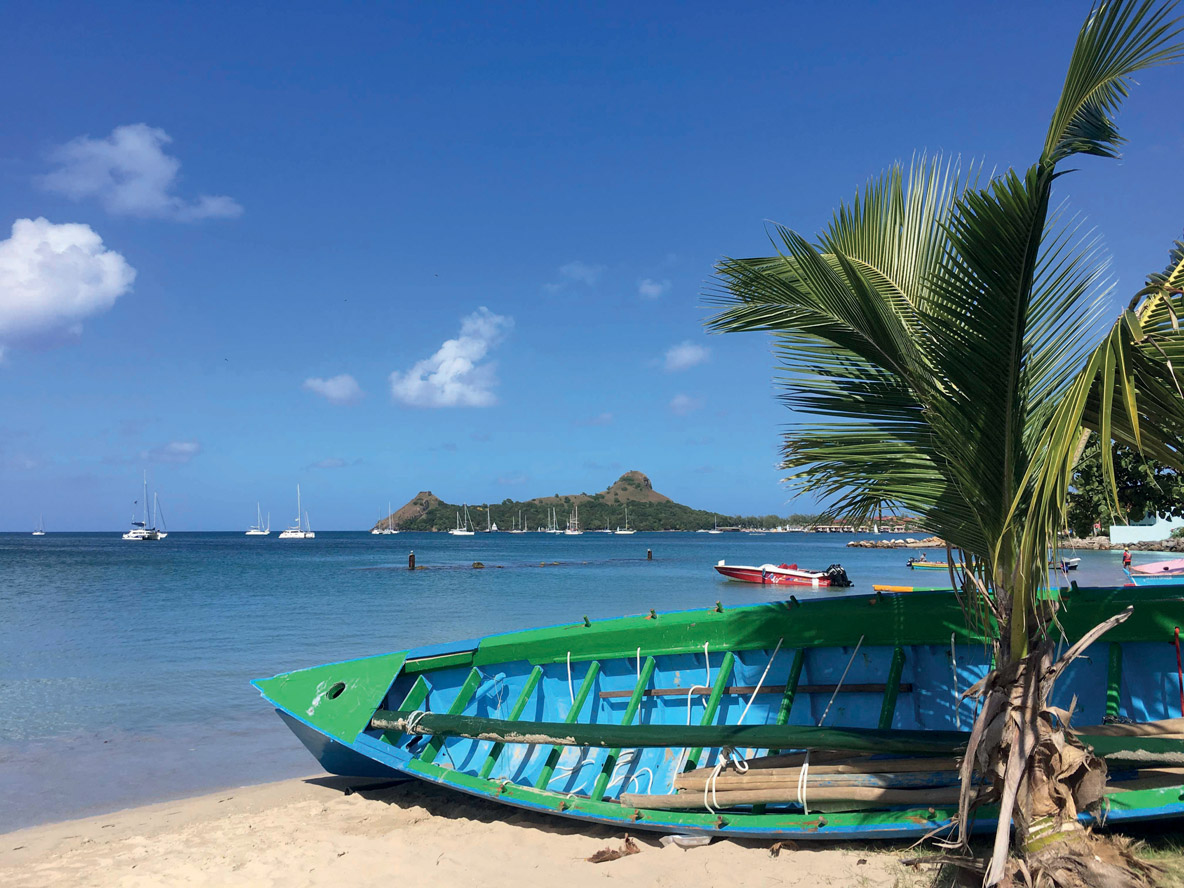
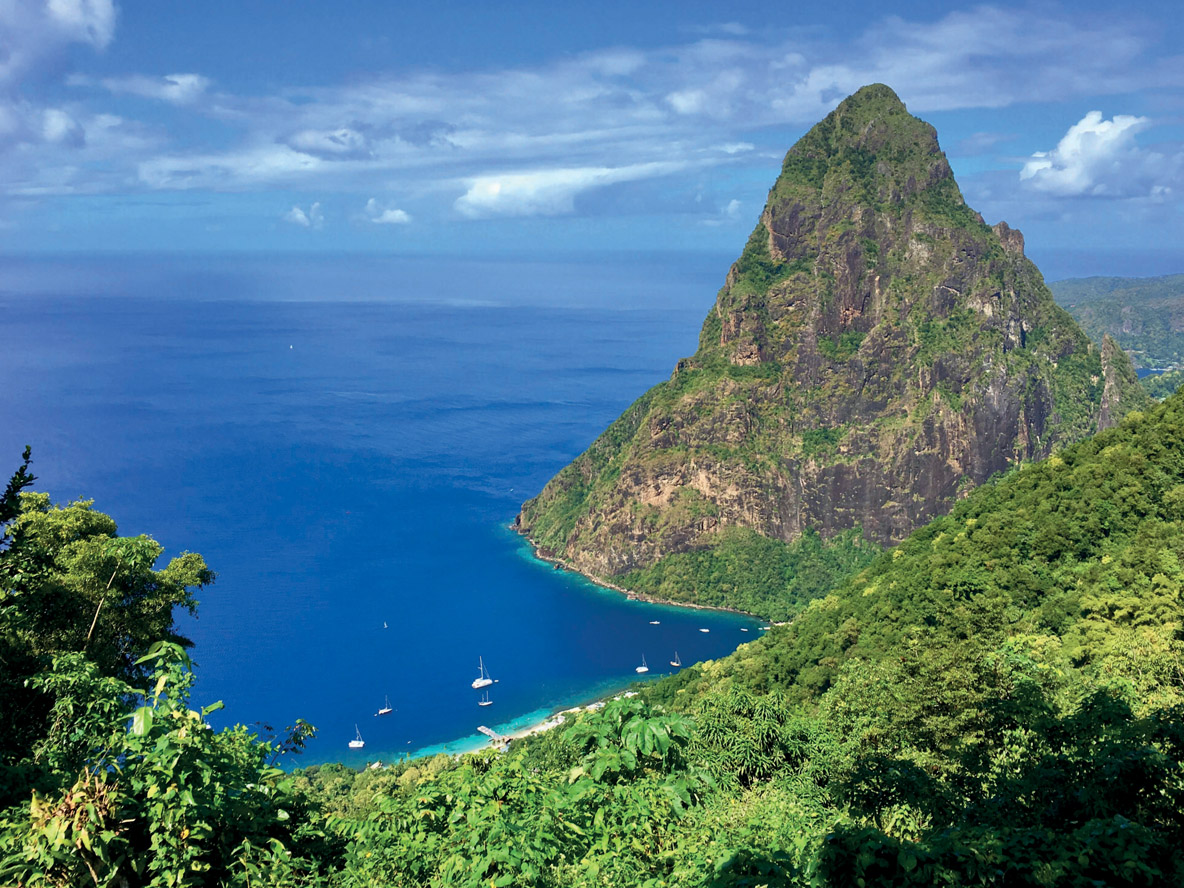
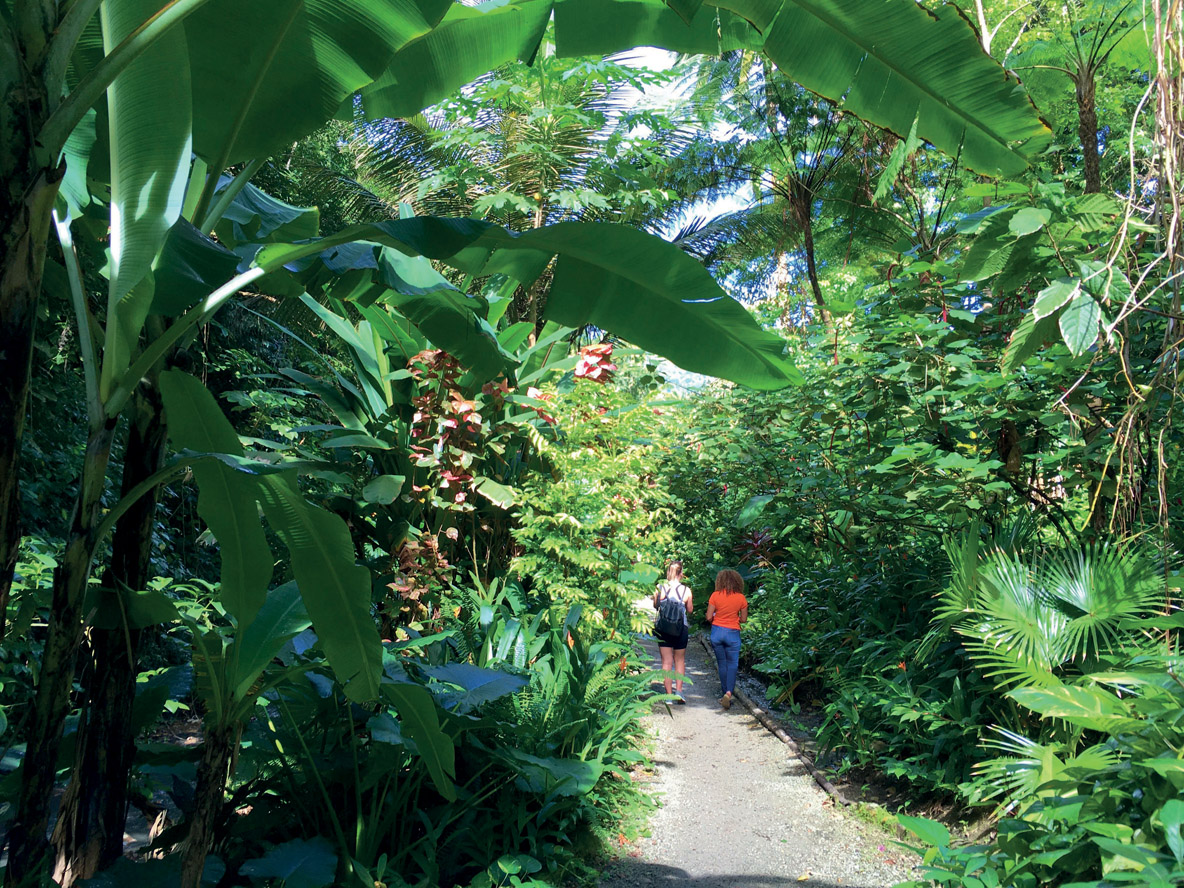
Saint Lucia: The Twin Peak Island
Air temperature min/max: 73/88°F (23/31°C)
Water temperature min/max: 79/84°F (26/29°C)
Average wind: north-east 10 to 20 knots
Sunshine: 2,890 hours per year
Rainfall: 55 to 79” (1,400 to 2,000 mm)/year
©EvD
© Emmanuel van Deth
© Emmanuel van Deth
© Emmanuel van Deth
© Emmanuel van Deth
© Emmanuel van Deth
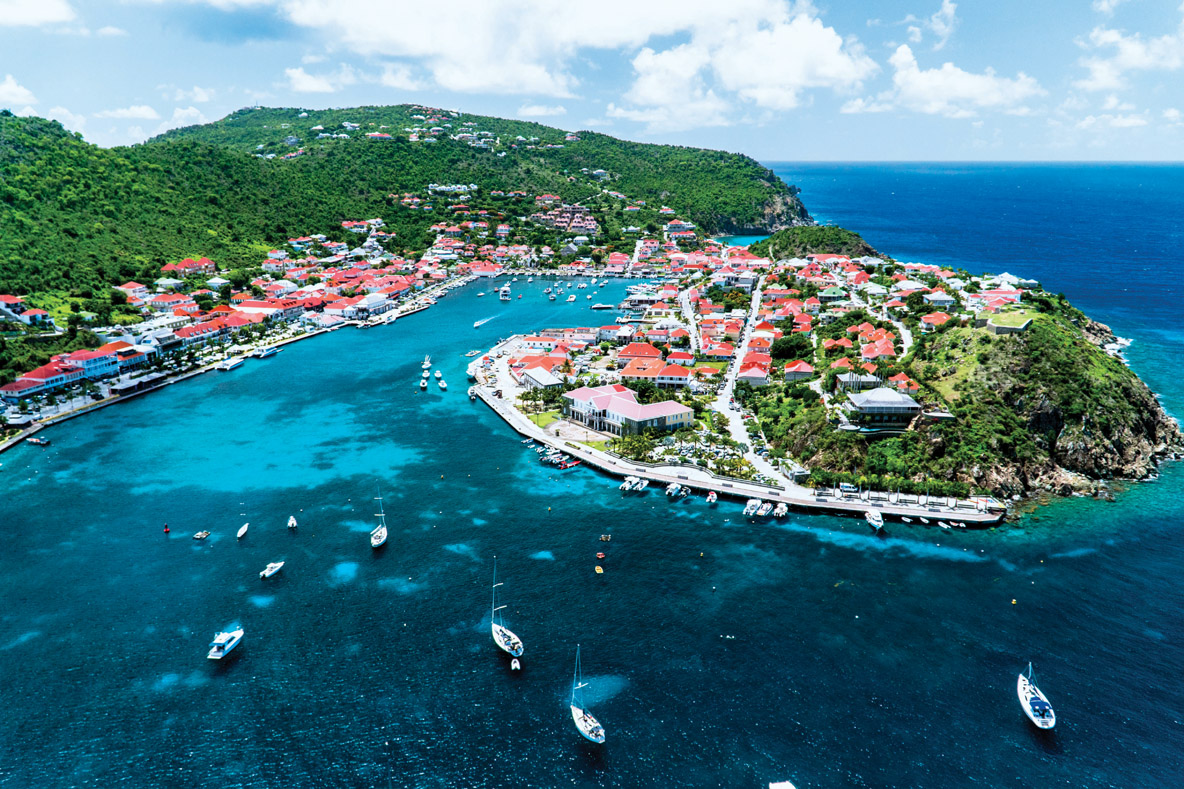
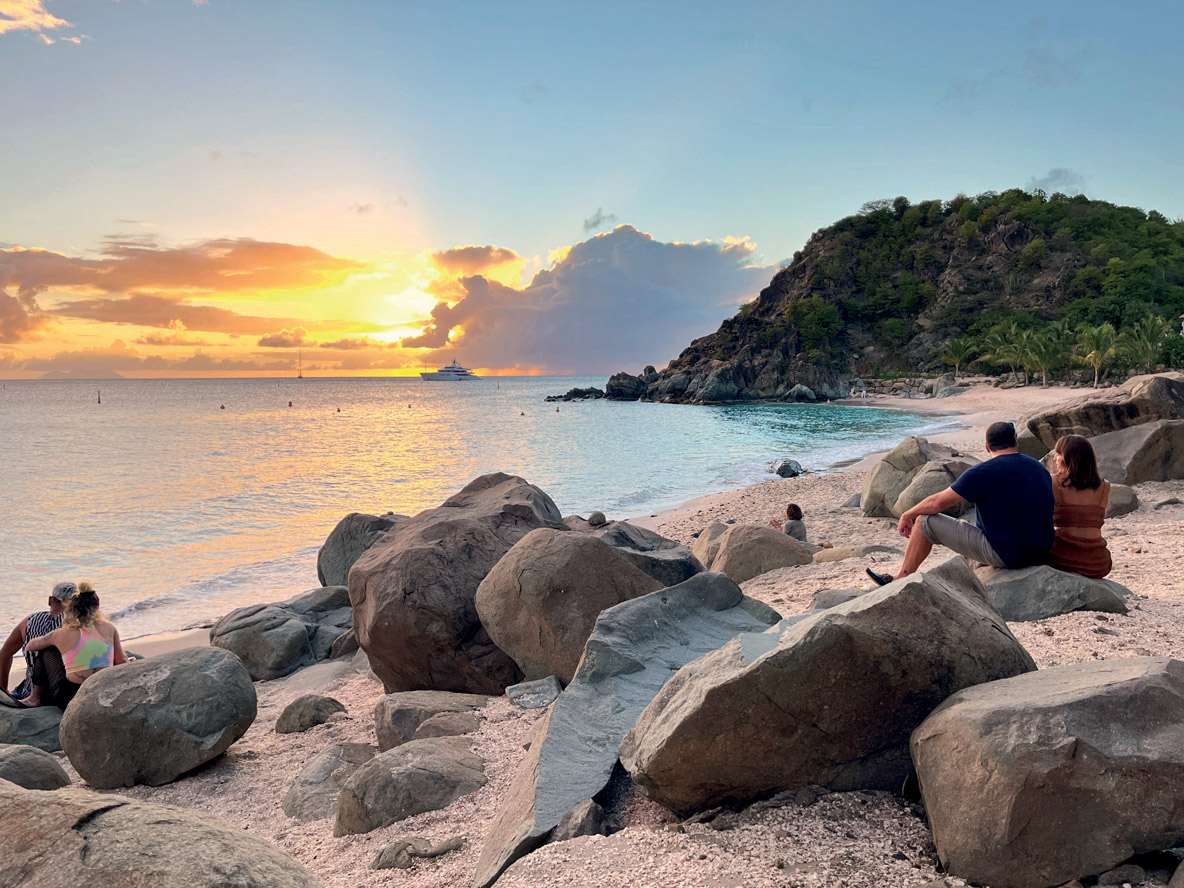
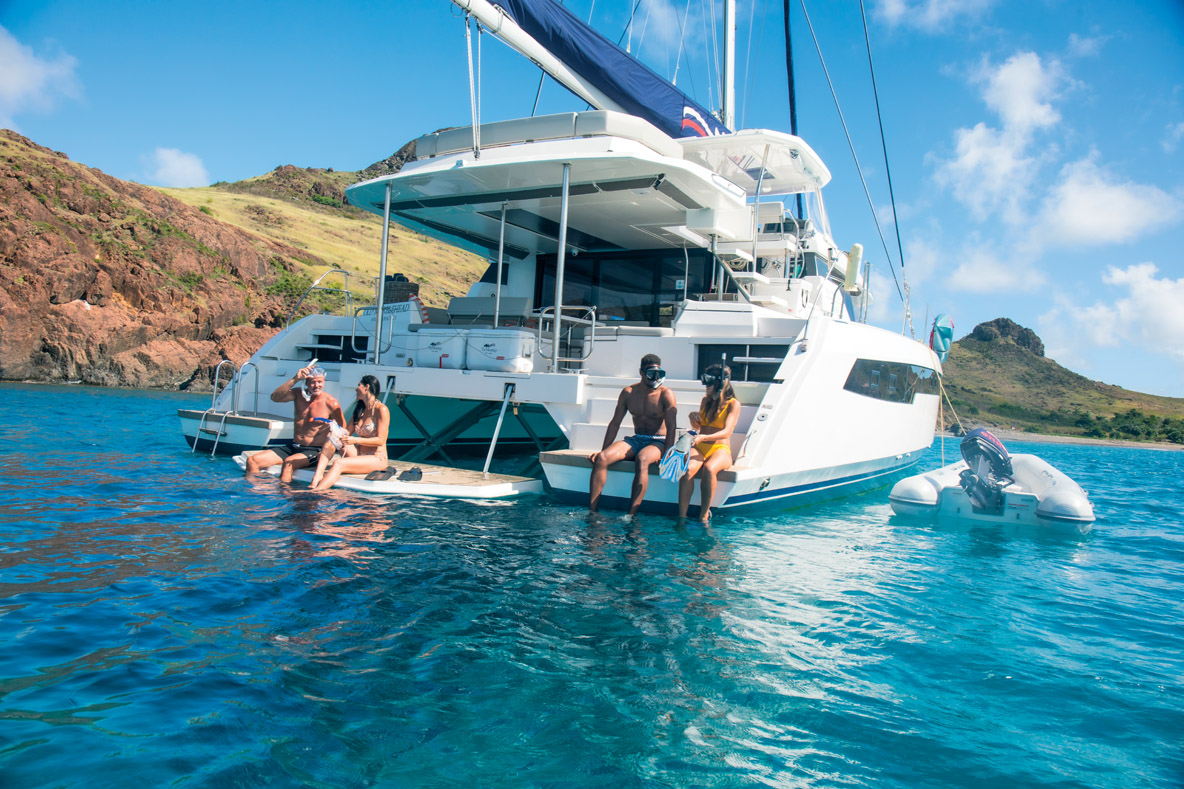
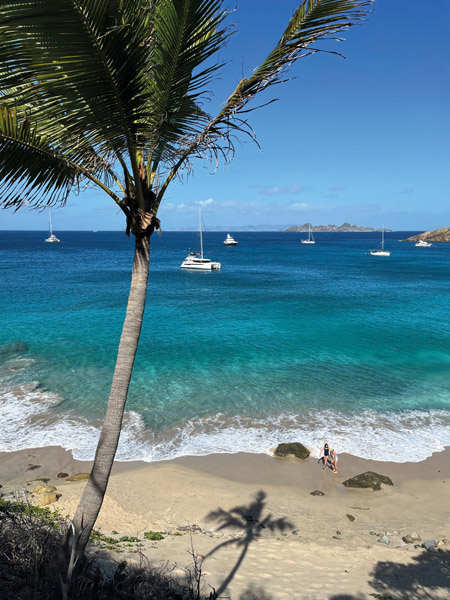
Saint Martin / Saint Barth: We’d Love to Stay Forever…
Our video:
Min/max air temperature: 72/86°F (22/30°C)
Water temperature min/max: 79/84°F (26/29°C)
Average wind: Northeast to Southeast 10/25 knots
Sunshine: 3,015 hours per year
Rainfall: 41” (1,045 mm)/year
©EvD
©EvD
©Sunsail
©EvD
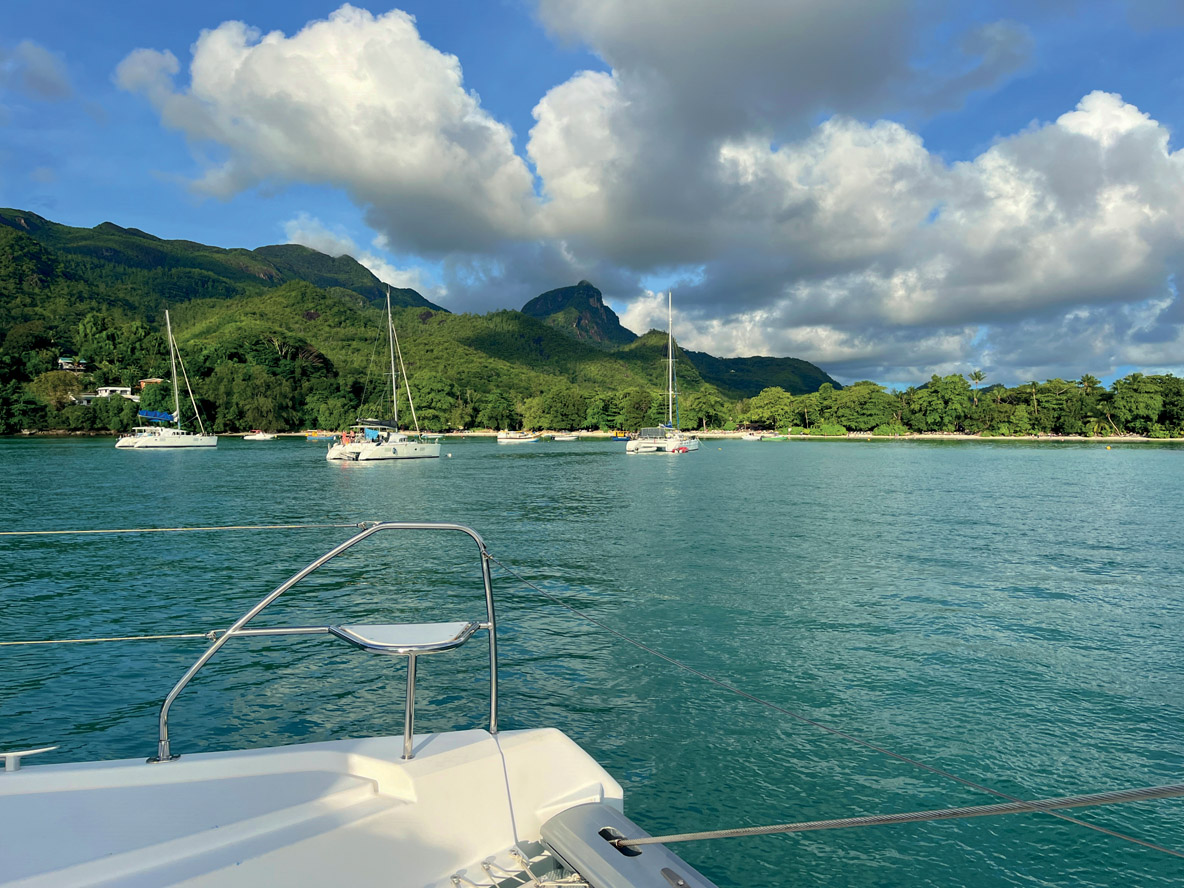
Seychelles: Little Gems in the Indian Ocean
Our video:
There are a number of charter companies, but the fleets are small. It’s a far cry from the BVI. Dream Yacht Worldwide, a long-standing player in the area, has offices here, but most of the yachts are moored in Praslin, to the south of Baie Saint Anne. There is no other infrastructure for yachting, and maintenance facilities are very limited, which explains the lack of development of yacht charter here.
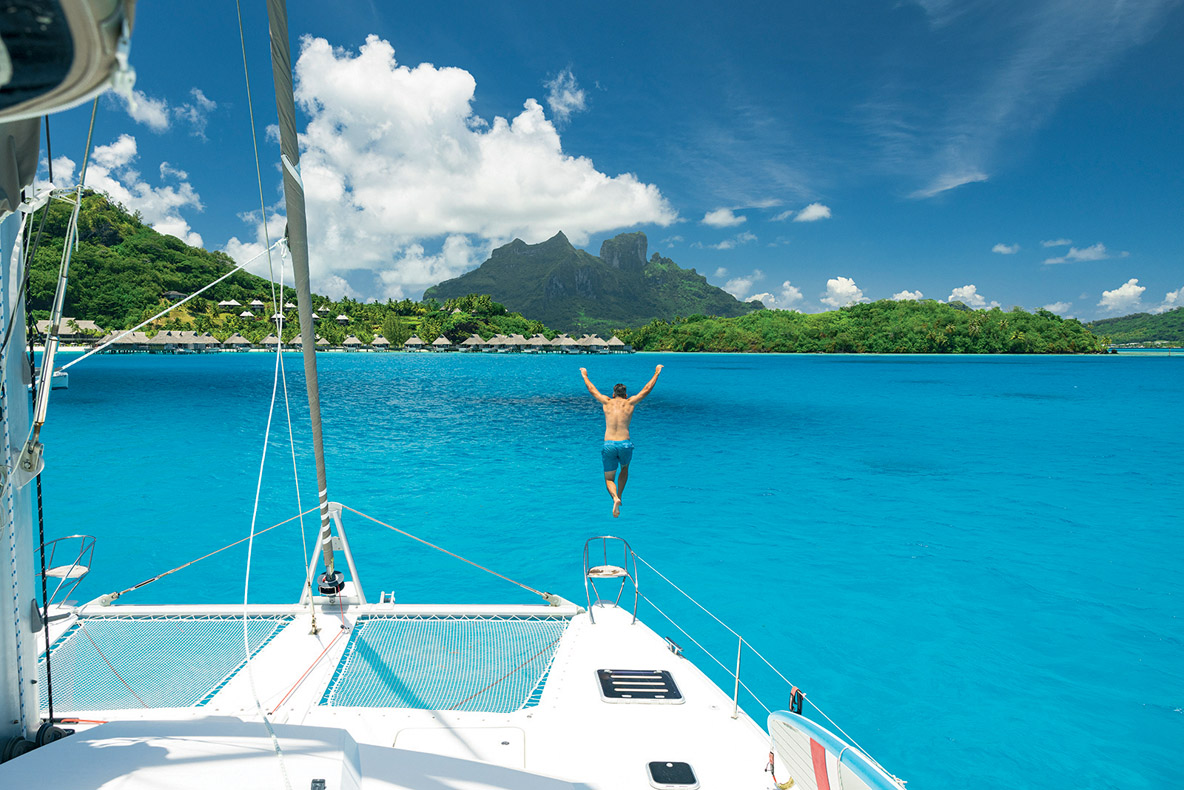
If you’re only staying for a week with a charter, you’ll concentrate on Mahé, the main island, and then head off towards Praslin, 25 miles to the north-east, and then La Digue and Curieuse. You are in a paradise of the most beautiful anchorages imaginable. Immediate options include the anchorages of Felicite, Mariane and Grande Sœur to the east. Another small island to the west awaits you too: Cousin. But Cousine, however, is off-limits. Anchoring and/or disembarkation ashore are sometimes subject to a charge. For some islands, such as Curieuse, it is possible and even recommended to book and pay online, so it’s a good idea to have an internet connection on board. If the weather is good and you don’t mind putting in the miles, you can venture (north and west) to Denis, Bird and Silhouette. These islands require 25 to 30-mile crossings, and you will have to pay to anchor and/or disembark ashore. If you have your own multihull - and presumably more time - you can discover many other, much wilder islands, such as Platte and Coetivy to the south, and Desroches, Poivre and Saint Joseph to the south-west. Further along this same cape, the Groupe Alphonse and the Iles Extérieures archipelago come into view. At this point, you’ve almost reached Madagascar and Mahé is already more than 400 miles in your wake...
Min/max air temperature: 77/90°F (25/32°C)
Water temperature min/max: 79/86°F (26/30°C)
Average wind: Southeast 10/20 knots or Northwest 8 to 12 knots
Sunshine: 2,530 hours per year
Rainfall: 93” (2,365 mm)/year
© Grégoire Le Bacon
©EvD

©EvD
©EvD
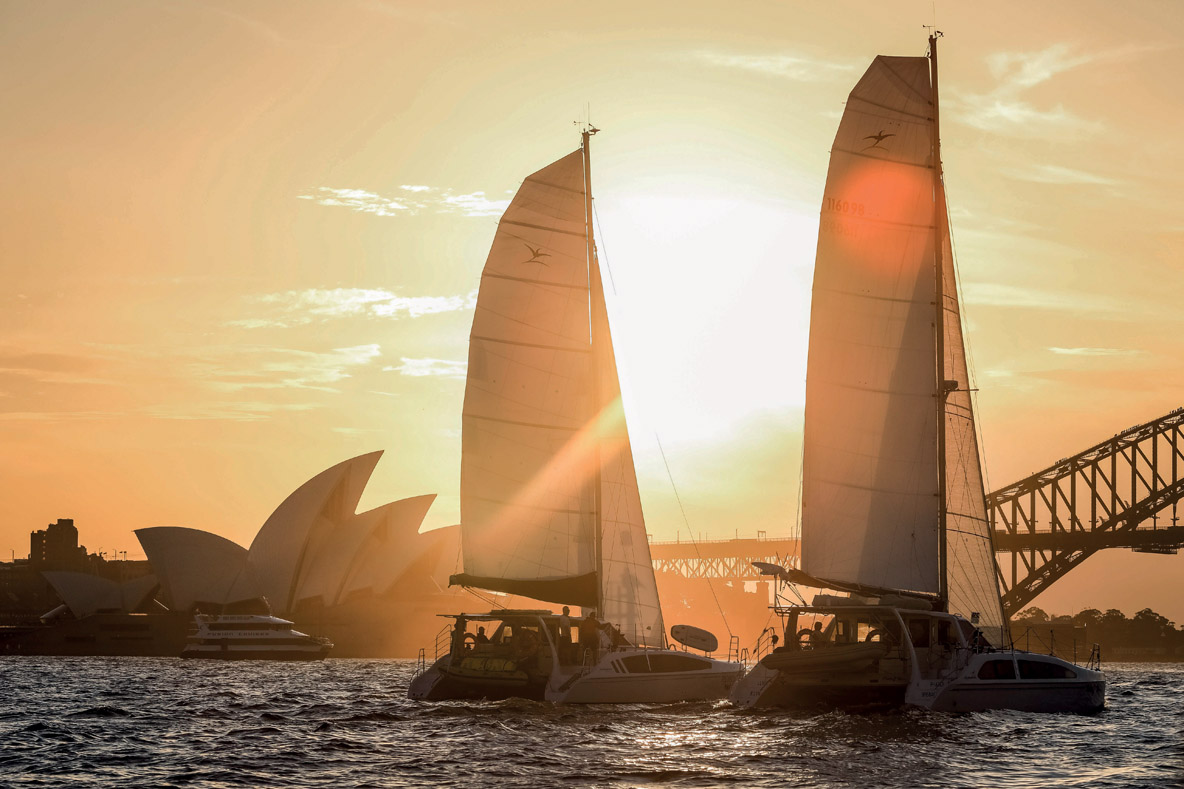
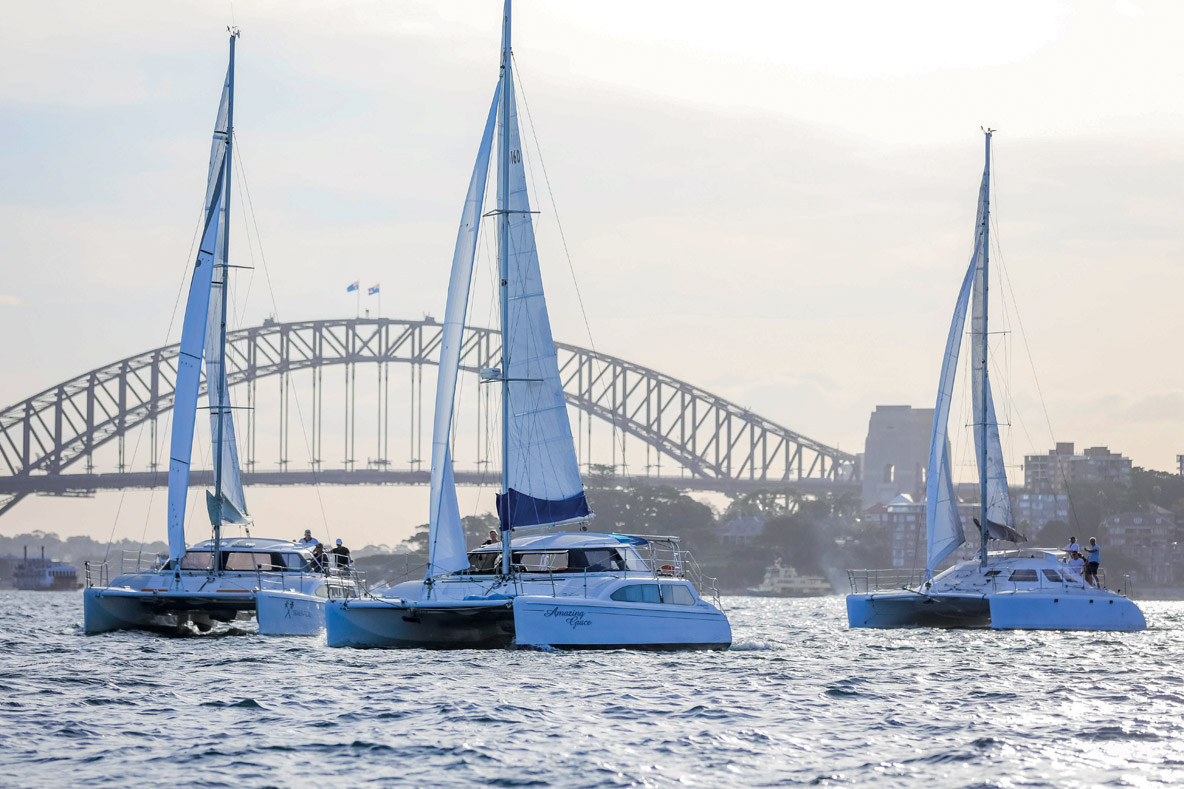
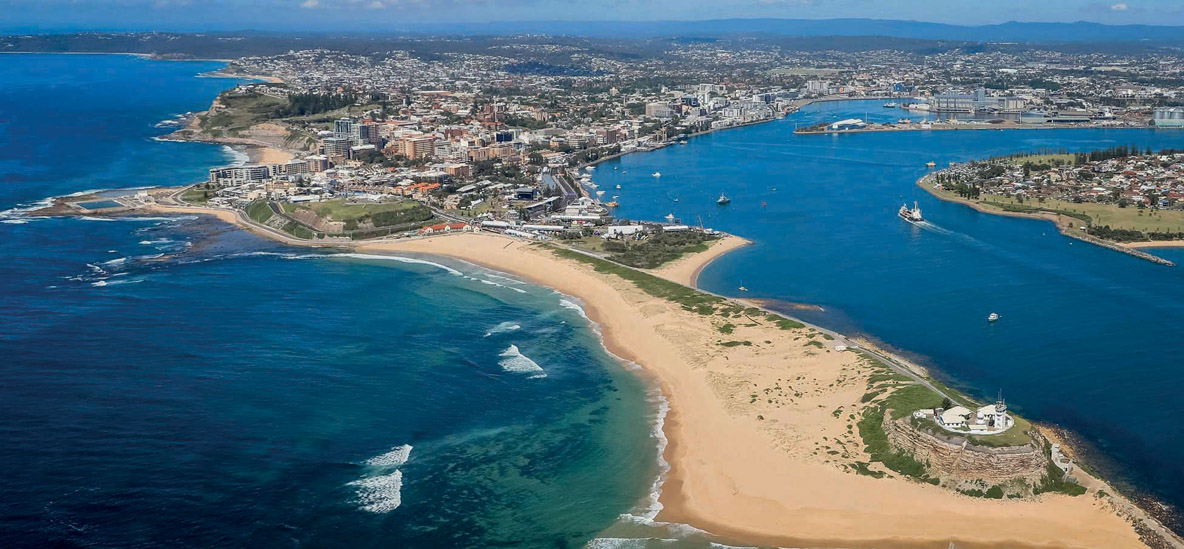
Sydney: The Sailing Capital of the Southern Hemisphere!
Min/max air temperature: 48/79°F (9/26°C)
Water temperature min/max: 66/75°F (19/24°C)
Average wind: 7 knots from any direction
Sunshine: 2,635 hours per year
Rainfall: 47” (1,200 mm)/year
© Multihull Central/Dingo
© Multihull Central/Dingo
© DR
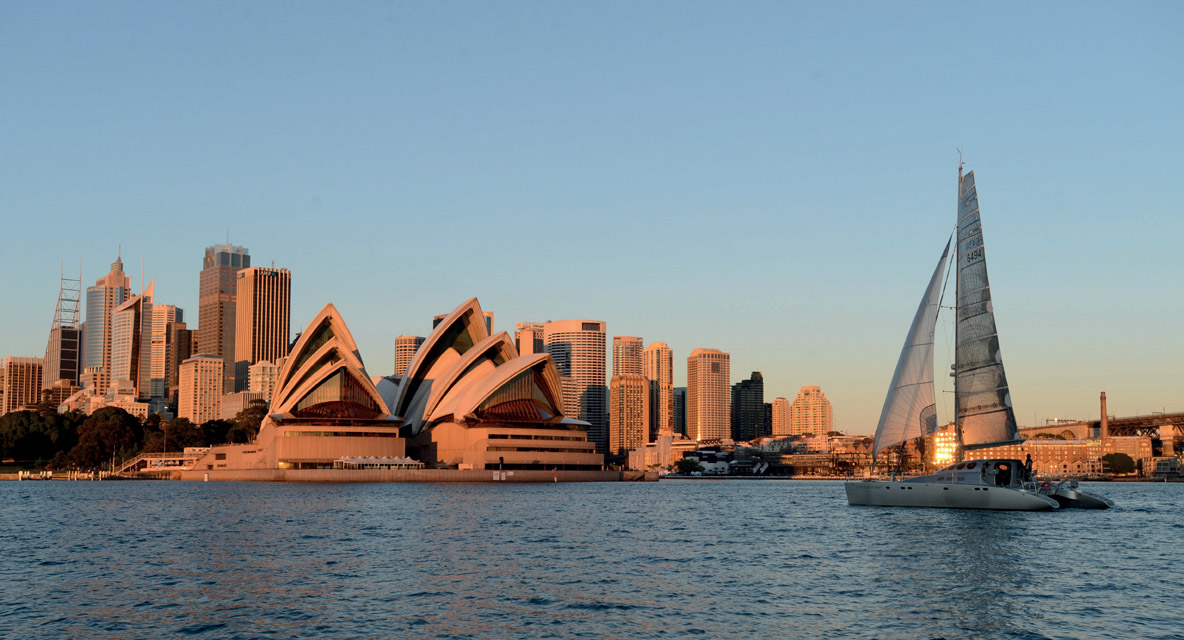
© Kevin Green
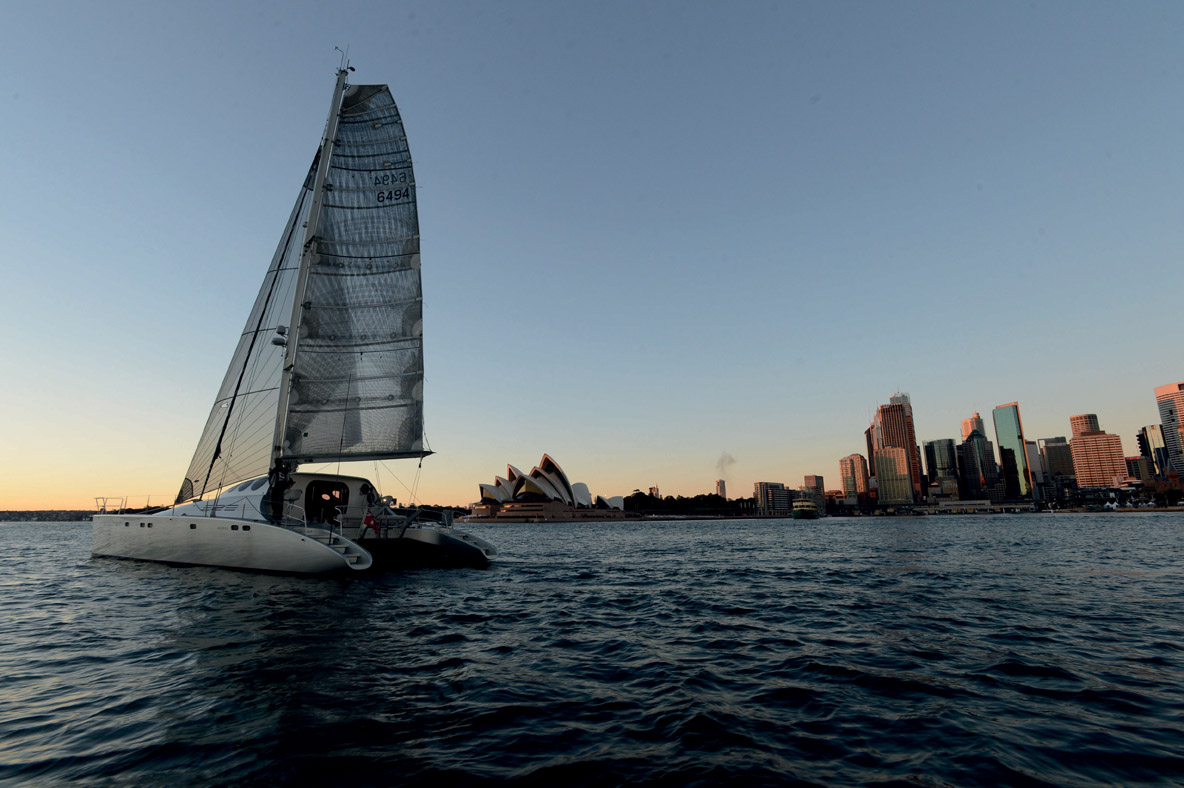
© Kevin Green
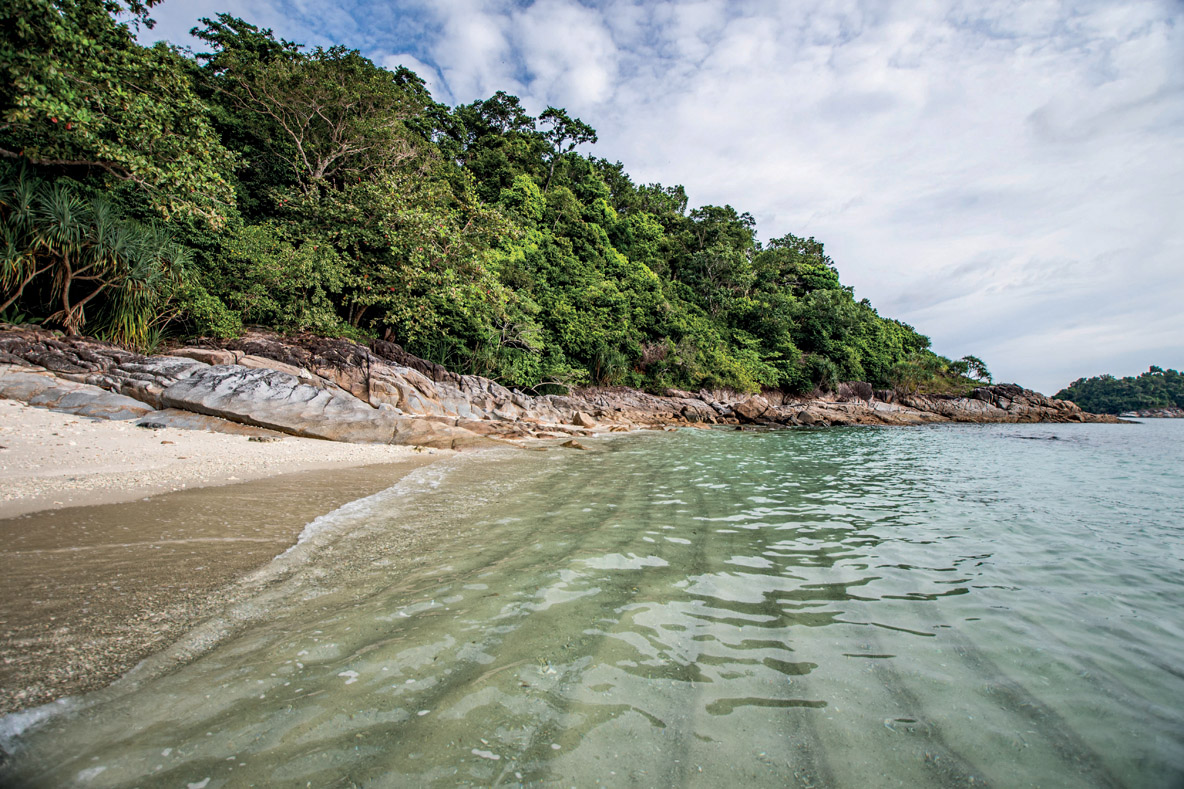
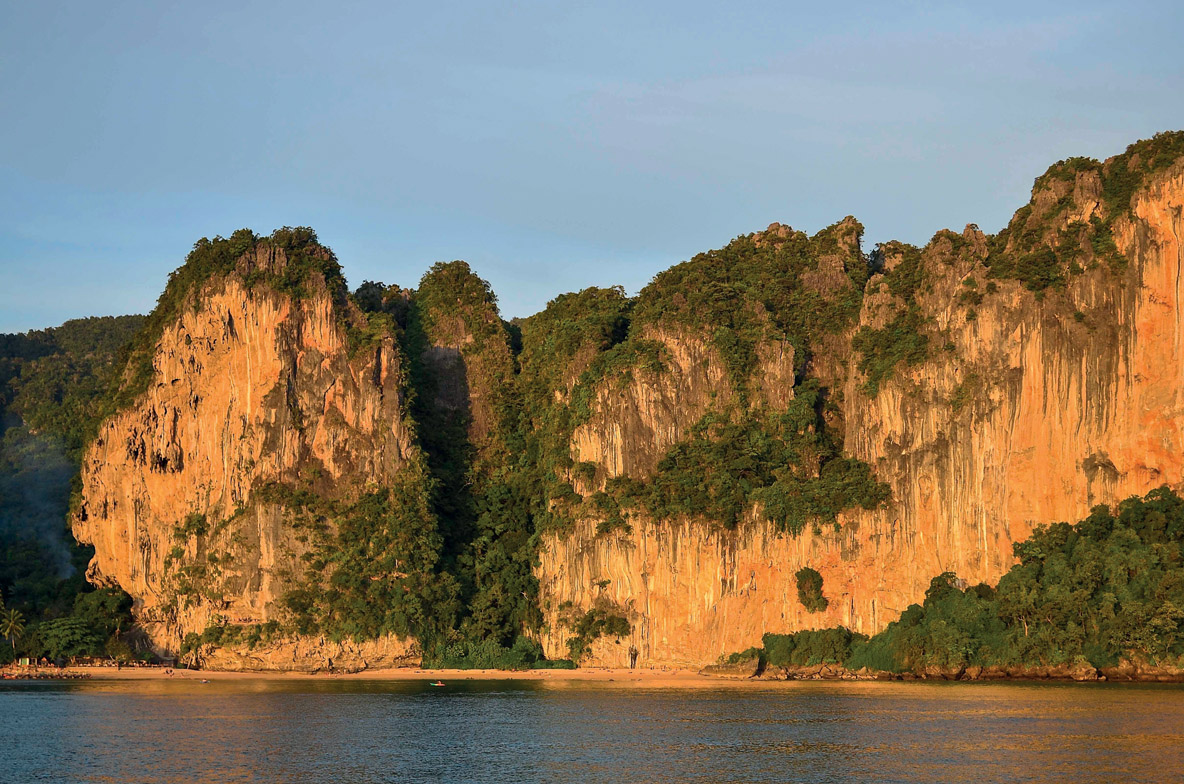
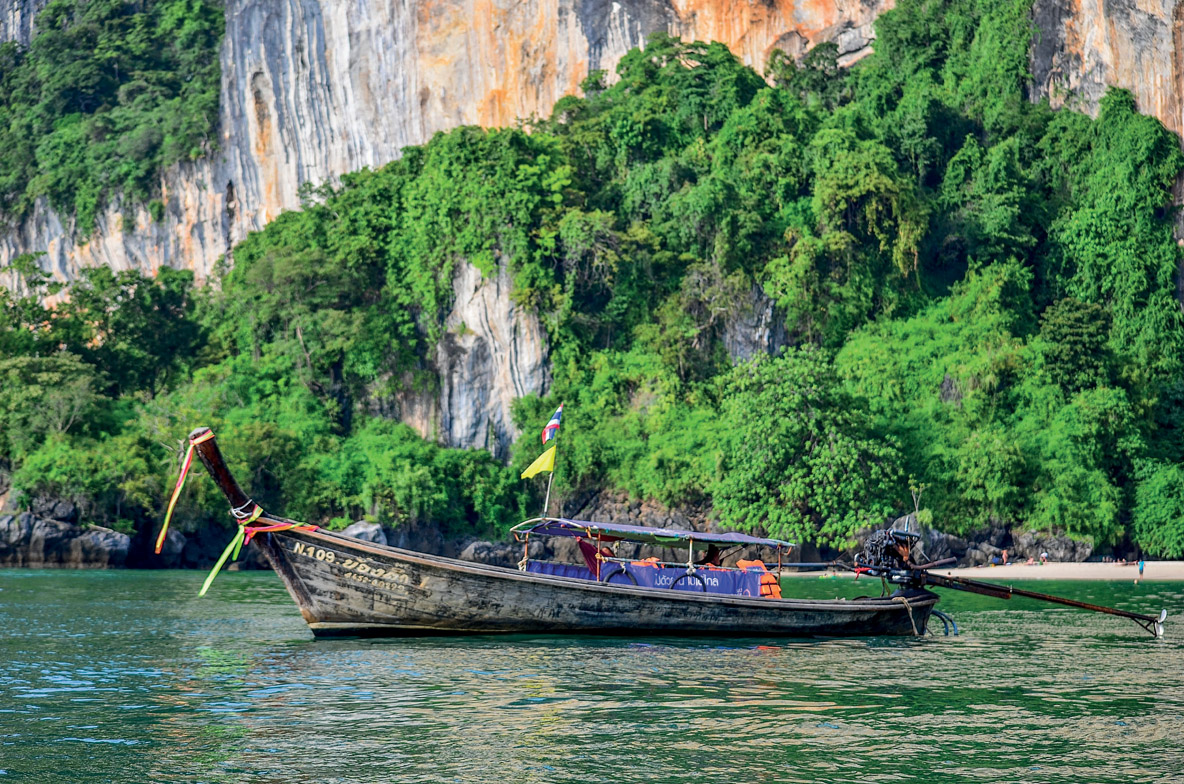
Thailand: The Bewitching Andaman Sea
Air temperature min/max: 73/91°F (23/33°C)
Water temperature min/max: 82/86°F (28/30°C)
Average wind: 5 to 10 knots from all sectors, but mostly westerly from March through October
Sunshine: 2,070 hours per year
Rainfall: 87” (2,210 mm)/year
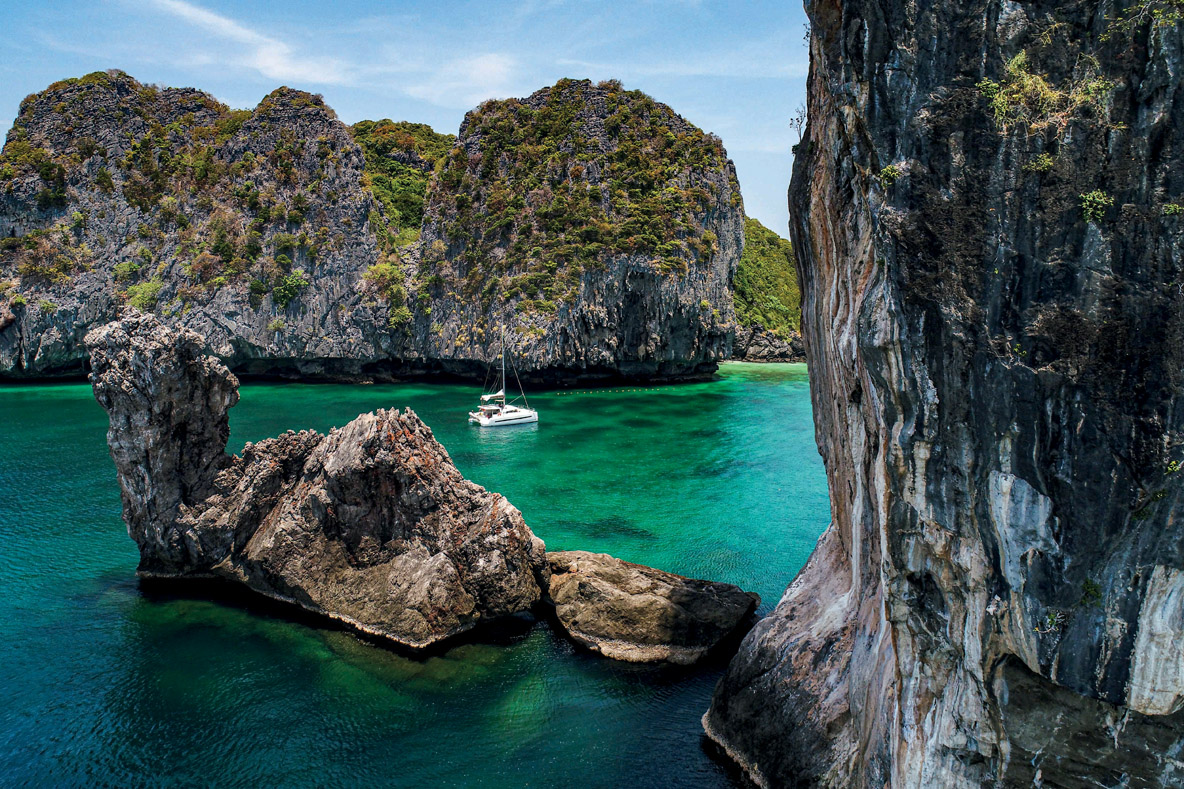
© Jonathan Jagot
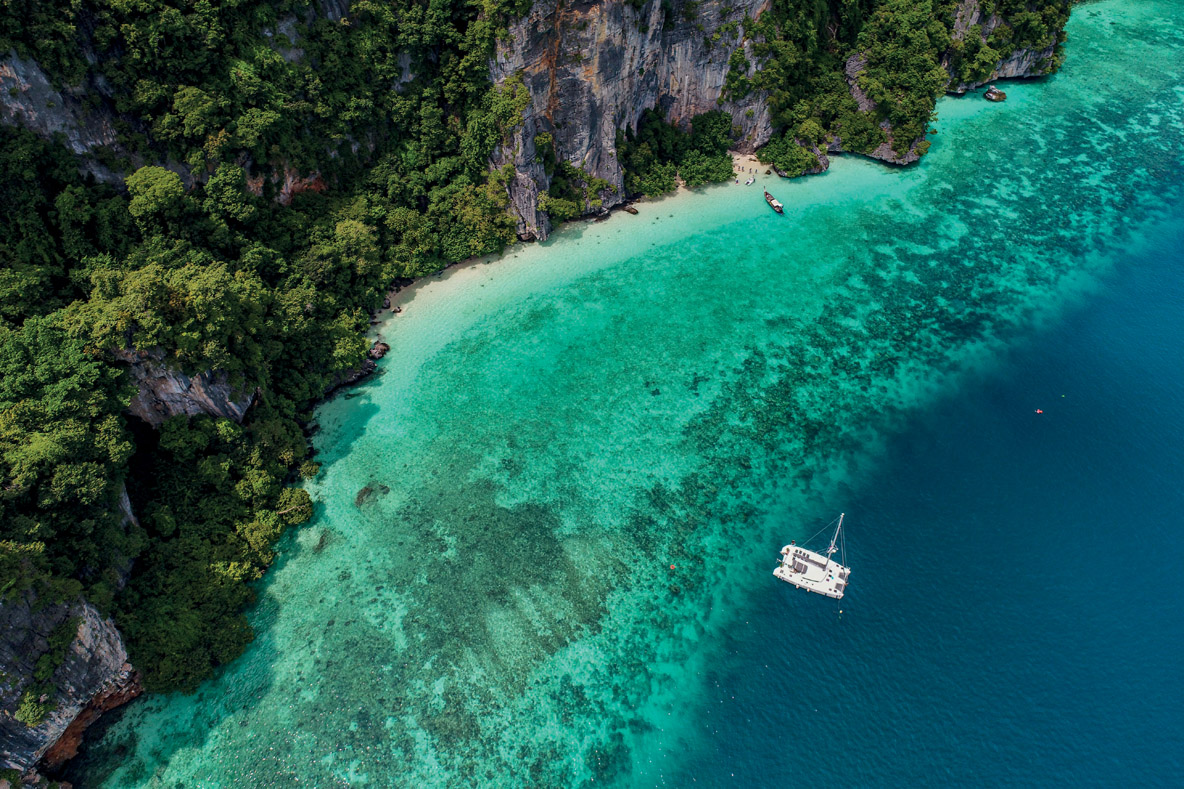
© Jonathan Jagot
© Jonathan Jagot
© Jonathan Jagot
© Jonathan Jagot
