
It’s a fact: to cover its daily energy consumption, a comfortable 40 to 50-foot cruising multihull (i.e. one with refrigerators, induction cooktops, multimedia equipment, a washing machine and maybe even a dishwasher) has to run one or even two of its engines (or a generator) for several hours during the day. If you use electric winches and air conditioning (by a long way the biggest consumer on board) a lot, recharging the batteries becomes a real issue. So, from there to powering electric motors, it’s not a foregone conclusion! And yet, more and more boaters are opting for a quiet and clean life at anchor—even when it’s not required by local legislation.
Non-polluting energy production, previously an environmental imperative, is becoming a societal demand and sometimes even a regulatory constraint. All these factors are motivating equipment manufacturers to perform better in order to offer the same level of comfort without polluting.
While everyone seems to agree on the need to reduce carbon emissions, when it comes to putting this into practice, many boaters still seem to have strong preconceptions about electric motors. They are criticized for not being fast enough, for the need to carry a very heavy battery bank, for more complex on-board energy management, and above all for its prohibitive price (between 25 and 35% of the total price), which is enough to deter even the most fervent environmentalists. However, technology is advancing, so let’s take a look at the new trends among manufacturers in the industry.
Pods Are all the Rage!
Manufacturers who have designed an architecture incorporating electric propulsion as standard, such as Silent Yachts and Windelo, generally opt for shaft-driven props. Millikan Boats, in redesigning its M.9 into the M.10, has adopted just such a transmission system, which offers many advantages as it is simple, easy to maintain and offers optimum efficiency.
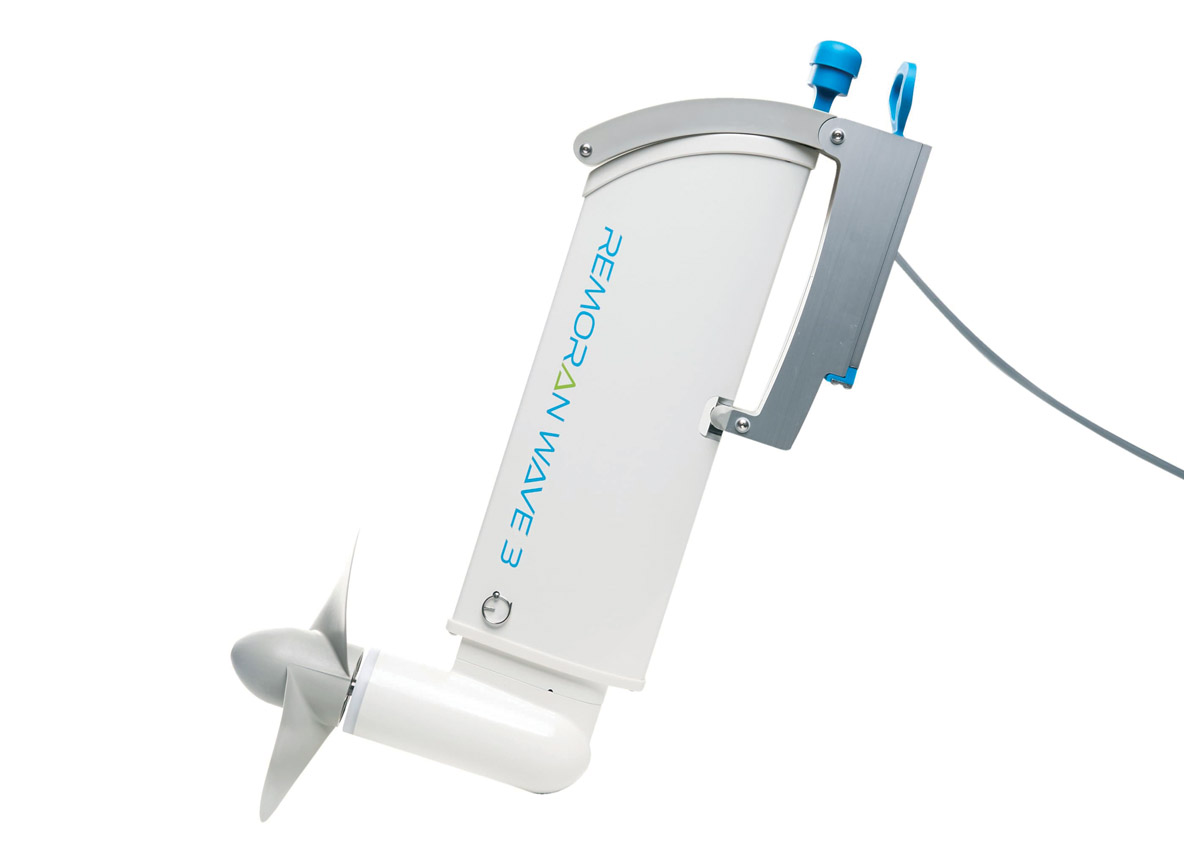
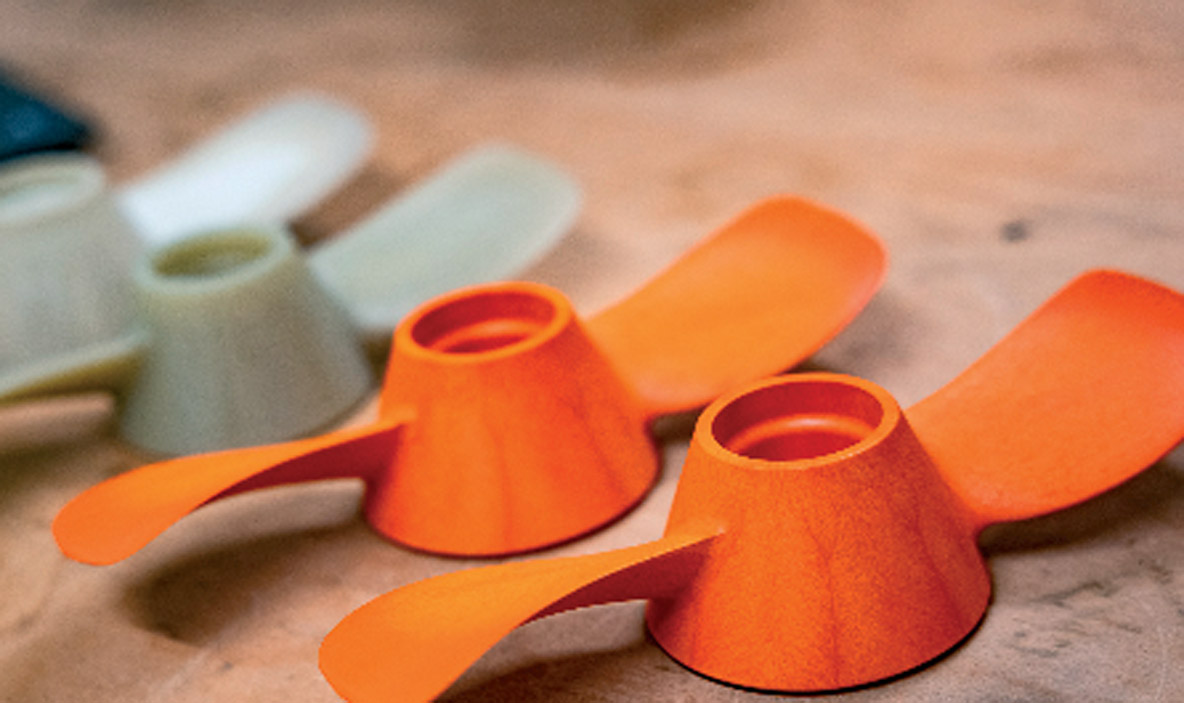
However, the largest manufacturers haven’t necessarily anticipated the transition to electric power. For them, it’s more a question of replacing internal combustion engines, which were most often installed with saildrives for reasons of living space. Pods are proving to be a good solution. Attempts to replace diesel engines with electric motors while retaining the same transmission have not necessarily been successful. Proof of this can be seen in Excess’s approach: the smooth running of its prototype Excess 15 was hampered by the noise generated by the saildrive mechanism (usually masked by the sound from the diesel motor). On board, the whistling noise was almost unbearable. The manufacturer therefore reviewed its process, and the Excess 11 Hybrid is now equipped with Oceanvolt pods, eliminating the noise pollution. It should be noted that on these pods, as on those from Bellmarine, Seco Marine and Torqeedo – a brand that came under the control of Japanese manufacturer Yamaha in 2024 – the motor is located in the hull. However, on the system installed on Fountaine Pajots and now the Leopard 46, the motor is below the waterline, inside the pod itself. This is less restrictive to install, and the weight, being in the water, further improves the boat’s center of gravity. Beyond the technology, this system, developed in partnership between Fountaine Pajot and Alternative Energie, has been officially named “Joool,” a clever nod to the international unit of energy, the joule.
The Circuit and Management System
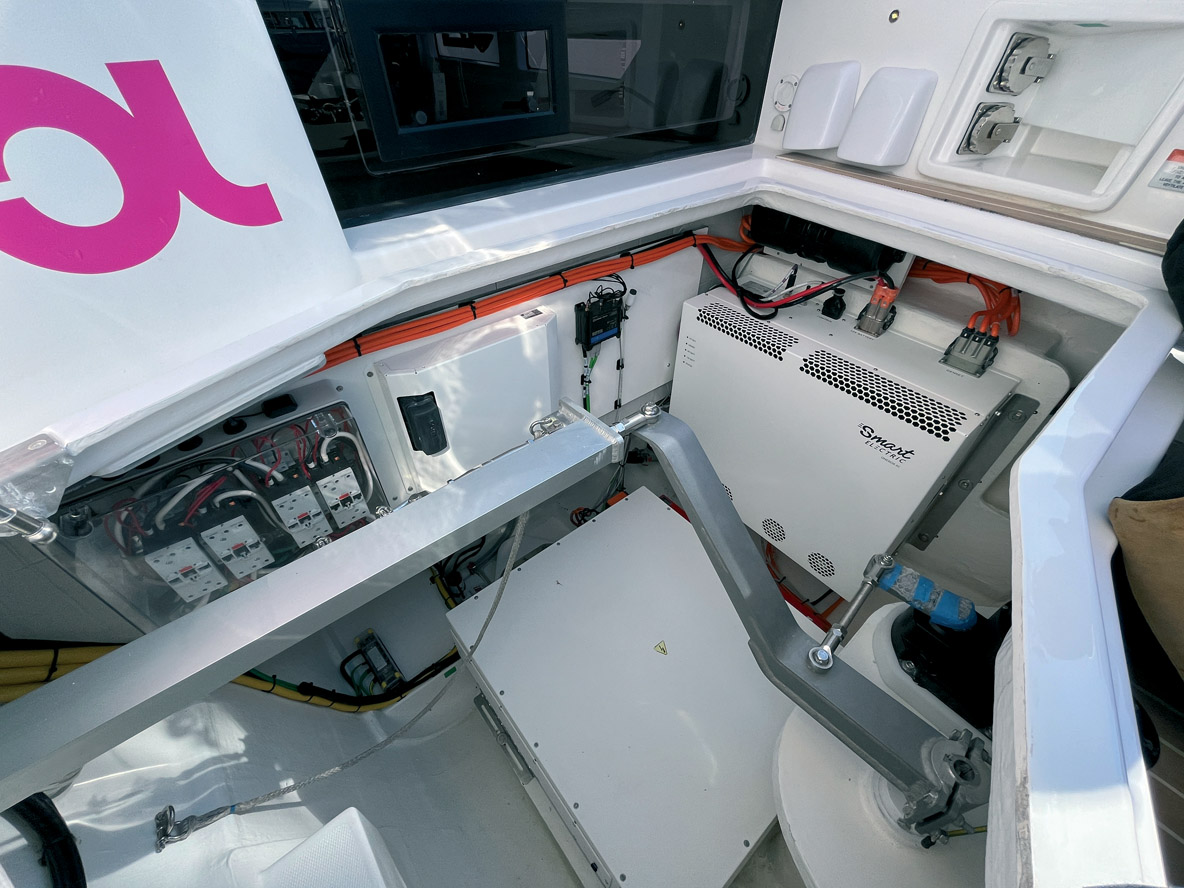
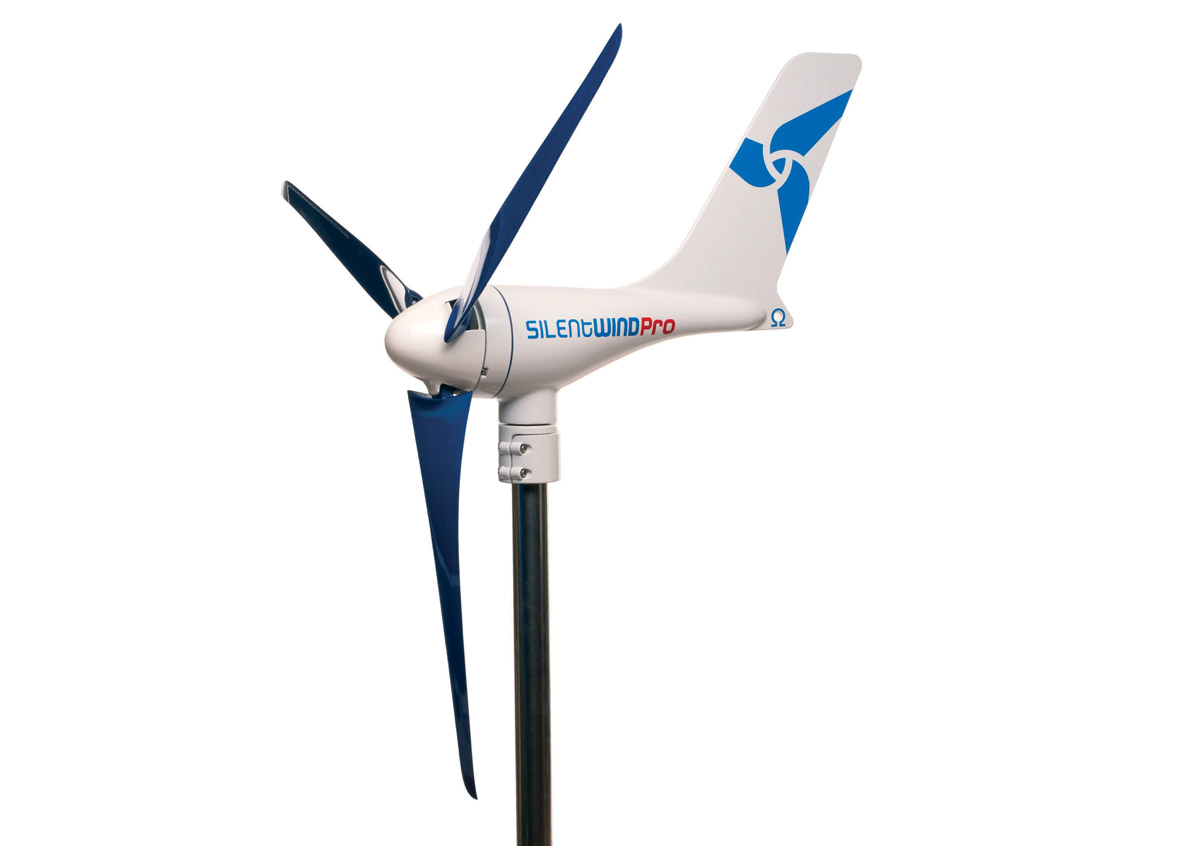
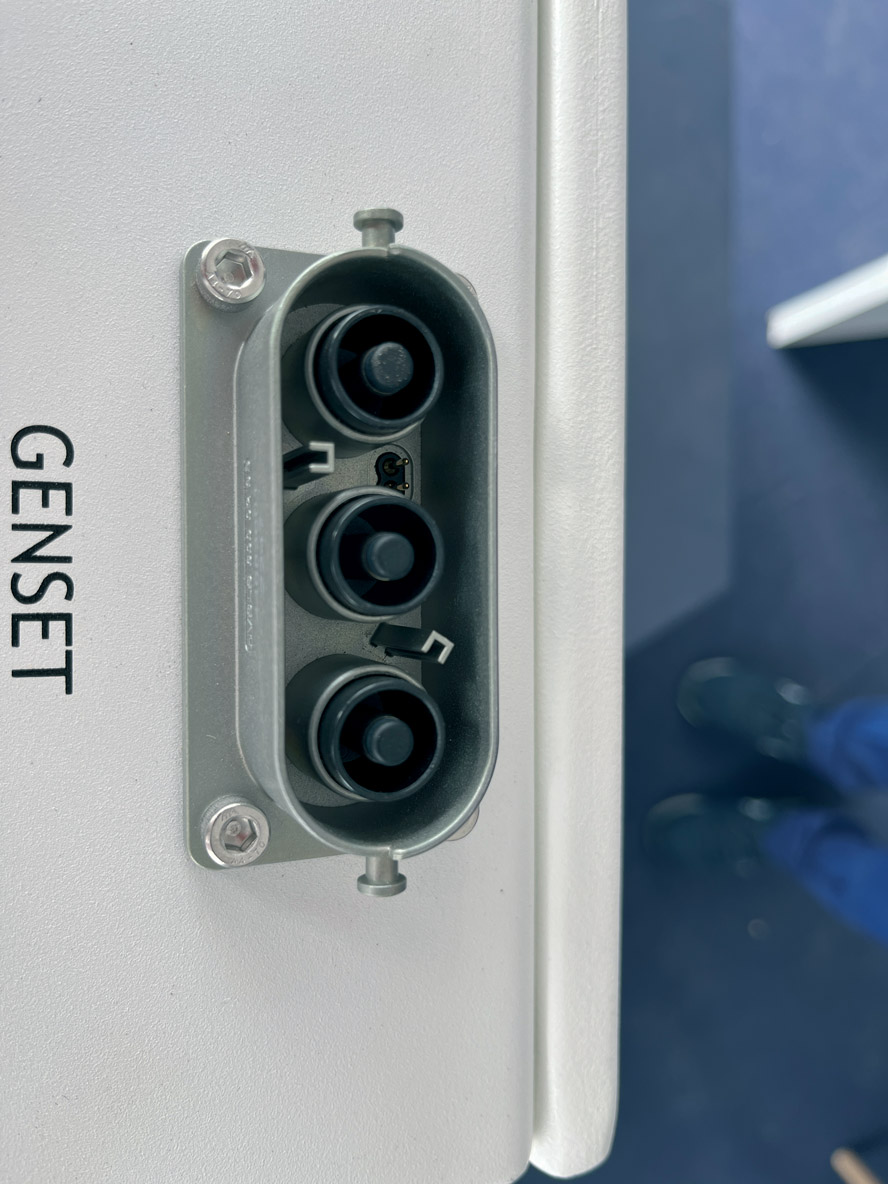
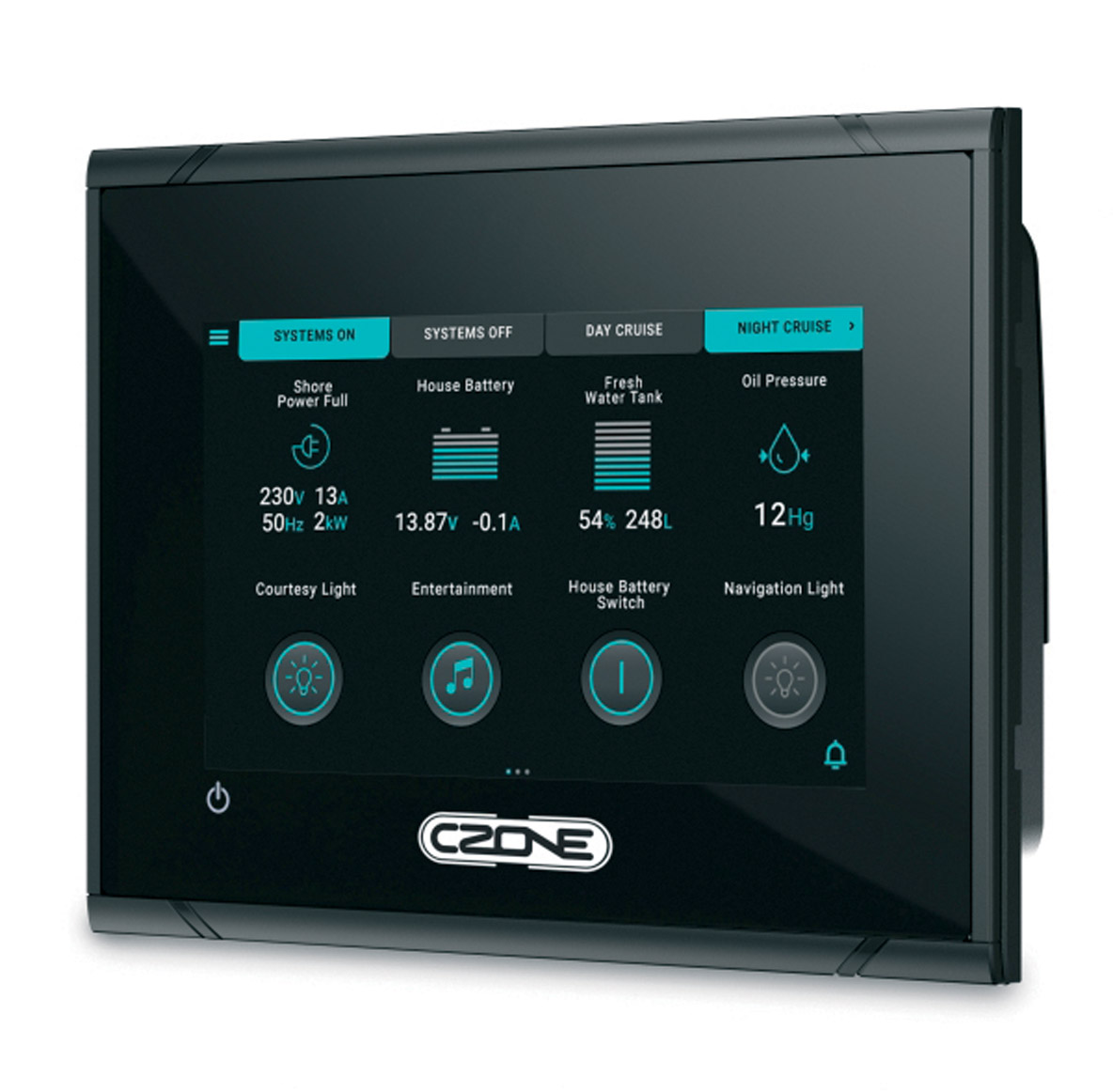
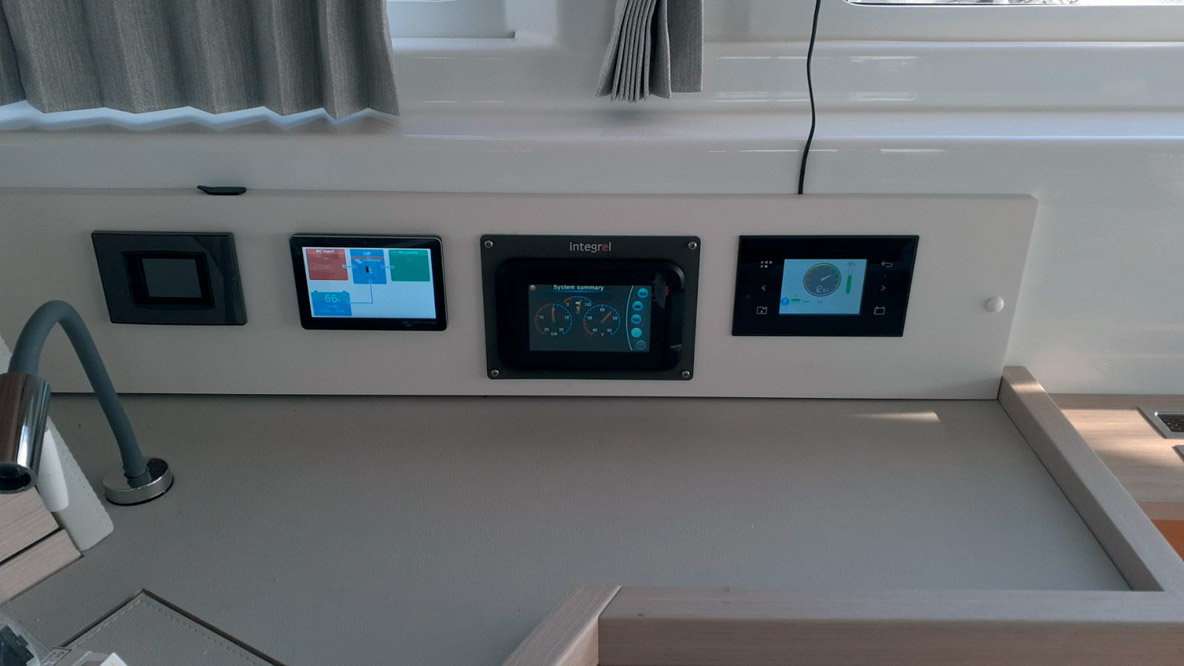
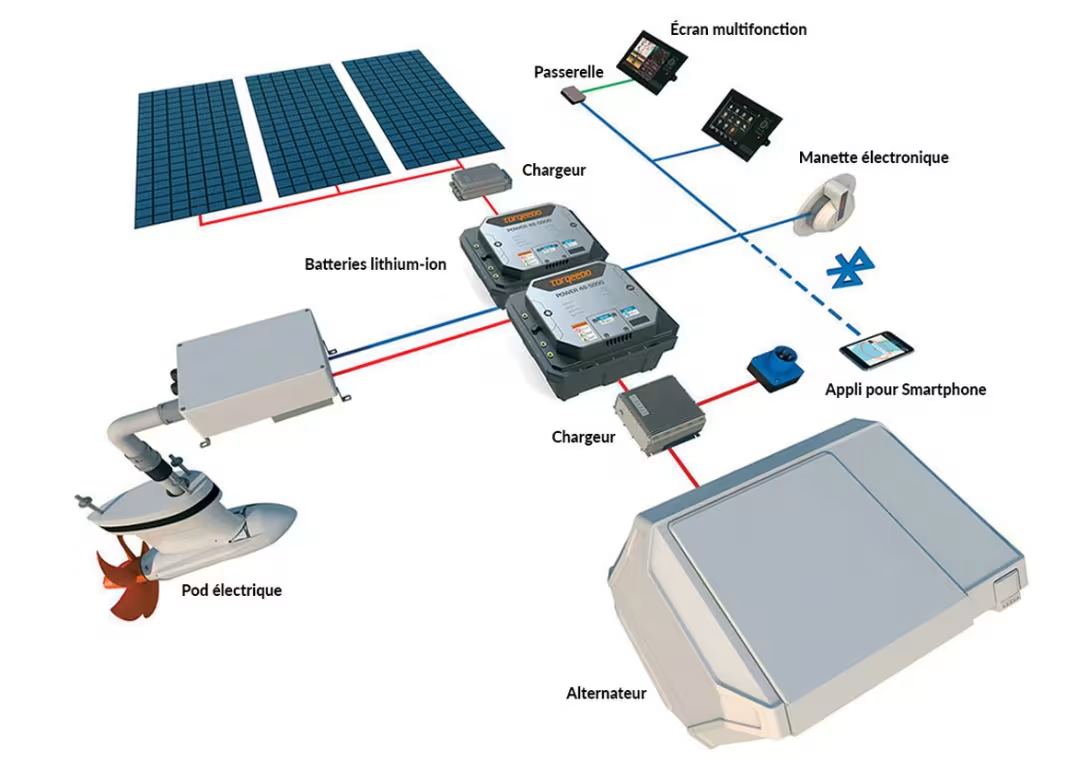
While the hybrid propulsion system and the various charging methods are based on technologically advanced components, all development efforts are now focused on the management interface used to control and monitor the entire electrical circuit. “The system has already evolved!” acknowledges Jérémy Benichou, who has joined the Joool team. A lot of work has been done on the connections, which are highly exposed to the harsh marine conditions. The interface has to manage the electric propulsion system, as well as the supply from the hydro-generator, solar panels, generator, and wind generator. This development follows specifications drawn up by the manufacturers, which prioritize robustness, simplicity, and user-friendliness of the controls—an area that is still too often criticized by users. At Dream Yacht Charter, they’ve clearly seen the difference between the Aura 51 ODSea+ #1 received two years ago and the latest arrival this year. As a result, a major upgrade has been carried out on hull #1. These operations lay the foundations for an after-sales service network, with the participation of potential brands that will adopt this system. Ultimately, a certain degree of standardization is desired - the goal is also to lower prices through economies of scale. “Today, electric propulsion accounts for between 25 and 35% of the list price, depending on size, and we want to reduce this to 10% by 2030,” Jérémy confirms..
A Technology in Constant Evolution
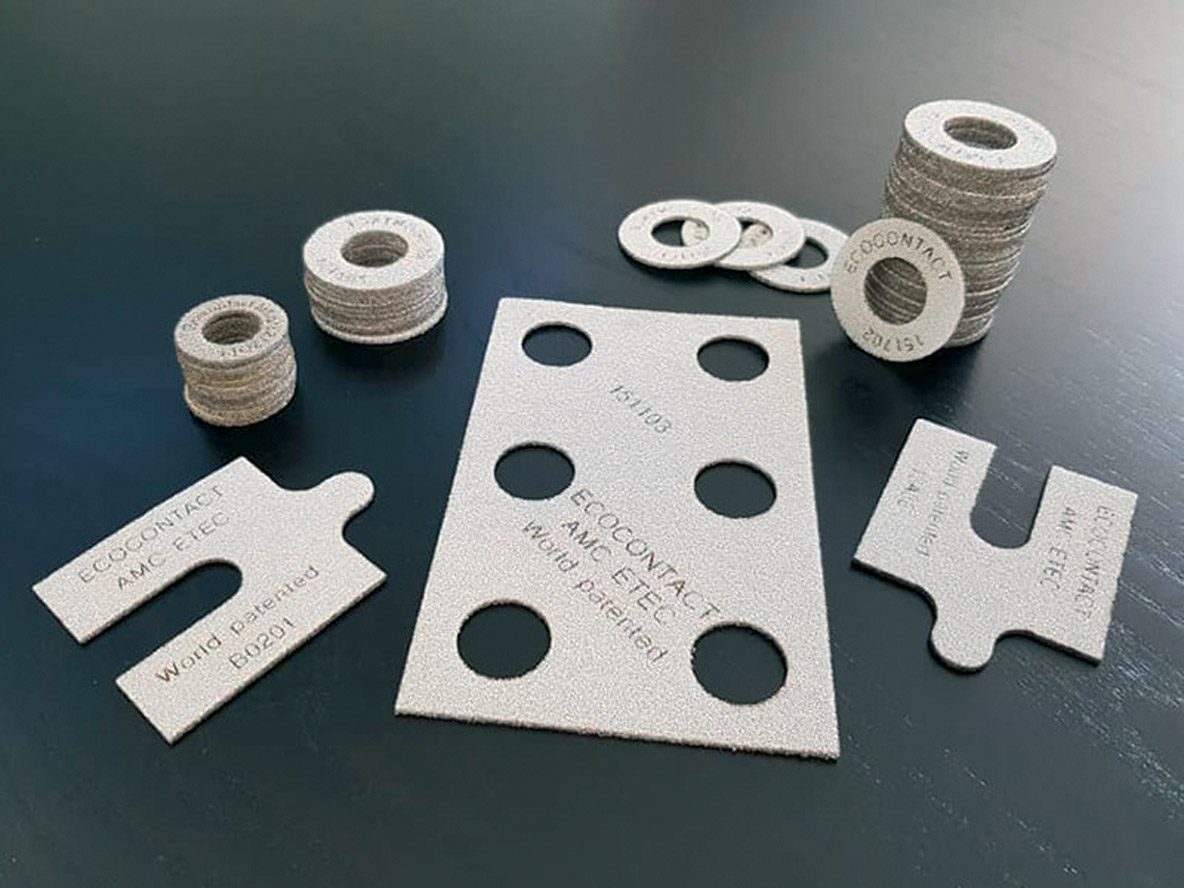
Jean-Noël Roux, from Emeraude Multicoques, has validated the Ecocontact technology developed by AMC Etec in partnership with EDF, France’s state-owned electric utility company. Ecocontact is a foam that multiplies the points of contact between conductors and eliminates areas of current concentration, resulting in an even distribution of current across the entire surface. This leads to a significant improvement in electrical conductivity over time.
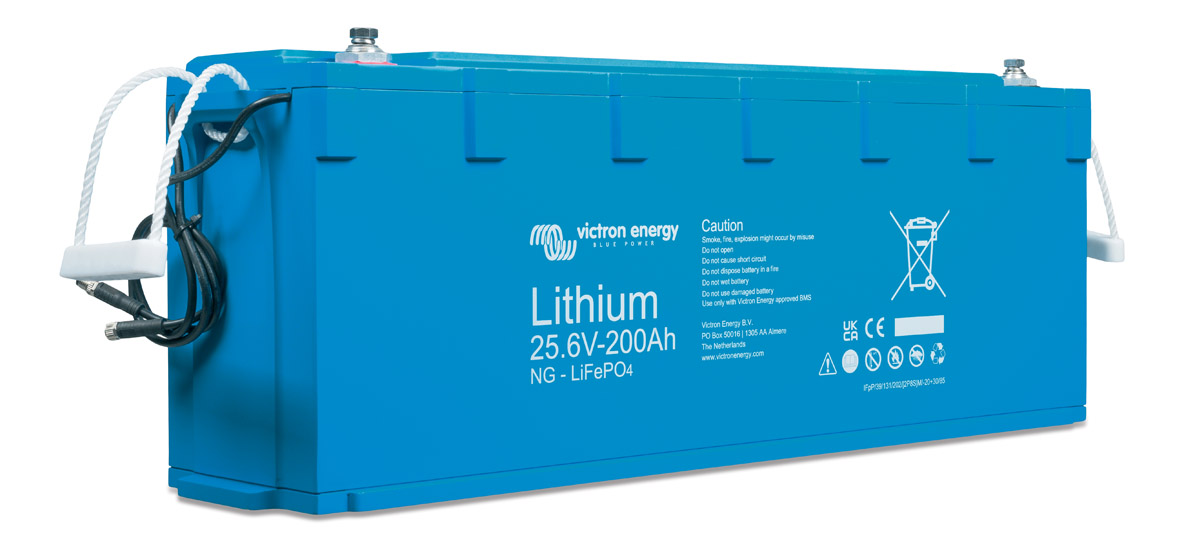
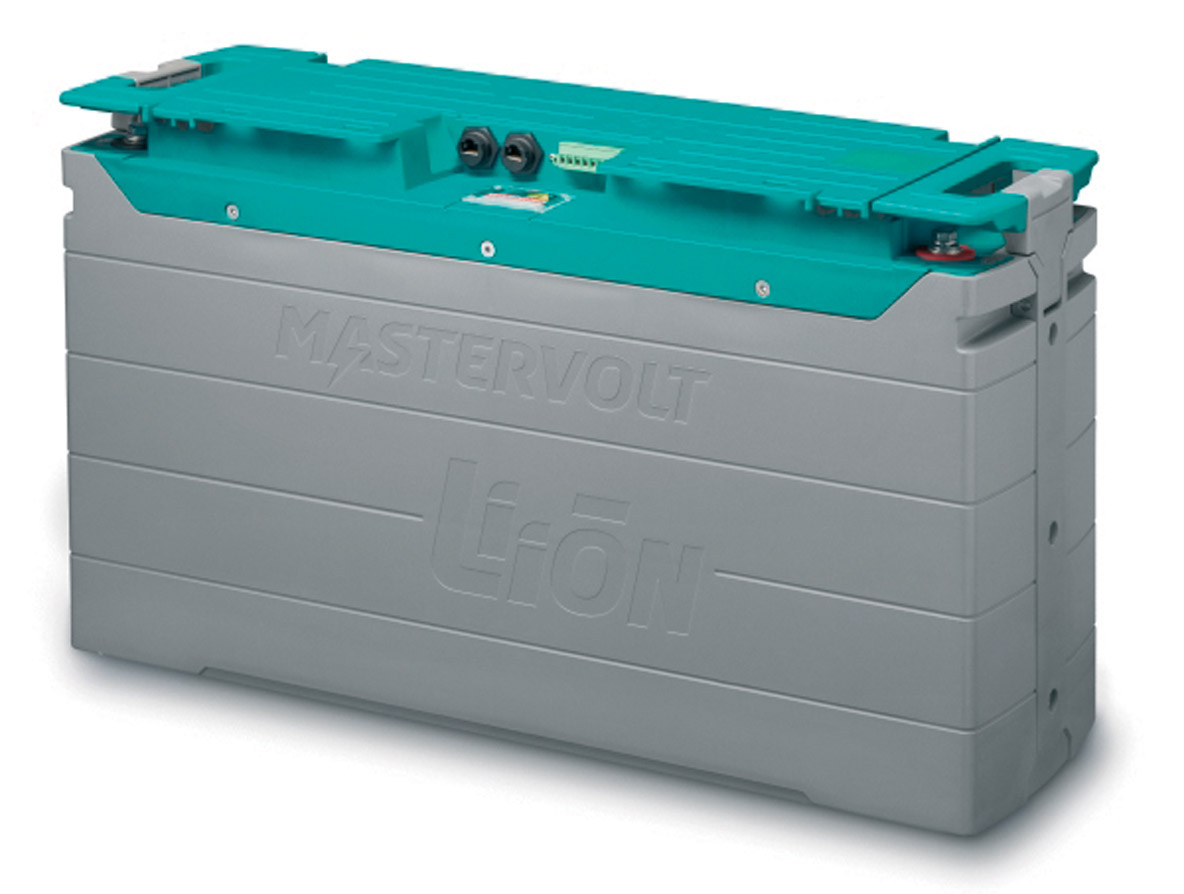
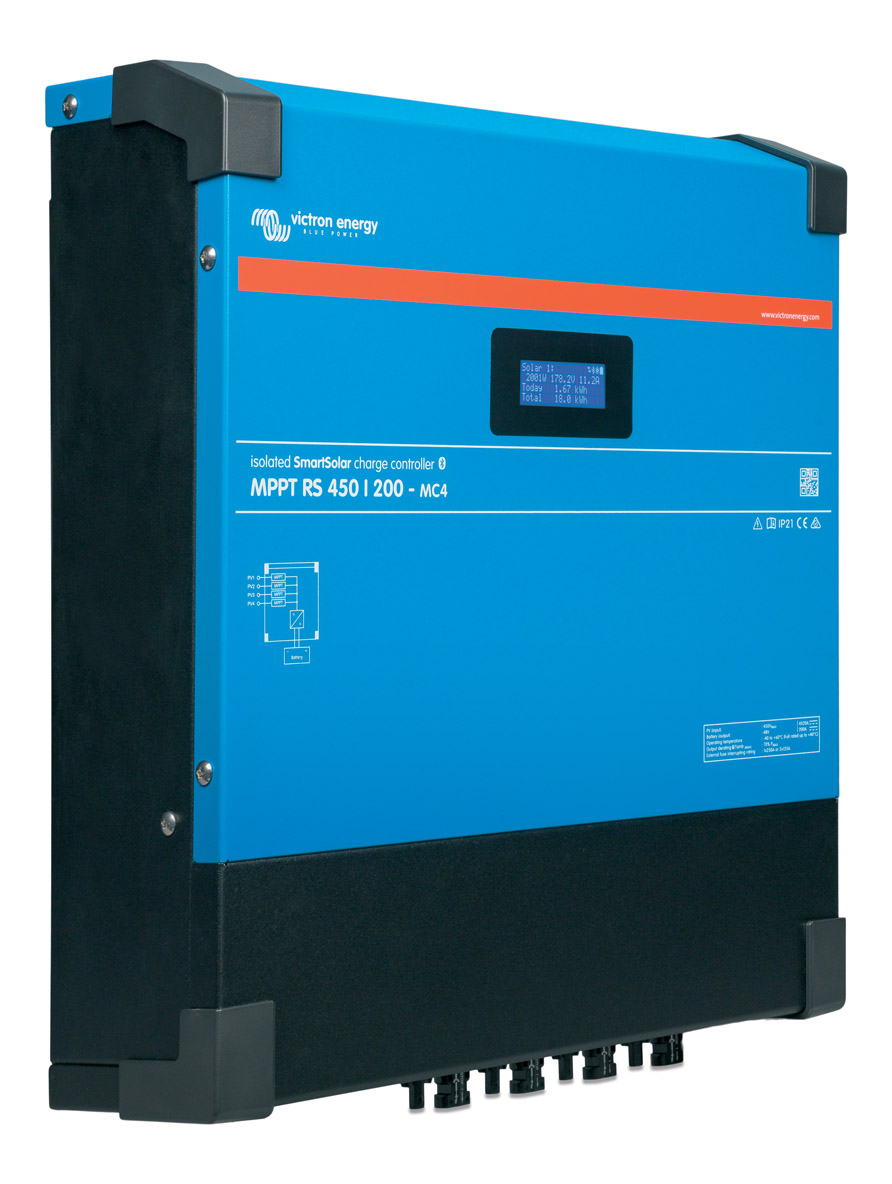
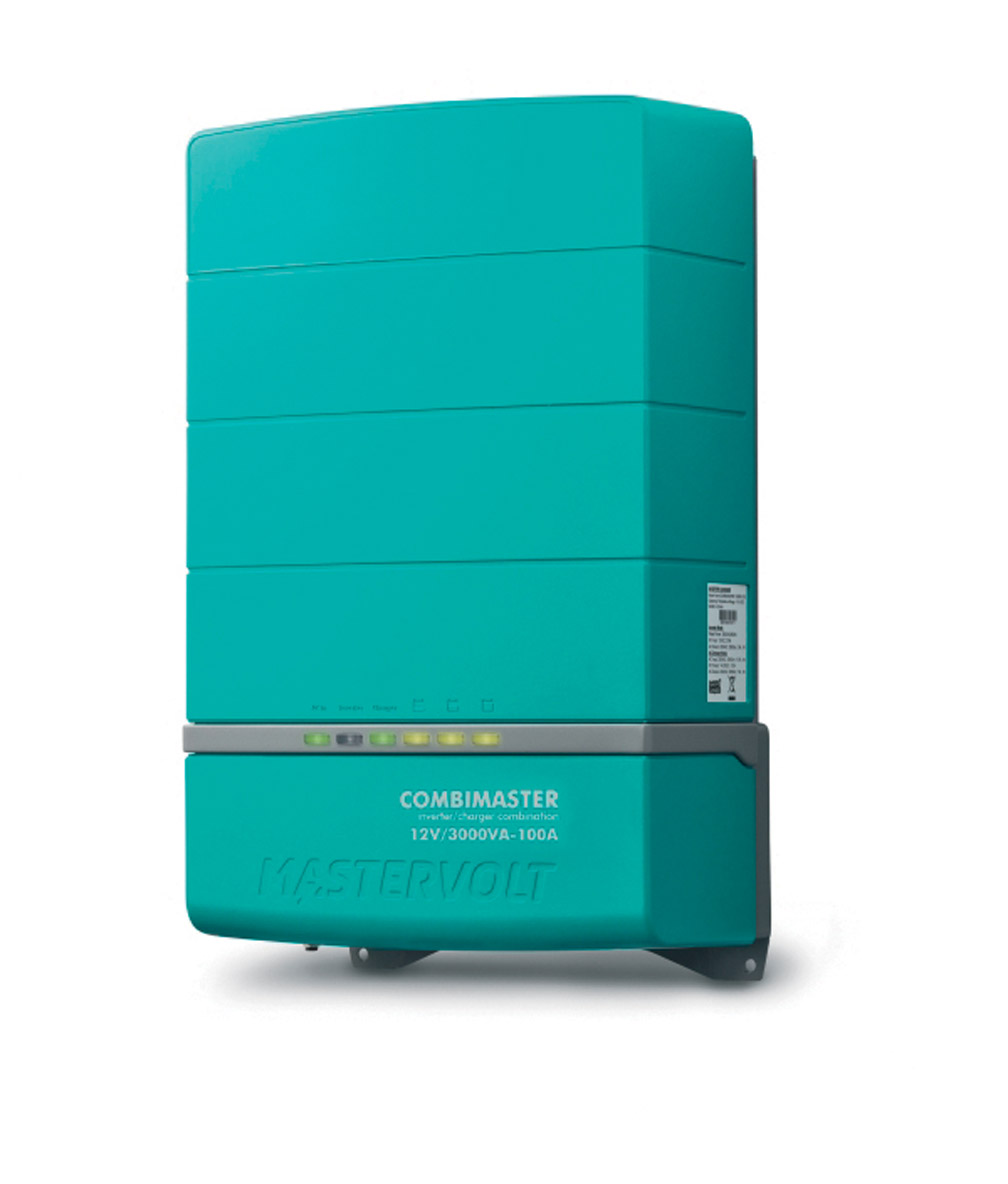
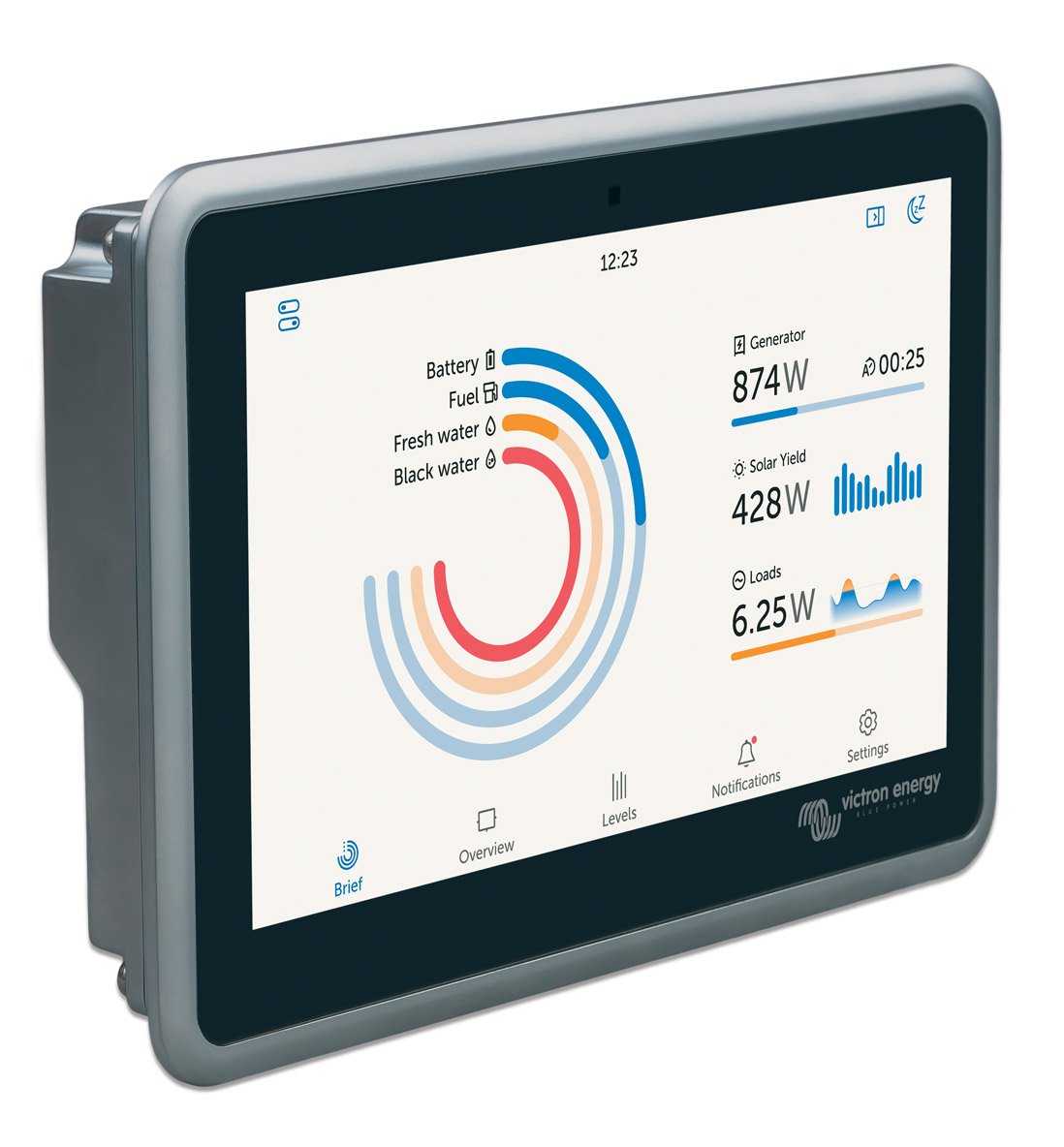
For manufacturers who are becoming “energy managers,” the issues are becoming complex. Storing, charging, and converting energy while ensuring supply from different sources (solar panels, wind generators, shore power, generators) and distributing it to numerous consumers (propulsion motor, on-board services, sail-handling equipment, all running at different voltages) is no simple task. Leading manufacturers such as Victron and Mastervolt logically offer products that are essential for the proper functioning and safety of the system. These include battery management systems (BMS). They monitor and protect lithium batteries from the risks associated with overvoltage/undervoltage and prevent possible temperature anomalies. Manufacturers also produce solar panel charge controllers. But it’s management systems that are evolving the fastest—they now allow you to instantly monitor battery charge status, consumption, energy production from the photovoltaic system or generator, easily control the input current limit from the shore power connection, start and stop (automatically) the generator(s), and even change all settings to optimize the system. At Victron, the brand new Ekrano GX is even described as a “fully-featured communication center.”
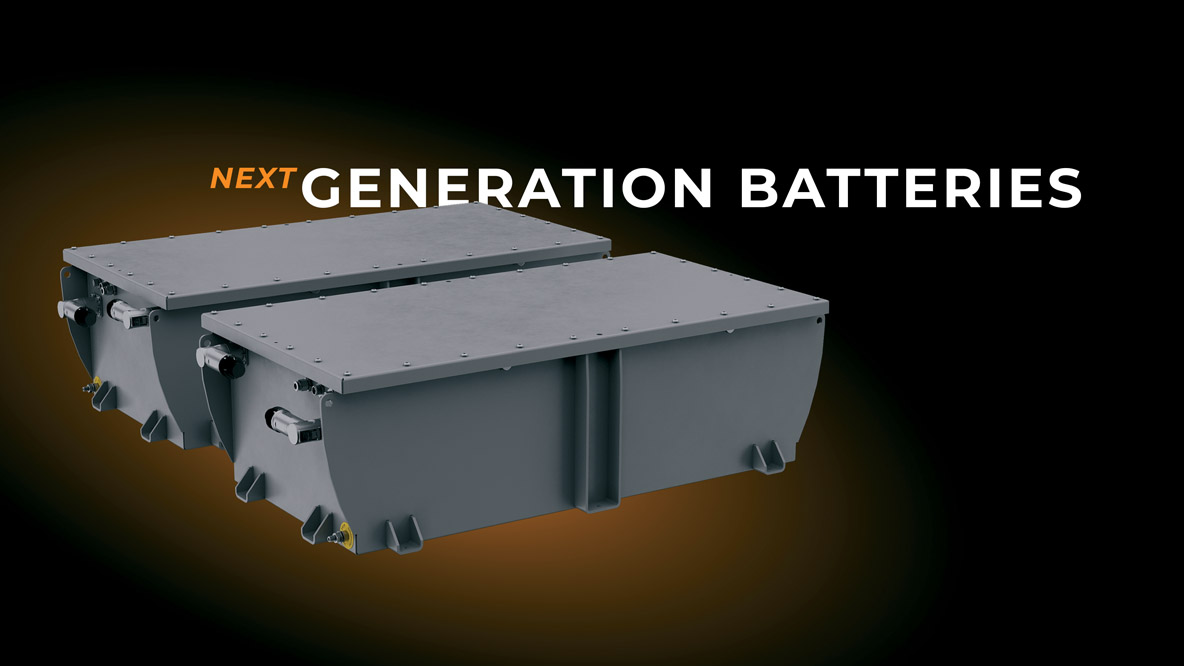
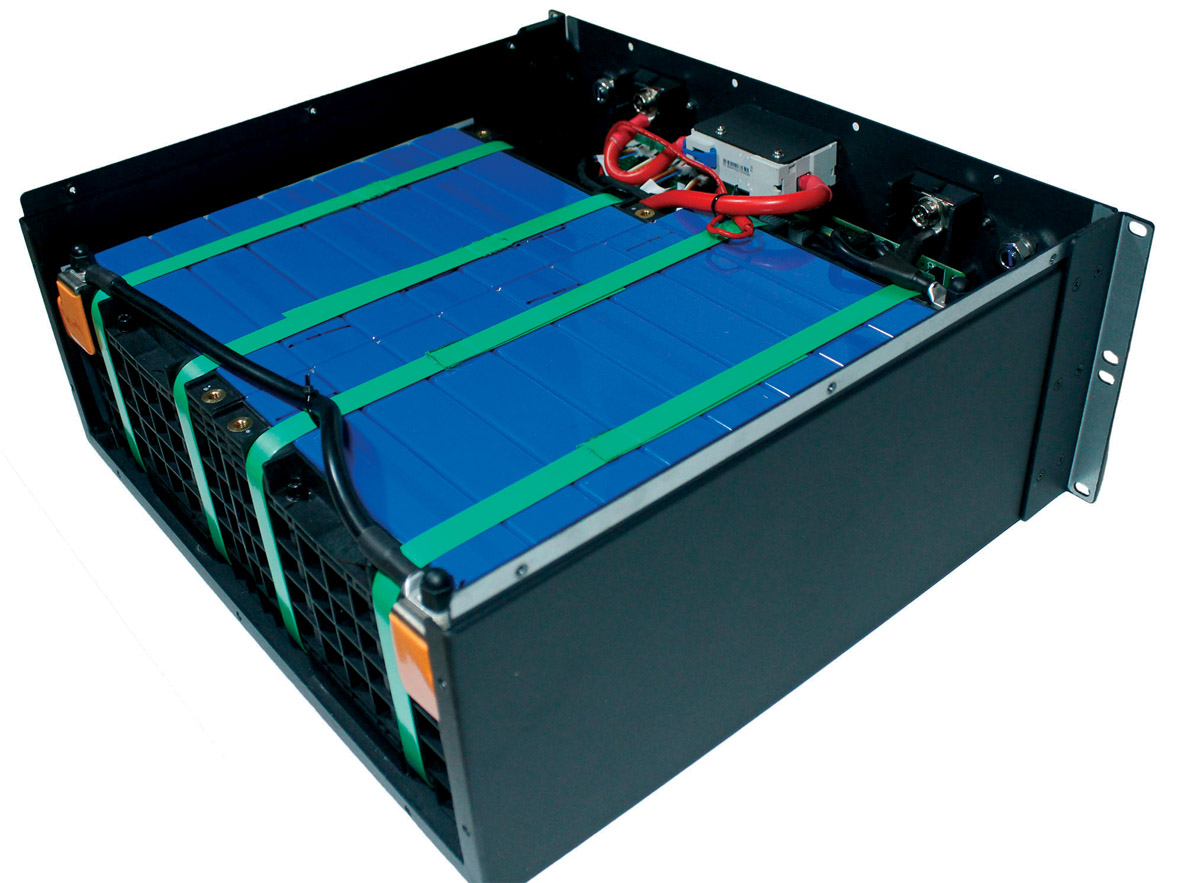
Up to 50 Lithium Iron Phosphate Batteries
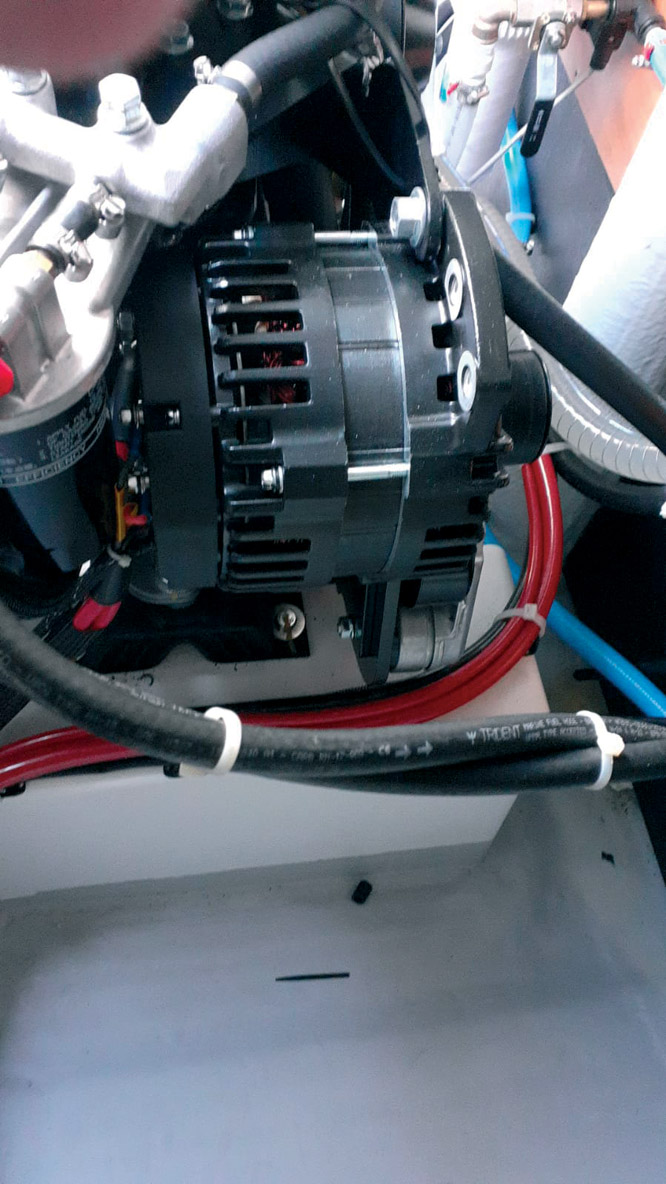
Lithium iron phosphate batteries are available in various capacities, with nominal voltages of 12.8 V, 25.6 V, and 51.2 V. They can be connected in series, in parallel, or in series/parallel, so that a battery bank can be built for system voltages of 12 V, 24 V, or 48 V. A maximum of 50 batteries can be used when configuring a 12 or 24 V bank, while a maximum of 25 batteries can be used with 48 V batteries. This allows for a maximum energy storage capacity of 192 kWh with 12 V batteries, up to 384 kWh with 24 V batteries, and 128 Wh with 48 V batteries. The manufacturer Eve offers small battery modules that can be easily connected to suit the size of the storage space on board, such as under bench seats or in lockers beneath the floor, for optimum weight distribution. Finally, systems are available that eliminate the need for a generator, especially on catamarans already equipped with two engines. The manufacturer Integrel (which also offers complete propulsion solutions) has developed super alternators which, mounted on both internal combustion engines, ensure optimum recharging. Balance Catamarans and some Lagoon models have incorporated this equipment..
Photovoltaics are Gaining Power
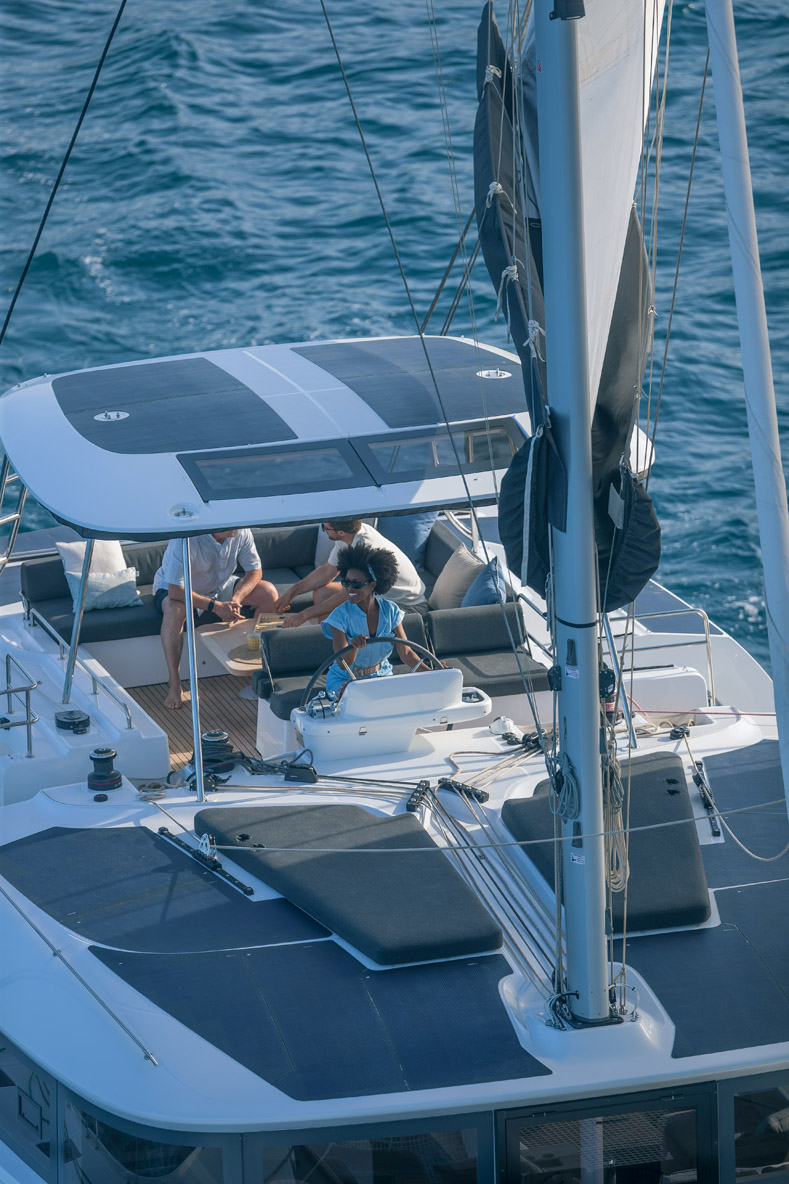
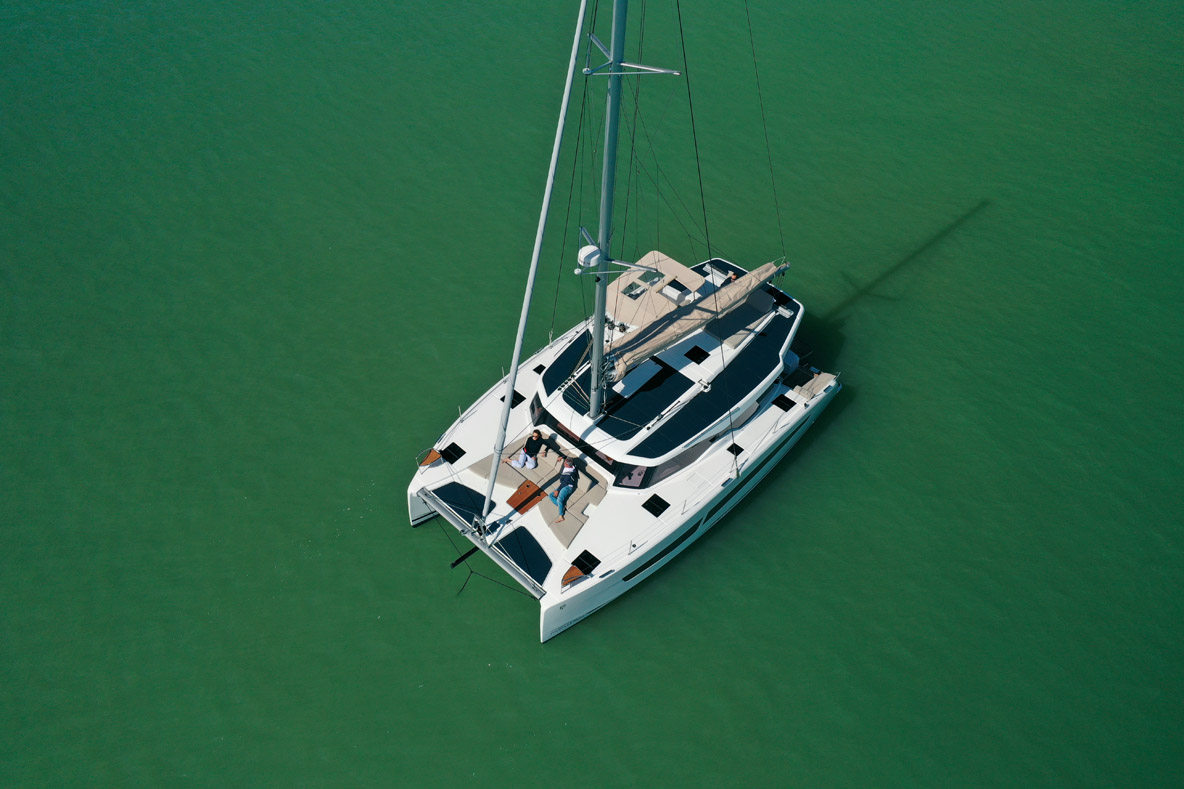
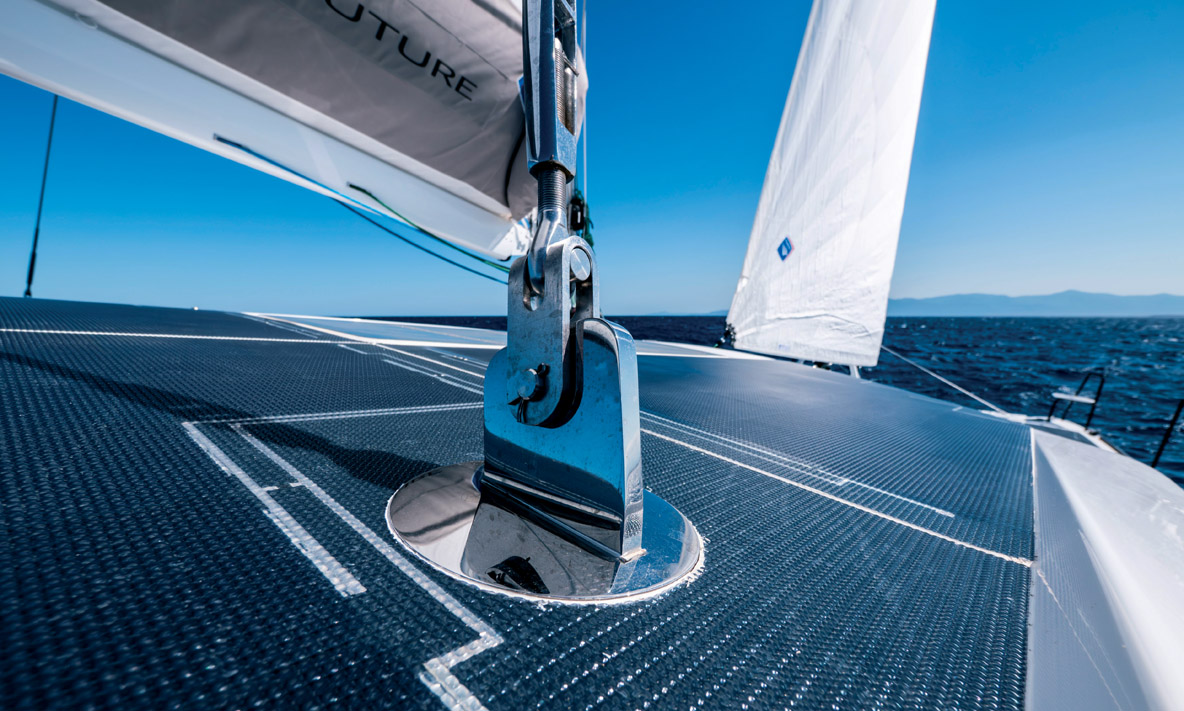
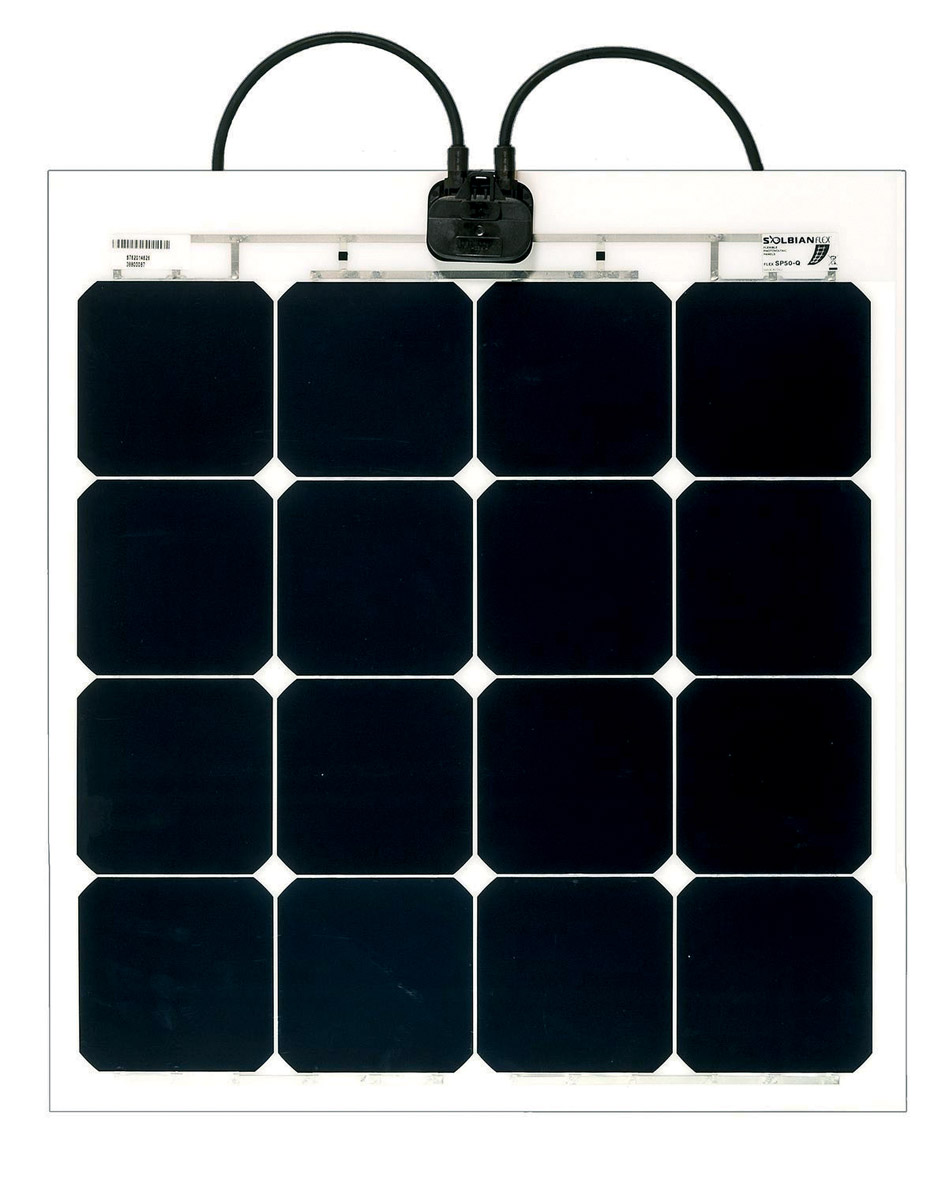
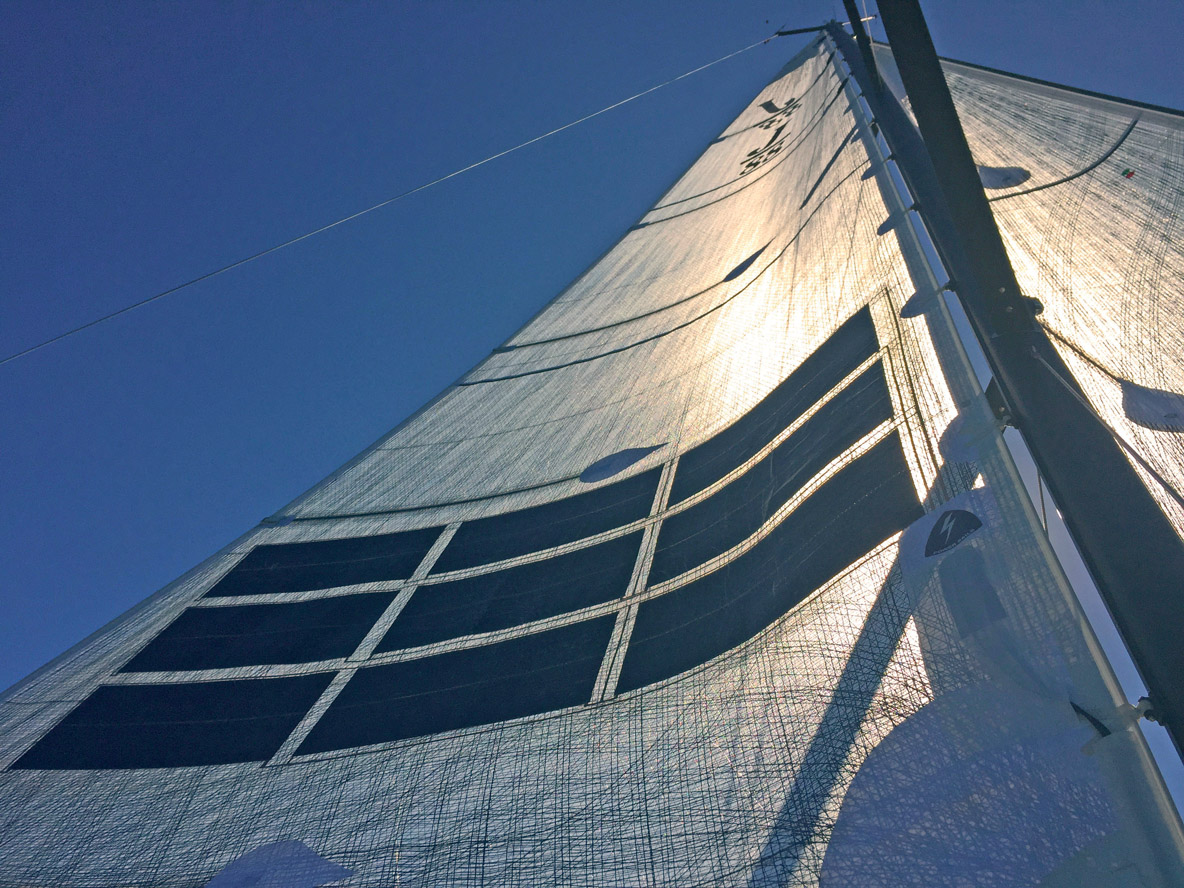
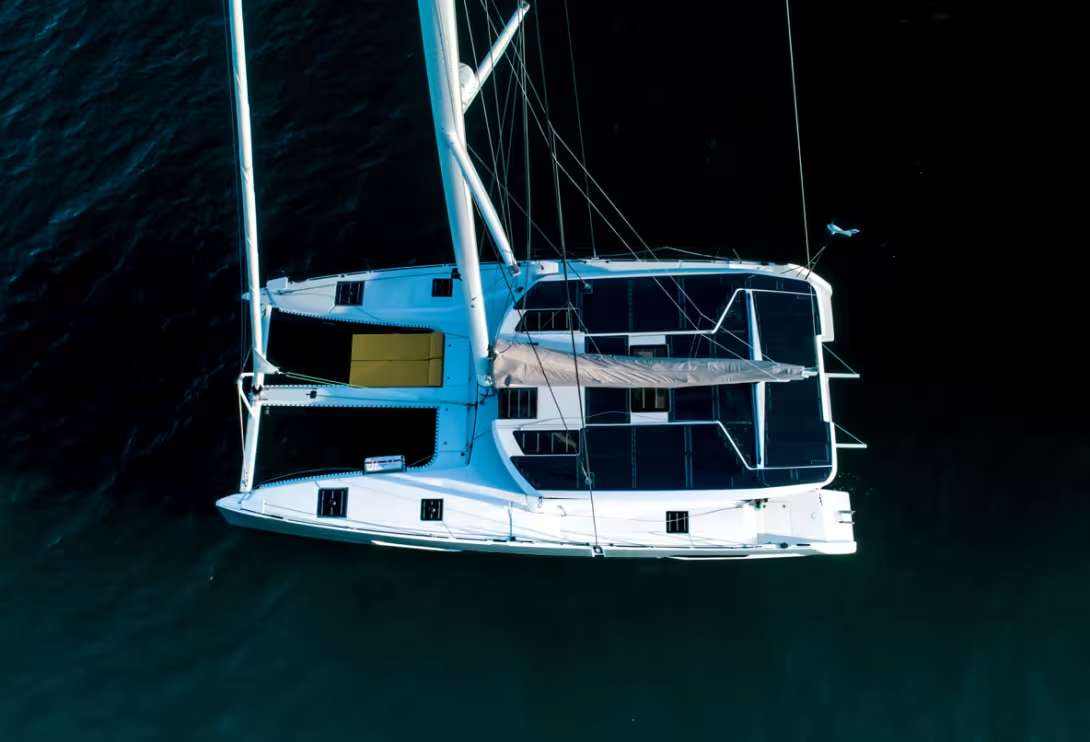
As Victorien Erusssard noted aboard the Energy Observer, “Solar works well, so we’re adding more!” Significantly increasing the surface area of photovoltaic cells on the huge hardtop of a power multiyacht is easy, but it becomes more complicated on a 50-foot sailing catamaran, where the deck is cluttered with running rigging, winches, clutches, and so on. Without going as far as integrating photovoltaic cells directly into the composite, as Sunreef Yachts does – which is a very expensive exercise – optimizing the available surface area becomes crucial if you want to achieve 2 or 3 kW of peak power. That’s enough to store around 20 kWh in your battery bank on a nice sunny day. Aboard the experimental electric Excess 15, daily consumption for on-board services sometimes exceeded 20 kWh, so you can never have too much! This is why we’re seeing much more precise and uniform integration of solar panels on coachroofs and now on decks, as with Windelo. Even the trampolines are being put to good use on the latest Fountaine Pajots. In the solar panel market, Solbian seems to have taken the lead - their custom panels follow the contours of each multihull’s design to optimize every square inch. Two types of surfaces, rough and smooth, are available depending on whether or not they are likely to be walked on. The result is much more attractive and aerodynamic, and the modules are lighter than traditional rigid panels with frames. Small flexible modules for installation on canvas covers are also available.
Hydrogen? Not for Tomorrow...
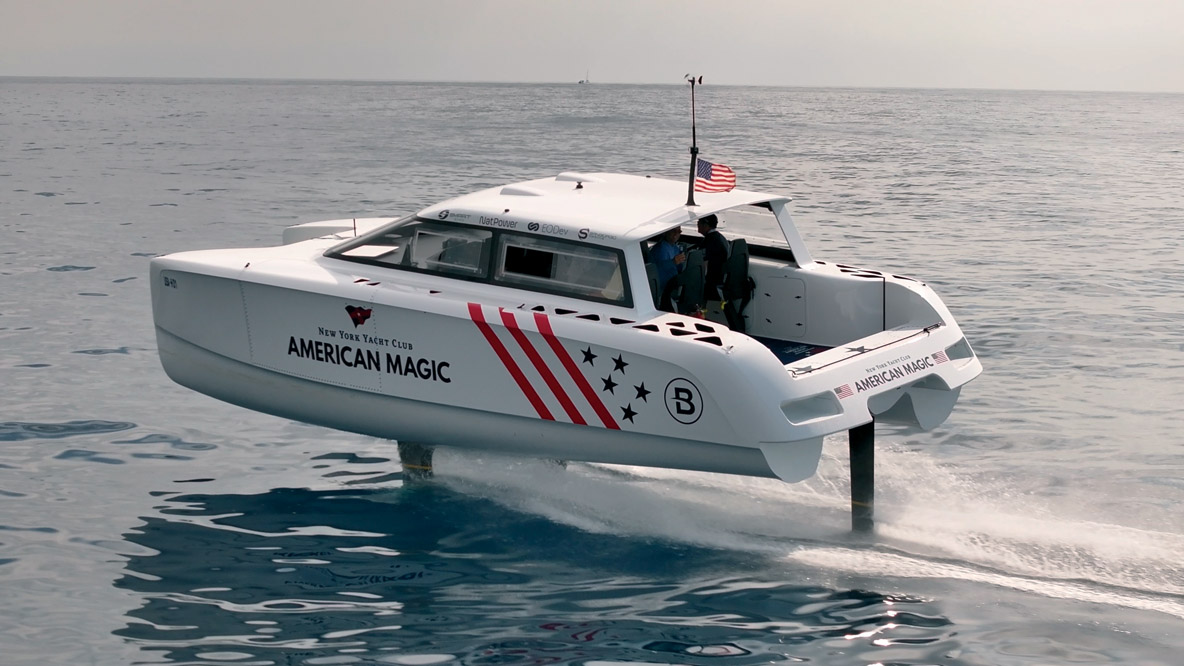
We all admired the AC75s during the last America’s Cup, pursued by their flying chase boats. For the first time, the protocol for the 37th America’s Cup required each participating team to build and operate two hydrogen-powered VIP foiling boats. These all-carbon catamarans, just over 30 feet (10 m) long, feature a closed cockpit, reach a maximum speed of 50 knots and have a range of 180 miles. On board are two 80 kW REXH2 EODev fuel cells, three 63 kWh LFP batteries and 33 kg (72 lbs) of hydrogen, distributed in four tanks pressurized to 350 bar (5,070 psi). These speedboats, capable of taking off on their foils at speeds of 23 knots, have performed satisfactorily, but they will not really be suitable for cruising (no outdoor space). The real issue is the availability of hydrogen, which for the event was supplied exclusively to the port of Barcelona. This is far from the current reality, as demonstrated by TradeWinds’ Samana 59, equipped with the same fuel cell, which cannot be powered due to the lack of a hydrogen supply solution.