Exclusive 76: The Rebirth of an Extraordinary Catamaran
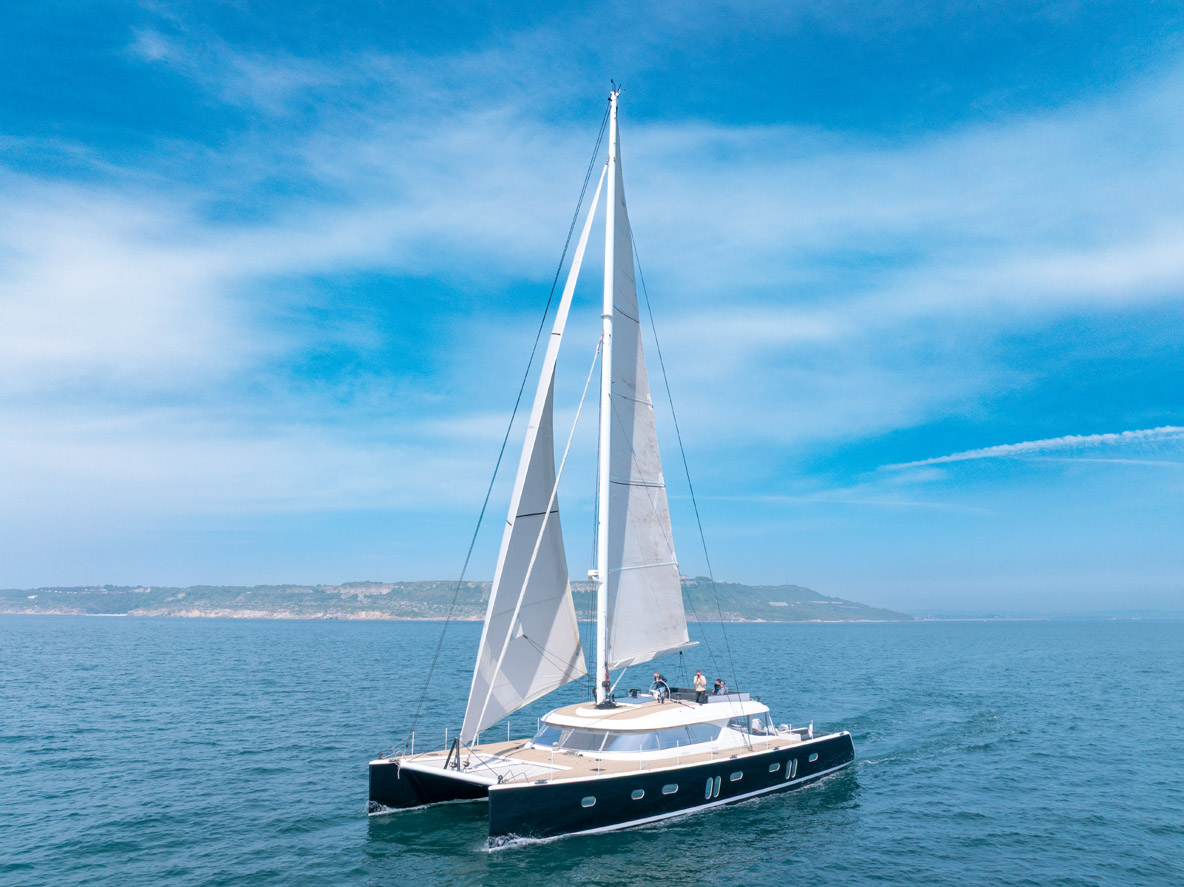
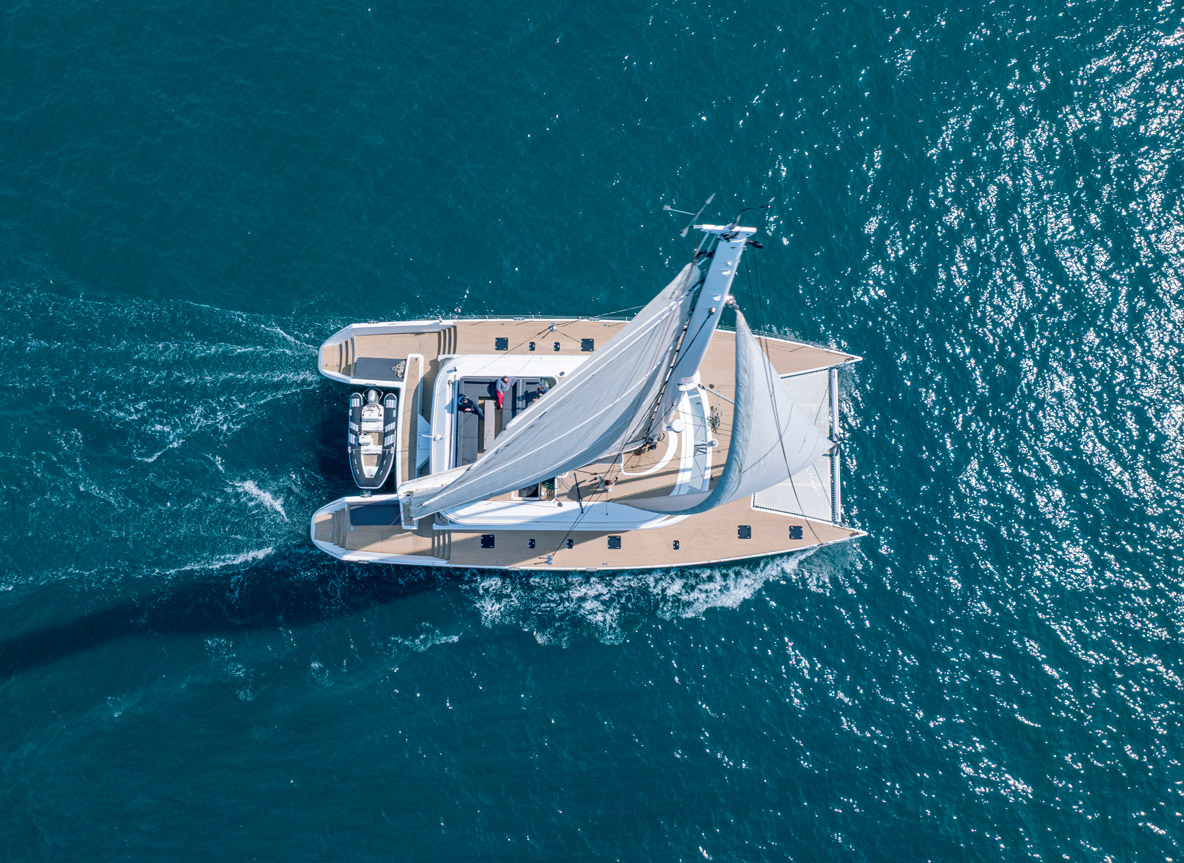
The Exclusive 76 is not a multihull like any other. This large 76-foot (23-meter) catamaran launched in 2009 is the result of an ambitious project led by a French shipyard specializing in the manufacture of cruiser-racer monohulls, which already saw the large multihull sector as a market in the making. The design of the Exclusive 76 bears the signature of Gilles Ollier, a leading figure in naval architecture. Founder of the Multiplast Group in the early 1980s, Gilles quickly made a name for himself with his ability to combine cutting-edge technology, structural lightness, and hydrodynamic efficiency. He is responsible for the famous offshore racing trimarans such as Club Med and Orange II, which hold world records, as well as several prototypes of large cruising multihulls, including the famous Magic Cat, which were often ahead of their time. The architect and builder’s vision is based on a subtle balance between performance, safety, aesthetics, and functionality. The Exclusive 76, with its clean lines, lightweight platform, and high-end composite construction, is a testament to this philosophy.
The composite was produced at Multiplast and the large catamaran was assembled in Les Sables-d’Olonne, on France’s Atlantic coast, by J-Boat. The Exclusive 76 was to be the first in a series of luxury multihulls, but the 2008 financial crisis dealt a severe blow to this industrial ambition, bringing the program to a halt after the construction of the very first model.
However, this unique catamaran has retained its special aura. Well-designed, with a sound platform, a particularly robust structure and elegant lines, it sailed for over a decade before attracting the attention of an entrepreneur with a passion for sailing who was looking for a large multihull capable of sailing fast, far and in comfort.
A Project Driven by Reason and Intuition
The entrepreneur, already the owner of several power and sailboats, wanted a seaworthy catamaran that was easy to manage short-handed and capable of a few targeted improvements. Faced with the very high prices of new catamarans of 80 feet and over (prices can often exceed $10 million) the entrepreneur turned to the second-hand market with a clear idea: to find a good base and invest wisely in an ambitious refit.
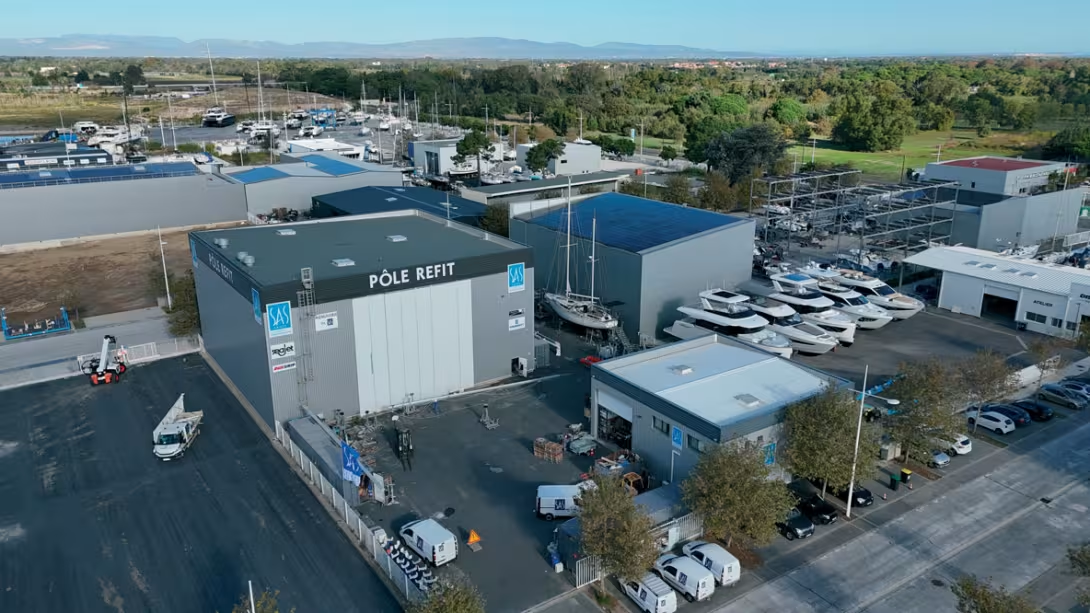
The Exclusive 76, spotted on the dock in Portland, United Kingdom, immediately caught his eye. Contact was made, and a comprehensive survey was carried out over four days by two leading figures in the French marine industry: Loïc Blanken, a maritime surveyor renowned for his rigor and precision, and Gaël Douguet, commercial director of JFA Yachts, a shipyard that is increasingly developing its refit business.
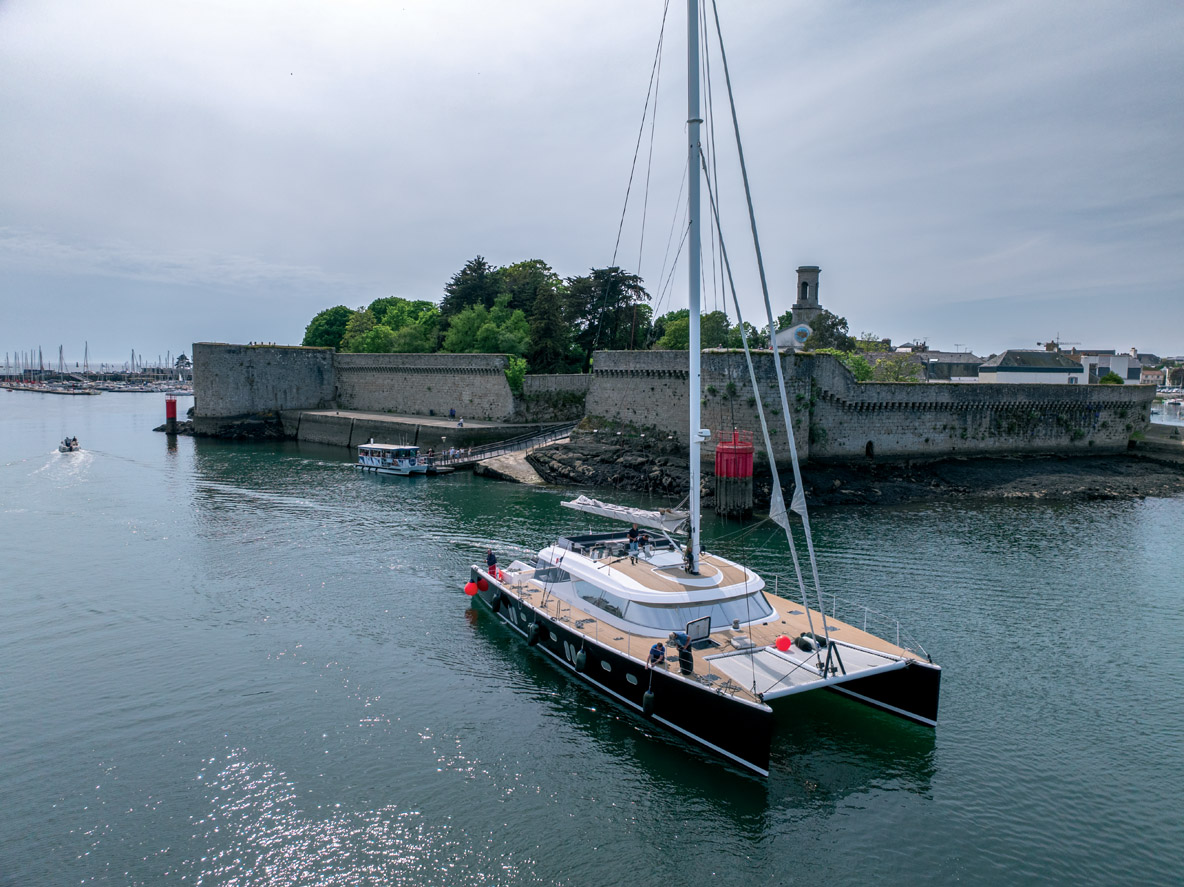
The verdict was clear: the catamaran was sound, well built, and offered great potential for conversion. The deal was quickly closed. Following this acquisition, I had the opportunity to be invited to sail the multihull from Portland Bill, in southern England, to Concarneau, in Brittany, where the JFA shipyard would carry out the work.
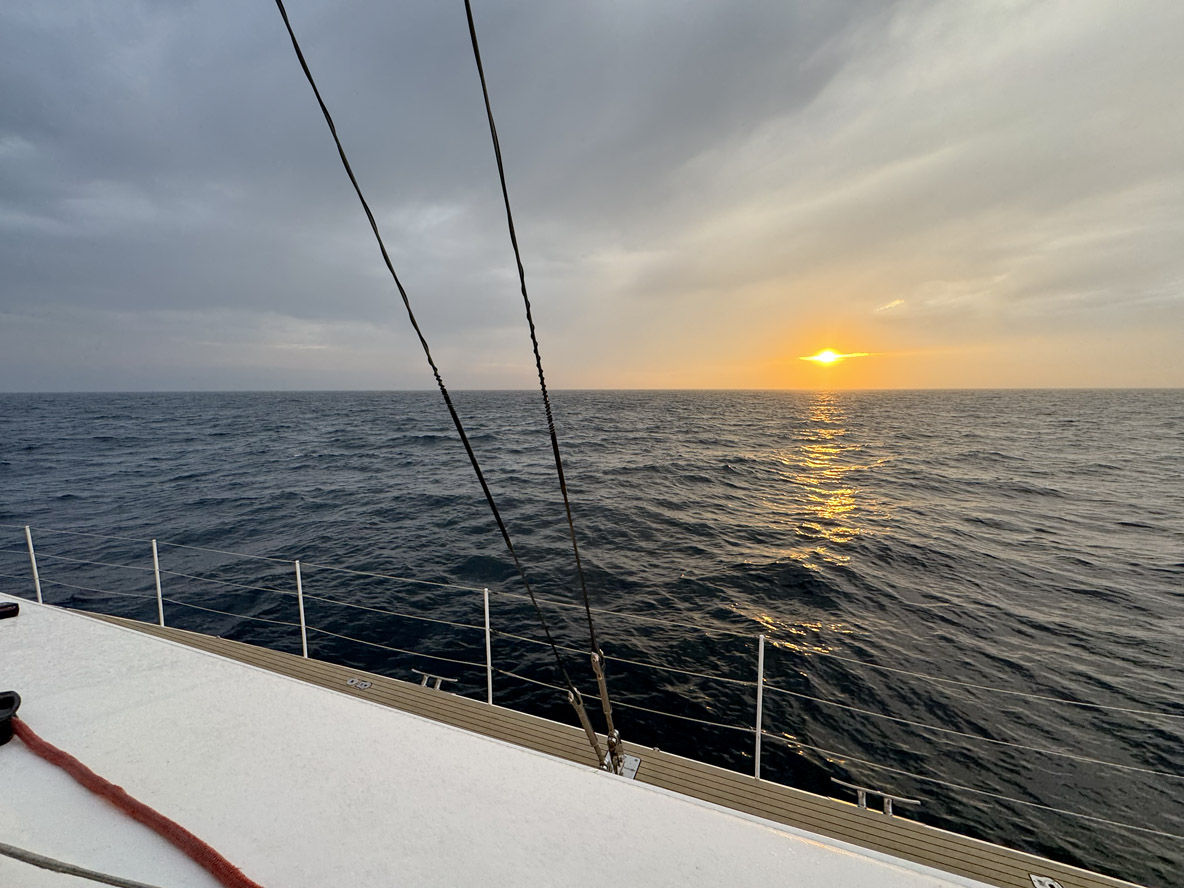
Although the trip was in light airs, it was very instructive and confirmed the multihull’s seaworthiness. Under sail, the Exclusive 76 showed good balance, reassuring handling, and an ability to cover miles without straining, even with little breeze. Only the well-worn sails and the “old school” sail plan betray the fifteen years that have passed since its launch. But the whole boat exudes solidity and well-thought-out design.
An Ambitious but Targeted Refit
The goal of the refit project isn’t to rebuild everything, but to thoroughly modernize the boat to make it competitive with current models. The specifications focus on four main areas:
1. Evolution of the Sail Plan
One of the major changes concerns the bow of the catamaran: the original carbon cross, which supports the forest stay and limits the stress on the connecting arms, will be modified to allow the installation of a large, masthead gennaker, hoisted on a double-purchase halyard and equipped with a furling system. The aim is to give the multihull greater versatility in light winds without compromising the structure.
2. Redesign of the Electronics and Systems
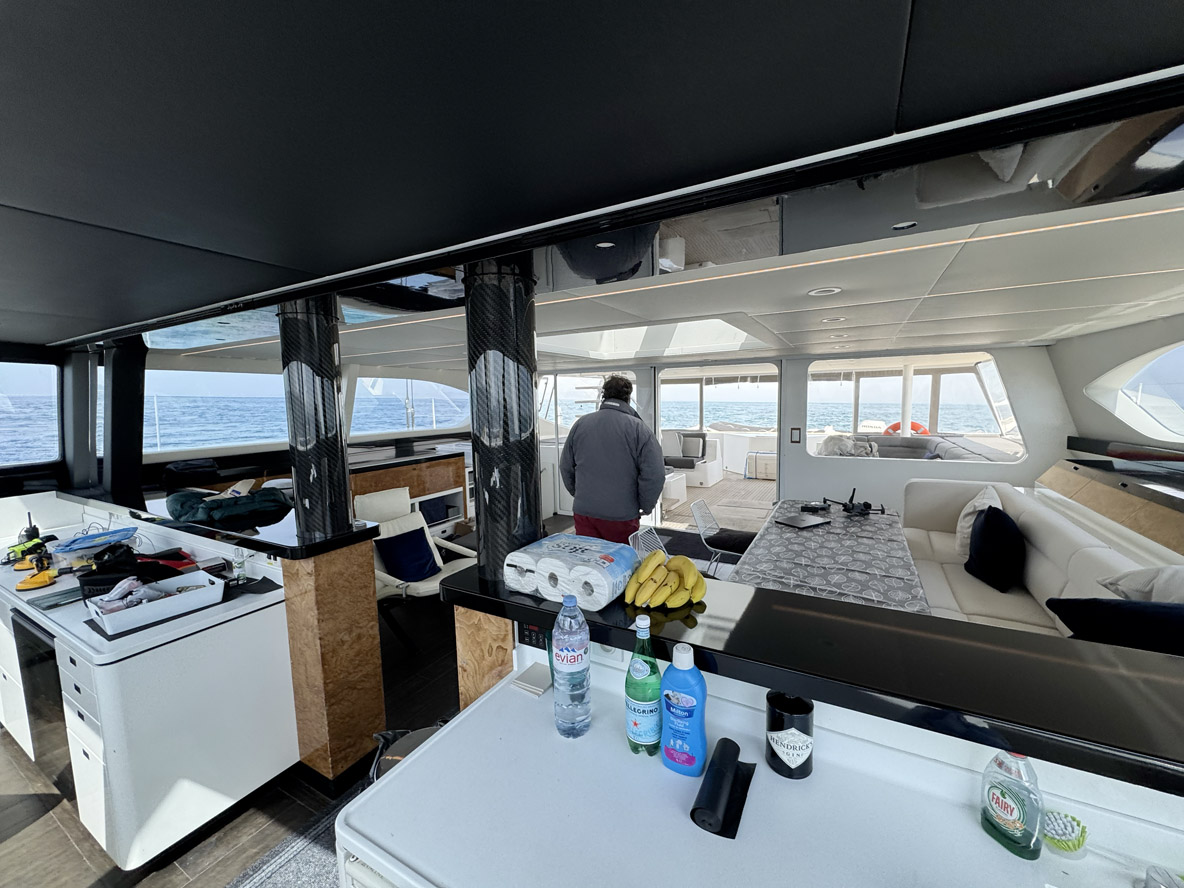
The original electronics are still functional but need to be brought up to date. The owner, who is also the skipper, wants more redundancy so that he can sail around the world with his family. This will require the integration of a second autopilot and the installation of a proper interior helm station in the saloon. In the current configuration, most of the interfaces are on the flybridge, which is completely unprotected. For safety reasons, an obstacle detection system, cameras interfaced with the nav displays, and panic buttons for the traveler and various sheets will be installed and controllable from inside. The Exclusive 76 is a powerful catamaran that is relatively light for its size, so it is important to be able to harness its power without putting anyone in danger.
3. Partial Refurbishment of the Interior
Some cabins, originally designed for charter or luxury cruising, will be redesigned to better suit family use. The owner has commissioned Franck Darnet Design, a French firm renowned for its interior design of high-end yachts and catamarans, to completely redesign the layout of the hulls and saloon, while taking into account the current structure and, above all, the hydraulic and electrical systems, so as not to significantly increase the cost of the yard work.
4. Complete Technical Overhaul
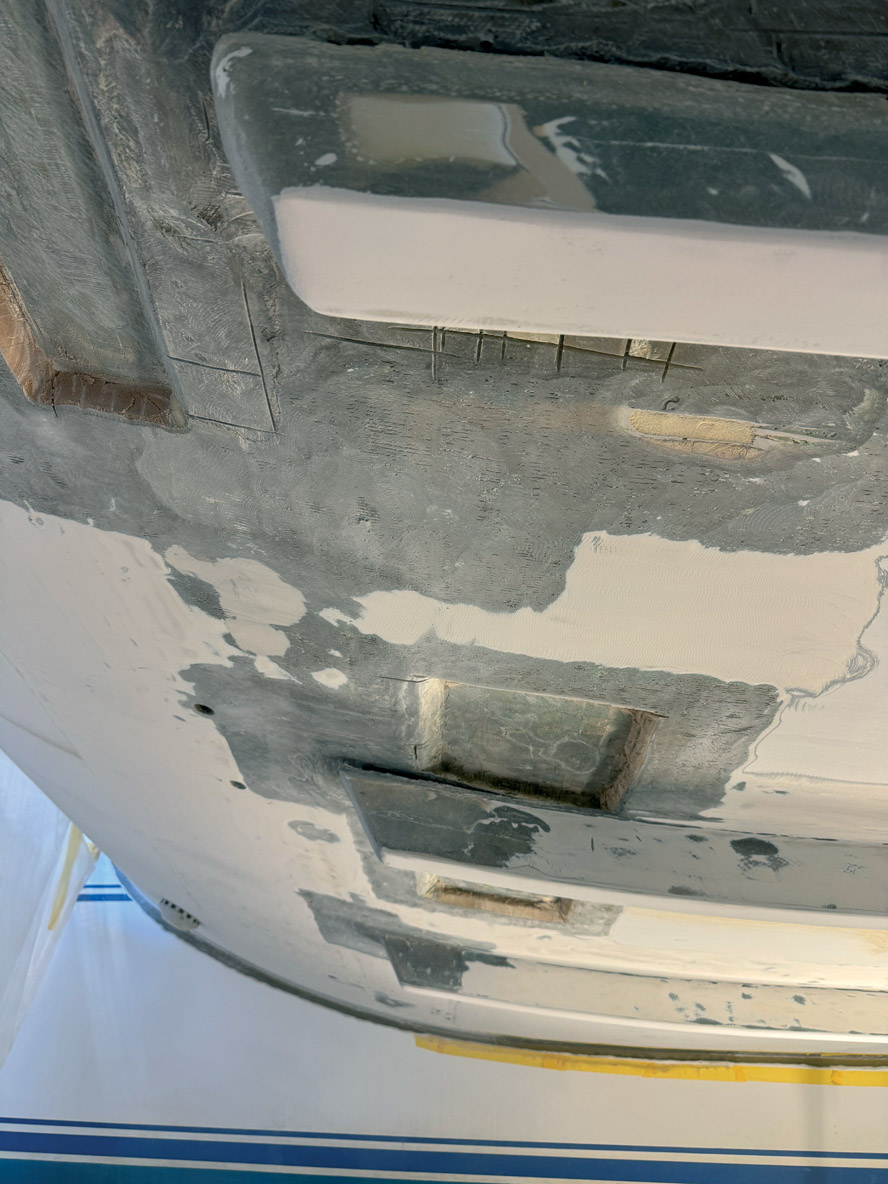
All technical components, engines, generators, watermaker, air conditioning, pumps, and windlasses will be thoroughly inspected. Obsolete parts will be replaced. The engines will be removed and overhauled.
Refitting Rather than New: A Choice for the Future?
For a budget representing around 50% of the price of a new multihull, this refit should enable a 76-foot catamaran to be relaunched in less than a year, and it’ll be up to date, high-performance, elegant, and above all... unique.
The high-end refit market is booming, particularly in France, where a combination of craftsmanship and industrial expertise makes it possible to take on this type of challenge.
The refit of the Exclusive 76 is much more than a simple facelift. It is about bringing a visionary catamaran back to life, reviving a design philosophy that remains relevant: lightness, elegance, performance, technological simplicity, and excellence in craftsmanship.
But it also embodies a more virtuous approach in a rapidly changing sector. While the composite materials used in the construction of multihulls remain very difficult to recycle, extending the life of a well-designed multihull rather than building a new one represents a genuine ecological alternative. Refitting allows for a significant reduction in the carbon footprint of a project, while enhancing the value of the existing structure through high-level expertise.
In a world where sustainability is becoming as important a criterion as performance or style, the Exclusive 76, reinvented by JFA and Darnet Design, stands out as the symbol of a new path: that of a responsible, sustainable, and above all, perfectly adapted second life.
We will of course share the results of this refit with you soon - it already promises to be exceptional.
A Word from the Pros Gaël Douguet, Directeur commercial, JFA Yachts
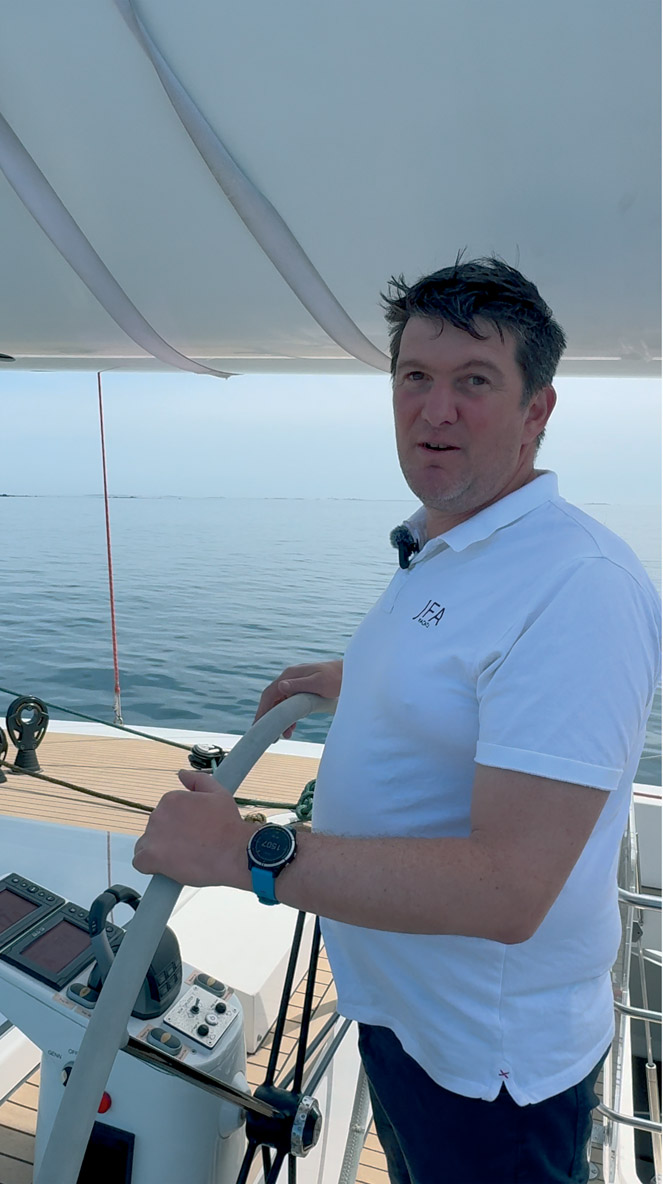
The Exclusive 76 is a beautiful platform. The carbon/epoxy composite used at the time is still perfectly relevant today. It has aged very well, and the overall architecture remains modern. We’ll be carrying out targeted work to bring it up to current standards without compromising its fundamental qualities. The refit begins with a modification of the forward carbon cross. We will replace it and adapt the structure to allow for the rigging of a large furling gennaker. The aim is to broaden the catamaran’s range of use in light airs with a more versatile sail plan. We will also overhaul all the electronics. The navigation system, interfaces, sensors, and communication systems will all be upgraded. We will be integrating modern, robust, easy-to-use solutions, optimizing ergonomics and access to on-board data. Inside, some of the cabins will be redesigned with the Franck Darnet Design team. The aim is to create a clean, functional, but also comfortable environment. The idea is to move towards a contemporary, bright, and warm atmosphere, while improving insulation and acoustics. Finally, as always on this type of project, we are reviewing all technical systems: everything is inspected, tested, and replaced if necessary. We prioritize reliability and ease of maintenance. This refit is a real alternative to building a new boat. In less than a year, for 50% of the price of a new multihull of this size, the owner will have a modernized, high- performance vessel that is perfectly suited to their needs. This is exactly what we love to do at JFA: Tailor-made solutions with high standards.”
Builder: Multiplast and J-Boat
Architect: Gilles Ollier
Launch: 2009
Length: 76’10” (23.42 m)
Beam: 34’5” (10.5 m)
Draft: 4’11”/12’9” (1.5/3.9 m)
Air draft: 113’2” (34.5 m)
excluding antennas
Displacement: 88,000 lbs (40 t)
Sail area: 3,358 sq ft (312 m²)
Cabins/berths: 5/10
A Word from the Pros Loïc Blanken, Marine Surveyor
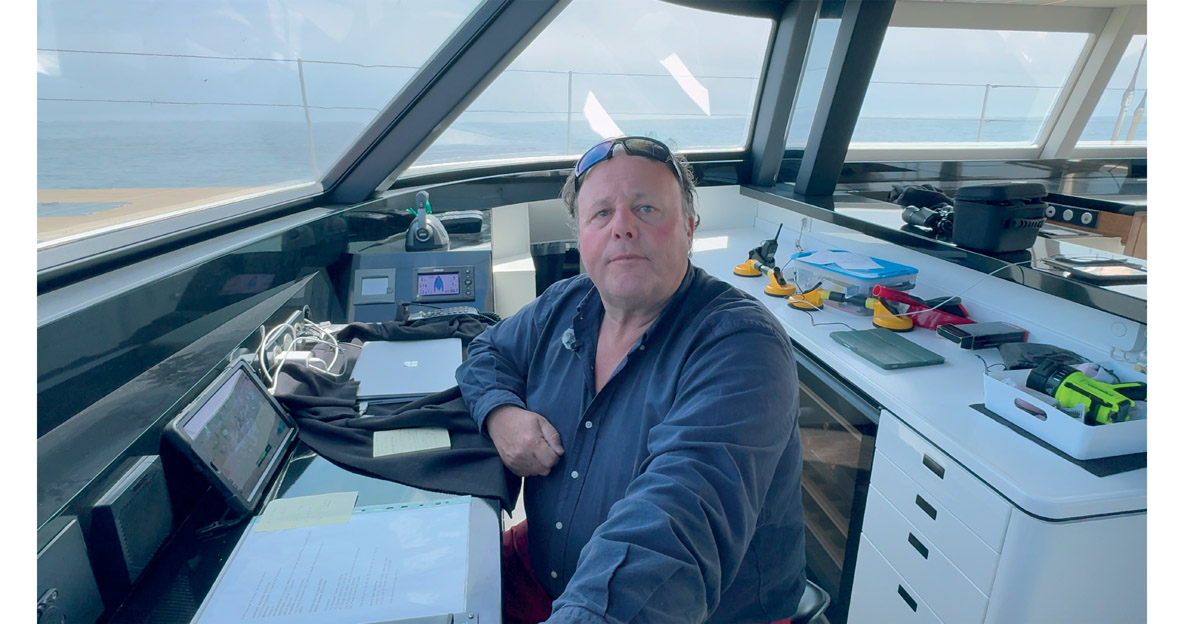
A true Swiss Army knife of the nautical world, Loïc Blanken has embraced every profession in the industry. Sailor, builder, project manager on GRP and composite vessels, shipwright specializing in classic yachts... Few professionals have such a diverse range of experience. On top of that, he spent fifteen years as a shipbroker, during which time he was involved in numerous transactions and honed his critical eye for the value and complexity of vessels.
The role of a marine surveyor is to support their client, whether they are a buyer, vendor or owner, in their technical and strategic choices, based on rigorous and objective analysis. Every detail counts, and nothing escapes Loïc Blanken’s trained eye. His experience also extends to the project management of complex refits on vessels ranging from 30 to 80 feet (10 to 25 meters) in length, both in France and internationally.
He graduated top of his class from the highly selective British IBTC college in 2012, is a certified British Marine Surveyor, was named Surveyor of the Year in 2014, and is registered as a legal expert with the Rennes Court of Appeal. With more than 250 survey reports to his credit, he is widely recognized within the profession.
“The owner was already in contact with the JFA shipyard because he was interested in the Long Island range. When he contacted me for the survey of the Exclusive 76, I strongly encouraged him to involve them from the outset to save time. The three-way relationship between the shipowner, shipyard, and surveyor provides a direct channel of communication for a complicated project. My role is not limited to the survey; I also monitor the construction work and, thanks to my experience with large vessels, I help the owner make decisions, as there are regular decisions to be taken that can delay the project.”
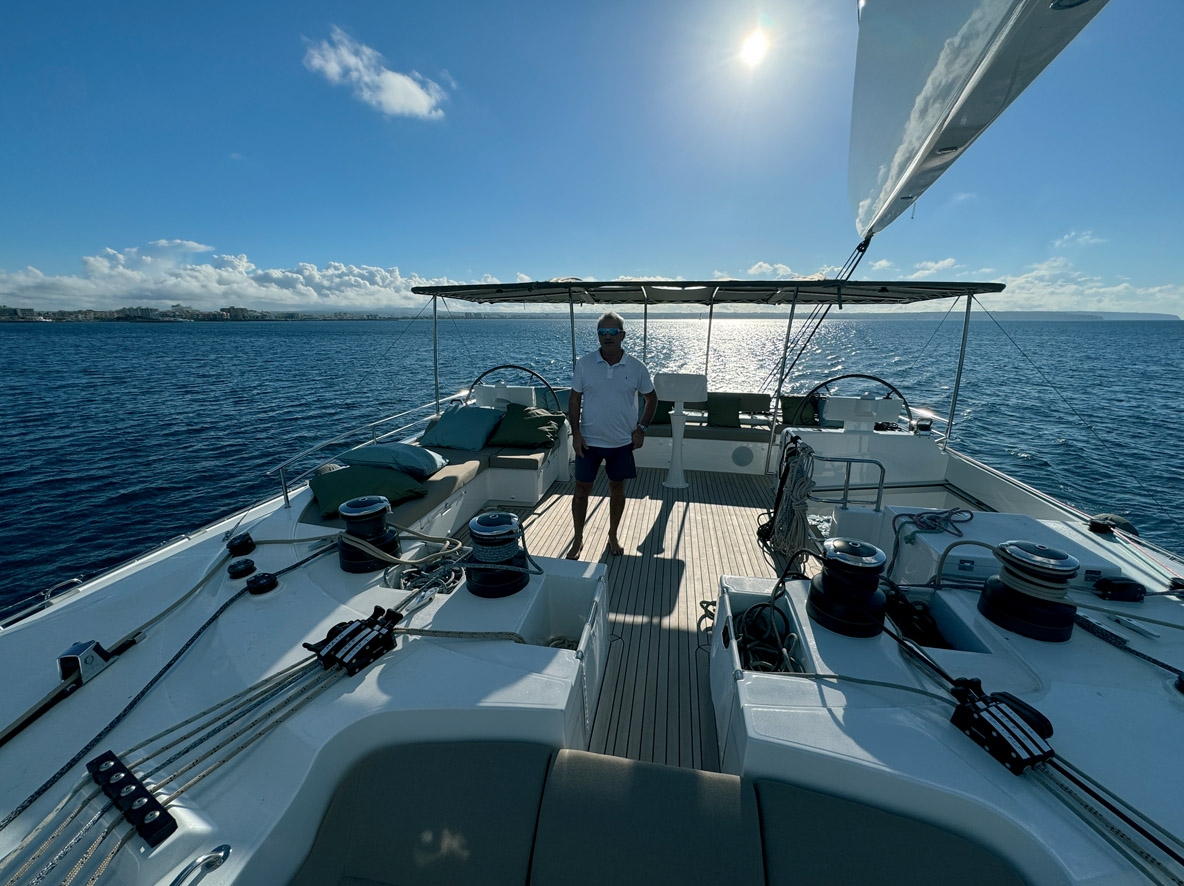
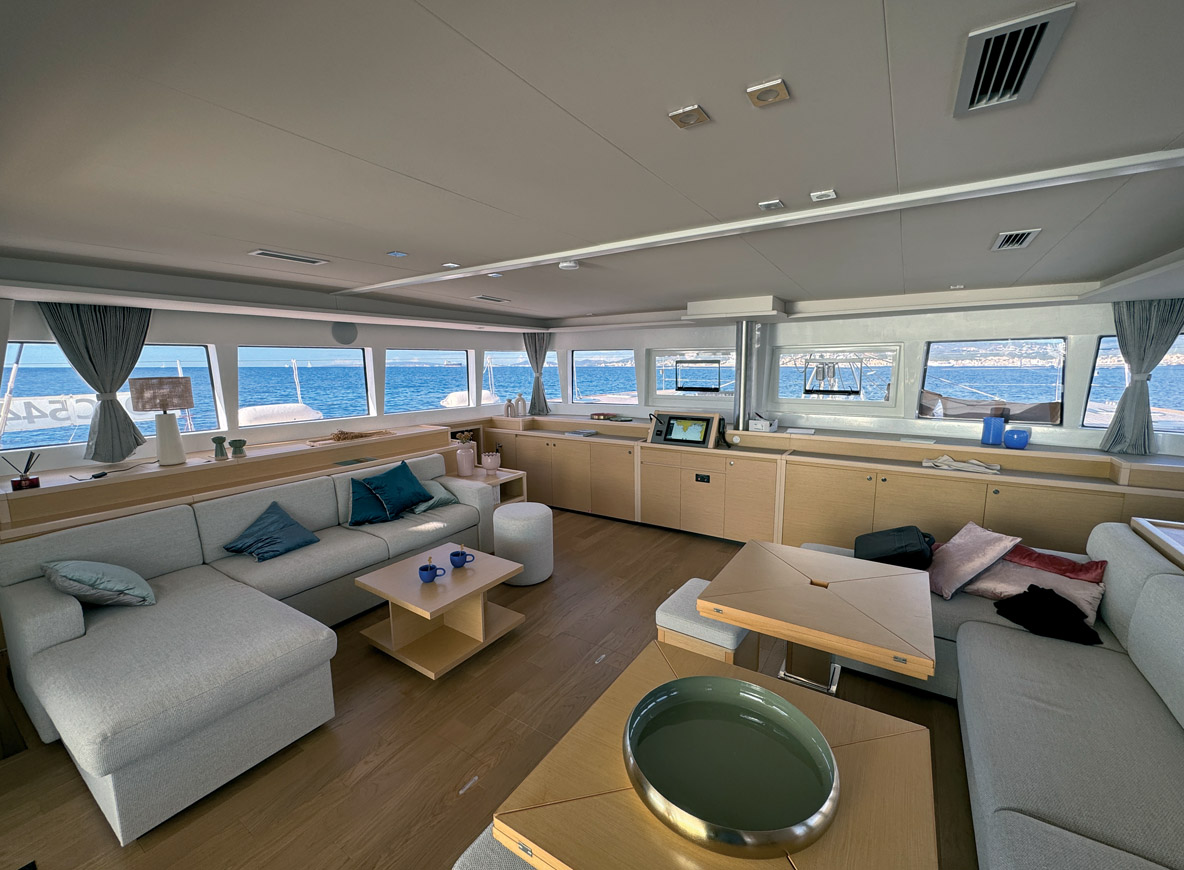
Lagoon Neo Program: A 620 that’s Better than New!
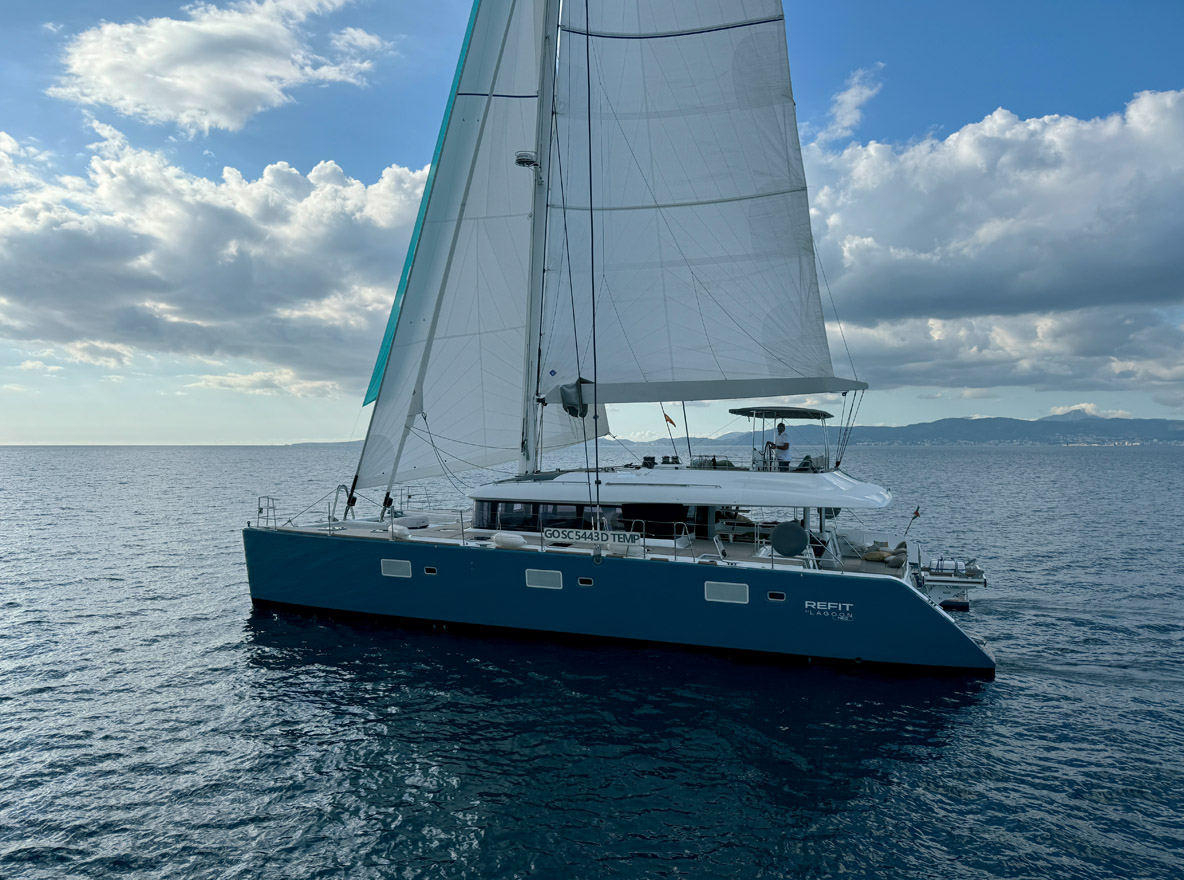
Length overall: 62’ (18.9 m)
Beam: 32’10” (10 m)
Draft: 5’1” (1.55 m)
Displacement: 66,000 lbs (30 t)
Sail area: 2,475 sq ft (230 m²)
Water: 4 x 63 US gal (4 x 240 l)
Fuel: 2 x 181 US gal (2 x 688 l)
Berths: 8 to 14
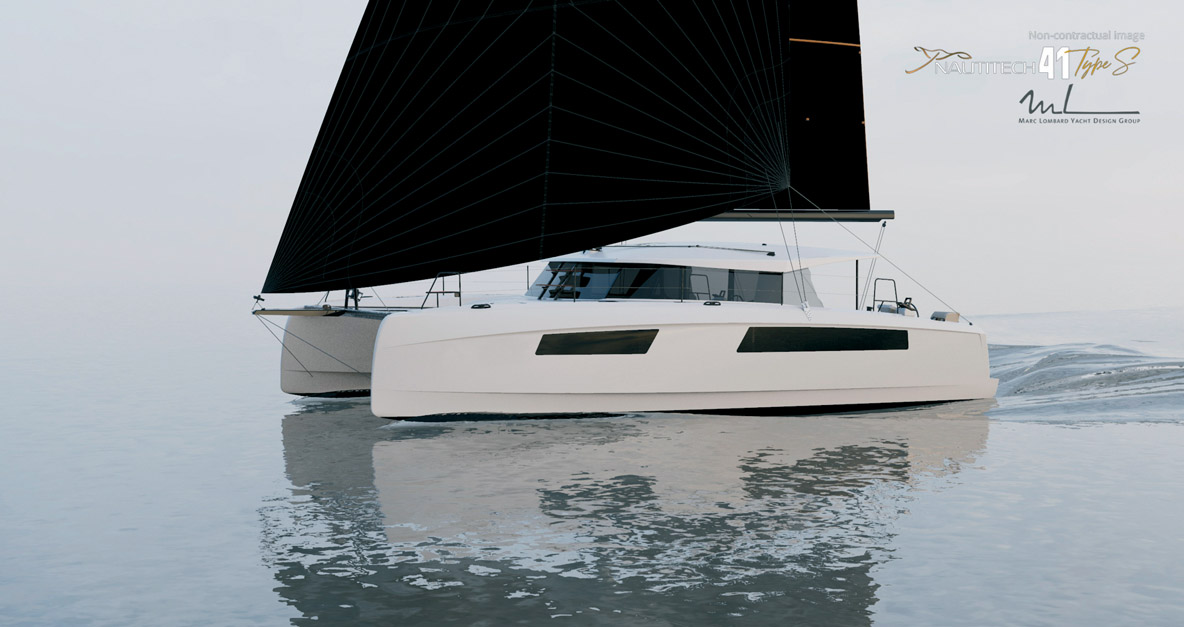
Nautitech 41 Type S Refitting Planned in Advance!
www.nautitechcatamarans.com
Builder: Nautitech Catamarans
Architect: Marc Lombard Design
Length: 41’4” (12.6 m)
Displacement: 19,850 lbs (9 t)
Price: € 440,000 ex-tax