1/ Define your Cruising
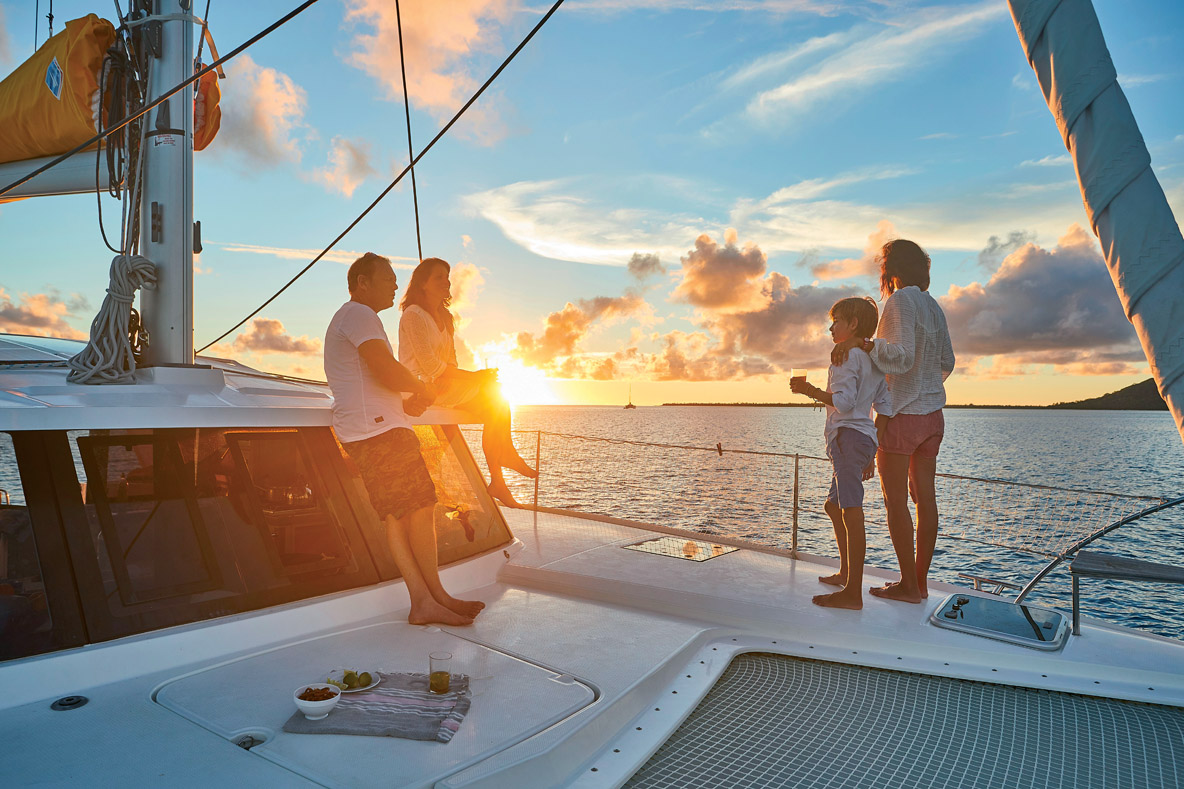
The multihull charter market is extremely vast, both in terms of the number of charter locations around the world, as well as the size and type of boat. First and foremost, you need to define the experience you want to share - a cruise for two, an adventure with the whole family, an exotic destination or one closer to home? Then it’s time to decide on the type of boat - catamaran or trimaran? Sail or power?
2/ Assess your Boating Skills
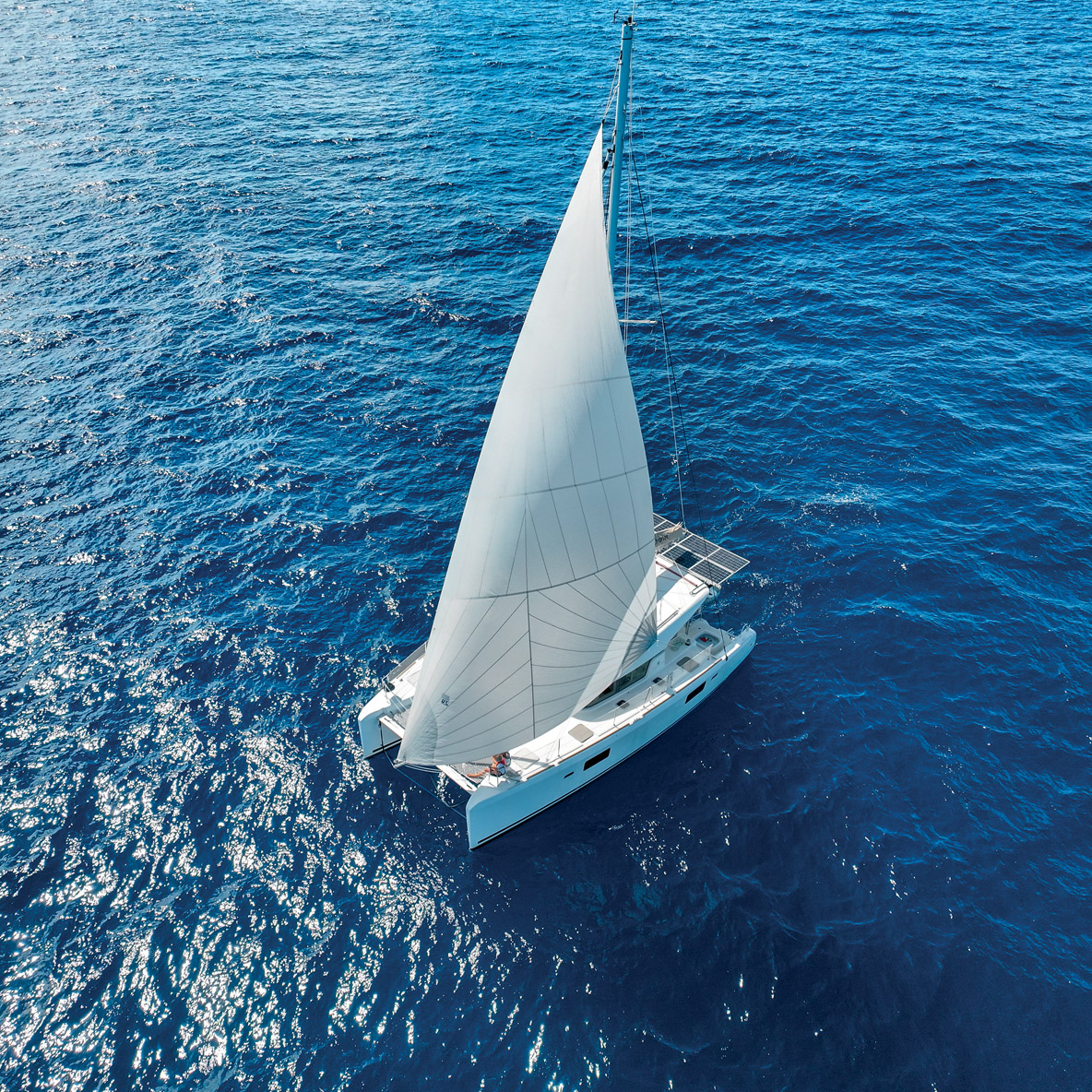
Before you find yourself at the helm of a 40 or 50-foot catamaran, it’s best to know whether you’ll be able to handle it properly. Whether you’re motoring or sailing, it’s important to have a minimum of experience. If you don’t, you risk damaging the multihull or, worse still, endangering the crew.
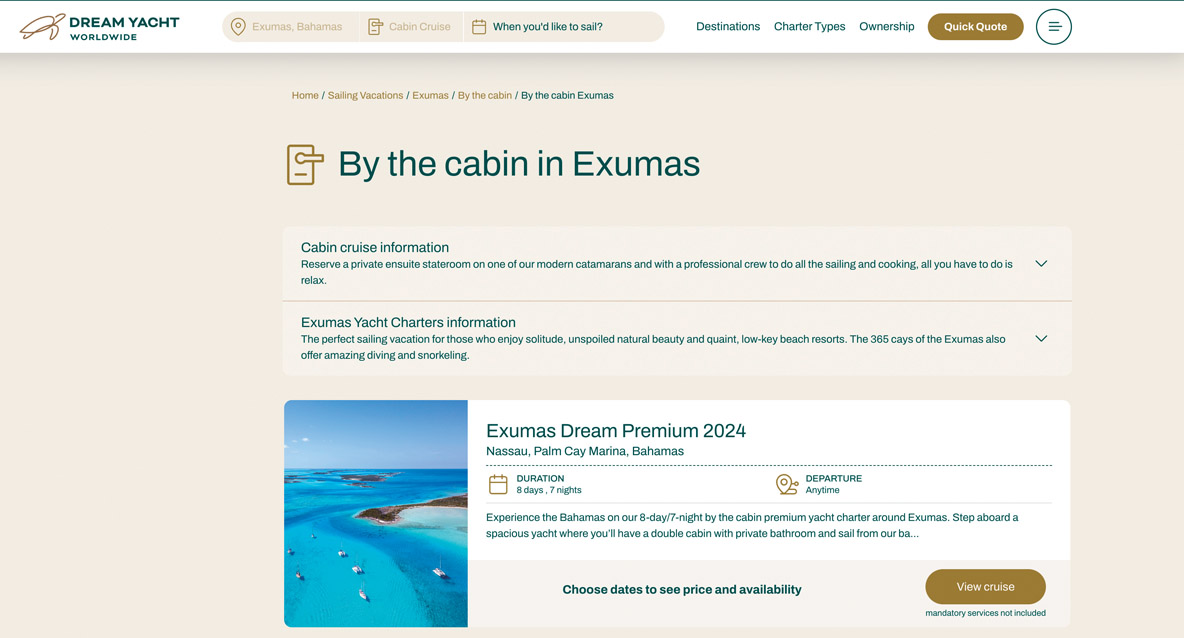
Many charter agencies require a nautical CV, and some, like Dream Yacht Worldwide, add to this an assessment before letting you go, to check that you are capable of handling the multihull.
It’s always possible to hire a skipper for the whole duration, or sometimes just for a few days, until you feel comfortable.
If you’re not too sure of yourself, you can also try your hand as a crew member, or choose a particularly “easy” destination.
3/ Choose the Destination that Suits You
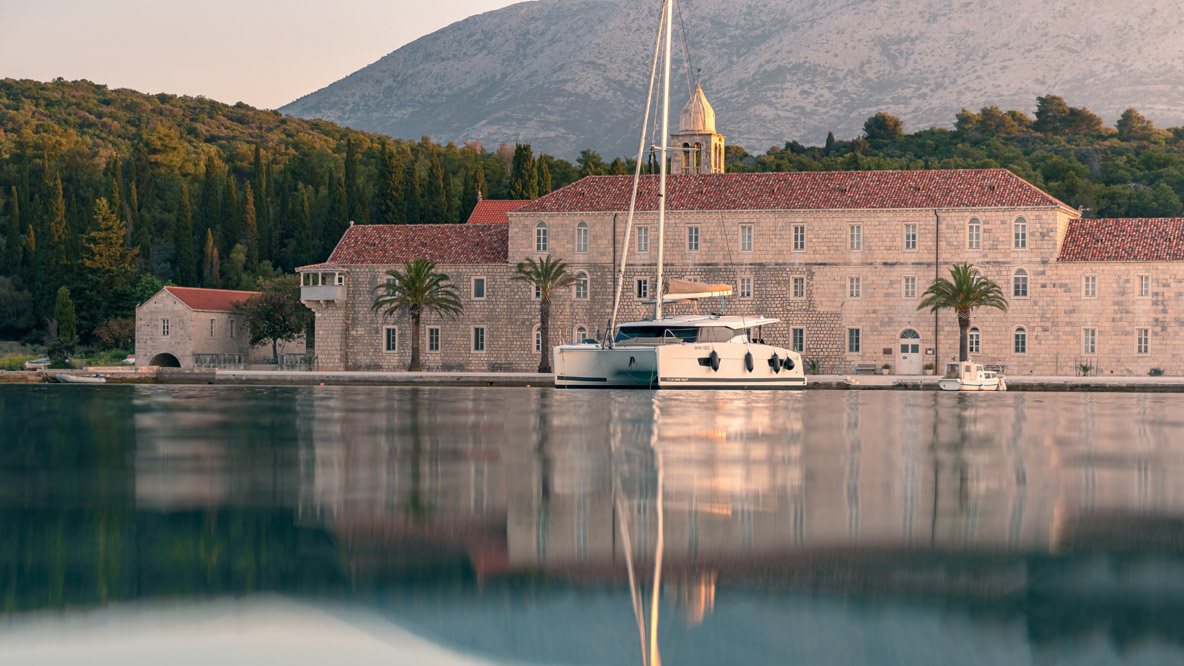
Not all cruising grounds are created equal. While coastal cruising in the BVI or Croatia poses no real problems, open-water sailing in the Pacific can be a little more complicated, due to bigger swell and longer passage times. Here again, the choice will depend directly on your nautical skills, but also on the kind of sailing you want to do. While some people are looking for a sportier experience, others prefer the calm of the coves, where they can enjoy the toys on board or go snorkeling.
4/ When Should I Charter?
Depending on the destination, the most suitable periods to go may vary. While summer is generally a perfect time in the Mediterranean, the water isn’t all that hot in June, and storms are more frequent after mid-August... In the West Indies, if you live far from this destination, it’s best to avoid the few charters still on offer between July and October, the hurricane season. On the other hand, if you can change your plans at the last minute without incurring any charges, this can be an excellent opportunity in terms of rates.
Generally speaking, in addition to a substantial price reduction, avoiding the high season can offer a number of advantages. In addition to a more attractive price, chartering in pre-season or just after the big rush allows you to take advantage of quieter anchorages, or even have a bay all to yourself.
5/ Compare Market Offers
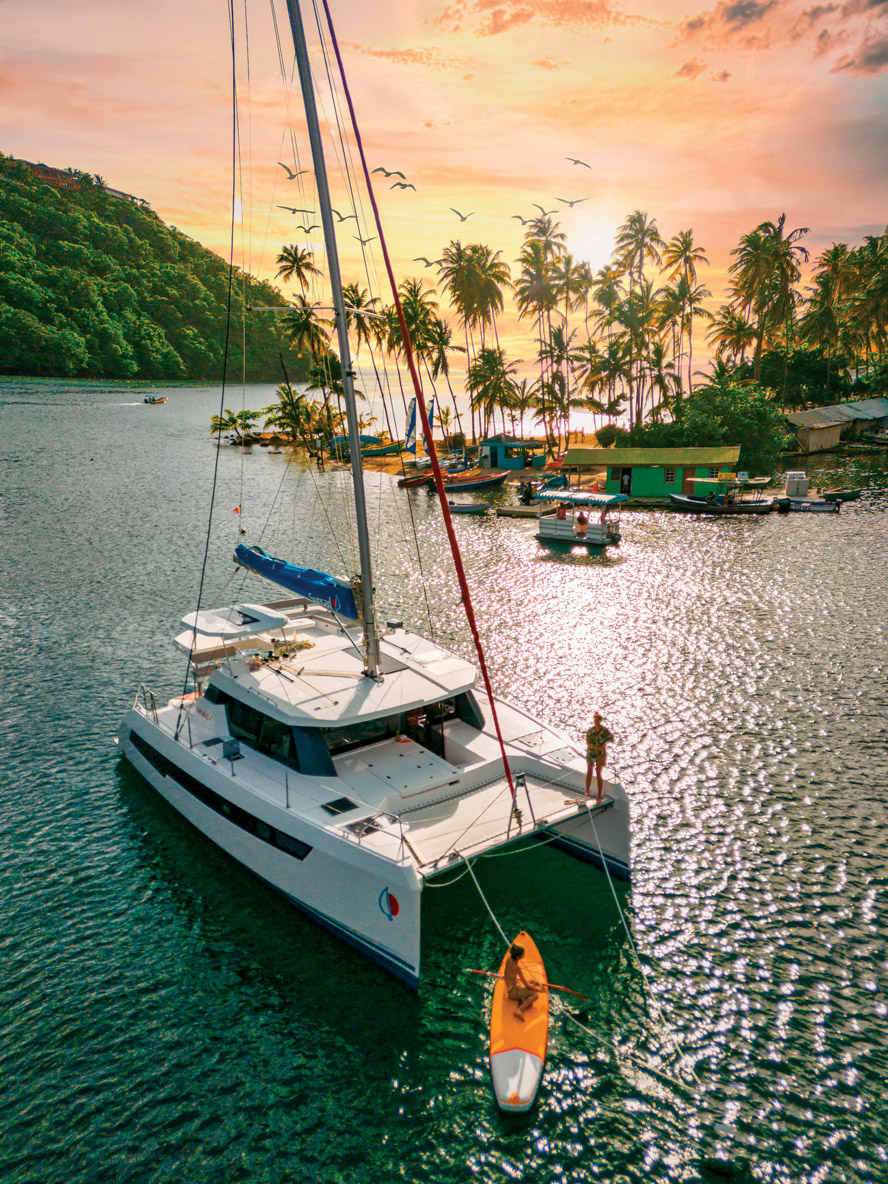
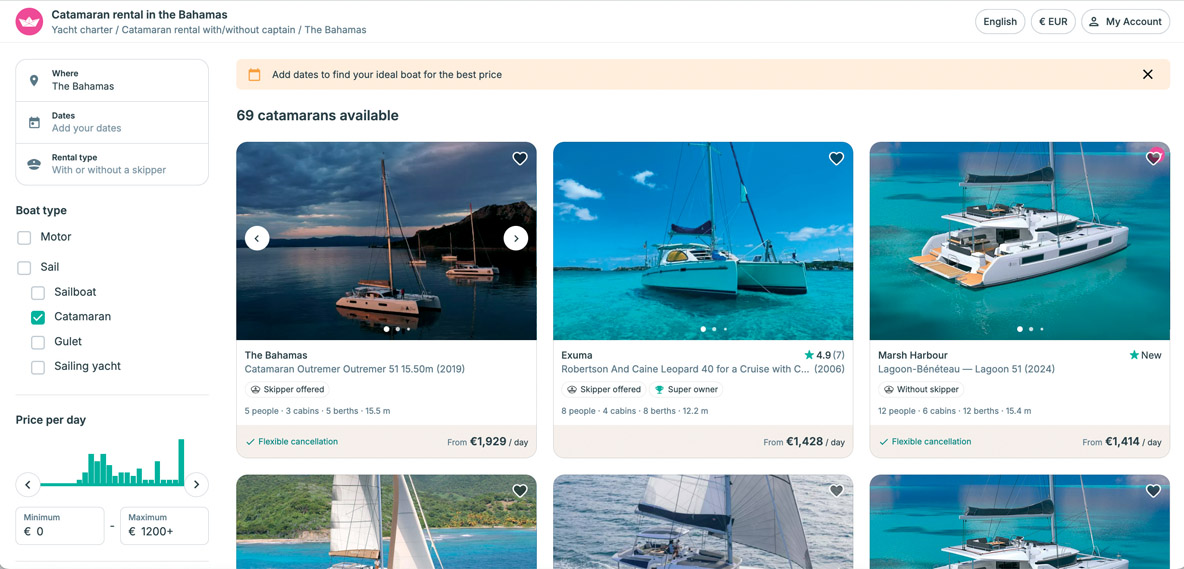
Over the past twenty years, catamaran charter has really exploded. There are offers all over the world, and dozens of charter agencies, from the smallest to the largest.
Before settling on an offer, make sure it’s from a reputable agency with good reviews. And beware of “too good of a deal”. A catamaran offering 30% less than the competition often hides something - a boat in poor condition, too old, hidden costs or a service that’s missing, or even a scam.
For peace of mind, it’s better to go for large, well-known companies with real service at the charter base, assistance and someone to talk to in the event of a problem.
6/ Know Who You’re Going With
Sharing a week aboard a catamaran or trimaran, no matter how big, means living in close proximity, with the risk of tension that this situation can create. That’s why you need to choose your companions carefully, whether they’re family members or friends.

7/ Book as Early as Possible
Unless you’re prepared to set off on a whim, it’s best to book as early as possible. Not only will this give you a wider choice of destinations and multihulls, but it also gives you the chance to spread out payments a little and take advantage of more refund options if you have to change your mind.
8/ Choose a Recent Multihull
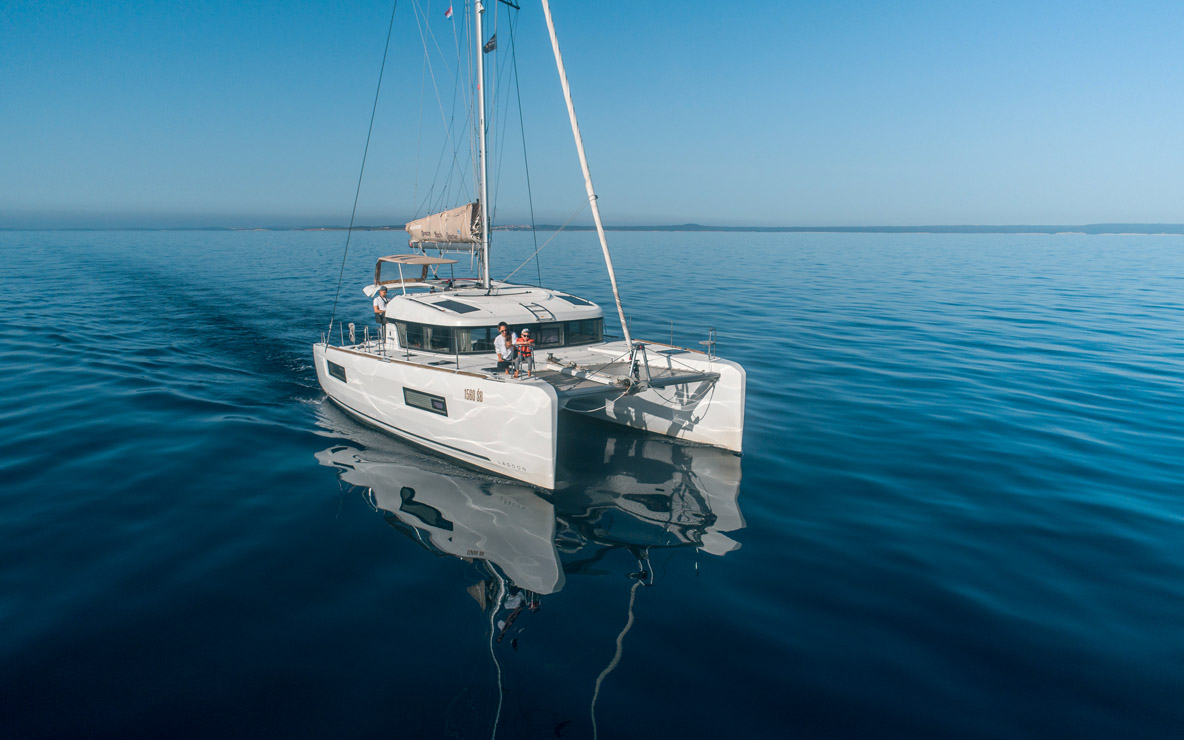
Some charter companies only have a few units - and not always very recent ones. Apart from the risk of ending up with a lot of equipment that doesn’t work, the disadvantage of opting for an older boat is fuel consumption, especially for a powercat. Over the last ten years or so, engine manufacturers have made spectacular progress in reducing fuel consumption - and therefore your fuel budget.
Likewise, in the case of a sailboat, a tired set of sails will put a strain on performance, and thus encourage you to rev the engines...
It’s also nice to enjoy modern comforts, such as air-conditioning and USB outlets, which most modern multihulls now offer.
9/ Papers Please?
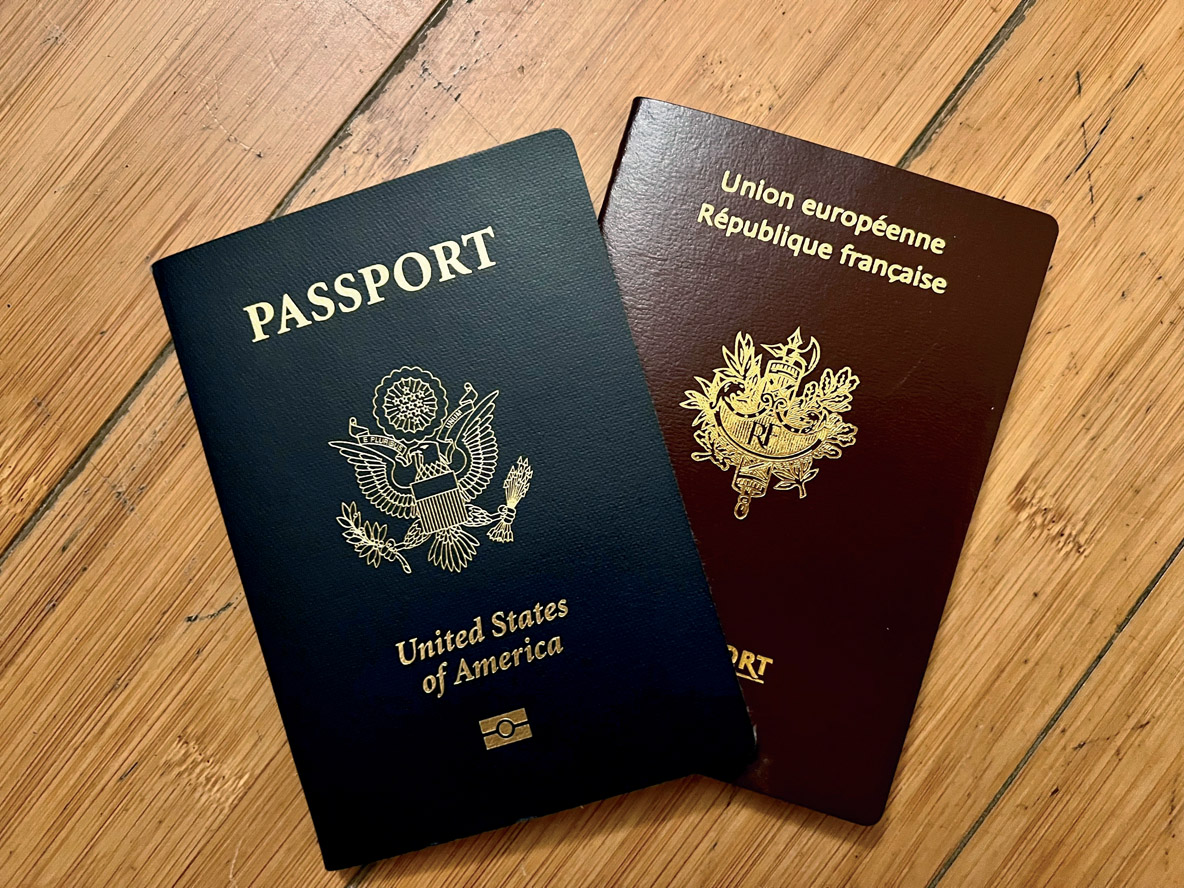
Once you’ve chosen your destination, make sure you have all the paperwork you need. A valid passport of course (with at least six months’ validity left), but also a boating license in the case of a powercat and all the documents required by the local authorities. It may seem incredible, but every year dozens of people are forced to cancel their trip at the last minute because they don’t have valid papers. Some destinations require visas if you’ve visited specific countries beforehand: this is the case for Europeans wishing to travel to the USA after a stay in Cuba.
In this case, the charter company will not reimburse the rental. In some remote islands, credit cards are not necessarily accepted; remember to have cash in the local currency, or dollars depending on usage.
10/ Be Comfortable Speaking English
If there’s one language you need to master on the oceans, it’s English. It’s essential that at least one crew member speaks English (or at least is comfortable in English) to communicate with the base chief, the harbor or marina manager, and also on the VHF. While English is by far the most widely used language on the water, in certain areas such as the Sea of Cortes (Mexico), Spanish is virtually compulsory.
11/ Don’t Hesitate to Ask Questions!
As the saying goes, there are no stupid questions... The charter company’s aim is to ensure that you have an excellent trip, and to this end, they are always ready to answer any questions you may have. Among the most common questions are those concerning towels and shower products.
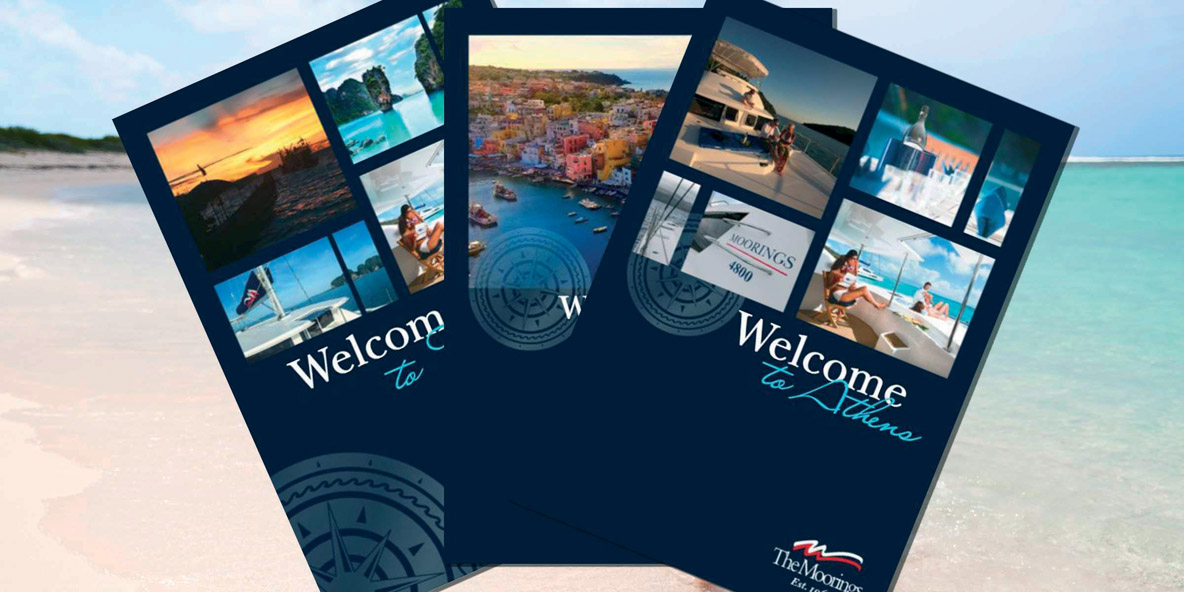
To help you, some charter companies like Dream Yacht Worldwide have a blog on their site with a number of questions and answers. The Moorings, for its part, provides a cruising guide with tons of practical information. Last but not least, it’s never a bad idea to do a little research on the Internet to get feedback from other customers.
12/ Make Sure You’re Well Insured
Before signing your contract, check carefully what is covered by the insurance included in the contract. Look at the deductible, exclusions and other extras. You may need to supplement this with some extra insurance of your own. It’s also a good idea to take out repatriation insurance, just in case.
13/ Plan your Itinerary Before You Leave
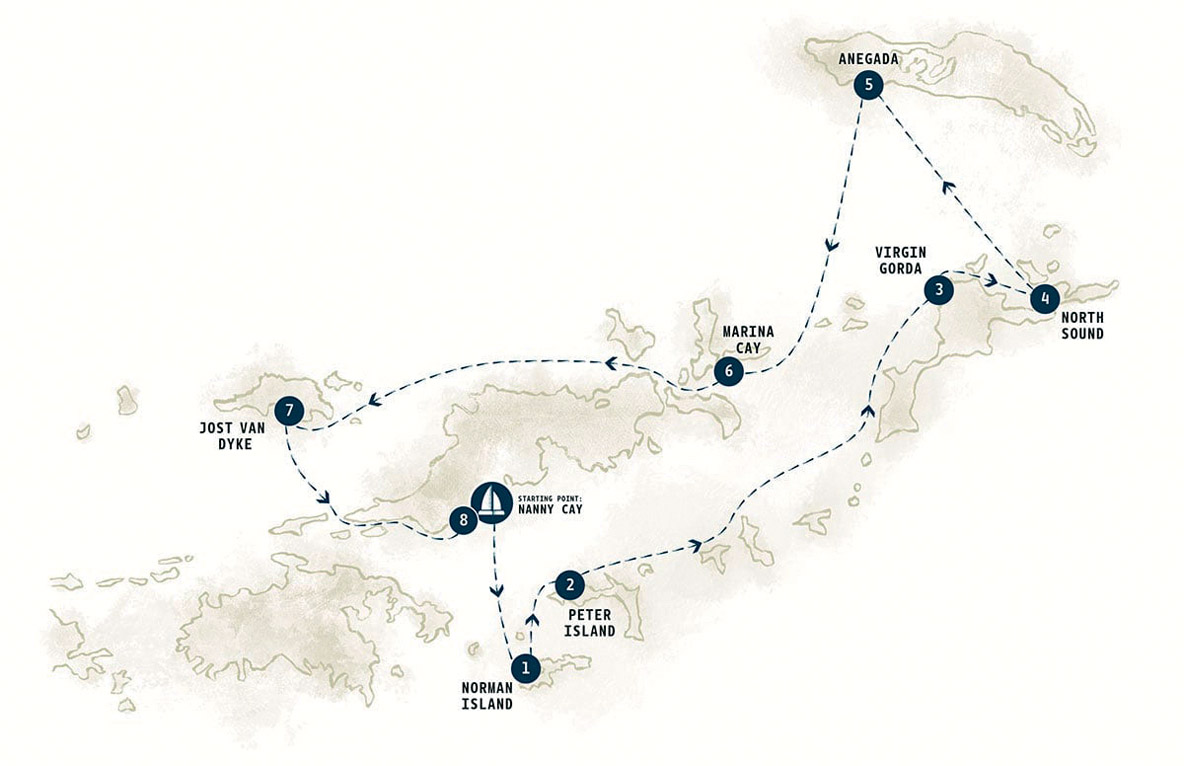
There’s nothing worse than not knowing where you’re going. To avoid this, it’s best to prepare your itinerary in advance. To help you in this task, most charter companies offer standard itineraries that take you to the best spots. Of course, you’re not obliged to follow them, but they provide an excellent basis. Likewise, plan alternate routes that you can fall back on depending on weather conditions. For example, in the event of a strong easterly wind in the USVI (US Virgin Islands), it’s best to opt for the sheltered coves on the west coast. Last but not least, don’t forget to include in your itinerary revictualing point, i.e. supermarkets and, if you hire a power cat, fuel stations.
14/ Check the Boat’s Equipment
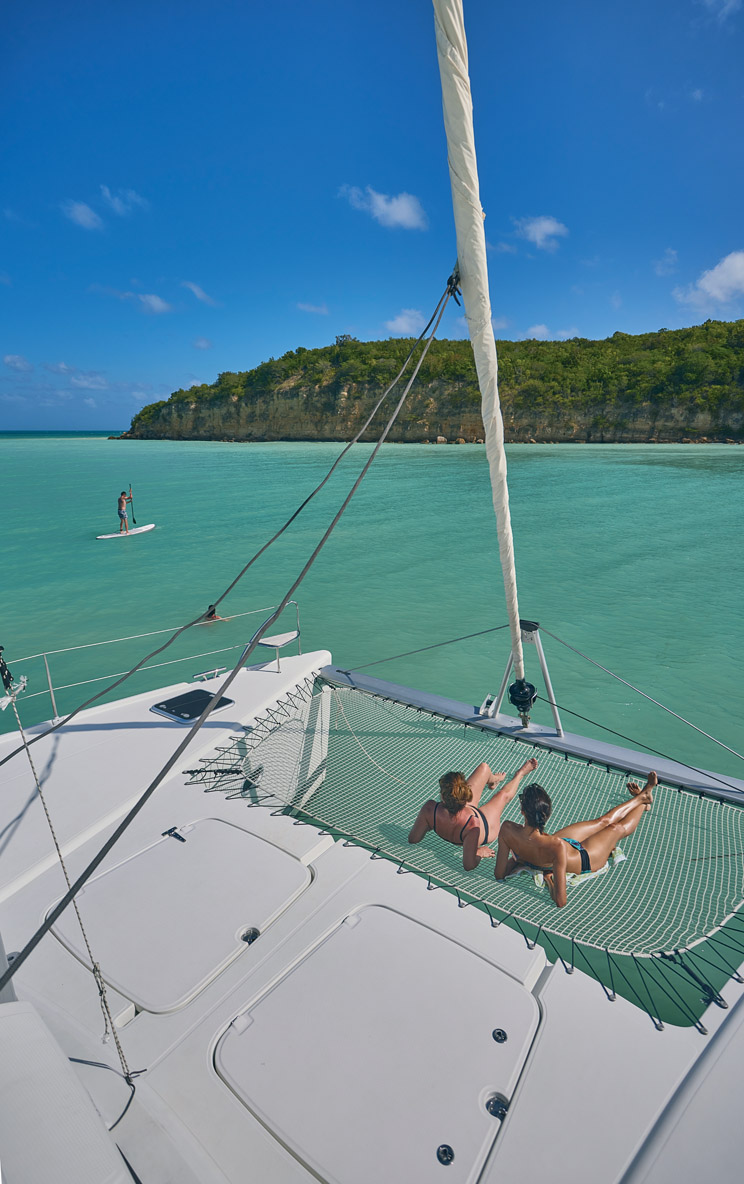
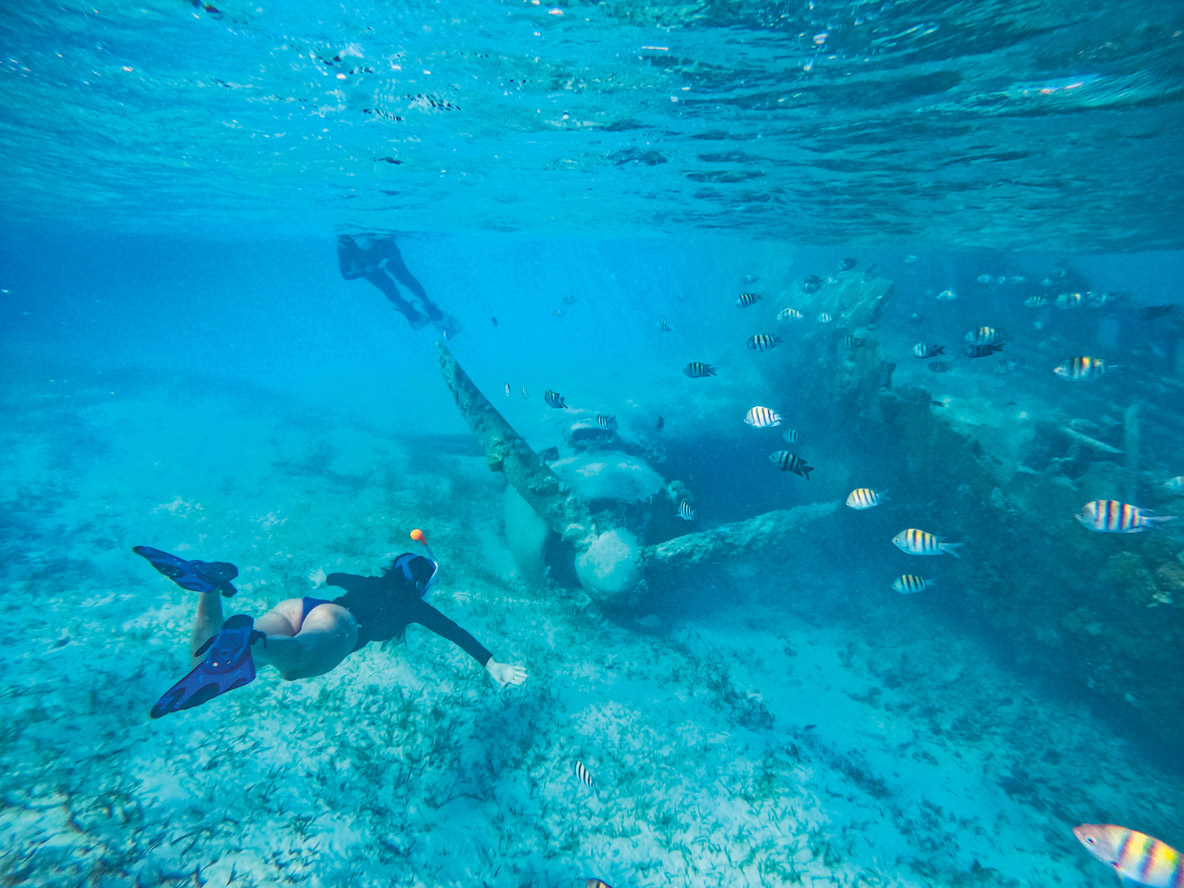
When the water is clear and warm, the minimum you need is snorkeling gear, i.e. fins, masks and snorkels. Dreaming of kayaking or paddling in a dreamy cove first thing in the morning? It should be possible... just make sure your multihull has enough “toys”. Inventory varies greatly according to size and level of range.
15/ Find out Before Packing your Bags
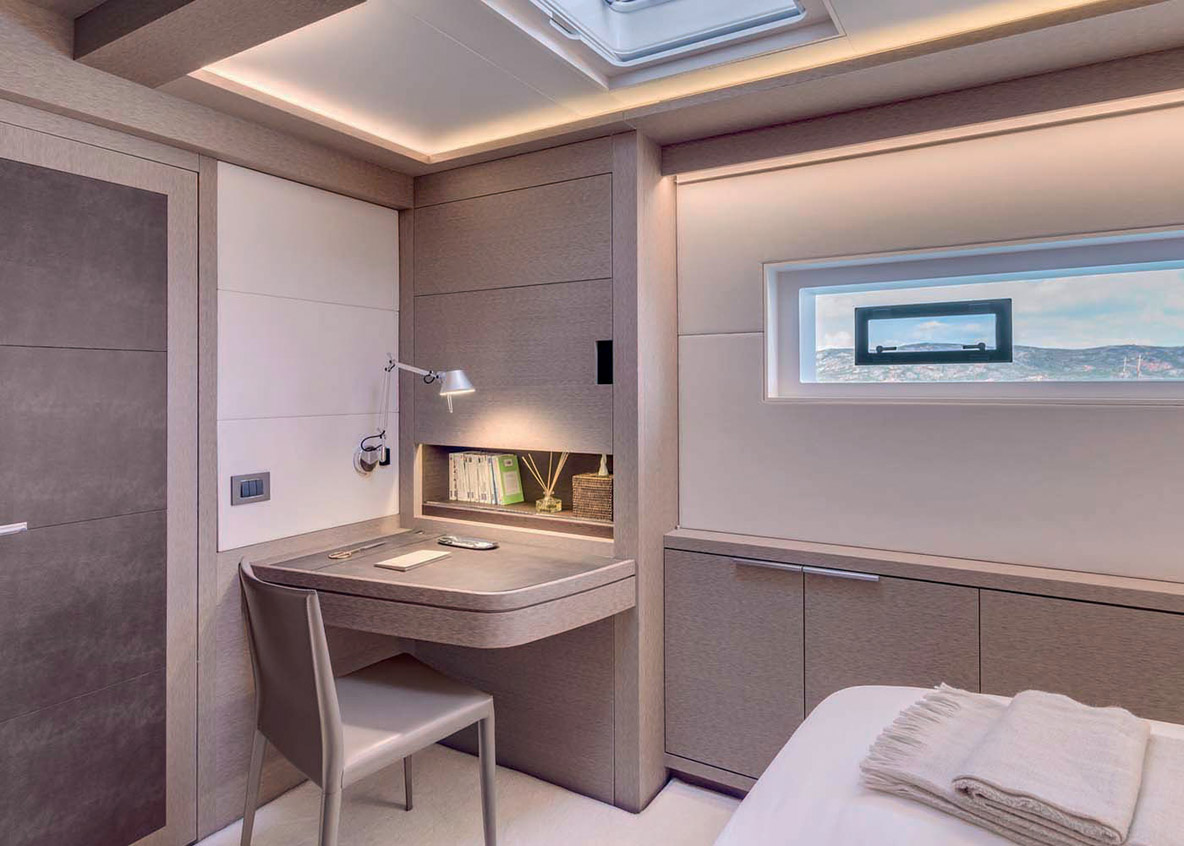
If you’re unfamiliar with sailing and/or your destination, packing can be a complicated business. Check the average seasonal temperatures in the area, which will give you an idea. Don’t forget that when sailing, you have to deal with wind and sometimes rain. So don’t forget to pack something warm and also wet weather gear, even if a multihull offers much better protection against bad weather than a monohull. And don’t forget any medical treatment you may be taking and the prescription that goes with it, as you’re unlikely to find a pharmacy up every creek. Finally, avoid wheeled suitcases. Not only is it impractical, but it can also damage the boat.
Here again, charter companies often have tips on how to pack your luggage suitably.

16/ Have the Right Plugs
Not all multihulls have electrical outlets that match those of your home country. Catamarans in the Americas will be typically equipped with 110V outlets, as are those on the English-speaking islands of the Caribbean. The French West Indies and the Mediterranean, on the other hand, generally offer 220 V multihulls. Find out for yourself and bring an adapter if necessary. Similarly, many recent catamarans incorporate USB outlets, wireless chargers or USB-C outlets, but not all boats do, so pack accordingly.
17/ Think about Provisioning
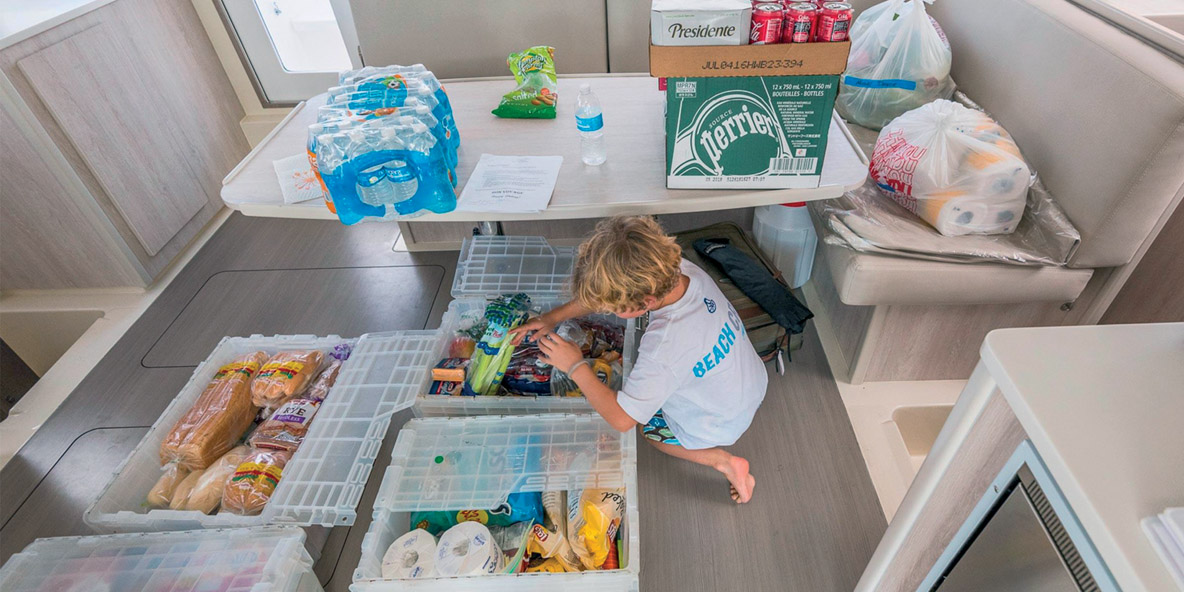
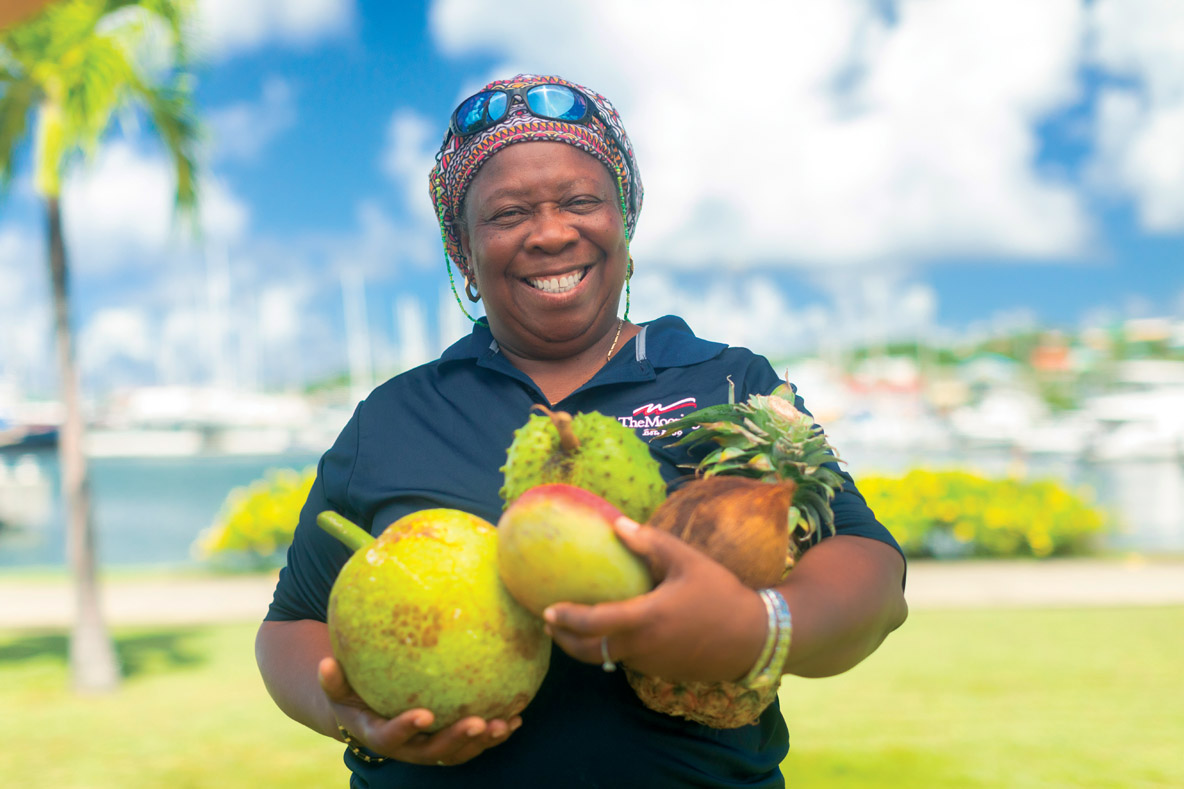
Before embarking for a week or more, it’s important to stock up on food and drink (including water), as in some areas supermarkets and grocery stores are scarce. While some people enjoy shopping, many yachtsmen don’t want to waste two hours doing so. That’s why most charter companies offer to stock up for you on pre-filled lists. Just tick off what you need, and they’ll do the shopping for you. Not only does this get you on your way straight away, but the local teams also have the advantage of knowing exactly where to find what you need.
18/ Stay Connected
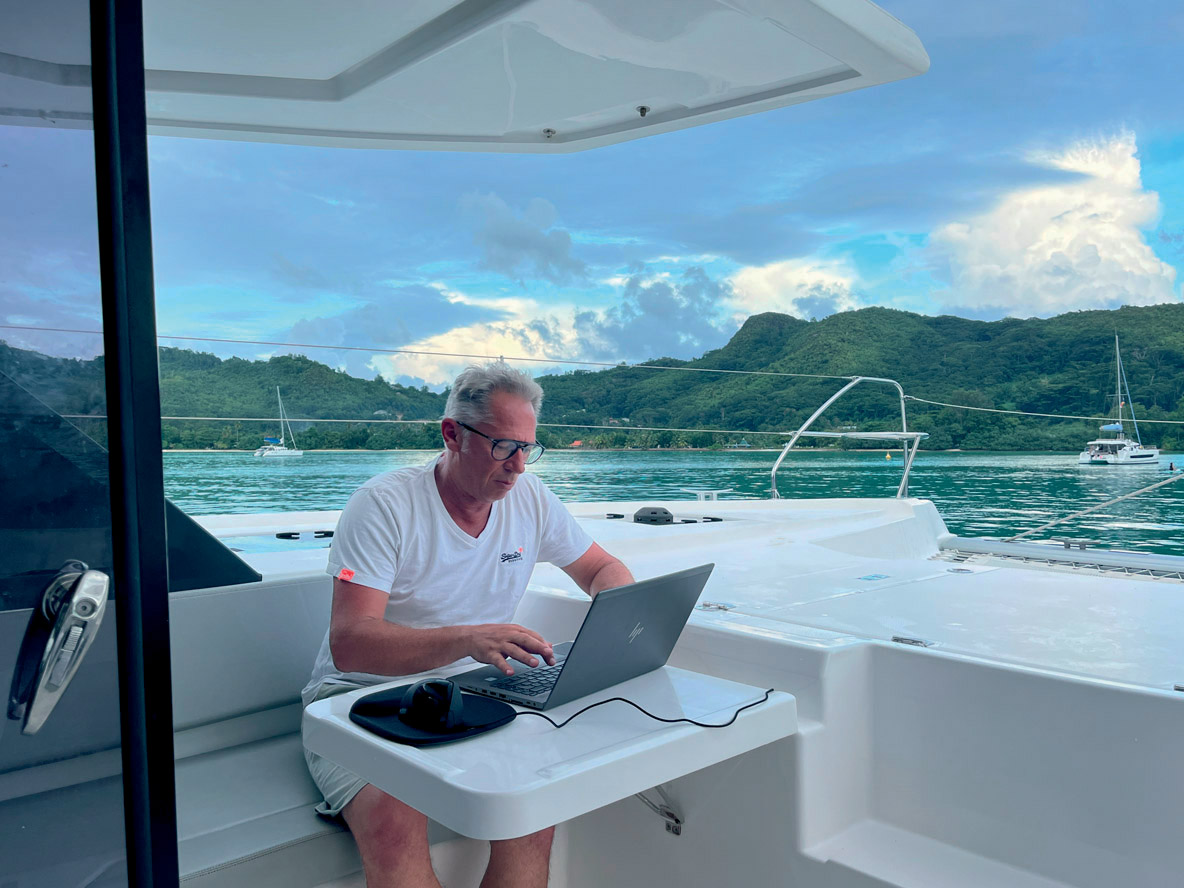
More and more charter companies are offering internet on board (as an option). Make sure this is the case but try to find out more about the equipment on offer, which varies greatly in terms of speed. Also check that your cell phone works in the area where you’ll be sailing. If required, e-SIM cards can be ordered and activated on site.
When planning your cruise, don’t forget to find out about local regulations. Normally, the charter company will give you a document explaining them, but you never know. For example, vaping is strictly prohibited in Thailand... If you’re planning to go fishing or spearfishing, make sure you know which species are protected and what the minimum catch sizes are. The same applies to anchorage zones.
20/ Enjoy Yourself!
Our final piece of advice - and perhaps the most important - enjoy yourself! Don’t stress too much, and don’t set yourself too ambitious an itinerary. Don’t be too hard on your crew, take the time to live and enjoy the moment and the wonders that surround you, and everything will go so well that you’ll be sending us a Postcard!