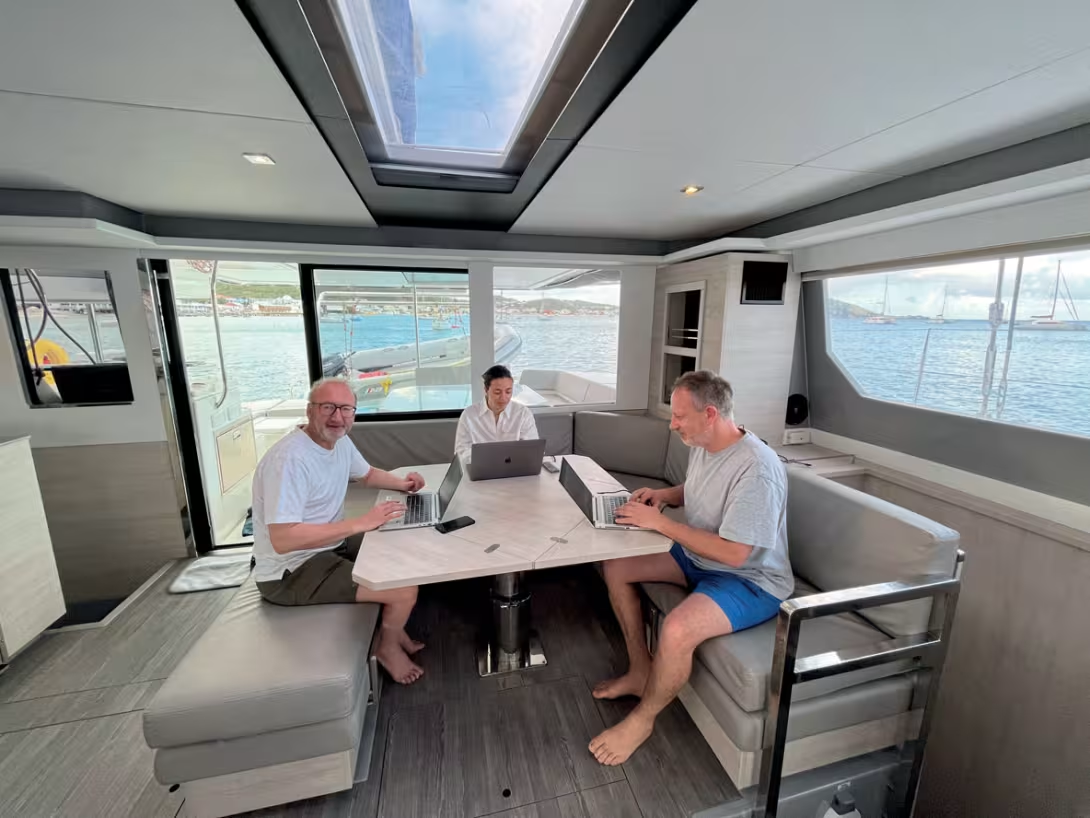




In Multihulls World #190, we published an article in this section entitled “Starlink Internet Service Provider, revolution or disappointment?” That was a year and a half ago - an eternity in the technology field! Radio had already broken the silence, then came satellite telephony, which made it possible to receive weather forecasts and send emergency calls. Today, you can stream a movie from the saloon of your multihull in the middle of the ocean. High-speed Internet access is now a reality, and even more so since the introduction of the Starlink offer. It’s a significant technological advance, easy to install and, until now, quite affordable. And it’s a revolution that has swept the world of ocean cruising: just to give you an idea, at the start of the Atlantic Rally for Cruisers 2022 in Las Palmas, one sailboat was equipped with Starlink. By 2023, 80% of the fleet was equipped and at the start of the latest edition, according to our editor-in-chief’s countdown, the equipment rate had reached 90%! Rarely has a piece of equipment found its place so quickly on board. But the picture is still not quite perfect. This accessibility and the benefits associated with this technology have created a kind of dependency that the American giant, in a virtual monopoly situation, has (skillfully) managed to exploit. The 2025 Starlink tariffs and conditions of use do indeed bring their share of disappointments. So where do we really stand today, how do we get started for those preparing to set off, and finally, are there any alternative solutions?
About Starlink
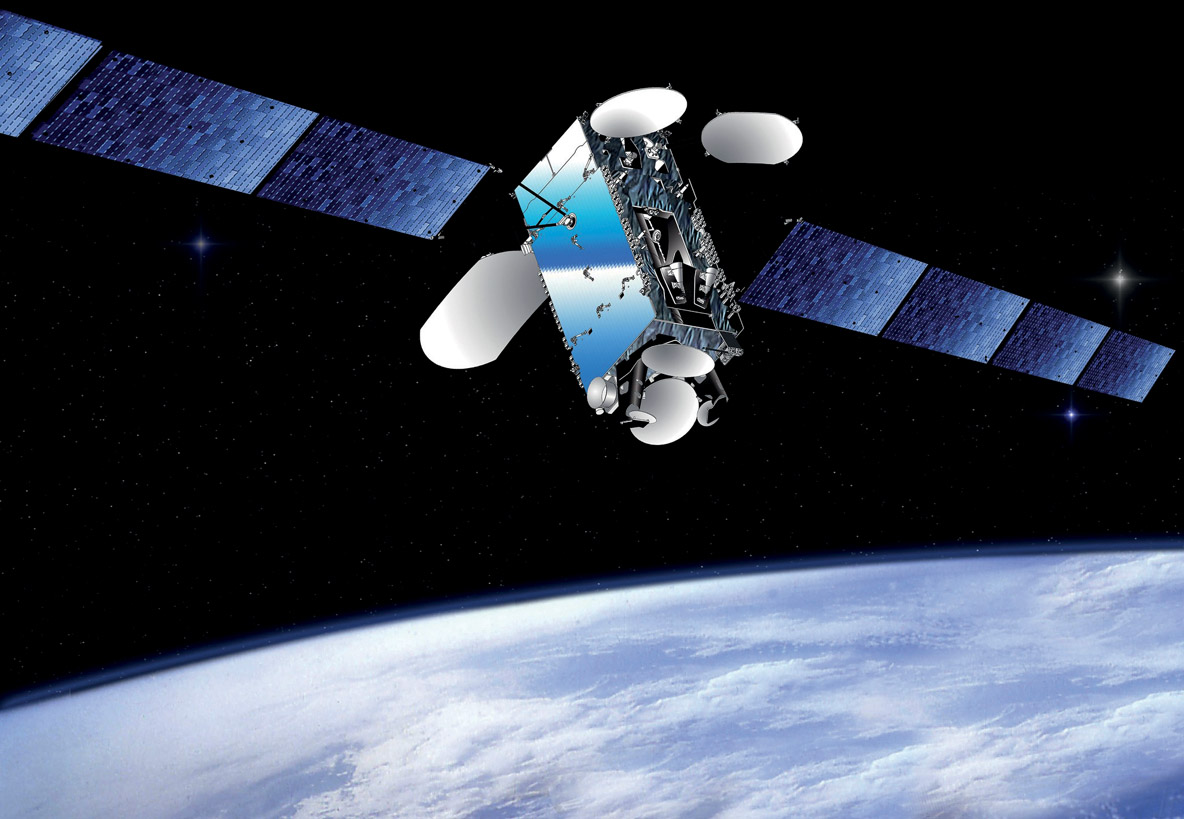
Starlink is an operator that relies on its network of satellites - they are operated by Starlink Services LLC, a 100% subsidiary of the American aerospace company SpaceX. Starlink’s aim is to offer Internet access worldwide. The service is now available in over 100 countries and on most oceans.
Deployment of the satellites began in 2019, and as we have seen, the network now includes more than 7,000 small satellites in low Earth orbit. Eventually, the network is expected to reach 12,000 satellites. Each satellite communicates with land-based transceivers. The commercial offer, meanwhile, began in 2021 and continues to evolve in line with demand, with several antennas and packages available.
The Hardware You Need
While the Starlink system has made a name for itself thanks to its performance, worthy of an excellent terrestrial Wi-Fi system - we’ll go into more detail on upload/download speeds later - the simplicity and reliability of the components have also played an important role in convincing users, as have the application and customer service. For simplicity’s sake, the prices quoted are those in the USA; we have occasionally indicated other prices, but beware, they are particularly volatile...
A Starlink Antenna
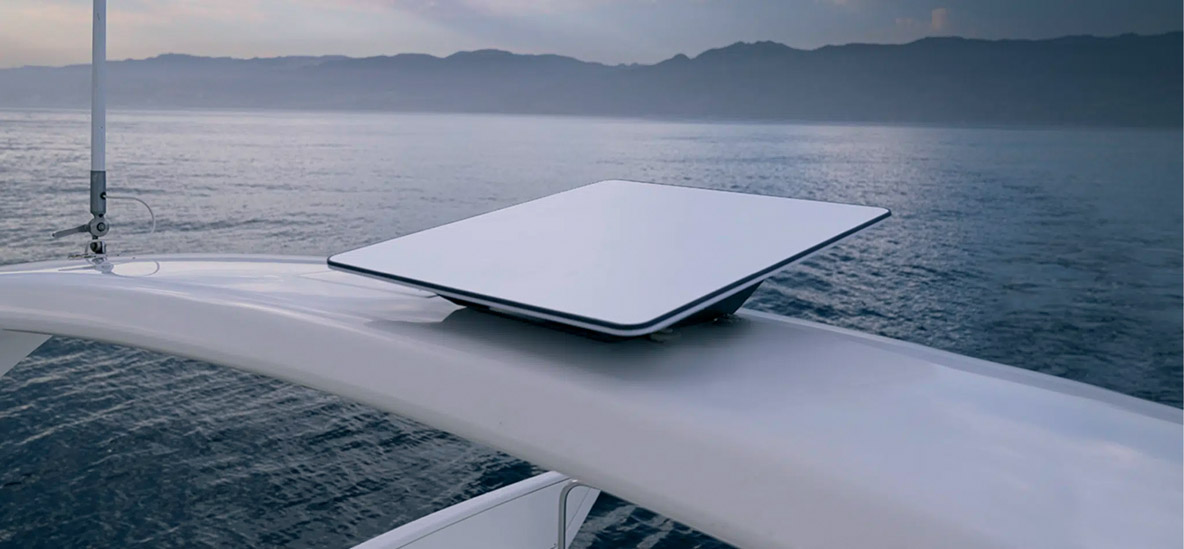
There are several kinds of Starlink antenna on the market, from the Mini, that can be carried in a backpack, to the dedicated business solution. Products evolve and are replaced rapidly, so the Mini antenna already represents the fourth generation, with some good improvements.
Standard V3 for Staying in Port or Coastal Sailing
For boaters who spend a lot of time in the marina, or who sail close to the coast, the standard kit with the V3 antenna may be just the thing. It no longer needs to be motorized to operate properly, which improves reliability by reducing the number of moving parts. Above all, this considerably reduces power consumption, one of the weak points of the first generations.
The Standard V3 antenna is now priced at $349 by Starlink and comes with a bracket, a third-generation router and the necessary cables. It also requires a 110 or 220 V power supply. You can use an adapter, but some boaters report that the system doesn’t work very well on 12 V. The alternative is to use an inverter, which will provide you with a 110 or 220 V power source, provided your multihull can supply such power.
The Mini Antenna
This latest antenna is, as its name suggests, very compact and has the advantage of integrating the router and an adapter for mounting on a support pole. This antenna can also be powered by a portable USB battery, and even has a snow-melting function... To enjoy it, you’ll need to pay $599 (€399 in Europe). More expensive to buy than the other models, the Mini incorporates the latest advances of generation 4 and has the advantage of consuming way less power.
The High-Performance Mobile Antenna for Passage-making
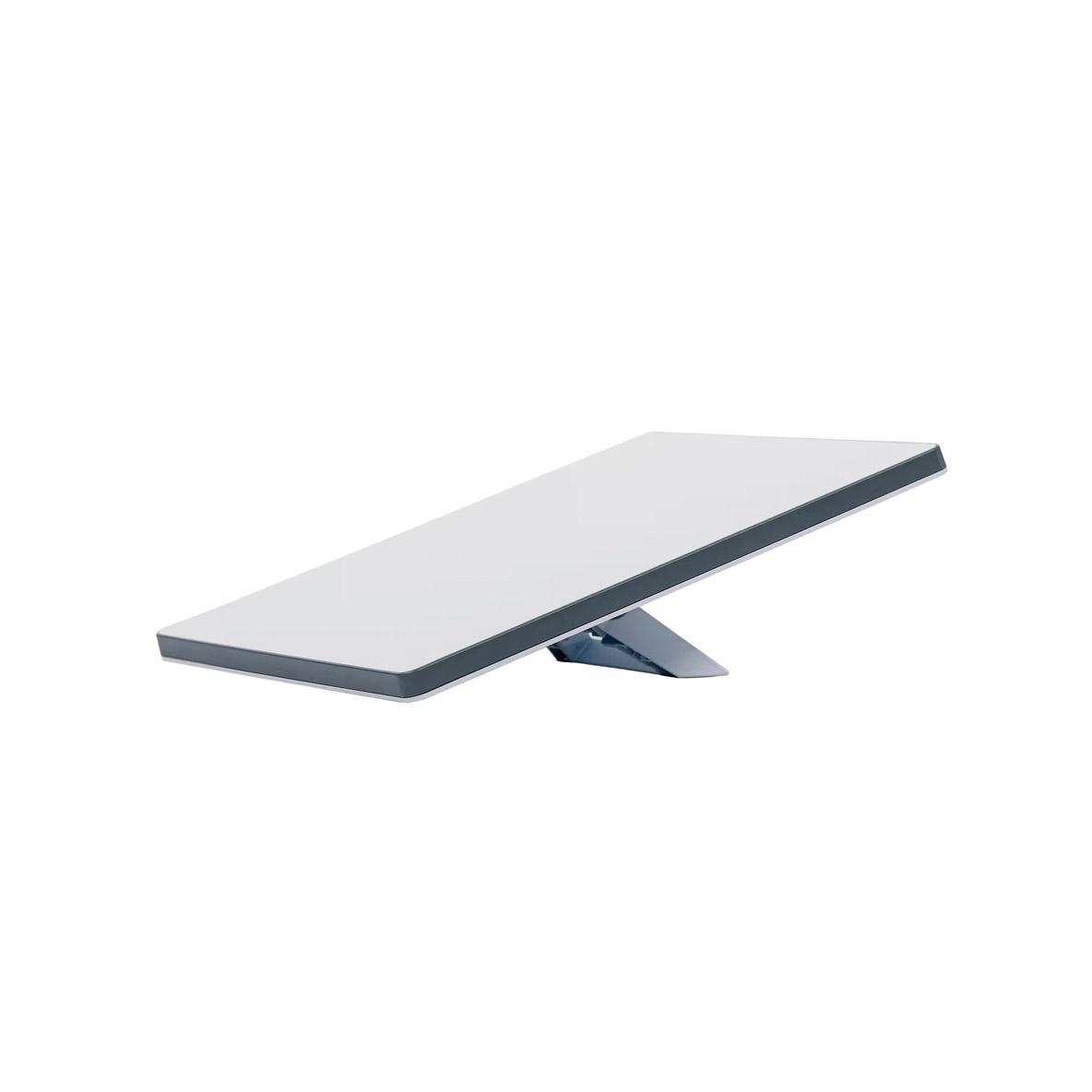
For offshore sailing and passage-making, the Mobile High-Performance antenna, designed for moving supports and harsh environments is the one recommended. This antenna is built to withstand extreme weather conditions and is waterproof to IP56 standards. The Mobile High Performance also boasts enhanced GPS capabilities and is able to connect to more satellites, thus avoiding connection loss. This antenna comes at a (very) high price - expect $2,500 - and has a power consumption of 110 to 150 W, i.e. 3 to 4 times greater than that of the Mini antenna.
A Mounting Bracket
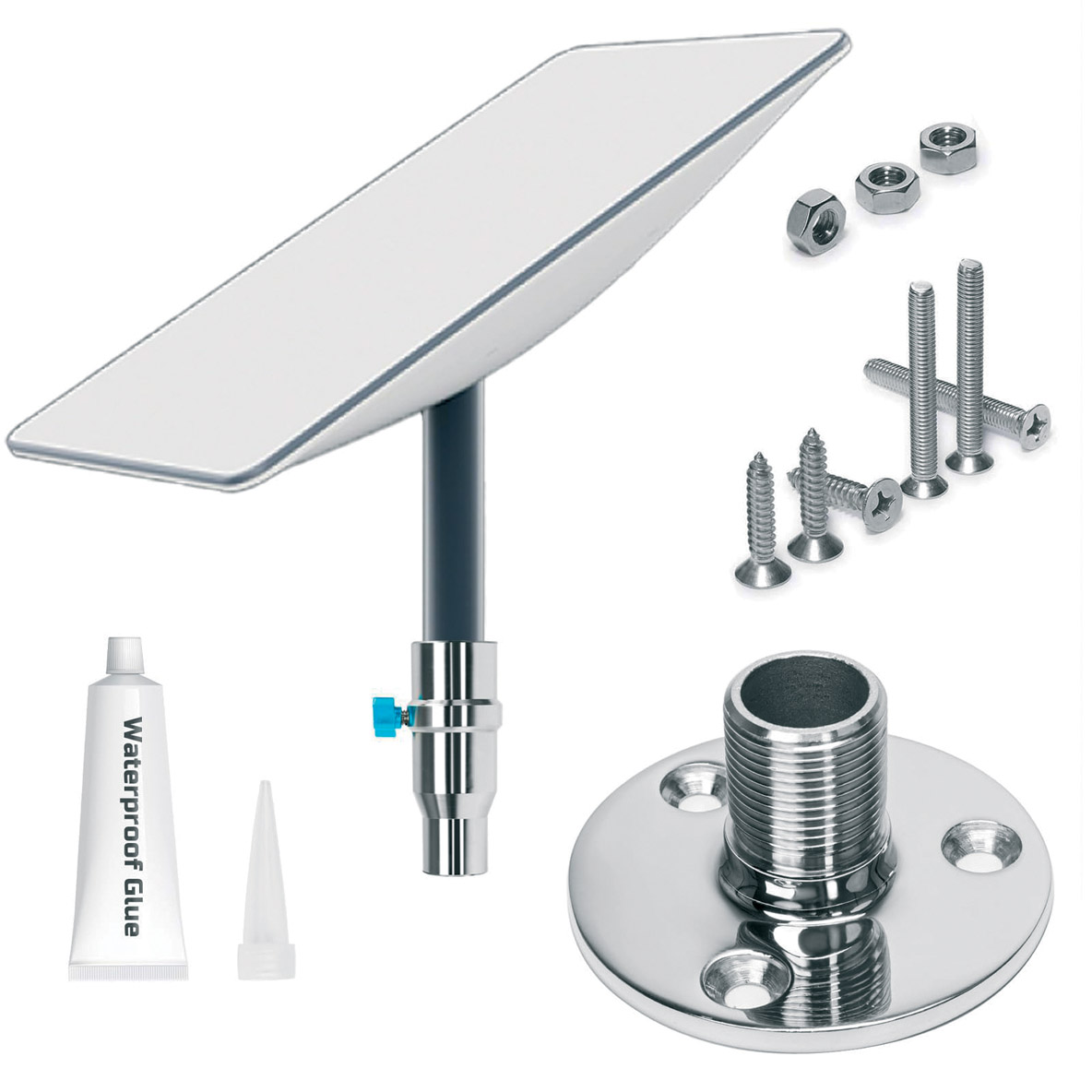
To install your antenna, you’ll need to add a mounting tube to your order - it’s really recommended to install the antenna permanently. You can, of course, opt for the official pole sold by Starlink for $120, but there are also several brackets available online or in stores, which allow you to adapt the mounting perfectly to your multihull while reducing costs. For the location, we generally choose the stern, away from the sheets, as an extension of a solar panel or the helm station protection.
Power Supply
The new Mini antenna has a power consumption of around 15 W at rest and between 30 and 40 W in use - roughly equivalent to the consumption of a radar.
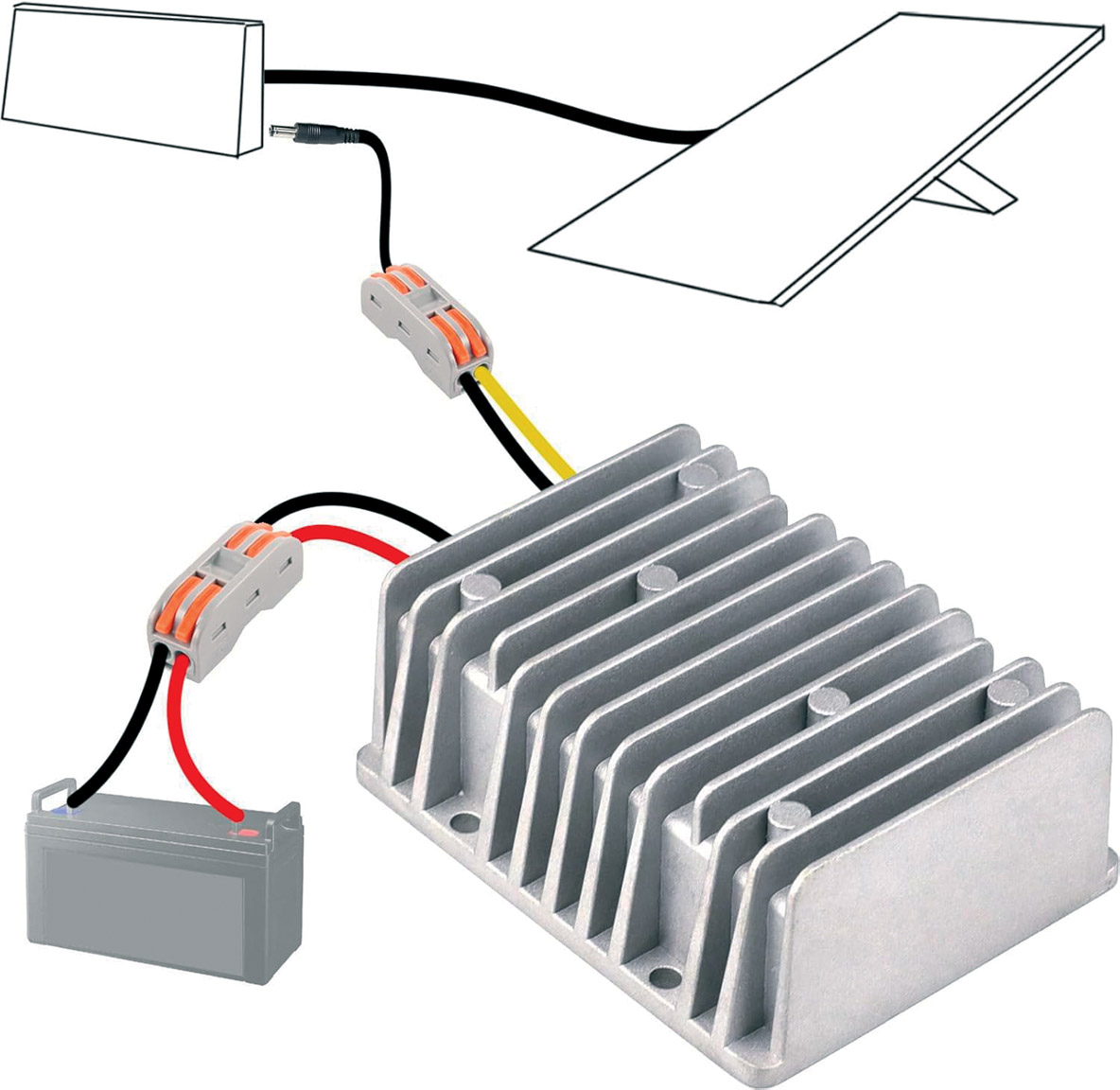
It can be used with a portable battery, and with a conventional power supply as with other antennas. The power supply unit is IP66-rated, but it operates on 110 or 220 V, which means you’ll need an on-board inverter to produce this type of voltage. However, conversion kits are now available which allow the Starlink antenna to be used on 12 volts, although feedback from boaters is not always very positive about the efficiency of the 12-volt system.
A Router
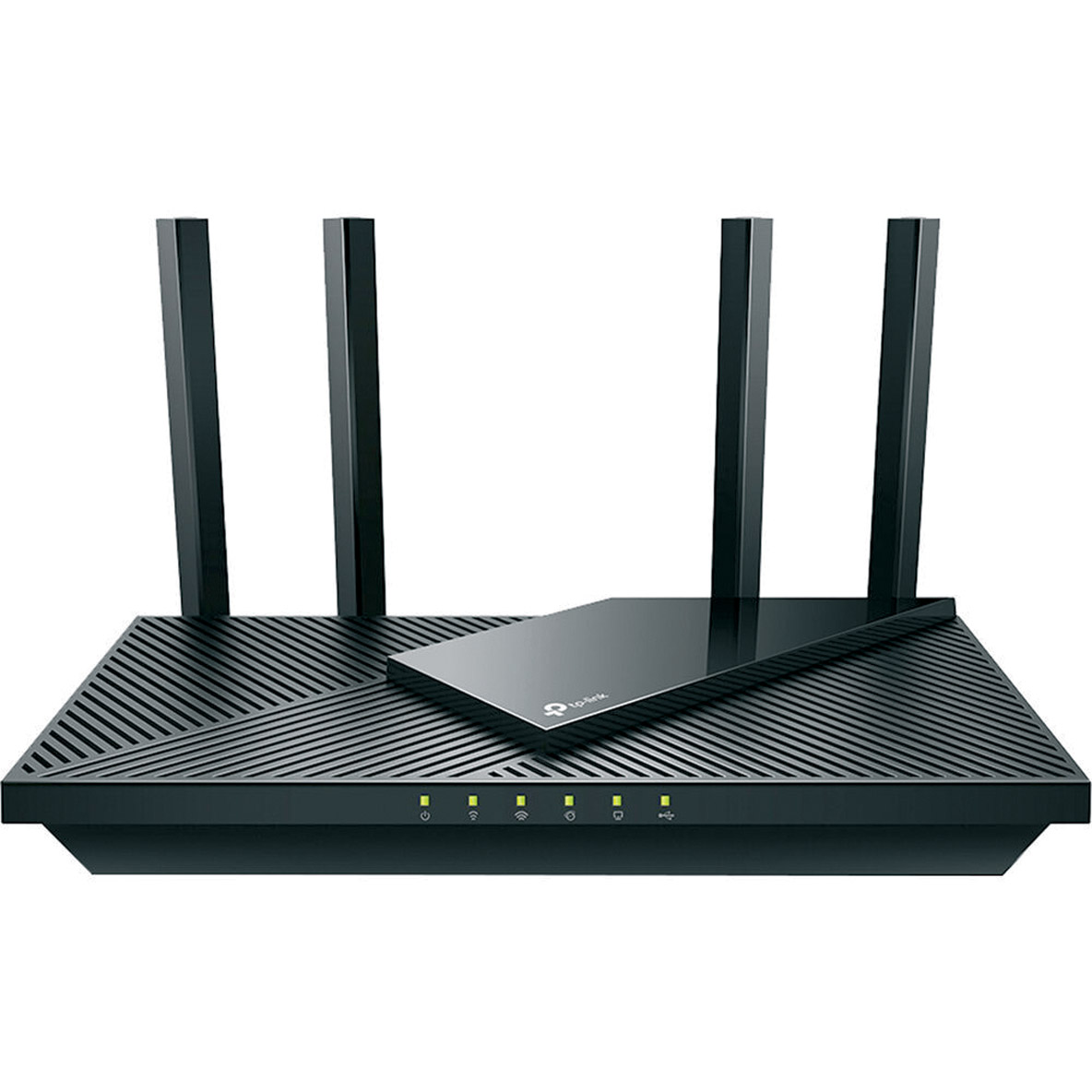
To complete the installation, if you opt for a High-Performance Mobile antenna, all you need is a router. Here again, you can choose the model sold by Starlink for $199, but you can also opt for another brand, making sure that the model of your choice is compatible with Starlink. The advantage of choosing a third-party router is that it often offers better on-board coverage, a plus aboard large multihulls. A third-party router may also feature other technological benefits, such as a Mesh system, data protection and more...
The Starlink App
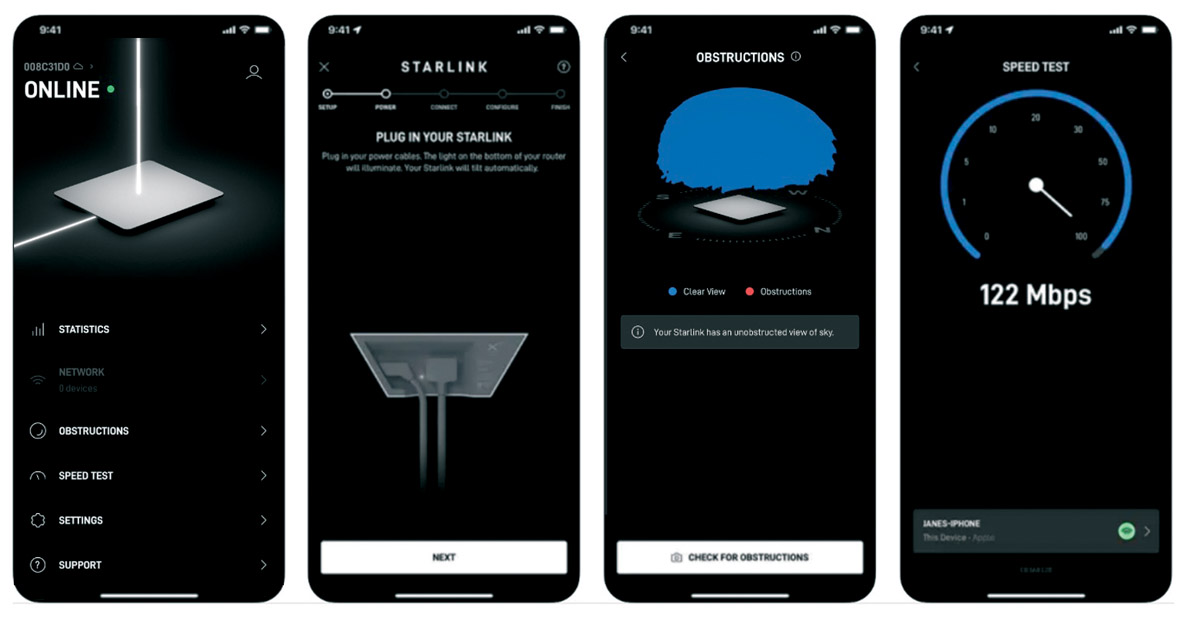
While in theory it’s possible to install Starlink from your laptop’s browser, in practice, the Starlink app is now indispensable. In addition to its practicality, the app will enable you to find the best location for your antenna, customize settings, receive updates and access support. The app also provides you with tons of information about your account and usage. It’s available in IOS and Android versions and is best installed when you have an available internet connection. Once you’re on board, it’ll be easier to connect to the system to set up Starlink.
Which Starlink Subscription to Choose?
Once you’ve got the hardware, it’s time to choose a package. The American operator has harmonized its tariffs quite well. There’s little difference between the first-price subscription in US dollars ($50) and the European rate (€40), and the price is almost identical for a country like Australia.
Mini Roam or Roam Near the Coast
For the standard kit and Mini antenna, there are two monthly subscriptions: Mini Roam or Roam. The former costs $50 a month for 50 Gb of data, while the latter is $165 for unlimited data. These subscriptions are contract-free, meaning you can stop whenever you like and Starlink offers a 30-day free trial.
Note that at the time of writing, the Mini antenna is only available with the Mini Roam subscription; the other package should be available with the launch of future satellites.
In terms of performance, download speeds range from 30 to 100 Mbps, and upload speeds from 5 to 25 Mbps.
In addition to these (sharply rising) rates, the company has also recently introduced a number of restrictions. For example, use of the roaming service (Starlink Standard and Mini) outside their subscription area is limited to a period of two consecutive months. To keep the service active, you need to return to your home zone every two months.
Starlink for Boats for Passage-making
Starlink for Boats is a third-generation package designed to deliver high-speed Internet access on virtually any seas around the globe. It requires the purchase of a Mobile High-Performance antenna and a Starlink Gen 3 router (or a compatible model).
You can then opt for one of three available subscriptions: Roam Unlimited, Mobile Priority 50 Gb or Mobile Priority 1 Tb, with download speeds of up to 220 Mb and upload speeds of up to 25 Mb, with latency of less than 99 milliseconds according to the manufacturer.
The Roam Unlimited package, billed at $165/month, offers unlimited connection provided you stay within 12 nautical miles of the coast.
Beyond 12 nautical miles, you will have to opt for the Mobile Priority package offering 50 Gb per month for $250/month, or for the Mobile Priority 1Tb package at $1,000/month. Note that the latter two packages offer unlimited connection once ashore at the marina.
As far as restrictions are concerned, Starlink is currently only officially available in around 100 countries, and using Starlink in a country not officially listed may result in the service being cut off. It is therefore advisable to plan your trip carefully, based on the official map of the access provider.
“Traditional” Alternatives
If Starlink has rapidly become the leader in satellite Internet connections, it is above all because the company has developed colossal resources and has then been able to put in place an offer that is easily accessible both technically and financially. However, Starlink is not alone in offering such services - even if the new operator has put the competition to shame. Here’s an overview of other solutions that work at sea aboard your multihull.
Iridium Go!
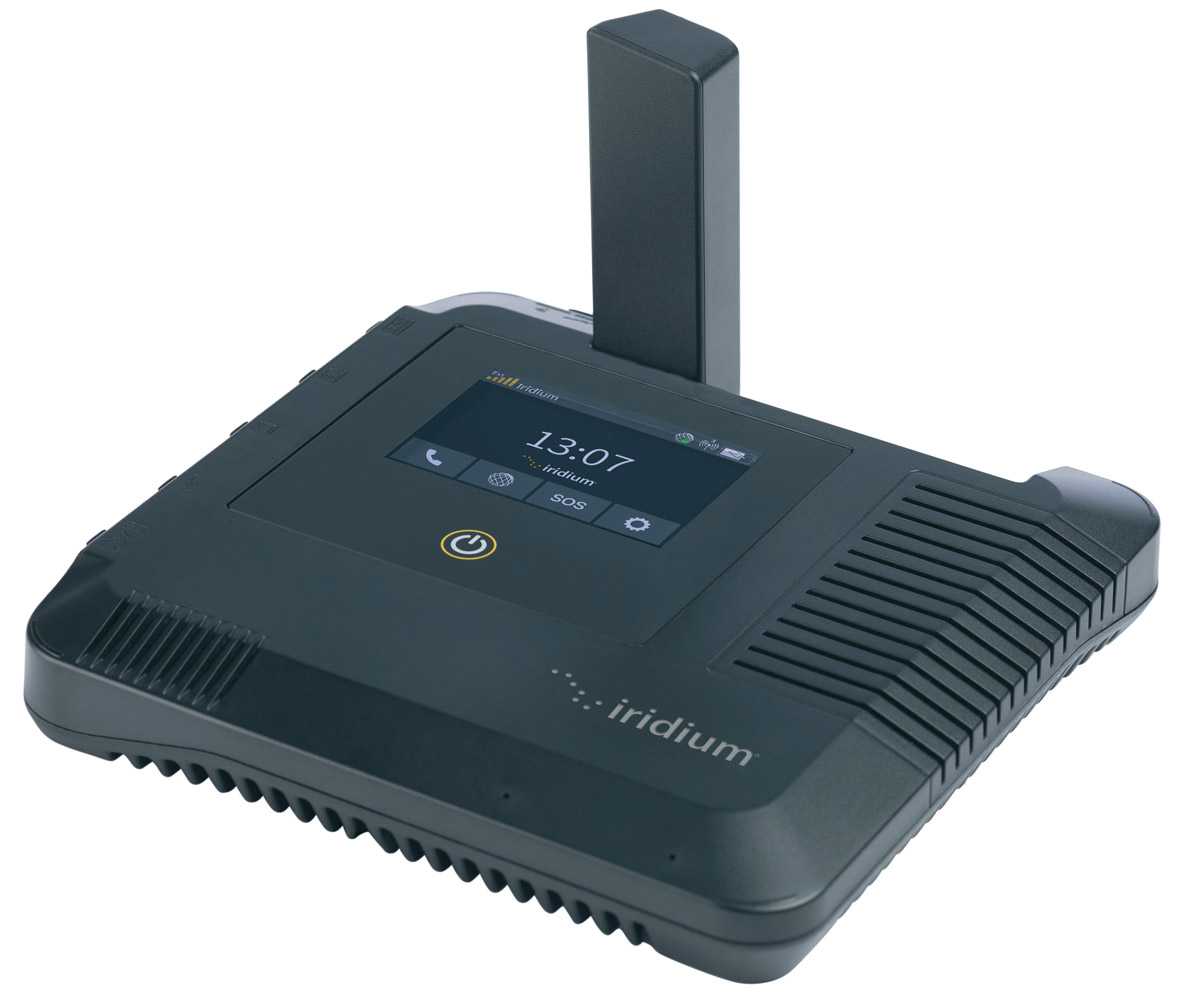
Iridium has long been present in the world of satellite communications. Mainly reserved for professional or security applications, this company also offers yachtsmen the means to stay in touch with land, notably through its Iridium Go! offer. However, the connection remains mainly voice and SMS-oriented, as the 2.4 kb speed is rather low. In fact, in addition to voice communications and SMS, it allows you to check your e-mails, but not much more.
To use the service, you’ll need a satellite receiver that works with your phone or tablet via a dedicated app. This box costs $900 for the Iridium Go! and $1,699 for the Iridium Go!exec. Once you’ve purchased the hardware, you’ll need to buy a compatible sim card and choose from one of the many packages available, with rates varying from operator to operator. No-commitment packages start at around $485 for 120 minutes of calls or 3,000 texts and go up to $1,025 for 500 minutes of calls or 3,000 text messages. There are also offers with a one or two-year commitment ranging from $65 to $177 per month for just text messages and calls. To take advantage of data, opt for the $178/month package, but with modest speeds.
For its part, Iridium Go! exec is a little more generous in terms of data, with the first offer starting at $109/month for 25 Mb. For unlimited data, opt for the $260/month option or the $3,000/year annual package - which offers 1Gb of data.
Once again, rates vary widely depending on the company marketing them, so it’s important to compare prices and the service on offer.
INmarsat
With Fleet One, Inmarsat (now owned by Viasat) is a well-known name in the world of commercial shipping. The supplier also offers a number of solutions for connecting to the Internet from your multihull.
It starts with Fleet One, which is divided into two packages, Coastal Coverage and Fleet One Global. The first package is aimed at yachtsmen staying close to the coast, while the second allows you to connect from just about anywhere. Both packages are commitment-free but limited to voice and e-mail usage. Coastal Coverage starts at €51 per month for 10Mb and goes up to €3,437 per month for 1Tb, while Fleet One Global goes from €109 (10Mb) to €8,679 (1Tb), which is still very expensive.
To take advantage of social media, opt for Fleetbroadband, again with two options, Entry Internet or Medium Internet. This service starts at €483 for 25Mb and rises to €3,682 per month for 20Tb.
The Competition (of the Future) Is Trying to Get Organized!
While Starlink is more or less the only operator in the world to offer quality high speed Internet access at a competitive price, other companies have decided to join the battle. Good news for competition and better rates, but we’ll have to be patient...

Iris2
Iris2 is a European project led by the SpaceRise consortium, whose main players are France’s Eutelsat, Spain’s Hispasat and Luxembourg’s SES. Iris2 aims to compete with Starlink by launching a fleet of multi-orbital satellites. The idea is to provide a secure satellite- based Internet connection for defense and government agencies, as well as a commercial offering like Starlink. However, the project calls for 290 satellites, whereas Starlink already has almost 7,000... and the Iris2 system is due to be operational in 2030, so may already be obsolete by then.
Amazon Kuiper
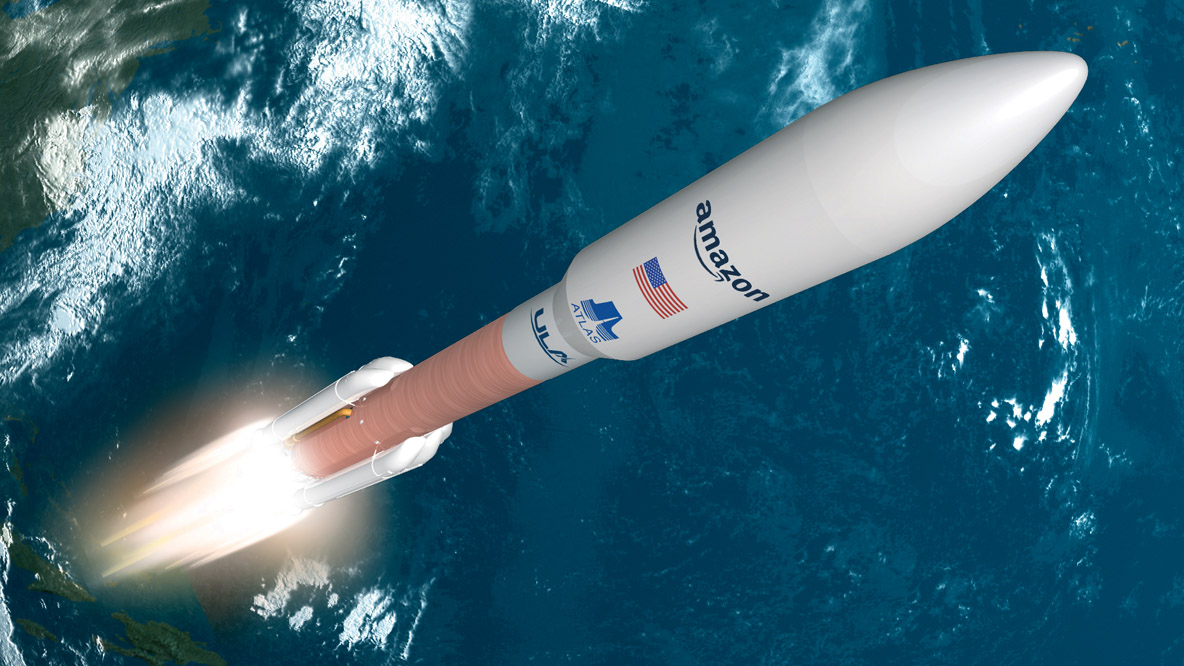
This is certainly the most serious competitor to come for Starlink. Created by Amazon, the Kuiper project plans to launch 3,232 satellites, with commercial operation scheduled to begin in 2026 when the first 578 satellites will be in orbit. The system also relies on 12 ground stations, and the project is scheduled for completion in 2029. The satellites will be connected by an infrared laser optical connection, and the technology is expected to deliver internet speeds of 100 Mbps to 1Tbps, depending on the system used. The price of the terminal required is expected to be under $400, and while package prices have yet to be revealed, Amazon says they will be “accessible to all”.

Qianfan, the Chinese Alternative
China is also looking to offer an alternative to Starlink, with the launch of the Qianfan constellation led by Shanghai Yuanxin Satellite Technology Company. By the end of 2024, 36 satellites had already been launched, a number that is set to rise to 648 by the end of 2025, while the goal is to have 14,000 satellites by 2030.
Skif, the Internet Powered by Russia
Following in the footsteps of the USA, Europe and China, Russia is also planning to launch its own satellite constellation, Skif. The network will be made up of 12 satellites in three different orbits, providing connection speeds of up to 6.5 Mb/s. The Skiff system’s satellites are due to be put into orbit between 2026 and 2027, although the date of launch, conditions and countries covered have not yet been revealed.